VIAFRO
Loading...
VIAFRO
Loading...
44 countries and 4 documented destinations for this experience, across 5 regions of Africa.
Destinations
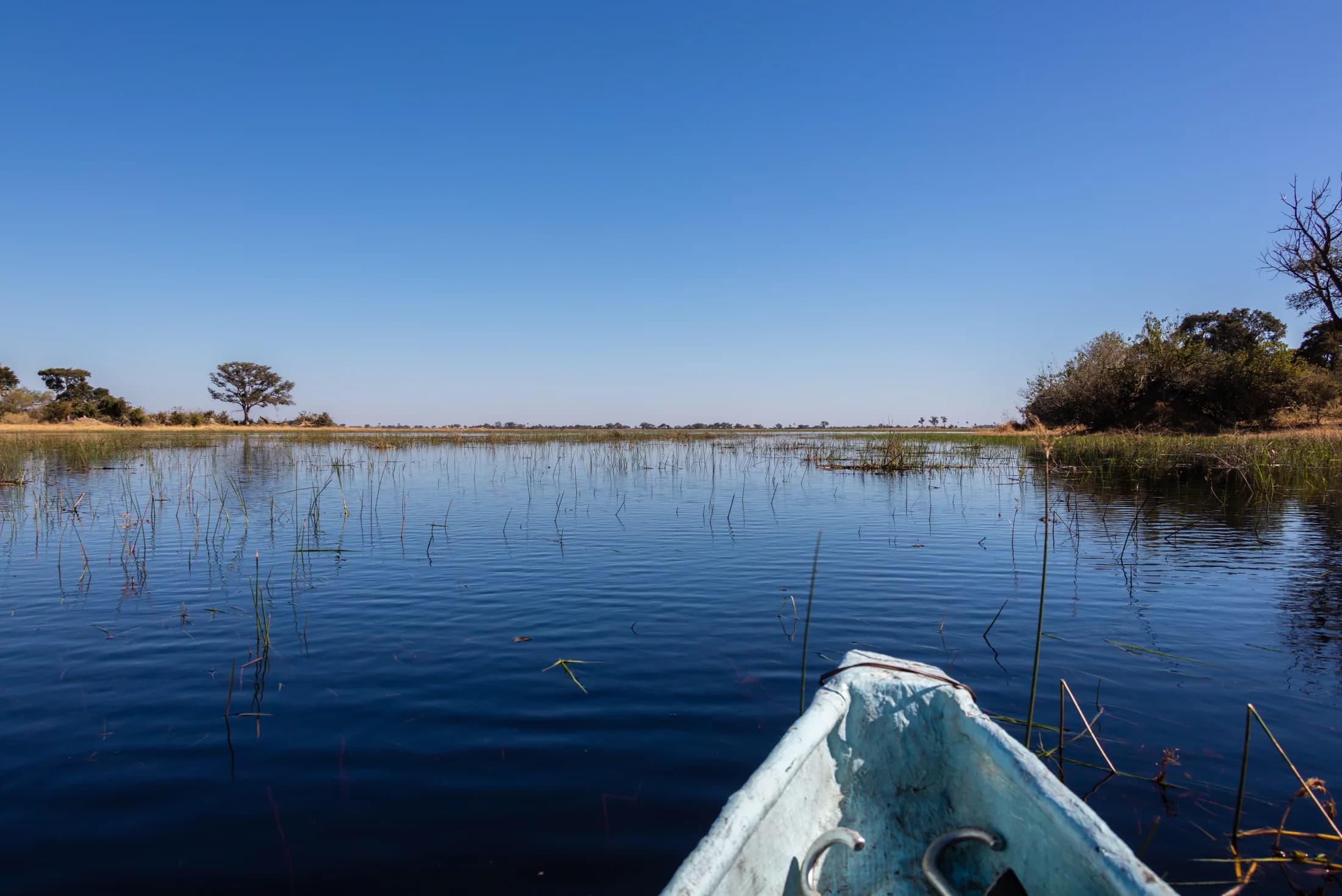
In north-west Botswana, the Okavango spreads into an inland delta rather than reaching the sea. Permanent marshes and seasonally flooded plains shape this World Heritage landscape, where annual floodwater arrives during the dry season and influences the rhythms of plants and animals.
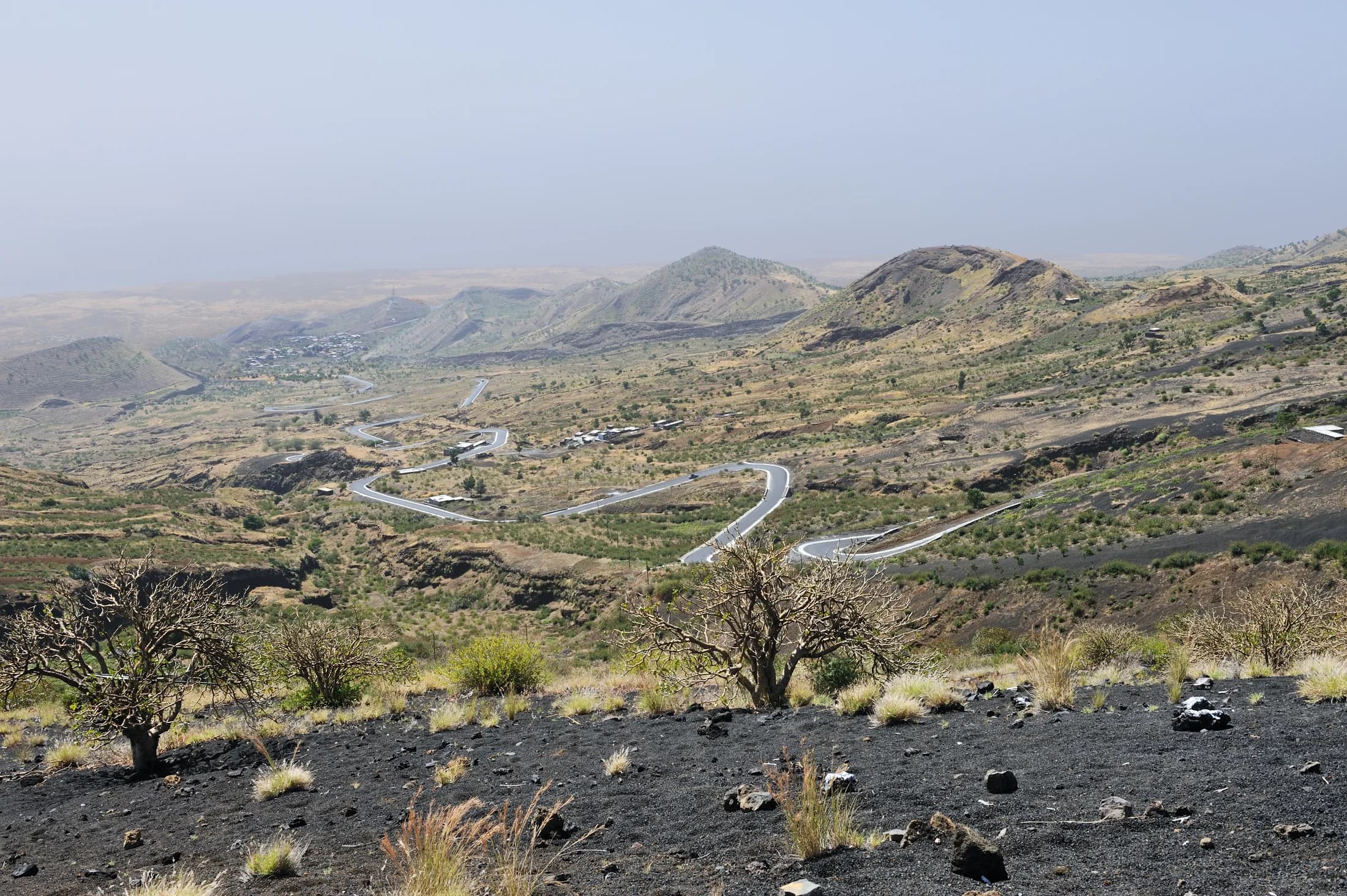
The road towards Chã das Caldeiras introduces Fogo’s volcanic landscape. The caldera, the community at the volcano’s foot and the surrounding rock formations offer a different island perspective from the coast. The natural park headquarters is in Portela.
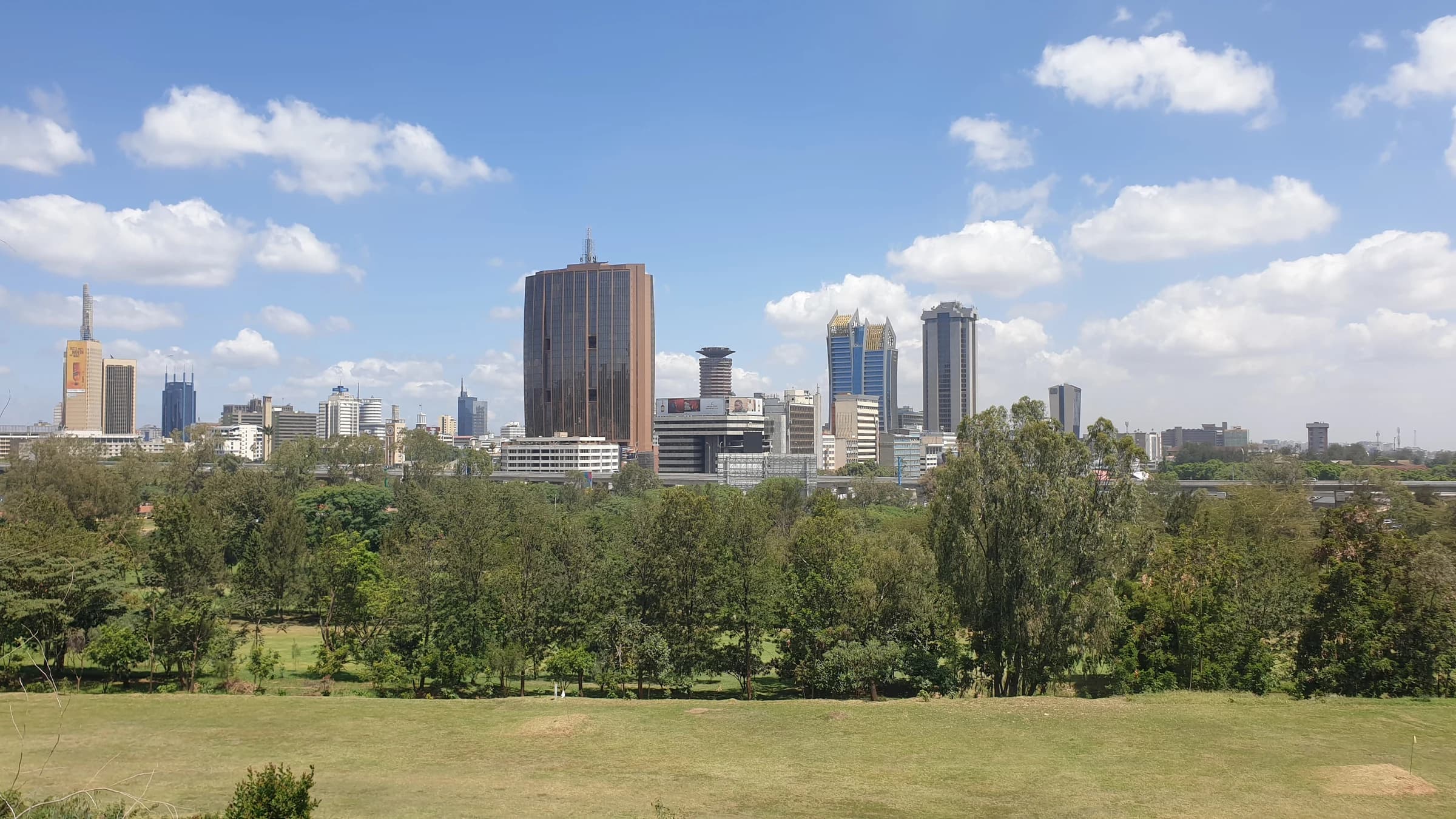
Creative energy and green spaces form the starting point for this city notebook.
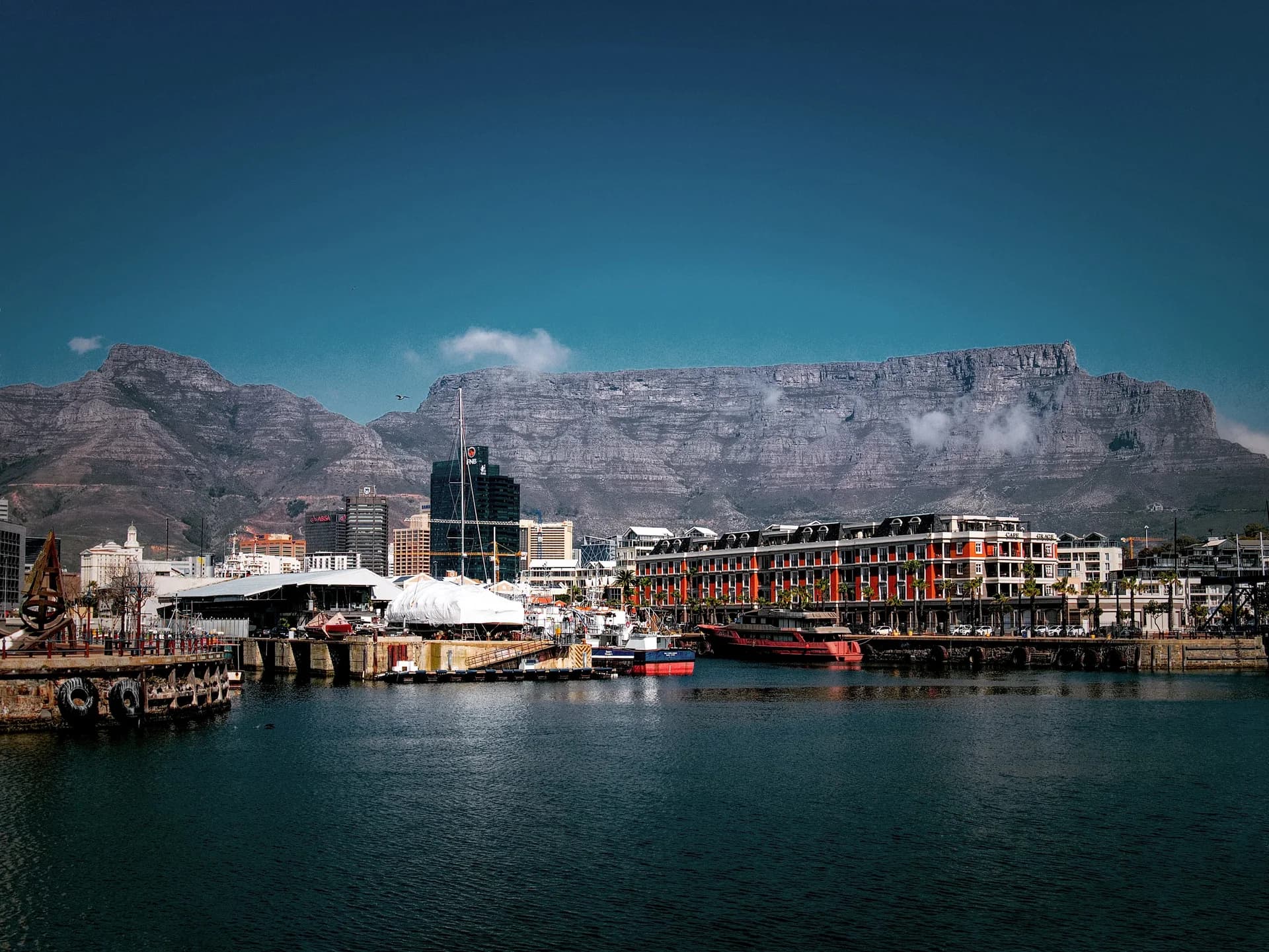
A city notebook framed by mountains, the ocean and conversations about design.
Countries
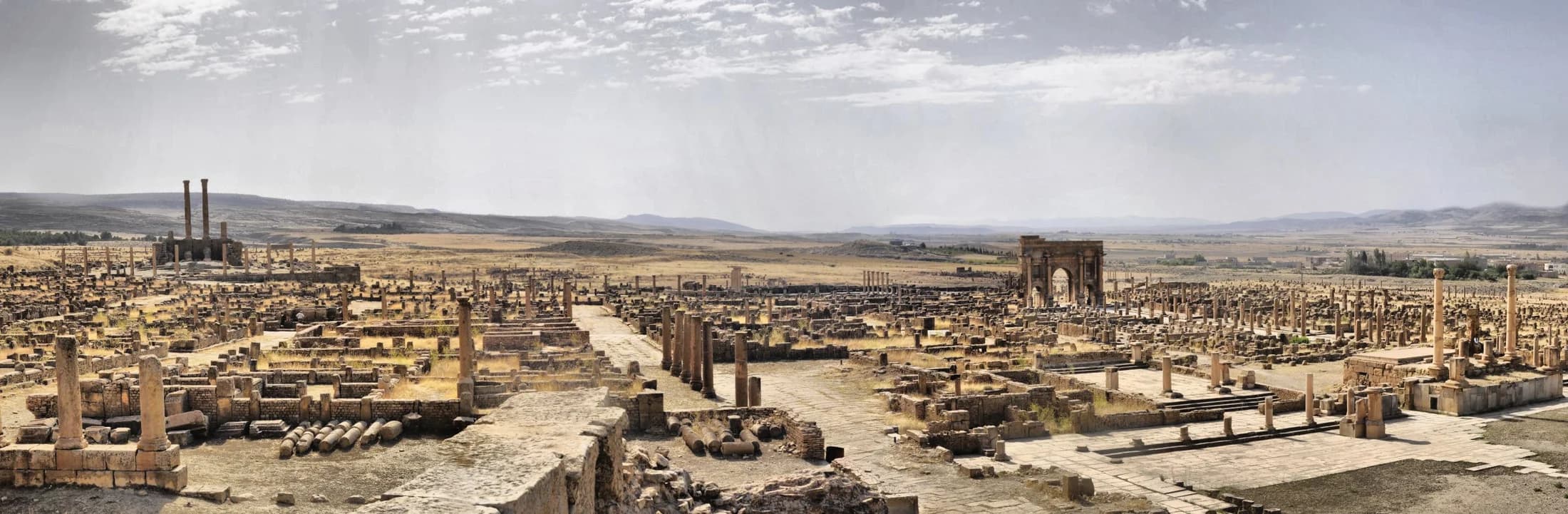
Mediterranean beaches, Sahara desert and ancient monuments
February to October, from Algiers’s normals
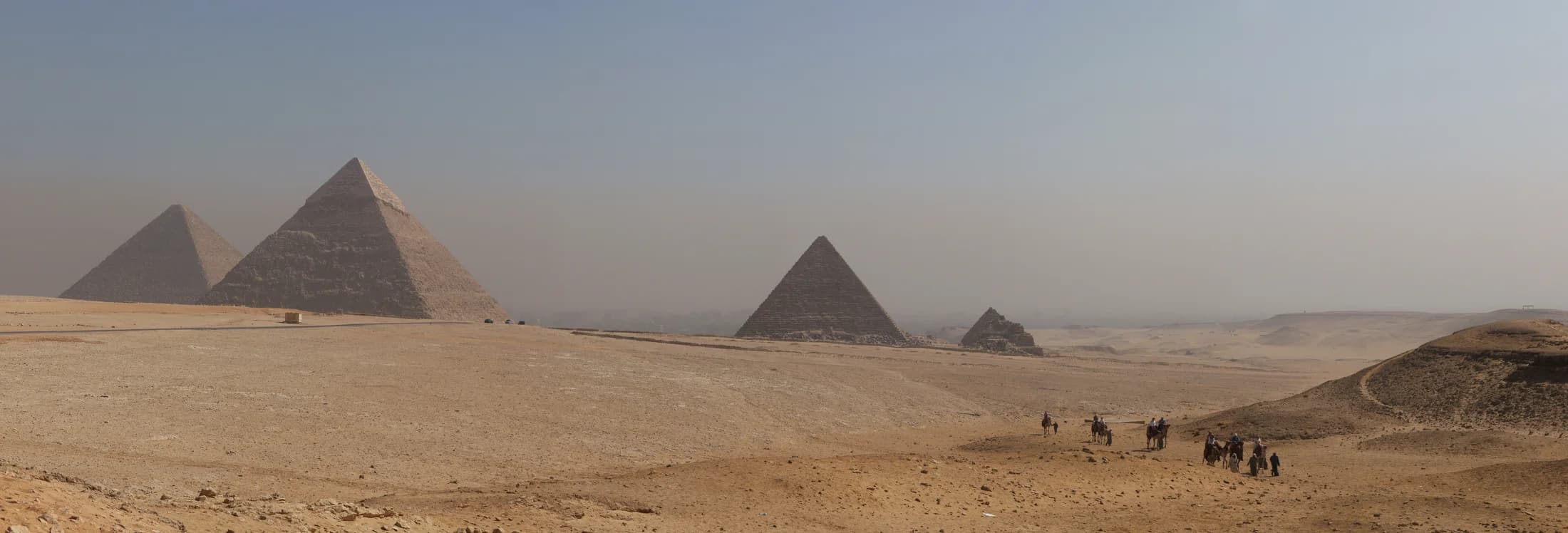
The Nile, the pharaohs and the Red Sea
Jan–Apr, Oct–Dec
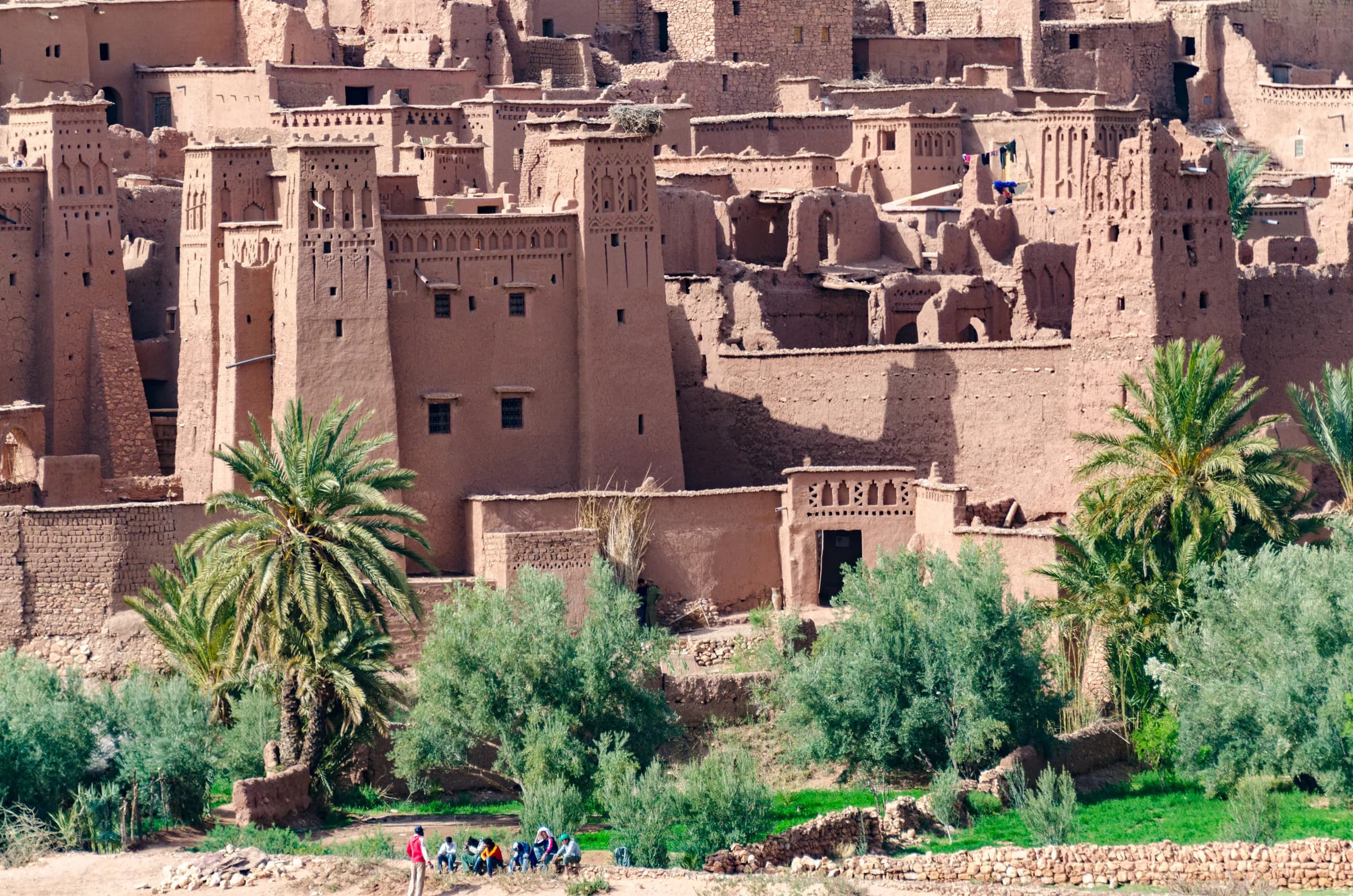
Medinas, Atlas, Atlantic and Sahara
Mar–May, Sept–Nov
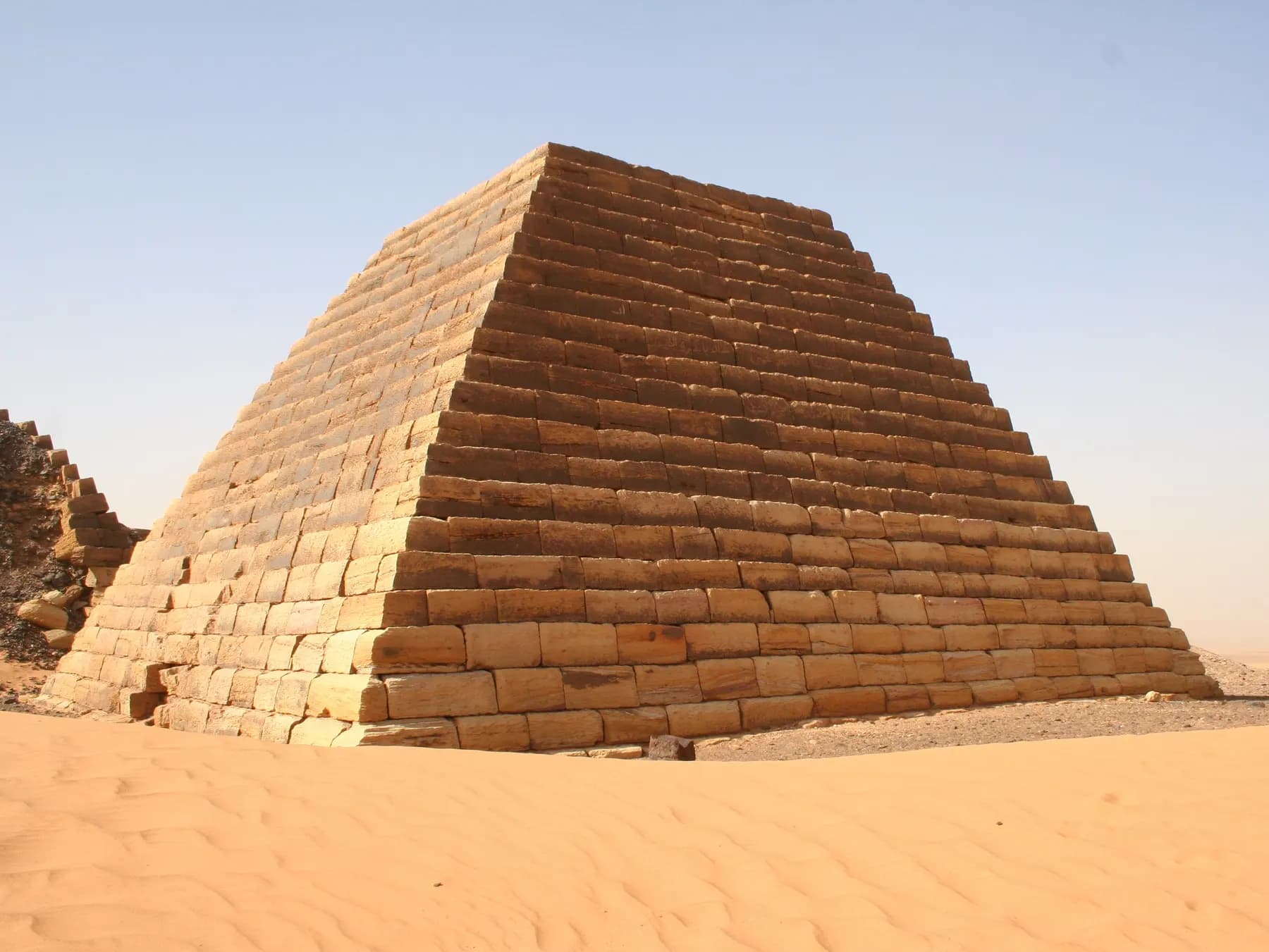
Ancient pyramids, Sahara desert, the Nile and culture
December to February, from Khartoum’s normals
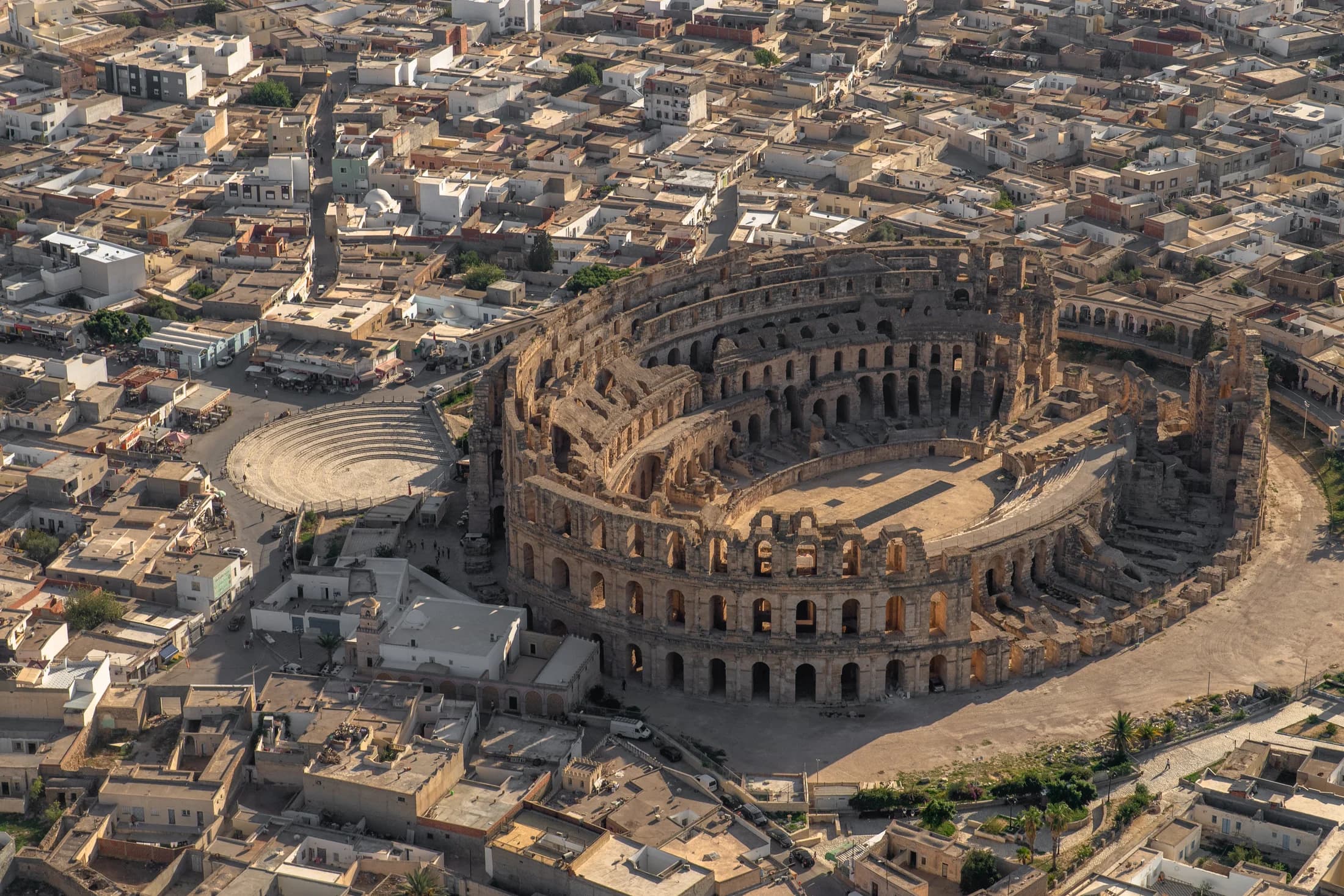
Mediterranean beaches, Sahara desert and historic cities
September to June, from Tunis’s normals
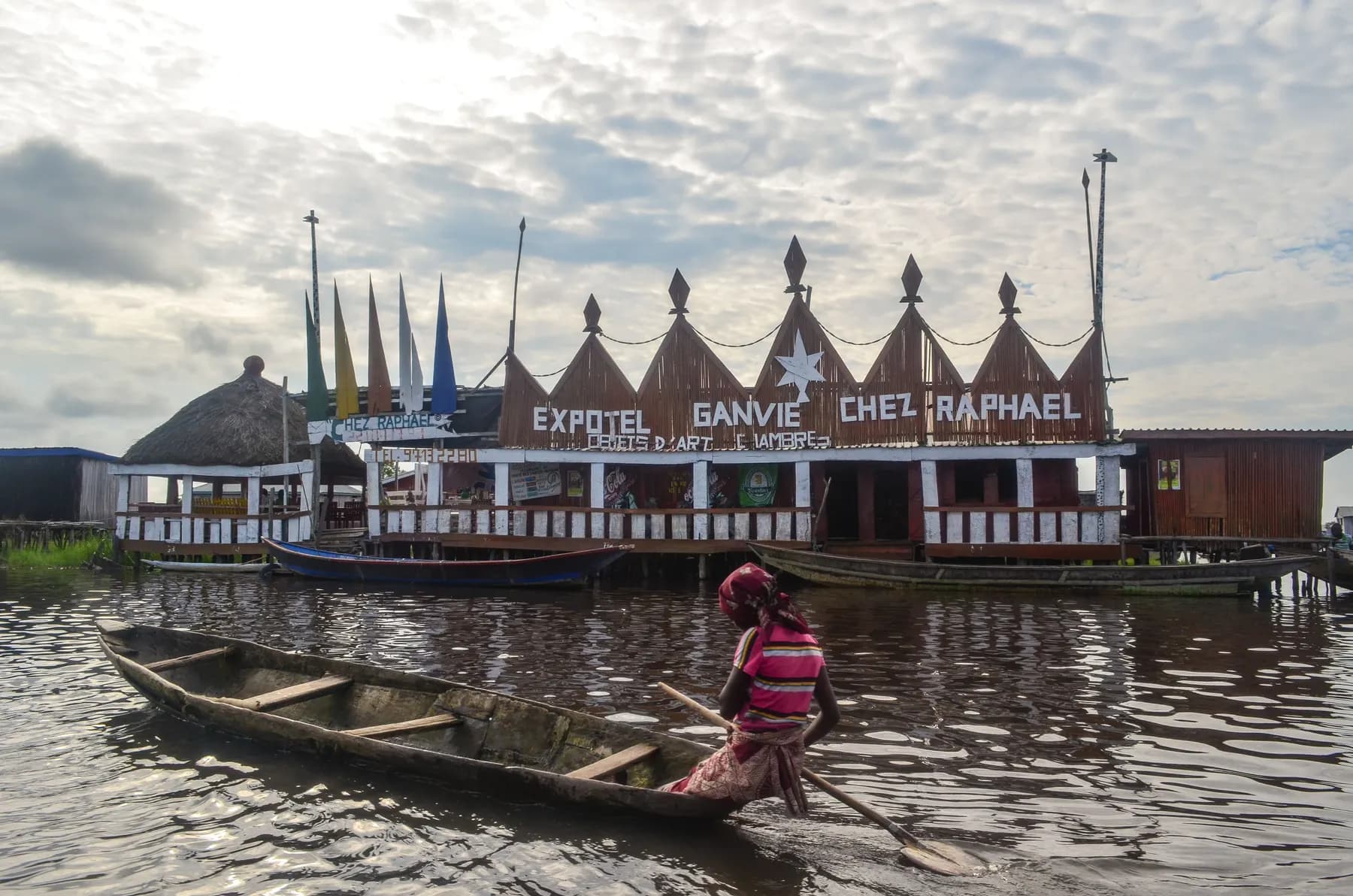
Splendid beaches, breathtaking views, safaris, hiking and culture
November to February
Ten volcanic islands off West Africa
Apr–Jun, Nov
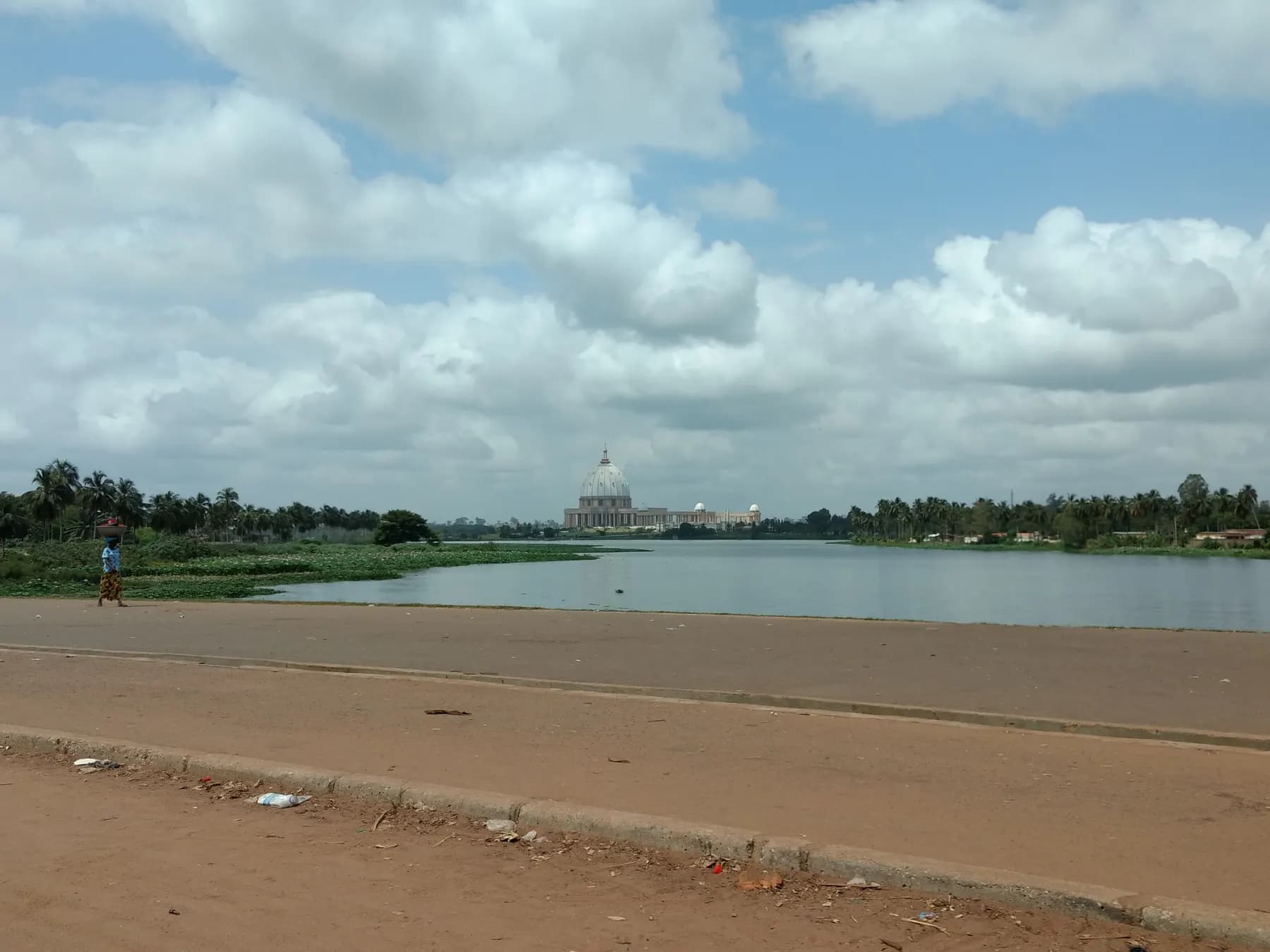
Magnificent beaches, nature reserves and buzzing cities
December to February, from Abidjan’s normals
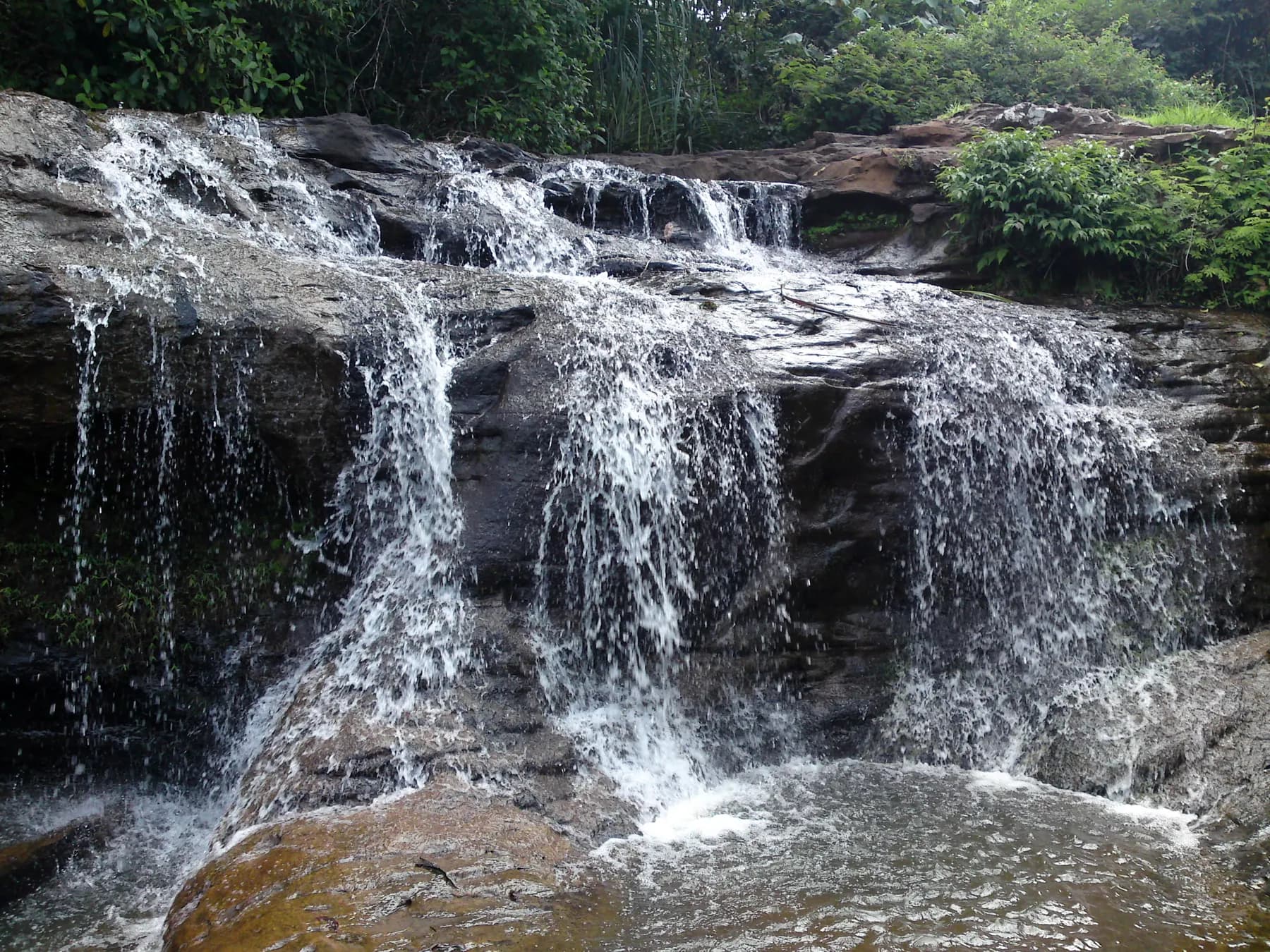
Paradise beaches, tropical forest, mountains and waterfalls
December to April, from Conakry’s normals
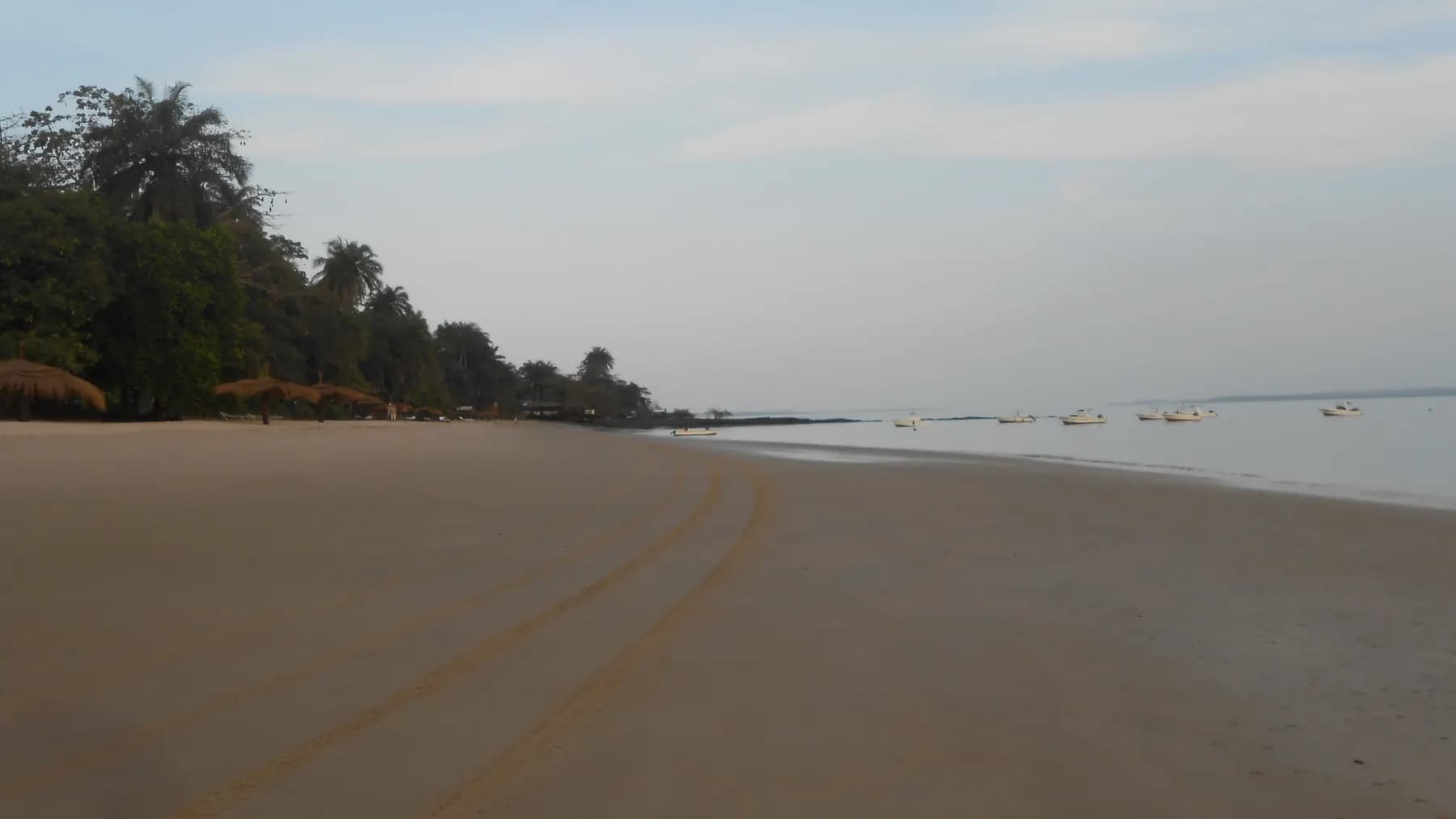
Bijagós archipelago, nature reserves and traditions
November to January, from Bissau’s normals
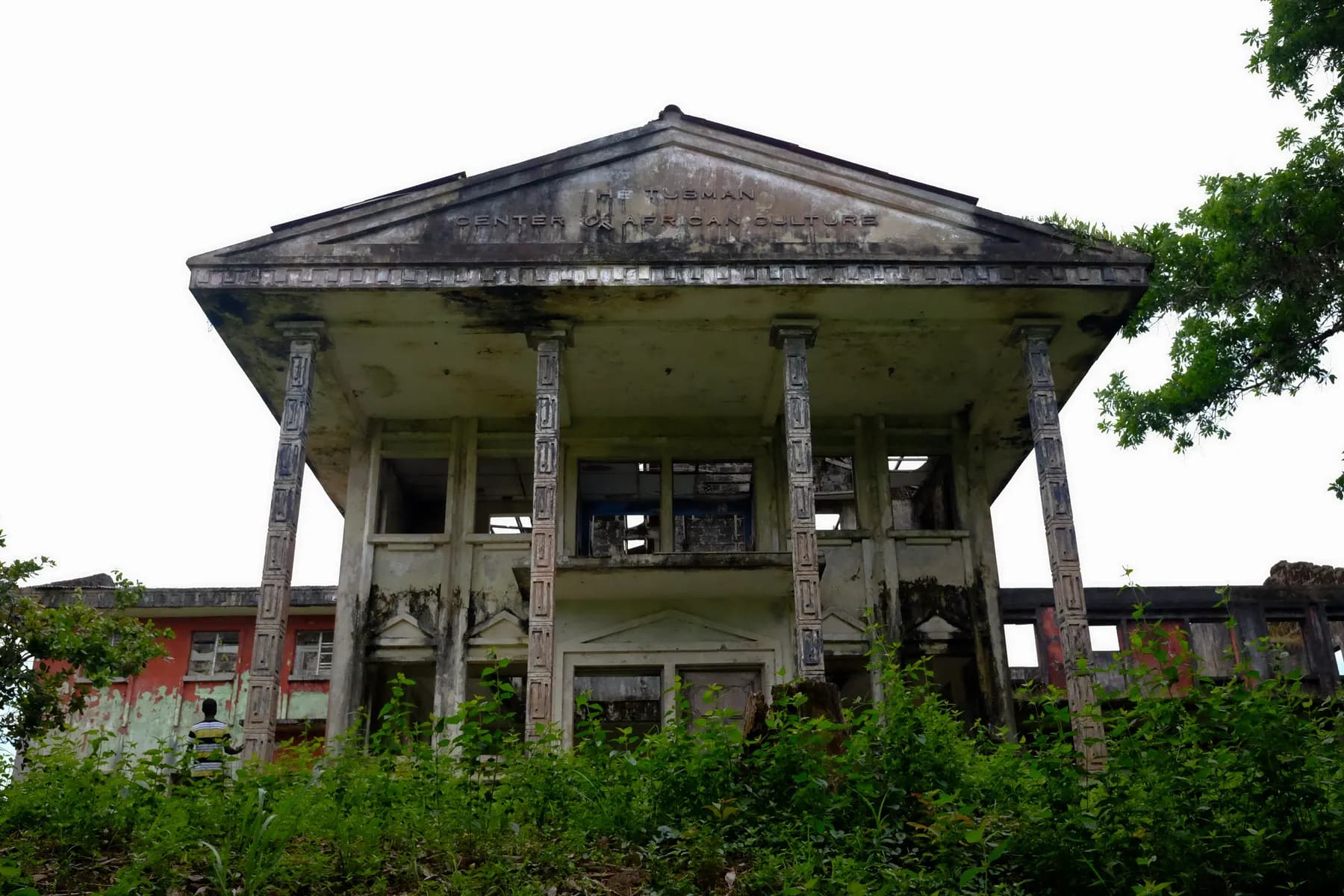
Superb beaches, protected tropical forest and nature reserves
December to February, from Monrovia’s normals
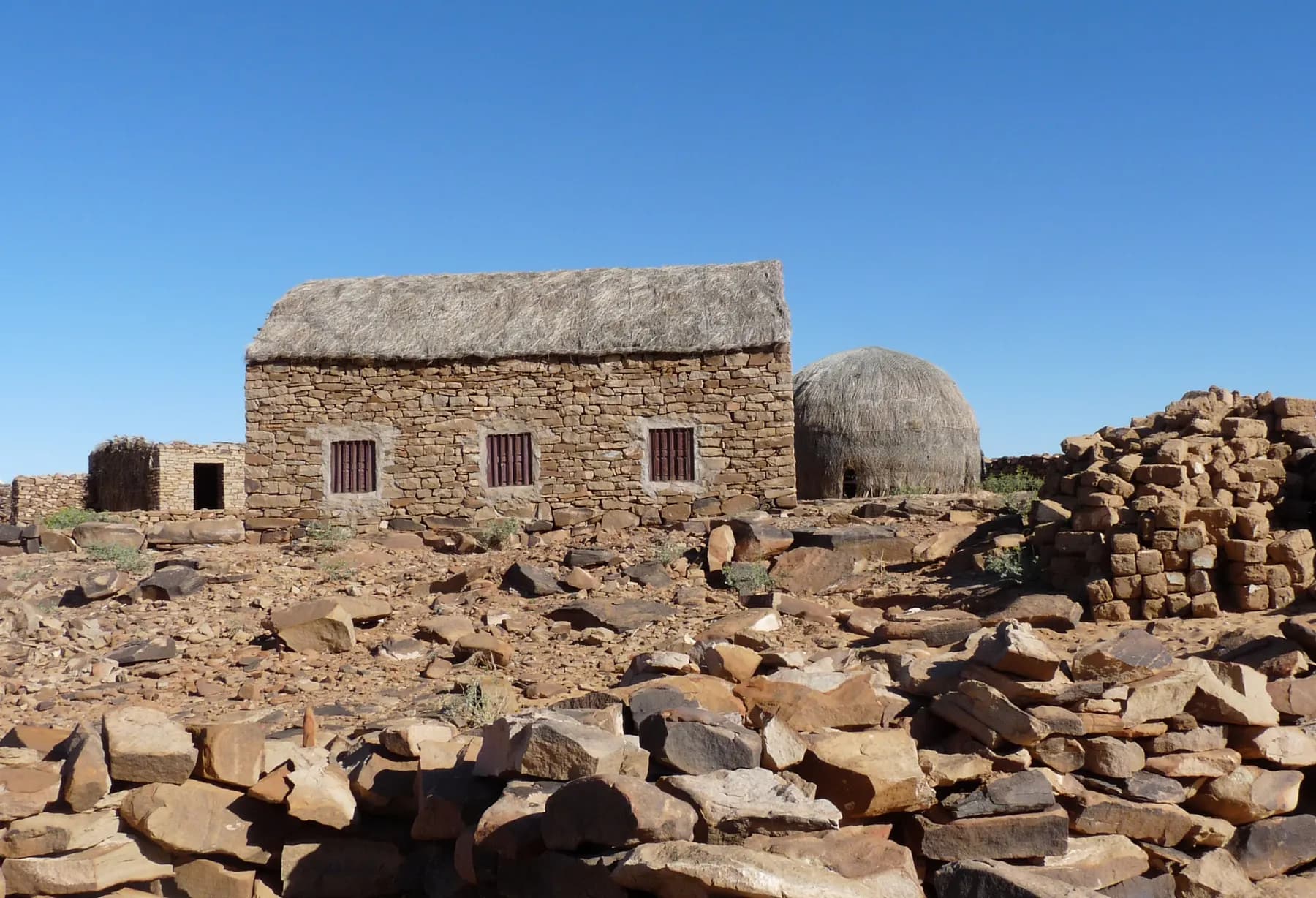
Magnificent beaches, mountains, Sahara desert and cultures
November to May, from Nouakchott’s normals
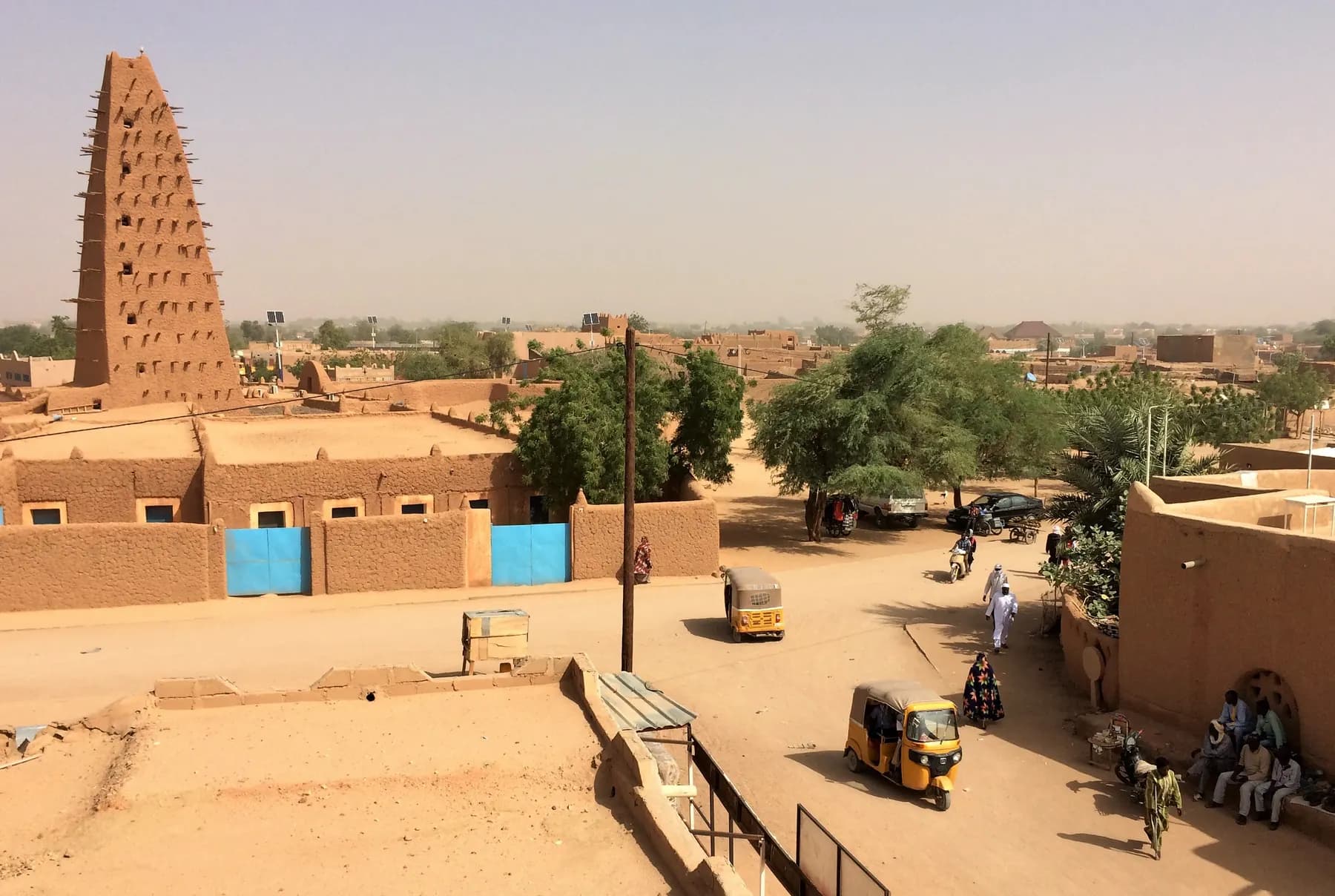
Sahara desert, Niger River, nature reserves and culture
December to January, from Niamey’s normals
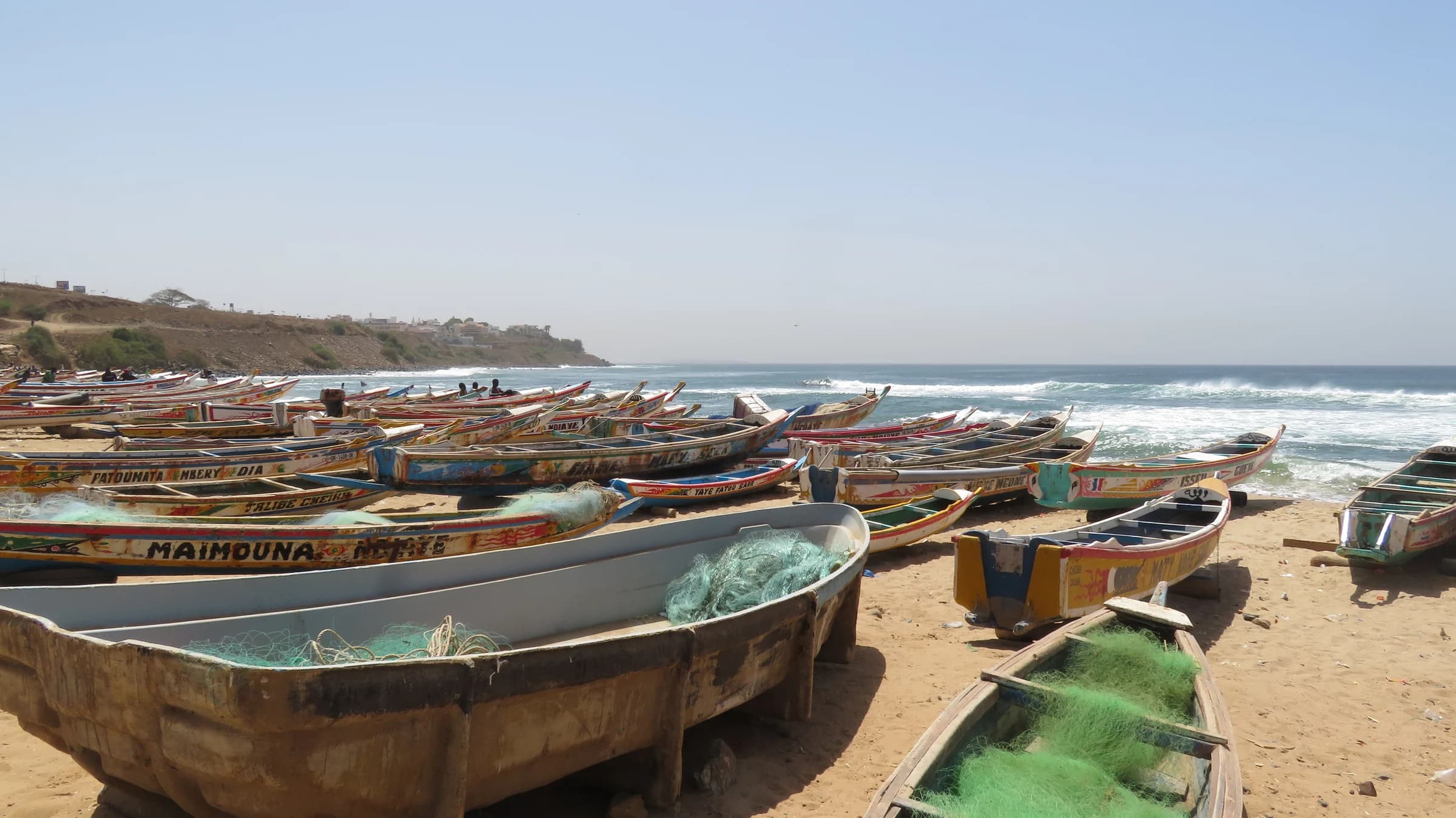
Wild beaches, nature reserves and cultural journey
October to July, from Dakar’s normals
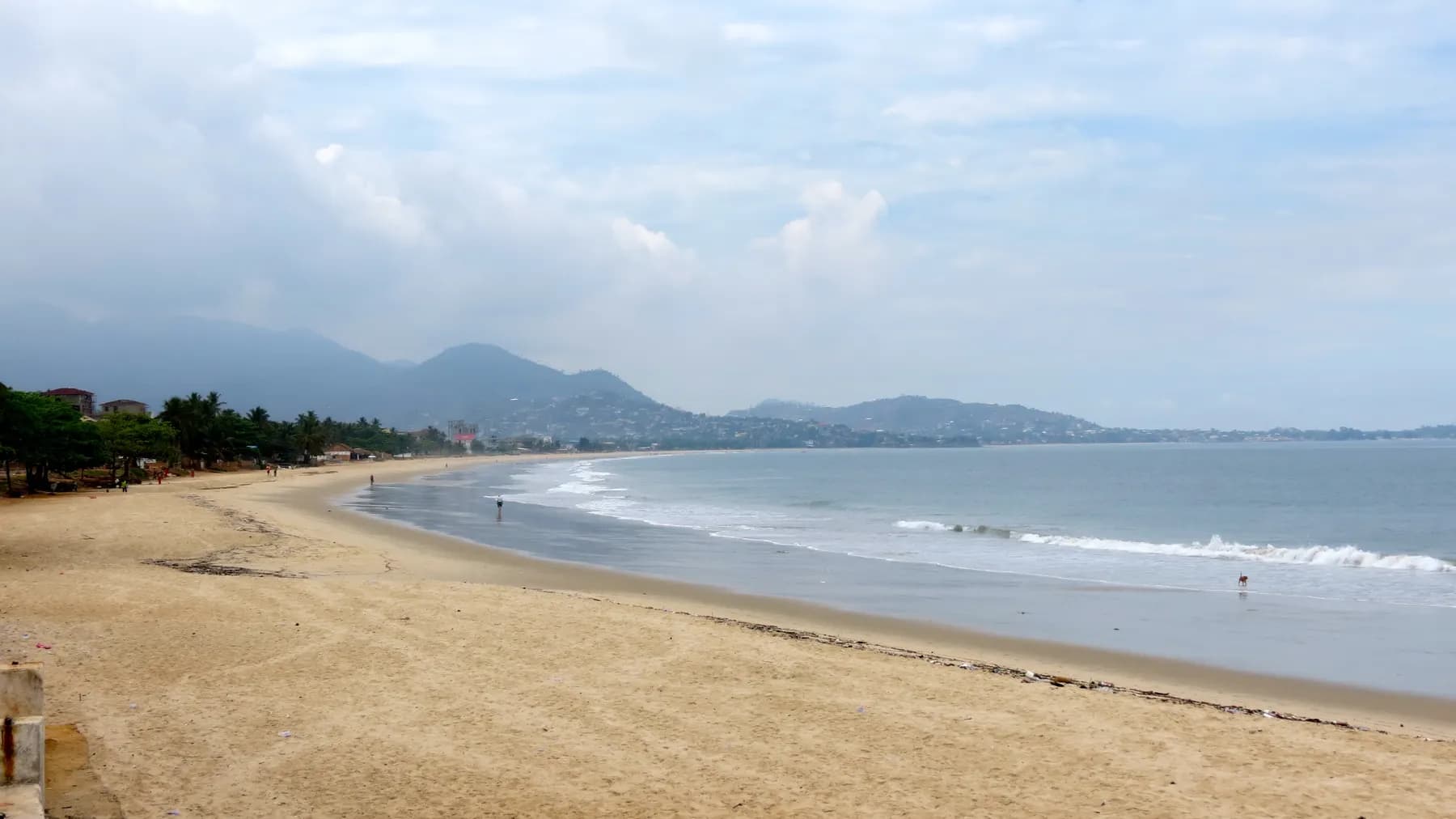
Wild beaches, mountains, marine parks and nature reserves
December to April, from Freetown’s normals
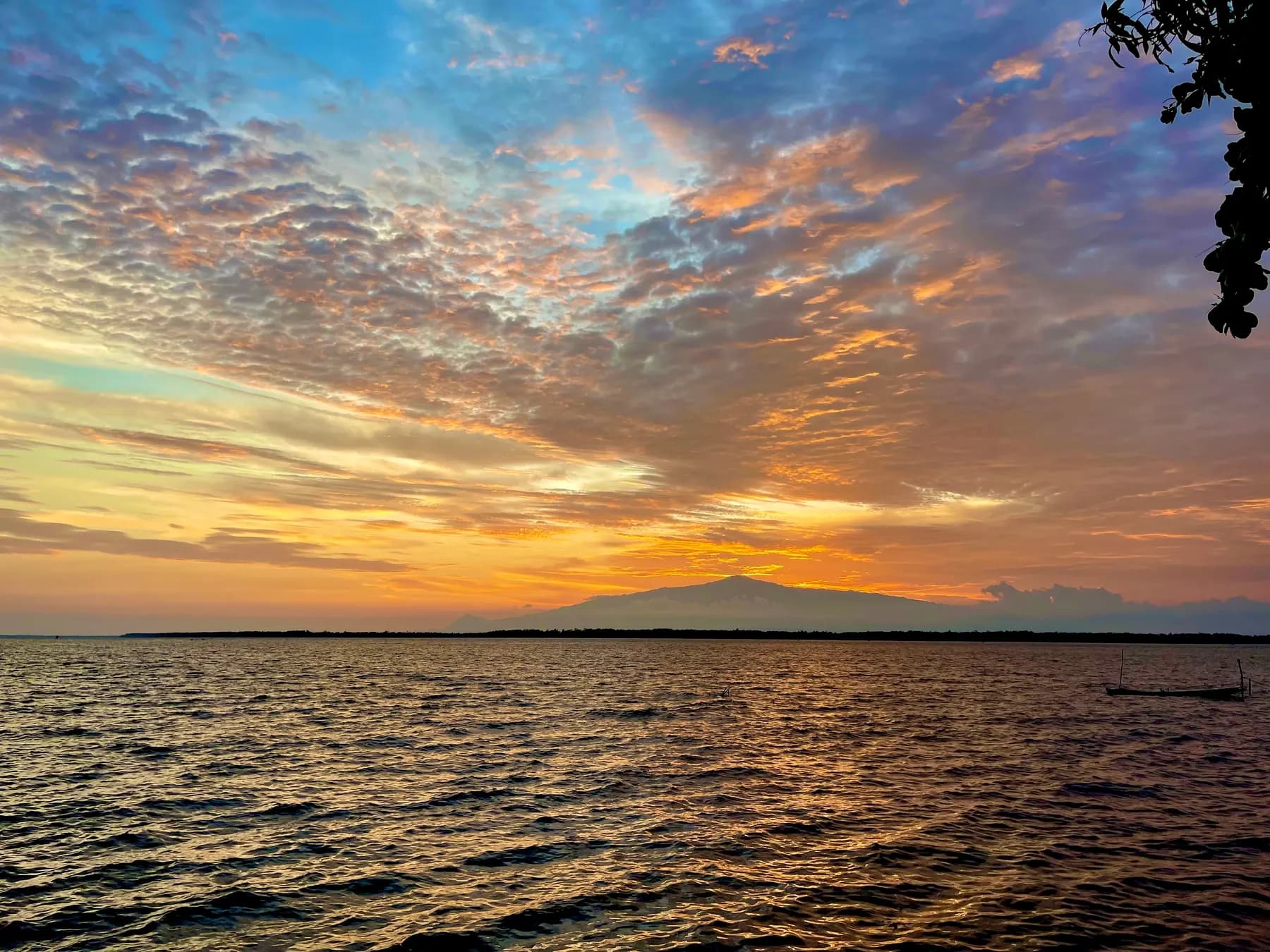
Mountains, breathtaking views, paradise beaches and food
December to February, from Yaoundé’s normals

Tropical forest, wildlife parks, waterfalls, waterfalls and culture
November to January, from Bangui’s normals
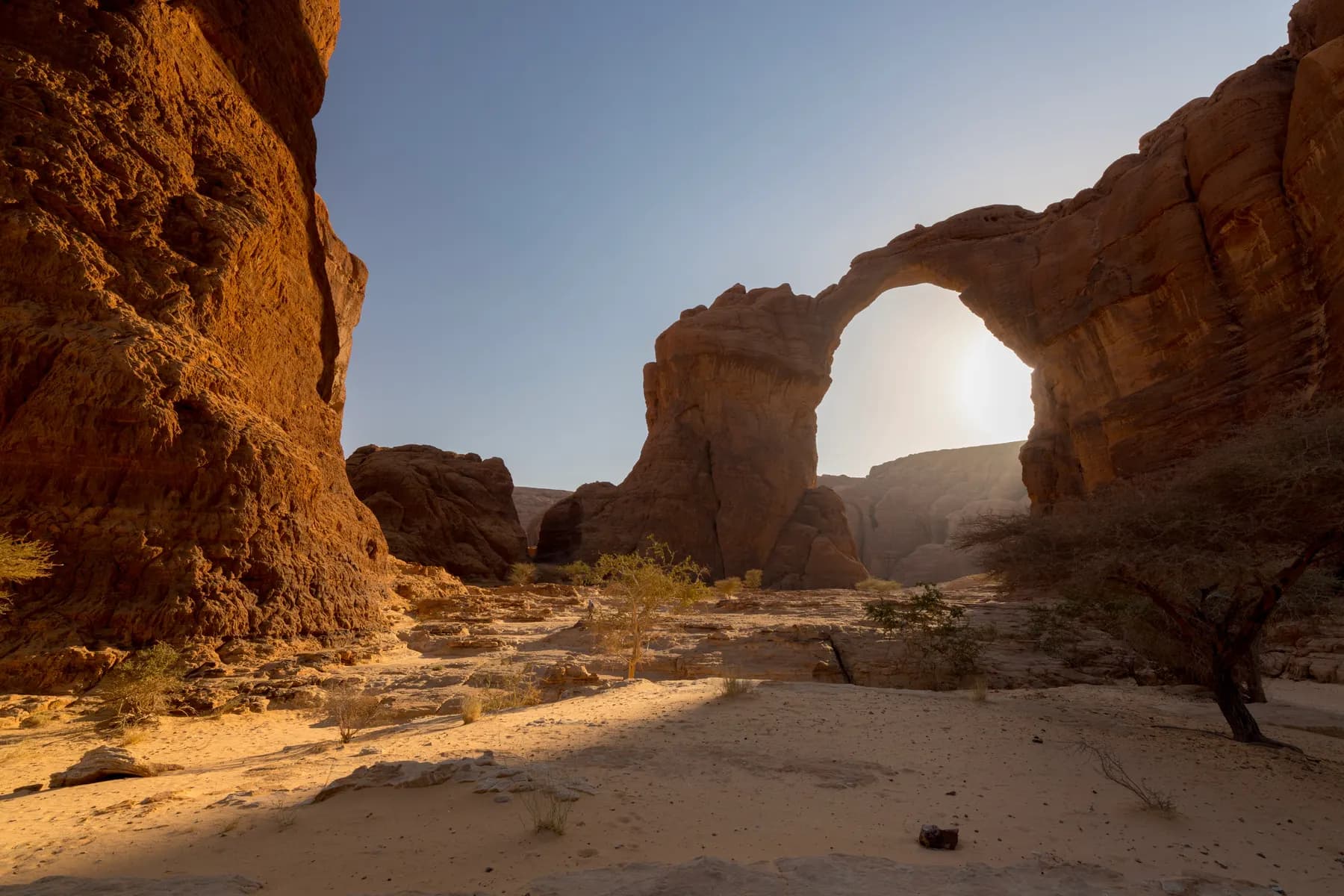
Lake Chad, Sahara desert, green oases, nature reserve and culture
December to January, from N'Djamena’s normals

Congo River, tropical forest, nature reserves and wild beaches
June to September, from Brazzaville’s normals

Congo Basin, tropical forest, waterfalls and buzzing cities
June to September, from Kinshasa’s normals
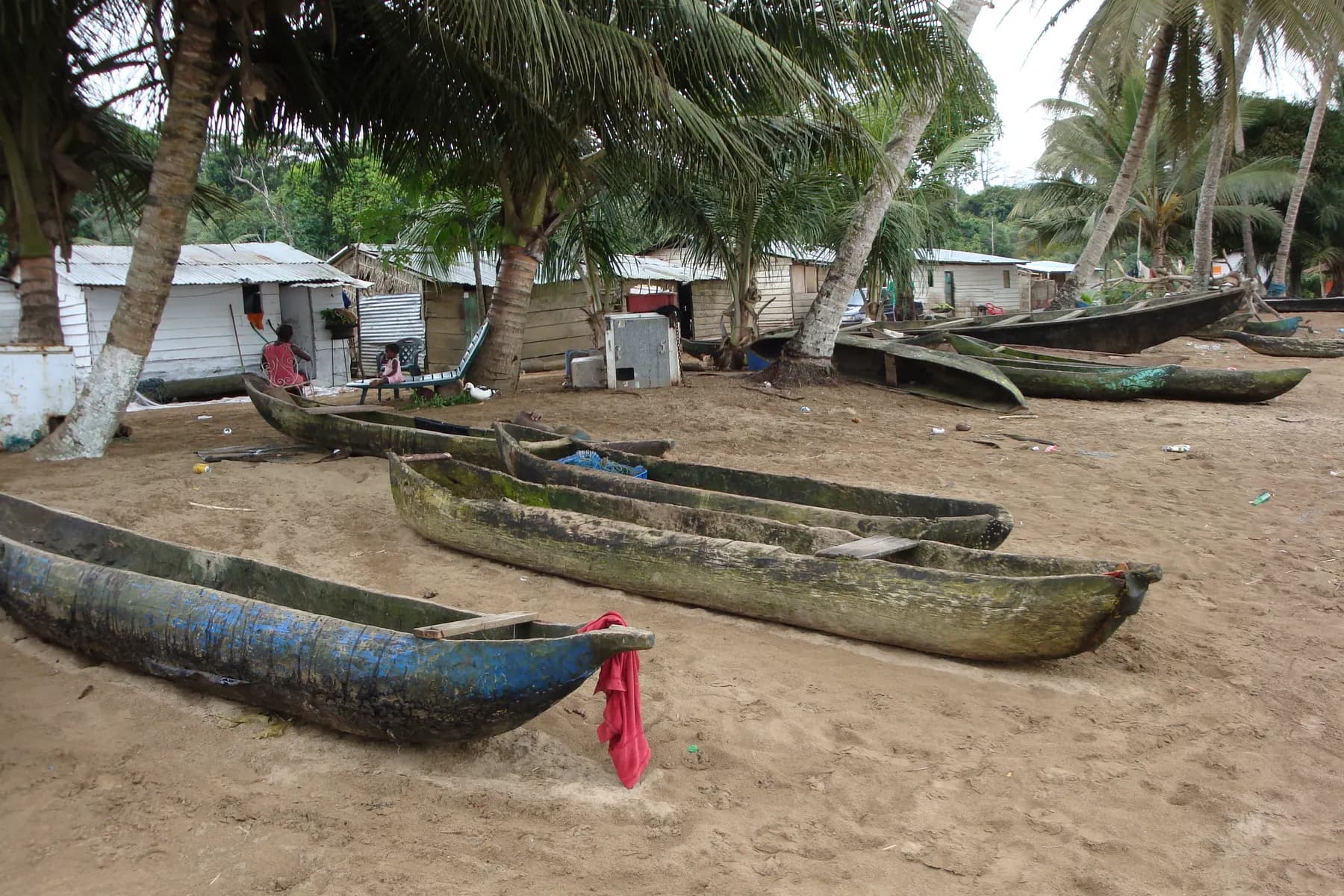
Wild beaches, tropical forest, nature reserves and waterfalls
December to February, from Malabo’s normals
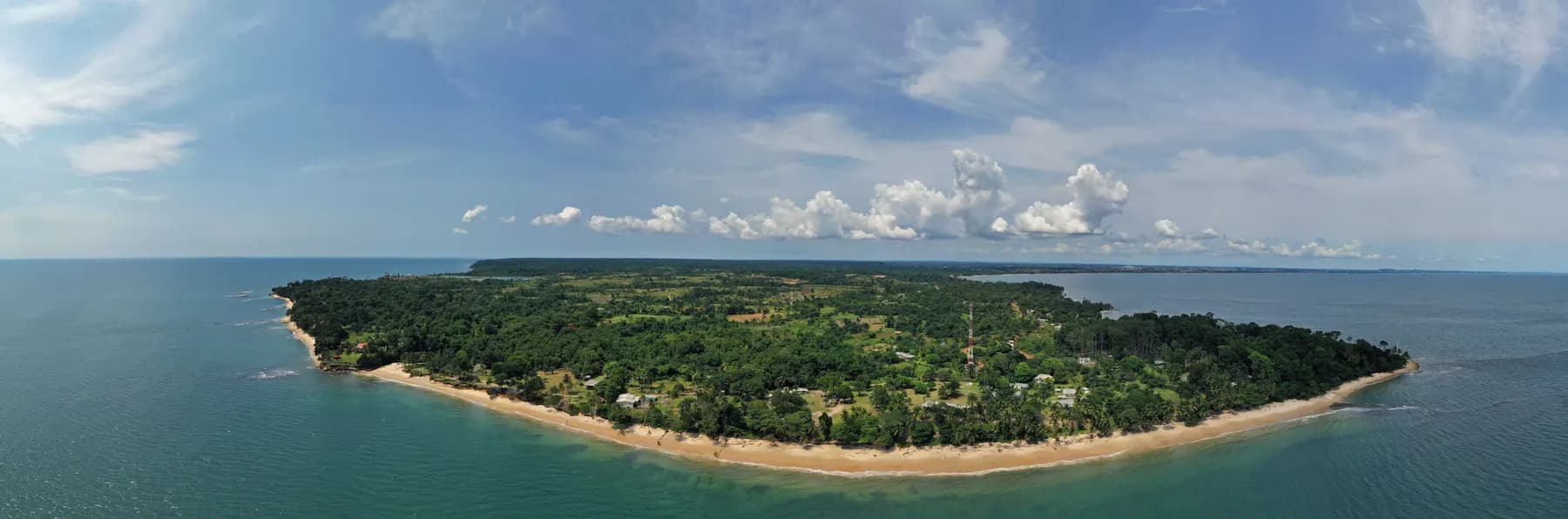
Splendid beaches, tropical forest, nature reserves and marine parks
June to August, from Libreville’s normals
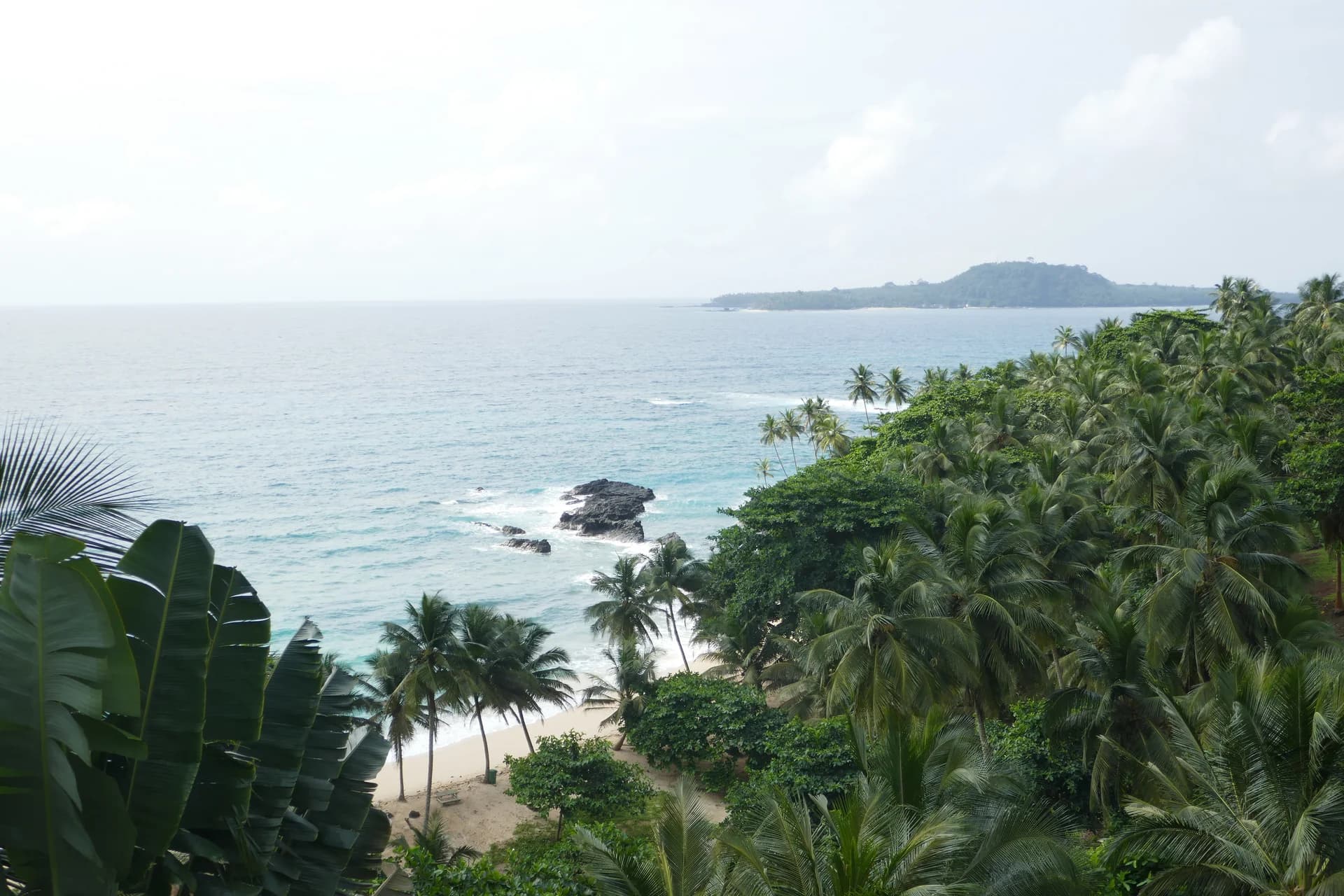
Splendid beaches, tropical forest and wildlife
June to September, from São Tomé’s normals
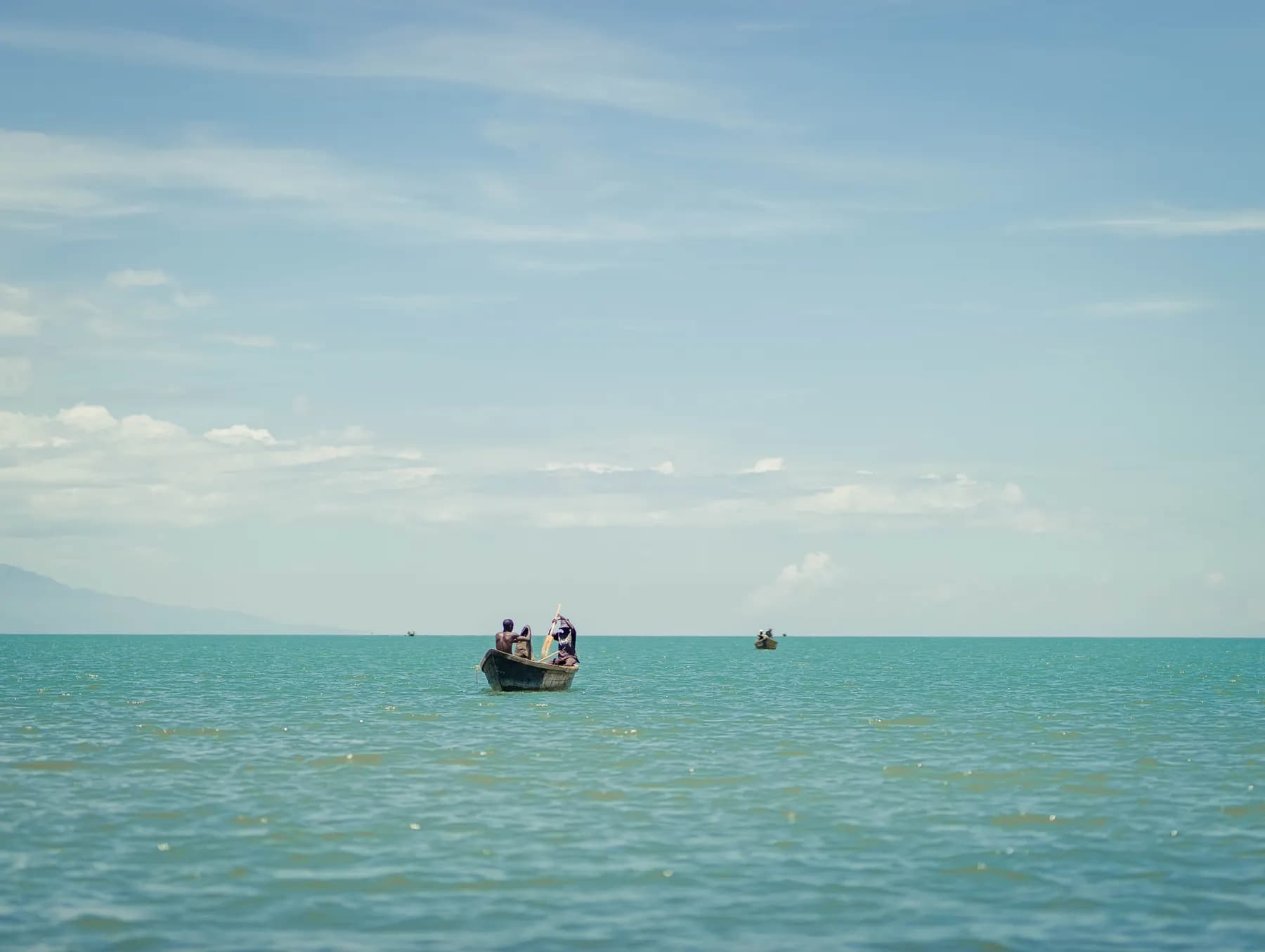
Lake Tanganyika, waterfalls, mountains and meeting the gorillas
June to August, from Gitega’s normals
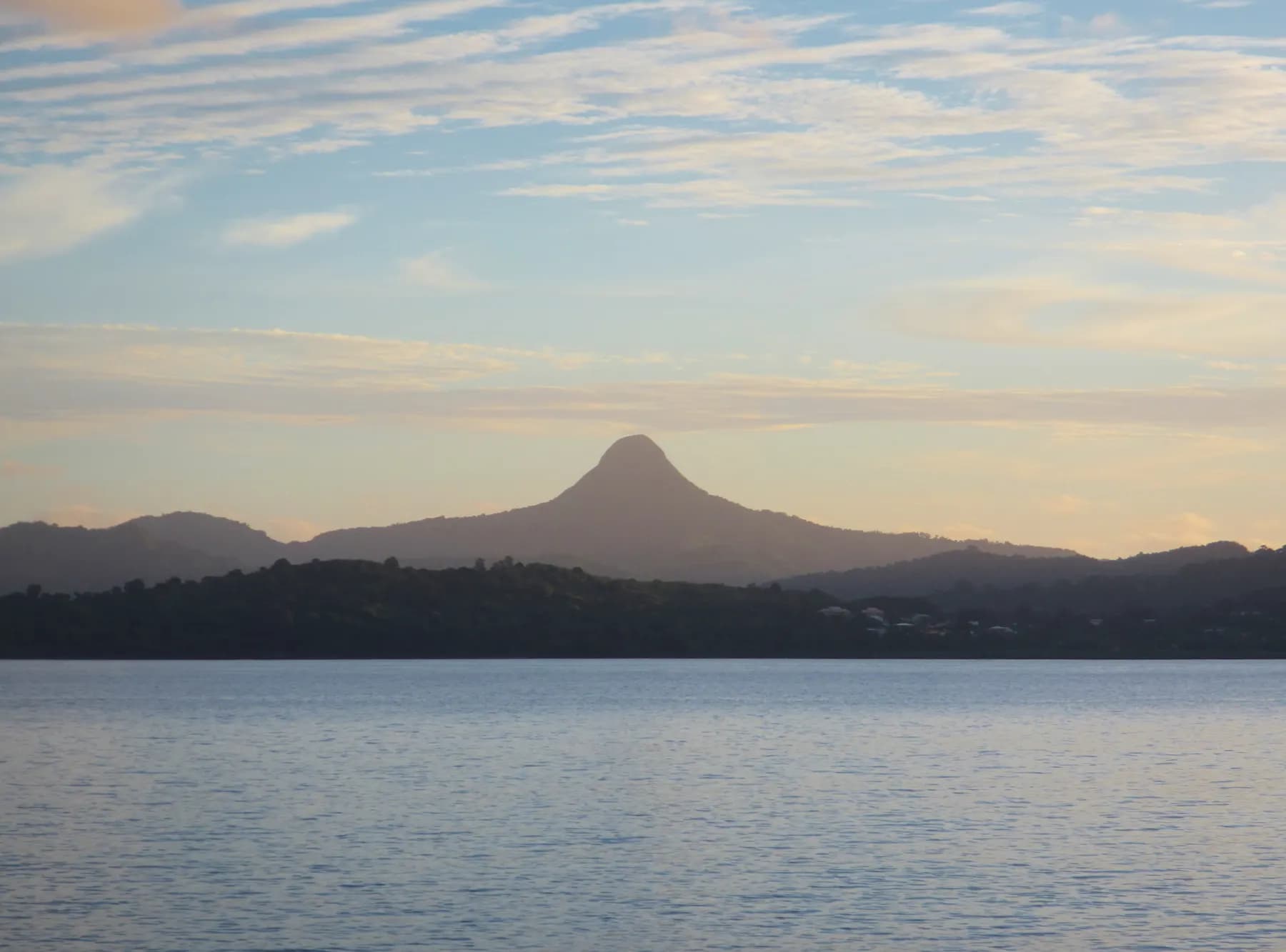
Paradise beaches, marine parks, food and culture
September to November, from Moroni’s normals
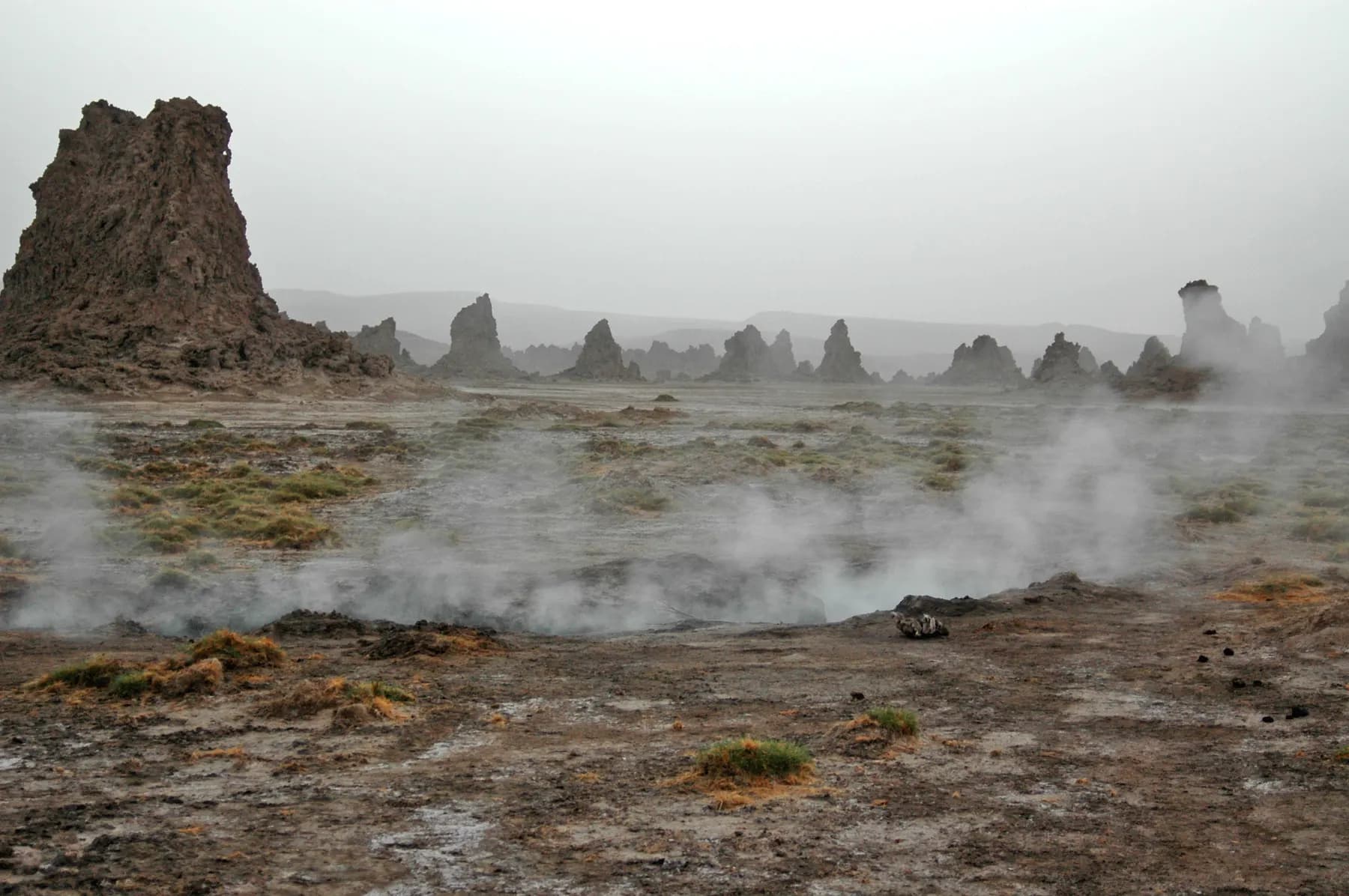
Red Sea, paradise beaches, salt lakes and desert
October to April, from Djibouti’s normals
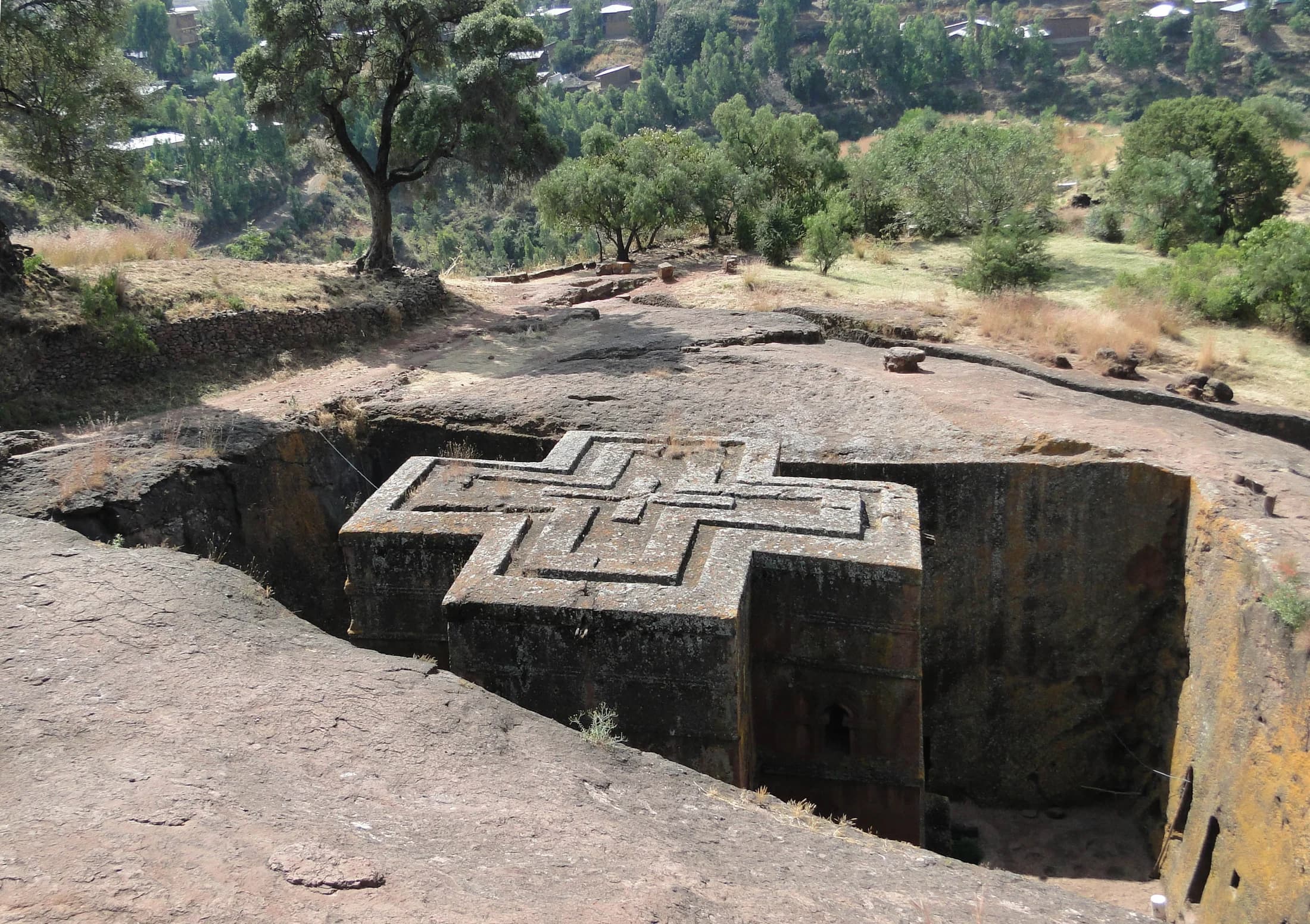
Monuments, volcanoes, mountains, lakes, deserts and culture
October to January, and September
Safaris, the Rift, Mount Kenya and the Swahili coast
Jan–Mar, Jul–Oct
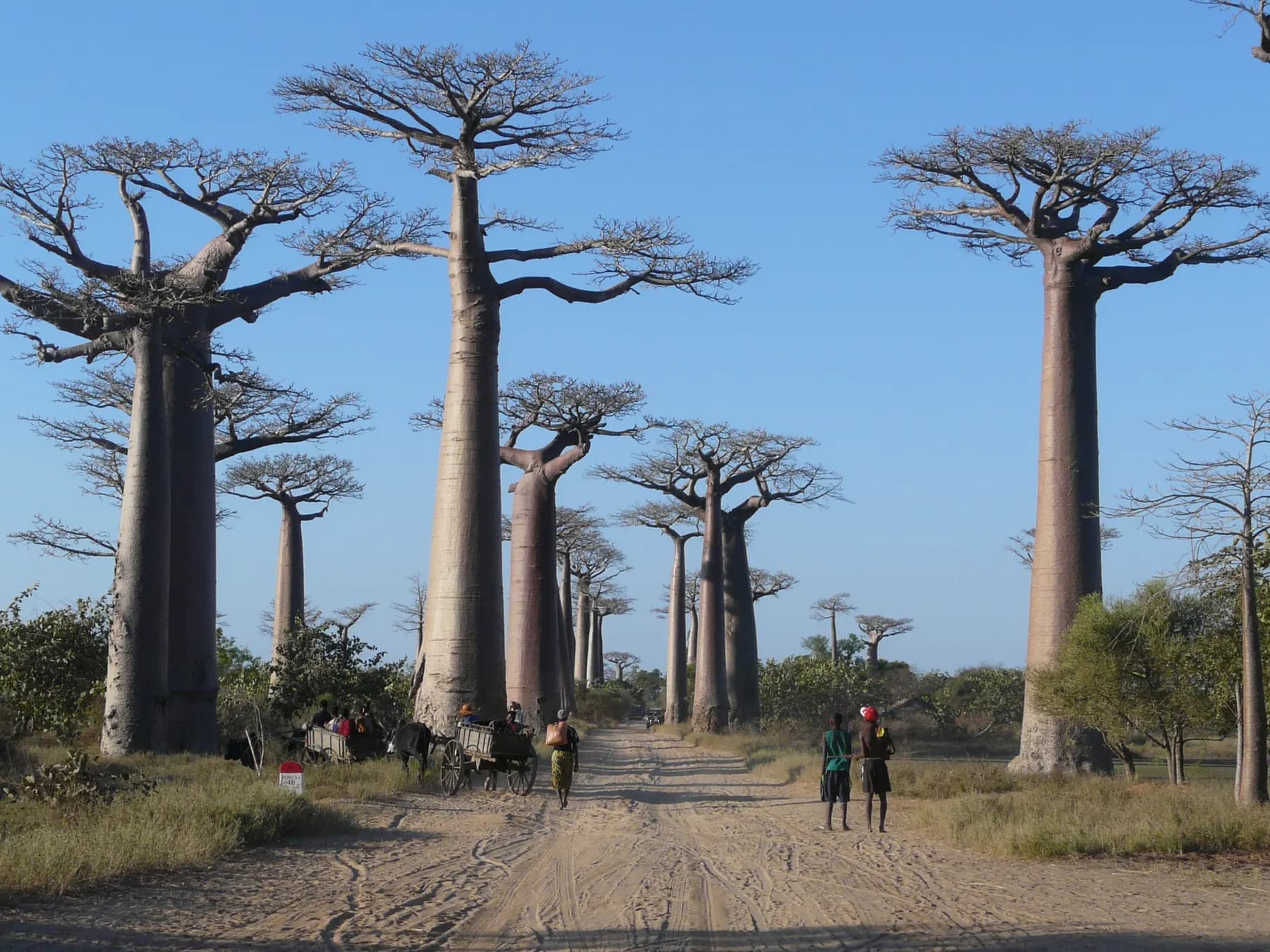
Paradise islands, endemic animals and marine parks
April to mid-December
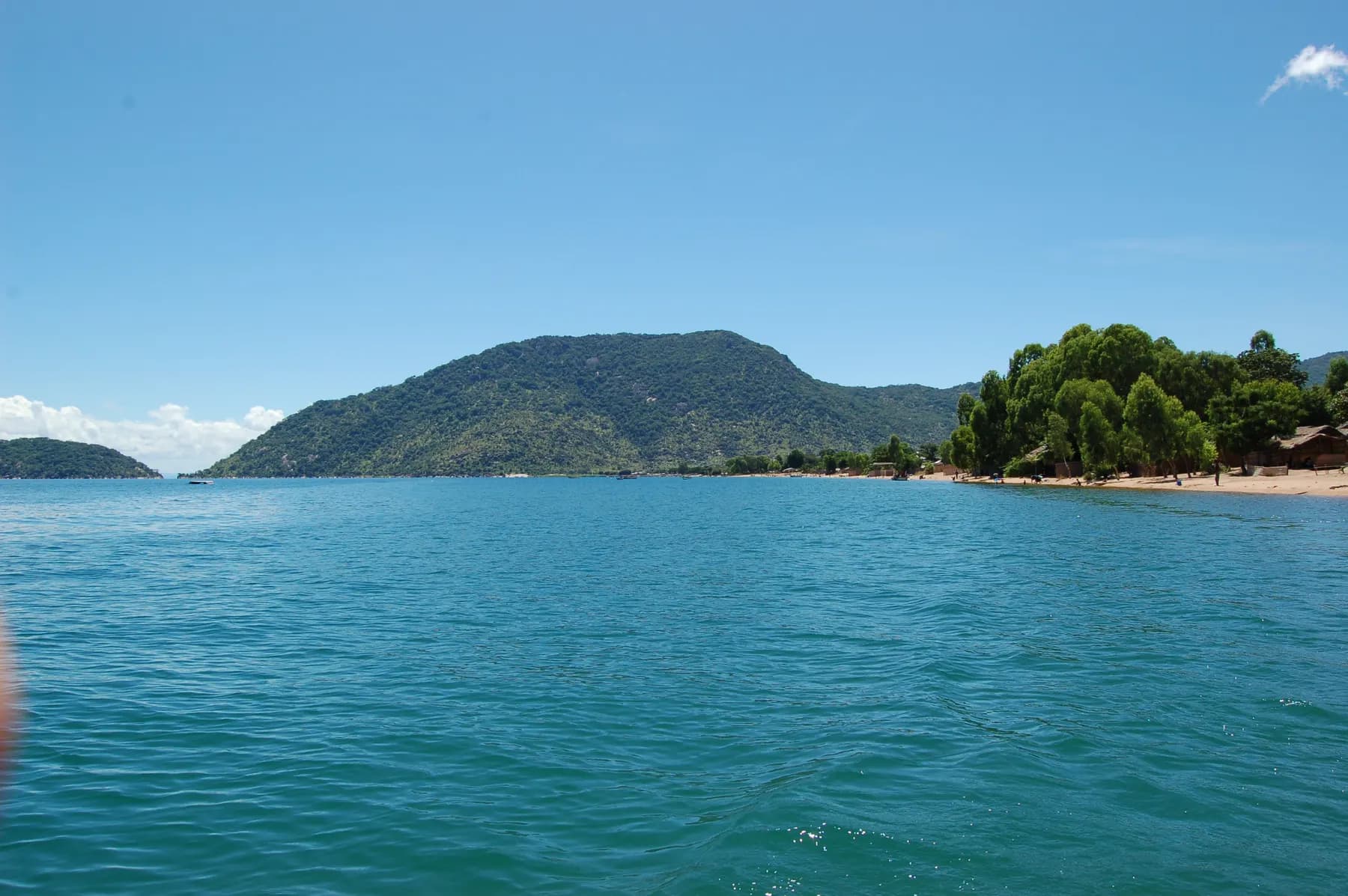
Lake Malawi, diving, beaches and nature reserves
April to November, from Lilongwe’s normals
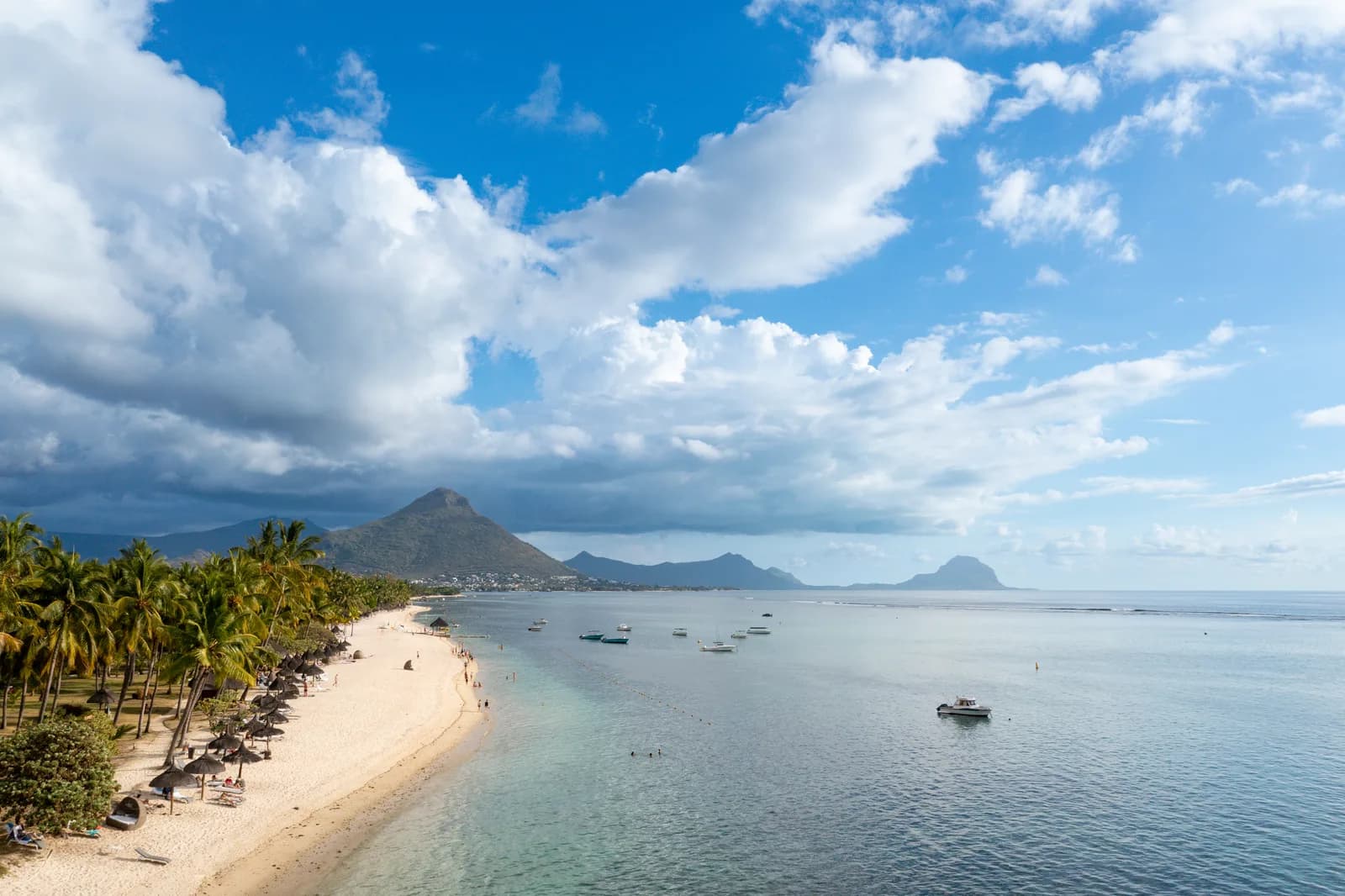
Paradise beaches, volcanic islands and rich food
April to November
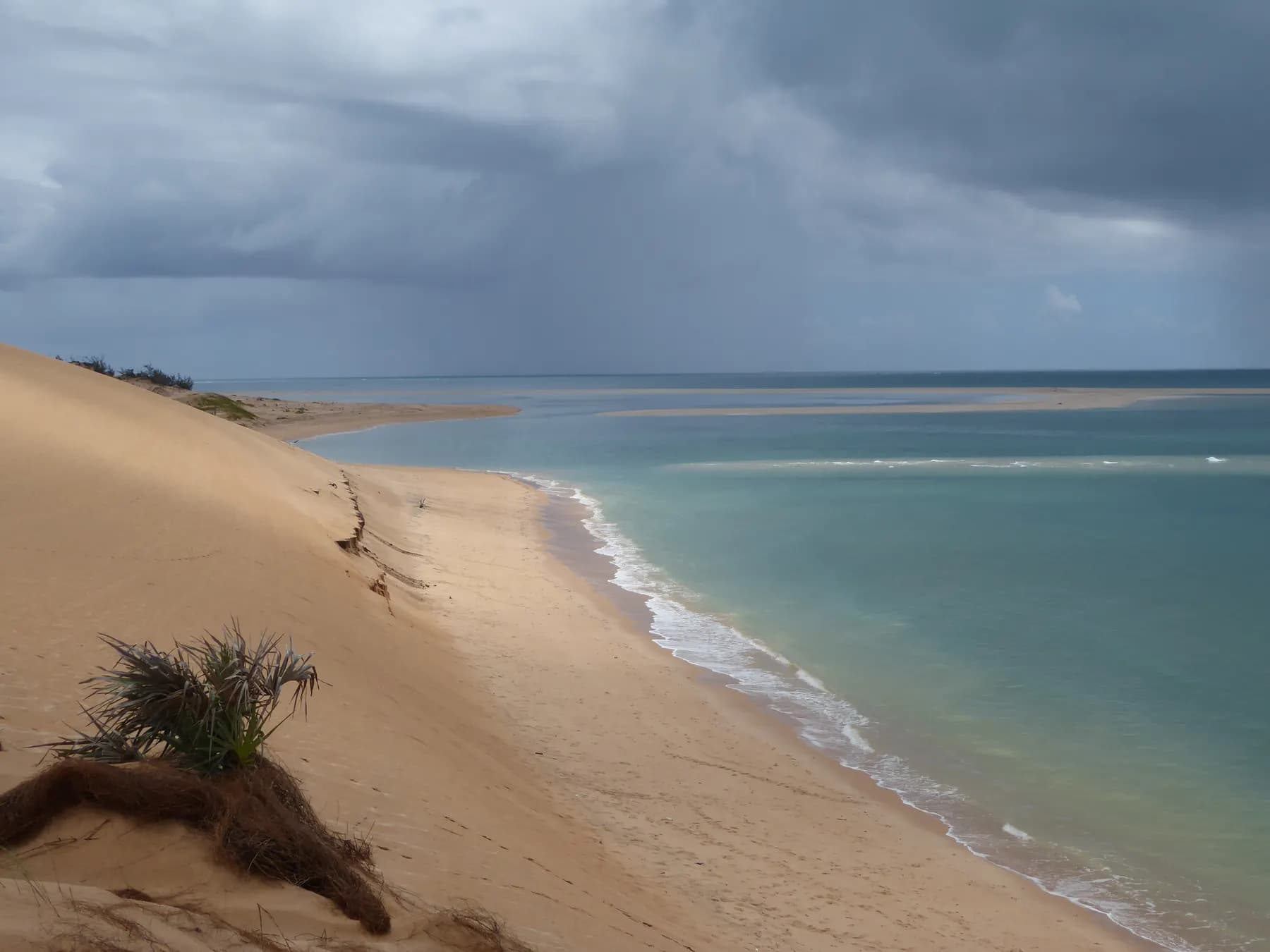
Paradise beaches, safaris, culture and buzzing cities
May to October
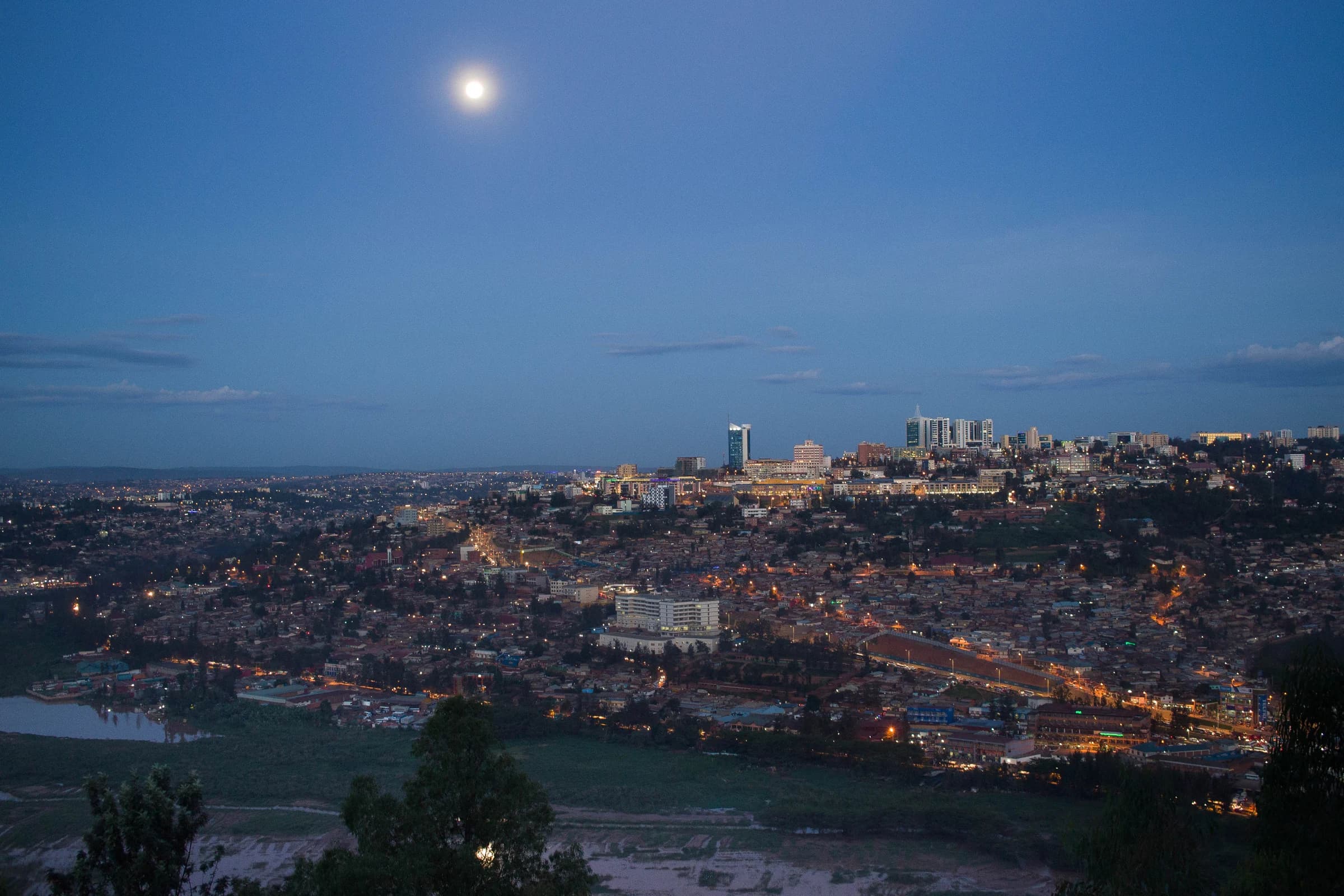
Lake Kivu, volcano, nature reserves, cities and culture
June to September, from Kigali’s normals
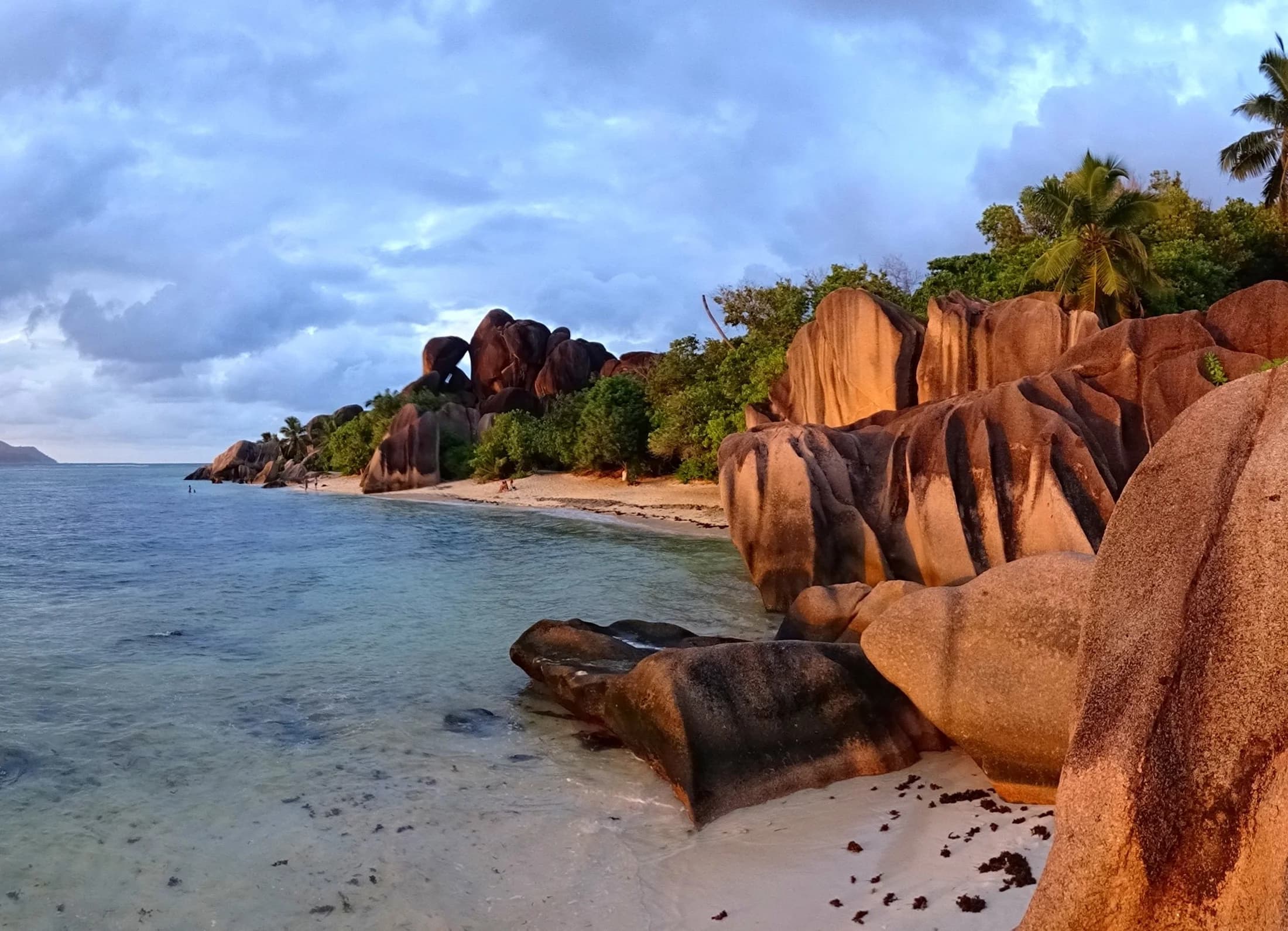
Dream beaches, nature reserves and water sports
April, May, October and November
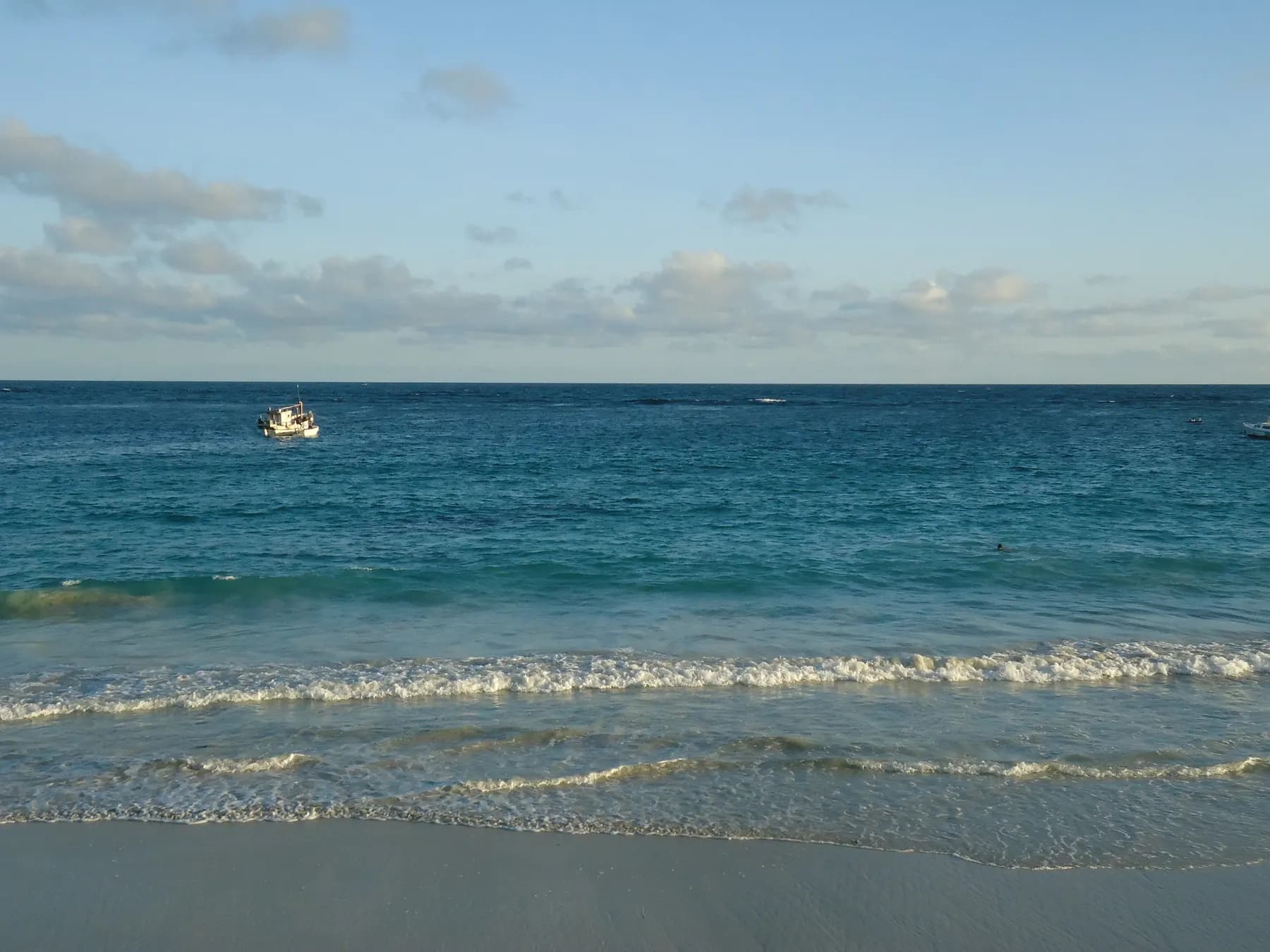
Gulf of Aden, magnificent beaches, caves, ruins and desert
July to May, from Mogadishu’s normals
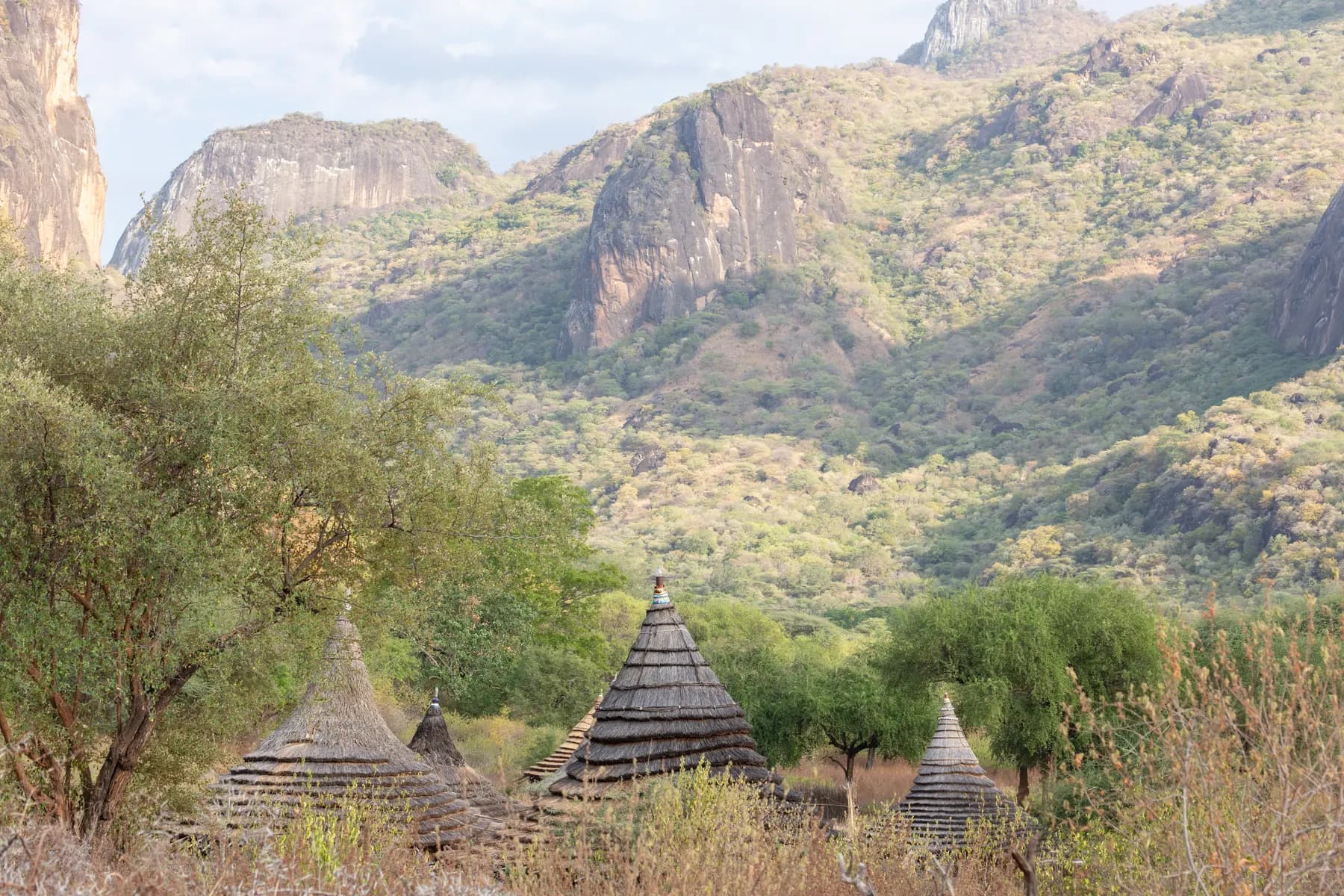
Mountains, Sahara desert, the White Nile, nature reserves and culture
April to September, from Juba’s normals
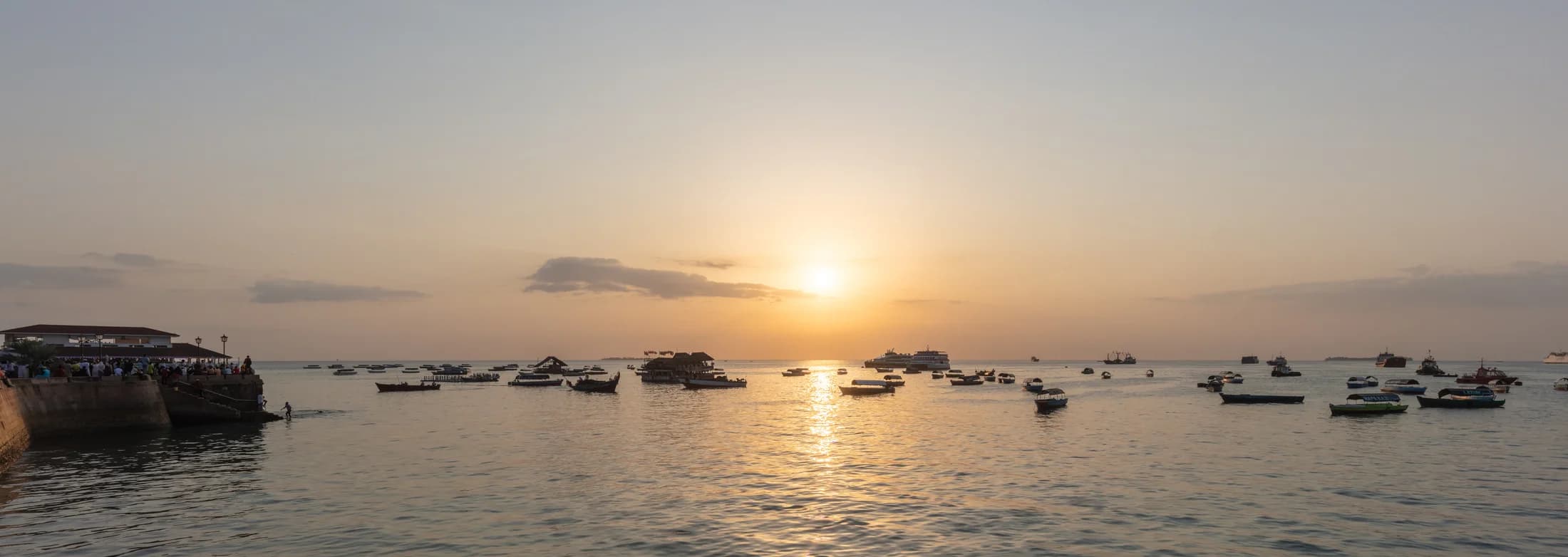
Dream beaches, lagoons, safari, mountains and culture
January–February and June–October
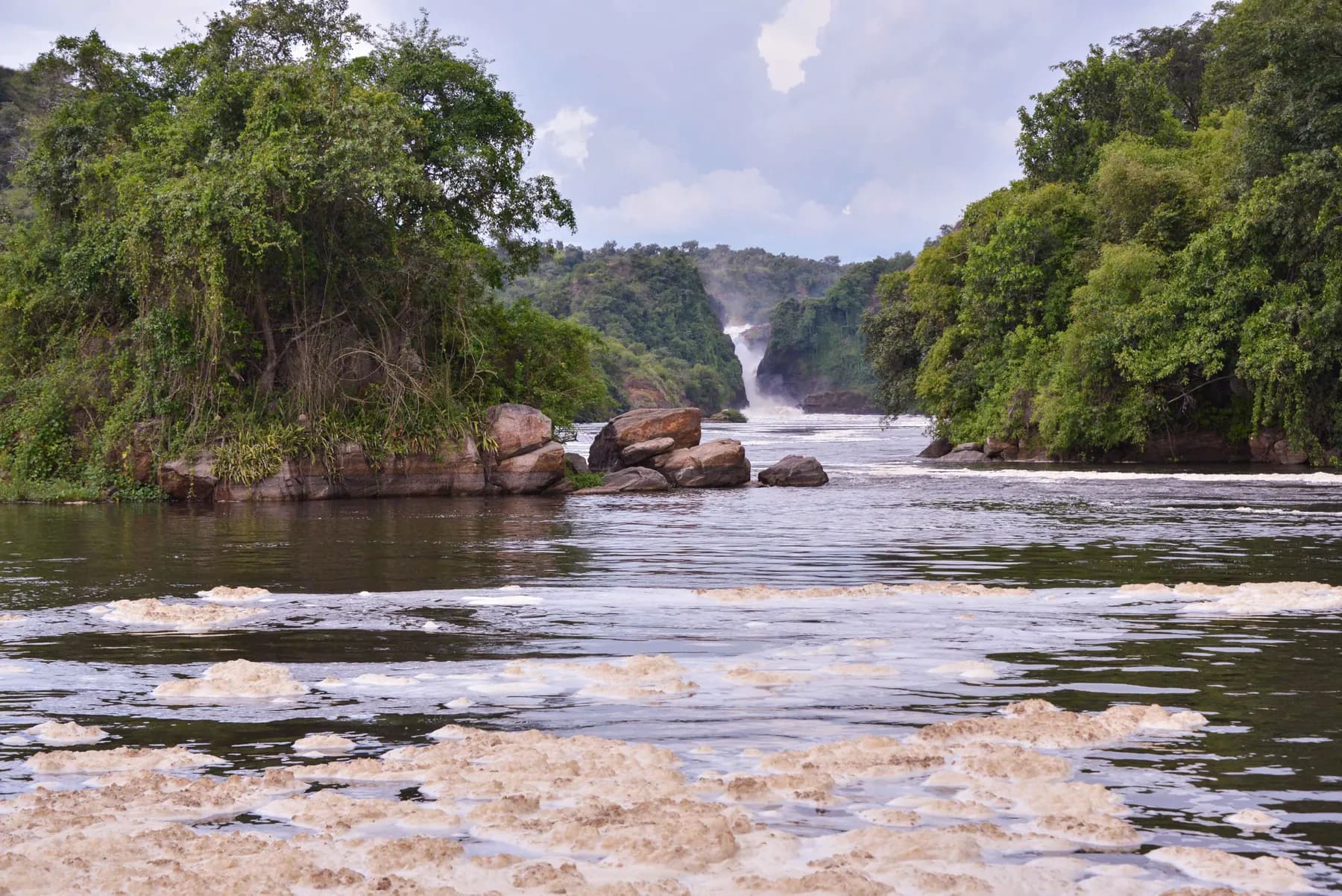
Tropical forest, lakes, mountains, safaris, cities and culture
June–August and December–February
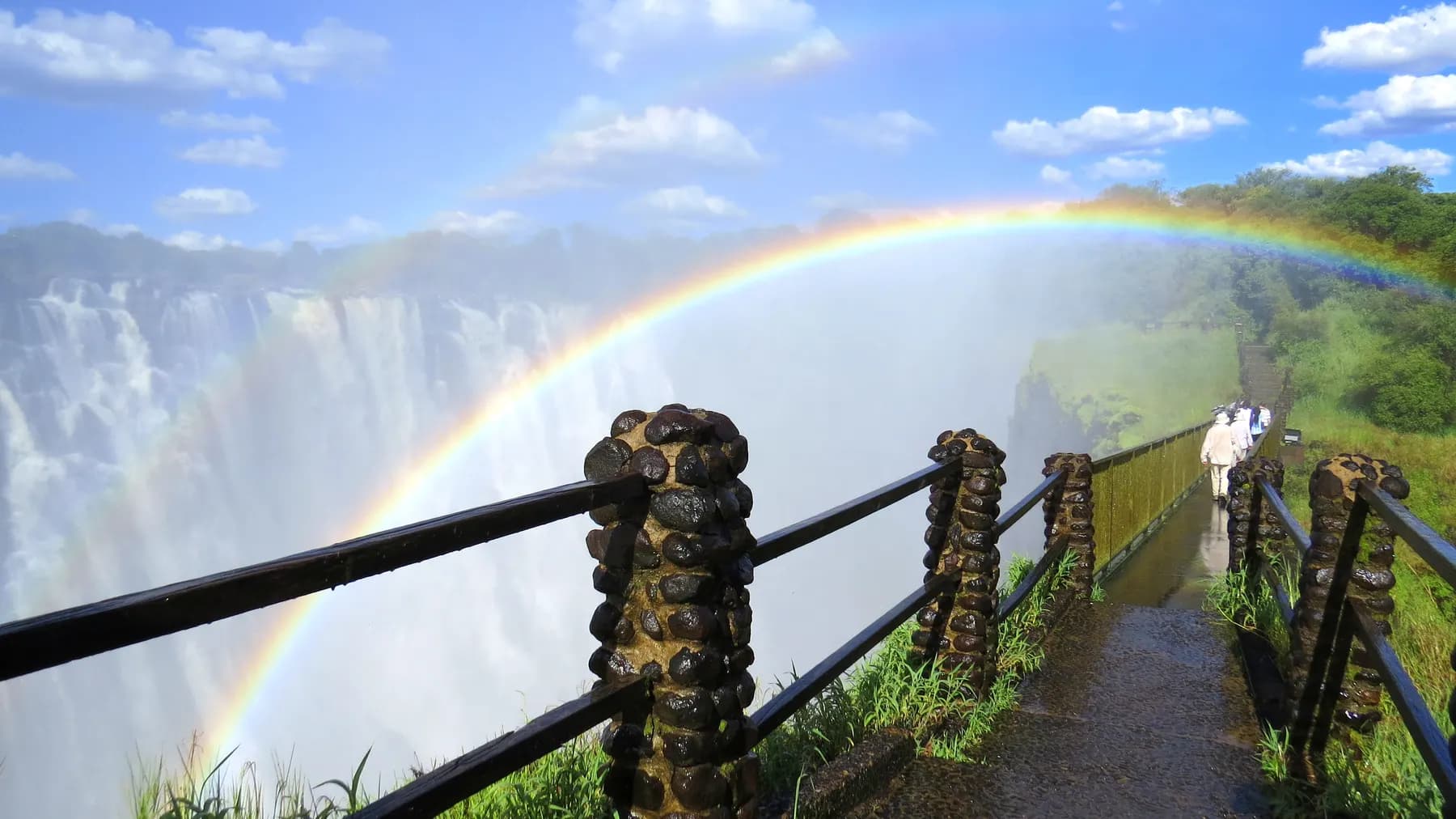
Victoria Falls, lakes, rivers, nature reserves and cities
May to October
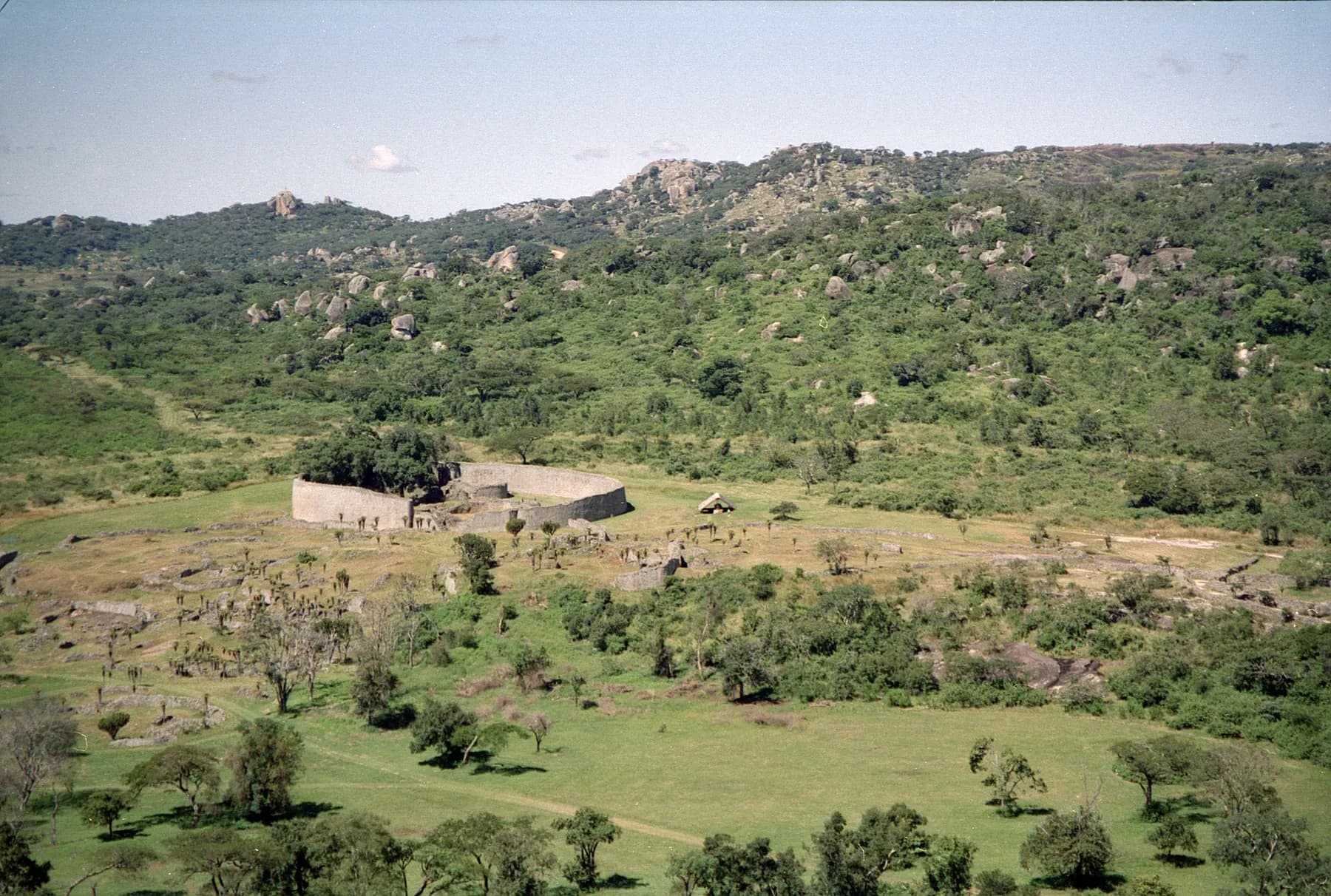
Safari, rivers, Victoria Falls, monuments and culture
May to October
Okavango Delta, Kalahari desert and lush savannah
May to October
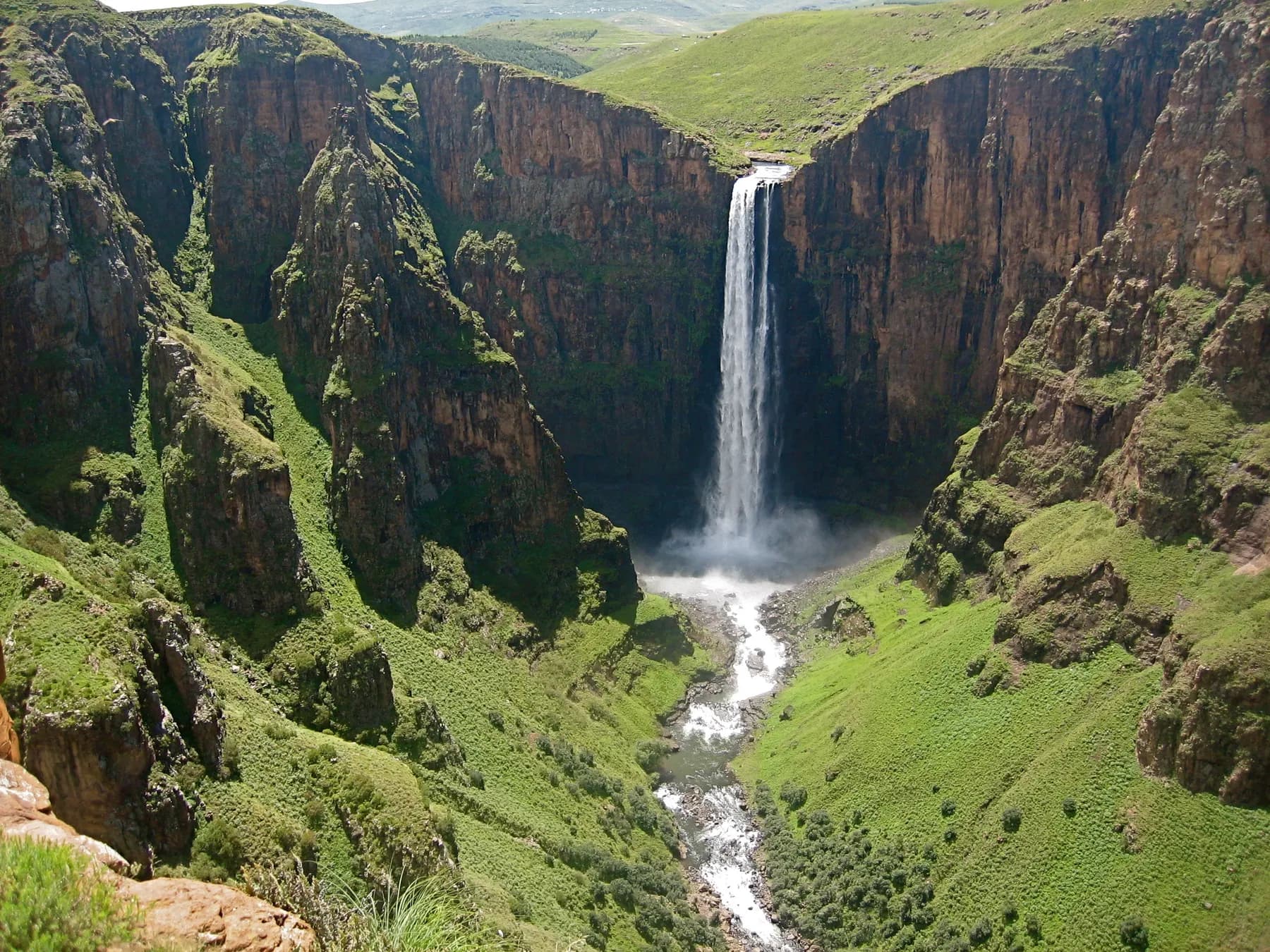
Skiing, hiking, horse riding, waterfalls, splendid landscapes and culture
April to October, from Maseru’s normals
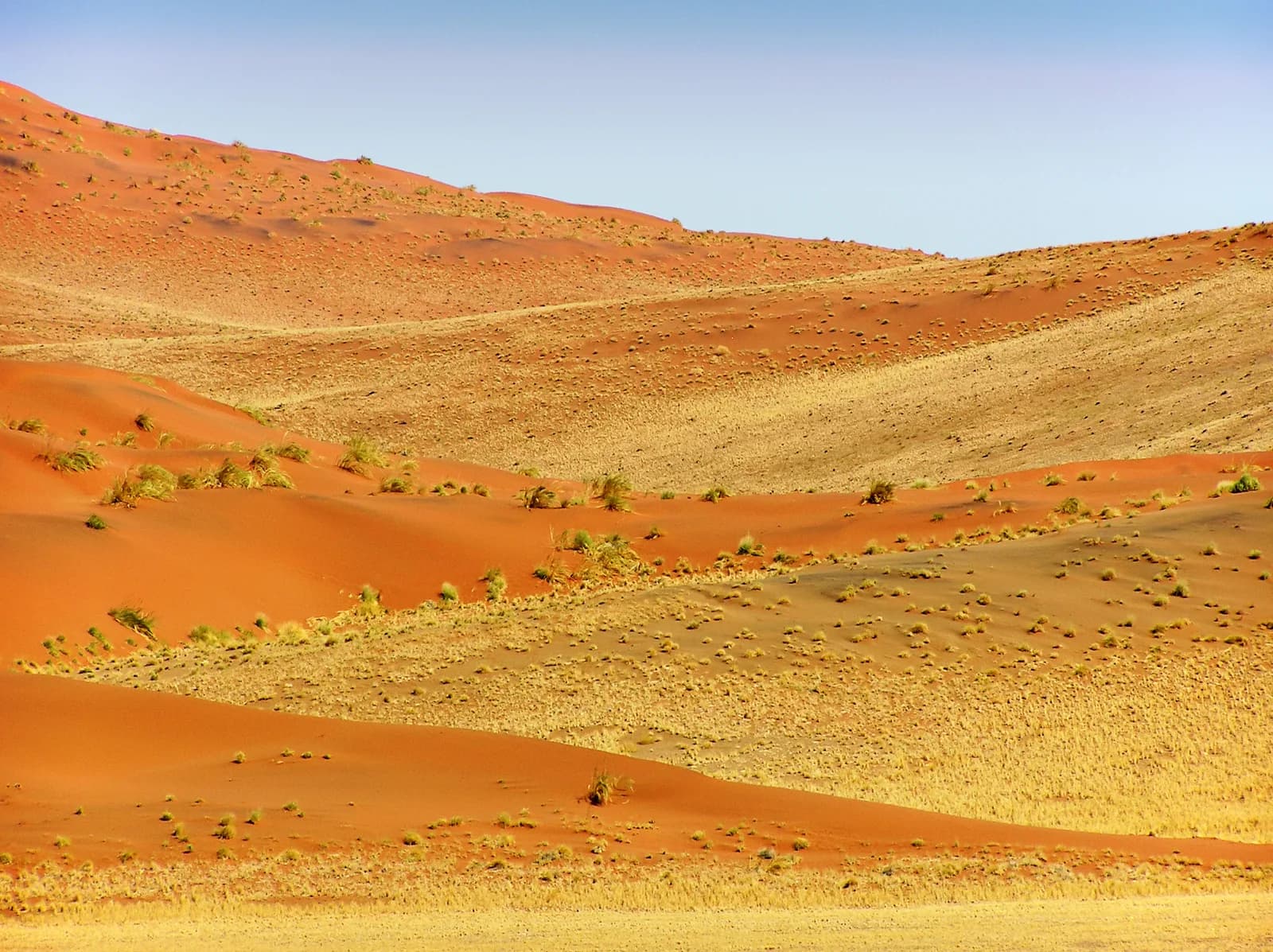
Wild beaches, Namib desert, nature reserves and culture
May to September
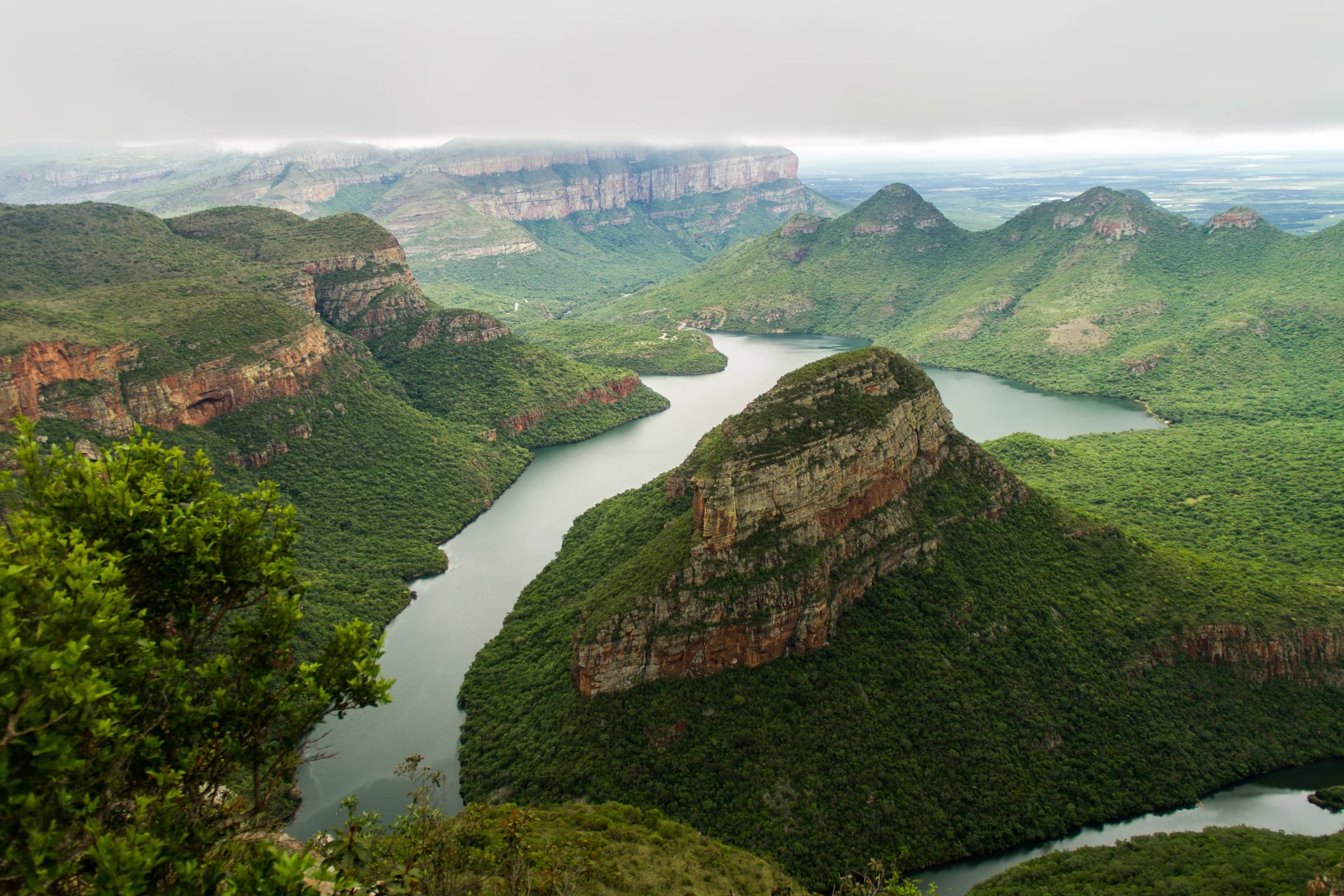
Breathtaking views, buzzing cities, paradise beaches, safari and culture
March–May and September–November
Activities
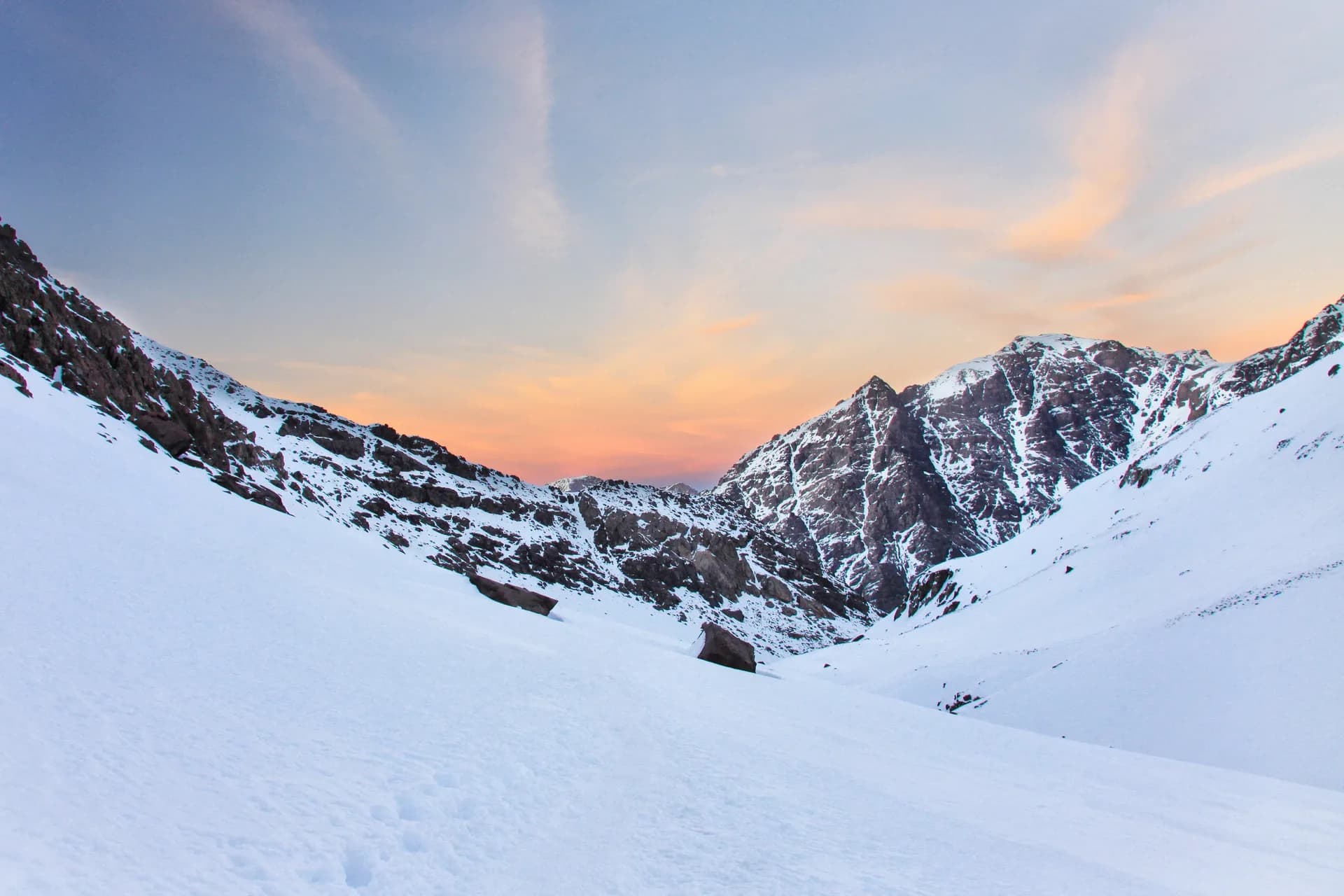
At 4,167 m, Toubkal is the highest peak in North Africa, 63 km south of Marrakesh.
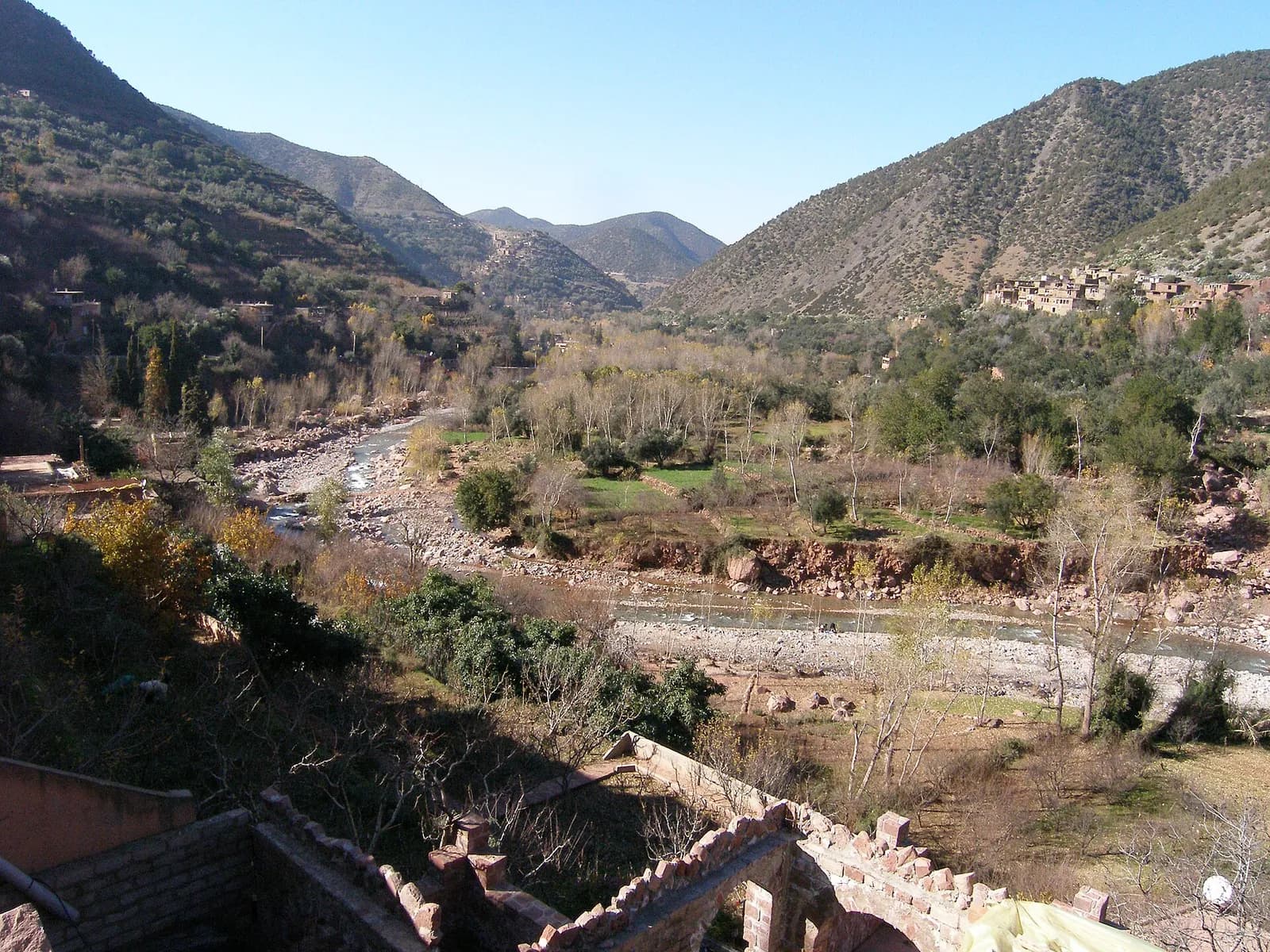
Around 30 km from Marrakesh, the Ourika Valley follows its river into the High Atlas.
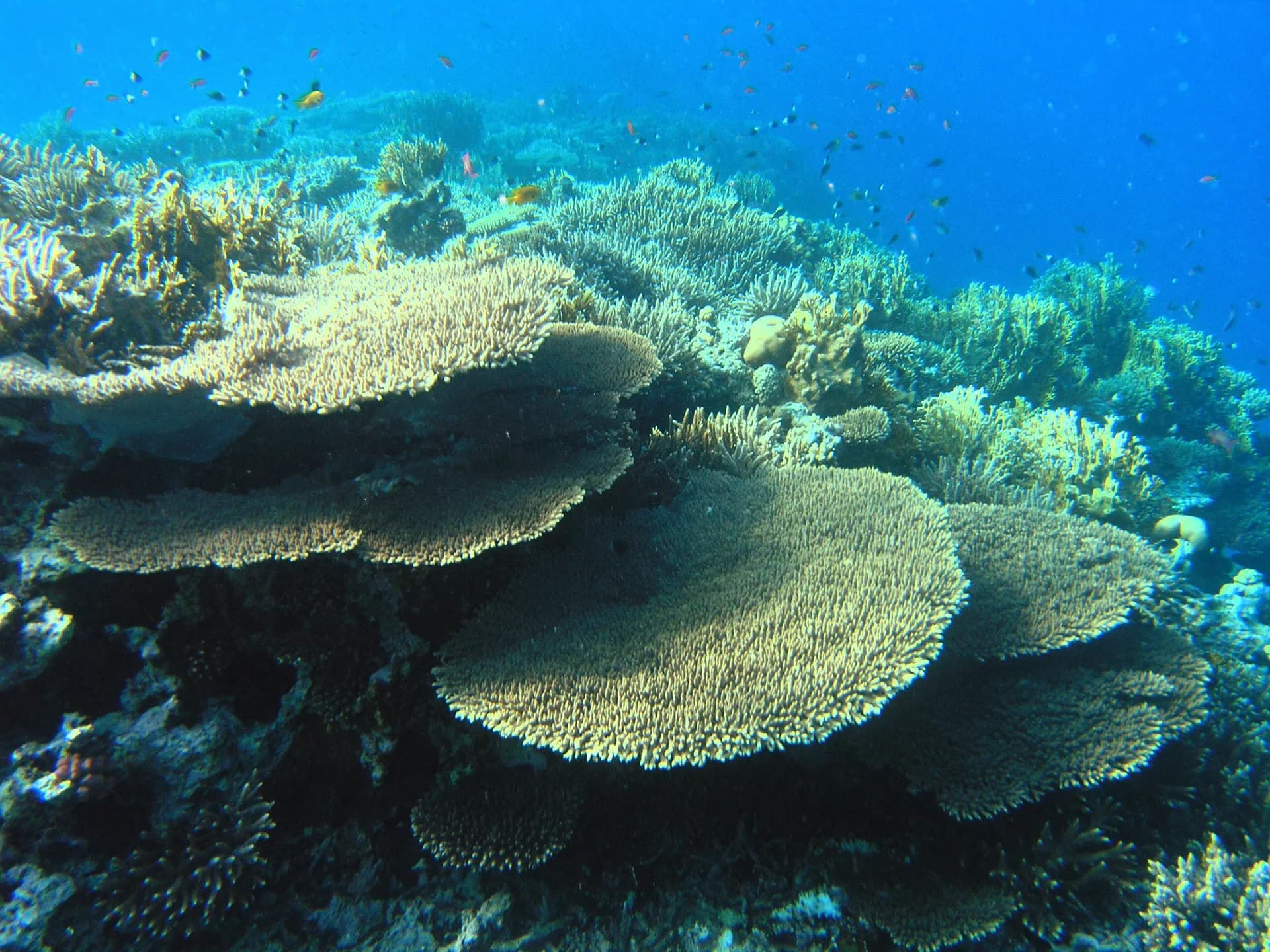
At the southern tip of Sinai, between the Gulfs of Suez and Aqaba, Ras Mohammed has been a marine reserve since 1983.
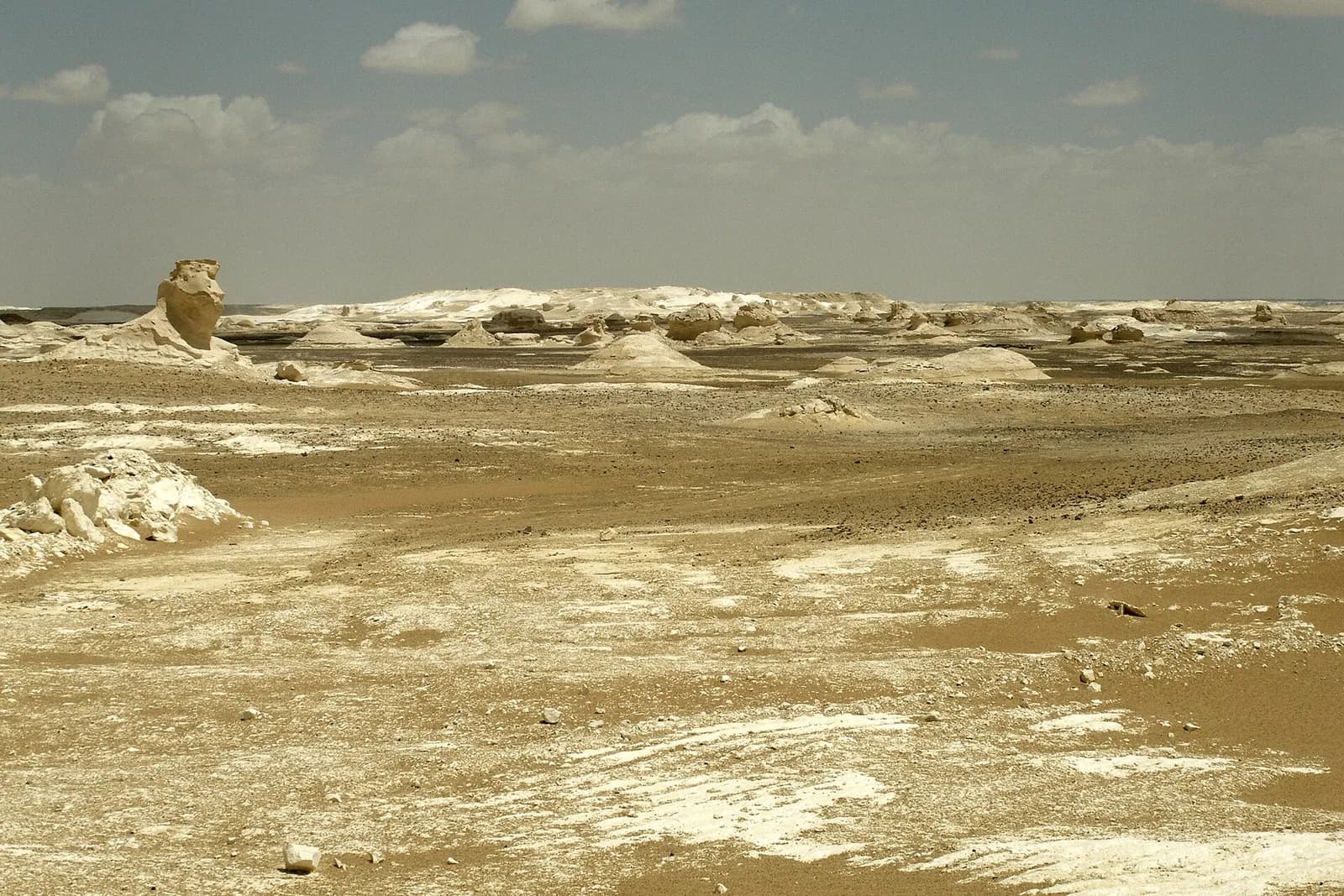
In the Farafra depression, the White Desert lines up large white chalk rocks shaped by wind and sand.
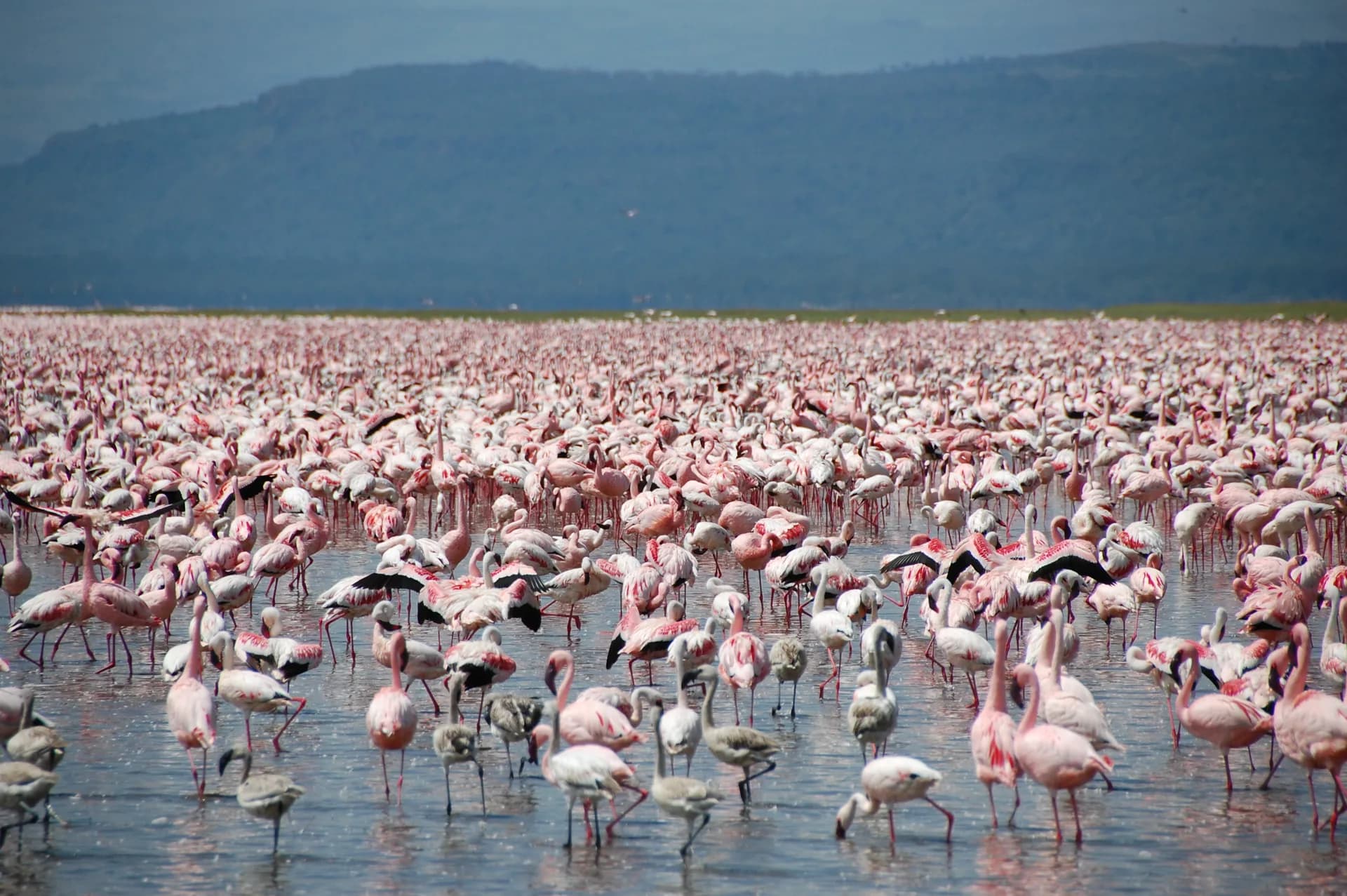
A Rift Valley lake at 1,754 m, Nakuru is protected by a fenced national park, the first national rhino sanctuary.
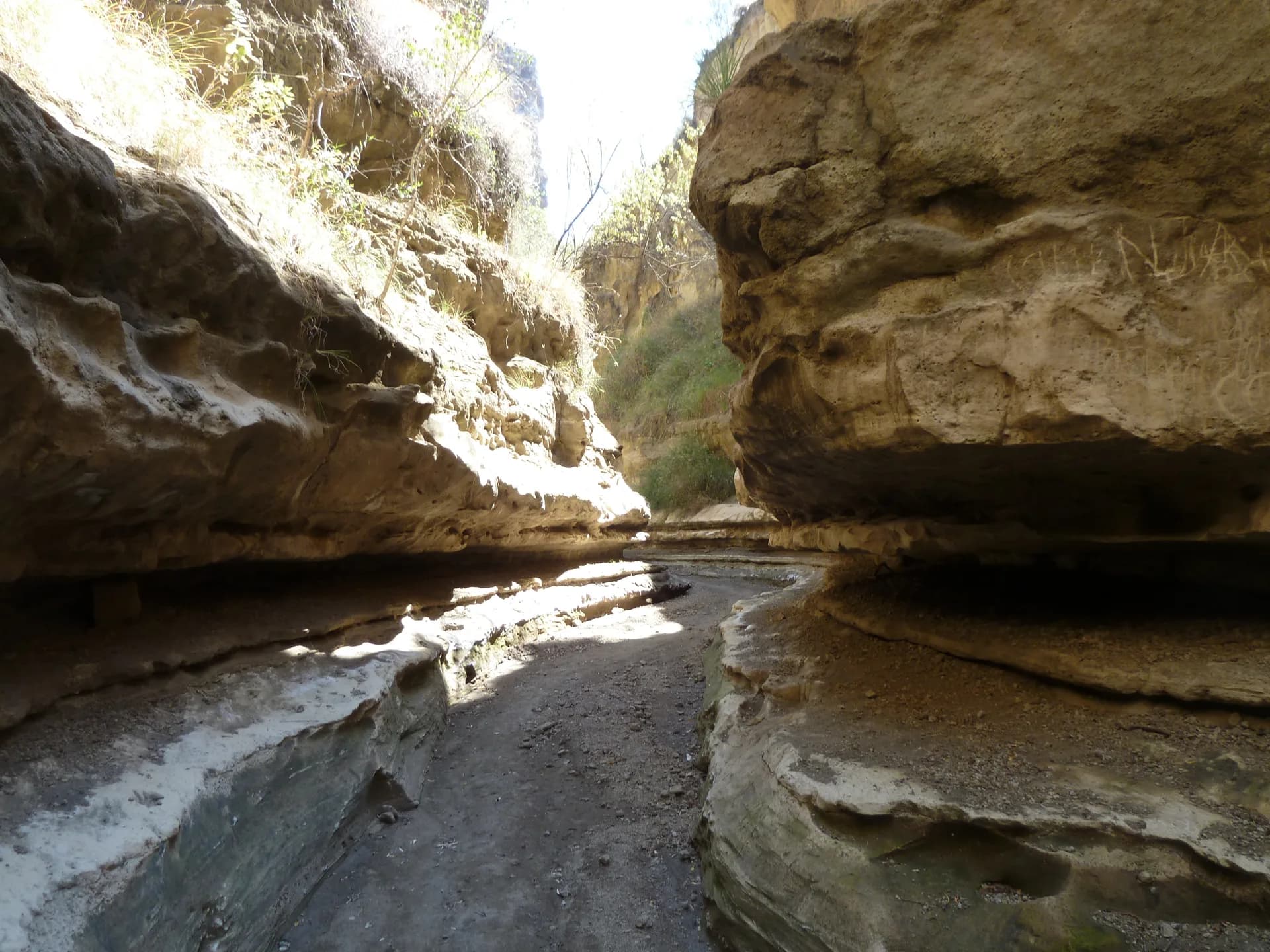
Near Lake Naivasha, about 90 km from Nairobi, this park created in 1984 is known for the Fischer’s Tower and Central Tower columns and its gorge.
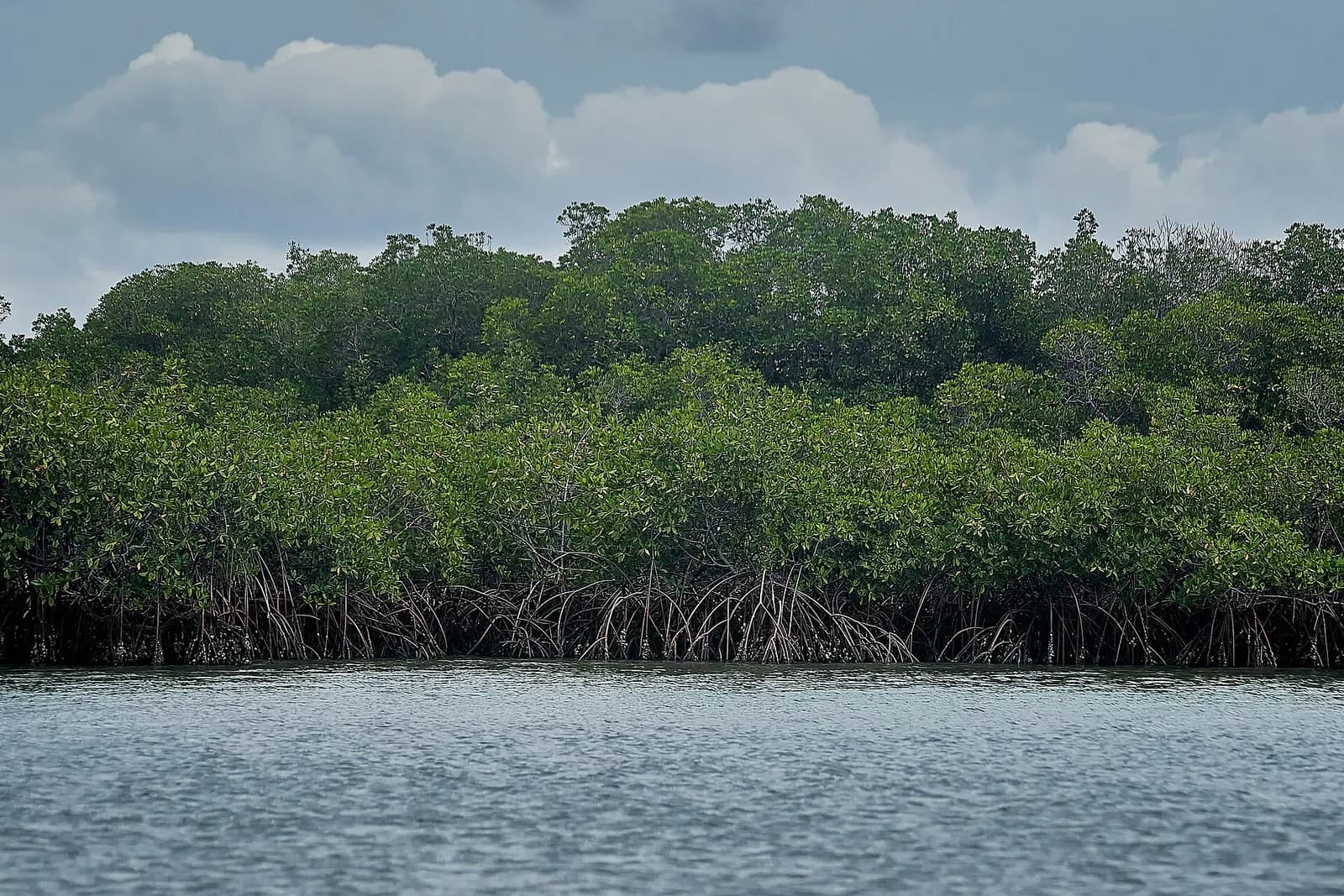
Over 200 islands and islets, brackish channels, mangroves and dry forest: a 145,811-hectare part of the delta has been a World Heritage Site since 2011.
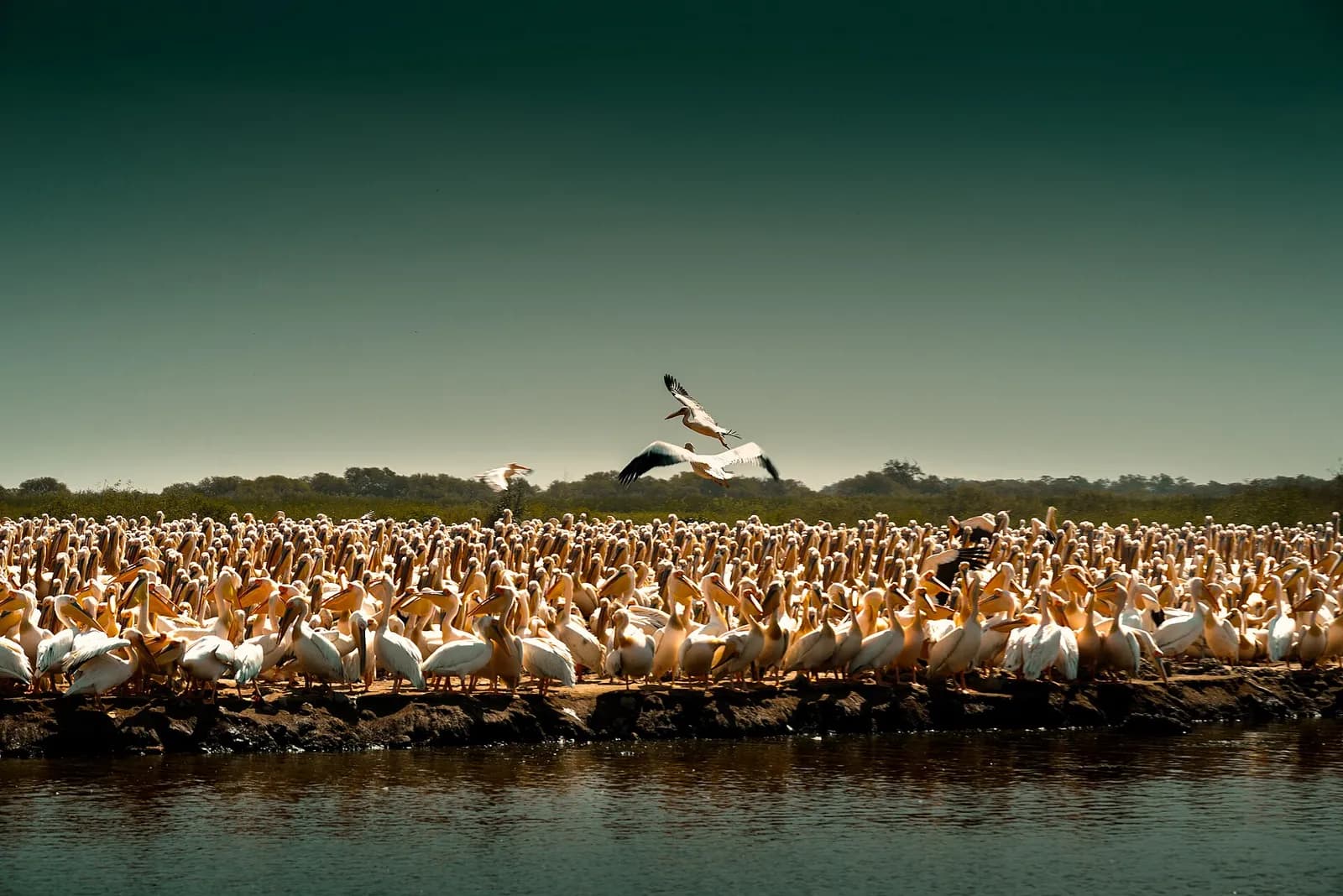
Some 60 km north of Saint-Louis, Djoudj hosts nearly three million migrating birds, many of which have just crossed the Sahara.
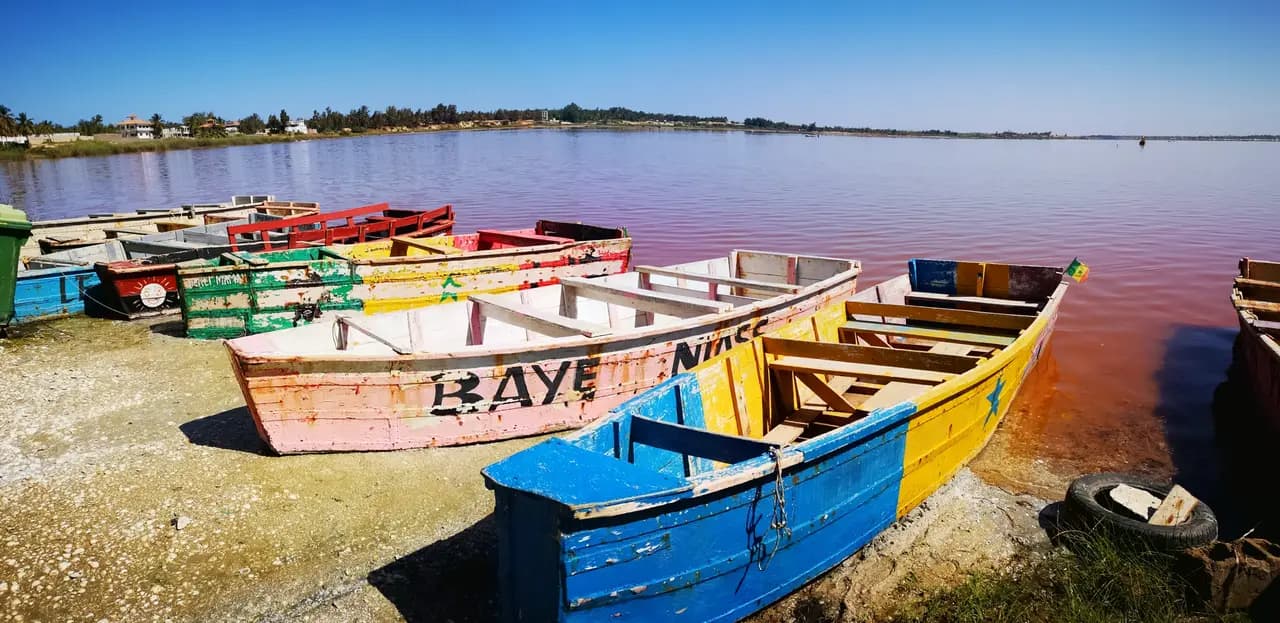
Some 35 km north-east of Dakar, Lake Retba owes its pink colour to an alga, Dunaliella salina, and its salt content reaches up to 40%.
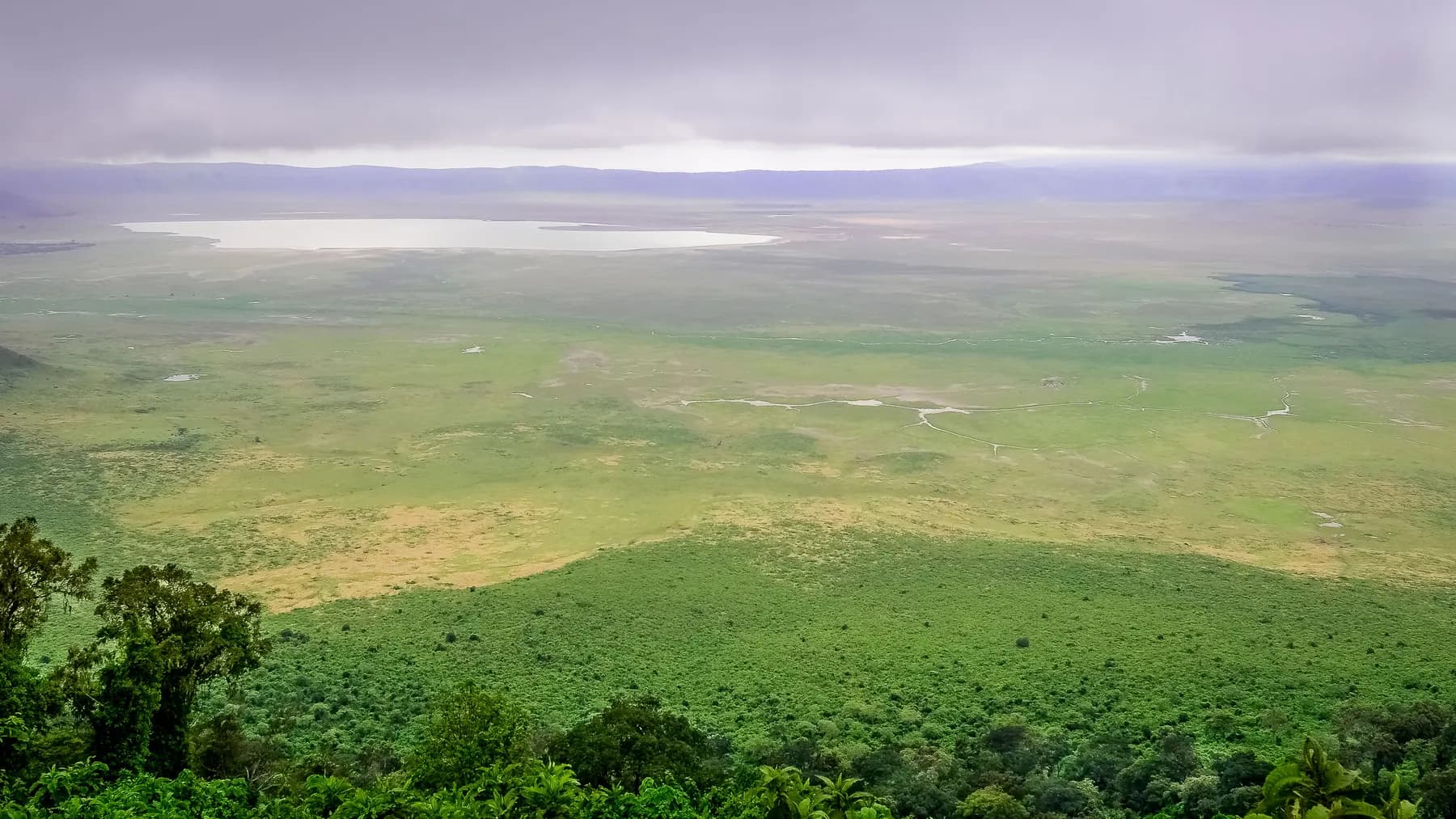
Some 180 km west of Arusha, Ngorongoro is the world’s largest inactive, intact and unfilled volcanic caldera.
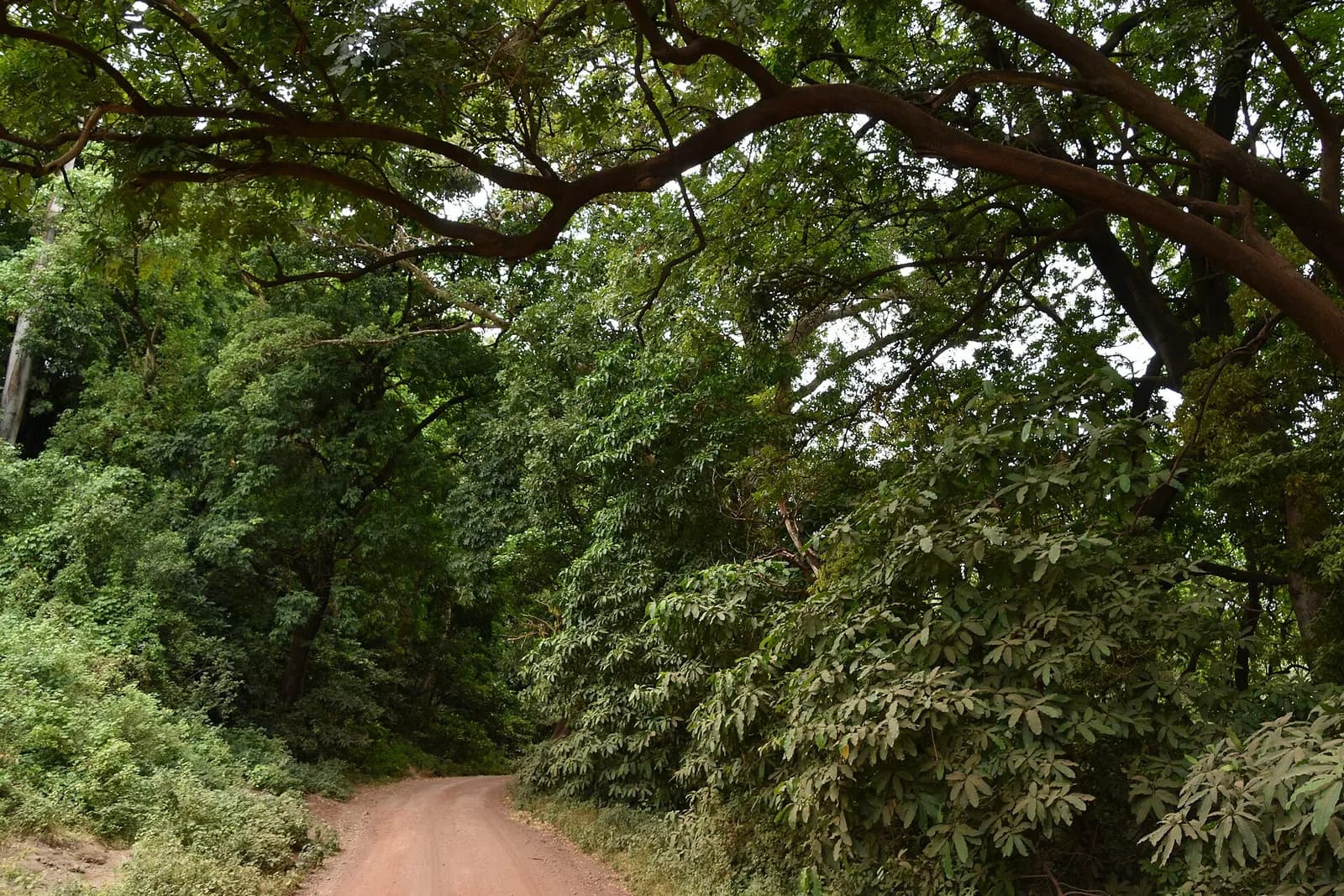
Between Lake Manyara and the Rift Valley escarpment, this 325 km² park is famous for lions that rest in the branches of acacia trees.
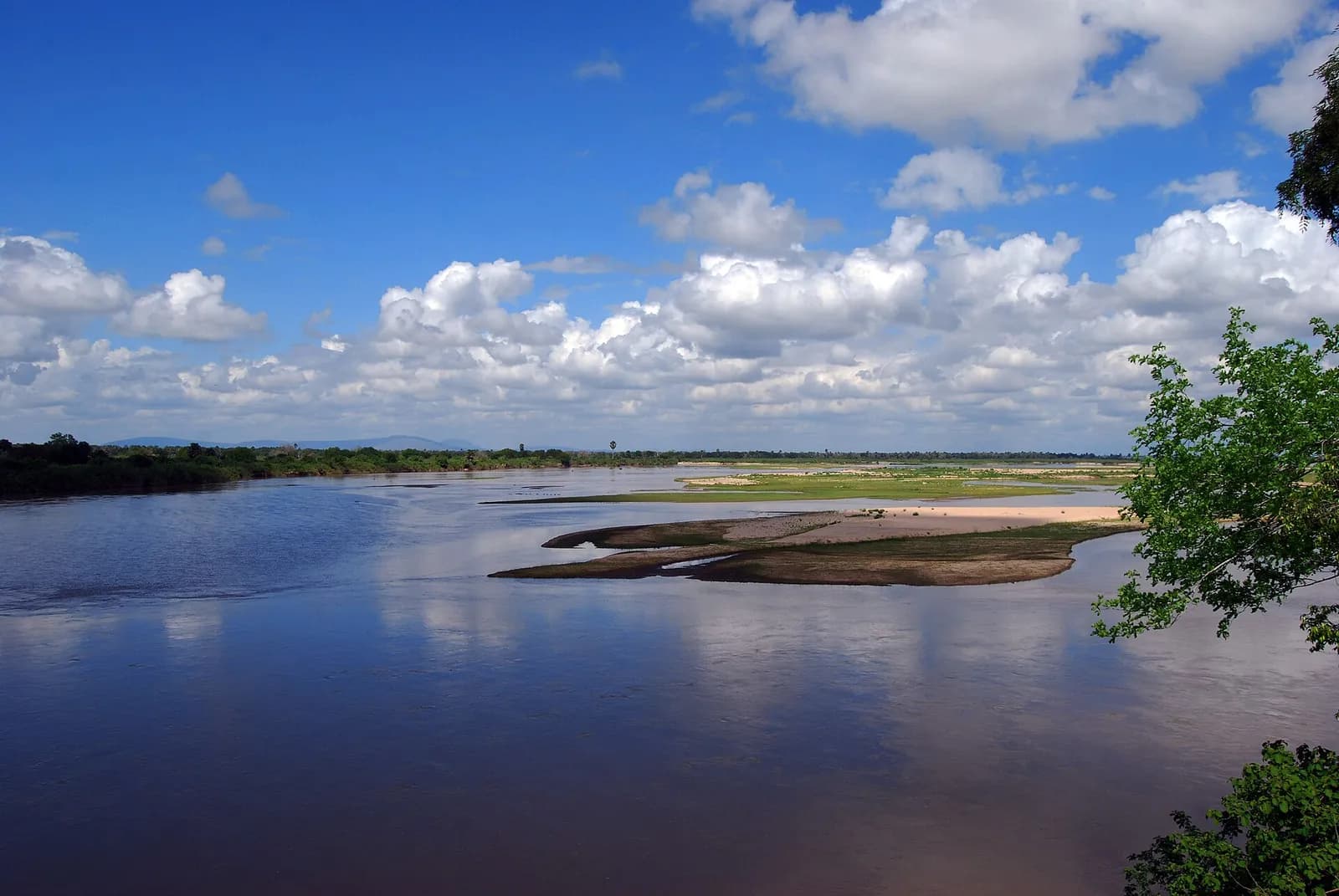
Formerly the northern part of the Selous Game Reserve, Nyerere is, at 30,893 km², Tanzania’s largest national park.
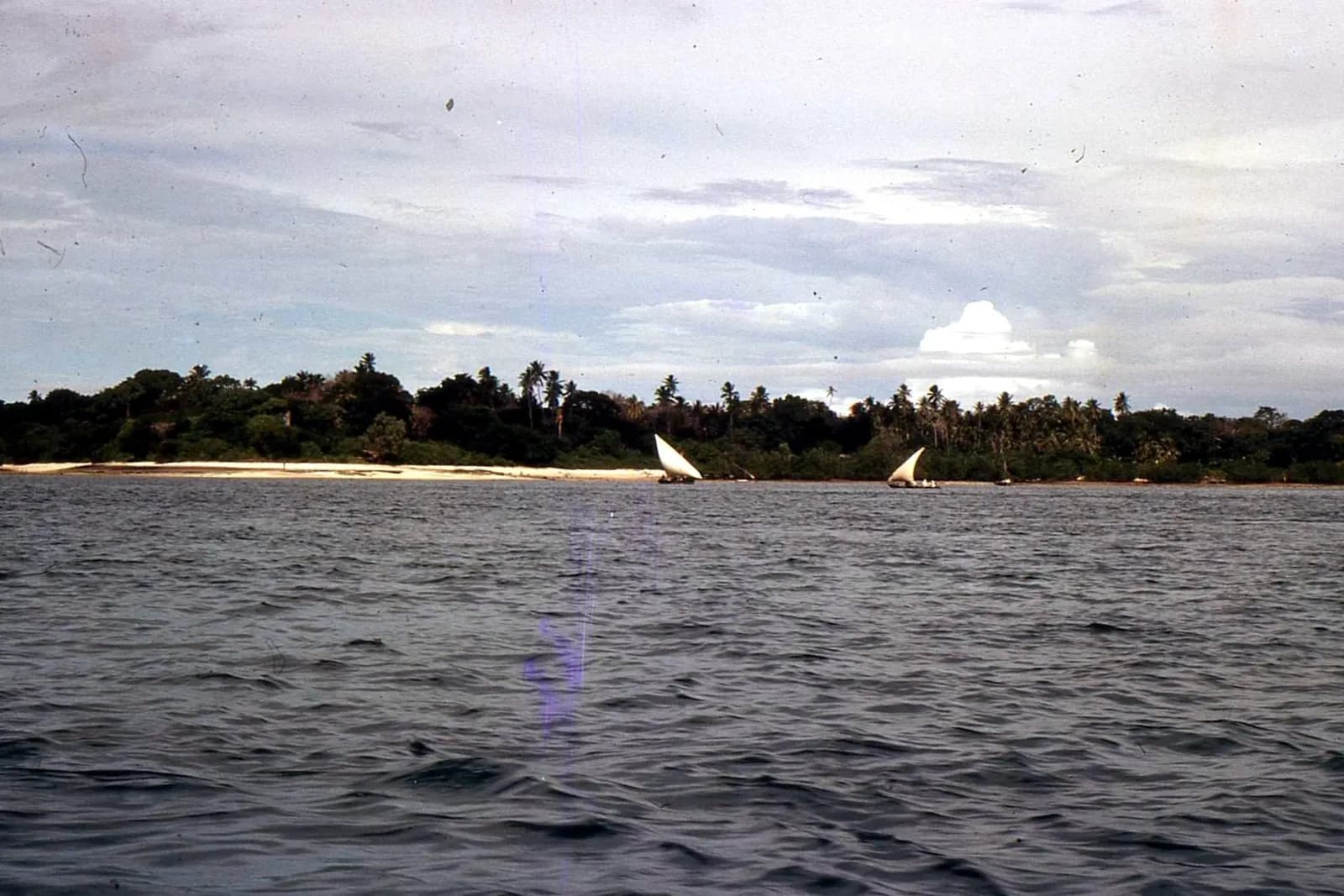
Opposite the Rufiji delta, Mafia Island covers 394 km² and became home in 1995 to Tanzania’s first marine park.
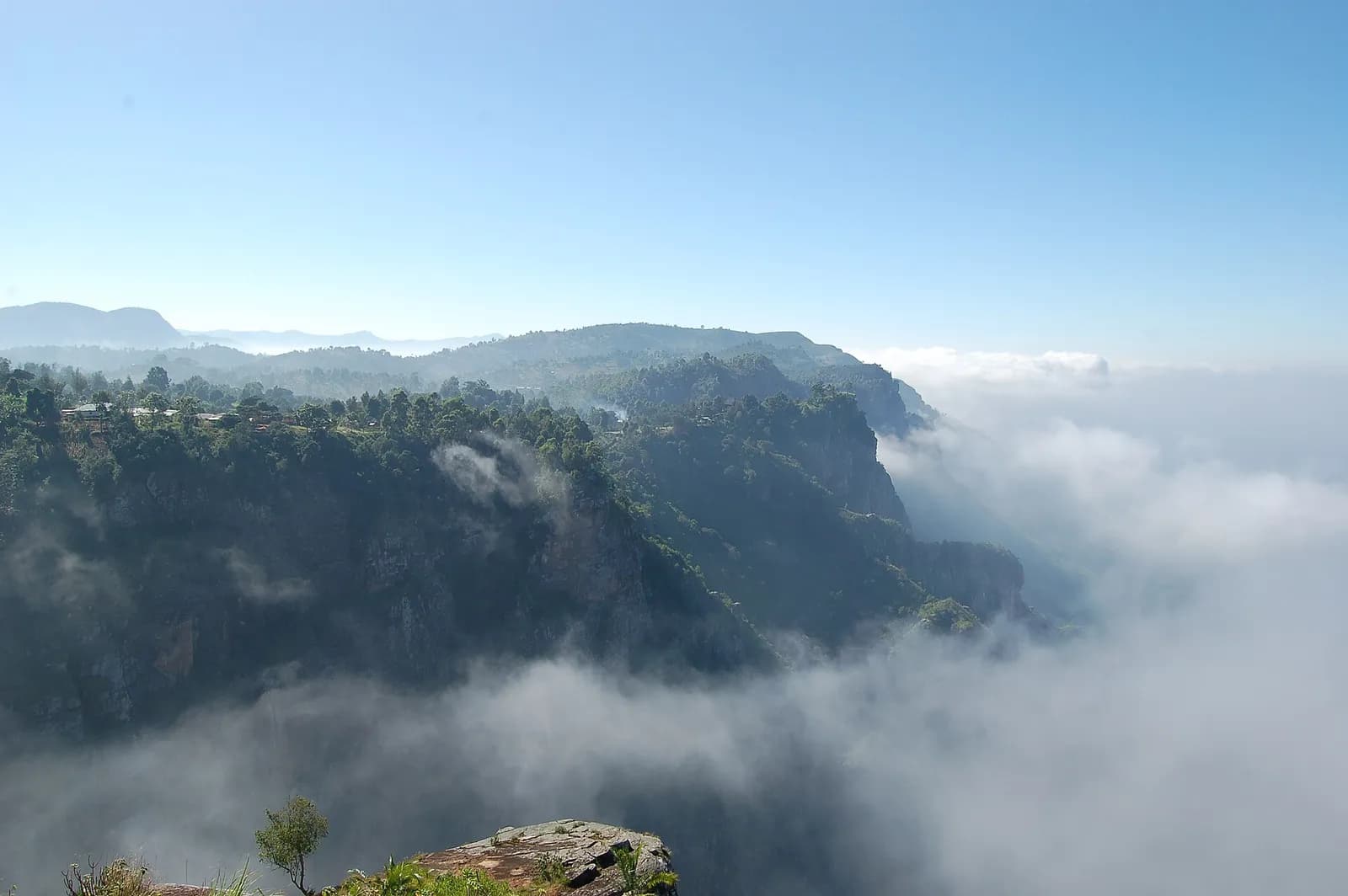
The Usambara Mountains are the easternmost ranges of the Eastern Arc, about 90 km long.

The Portuguese explorer Bartolomeu Dias rounded it in 1487 and first called it the Cape of Storms.
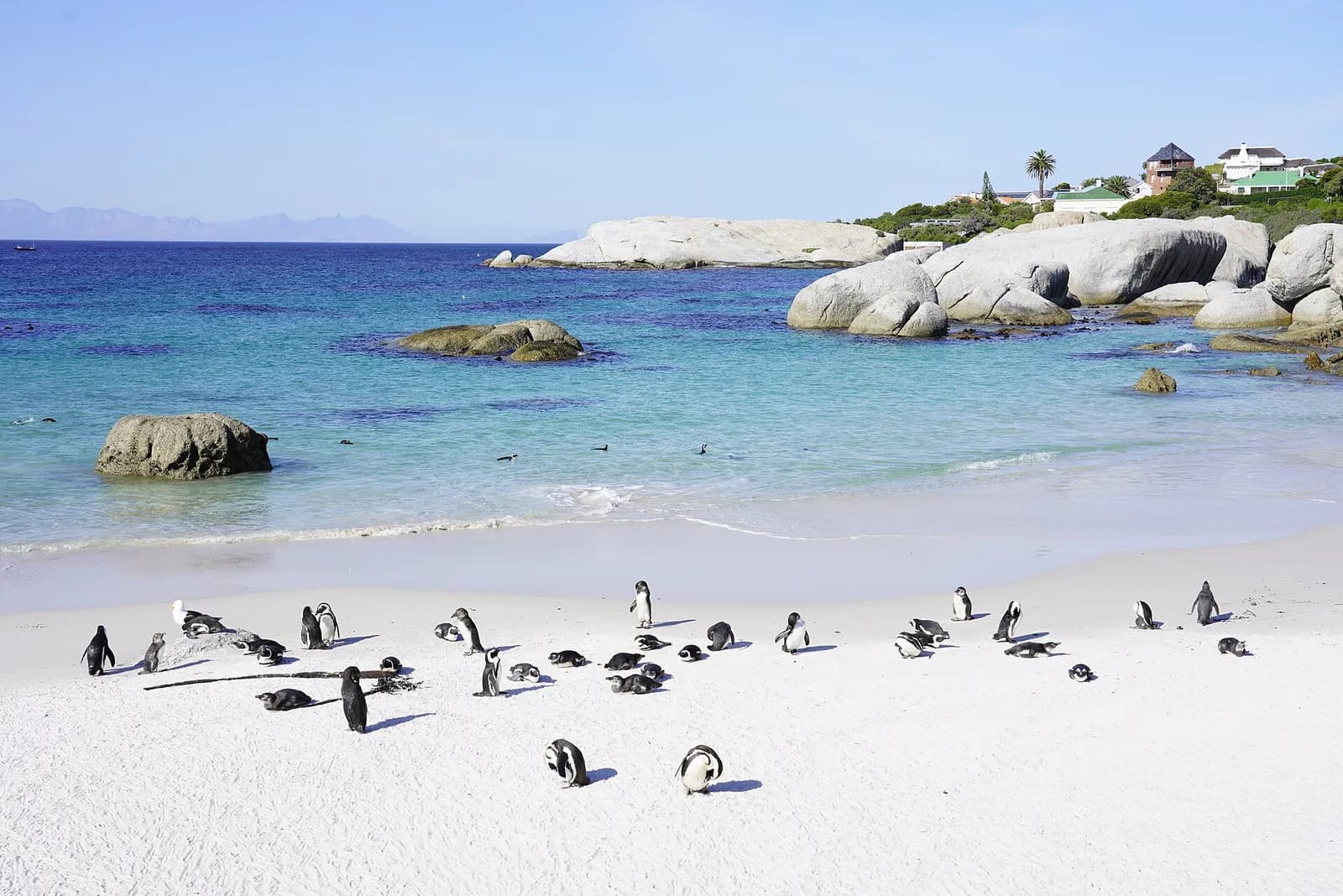
In Simon’s Town, on the eastern side of the Cape Peninsula, a colony of critically endangered African penguins settled in 1982.
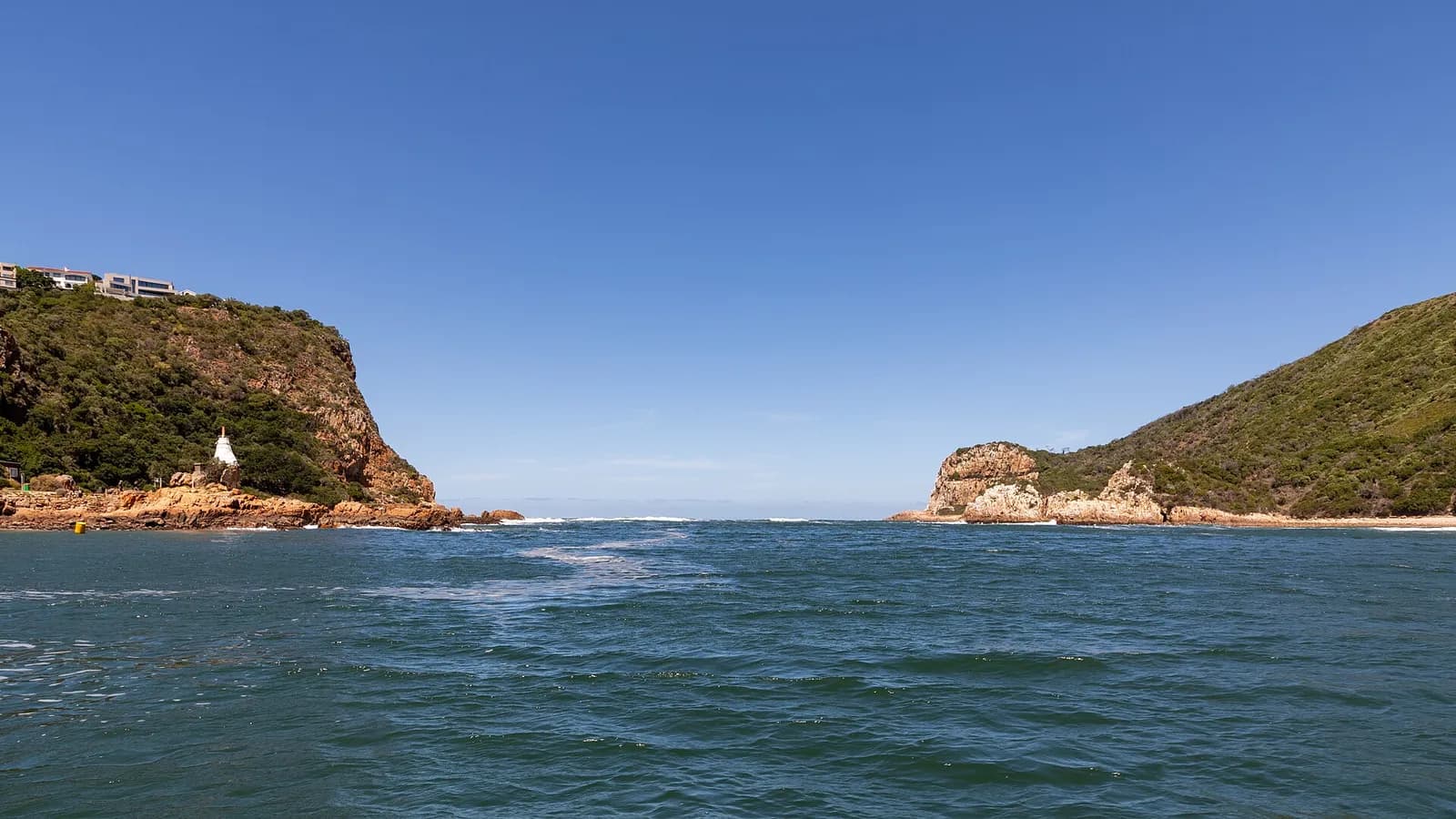
The name is given to the 170 km from Mossel Bay to Storms River, on the 700 km route between Cape Town and Gqeberha.
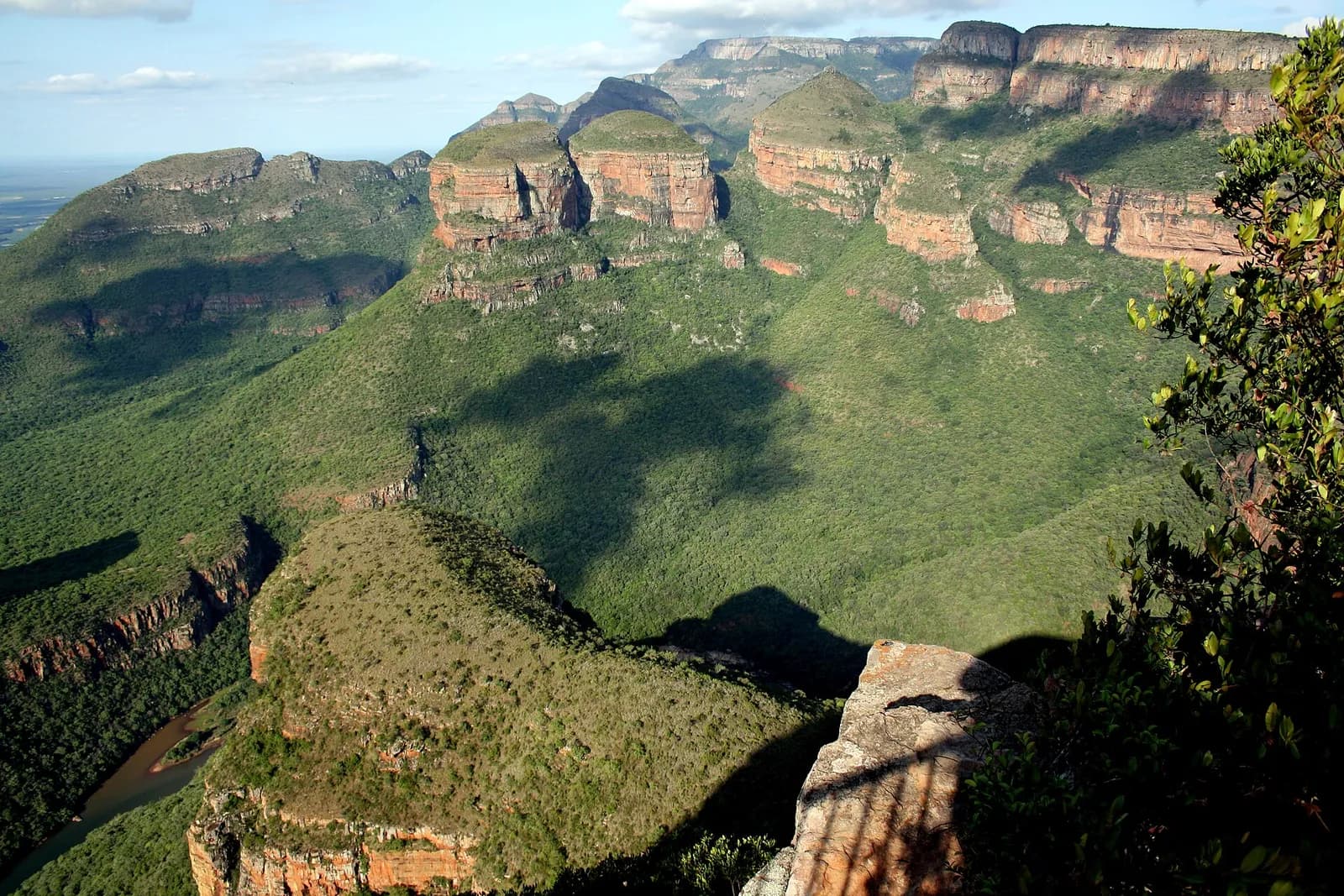
26 km long, in Mpumalanga, the Blyde River Canyon is the third largest canyon on Earth, and a “green canyon” covered in subtropical vegetation.
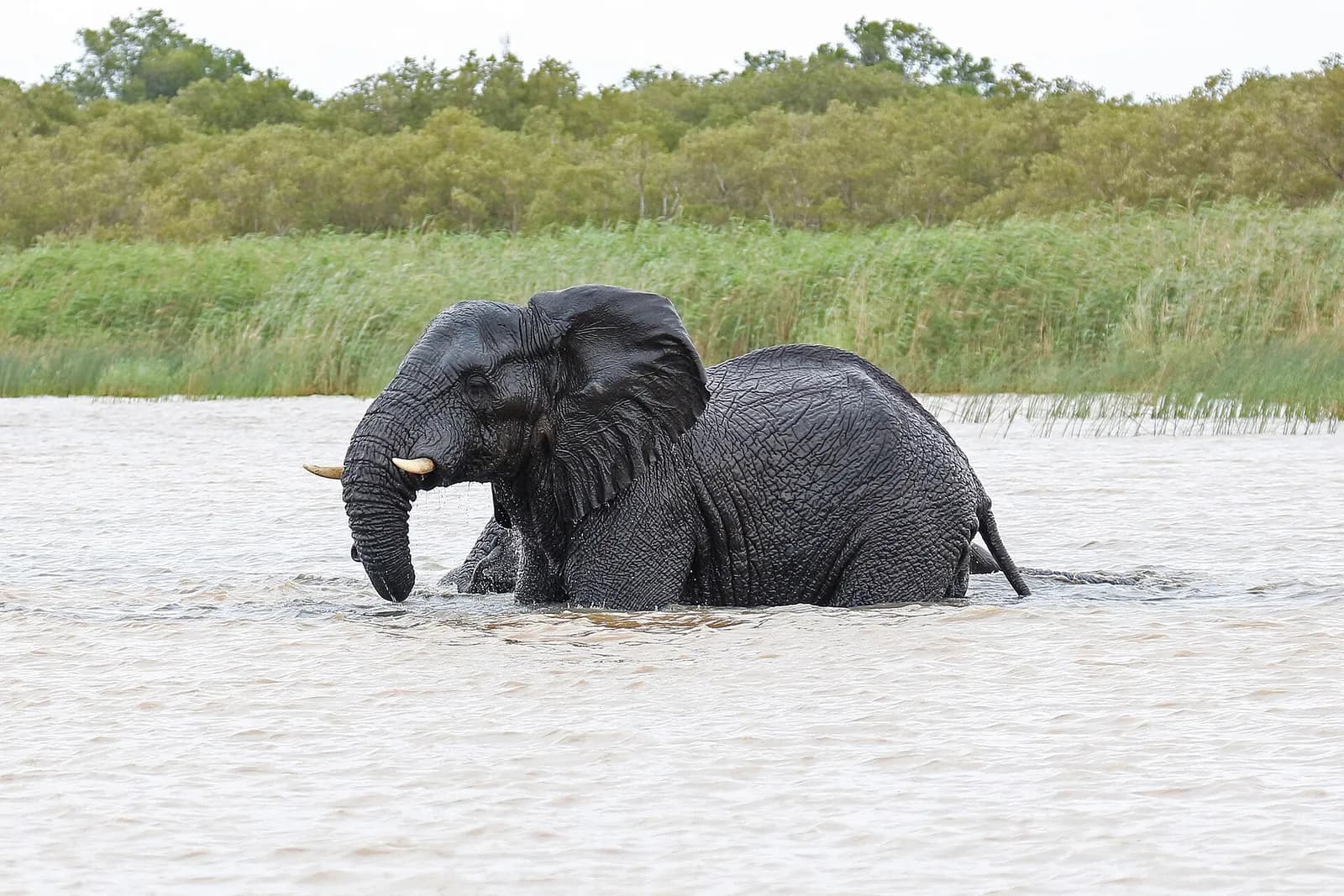
On the KwaZulu-Natal coast, about 235 km north of Durban, iSimangaliso Wetland Park runs along 280 km of coastline and covers some 3,280 km².
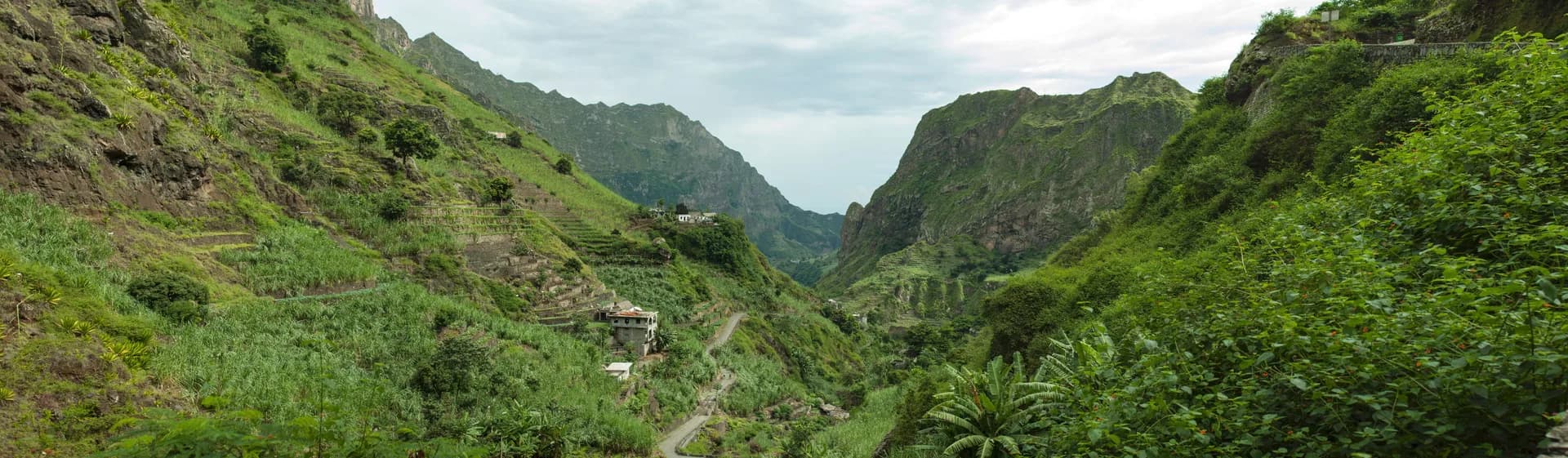
Cape Verde’s second island at 785 km², Santo Antão is volcanic and very mountainous, with two high plateaus and steep valleys.
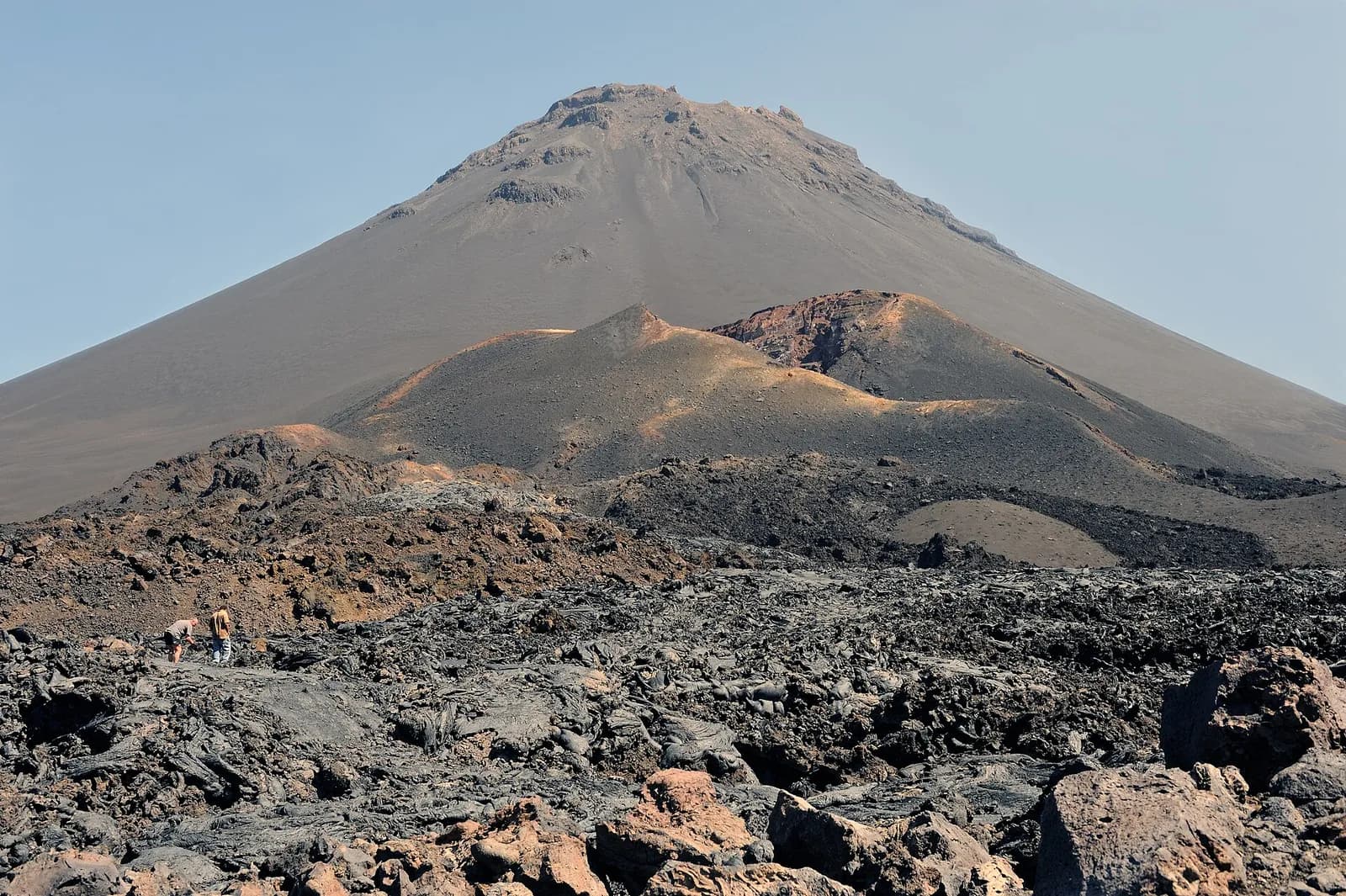
An active stratovolcano, Pico do Fogo rises to 2,829 m; its latest eruptions were in 1951, 1995 and 2014.
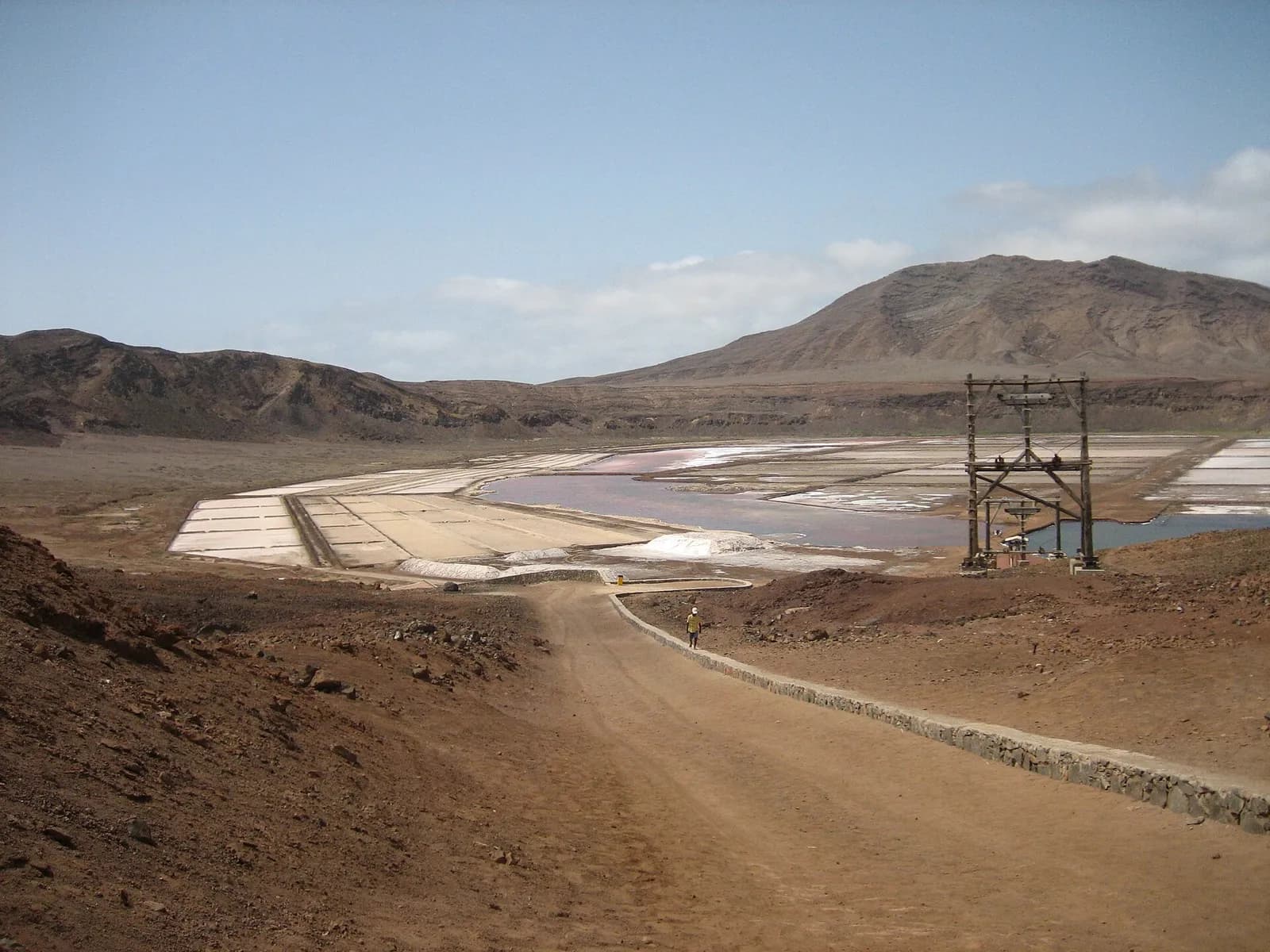
On the east coast of Sal, the Pedra de Lume salt ponds lie in the crater of an extinct volcano and have been worked since the late 18th century.
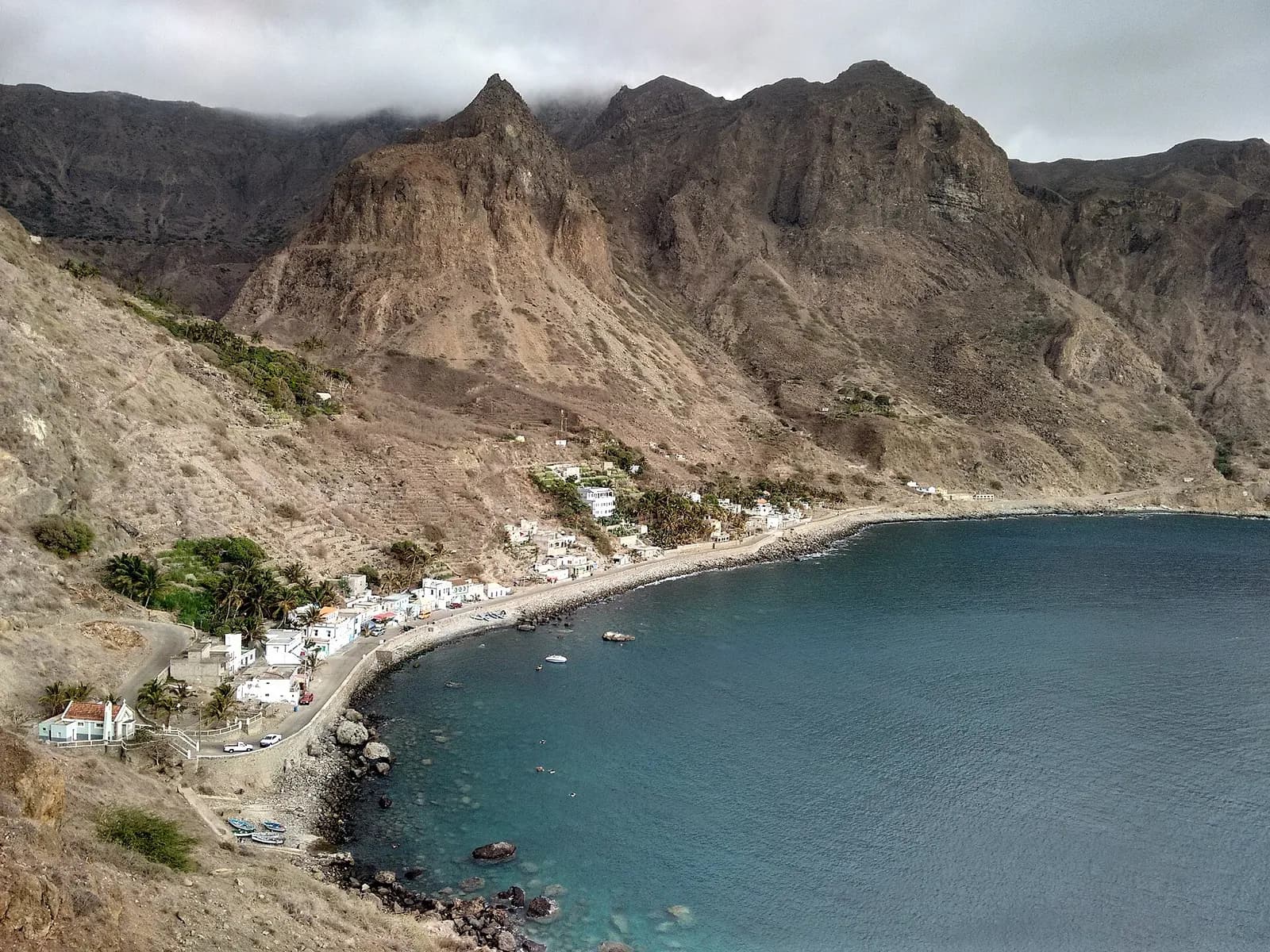
At 62.5 km², Brava is the smallest inhabited island of Cape Verde, but also the greenest.
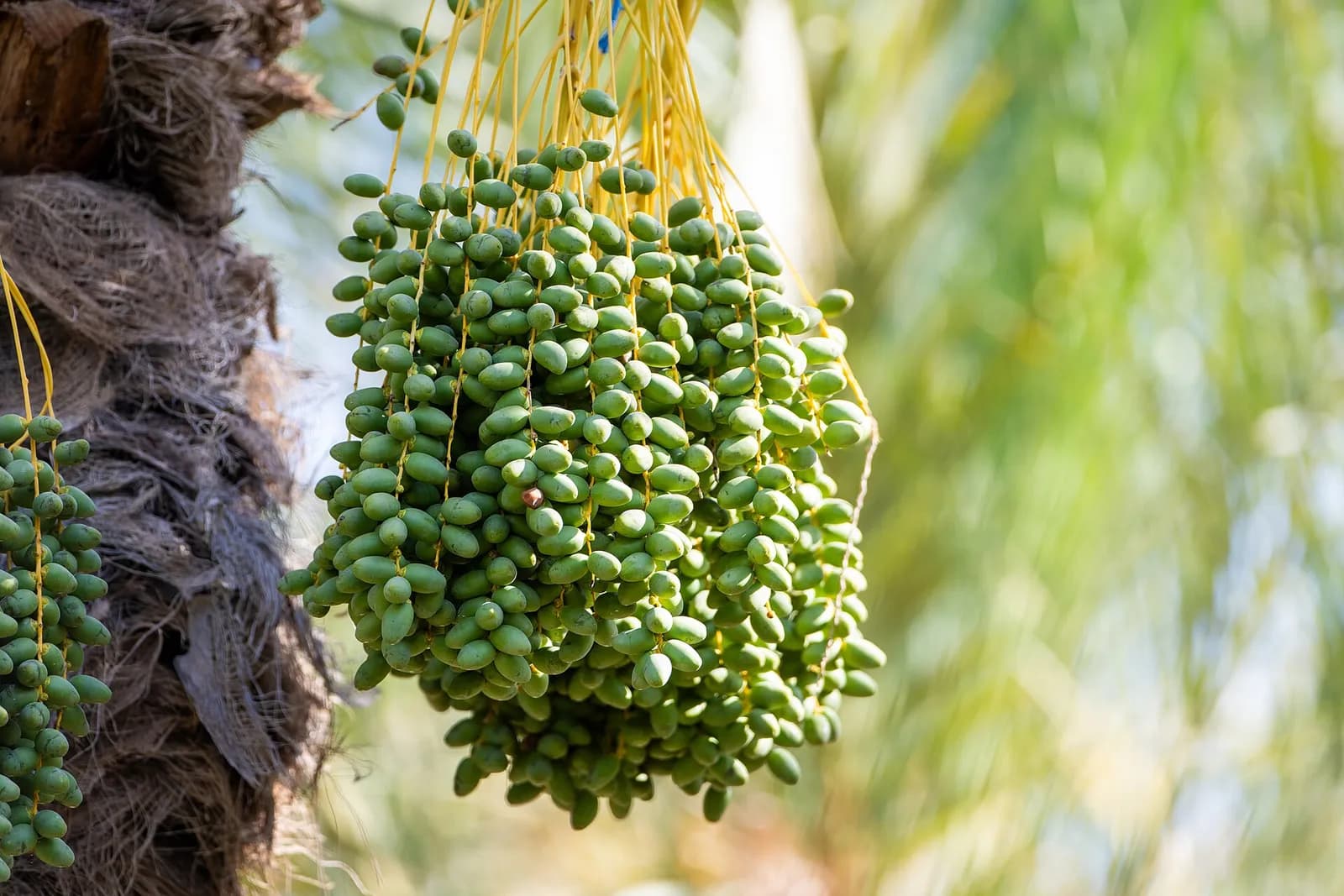
With hundreds of thousands of palm trees, Tozeur is a large oasis between Chott el Djerid and Chott el Gharsa.
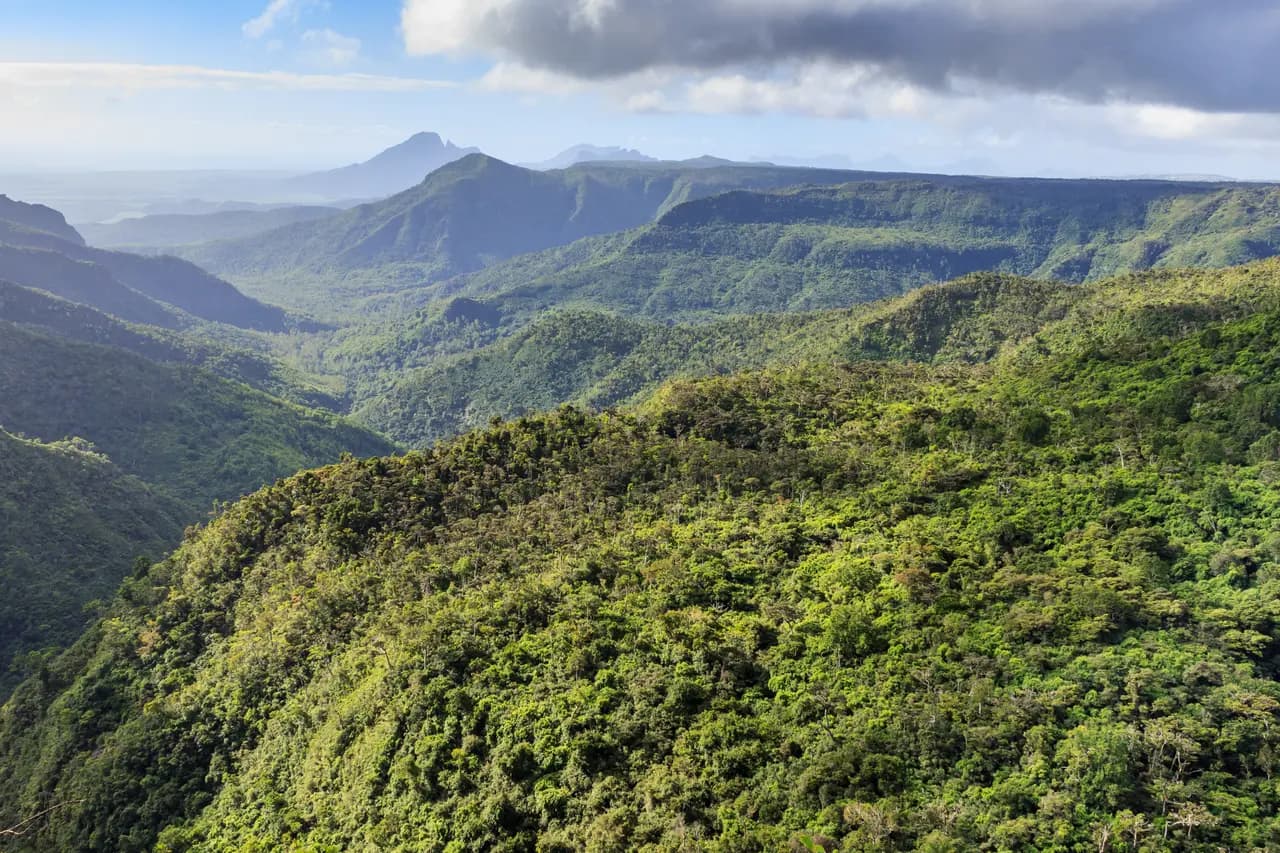
Mauritius’s largest national park, created in 1994 in the hilly south-west, covers 67.5 km² of forest and heathland.
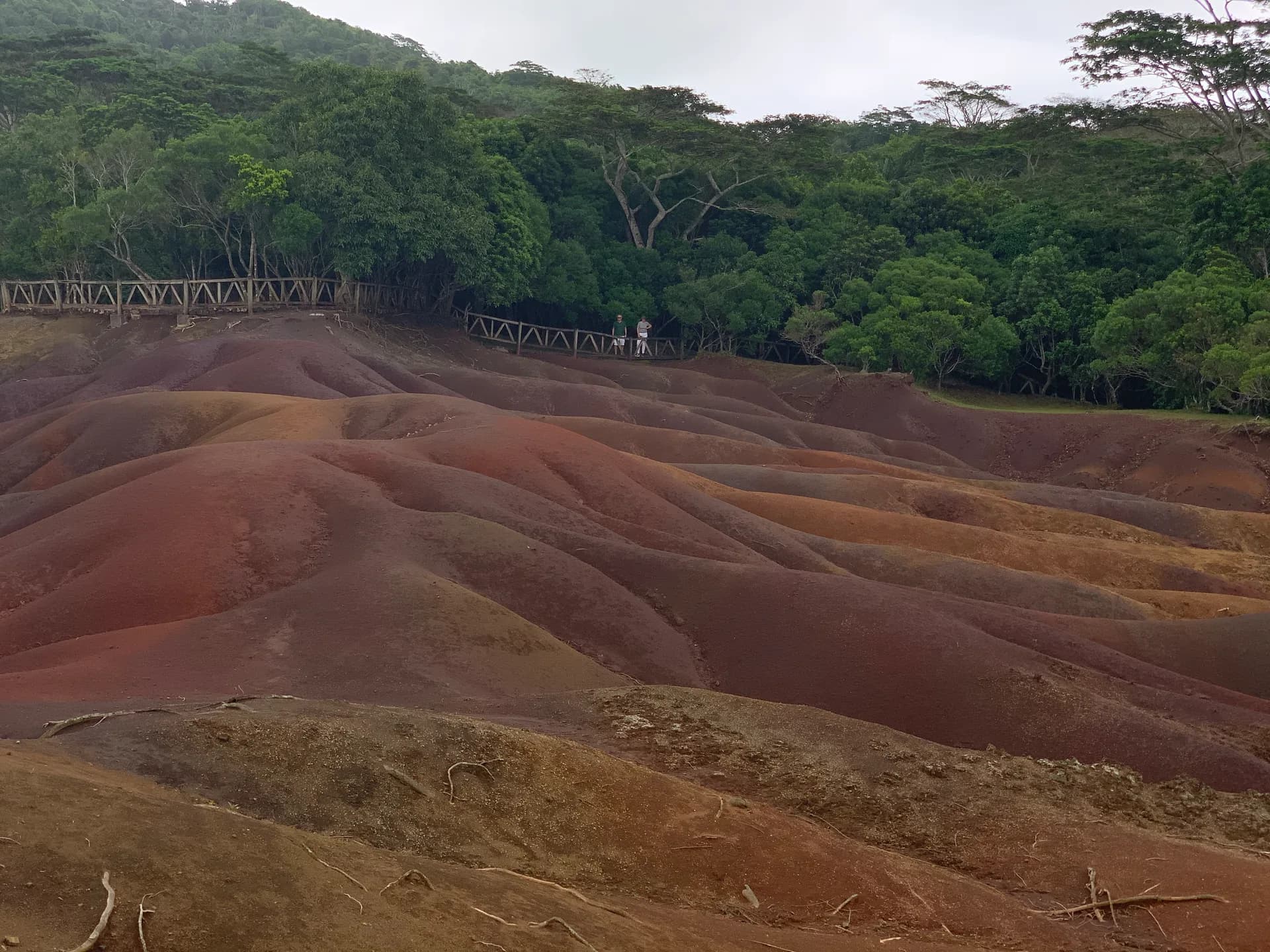
The village of Chamarel is known for its Seven Coloured Earths, an undulating landscape of contrasting shades.
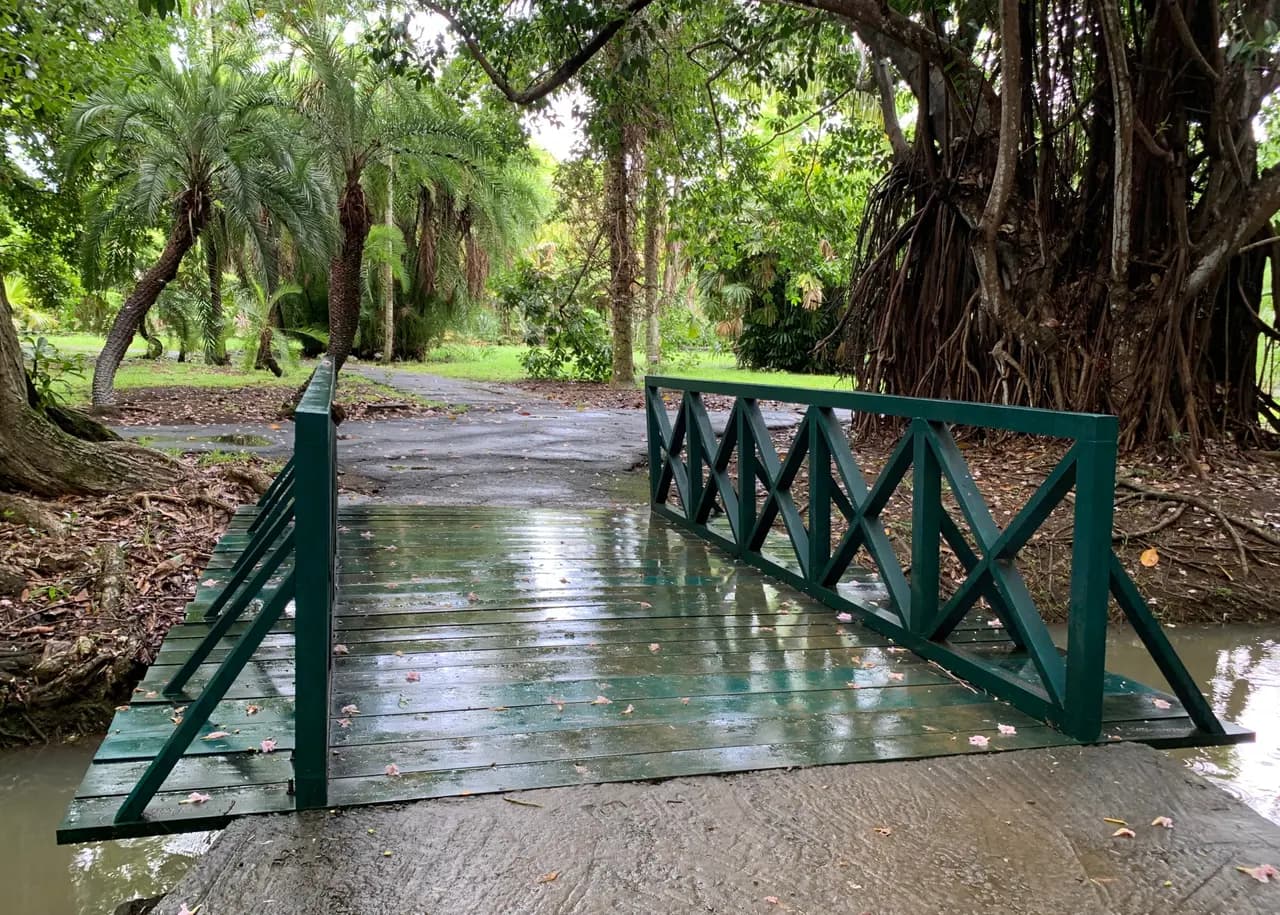
Created by Pierre Poivre in 1770 near Port Louis, the Sir Seewoosagur Ramgoolam garden is the oldest botanical garden in the Southern Hemisphere.
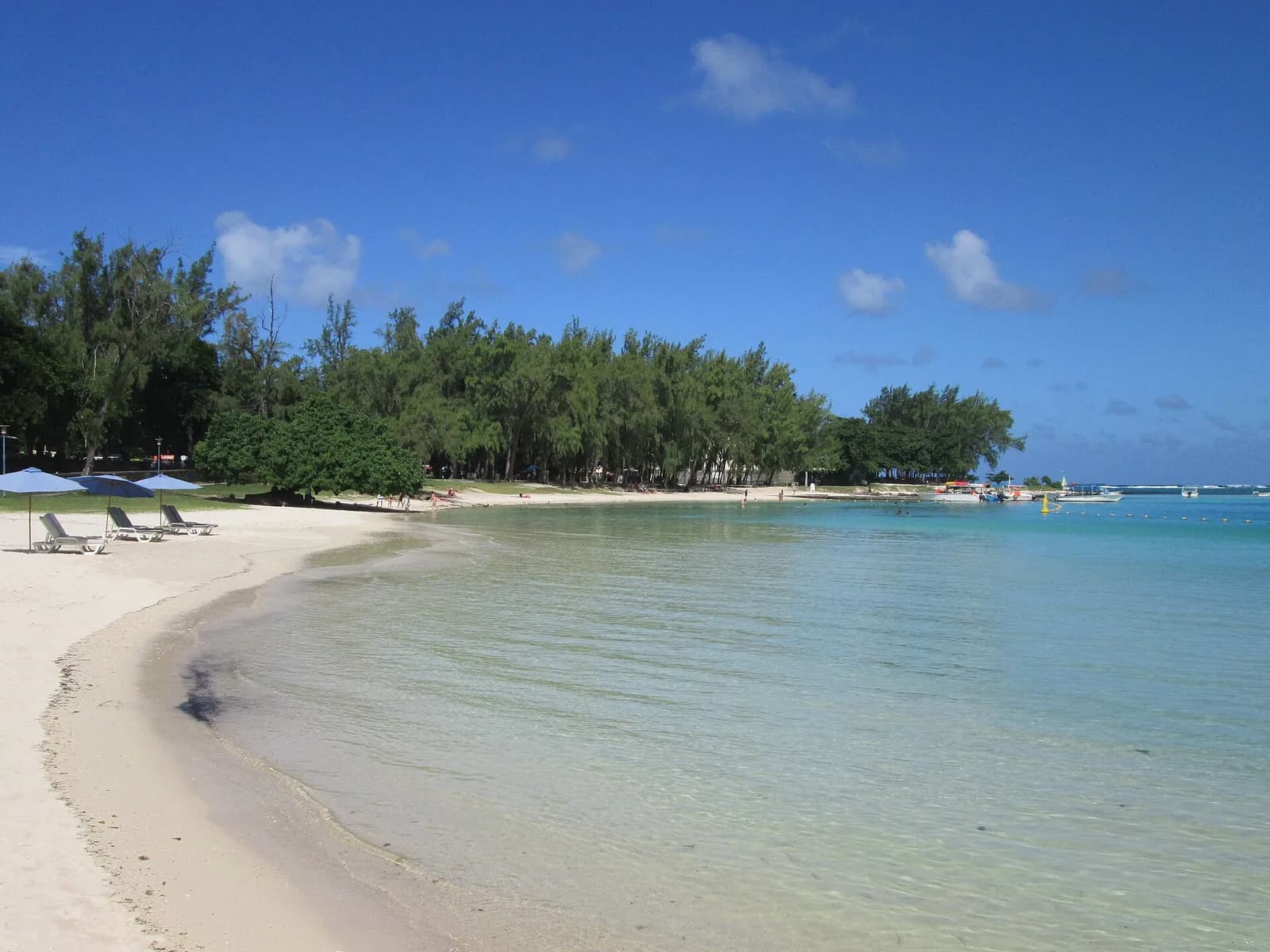
In the island’s south-east, Blue Bay is famous for its intensely blue water and white sand beaches.
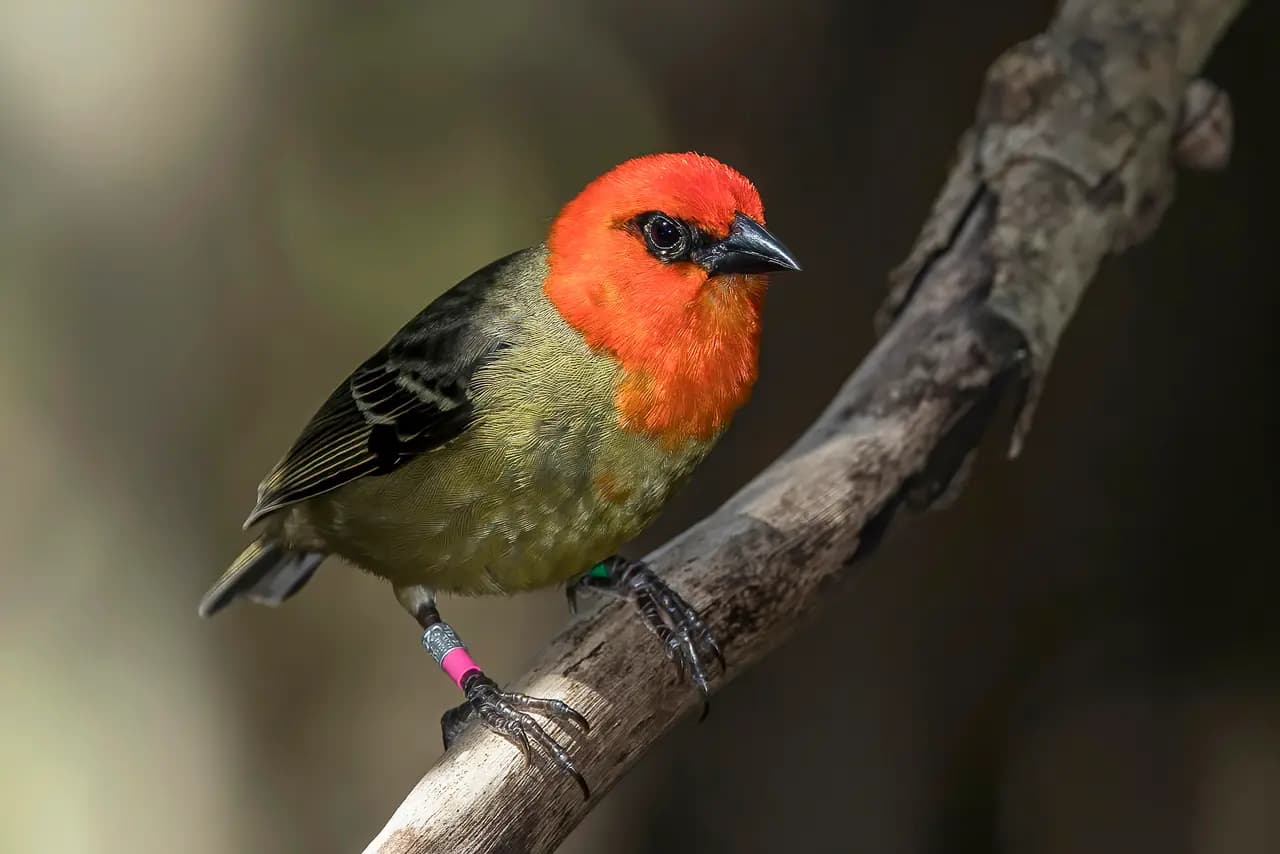
850 m off the south-east coast and about a kilometre from Mahébourg, this 27-hectare islet has been a nature reserve since 1965.
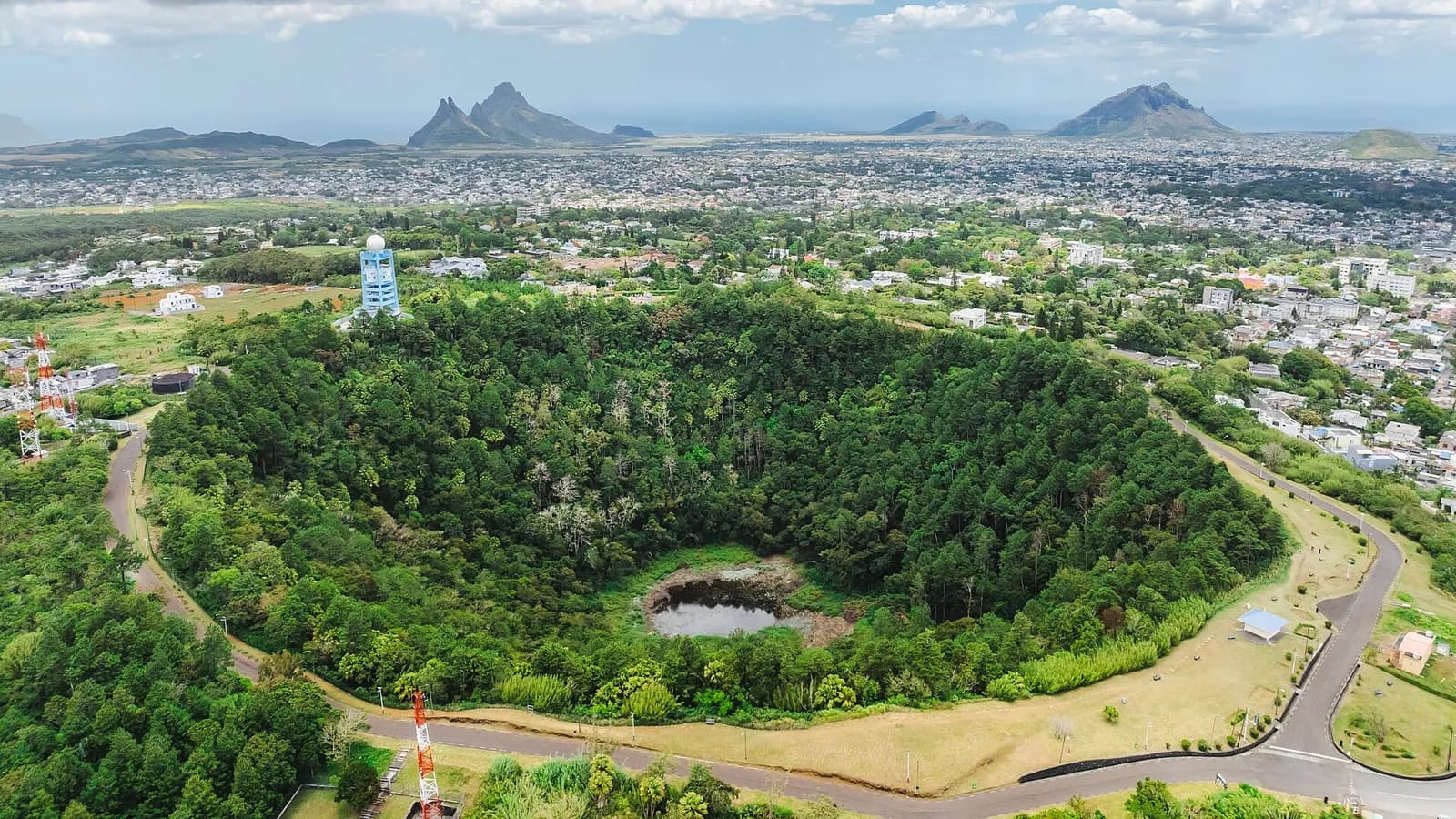
In Curepipe, Trou aux Cerfs is a dormant 605 m volcano with a well-defined crater 300 to 350 m across and 80 m deep.
Along 260 m of the unpaved Road No. 8, between Morondava and Belon’i Tsiribihina, stand 20 to 25 Grandidier’s baobabs about 30 m tall.
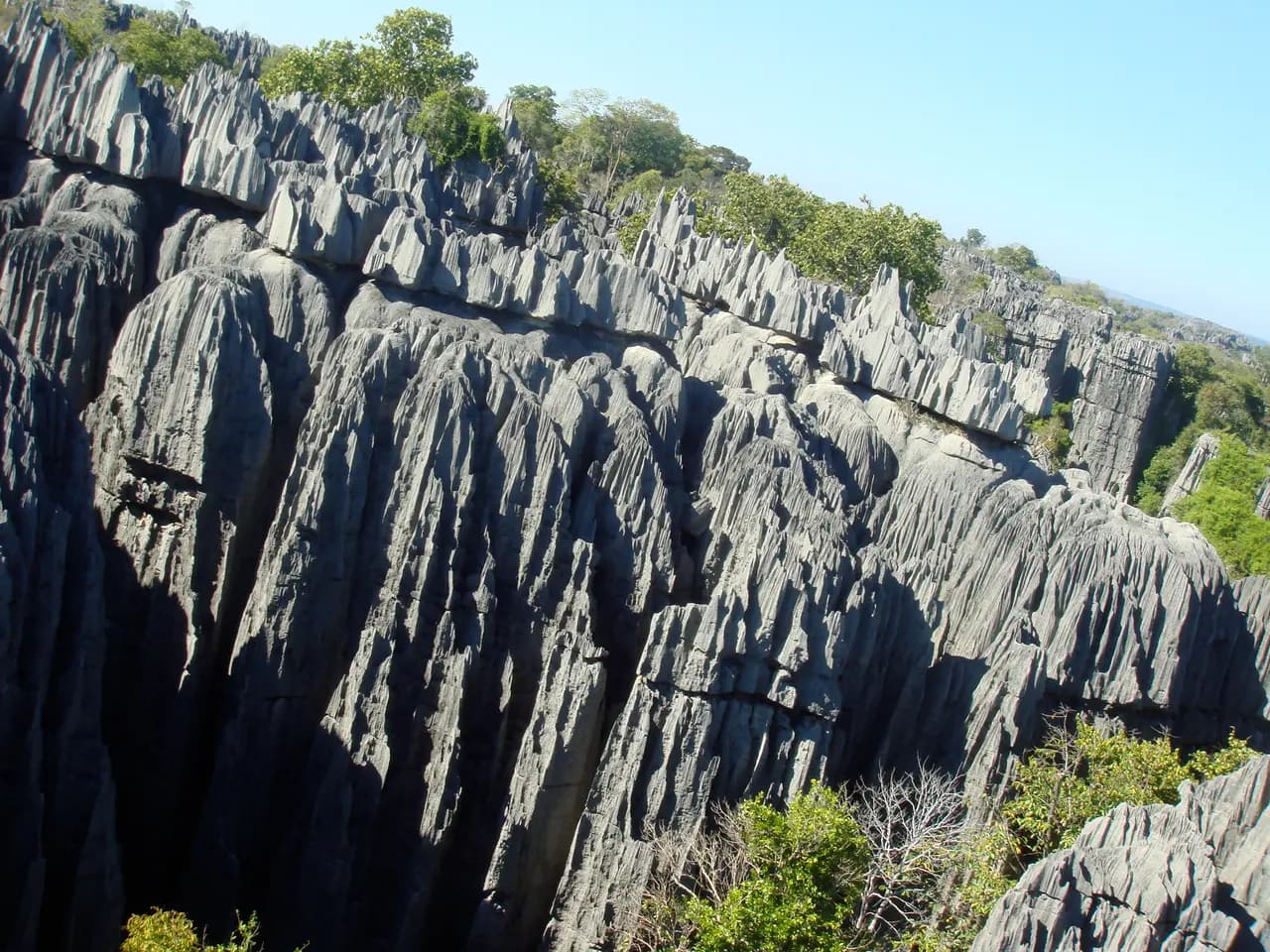
Near the west coast, razor-sharp limestone needles rise above the cliffs of the Manambolo River.
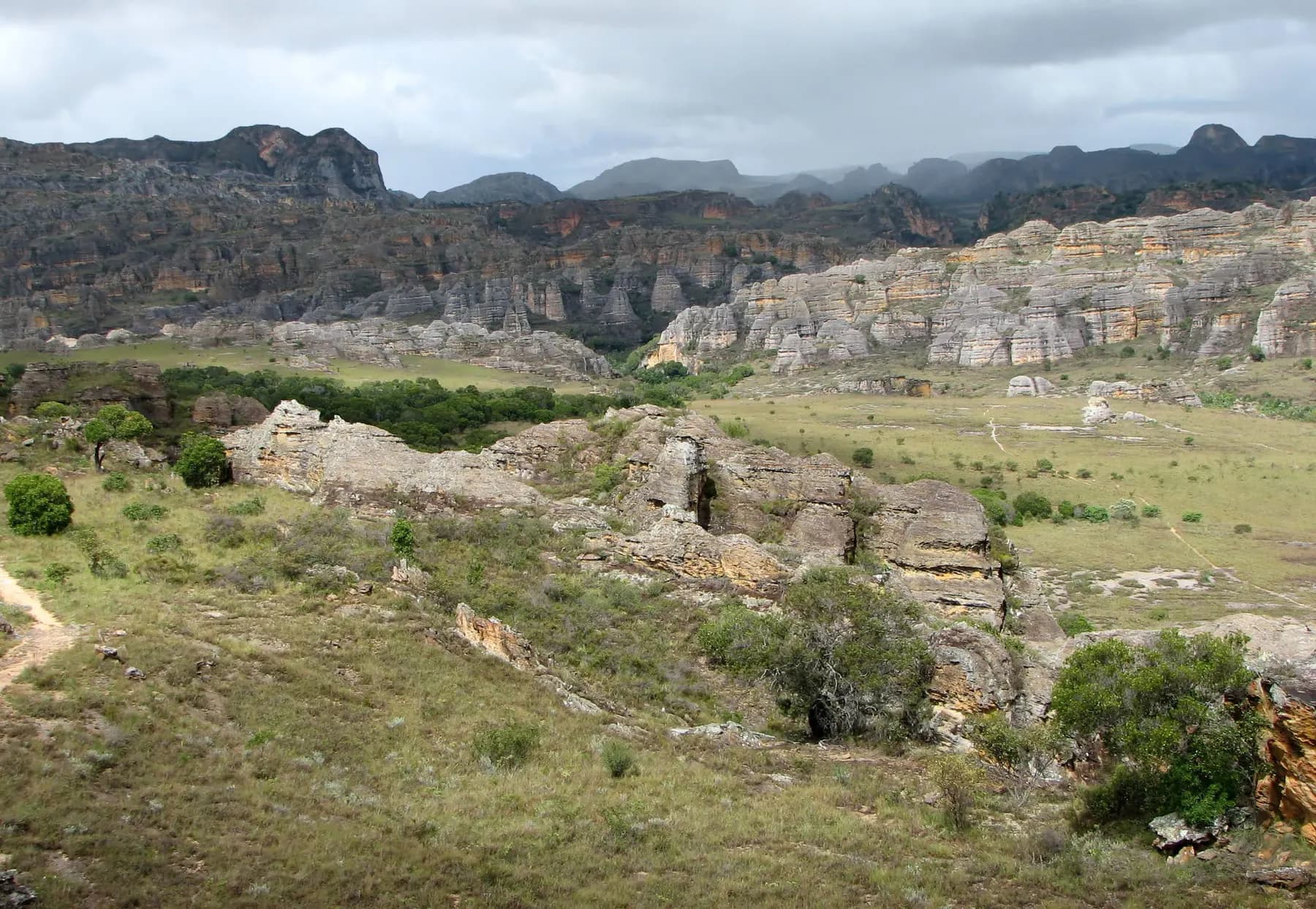
In the south-west, wind and water have carved Isalo’s sandstone into outcrops, plateaus and canyons up to 200 m deep.
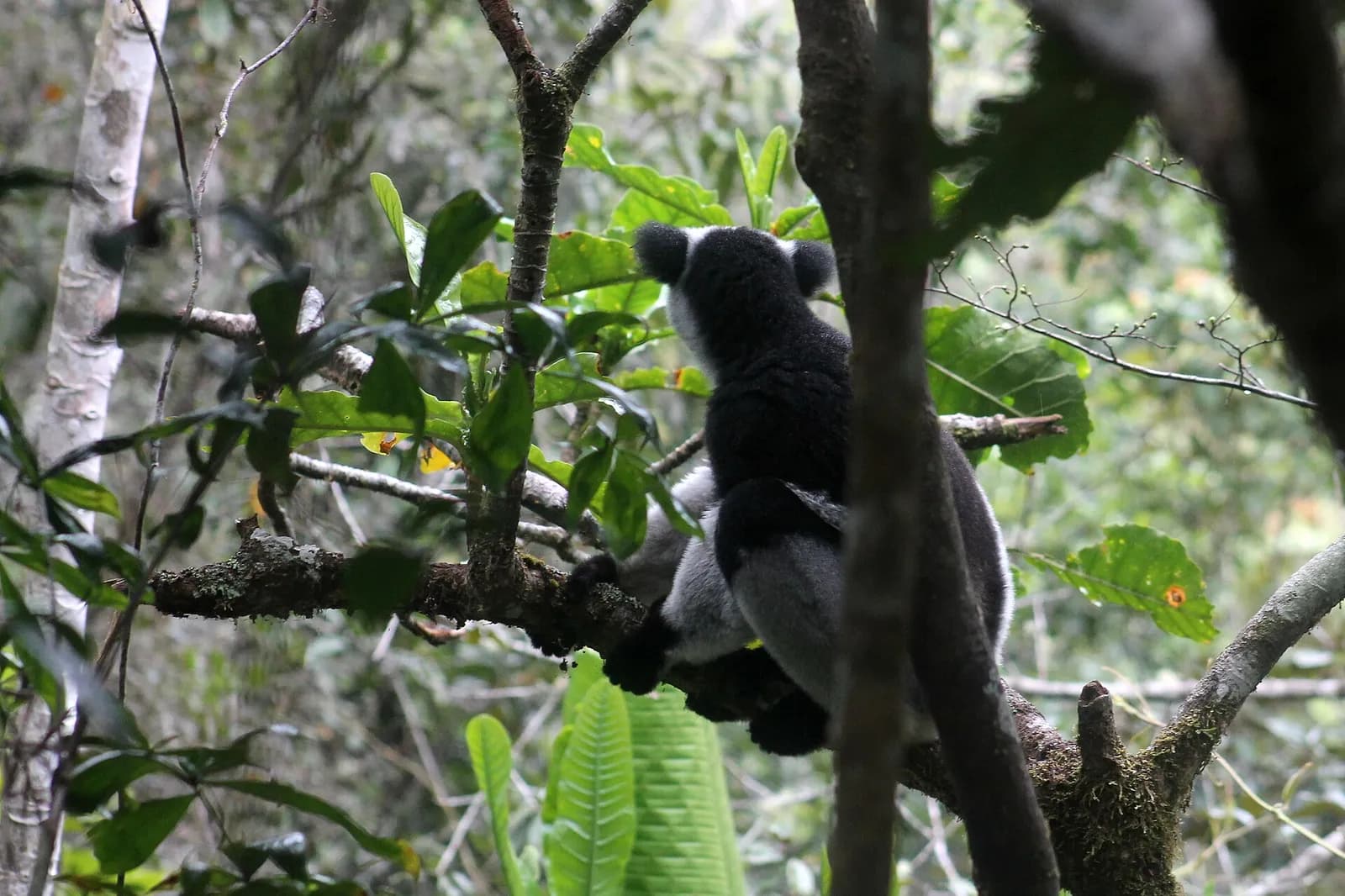
About 150 km east of Antananarivo, this 155 km² rainforest park is home to eleven lemur species.
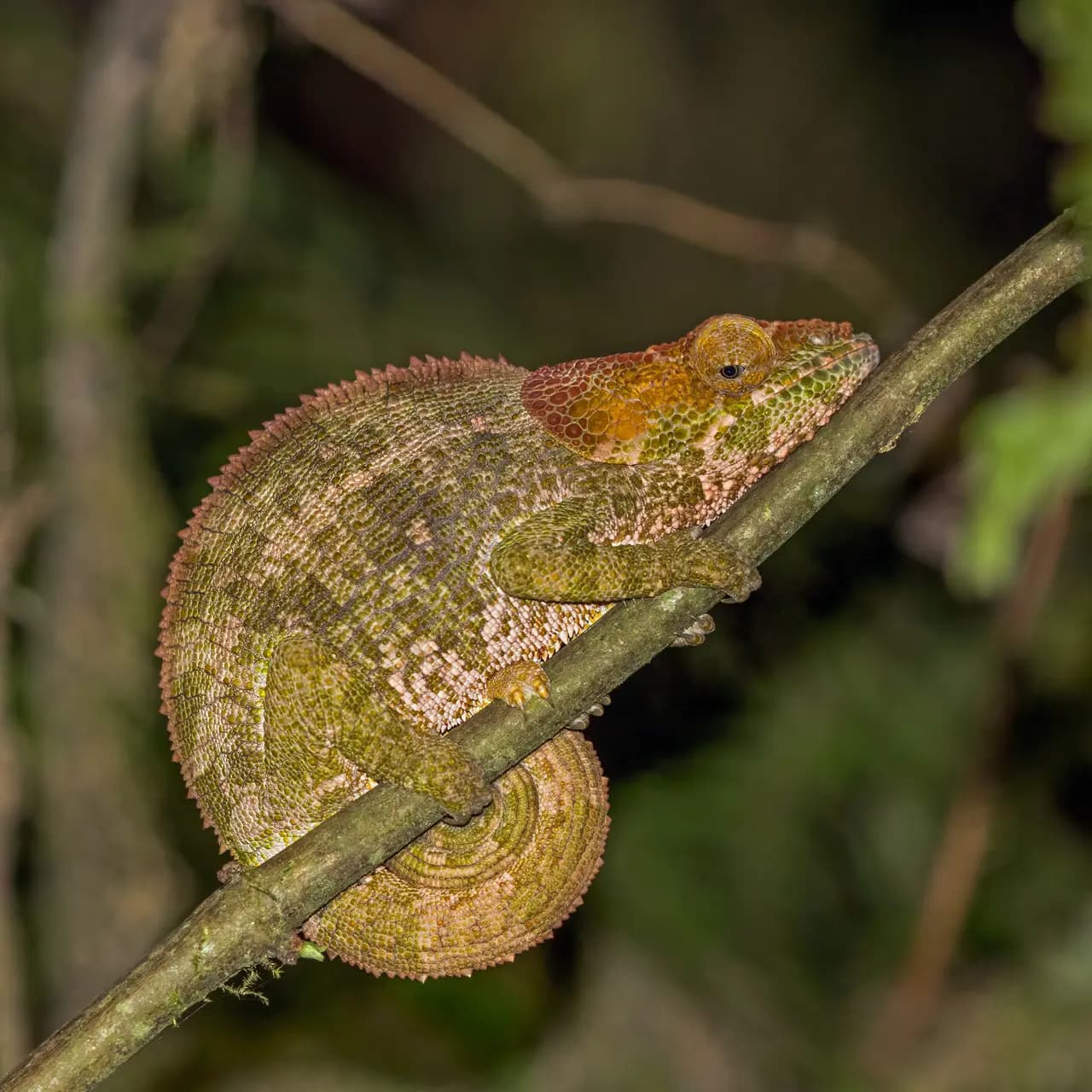
Created in 1991 after the discovery of the golden bamboo lemur, Ranomafana protects over 41,600 hectares of tropical rainforest.
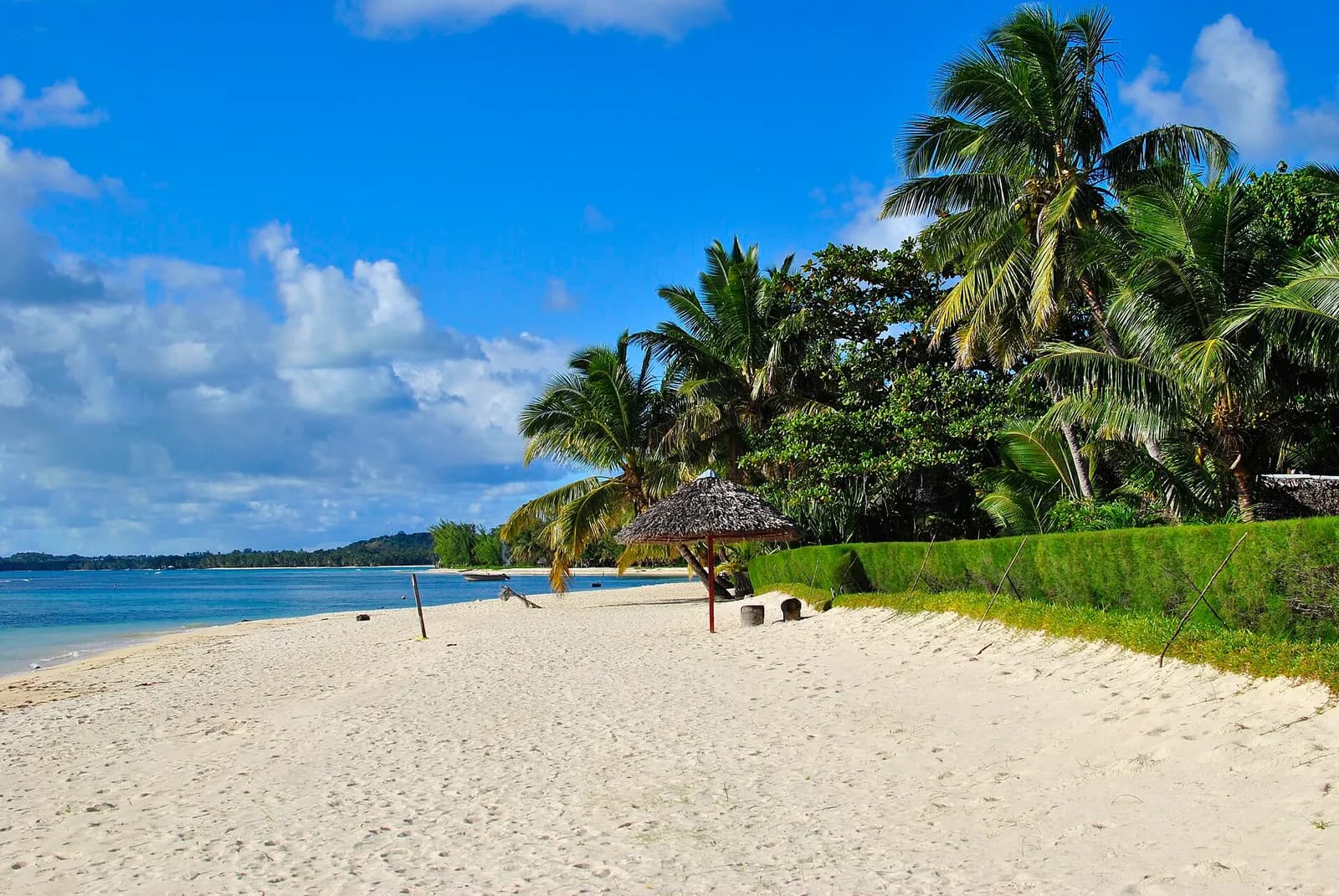
Off the east coast, Île Sainte-Marie, or Nosy Boraha, covers 222 km².
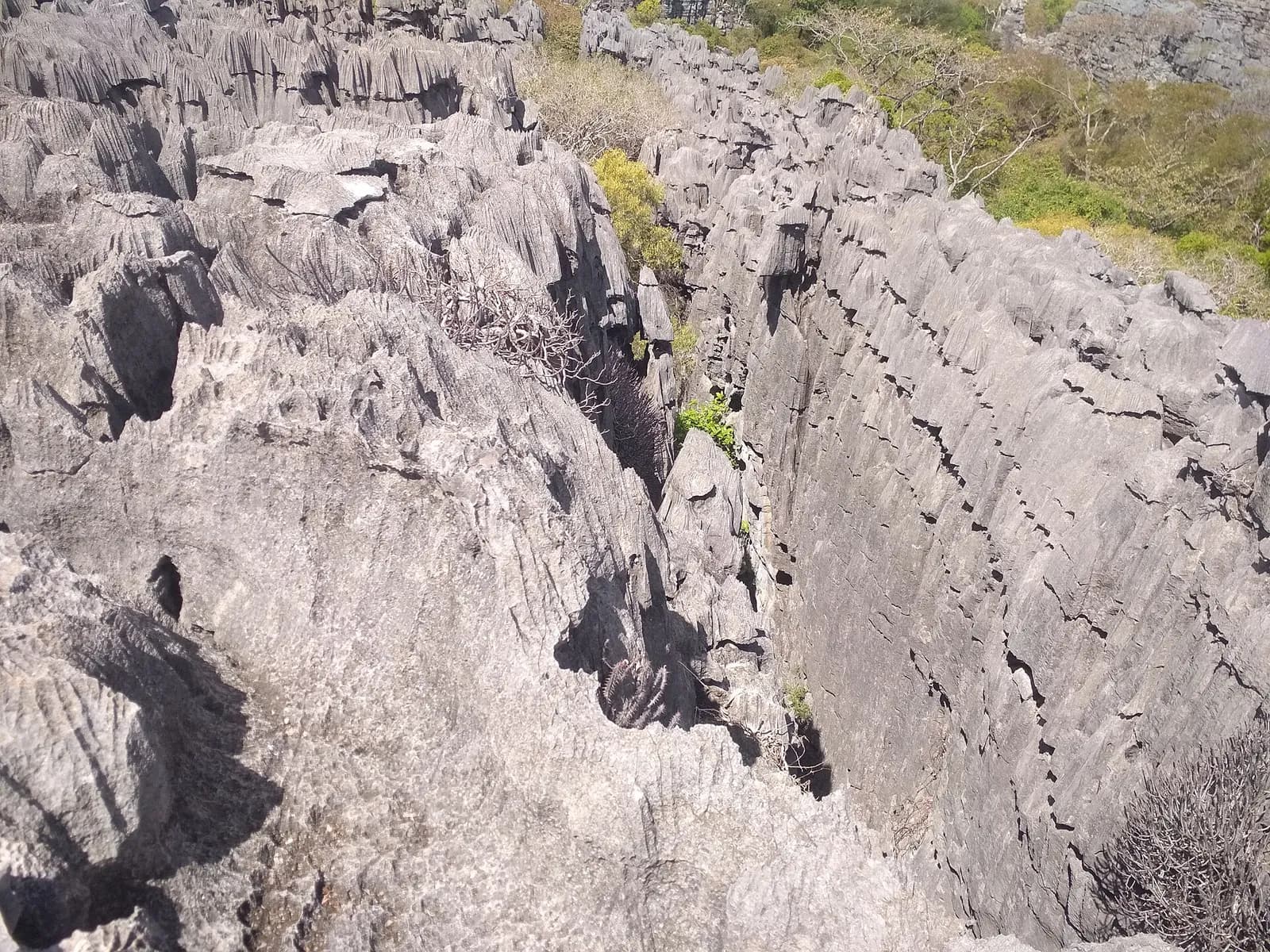
In the north of the island, the Ankarana reserve, created in 1956, covers a plateau of 150-million-year-old Jurassic limestone.
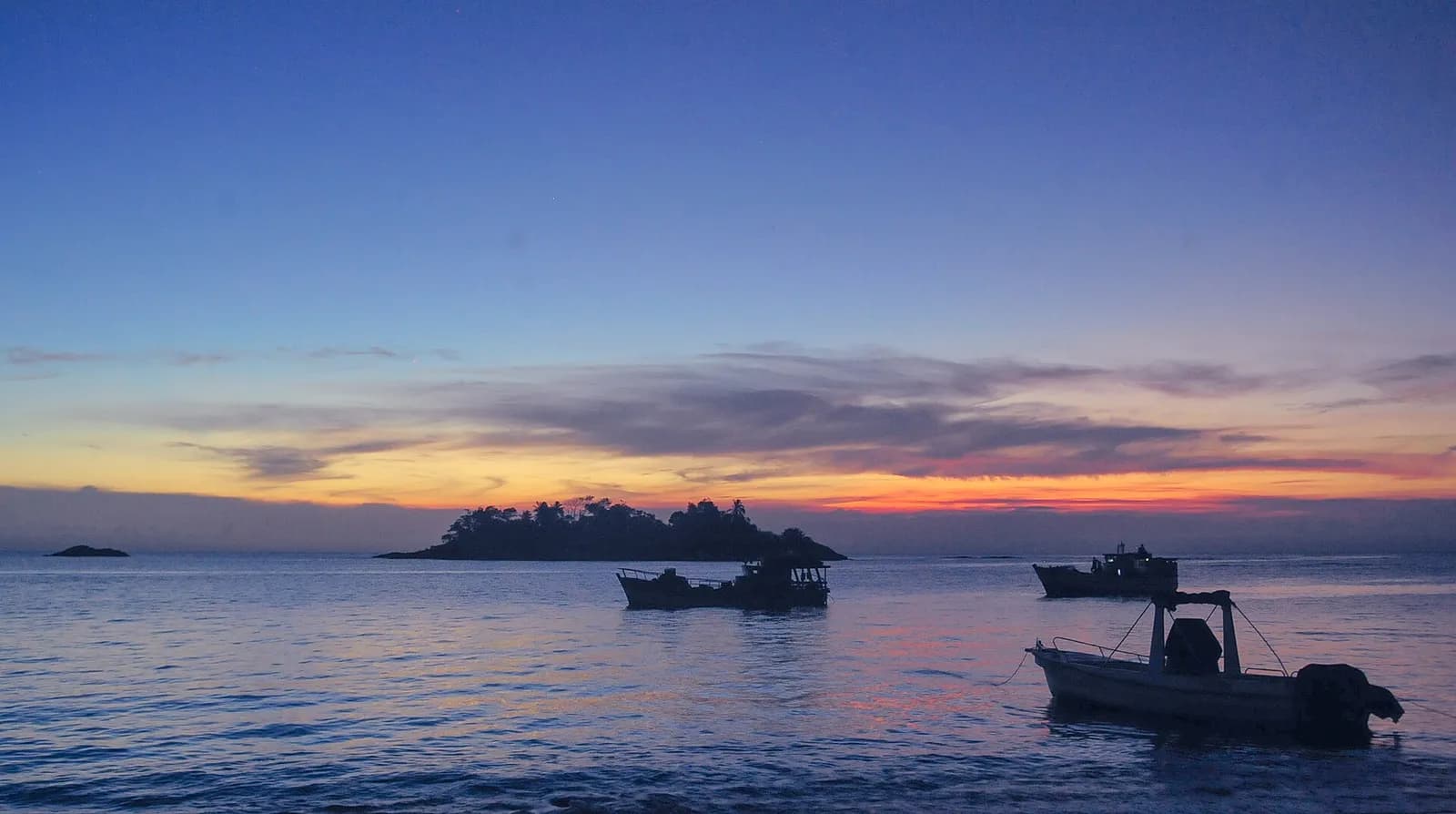
Madagascar’s largest protected area, created in 1997, Masoala protects 2,300 km² of rainforest and 100 km² of marine park.
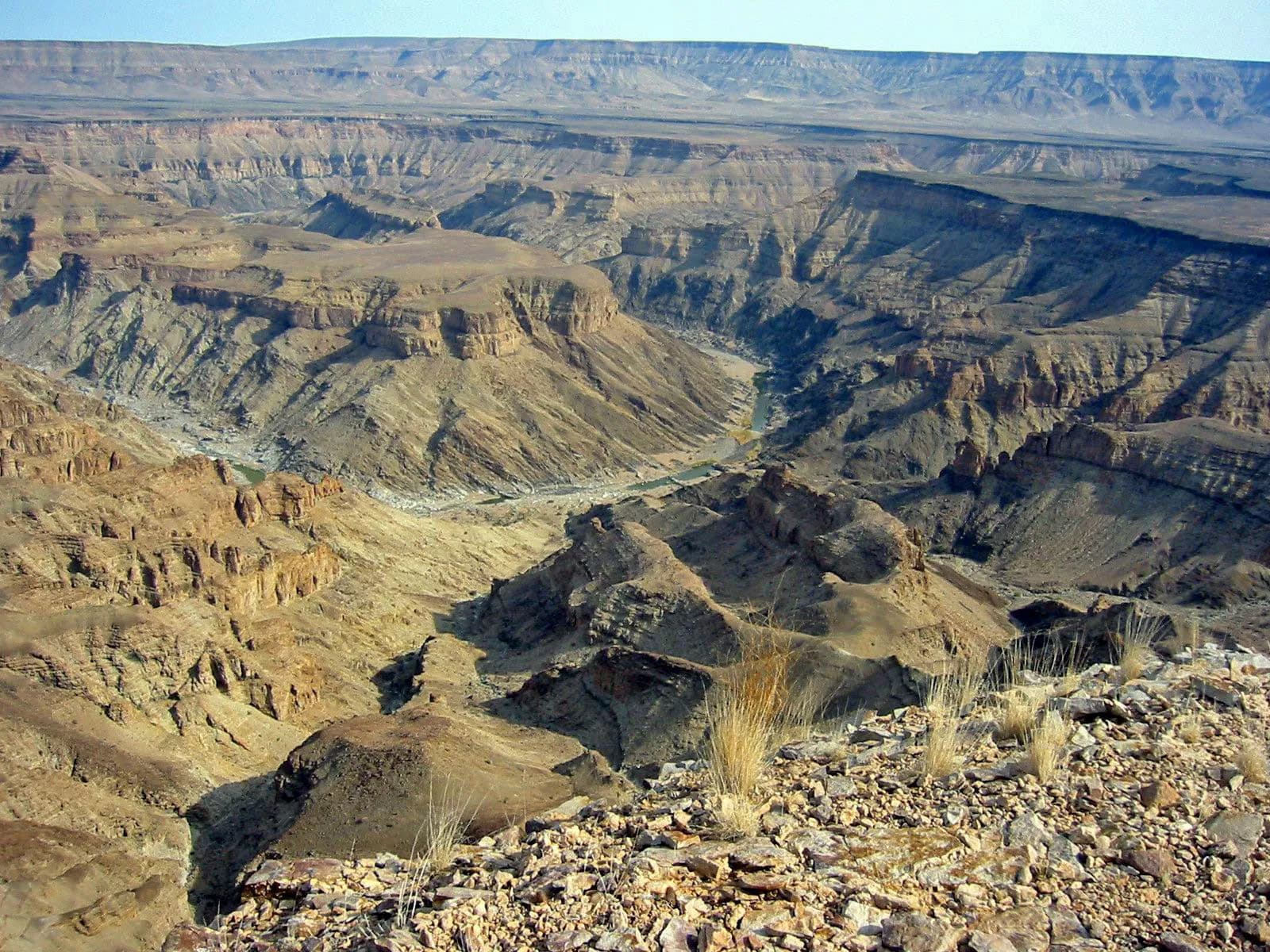
Africa’s largest canyon, the Fish River Canyon runs for about 160 km, up to 27 km wide and almost 550 m deep.
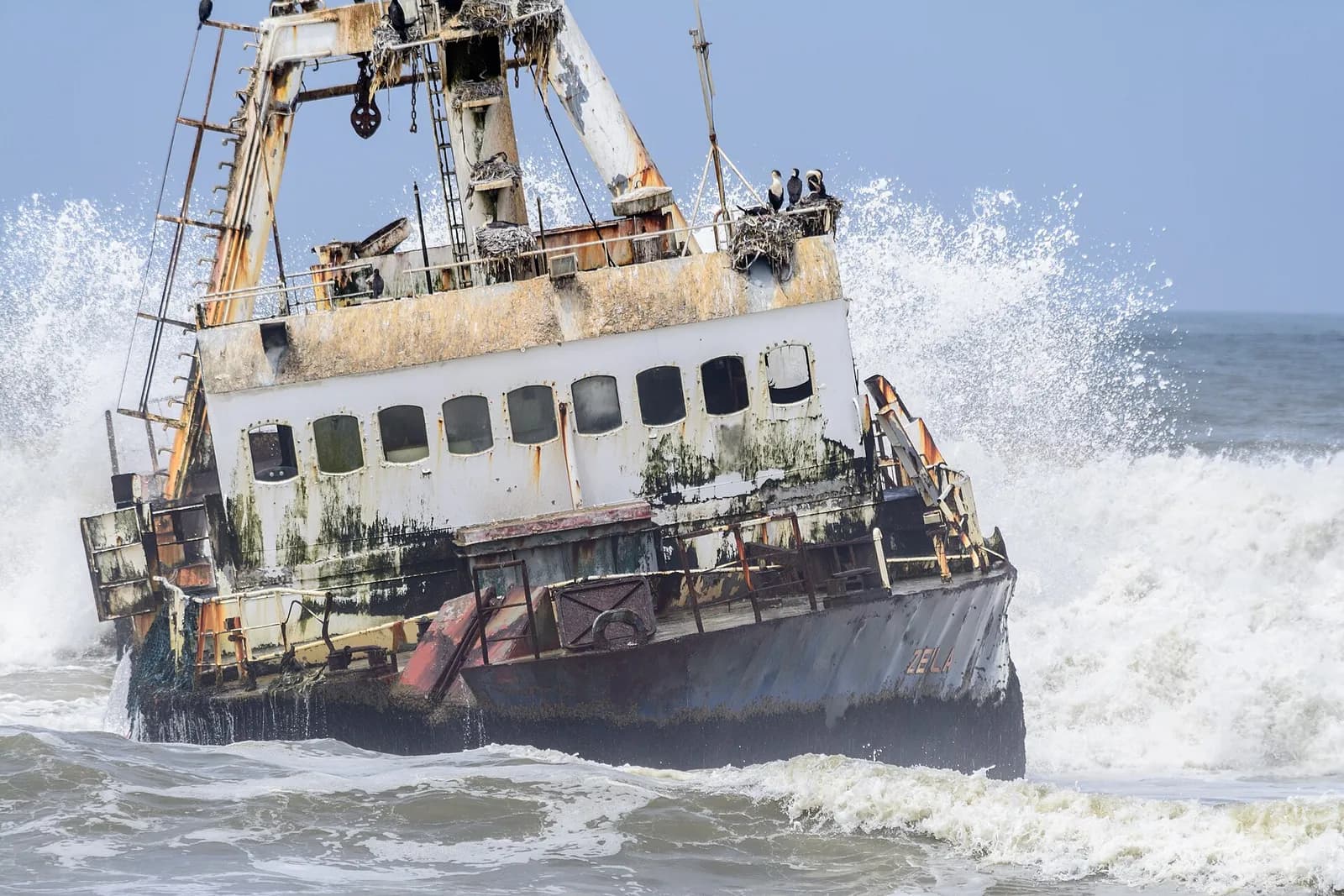
On the northern Atlantic coast of Namibia, the Skeleton Coast runs from the Kunene River to the Swakop River, shrouded in fog by the cold Benguela current.
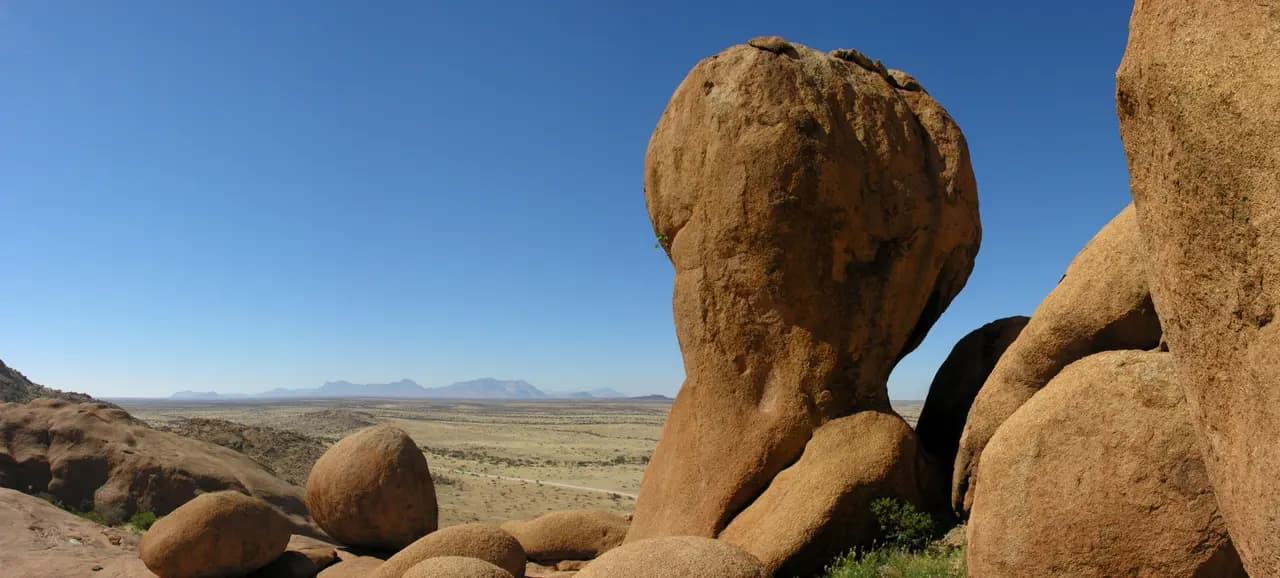
Between Usakos and Swakopmund, these granite peaks over 120 million years old rise to about 1,728 m.
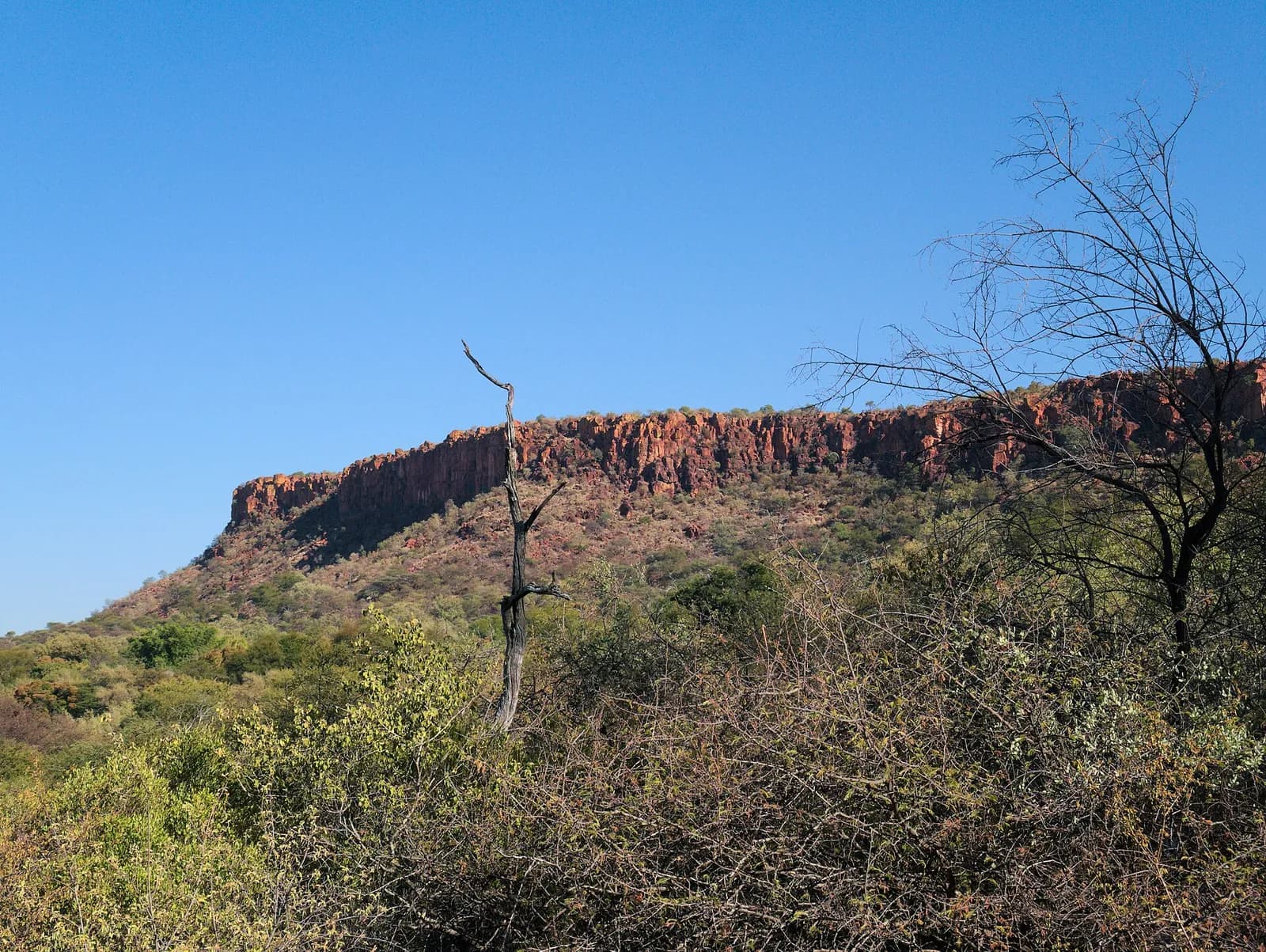
68 km south-east of Otjiwarongo, the Waterberg table mountain towers above the Kalahari plains.
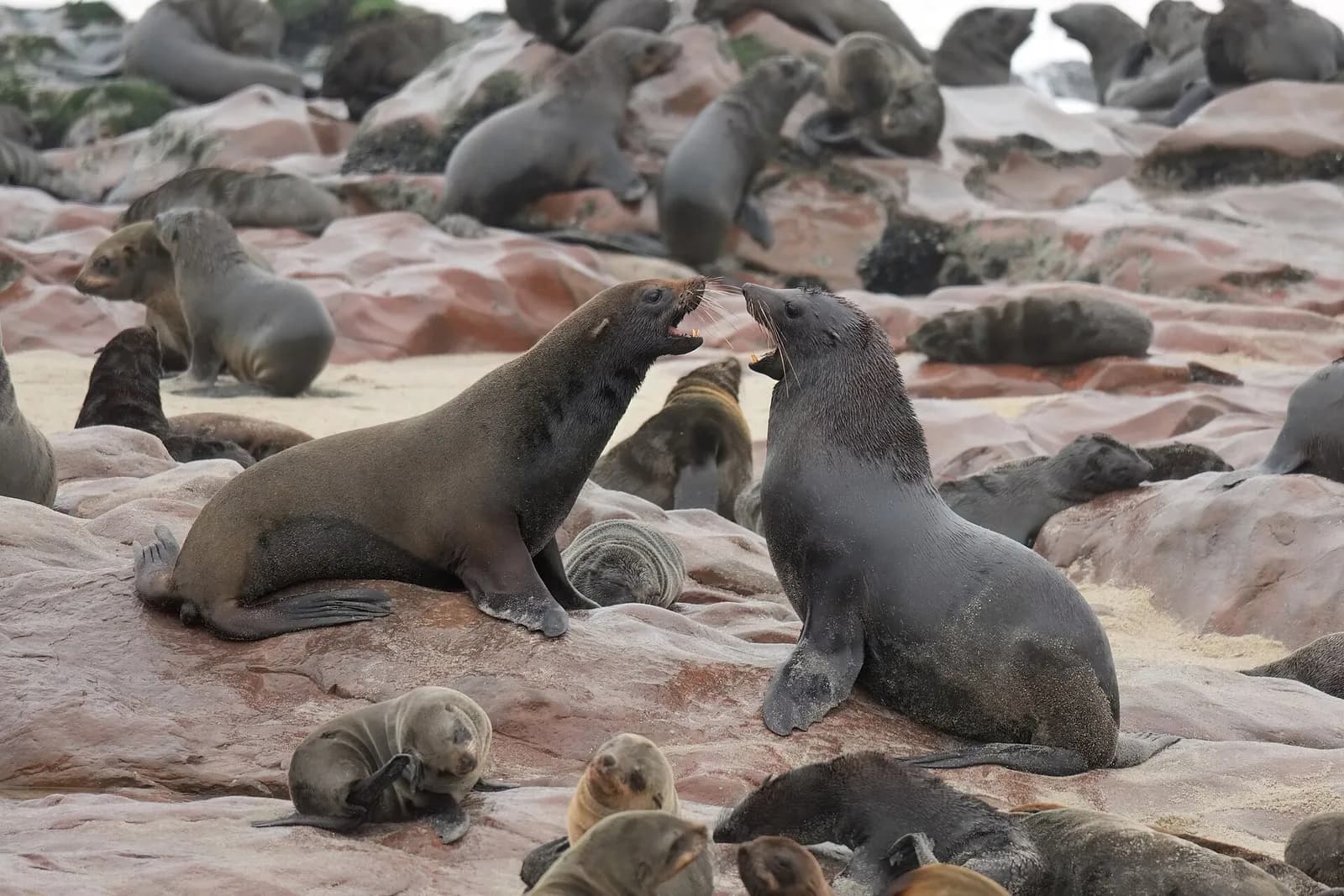
On the Skeleton Coast, Cape Cross is a seal reserve, the Cape Cross Seal Reserve.
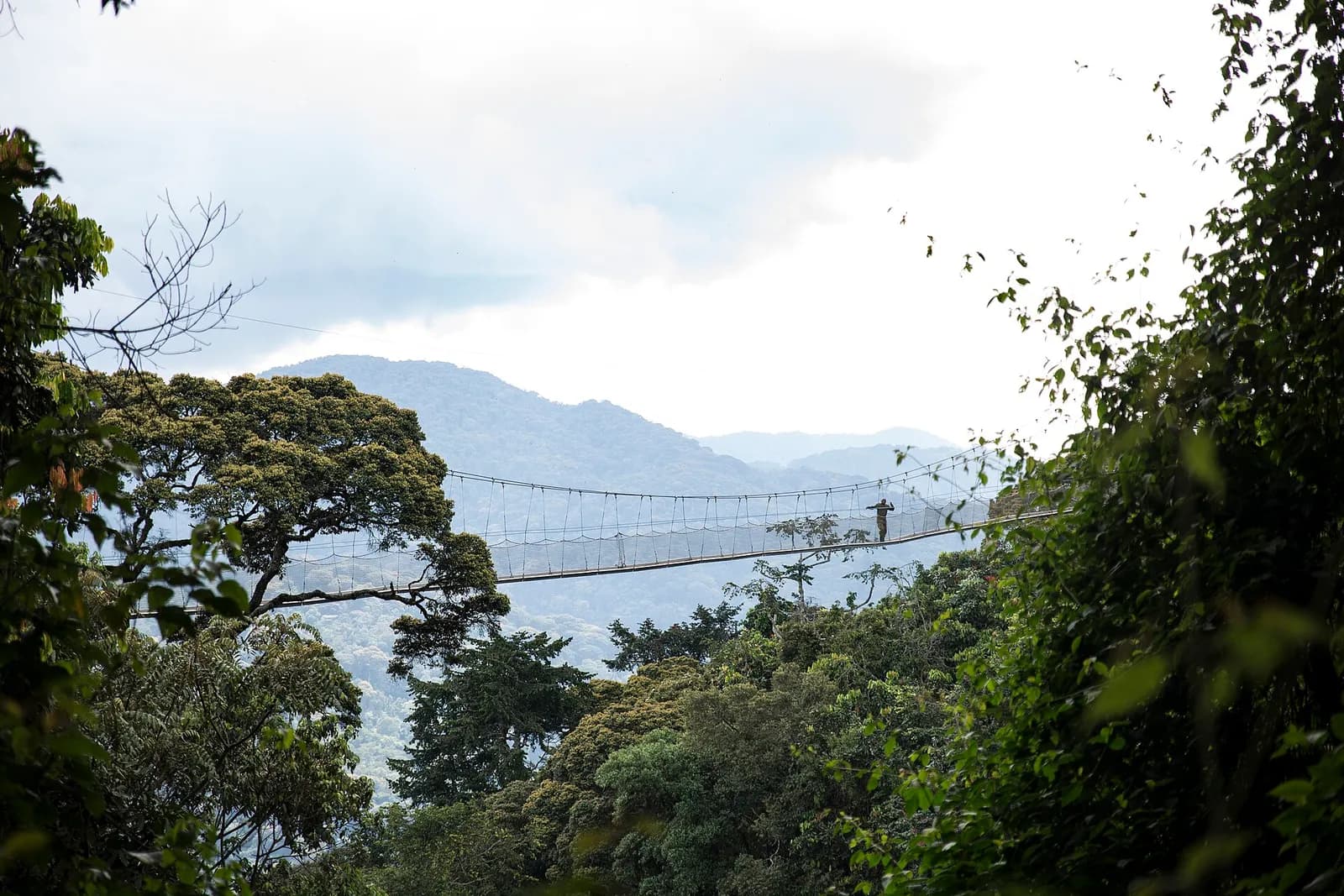
In south-western Rwanda, on the Burundi border, Nyungwe is most likely the best-preserved montane rainforest in Africa.
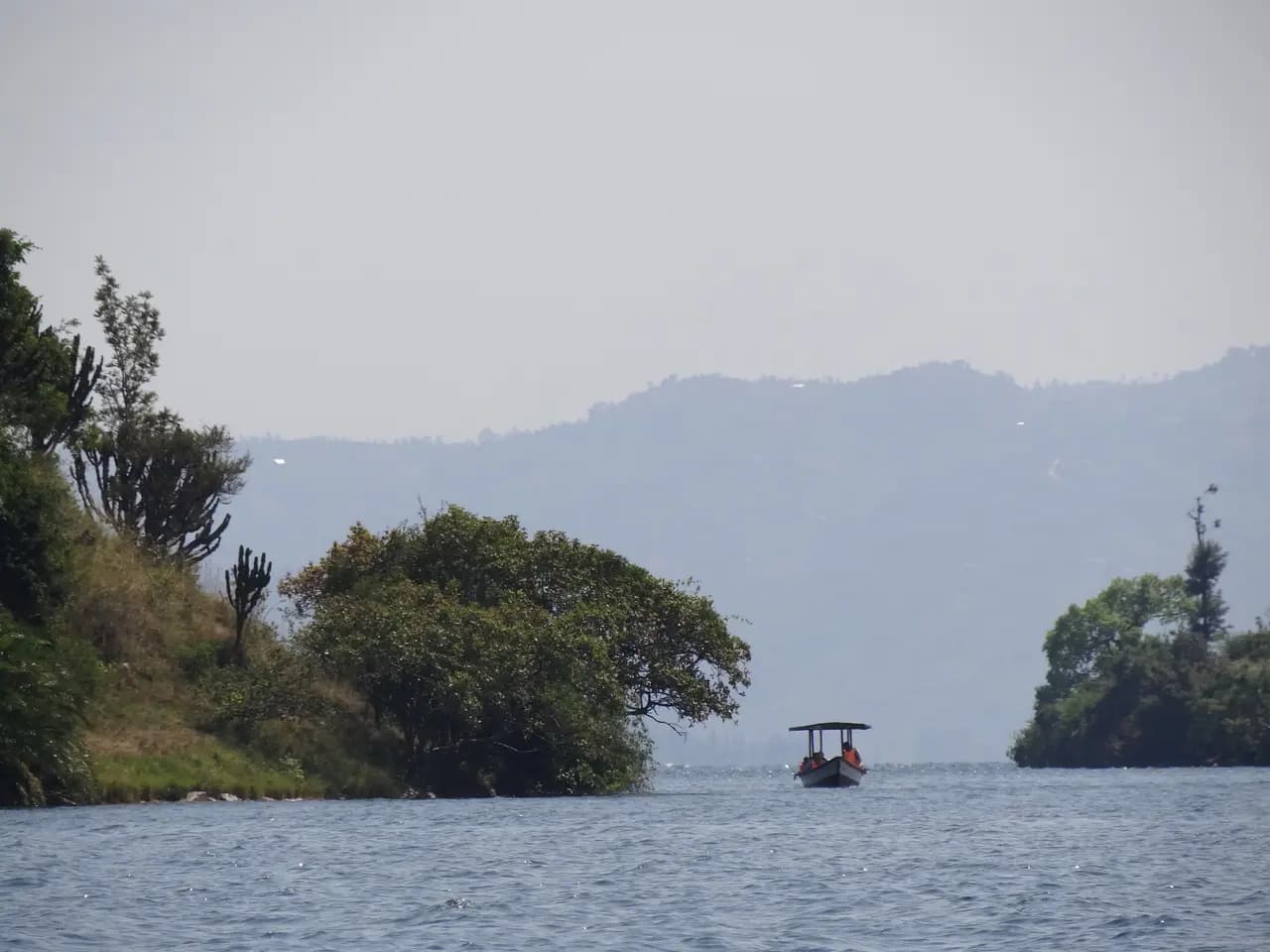
One of the African Great Lakes, Kivu covers some 2,700 km² on the border between Rwanda and the DR Congo.
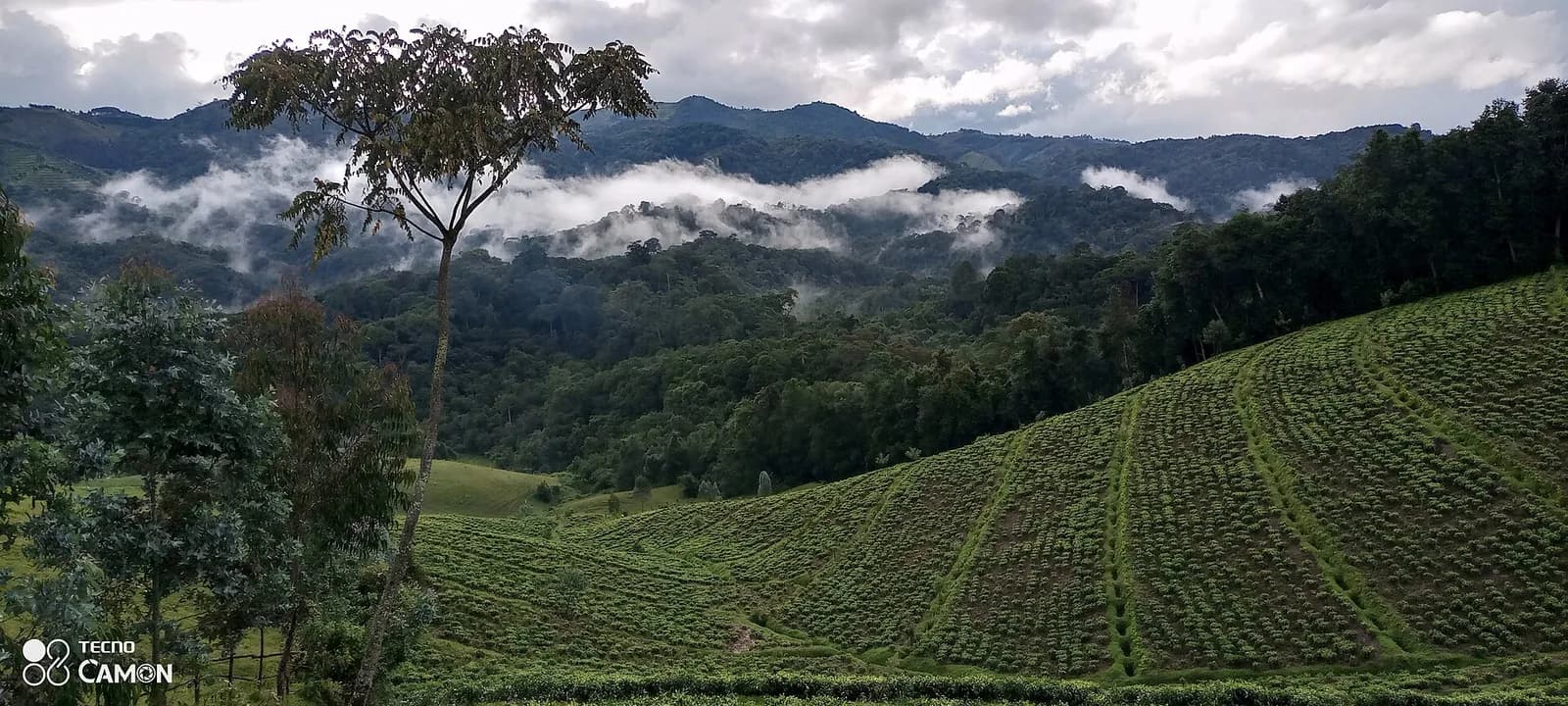
In north-western Rwanda, not far from Lake Kivu, Gishwati Forest has been part of Gishwati–Mukura National Park since 2015.
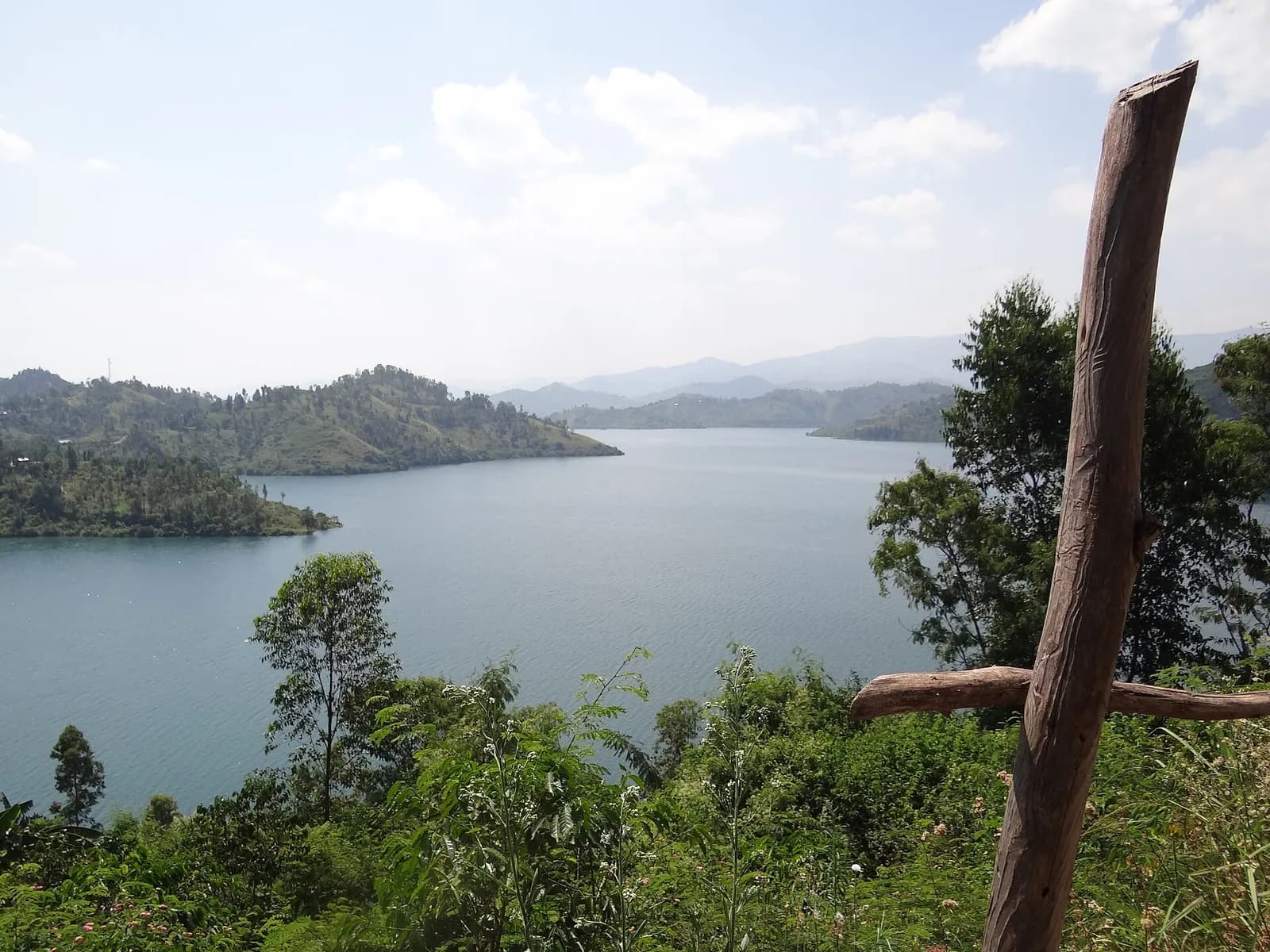
The Congo Nile Trail is a multi-day hiking and cycling route along the shores of Lake Kivu.
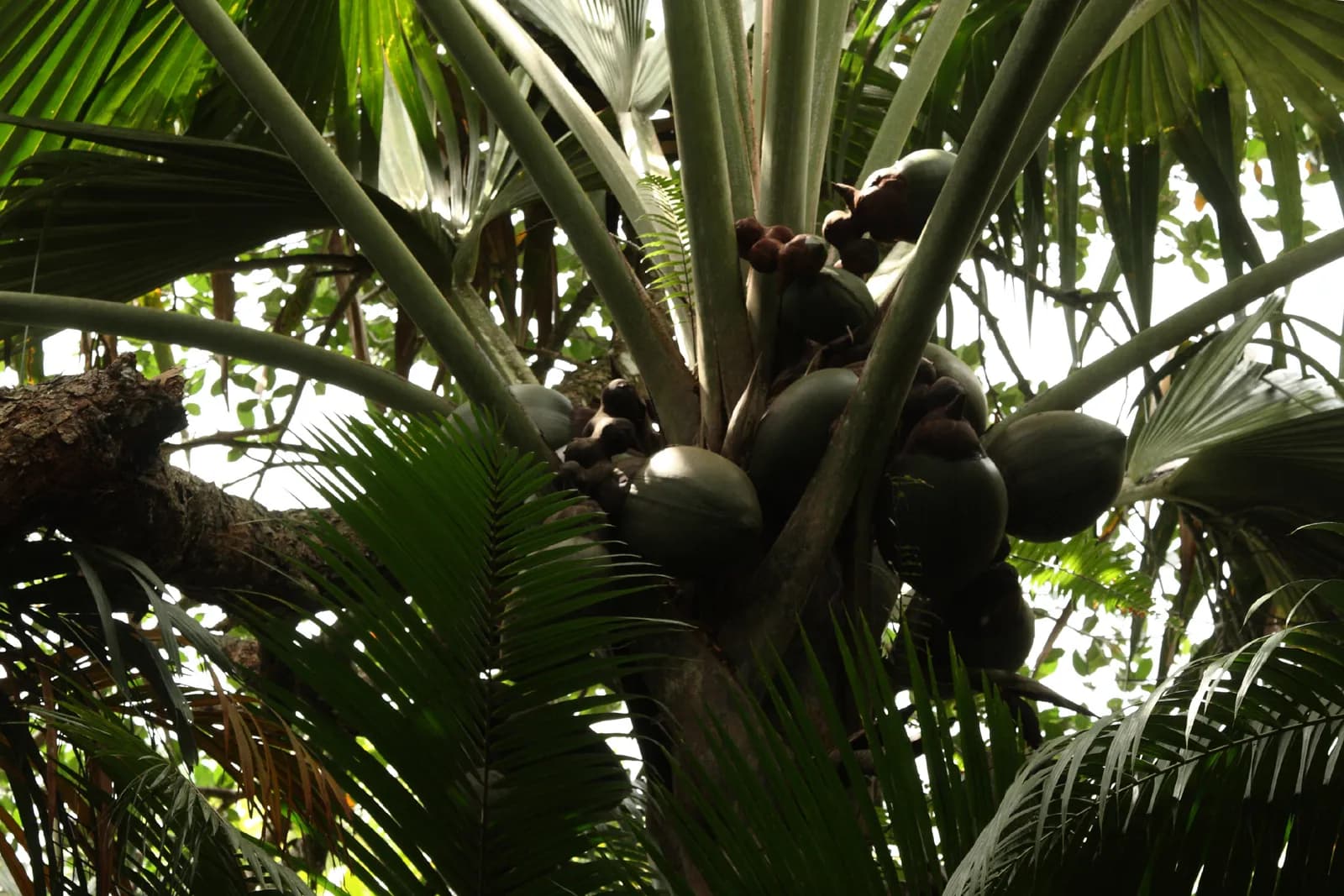
On Praslin, the Vallée de Mai is a palm forest inscribed as a UNESCO World Heritage Site in 1983, on just 19.5 hectares.
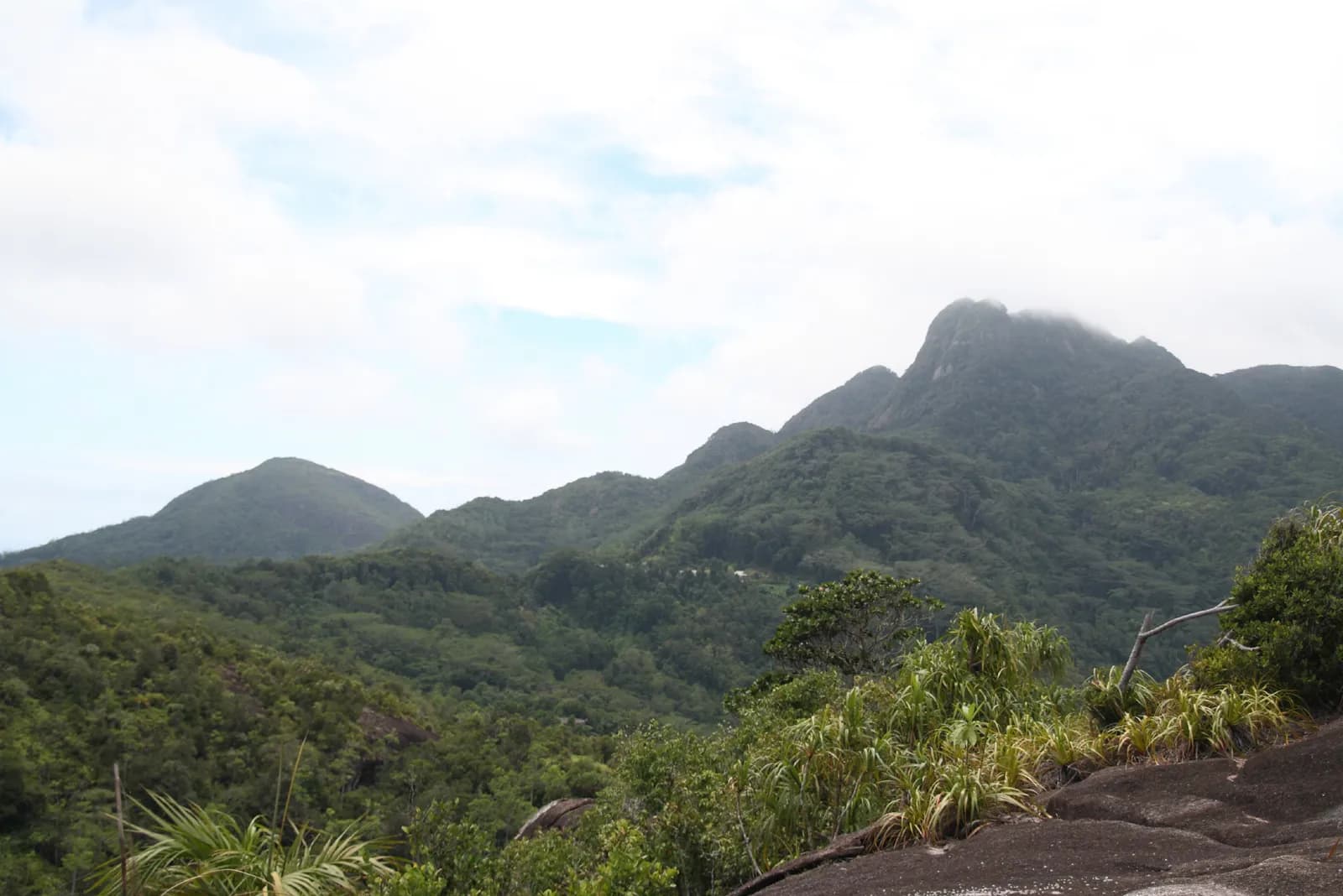
Morne Seychellois National Park covers 3,045 hectares in central and north-western Mahé.
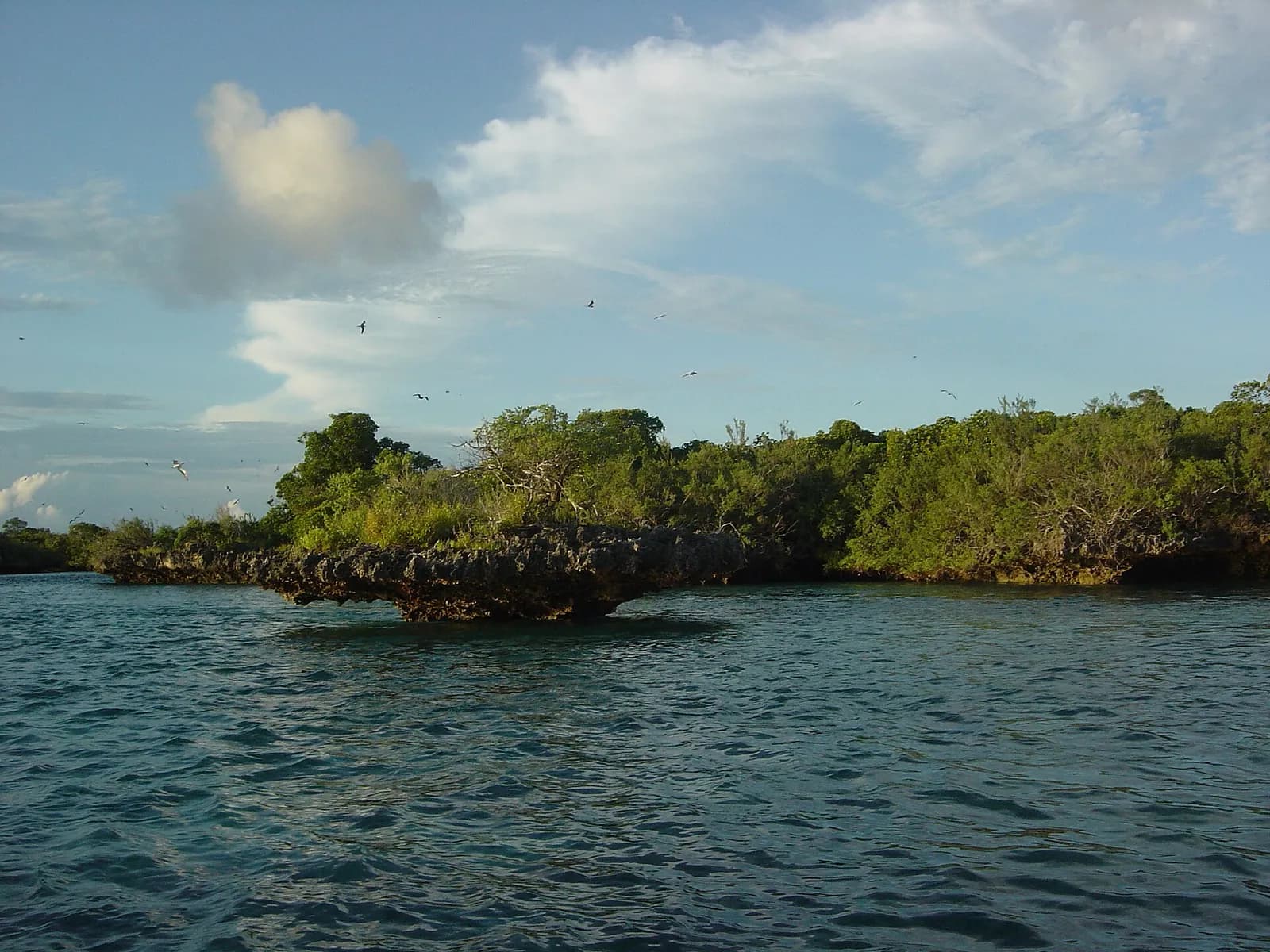
Some 1,120 km south-west of Victoria, Aldabra is the world’s second-largest coral atoll.
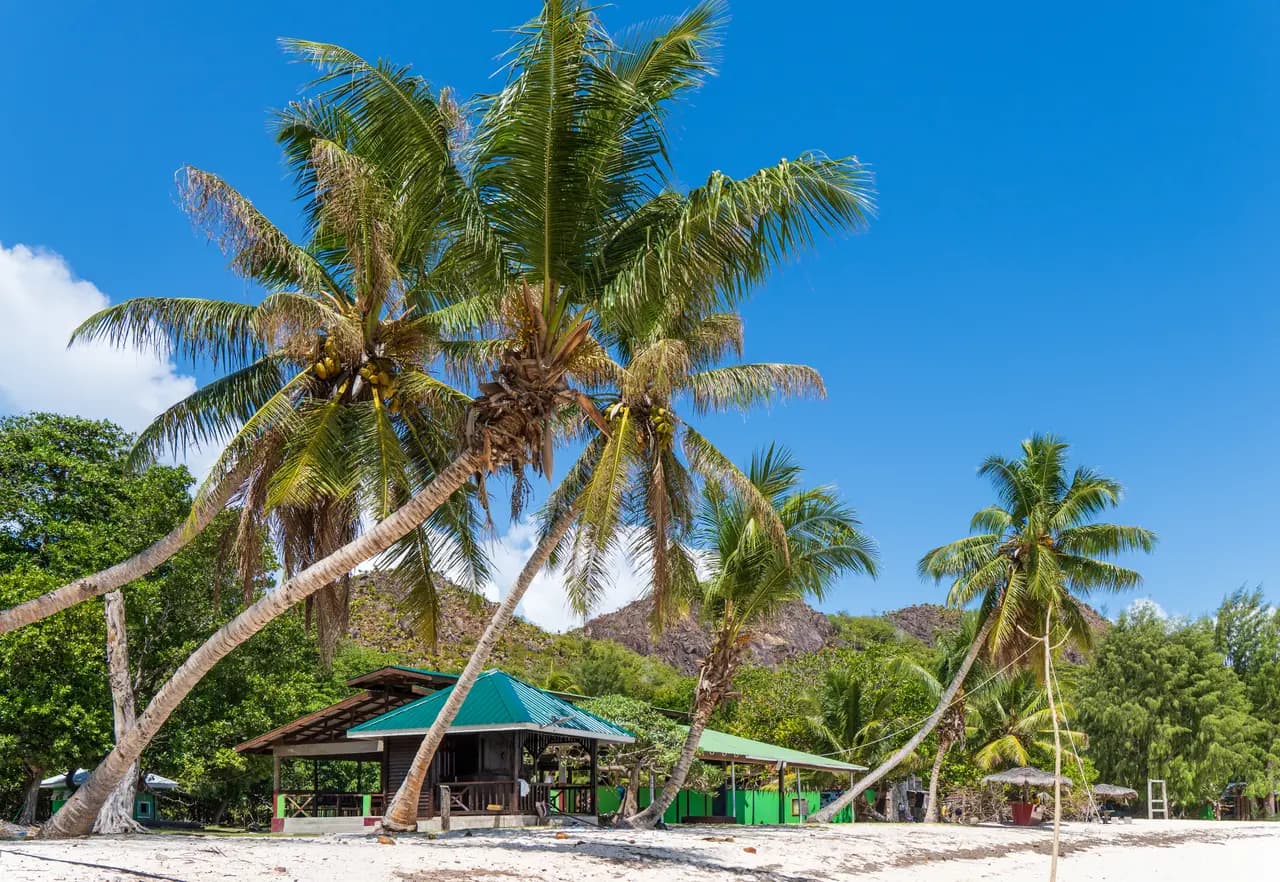
Off the north coast of Praslin, Curieuse is a small 2.9 km² granite island of red earth where the coco de mer grows.
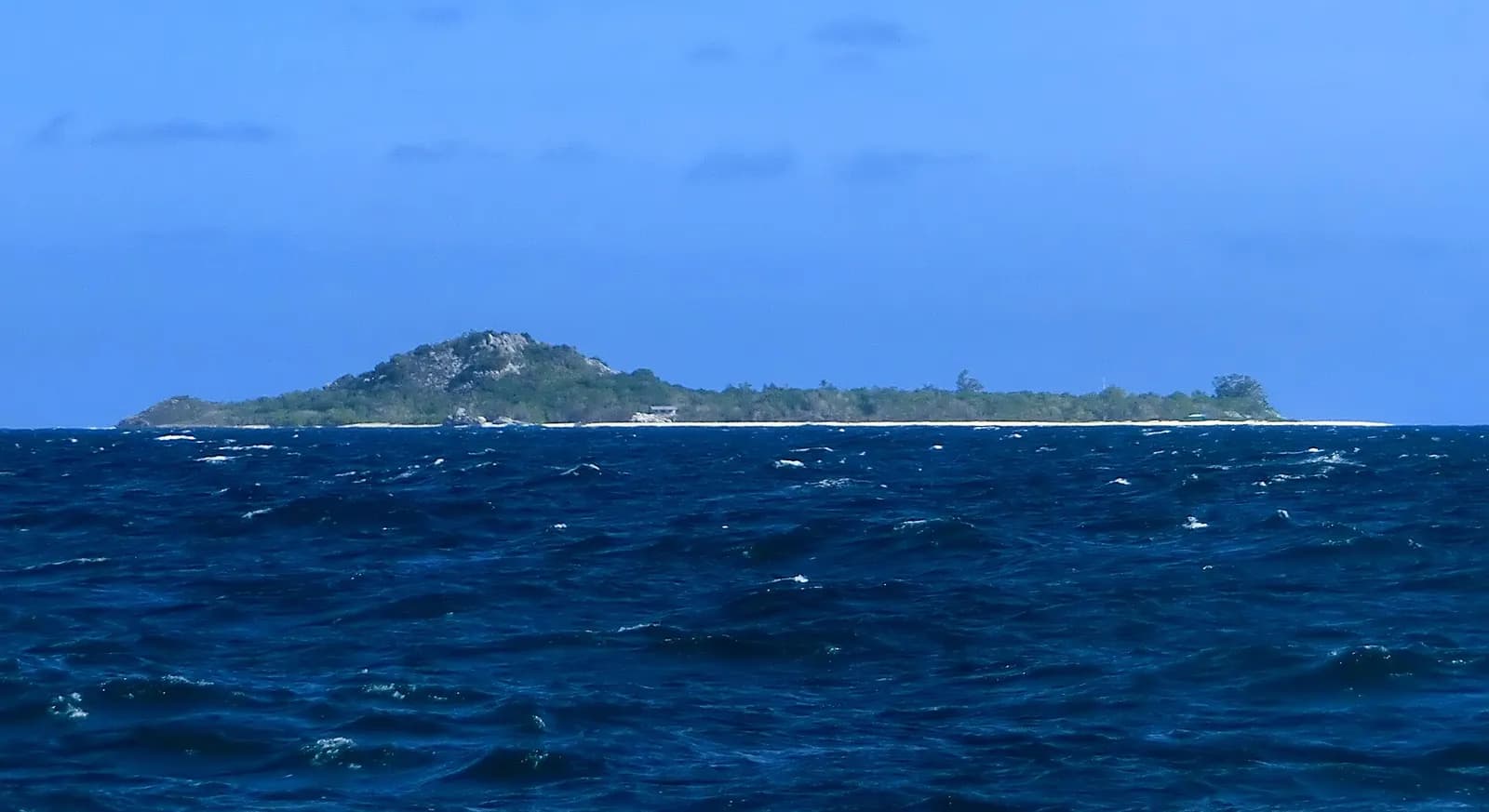
Some 2 km west of Praslin, Cousin is a 29-hectare granite island protected as a Special Reserve and managed by Nature Seychelles.
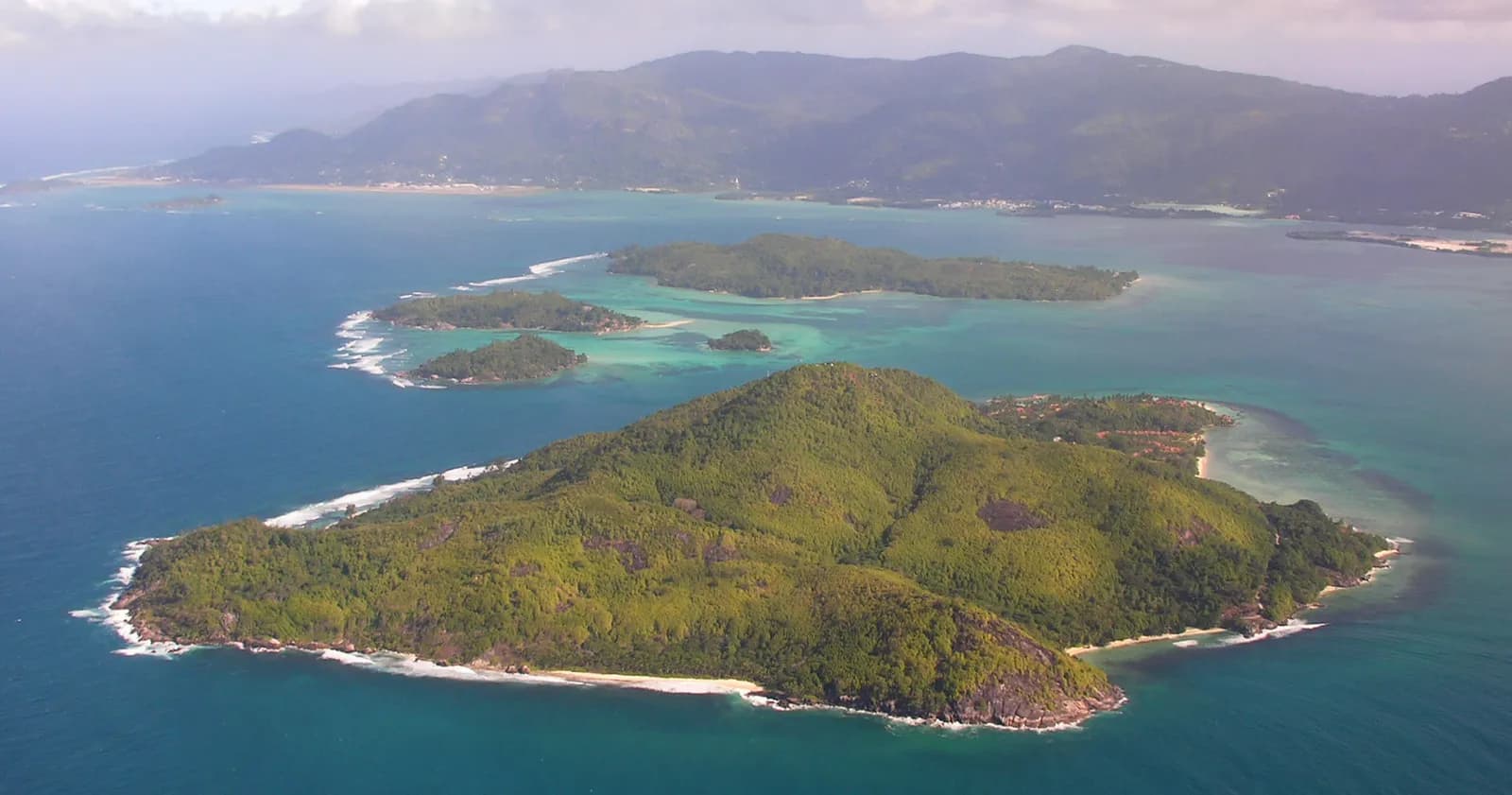
About 5 km from Victoria, Sainte Anne Marine National Park takes in eight small islands.
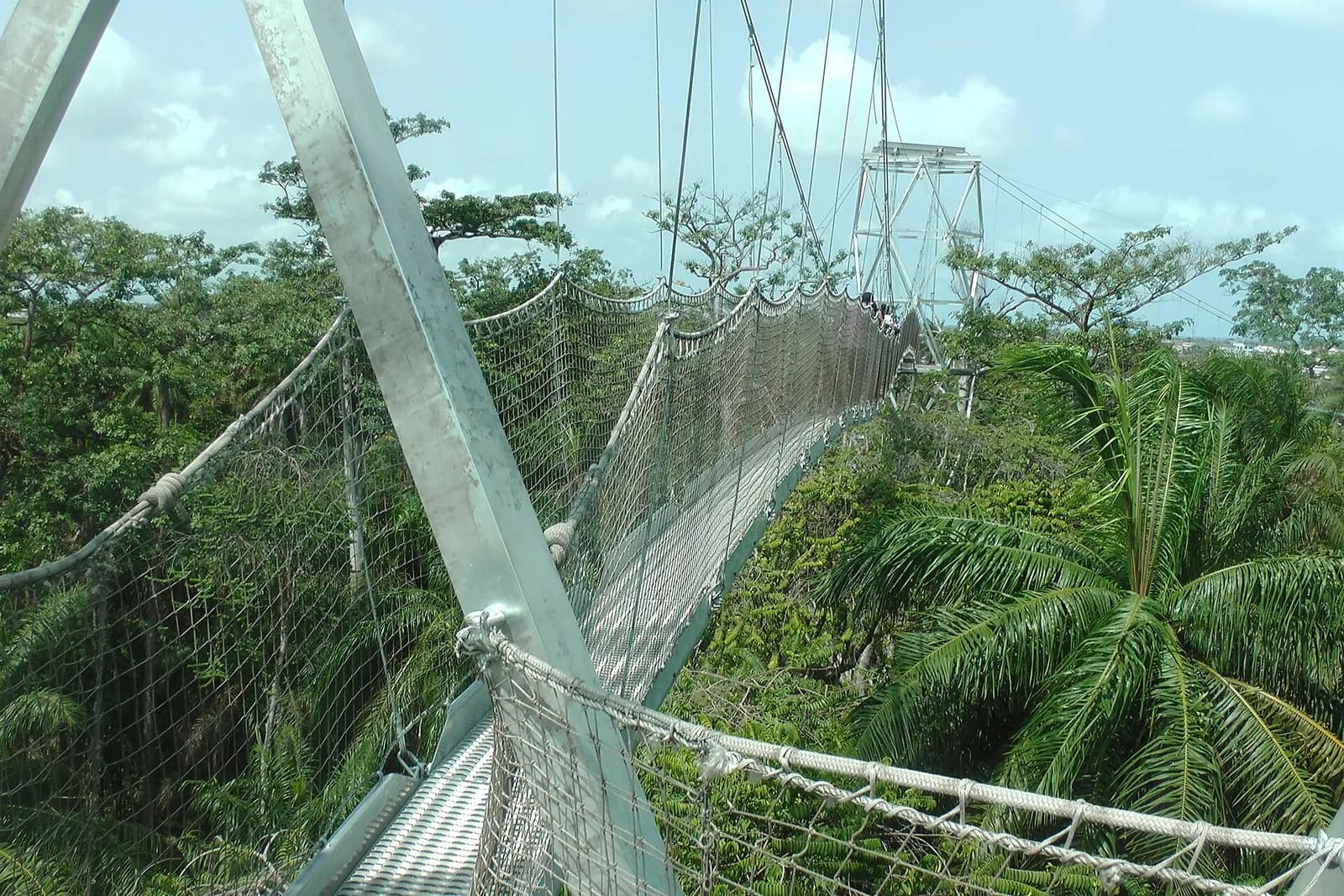
Set up in 1990 in Lekki, Lagos State, the Lekki Conservation Centre is a 78-hectare nature reserve.
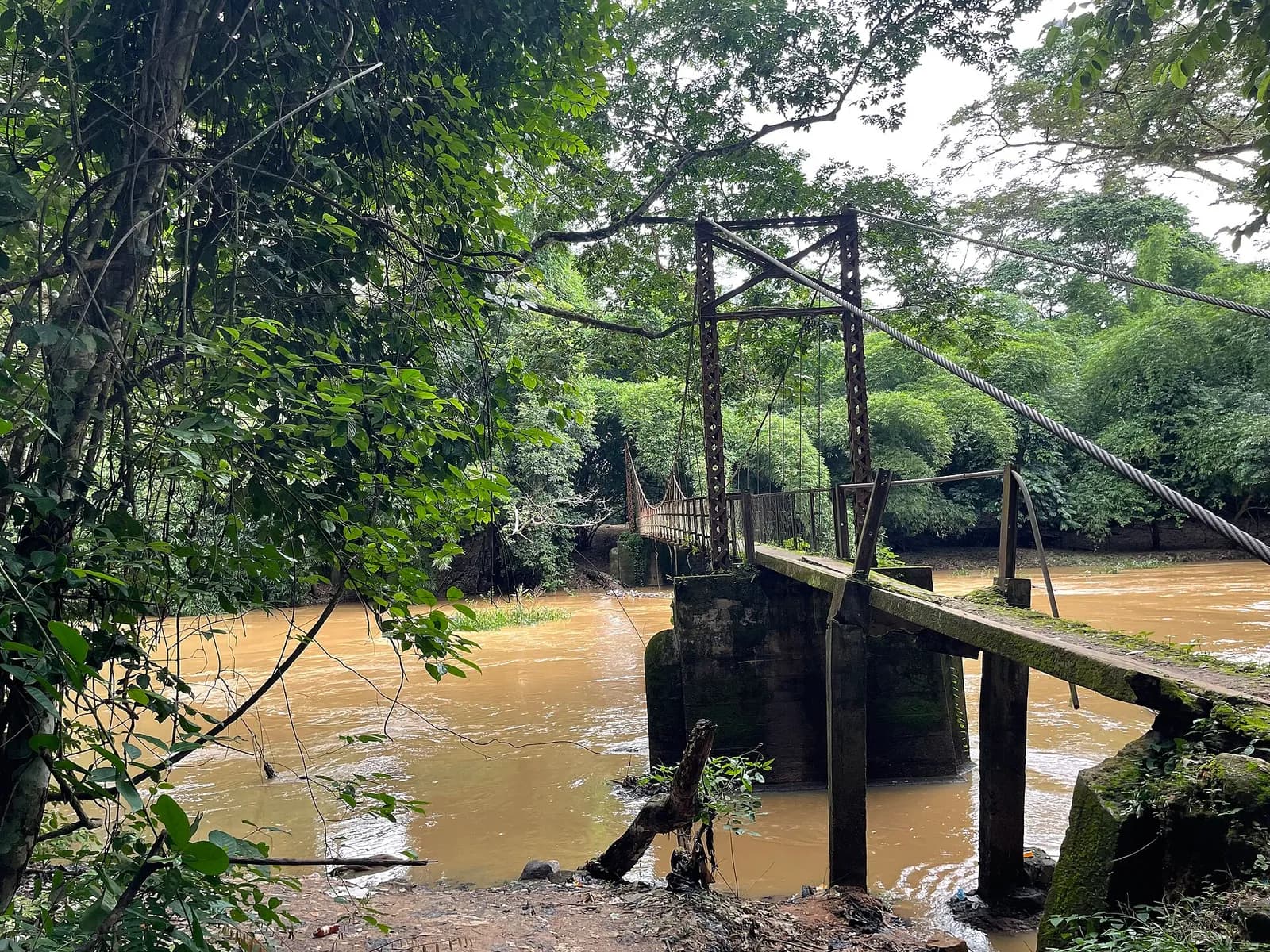
On the banks of the Osun river just outside Osogbo, this centuries-old sacred grove is among the last of the Yoruba sacred forests.
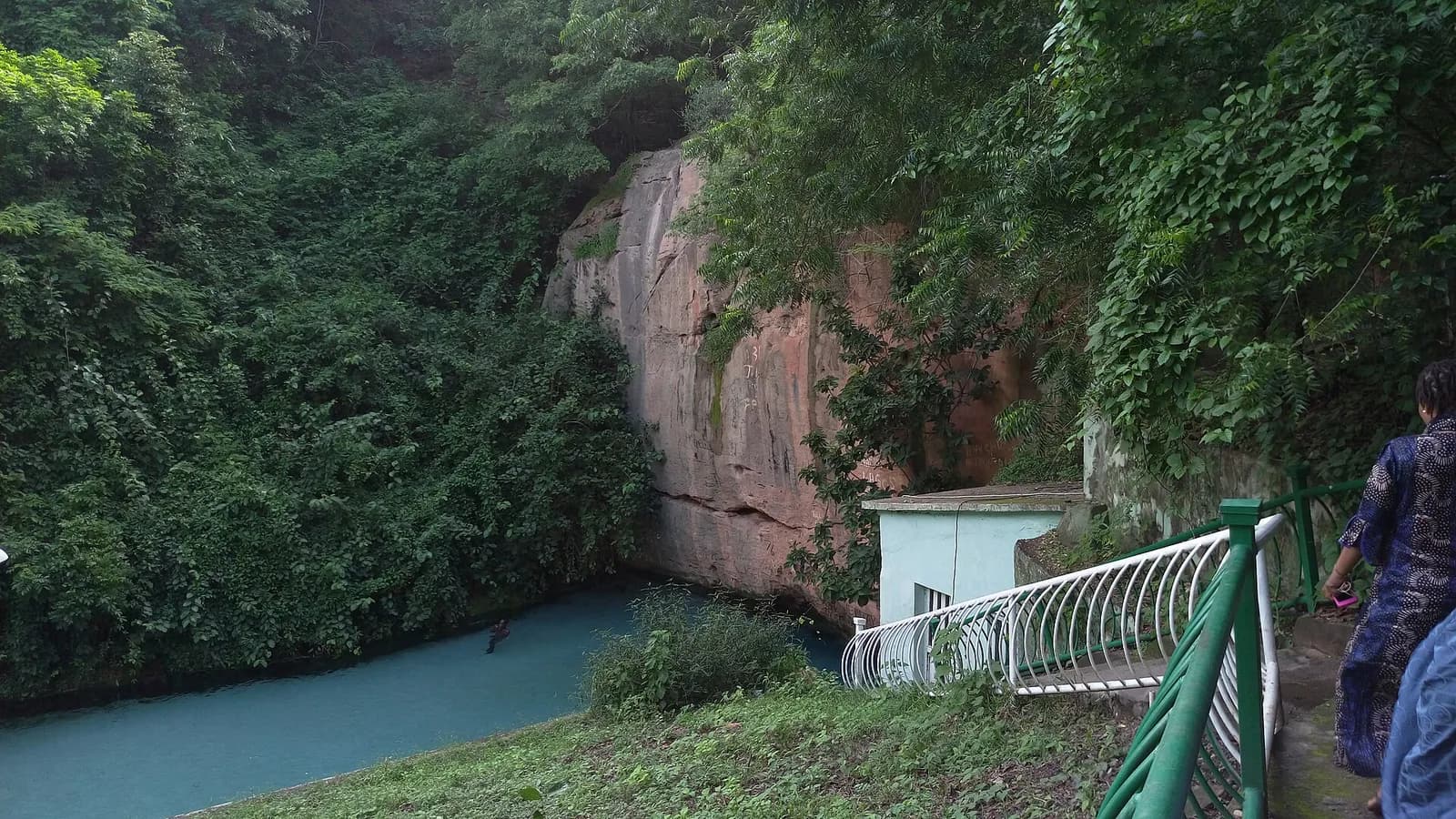
In Bauchi State, Yankari Game Reserve covers about 2,244 km² of West African savanna.
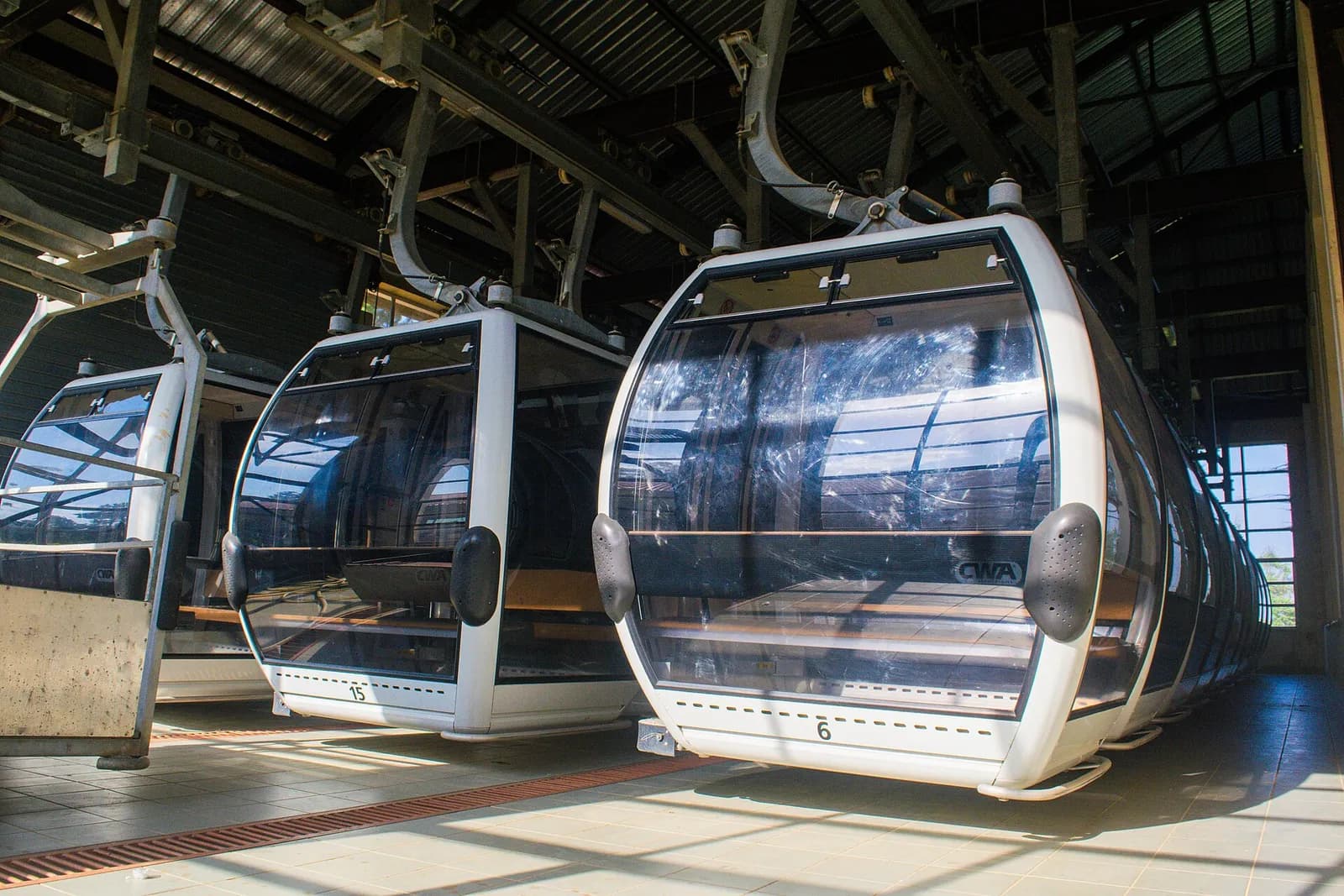
In Cross River State, the former Obudu Cattle Ranch is a ranch and resort on the Obudu Plateau.
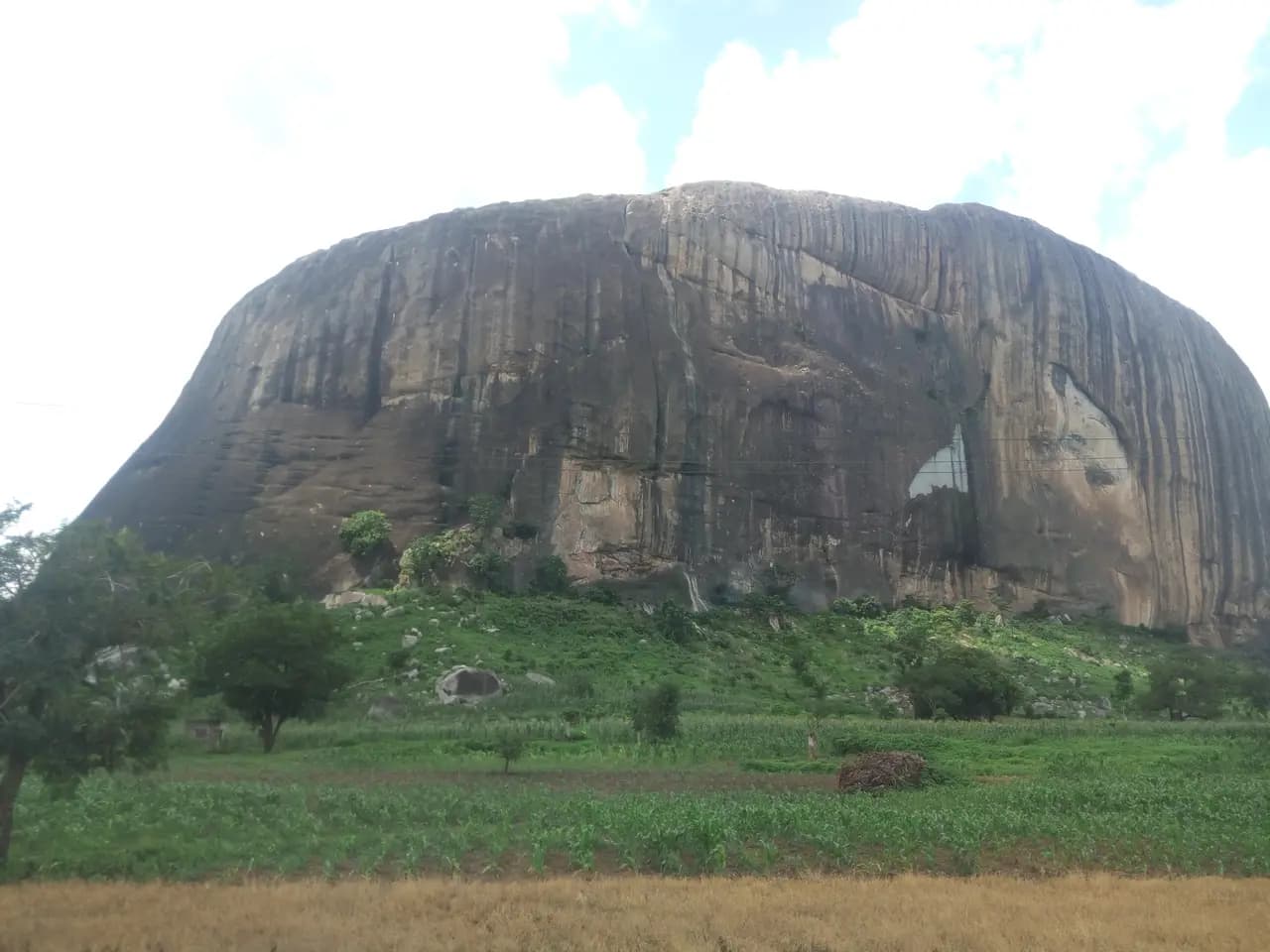
West of Abuja, along the road from Abuja to Kaduna, Zuma Rock is a monolith rising to about 725 m above sea level.
Guided tours, excursions and tickets from our partner, in a new tab. Prices and availability are theirs.
Other experiences