Key facts
Before you go.
- Starting point
- Saint-Louis, about 60 km awayParc national des oiseaux du Djoudj (Wikipédia)
- Best season
- The park is open from early November to late AprilParc national des oiseaux du Djoudj (Wikipédia)
Good to know
Three things to remember.
Visits are usually made by pirogue.
Parc national des oiseaux du Djoudj (Wikipédia)The Saint-Louis tourist office and travel agencies have trained guides and can lend binoculars and a spotting scope.
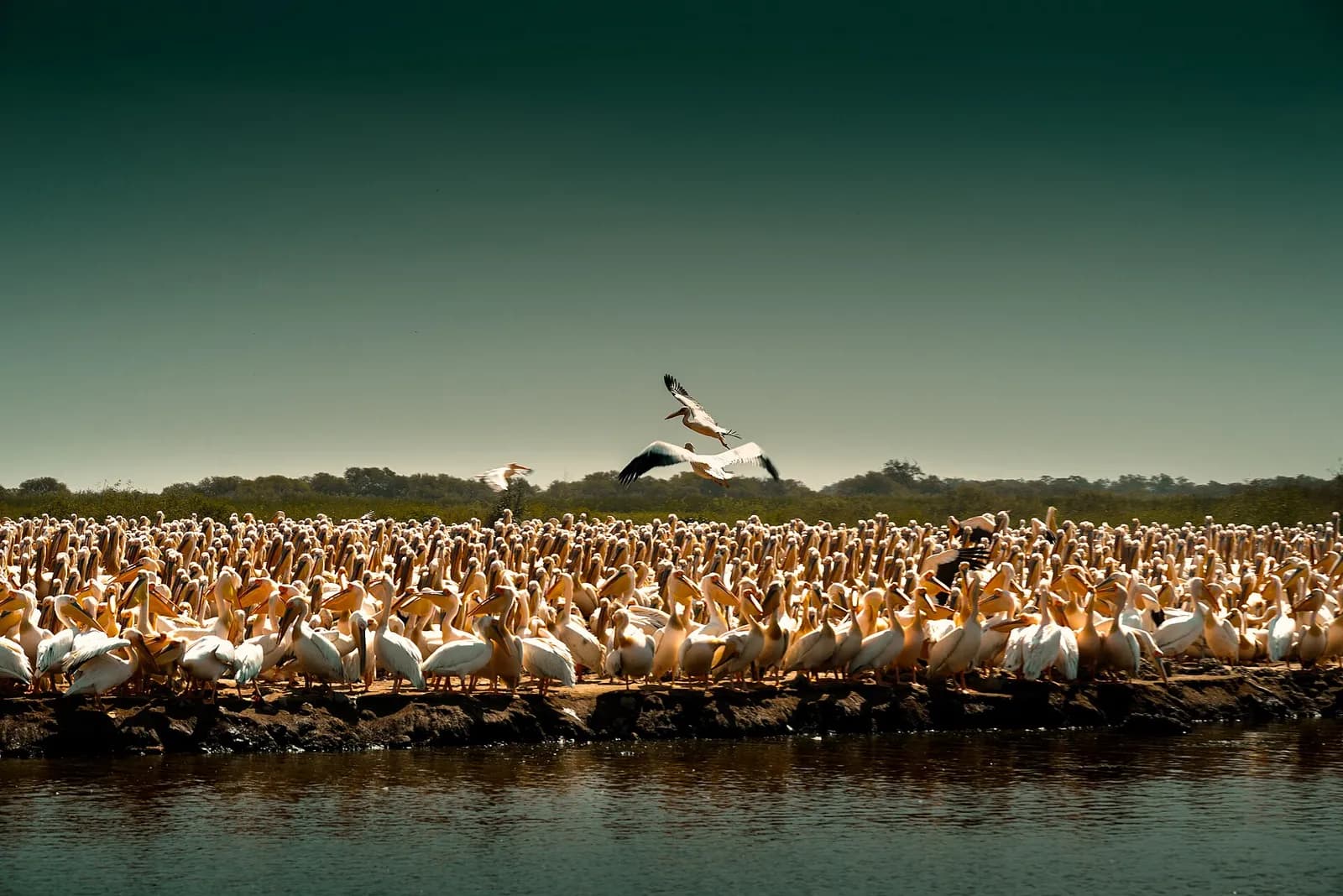
Saint-Louis (Sénégal) (Wikivoyage)With 16,000 hectares and 395 recorded species, it is the world’s third largest bird reserve.
Djoudj National Bird Sanctuary (Wikipedia)
Plan the trip
Our recommended partners
One link per need, chosen for reliability. Prices and availability are the partner’s, in a new tab.
Keep exploring
Senegal
Gorée Island
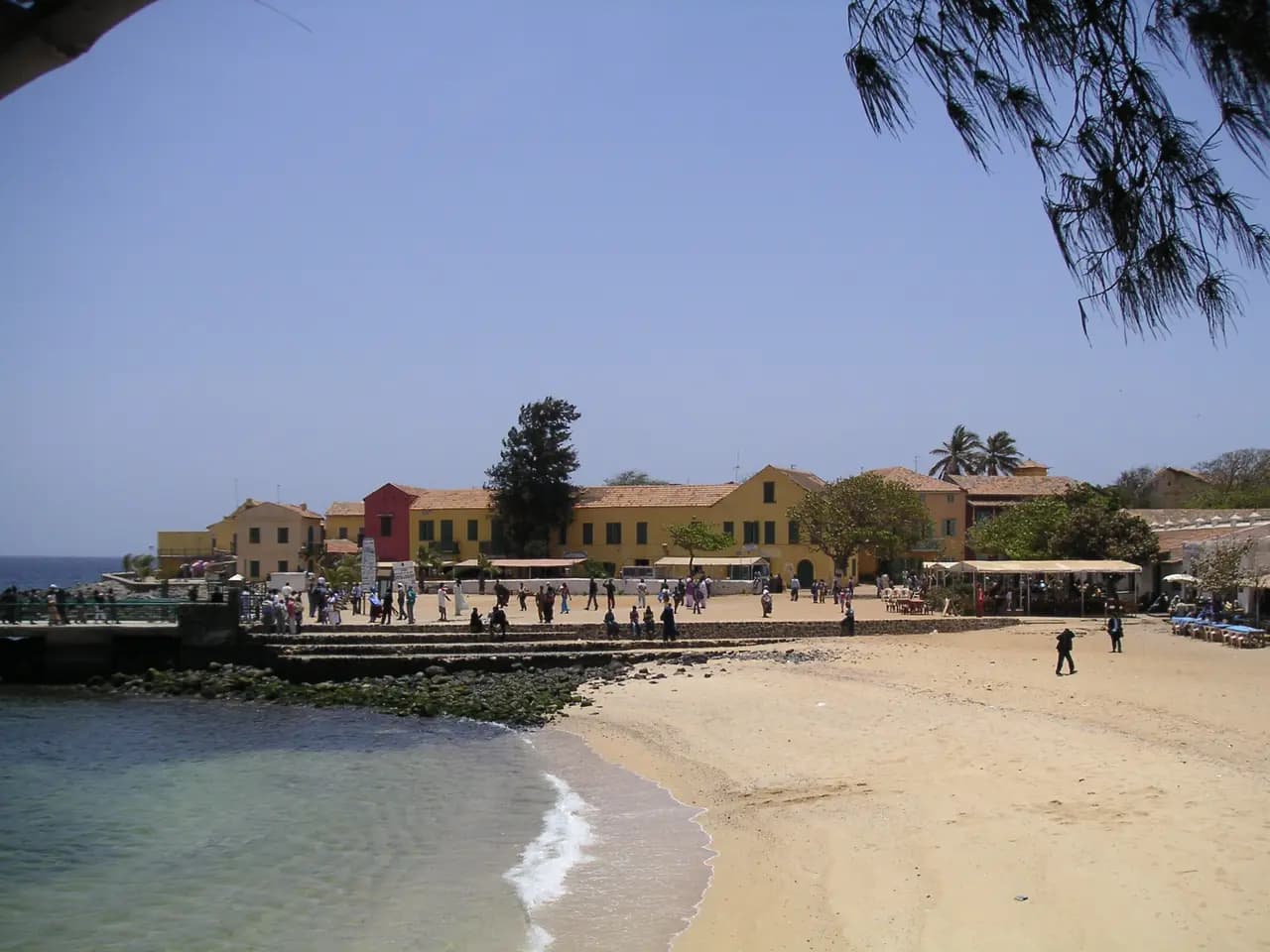
Two kilometres off the port of Dakar, Gorée is an 18.2-hectare island and a major place of memory of the Atlantic slave trade.
The island of Saint-Louis
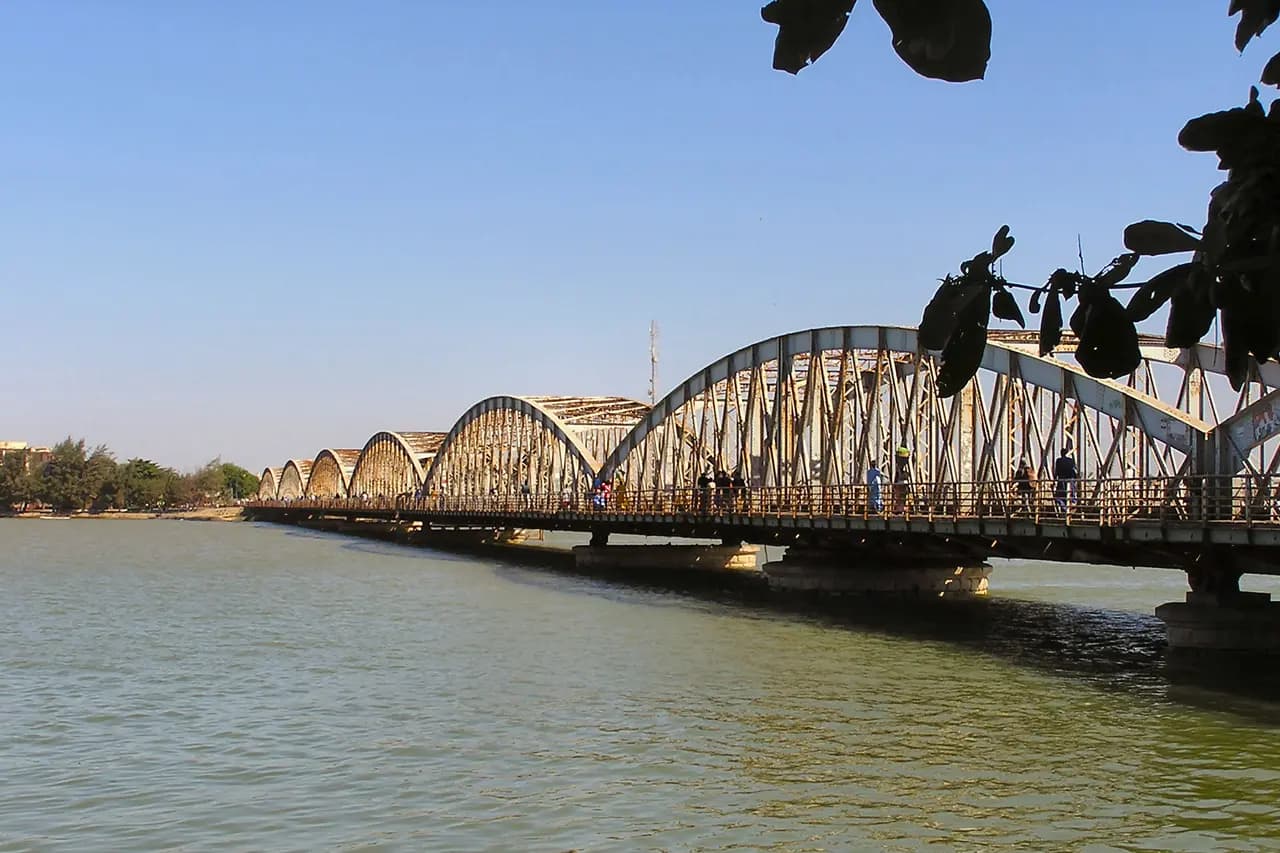
Near the mouth of the Senegal River, 320 km north of Dakar, Saint-Louis was the capital of the colony of Senegal from 1673 to 1902.
The mangroves of the Saloum Delta
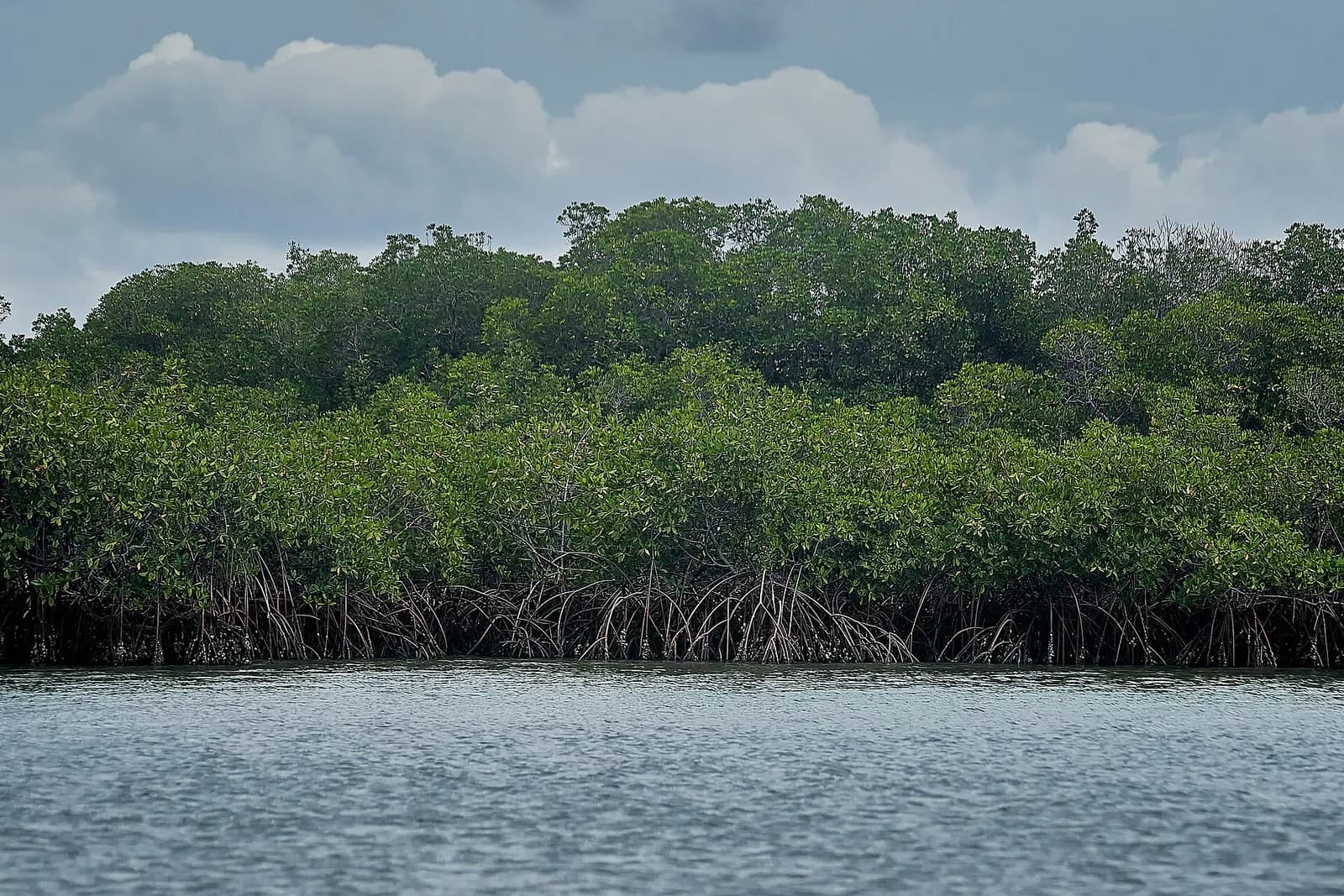
Over 200 islands and islets, brackish channels, mangroves and dry forest: a 145,811-hectare part of the delta has been a World Heritage Site since 2011.
Sources · 3 pages consulted, with the exact sentence used
- Djoudj National Bird Sanctuary (Wikipedia)
It provides a variety of wetland habitats which prove very popular with migrating birds, many of which have just crossed the Sahara. Of almost 400 species of birds, the most visible are pelicans and flamingos. Covering an area of 16,000 hectares, 395 bird species (nearly three million birds) have been recorded there, making the Djoudj National Bird Park the world's 3rd largest ornithological reserve. (coordinates 16.35849, -16.2741)
- Parc national des oiseaux du Djoudj (Wikipédia)
Le parc national des oiseaux du Djoudj (PNOD) est situé à une soixantaine de kilomètres au nord de Saint-Louis du Sénégal. […] inscrit au patrimoine mondial de l'Unesco en 1981. […] Le parc est ouvert de début novembre à fin avril. La visite s'effectue généralement en pirogue.
- Saint-Louis (Sénégal) (Wikivoyage)
Le syndicat d'initiative et les agences de voyages disposent de guides formés et peuvent prêter du matériel (jumelles, longue-vue) : […] Parc national des oiseaux du Djoudj (60 km au nord-est de Saint-Louis).
Opening hours, prices and access conditions change: check them with the official source before you go. Viafro publishes no price without a source and a date.