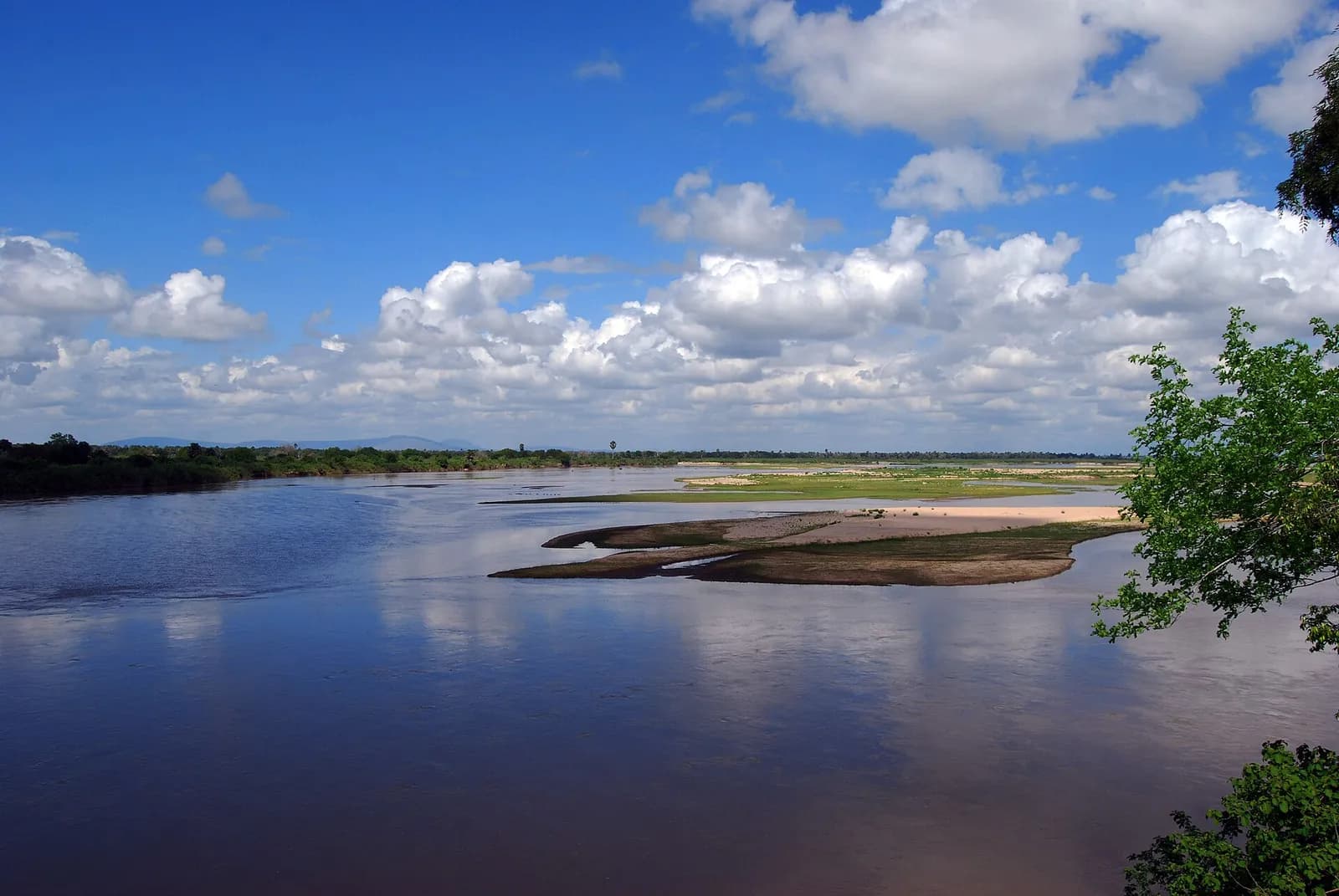
The Rufiji River in Nyerere National Park
Formerly the northern part of the Selous Game Reserve, Nyerere is, at 30,893 km², Tanzania’s largest national park. The Rufiji, the country’s largest river, forms floodplains, channels and oxbow lakes there, home to crocodiles and hippos.
Key facts
Before you go.
- Starting point
- Dar es Salaam, by small aircraft for most visitors; the train is also possibleSelous Game Reserve (Wikivoyage)
- GPS coordinates
- -9.00000, 37.40000Nyerere National Park (Wikipedia)
- Best season
- Dry season June to October or November; June to August is cooler and drierSelous Game Reserve (Wikivoyage)
Good to know
Three things to remember.
Many lodges offer packages with transfers, game drives, walks and boat safaris on the Rufiji.
Selous Game Reserve (Wikivoyage)The access road is long and rough: drivable in the dry season, very difficult in the wet season.
Selous Game Reserve (Wikivoyage)October to March is the hottest and most humid period.
Selous Game Reserve (Wikivoyage)
Plan the trip
Our recommended partners
One link per need, chosen for reliability. Prices and availability are the partner’s, in a new tab.
Keep exploring
Tanzania
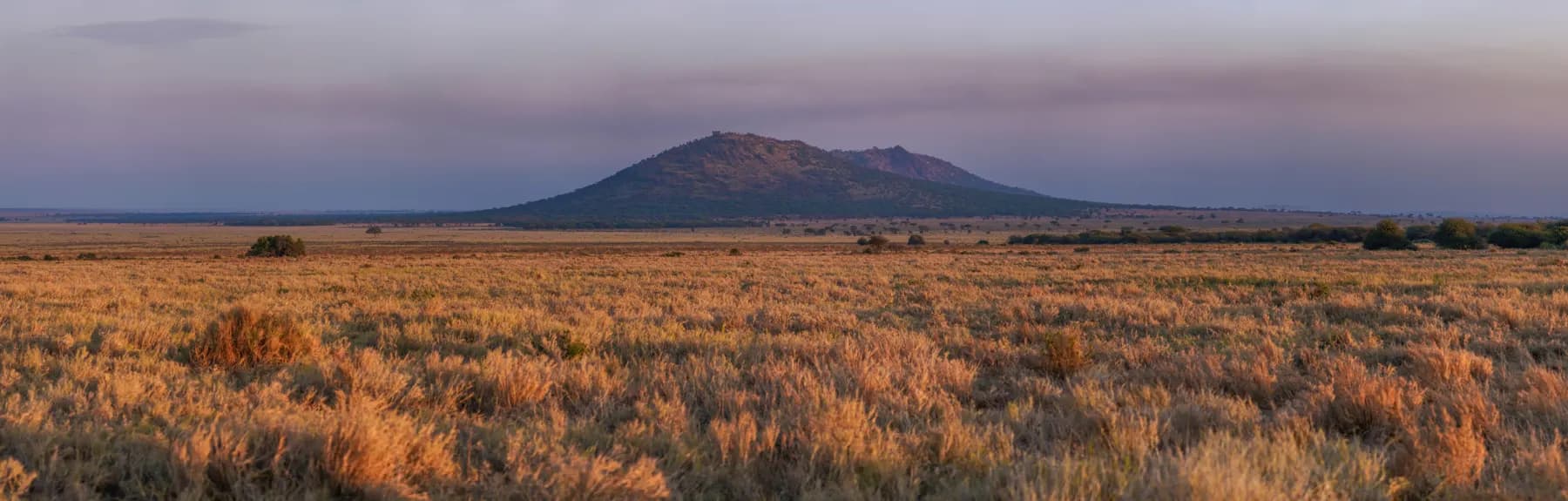
The Serengeti and the great migration
In northern Tanzania, Serengeti National Park stretches over 14,763 km².
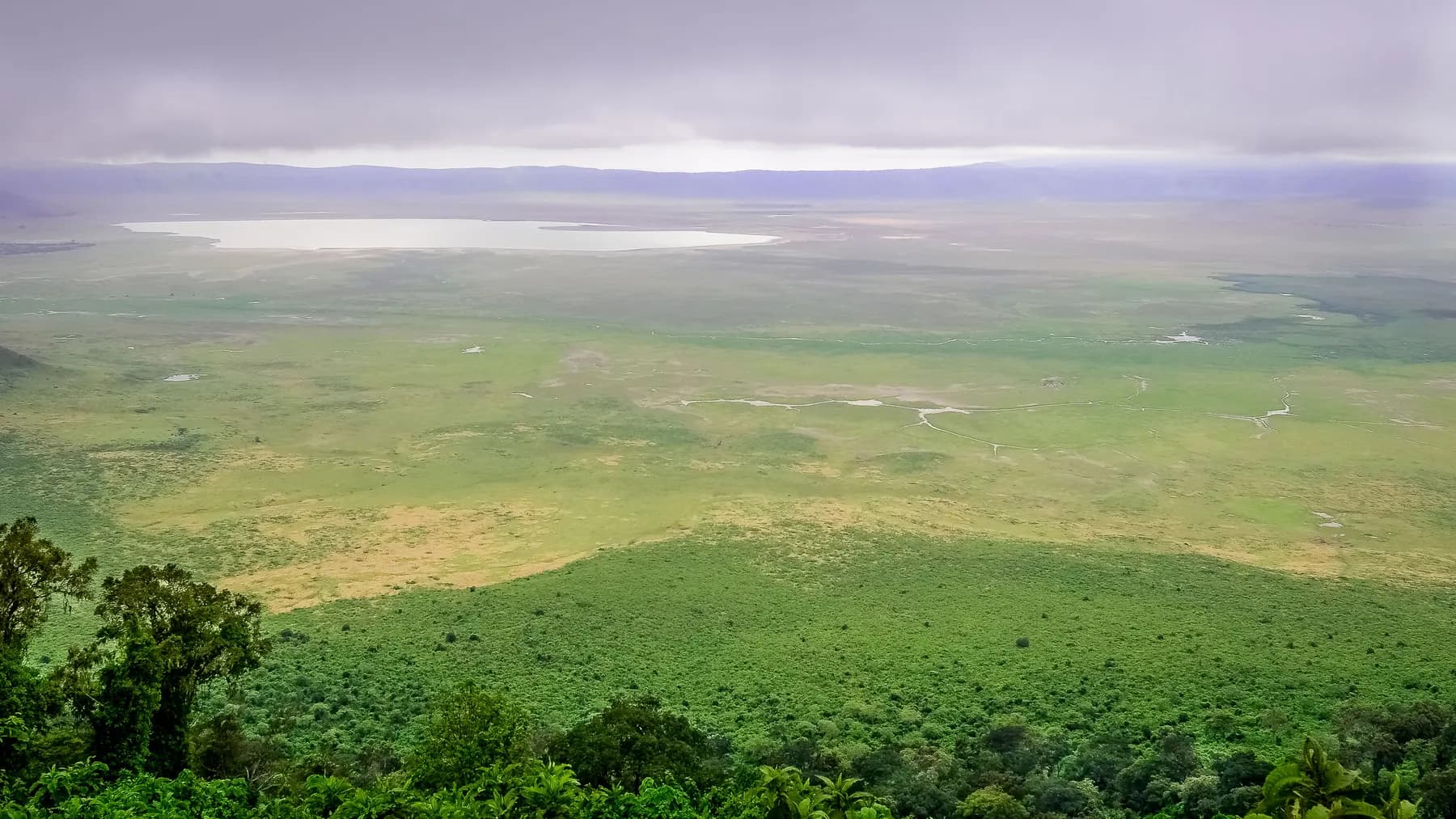
The Ngorongoro Crater
Some 180 km west of Arusha, Ngorongoro is the world’s largest inactive, intact and unfilled volcanic caldera.
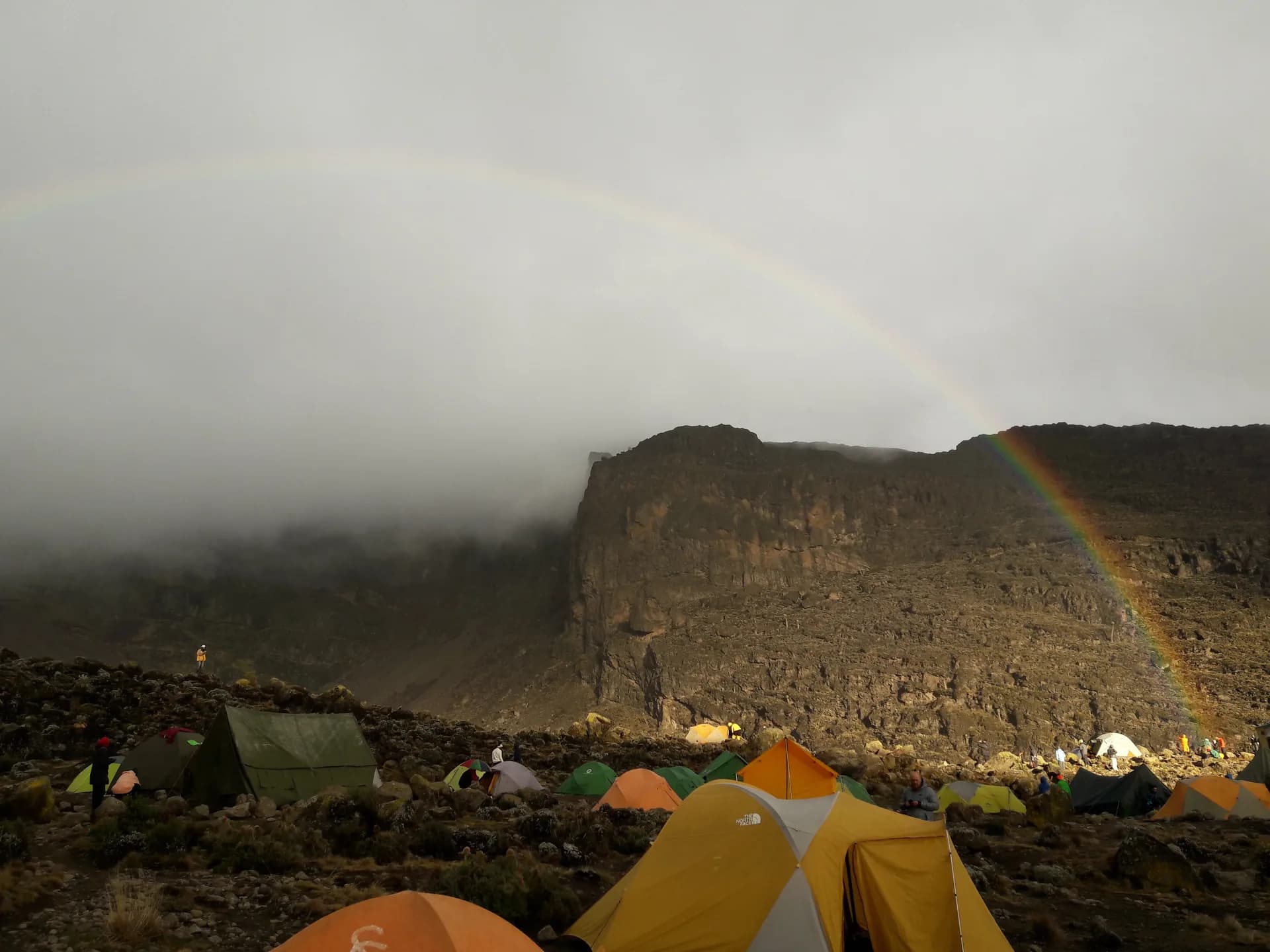
Climbing Kilimanjaro
At 5,895 m, Kilimanjaro is the highest mountain in Africa and the highest free-standing mountain in the world.
Sources · 2 pages consulted, with the exact sentence used
- Nyerere National Park (Wikipedia)
Nyerere National Park (formerly the northern part of Selous Game Reserve […]) is […] the largest national park in Tanzania […] The total area of the park is 30,893 km2 […] The park has a great river known as Rufiji River. Rufiji is Tanzania's largest river and is home to many crocodiles and hippopotamuses. (coordinates -9, 37.4)
- Selous Game Reserve (Wikivoyage)
Rather difficult road access means most visitors arrive by small aircraft from Dar es Salaam, though train access is also possible. […] the Rufiji creates floodplains, channels, oxbow lakes and palm-fringed wetlands that attract wildlife during the dry season. The hottest and most humid period generally extends from October through March, while June to August brings cooler and drier conditions […] The main dry season normally lasts from June until October or November. It is possible to drive to the reserve in the dry season and (with much difficulty) in the wet season, but the road is long and rough. Many lodges within the northern photographic zone offer a 'game package' service, that includes pick up, game drives, walks and boat safaris on the Rufiji River.
Opening hours, prices and access conditions change: check them with the official source before you go. Viafro publishes no price without a source and a date.