The checklist as a PDF
Entry, health, money, transport and safety, laid out for print, with their sources and verification date.
Central Africa
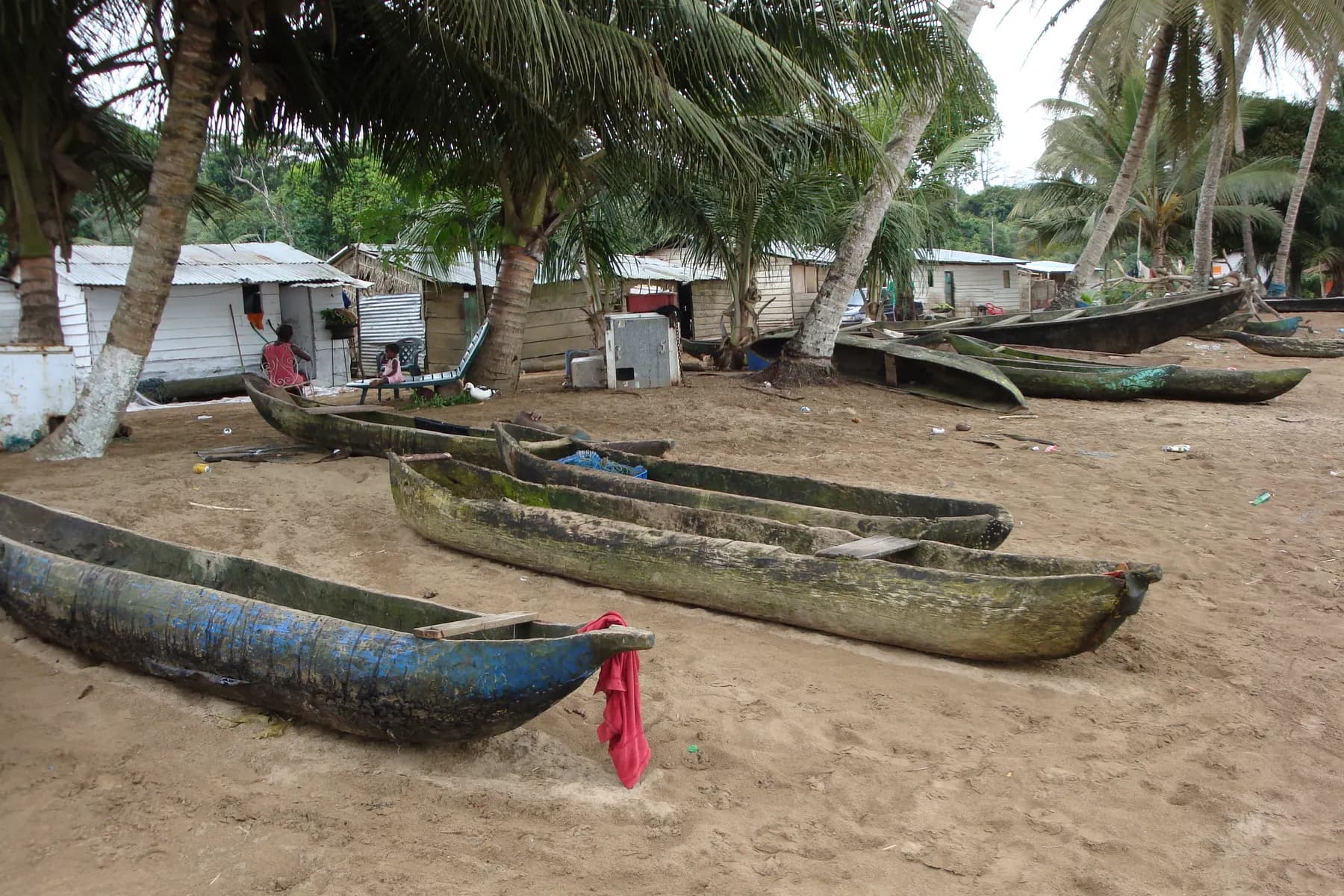
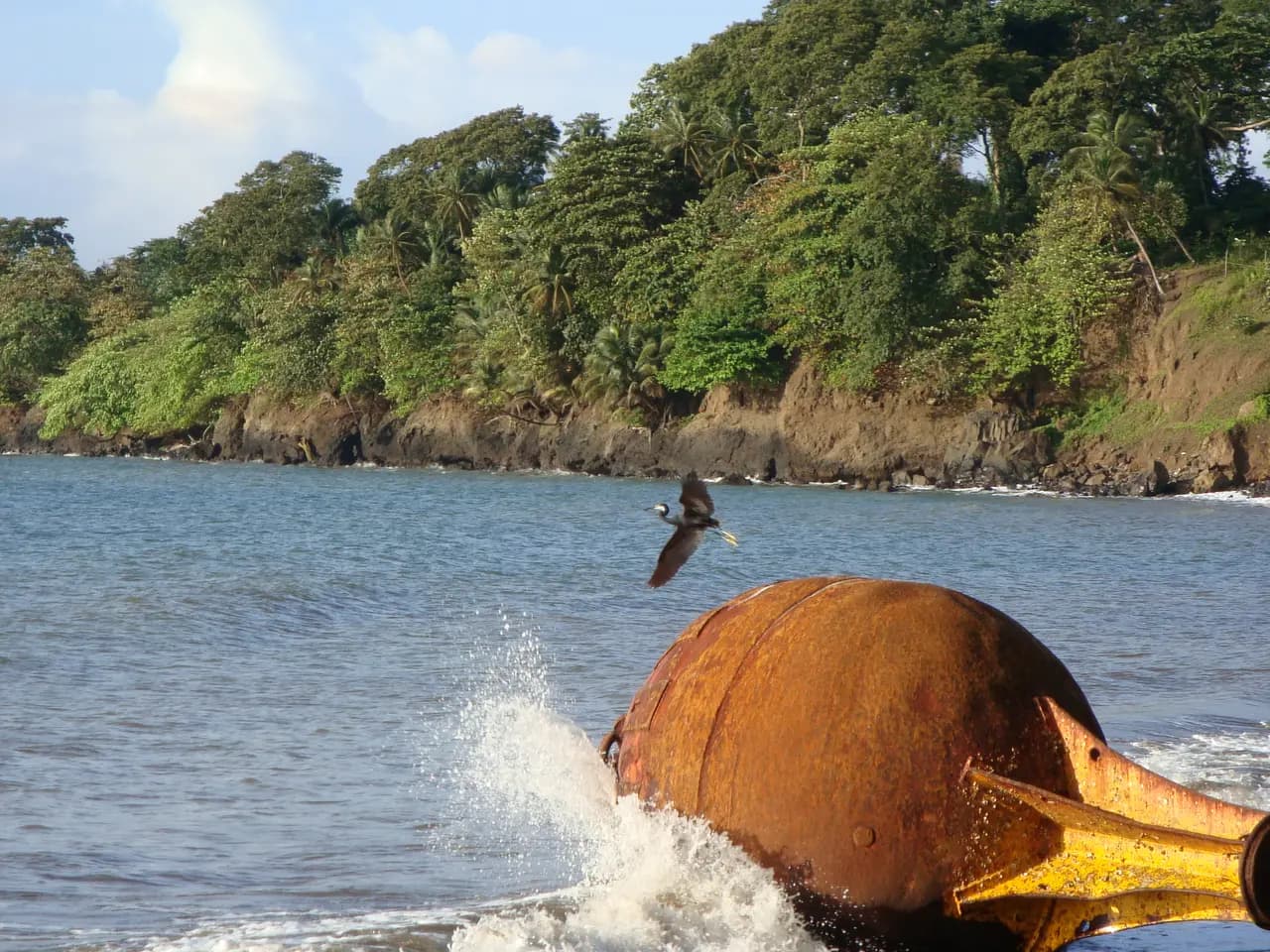
Wild beaches, tropical forest, nature reserves and waterfalls. Monte Alén, Pico Basilé and the island landscapes of Annobón.
An editorial bearing, with no percentage and no rating: our criteria are written down, and every “good to know” links to its source.
Hover or tap a month: its reading and its source appear. Bars measure rain, the figure is the capital’s mean maximum.
Possible
Malabo: mean maximum 30 °C, 100 mm of rain · frequent rain.
Source: Wikipedia (climate normals)
Entry, health, safety, money and facts: dated official extracts, never paraphrased.
Visa, passport, customs
GOV.UK advice, written for British passport holders. French travellers: see France Diplomatie (https://www.diplomatie.gouv.fr/fr/information-par-pays/guinee-equatoriale/conseils-aux-voyageurs-entree-sejour).
Vaccines, malaria, water
This is not medical advice: talk to your doctor or an international vaccination centre before you travel.
Per the ministries
Viafro gives no safety rating: here are the zones and advice published by the French ministry (in French) and the official extracts, with their dates.
No particular vigilance zone is listed on the official page (in French) (updated on 15 Sept 2026) · see the page.
What the country’s law provides
Photography, alcohol, drugs, relationships: the rules published by the ministries, quoted as they stand, without comment.
Currency
Central African CFA franc / Central African CFA francViafro publishes no price or budget range without a source: amounts will come from our own expenses recorded on the ground, dated and itemised.
Entry, health, money, transport and safety, laid out for print, with their sources and verification date.
Express card
Structured data from Wikidata and the CIA World Factbook, re-checked at every site update.
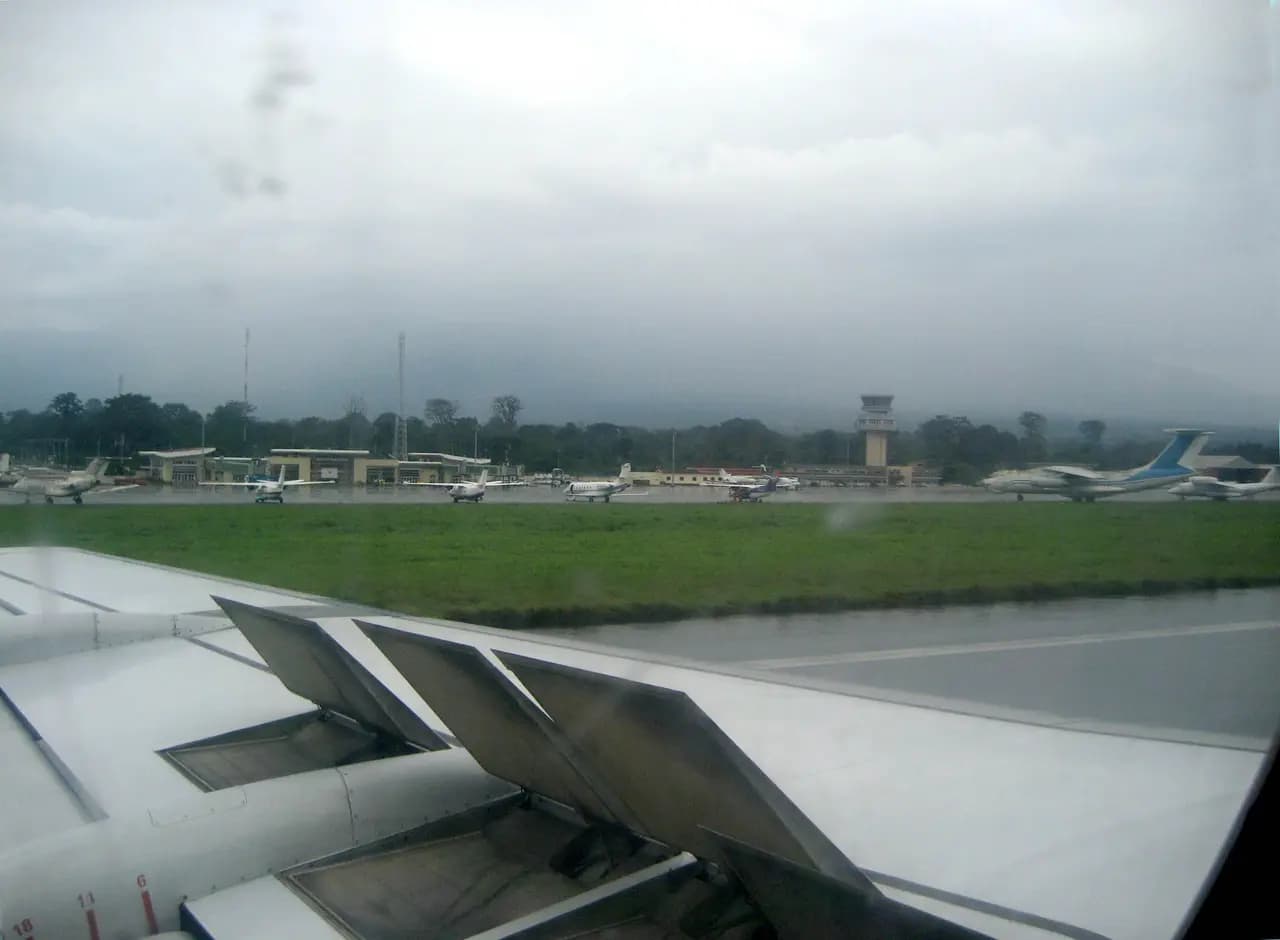
Direct flights from Paris are to be checked on the airport’s or airline’s website.
On the road
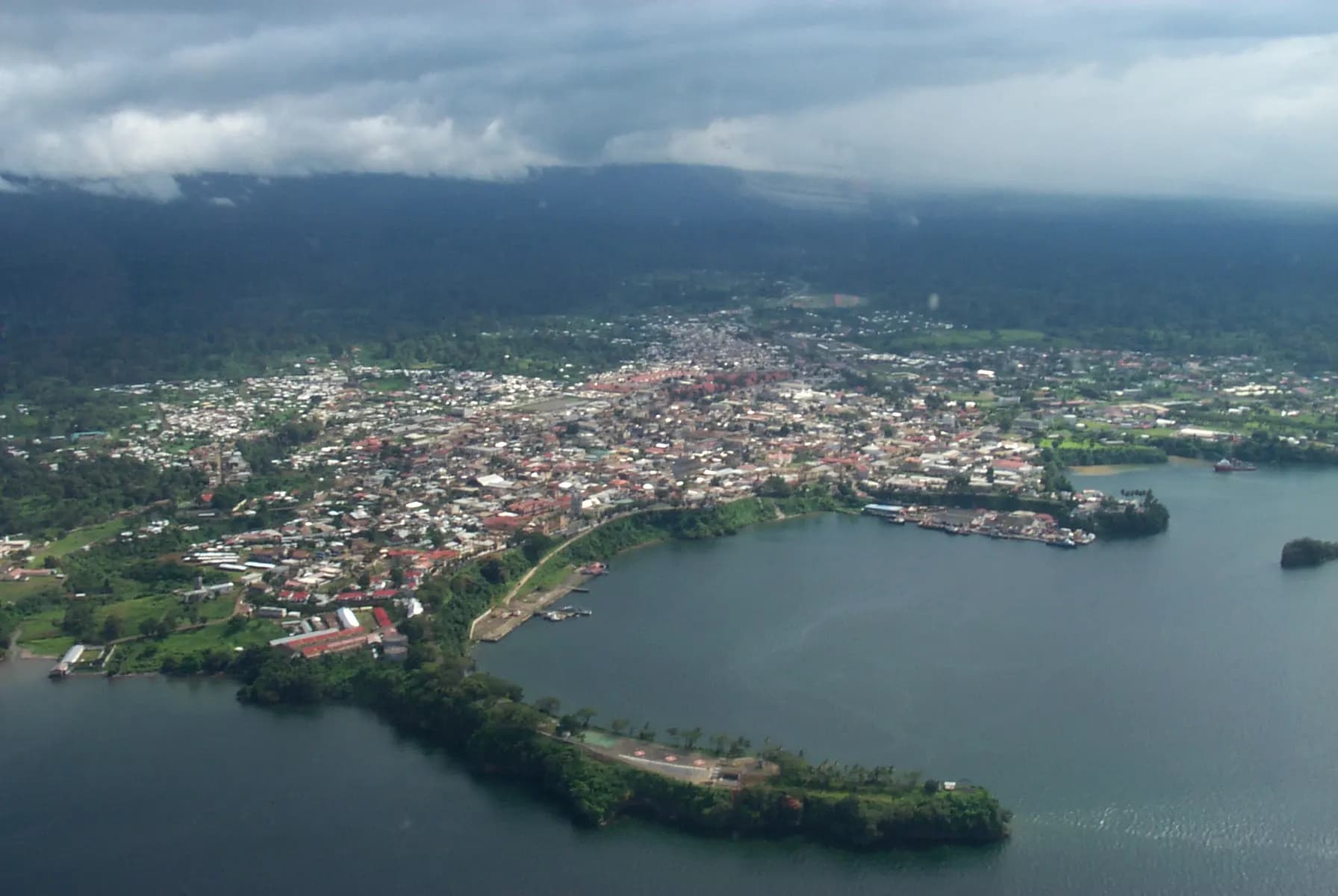
Malabo ( mə-LAH-boh, Spanish: [maˈlaβo]; formerly Santa Isabel [ˈsantajsaˈβel] ) is a city in Equatorial Guinea, located in the province of Bioko Norte.
Annobón (Spanish: [anoˈβon]; Portuguese: Ano-Bom) is a province of Equatorial Guinea.
San Antonio de Ureca, also known as Ureka or Ureca, is a village in Bioko Sur, Equatorial Guinea, south of Malabo on the island of Bioko.
Peppersoup is a soup eaten by Cameroonians and Nigerians. This soup is made using various meats or fish, chili peppers, salt, scent leaves and calabash nutmeg as its primary ingredients. It is a spicy soup that has a light, watery texture. Despite its name, th
Le akwadu est un des aliments de base de la Guinée équatoriale et du Ghana. C'est un plat fait à base de bananes et de coco. Il se mange soit au petit déjeuner soit en dessert. C'est un plat simple qui consiste juste à découper en de petites tranches des banan (summary in French)
Malamba is a traditional alcoholic beverage in Cameroon, Equatorial Guinea, and Gabon made by fermenting sugarcane juice. The canes are crushed in a mortar, and the juice is left to ferment for approximately two weeks. The flavor and texture is similar to the
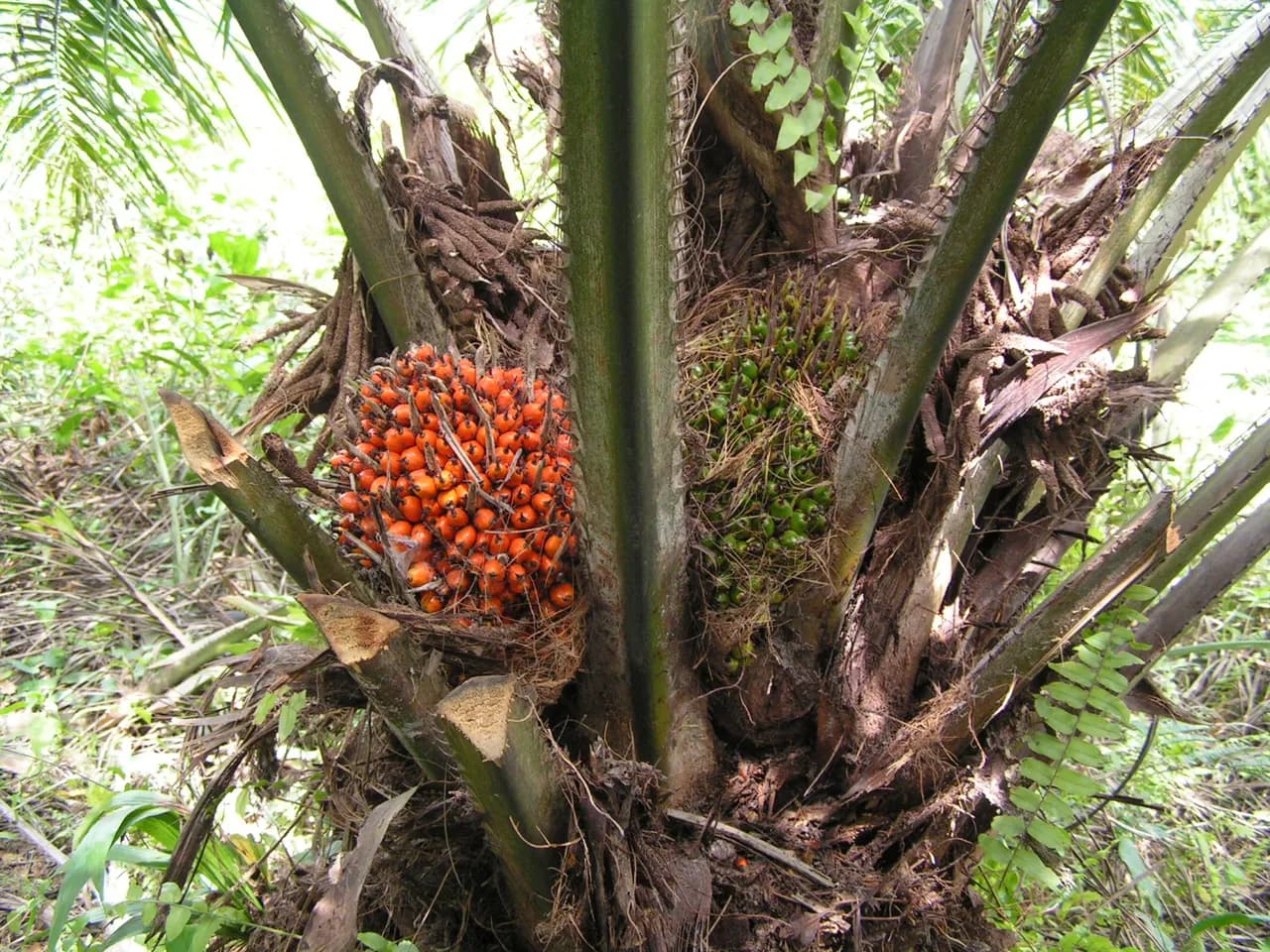
Palm butter or palm cream, frequently known as moambe, mwambe or nyembwe, is an ingredient made from the pericarp of palm nuts, the fruit of the African oil palm tree. It forms an important ingredient in stews and sauces in African cuisine.
Independence Day, 12 October (1968) ; independence: 12 October 1968 (from Spain).
Fixed dates and moveable events, each with its source; moveable dates change every year and are to be checked on an official calendar.
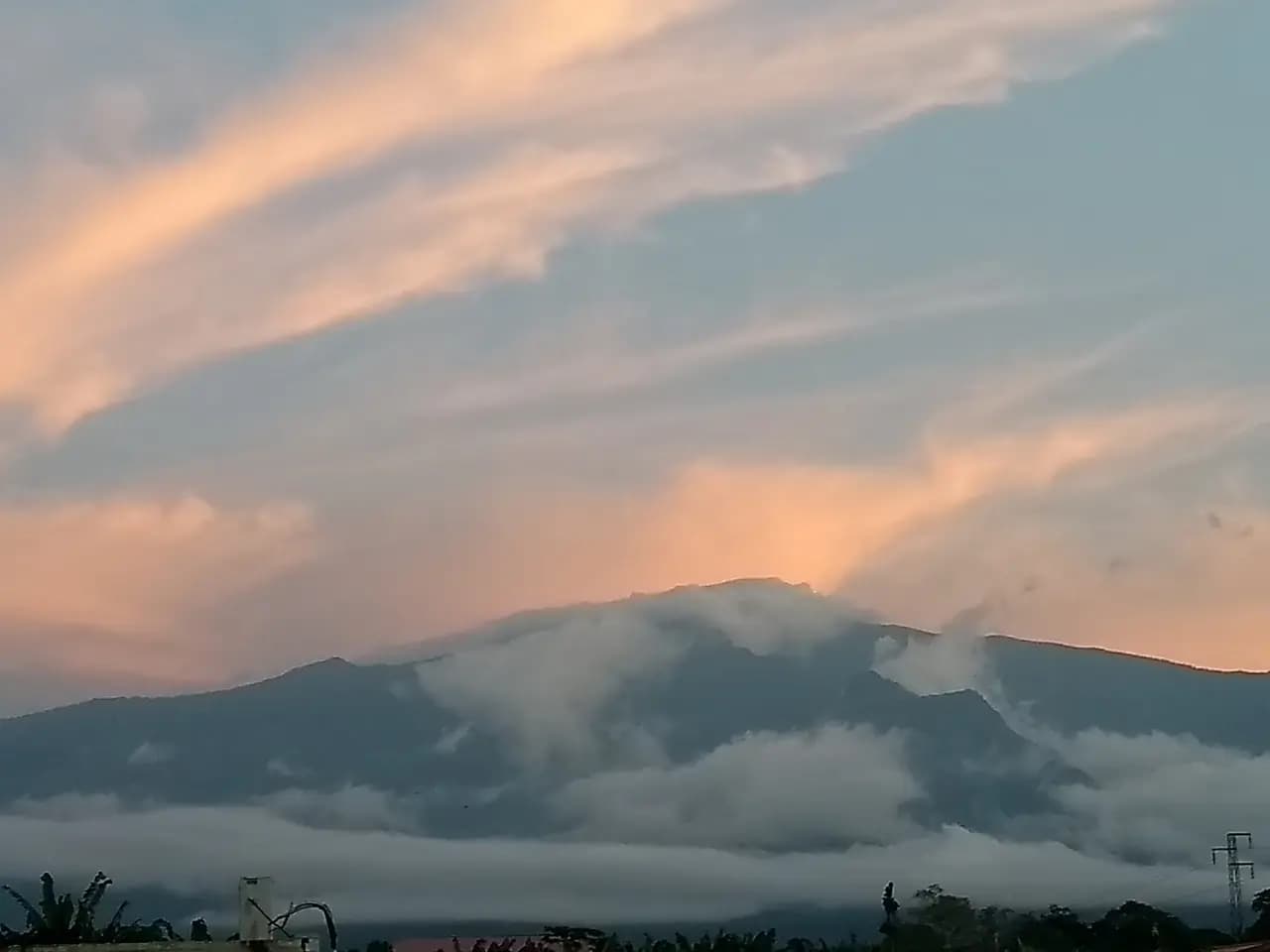
The country’s highest point, Pico Basilé, reaches 3,011 m.
1,938,431 inhabitants in 2025 on 28,051 km², about 69 per km².
Independence on 12 October 1968 (from Spain).
Real photographs: free images under a verified licence and Viafro images. Never a generated image. Credits in the footer.

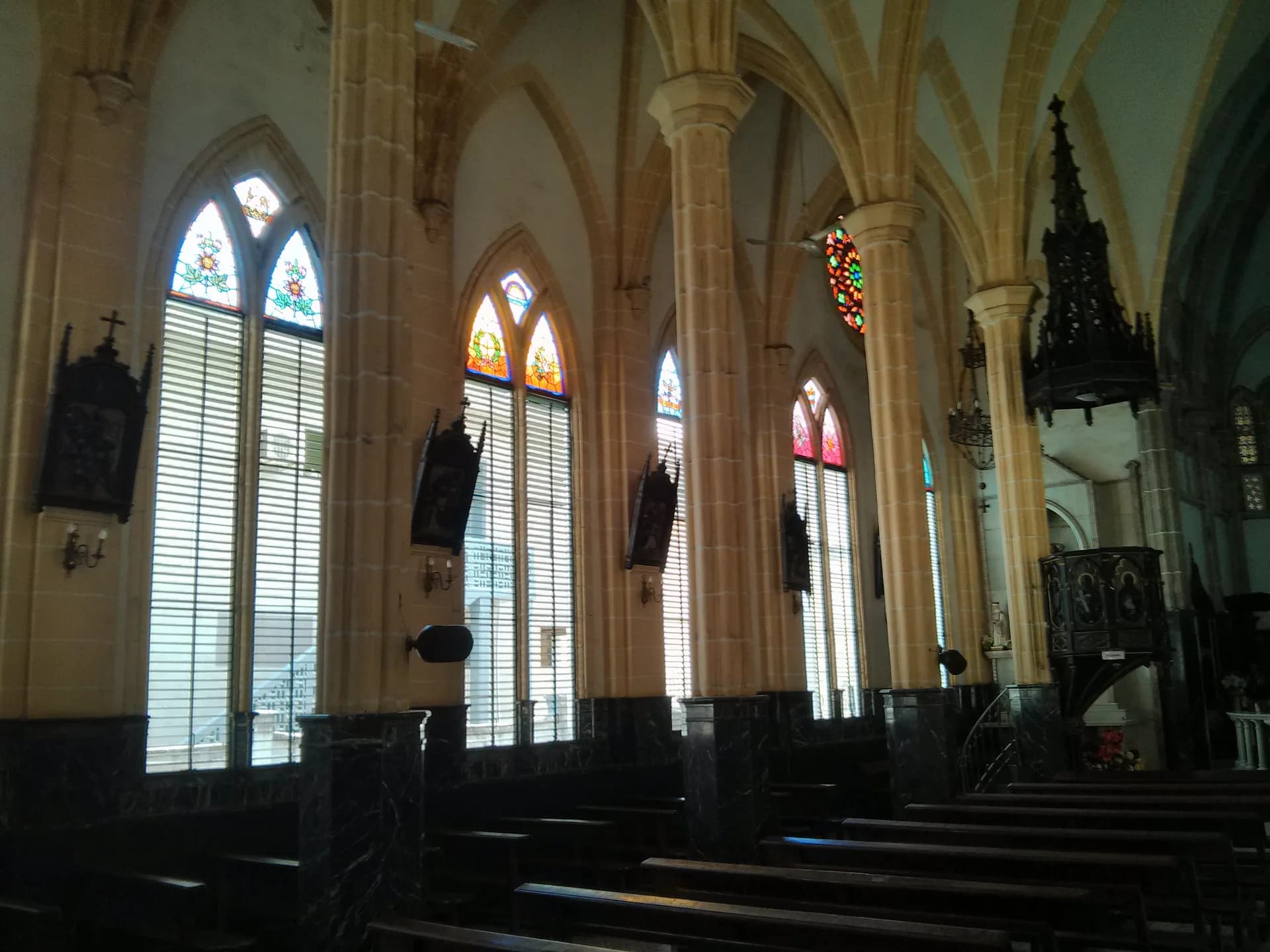
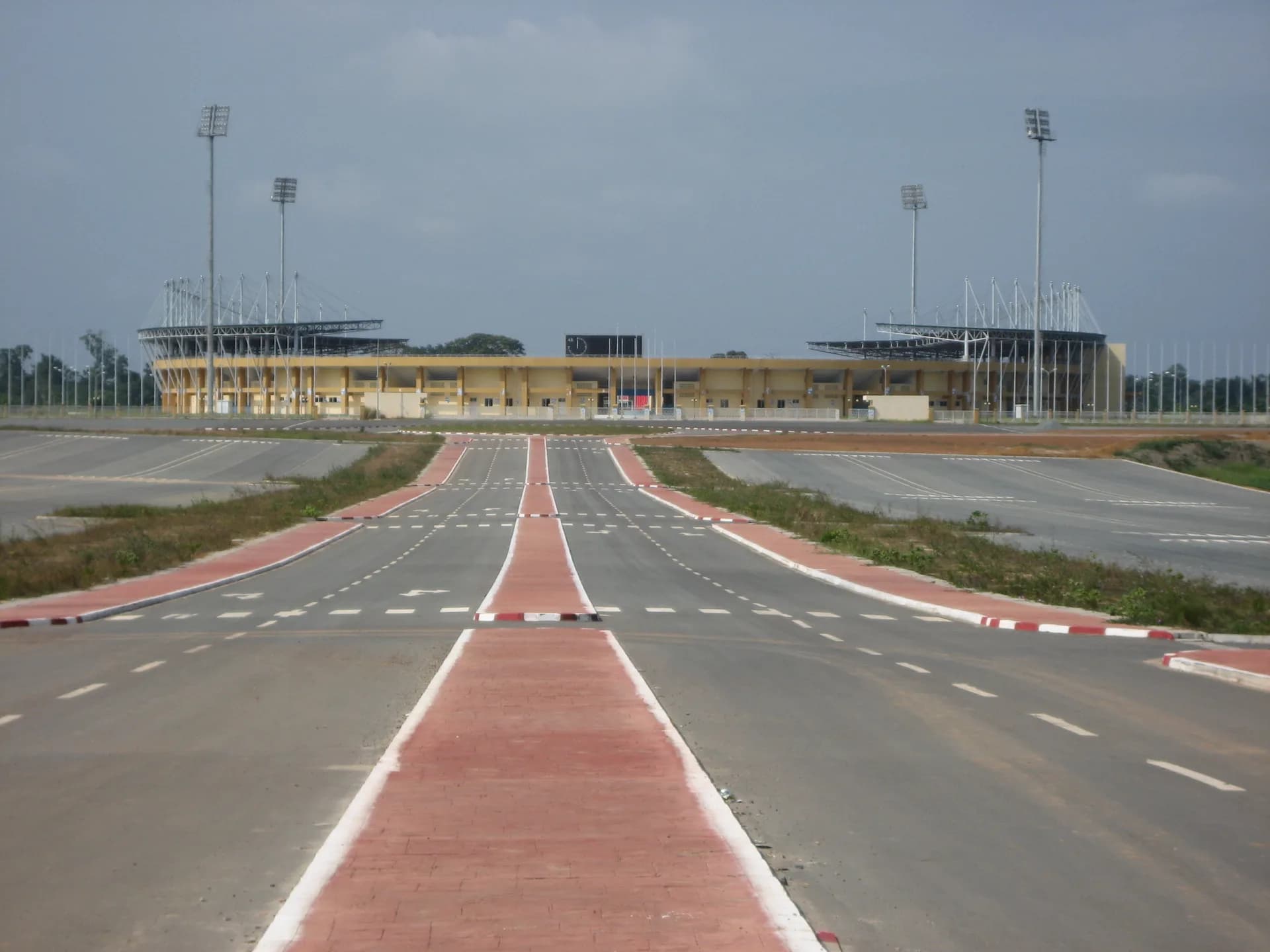
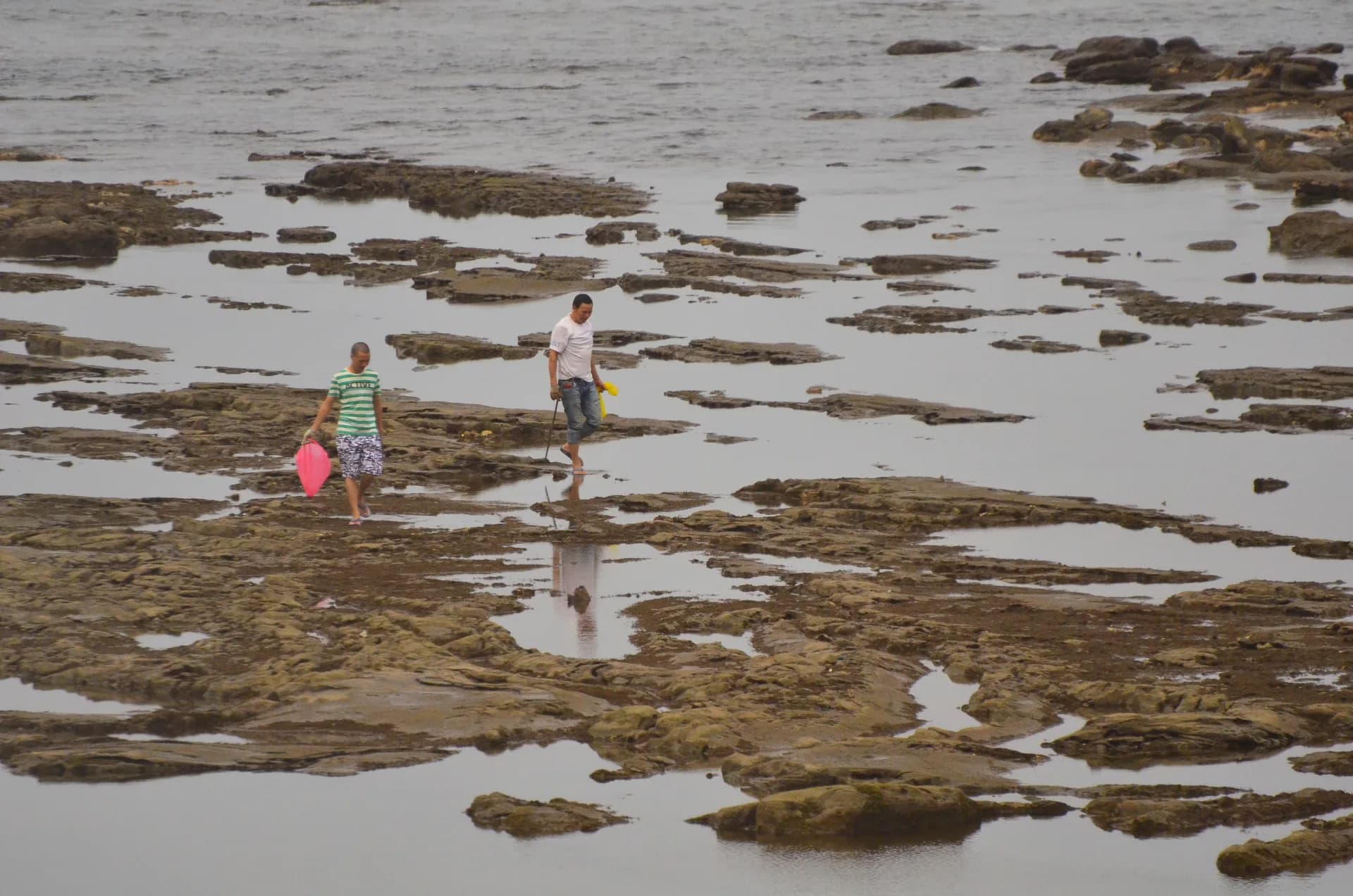
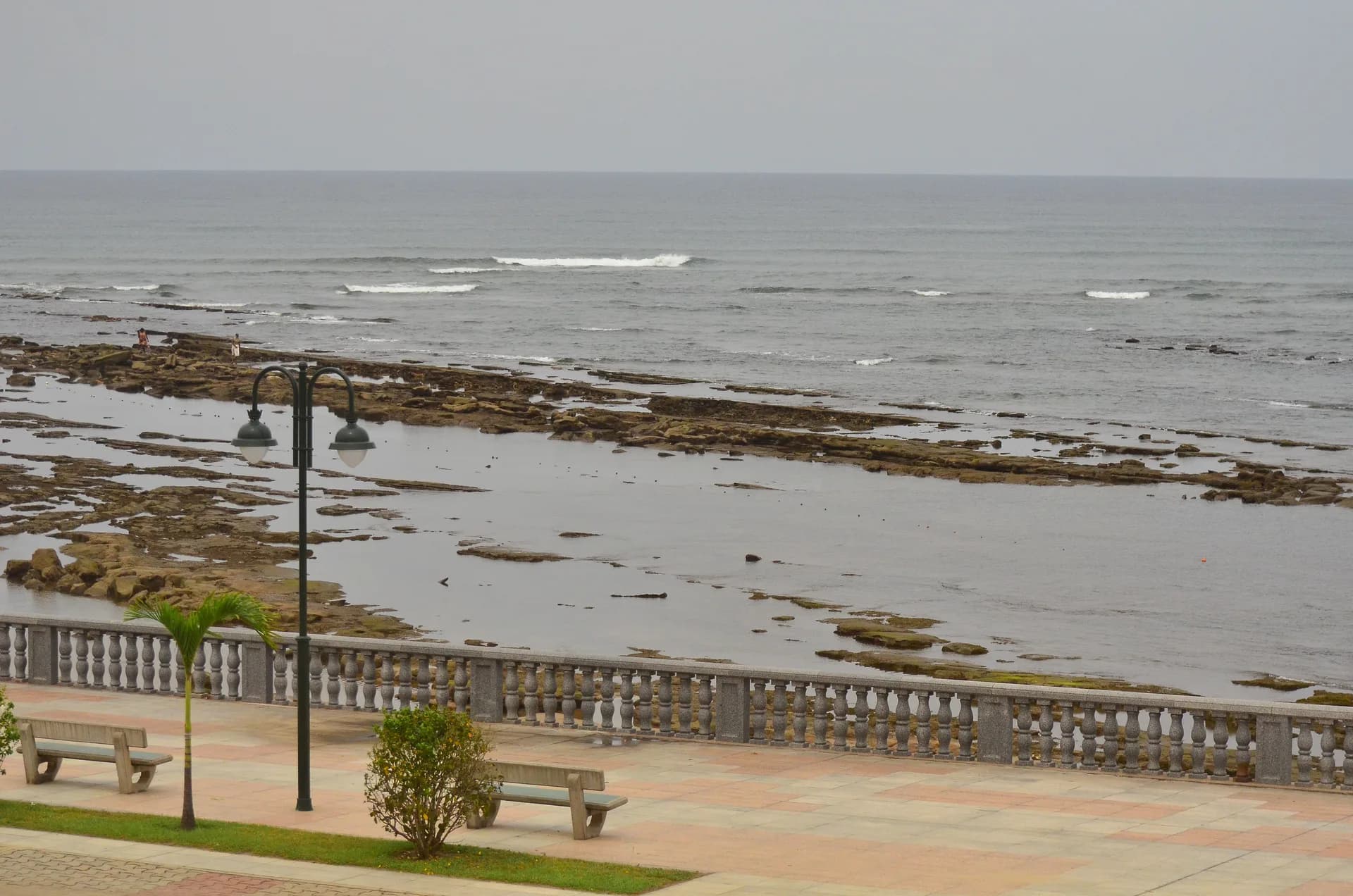
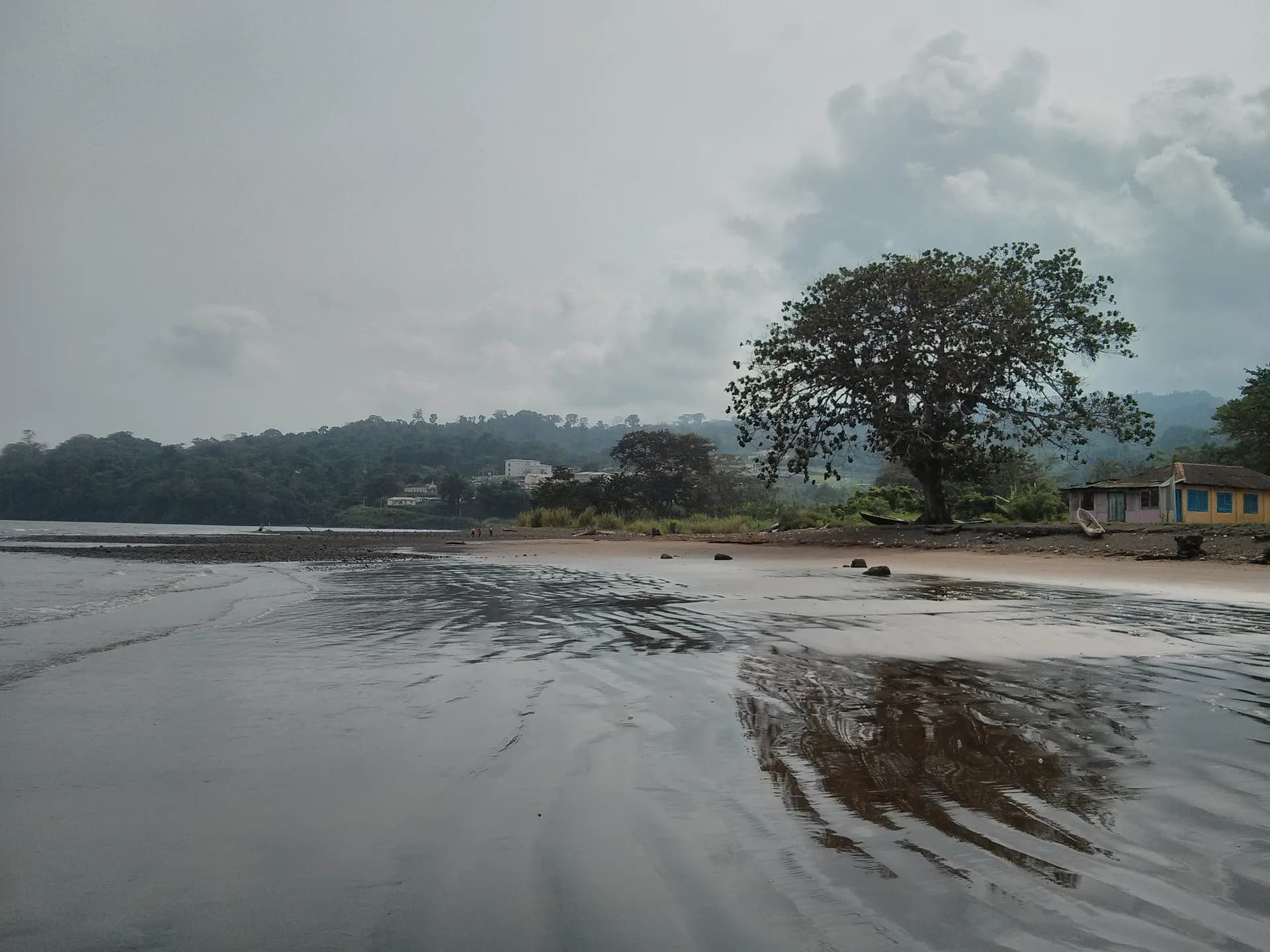
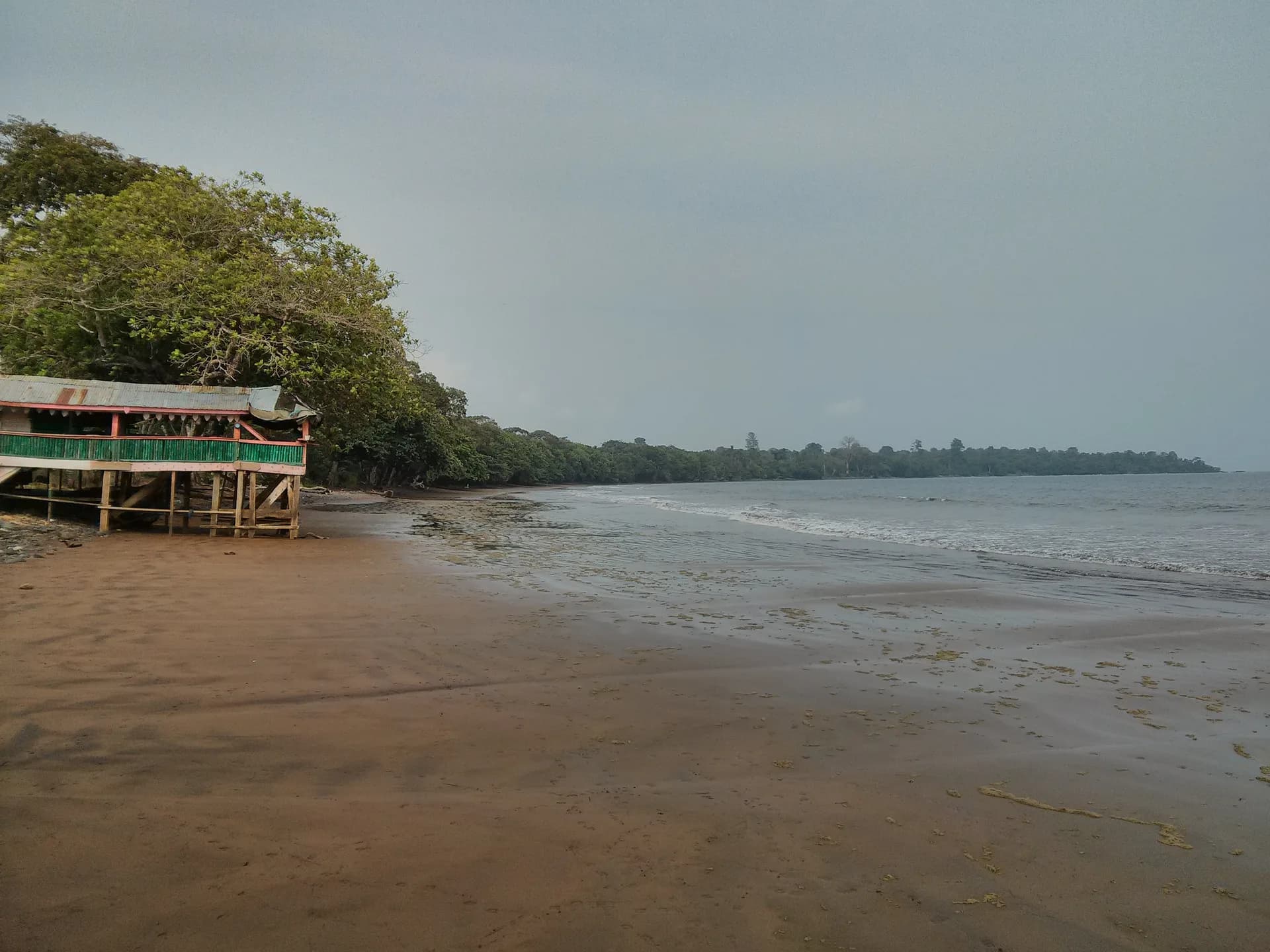
Share your trip with #viafro: the best images will join this gallery, with your credit.
Sourced data (World Bank). No investment advice.
World Bank data (World Development Indicators), consulted on 28 Oct 2026. Tourist arrivals are the latest year published.
Book your stay and take the right guidebook along: partner links, labelled as such, to current prices.
Affiliate link: Viafro earns a commission at no extra cost to you.The Viafro letter
A short letter, when there is something to say. One-click unsubscribe.
Information checked on 28 Oct 2026. Check the official source before you travel. Viafro gives no safety rating and publishes no price without a source.
Explore nearby