The checklist as a PDF
Entry, health, money, transport and safety, laid out for print, with their sources and verification date.
North Africa
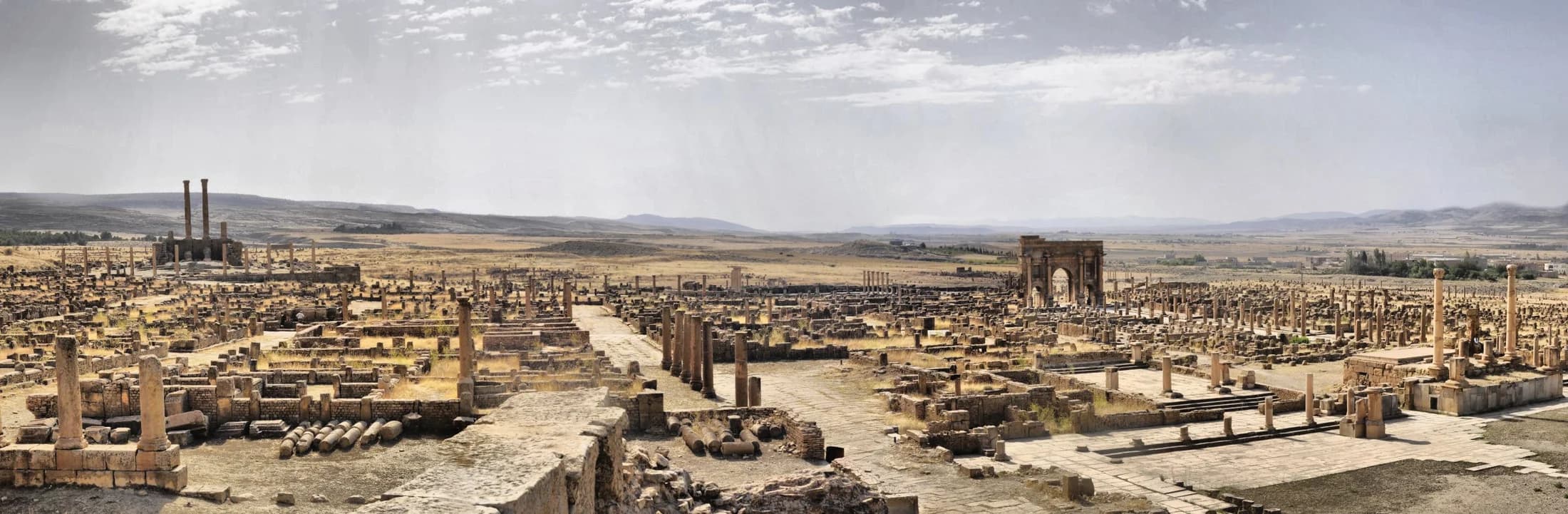
Mediterranean beaches, Sahara desert and ancient monuments. Mediterranean shores, ancient cities and Saharan rock art.
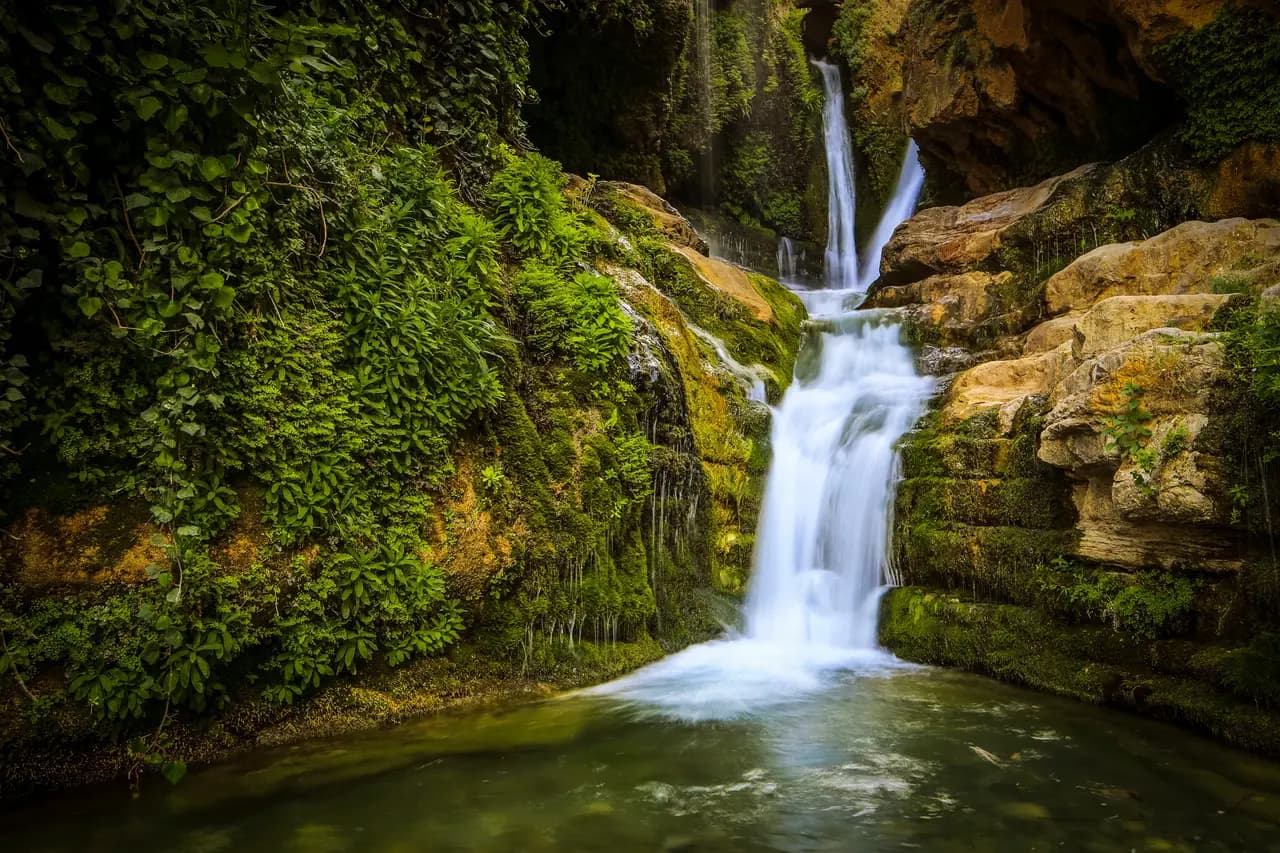
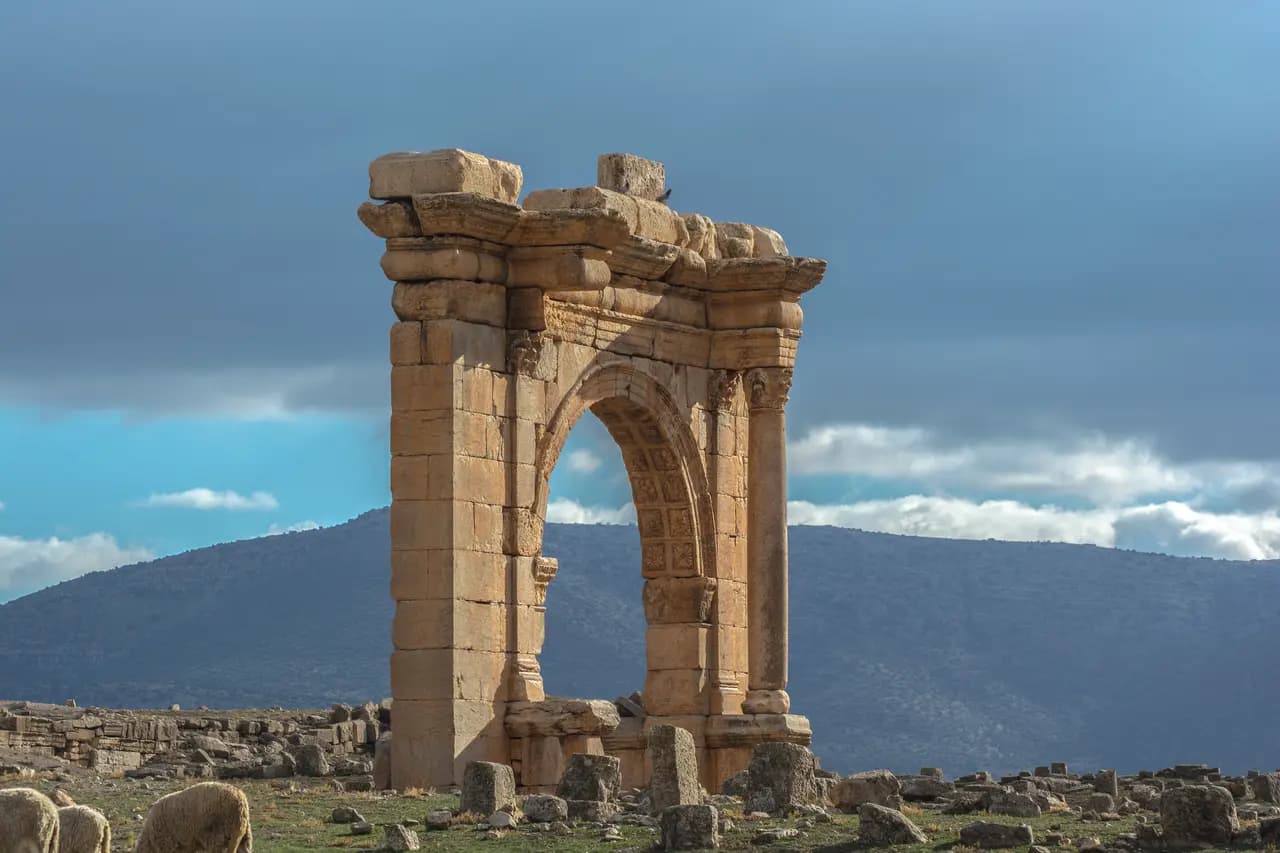
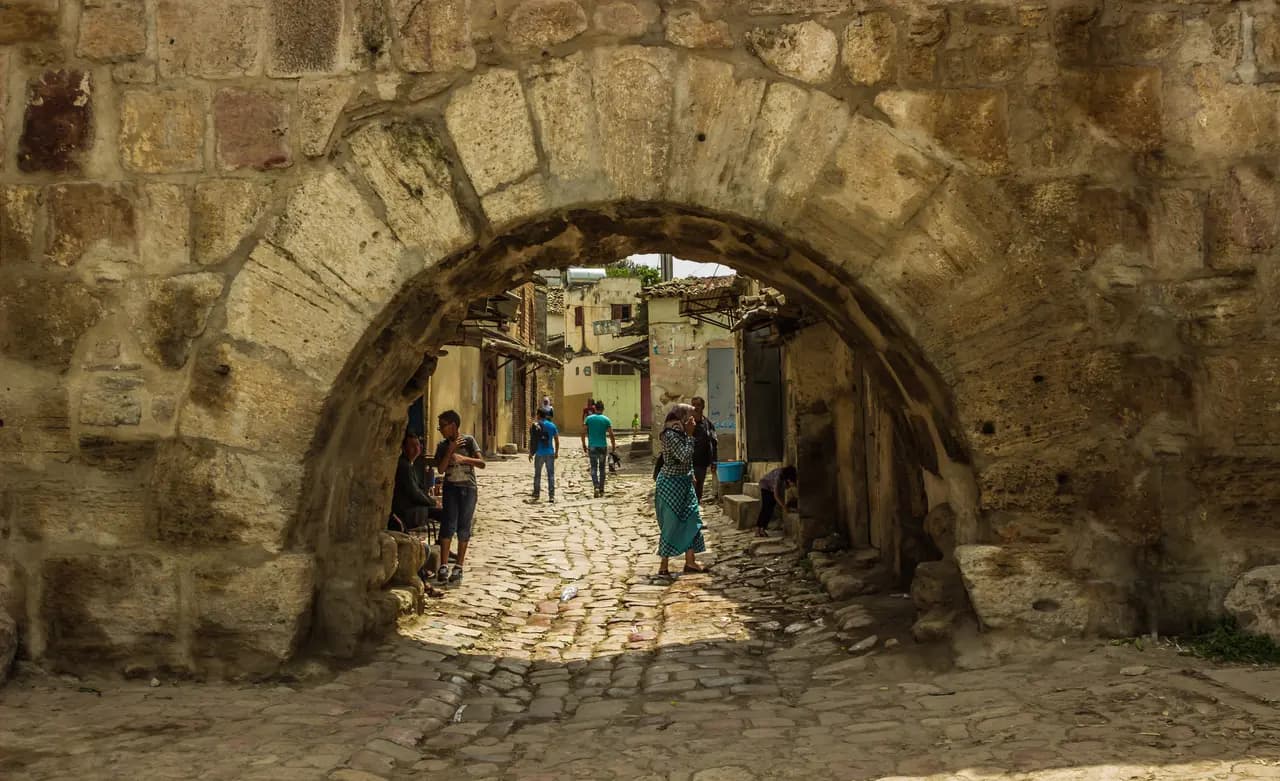
An editorial bearing, with no percentage and no rating: our criteria are written down, and every “good to know” links to its source.
Hover or tap a month: its reading and its source appear. Bars measure rain, the figure is the capital’s mean maximum.
Possible
Algiers: mean maximum 21 °C, 103 mm of rain · frequent rain.
Source: Wikipedia (climate normals)
Entry, health, safety, money and facts: dated official extracts, never paraphrased.
Visa, passport, customs
GOV.UK advice, written for British passport holders. French travellers: see France Diplomatie (https://www.diplomatie.gouv.fr/fr/information-par-pays/algerie/conseils-aux-voyageurs-entree-sejour).
Vaccines, malaria, water
This is not medical advice: talk to your doctor or an international vaccination centre before you travel.
Per the ministries
Viafro gives no safety rating: here are the zones and advice published by the French ministry (in French) and the official extracts, with their dates.
Vigilance zones published by France Diplomatie (in French) · page updated on 15 Sept 2026 · see the official map
Zones frontalières : l’Algérie compte 6 400 kilomètres de frontières terrestres, notamment avec des pays en situation d’instabilité et connaissant un risque terroriste élevé (Libye, Mali, Niger).
A l’est : il convient d’éviter la zone frontalière avec la Tunisie, à partir et au sud de Tébessa (présence de groupes terroristes) ainsi que la zone frontalière avec la Libye du fait de l’instabilité du pays.
Wilaya d’Aïn Defla : des groupes terroristes subsistent dans la région.
Wilaya de Batna : des groupes terroristes résiduels subsistent dans les massifs montagneux.
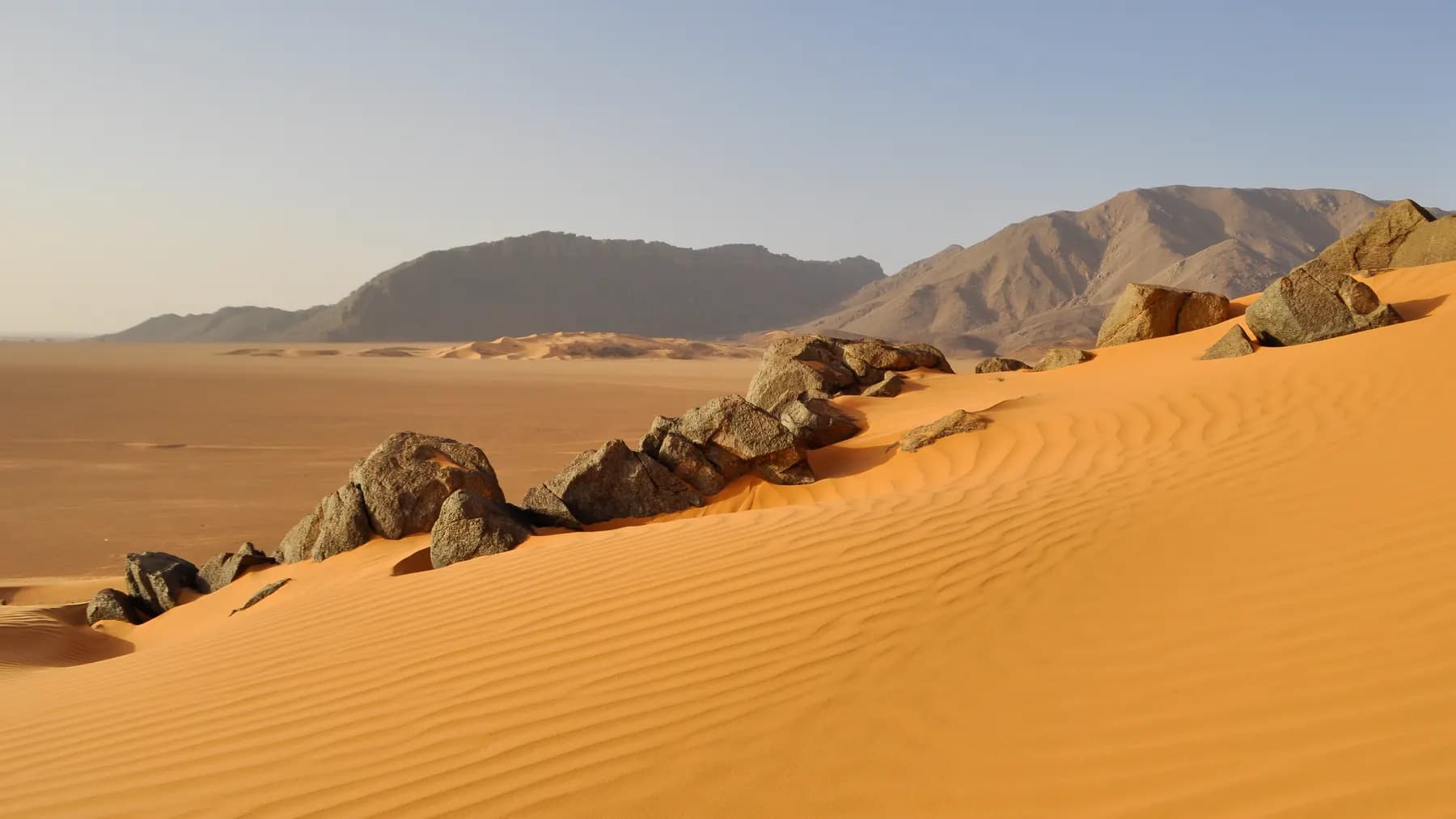
Sahara et zones désertiques (autour de Tamanrasset)
Il n’est pas possible de voyager sans guide dans le Sahara algérien. Des agences de voyage proposent des séjours organisés.
Alger et Oran sont en zones de vigilance normale
What the country’s law provides
Photography, alcohol, drugs, relationships: the rules published by the ministries, quoted as they stand, without comment.
Currency
Algerian dinar / Algerian dinarViafro publishes no price or budget range without a source: amounts will come from our own expenses recorded on the ground, dated and itemised.
Entry, health, money, transport and safety, laid out for print, with their sources and verification date.
Express card
Structured data from Wikidata and the CIA World Factbook, re-checked at every site update.
Direct flights from Paris are to be checked on the airport’s or airline’s website.
On the road
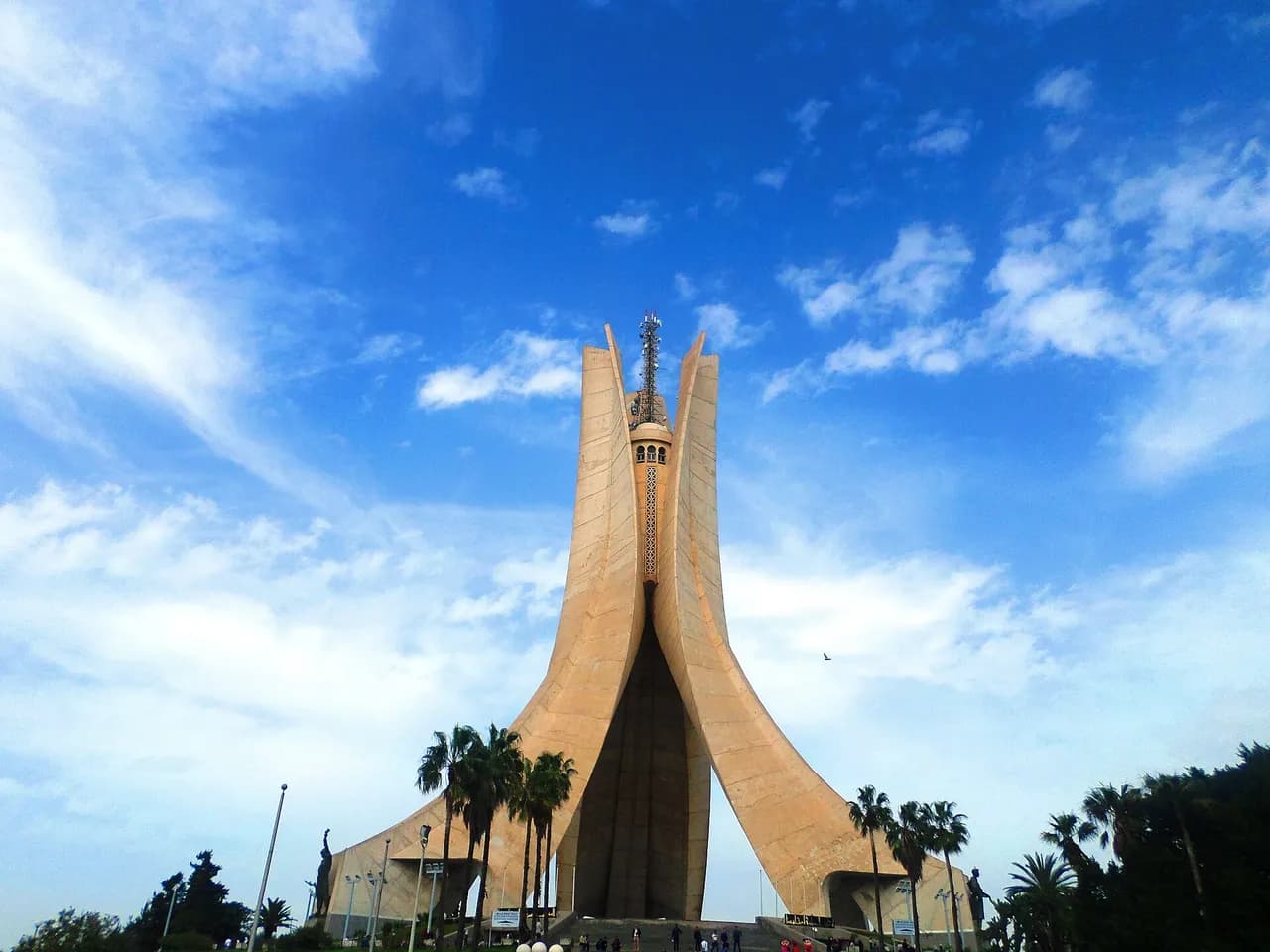
Algiers ( al-JEERZ; Arabic: الجزائر, romanized: al-Jazāʾir, pronounced [al.d͡ʒazaːʔir], locally [(ɪ)ˈd͡ːzaːjir]; French: Alger, pronounced [alʒe]; Algerian Tamazight: ⴷⵣⴰⵢⵔ, romanized: Dzayer), officially Capital City of Algiers (Arabic: الجزائر العاصمة,…
Constantine (Arabic: قسنطينة, romanized: Qusanṭīnah, Tamazight: ⵇⵙⵏⵟⵉⵏⴰ, romanized: Qsnṭina), also spelled Qacentina or Kasantina, is the capital of Constantine Province in northeastern Algeria.
Oran (Arabic: وهران, romanized: Wahrān; Tamazight: ⵡⴰⵀⵔⴻⵏ, romanized: Wahṛen, or ⵡⴰⵀⵔⴰⵏ, Wahṛan) is a major coastal city located in the northwest of Algeria, 432 km (268 mi) west-southwest from the capital, Algiers.
Chorba, shorwa, shurba, shurpa, shurbah or shorba is a broad class of stews or rich soups found in national cuisines across North Africa, The Middle East, Iran, Turkey, Central and Eastern Europe, Central Asia, East Africa and South Asia. It is often prepared
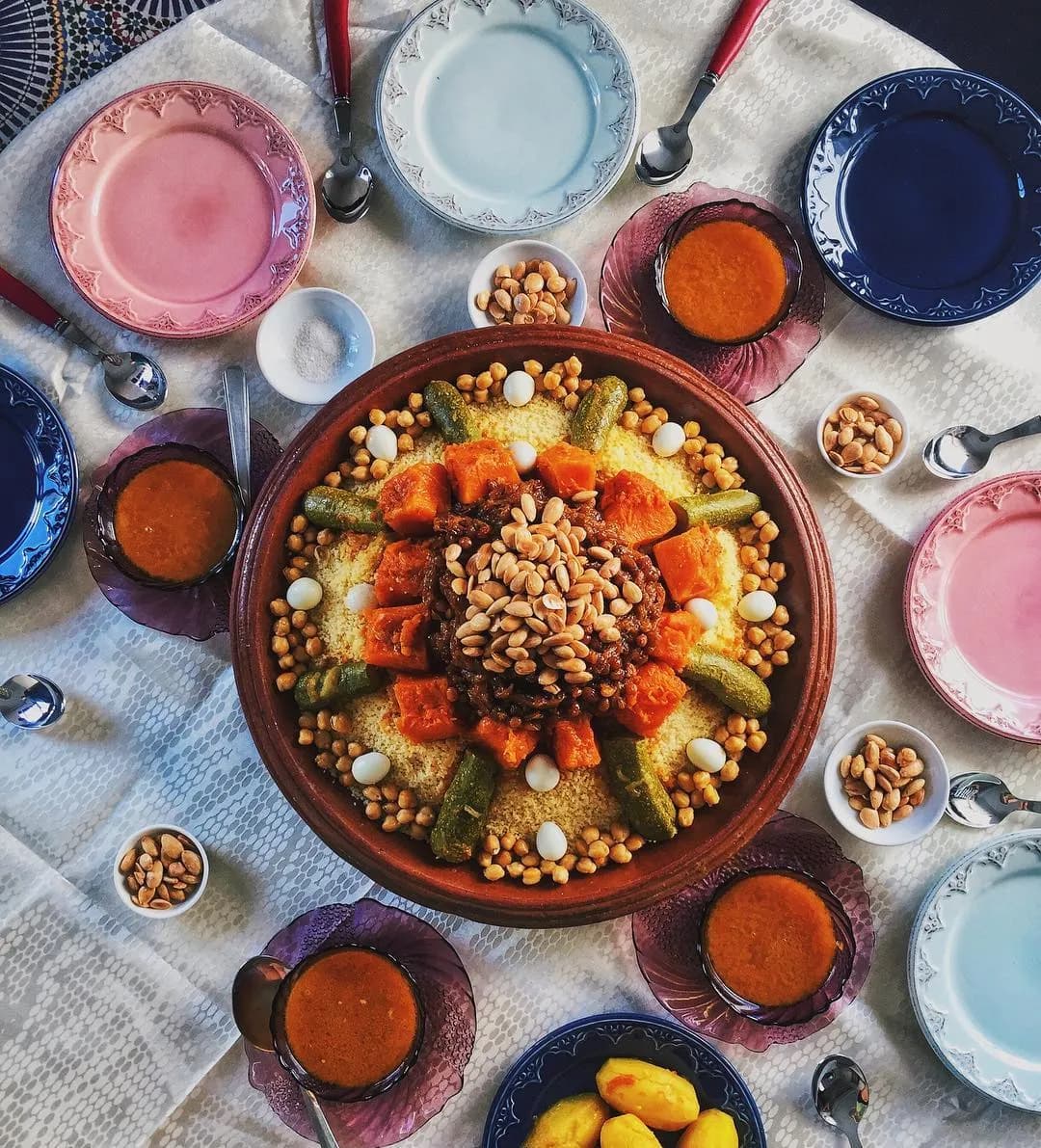
Couscous is a traditional North African dish of small steamed granules of rolled semolina that is often served with a stew spooned on top. Pearl millet, sorghum, bulgur, and other cereals are often cooked in much the same way in West Africa, and the resulting
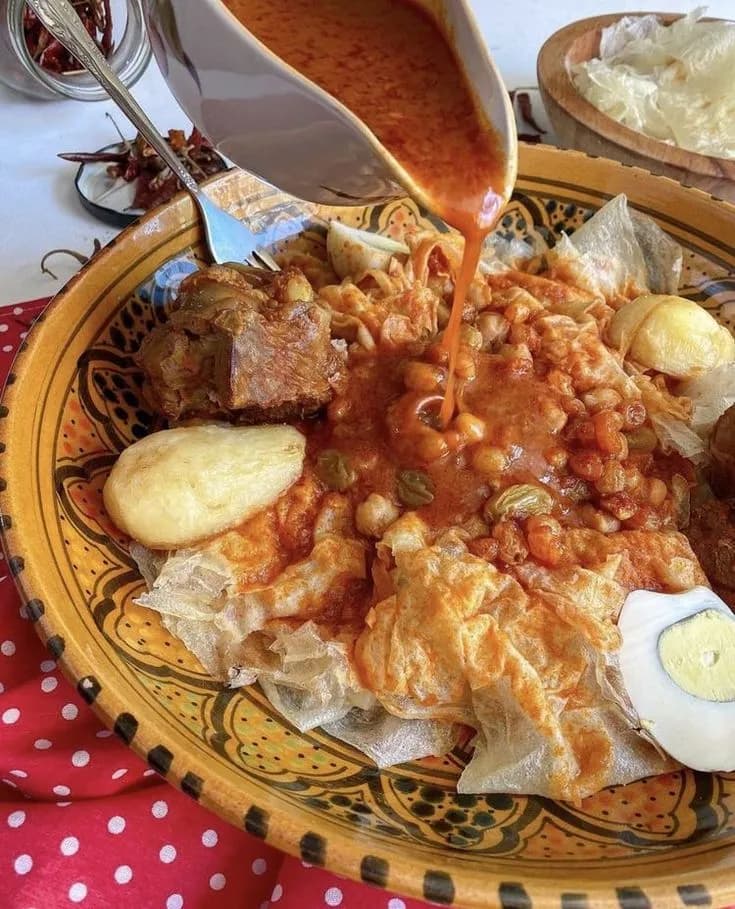
Chakhchoukha or chekhechoukha is a traditional Algerian dish made from torn or rolled pieces of cooked semolina dough that are served in a tomato-based sauce. The dish consists of small pieces of rougag mixed with marqa, a tomato stew. The dish is typically ma
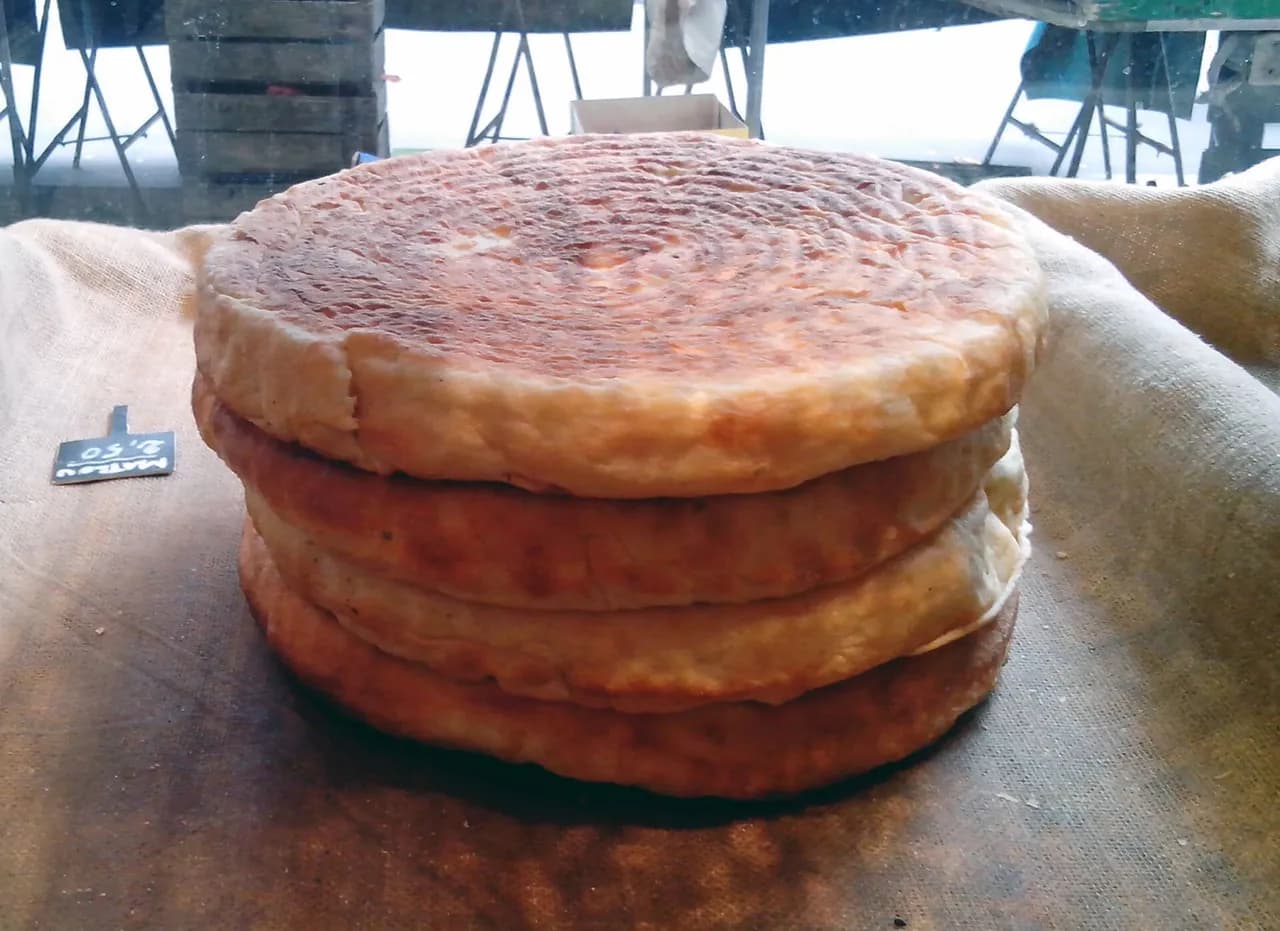
Matloue, matlou’ , Also named khobz e-tadjine and khobz e-matlou, is a type of Algerian sourdough bread. It is made of semolina and a natural leaven called ghessen (n) temtount. It is cooked on a clay or cast iron tagine.
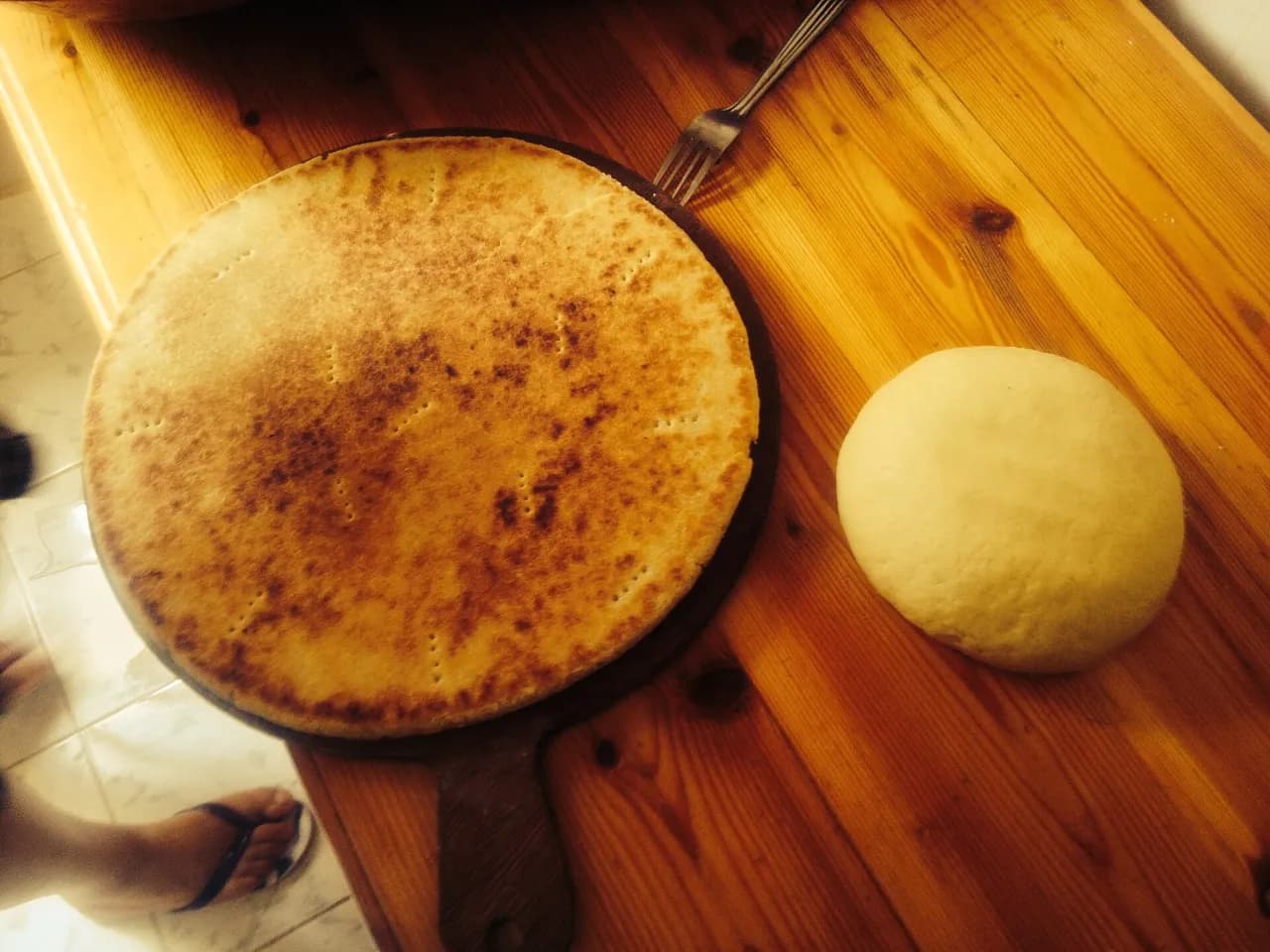
Kesra is a traditional Algerian bread made from semolina. It is usually cooked on a flat grilling tajine over high heat. This bread can be eaten hot or cold, on its own or spread, stuffed or dipped in olive oil, accompanied by tajine, with different sorts of c
Le tamtunt est un pain levé algérien de Kabylie. La particularité de ce pain est qu'il peut être préparé de deux manières. Il peut être frit dans de l'huile ou cuit au four. Sa friture lui donne une texture de pain mais aussi de beignet, tandis que sa cuisson (summary in French)
Independence Day, 5 July (1962); Revolution Day, 1 November (1954) ; independence: 5 July 1962 (from France).
Fixed dates and moveable events, each with its source; moveable dates change every year and are to be checked on an official calendar.
The country’s highest point, Mount Tahat, reaches 2,908 m.
47,435,312 inhabitants in 2025 on 2,381,741 km², about 20 per km².
Independence on 5 July 1962 (from France).
Real photographs: free images under a verified licence and Viafro images. Never a generated image. Credits in the footer.
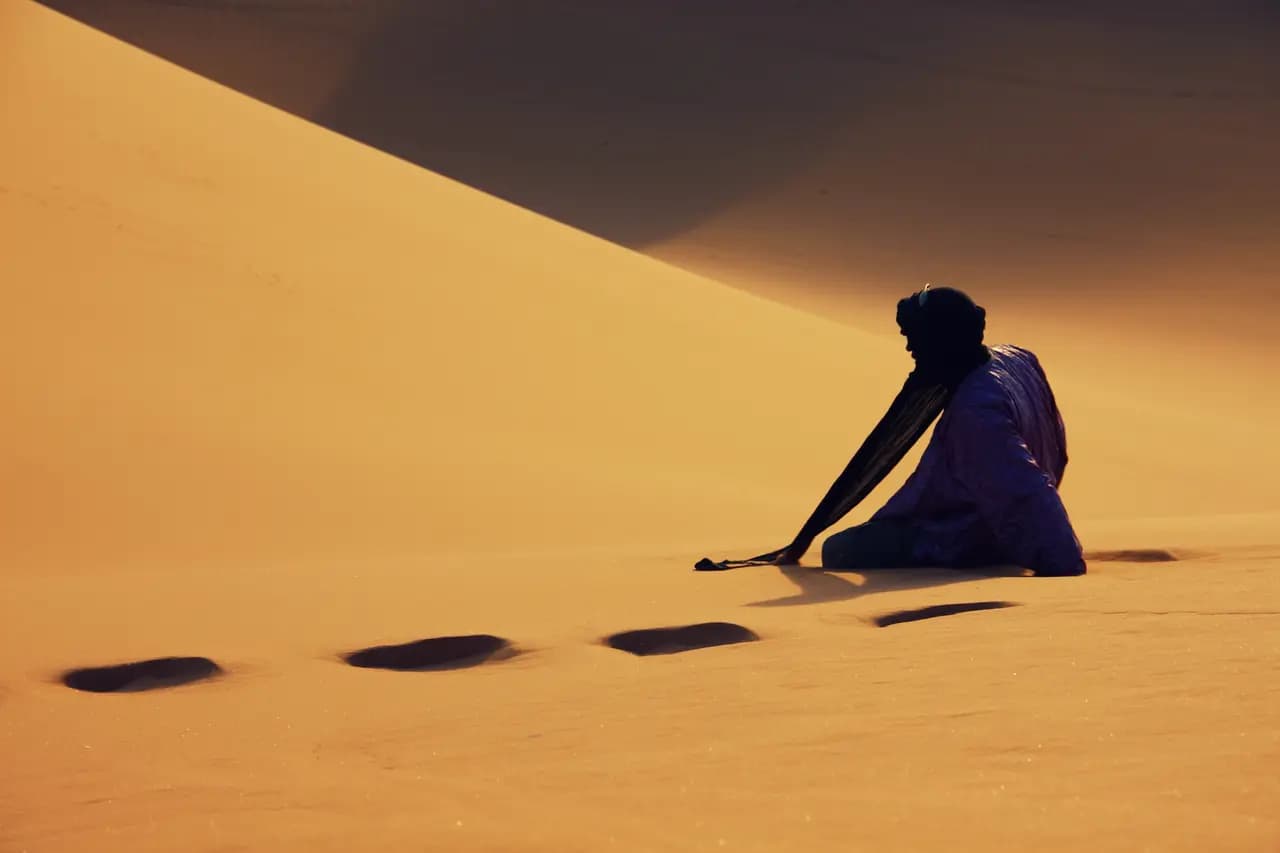
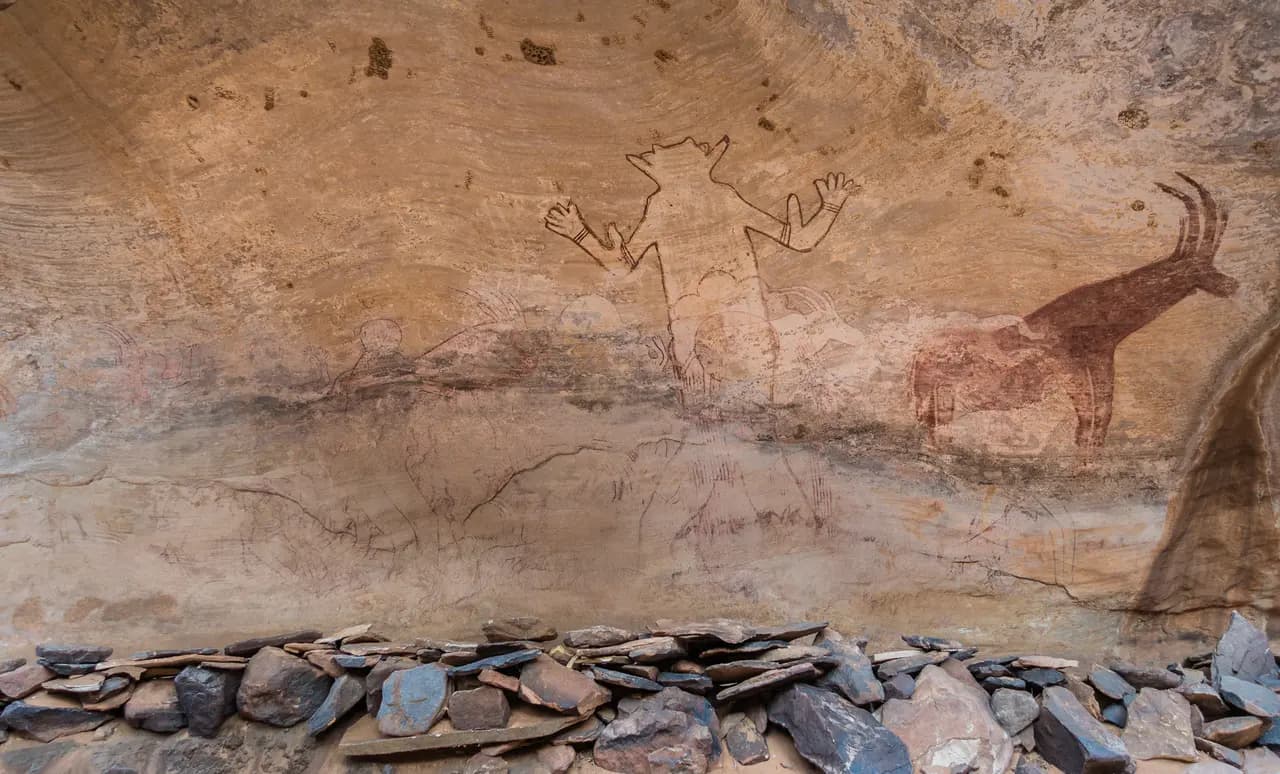
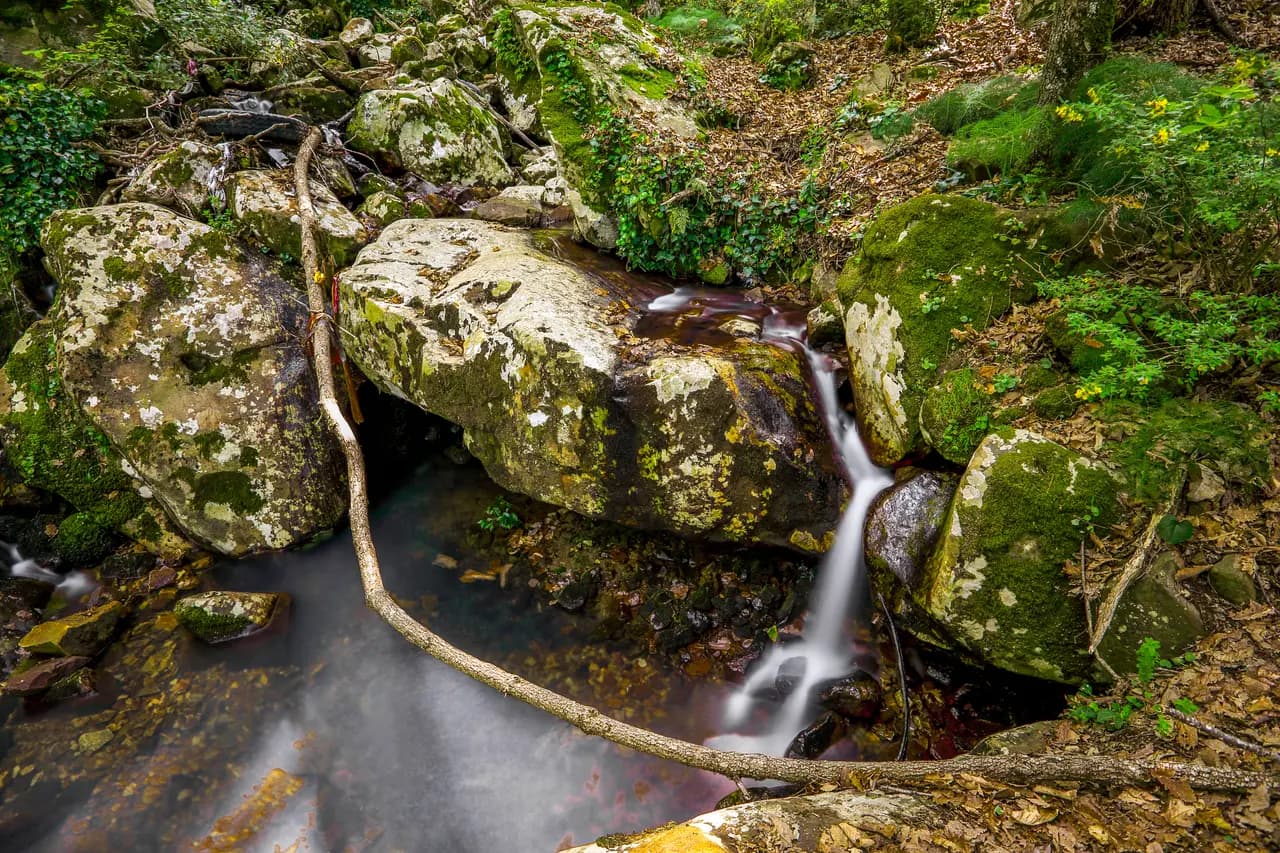
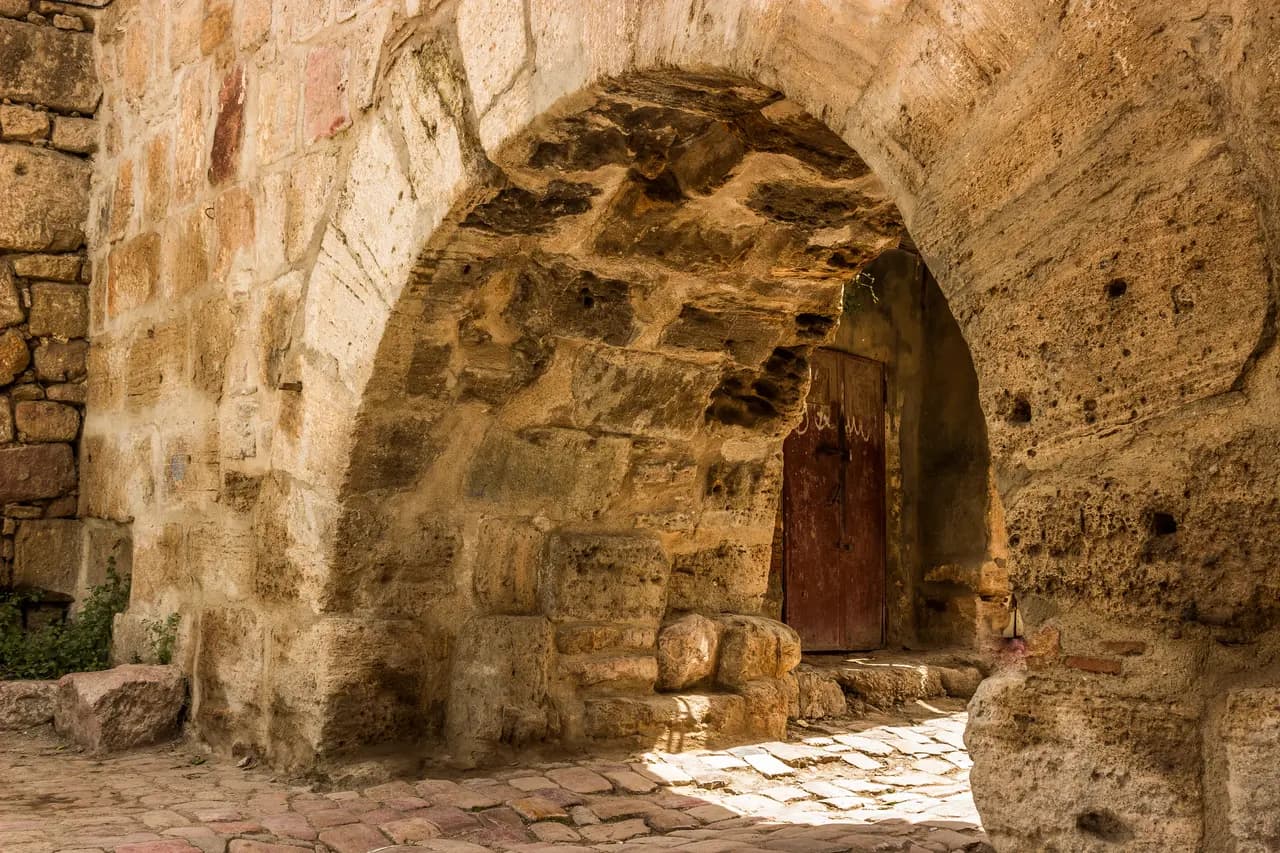
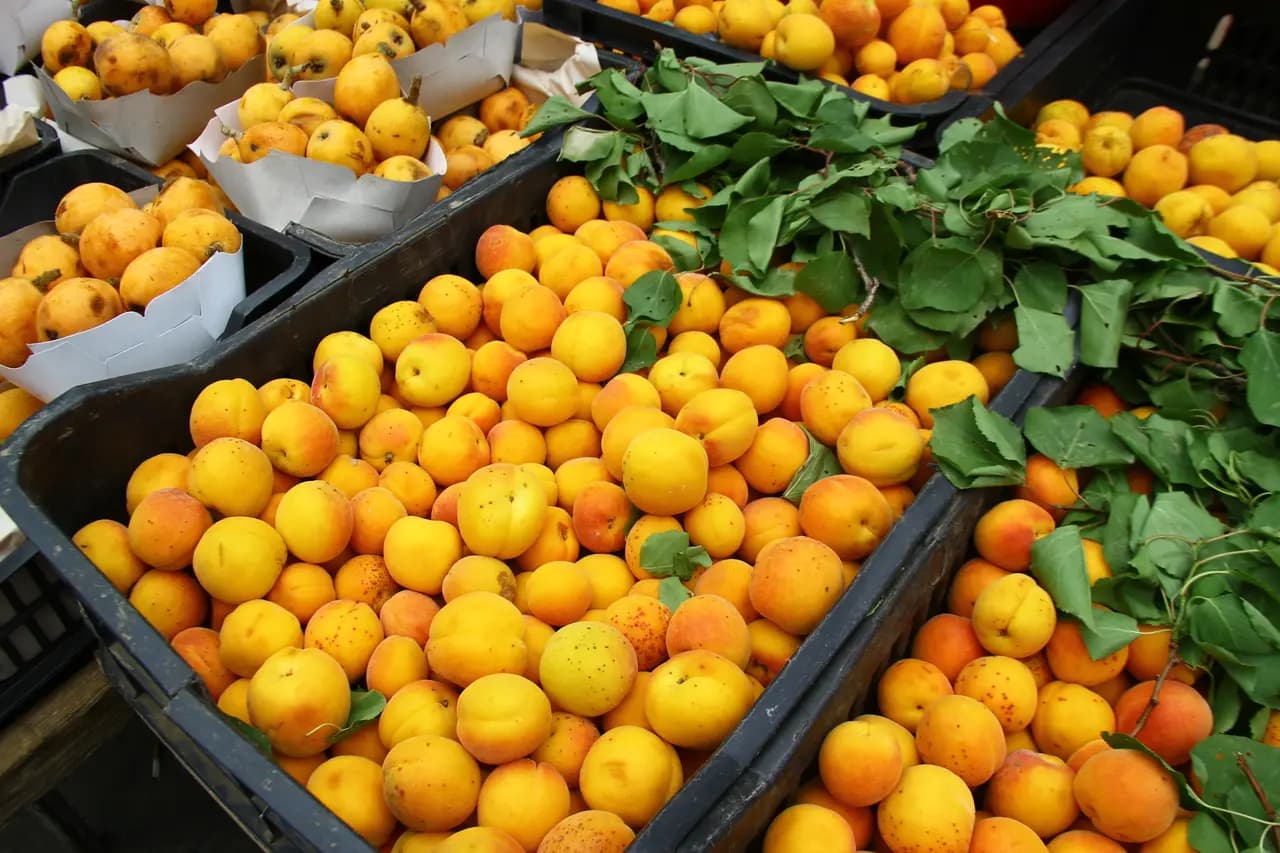
Share your trip with #viafro: the best images will join this gallery, with your credit.
Sourced data (World Bank). No investment advice.
World Bank data (World Development Indicators), consulted on 28 Oct 2026. Tourist arrivals are the latest year published.
Book your stay and take the right guidebook along: partner links, labelled as such, to current prices.
Affiliate link: Viafro earns a commission at no extra cost to you.The Viafro letter
A short letter, when there is something to say. One-click unsubscribe.
Information checked on 28 Oct 2026. Check the official source before you travel. Viafro gives no safety rating and publishes no price without a source.