The checklist as a PDF
Entry, health, money, transport and safety, laid out for print, with their sources and verification date.
Central Africa
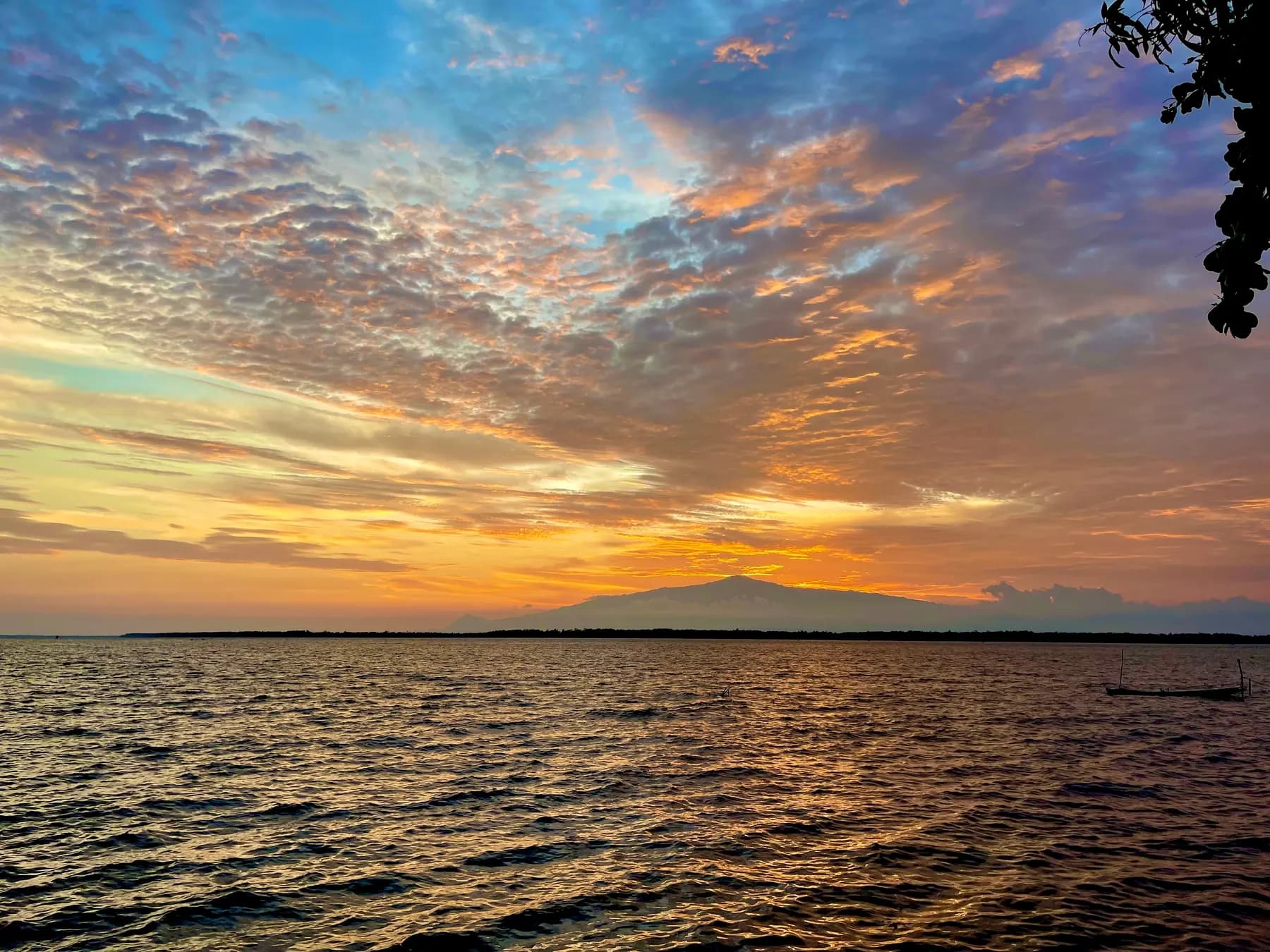
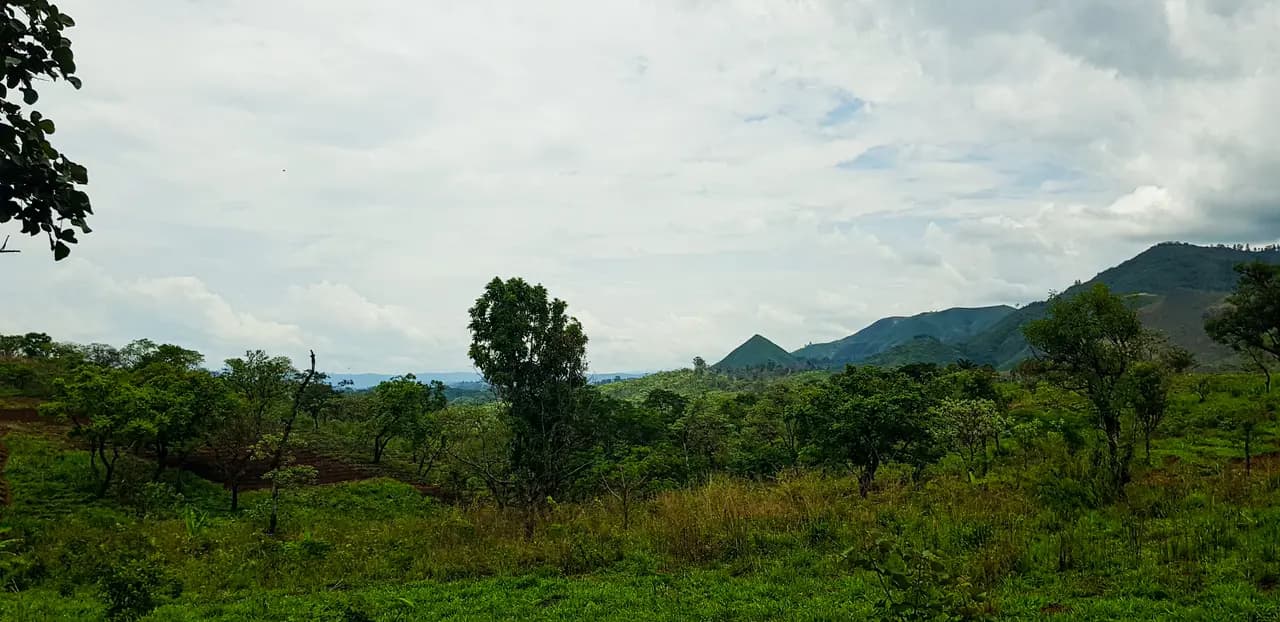
Mountains, breathtaking views, paradise beaches and food. Mandara cultural landscapes and the forests of Dja and Sangha.
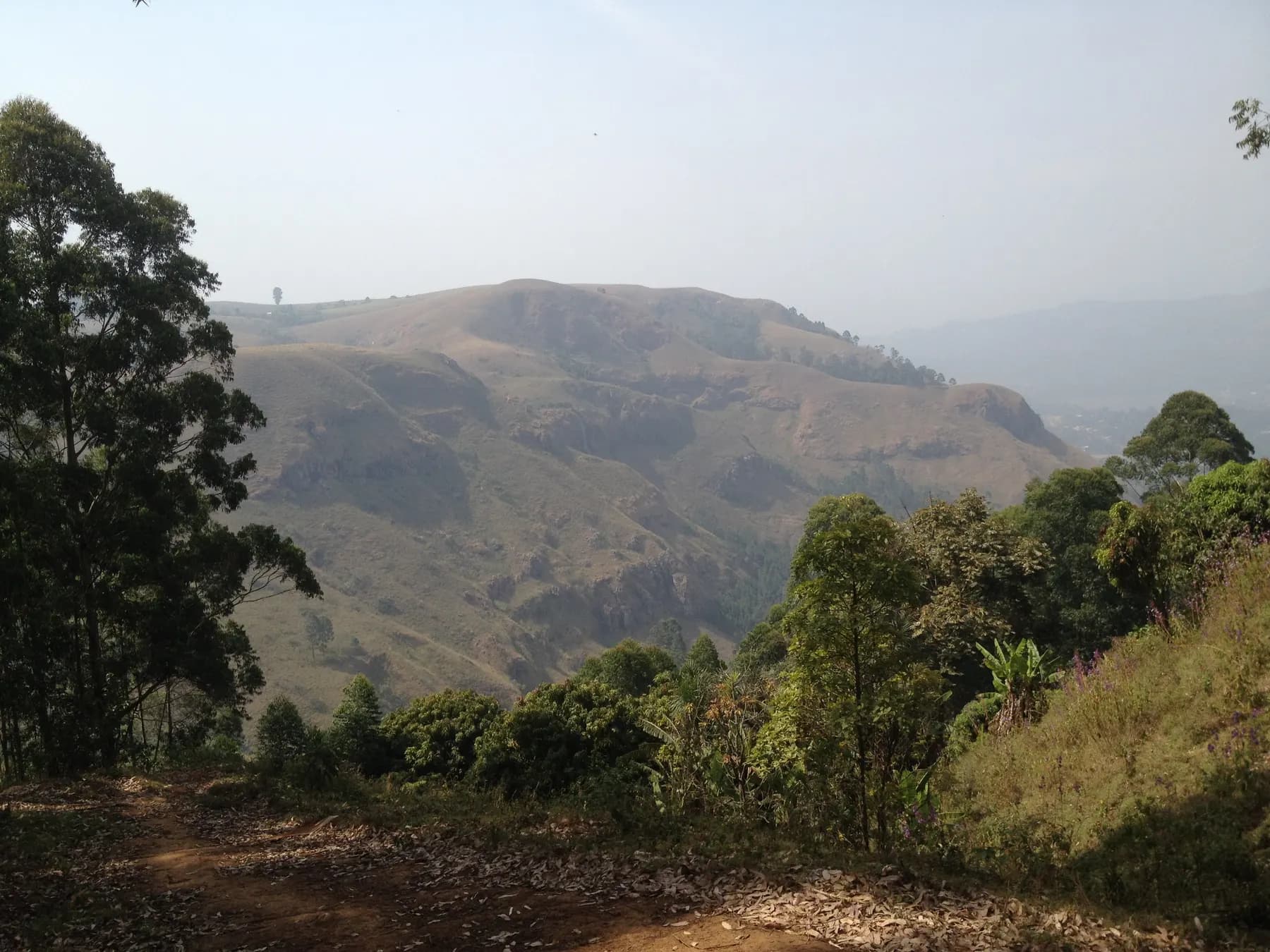
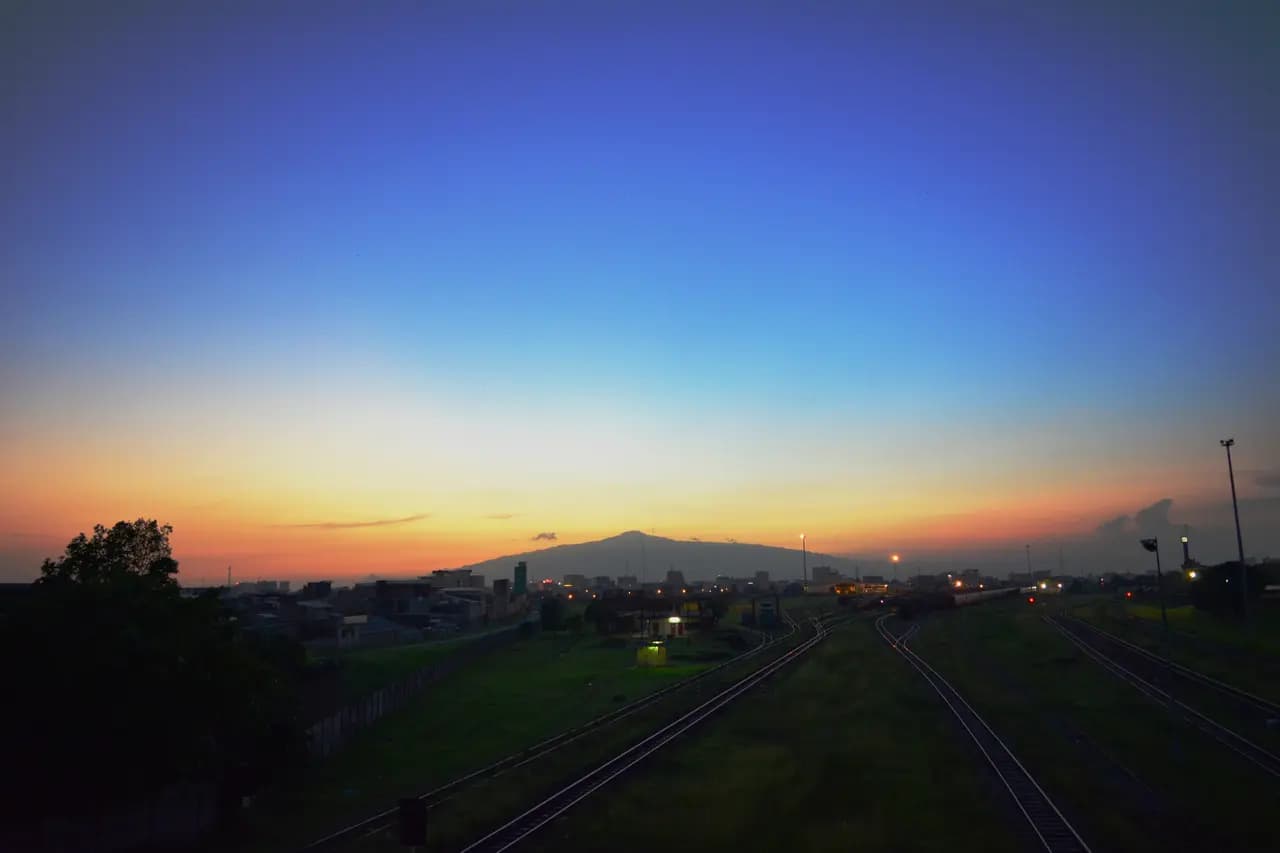
An editorial bearing, with no percentage and no rating: our criteria are written down, and every “good to know” links to its source.
Hover or tap a month: its reading and its source appear. Bars measure rain, the figure is the capital’s mean maximum.
Possible
Yaoundé: mean maximum 30 °C, 108 mm of rain · frequent rain.
Source: Wikipedia (climate normals)
Entry, health, safety, money and facts: dated official extracts, never paraphrased.
Visa, passport, customs
GOV.UK advice, written for British passport holders. French travellers: see France Diplomatie (https://www.diplomatie.gouv.fr/fr/information-par-pays/cameroun/conseils-aux-voyageurs-entree-sejour).
Vaccines, malaria, water
This is not medical advice: talk to your doctor or an international vaccination centre before you travel.
Per the ministries
Viafro gives no safety rating: here are the zones and advice published by the French ministry (in French) and the official extracts, with their dates.
Vigilance zones published by France Diplomatie (in French) · page updated on 15 Sept 2026 · see the official map
Région de l’Extrême-Nord : toute la région de l’Extrême-Nord du Cameroun est formellement déconseillée du fait d’opérations militaires, du risque terroriste et du risque d’enlèvements, y compris les Monts Mandara en…
Région du Nord : le département du Mayo-Louti, voisin de la région de l’Extrême-Nord, est formellement déconseillé.
Région du Nord et départements de la Vina et du Mbéré dans l’Adamaoua : dans les régions du Nord, à l’exception du département du Mayo-Louti, et dans l’Est de l’Adamaoua (départements de la Vina et du Mbéré), le risque…
Région du Sud-Ouest : au-delà des axes et zones formellement déconseillés, cette région connaît une insécurité croissante et des actes terroristes meurtriers.
Régions du Littoral et du Sud : les visites des chutes d’Ekom (entre Bafang et Nkongsamba) doivent être organisées en groupe et il convient de quitter les lieux avant la tombée de la nuit.
Départements du Mayo-Banyo, du Djérem et du Faro-et-Déo, à l’Ouest de la région de l’Adamaoua : les visites du parc du Mbam et Djérem ainsi que les trajets sur les axes routiers de ces trois départements doivent être…
What the country’s law provides
Photography, alcohol, drugs, relationships: the rules published by the ministries, quoted as they stand, without comment.
Currency
Central African CFA francViafro publishes no price or budget range without a source: amounts will come from our own expenses recorded on the ground, dated and itemised.
Entry, health, money, transport and safety, laid out for print, with their sources and verification date.
Express card
Structured data from Wikidata and the CIA World Factbook, re-checked at every site update.
Direct flights from Paris are to be checked on the airport’s or airline’s website.
On the road
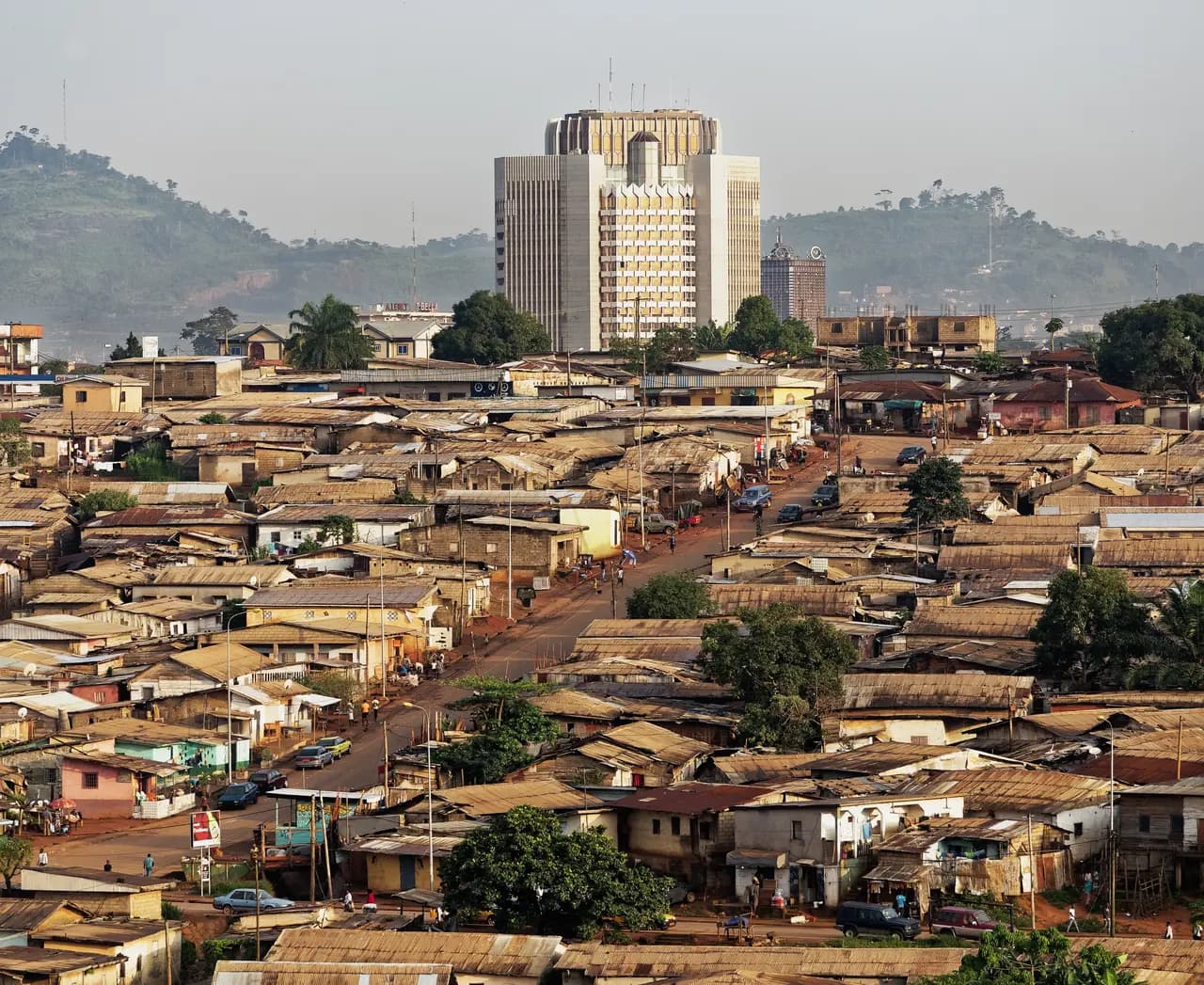
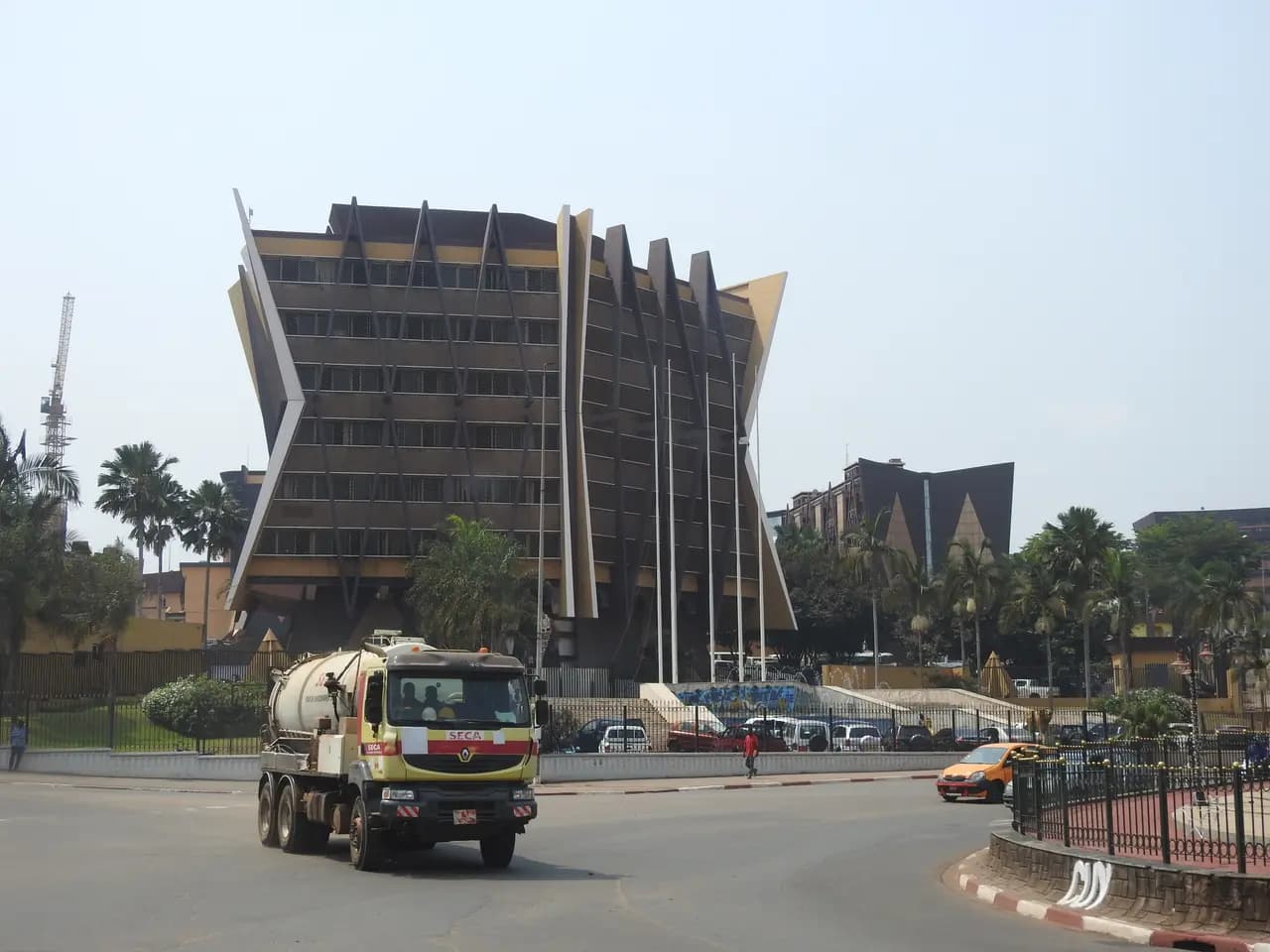
Yaoundé (UK:; US:, French pronunciation: [ja.unde]) is the capital city of Cameroon.
Douala is the largest city in Cameroon and its economic capital.
Kribi is a coastal town in the South region of Cameroon, located along Gulf of Guinea where the Lobé River meets the Atlantic Ocean.
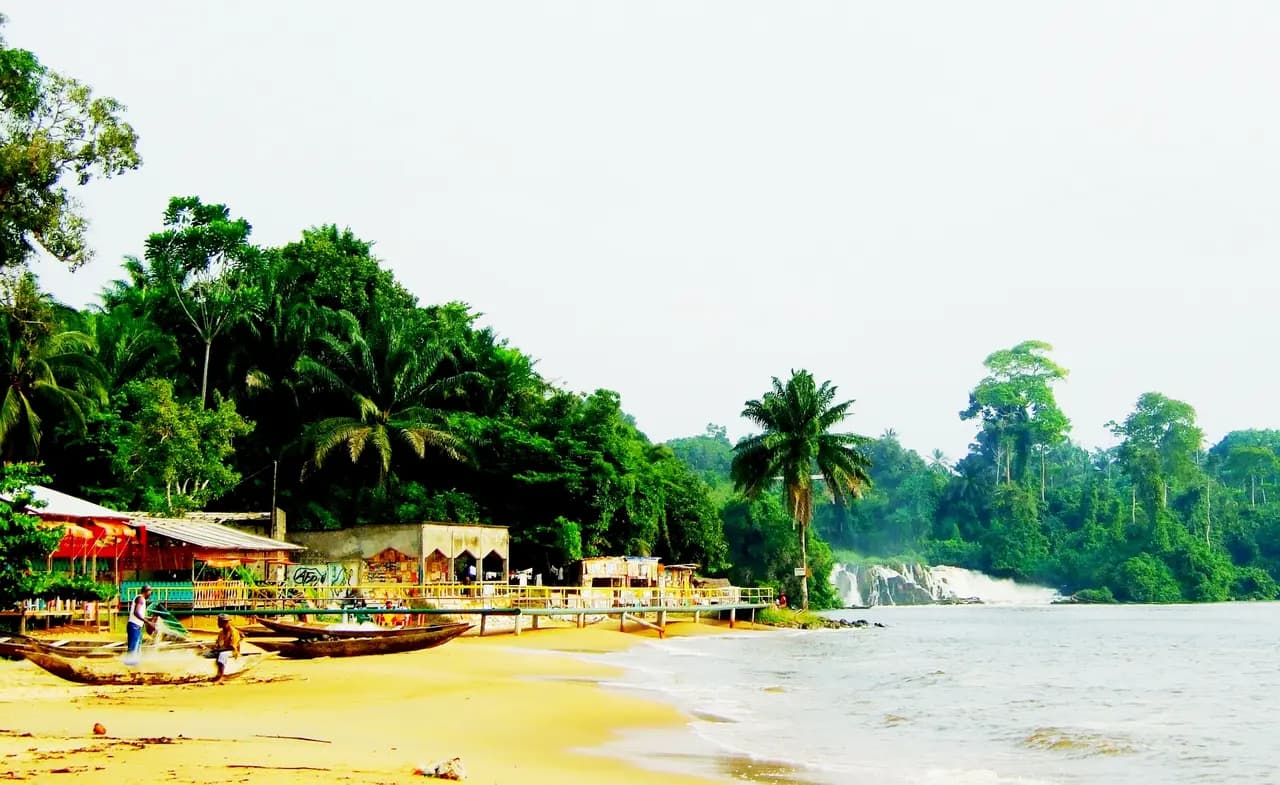
Limbe (known as Victoria from 1858 to 1982) is a seaside city in the South-West Region of Cameroon.
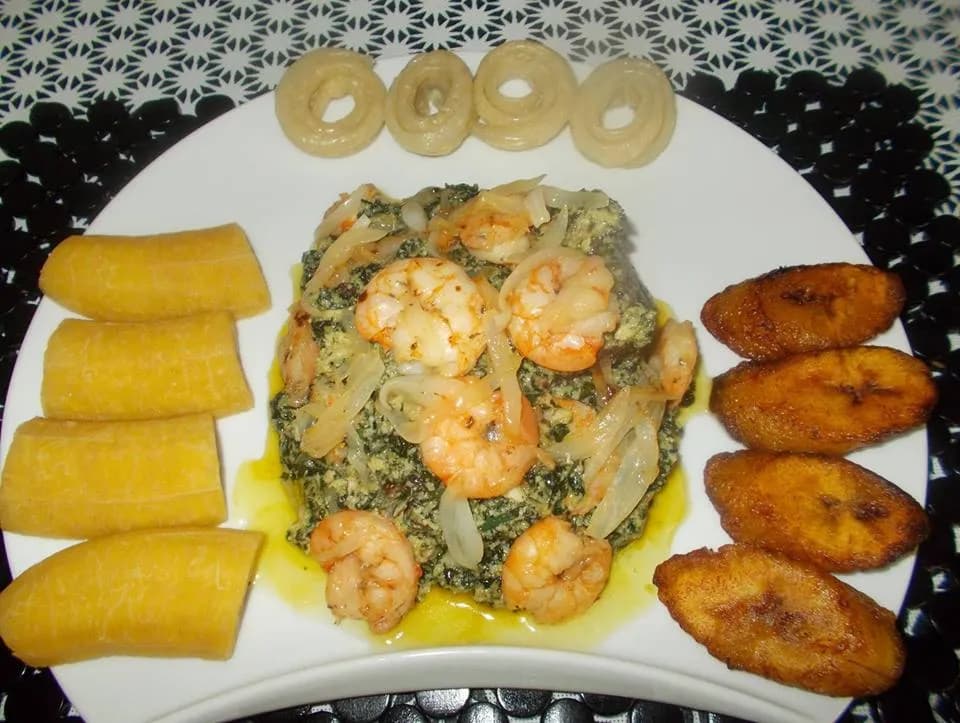
Ndolé, also written Ndole or Ndolè, is a Cameroonian dish consisting of stewed ground peanuts, crayfish, garlic, onions, and ndoleh leaves. The dish originated in Douala, in the Littoral Region of Cameroon. Ndolé is widely regarded as the national dish of Came
Eru is a vegetable from Cameroon. It is a specialty of the Bayangi people, of the Manyu departement in southwestern Cameroon. It is vegetable soup made up of finely shredded leaves of the eru or okok. The eru is cooked with waterleaf or spinach, palm oil, cray
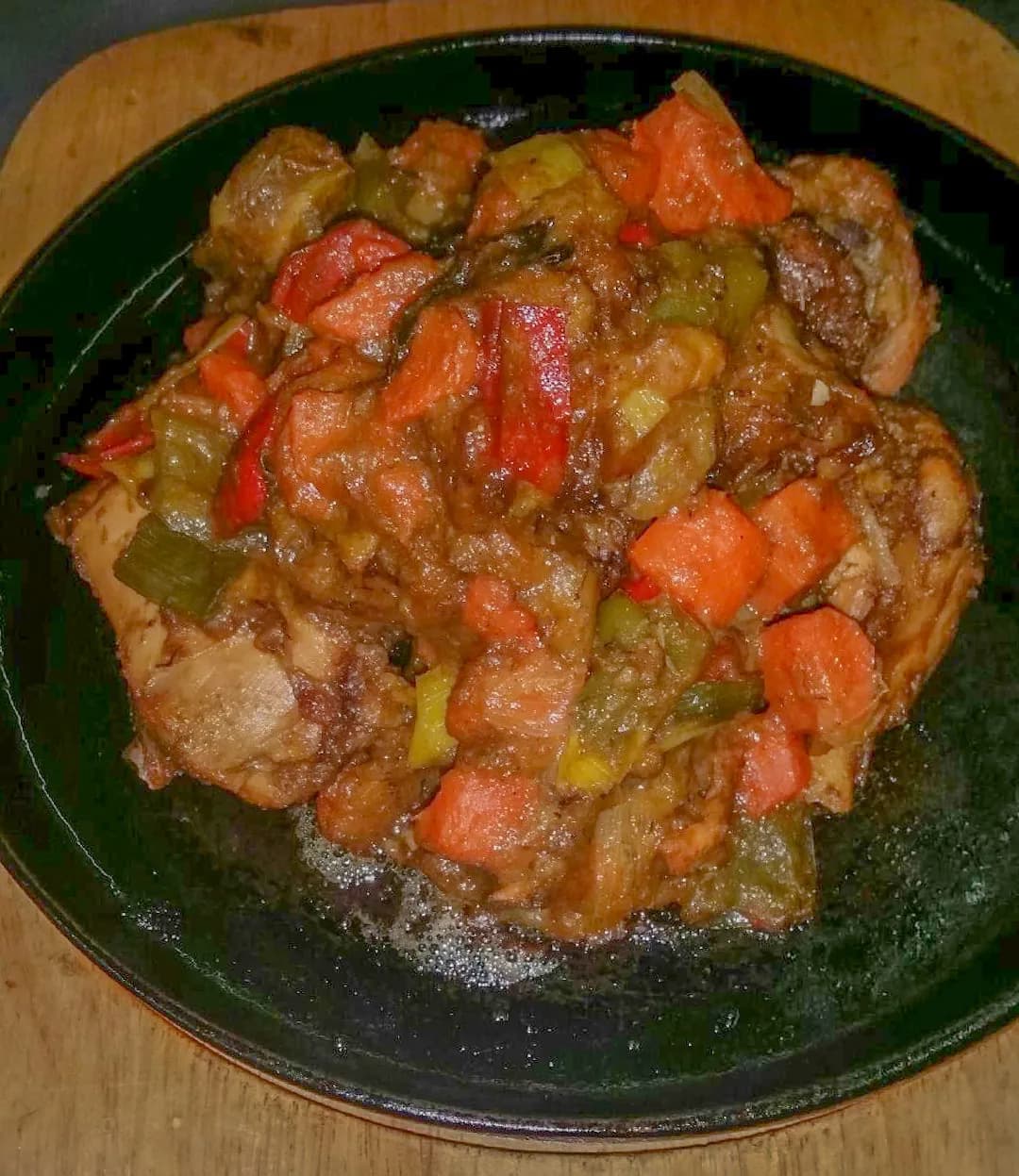
Le poulet DG est un mets traditionnel de la cuisine camerounaise. C'est un sauté de poulet frit, de plantains tranchées et pré-frites ainsi que de légumes et de divers aromates. C'est une recette simple, ne demandant que peu d'ingrédients exotiques. (summary in French)
Le taro à la sauce jaune ou le achu est un plat issu de la région du Nord-Ouest du Cameroun. (summary in French)
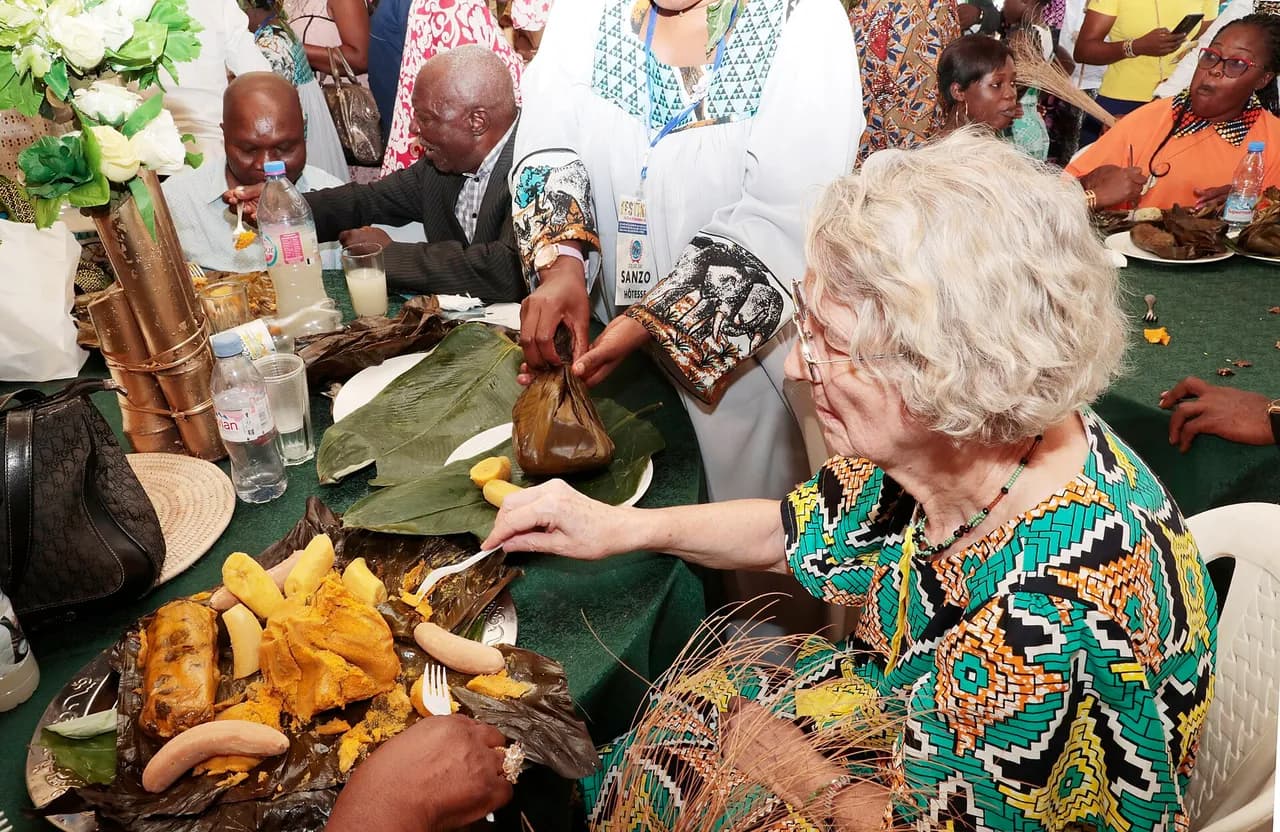
Koki, also known as cowpea cake or black-eyed pea cake, is a Cameroonian dish originating from the Mbo people in the department of Moungo, of the Bazou and Bafang peoples in the Southwest Region, as well as the Makaa, Bassa and Banen peoples of the West Region
Achu soup is a yellow soup that is a traditional food in Cameroon. It is made with cocoyam, spices, water, palm oil, "Canwa / Nikki" (limestone), and fish or other ingredients.
State Unification Day (National Day), 20 May (1972).
1 January 1960 (from French-administered UN trusteeship).
Fixed dates and moveable events, each with its source; moveable dates change every year and are to be checked on an official calendar.
The country’s highest point, Mount Cameroon, reaches 4,095 m.
29,879,337 inhabitants in 2025 on 475,442 km², about 63 per km².
Independence on 1 January 1960 (from French-administered UN trusteeship).
Real photographs: free images under a verified licence and Viafro images. Never a generated image. Credits in the footer.
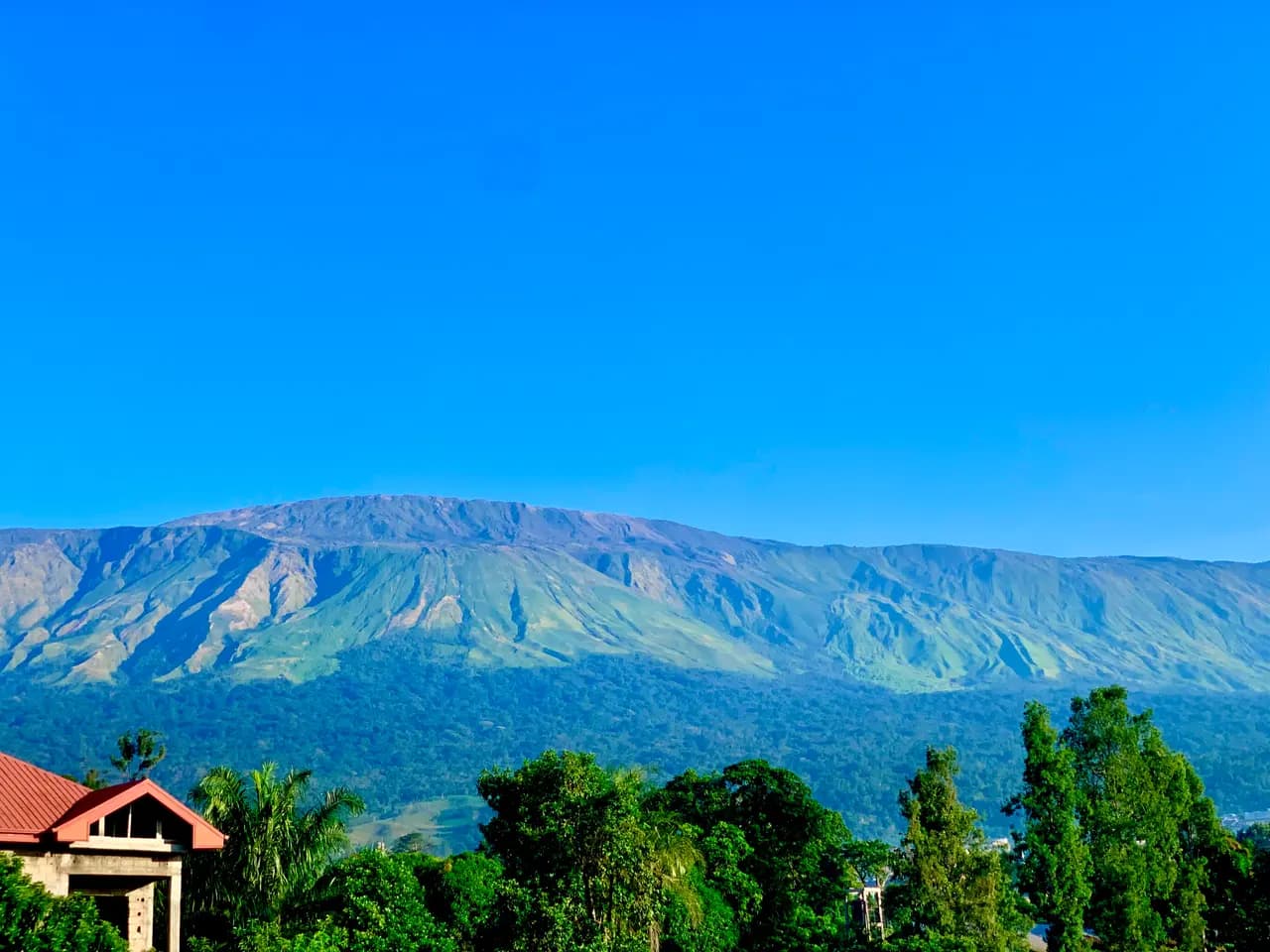
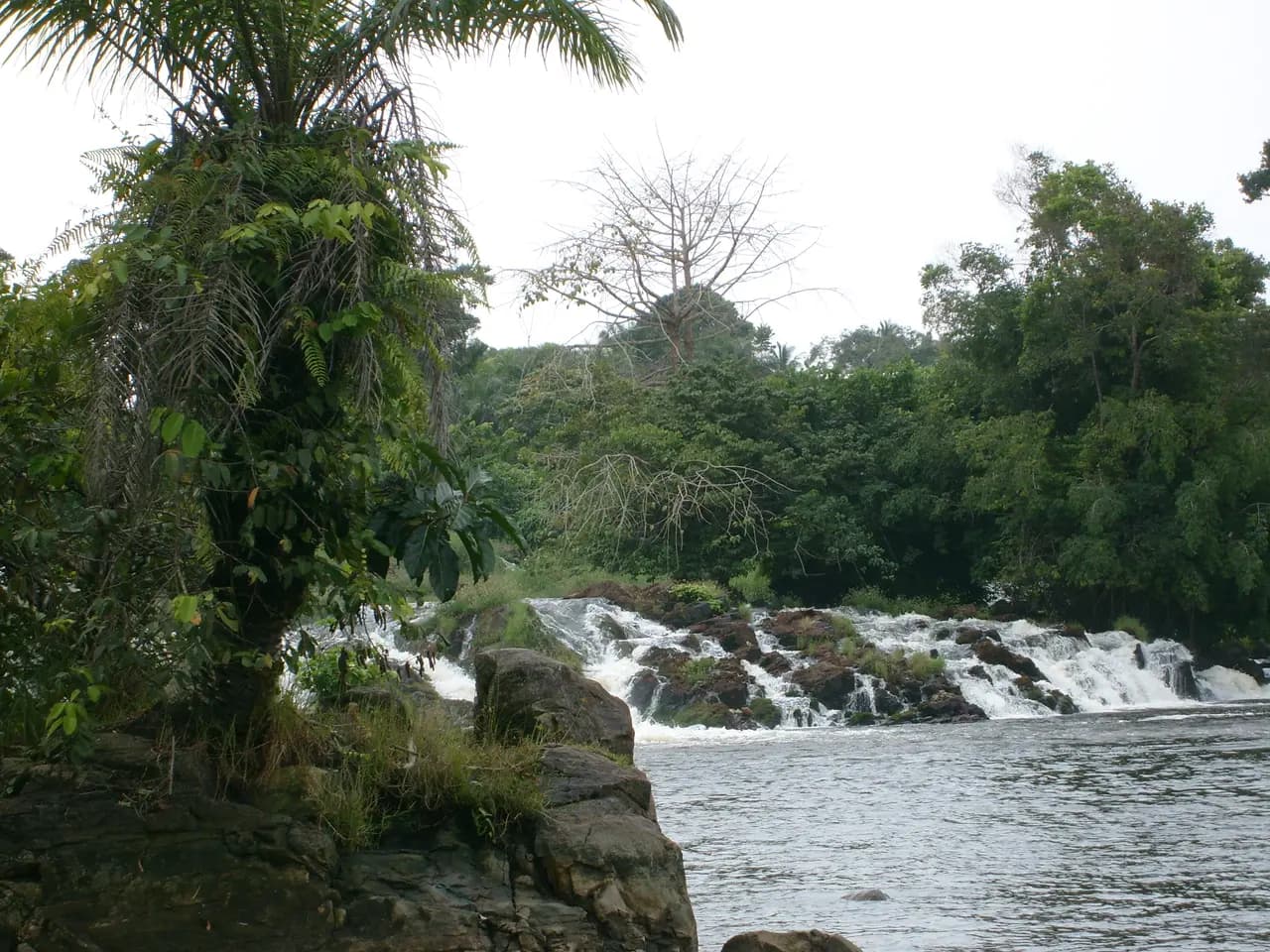
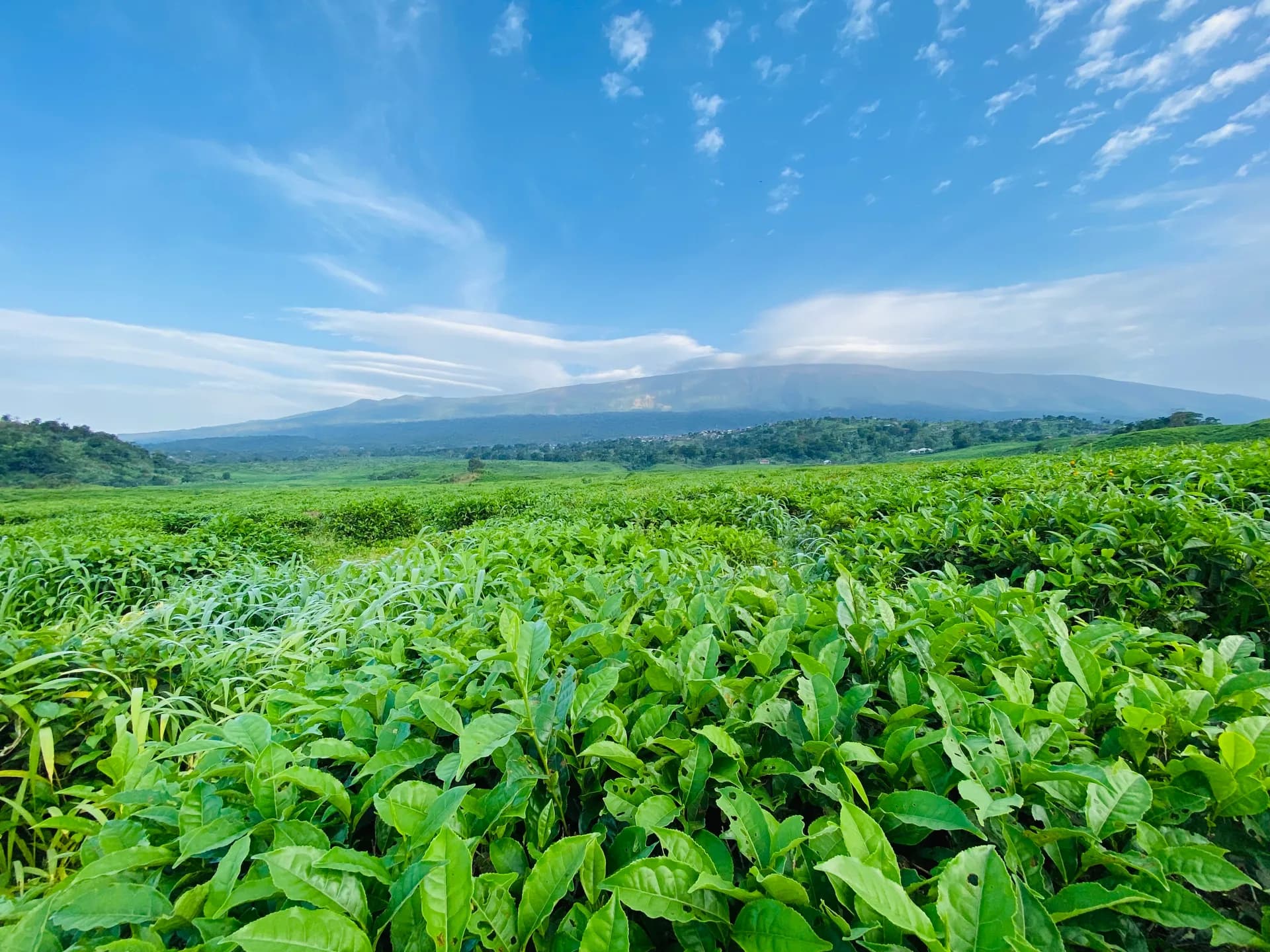
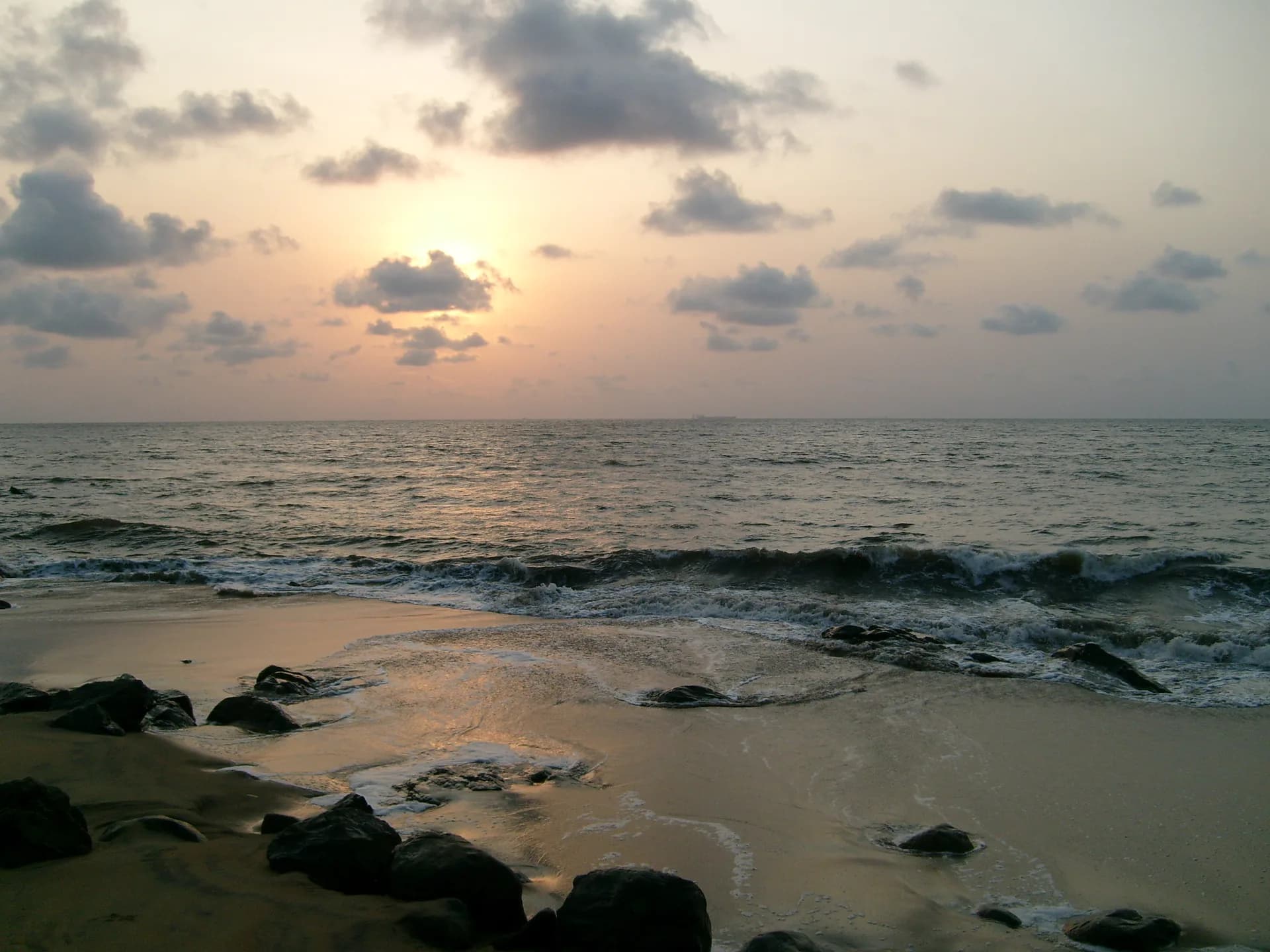
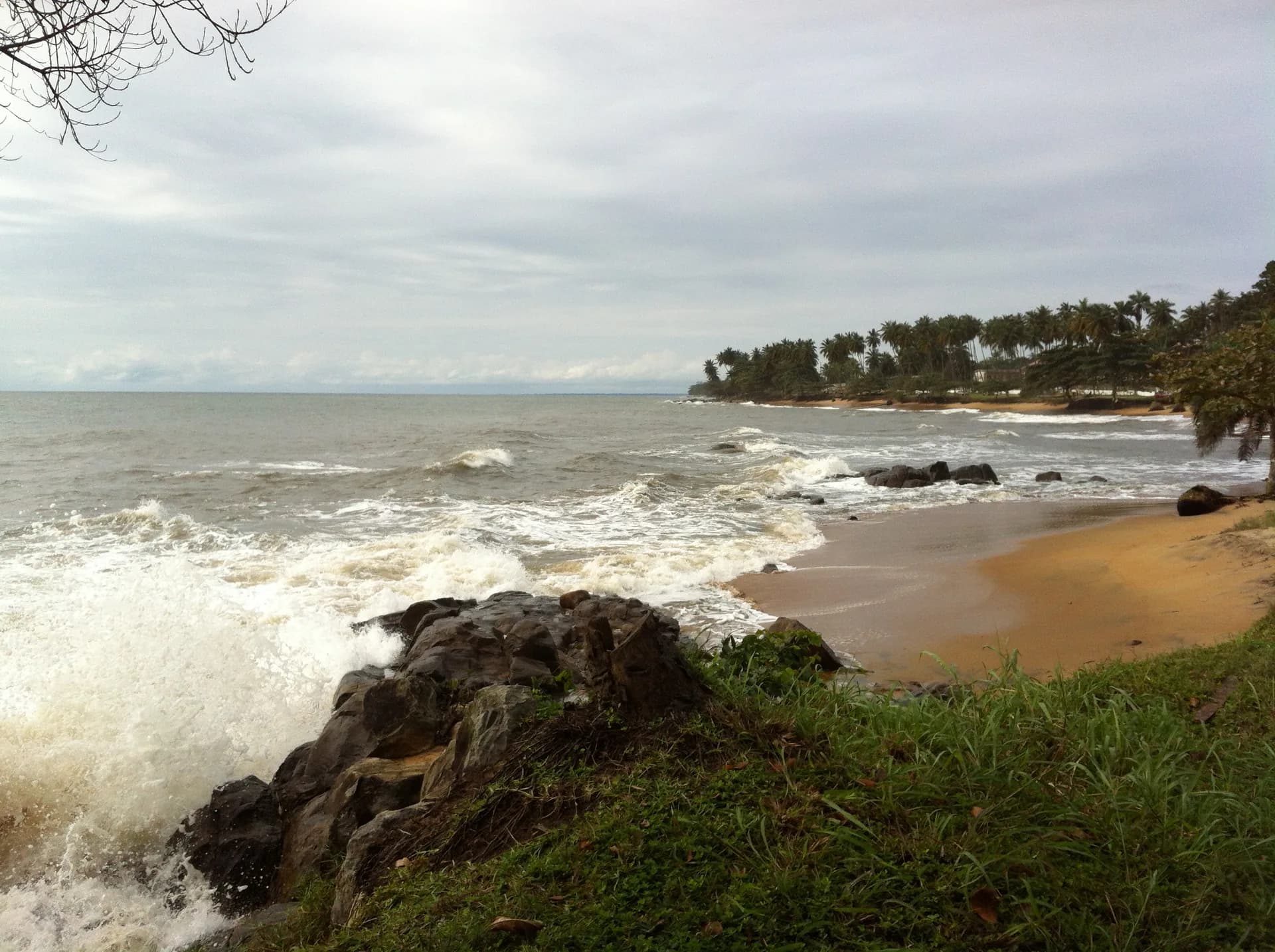
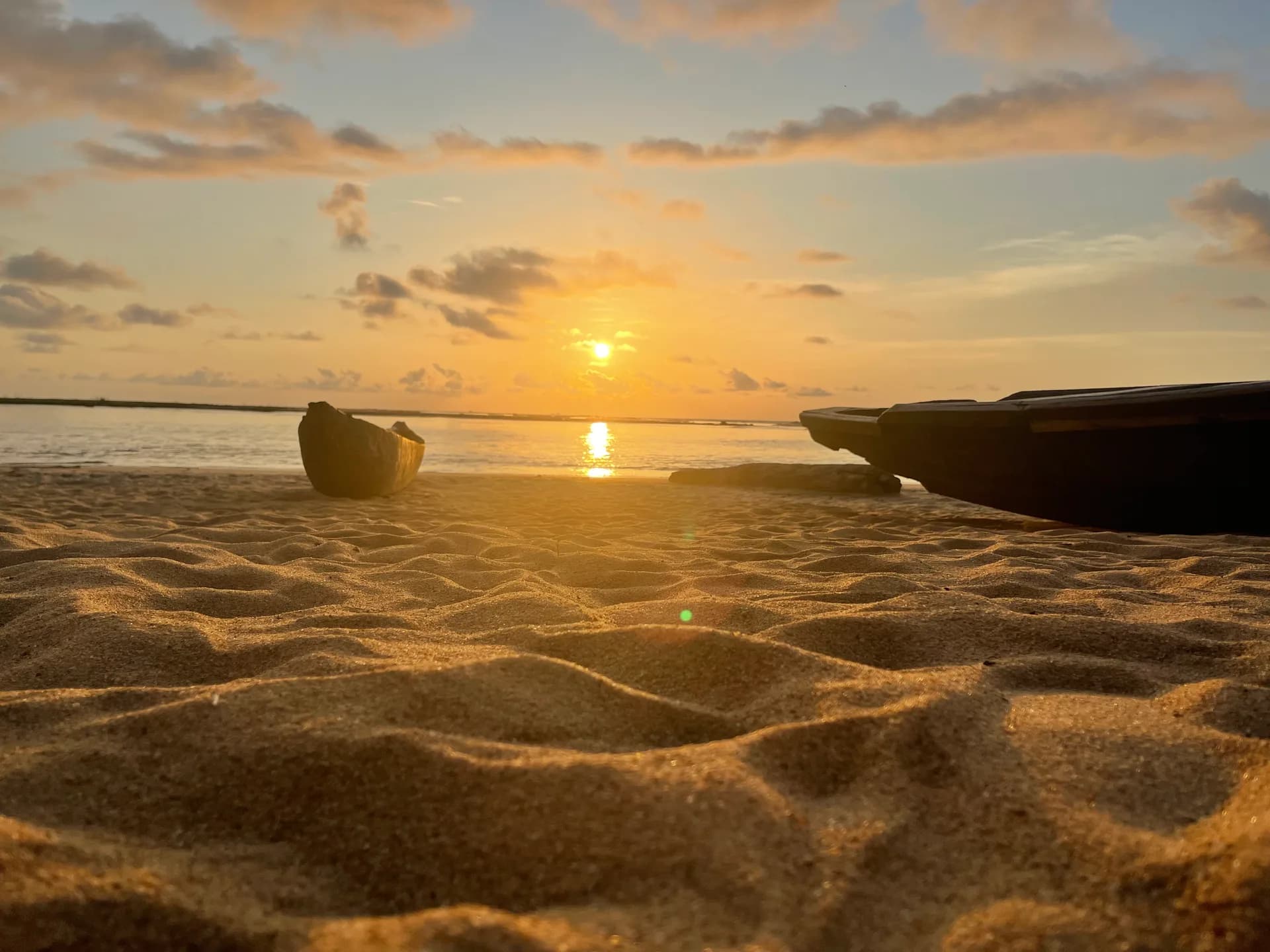
Share your trip with #viafro: the best images will join this gallery, with your credit.
Sourced data (World Bank). No investment advice.
World Bank data (World Development Indicators), consulted on 28 Oct 2026. Tourist arrivals are the latest year published.
Book your stay and take the right guidebook along: partner links, labelled as such, to current prices.
Affiliate link: Viafro earns a commission at no extra cost to you.The Viafro letter
A short letter, when there is something to say. One-click unsubscribe.
Information checked on 28 Oct 2026. Check the official source before you travel. Viafro gives no safety rating and publishes no price without a source.
Explore nearby