The checklist as a PDF
Entry, health, money, transport and safety, laid out for print, with their sources and verification date.
East Africa
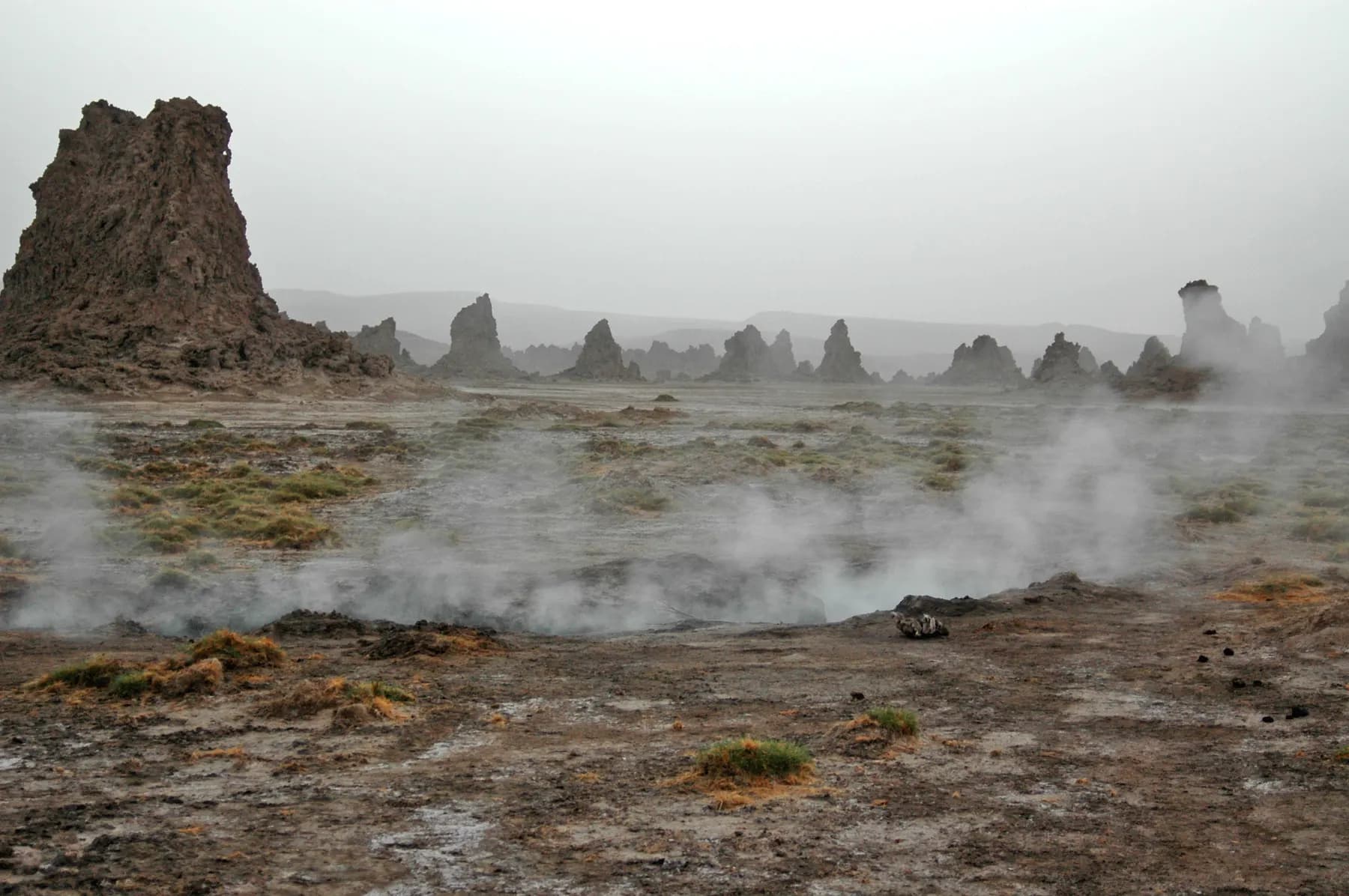
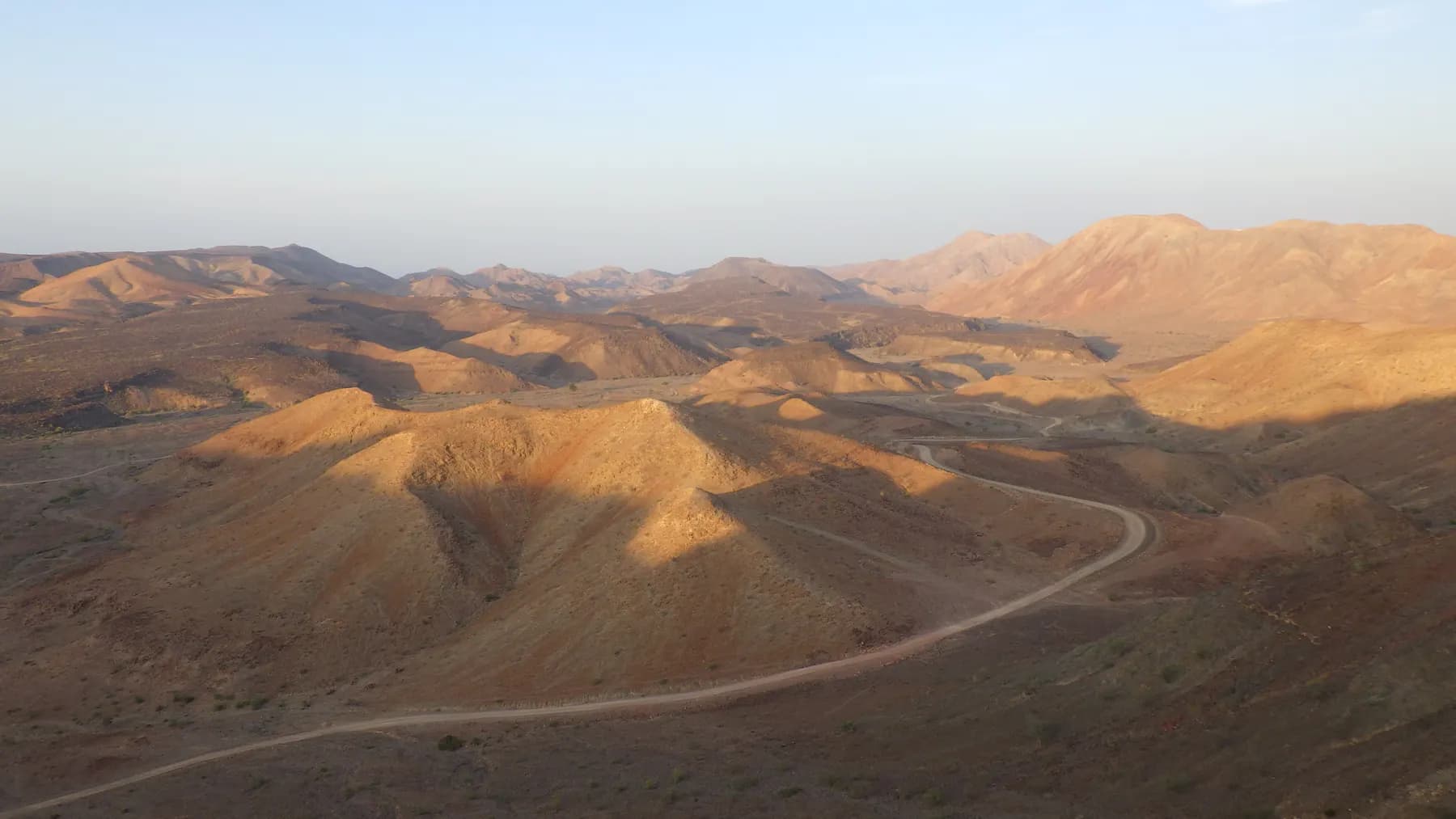
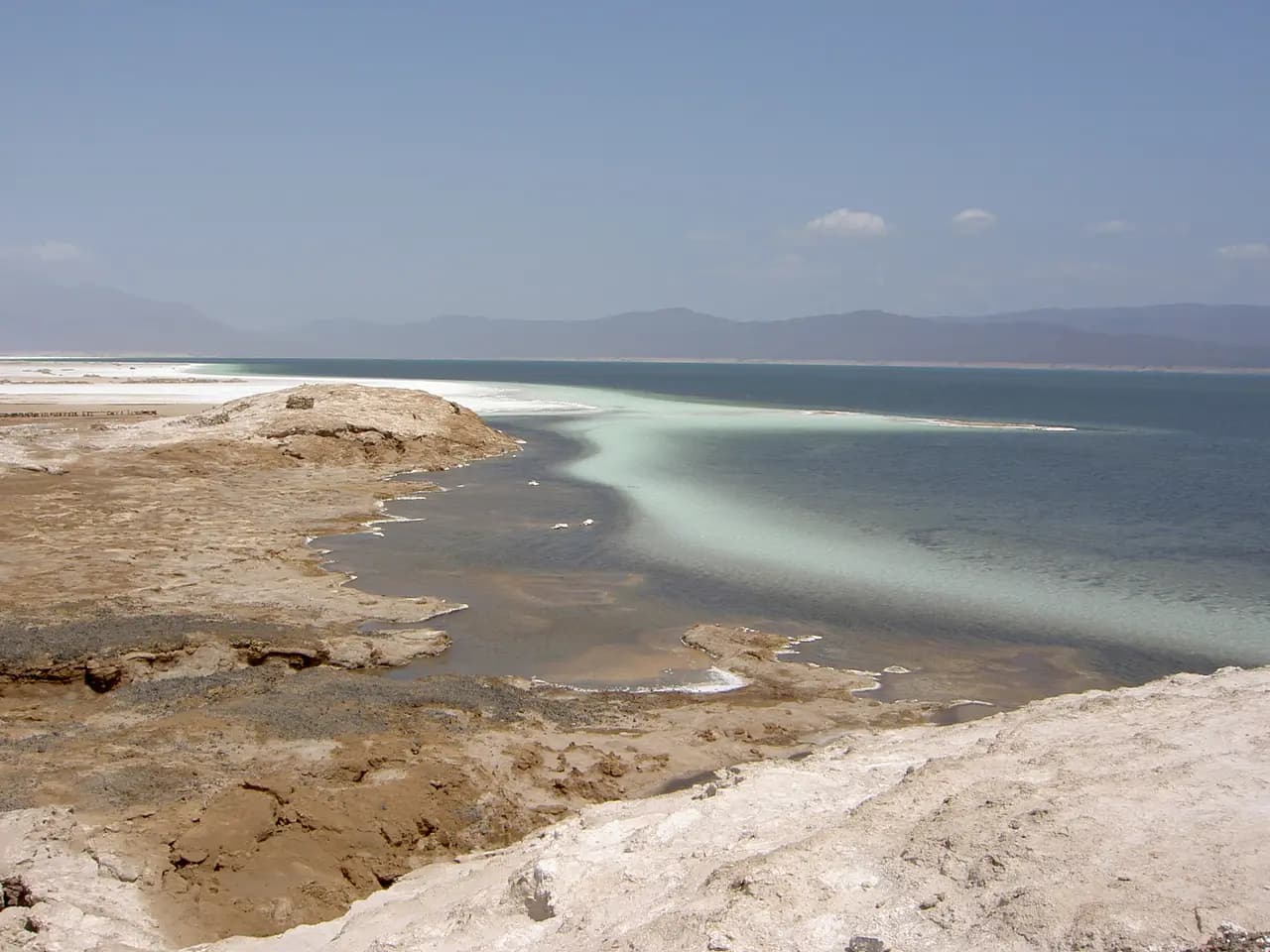
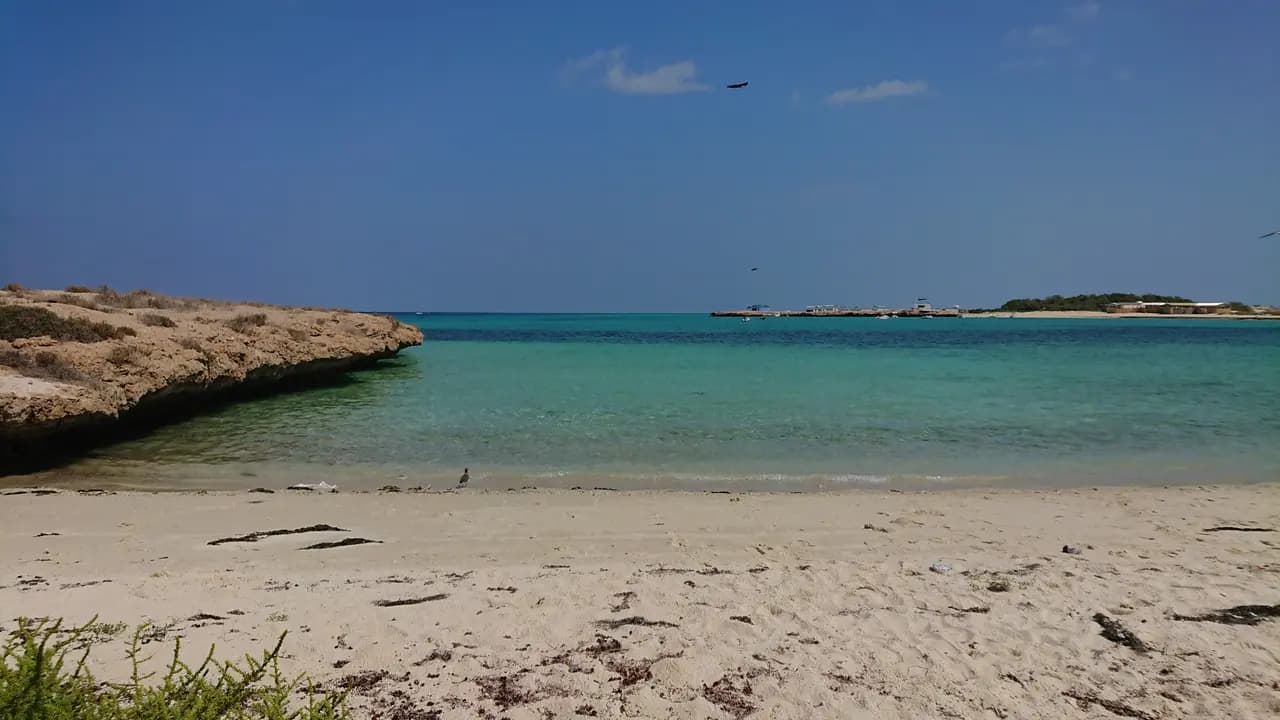
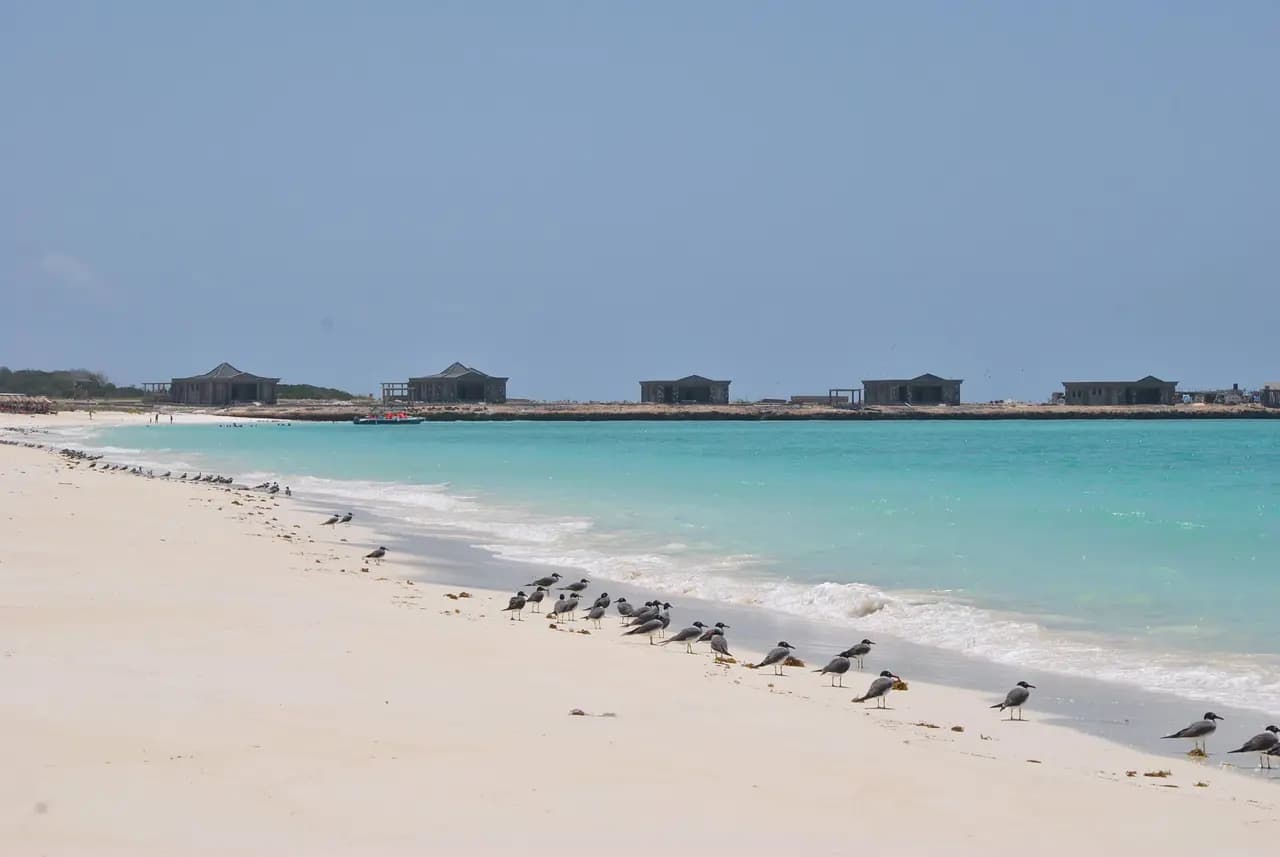
Red Sea, paradise beaches, salt lakes and desert. Lake Assal, Abourma rock engravings and the landscapes of Obock.
An editorial bearing, with no percentage and no rating: our criteria are written down, and every “good to know” links to its source.
Hover or tap a month: its reading and its source appear. Bars measure rain, the figure is the capital’s mean maximum.
Ideal
Djibouti: mean maximum 31 °C, 22 mm of rain · dry and mild.
Source: Wikipedia (climate normals)
Entry, health, safety, money and facts: dated official extracts, never paraphrased.
Visa, passport, customs
GOV.UK advice, written for British passport holders. French travellers: see France Diplomatie (https://www.diplomatie.gouv.fr/fr/information-par-pays/djibouti/conseils-aux-voyageurs-entree-sejour).
Vaccines, malaria, water
This is not medical advice: talk to your doctor or an international vaccination centre before you travel.
Per the ministries
Viafro gives no safety rating: here are the zones and advice published by the French ministry (in French) and the official extracts, with their dates.
Vigilance zones published by France Diplomatie (in French) · page updated on 15 Sept 2026 · see the official map
Il est possible de circuler librement dans le pays mais les frontières terrestres et maritimes sont à éviter.
Au nord, en raison du différend frontalier entre l’Érythrée et Djibouti, il demeure formellement déconseillé d’approcher la zone frontalière par voie terrestre, maritime ou aérienne.
En dehors des zones rouges, l’intégralité du pays est en zone de vigilance renforcée. Il est possible d’y circuler en respectant les Recommandations générales listées ci-après.
L’attention des voyageurs est attirée sur le contrôle que les autorités militaires djiboutiennes exercent sur l’accès à une zone au nord des villes situées sur l’axe Balho, Adaïlou, Ouaddhi, Godoria.
What the country’s law provides
Photography, alcohol, drugs, relationships: the rules published by the ministries, quoted as they stand, without comment.
Currency
Djiboutian francViafro publishes no price or budget range without a source: amounts will come from our own expenses recorded on the ground, dated and itemised.
Entry, health, money, transport and safety, laid out for print, with their sources and verification date.
Express card
Structured data from Wikidata and the CIA World Factbook, re-checked at every site update.
Direct flights from Paris are to be checked on the airport’s or airline’s website.
On the road
Djibouti, officially the Republic of Djibouti, is a country in the Horn of Africa, bordered by Somalia to the south, Ethiopia to the southwest, Eritrea in the north, and the Red Sea and the Gulf of Aden to the east.
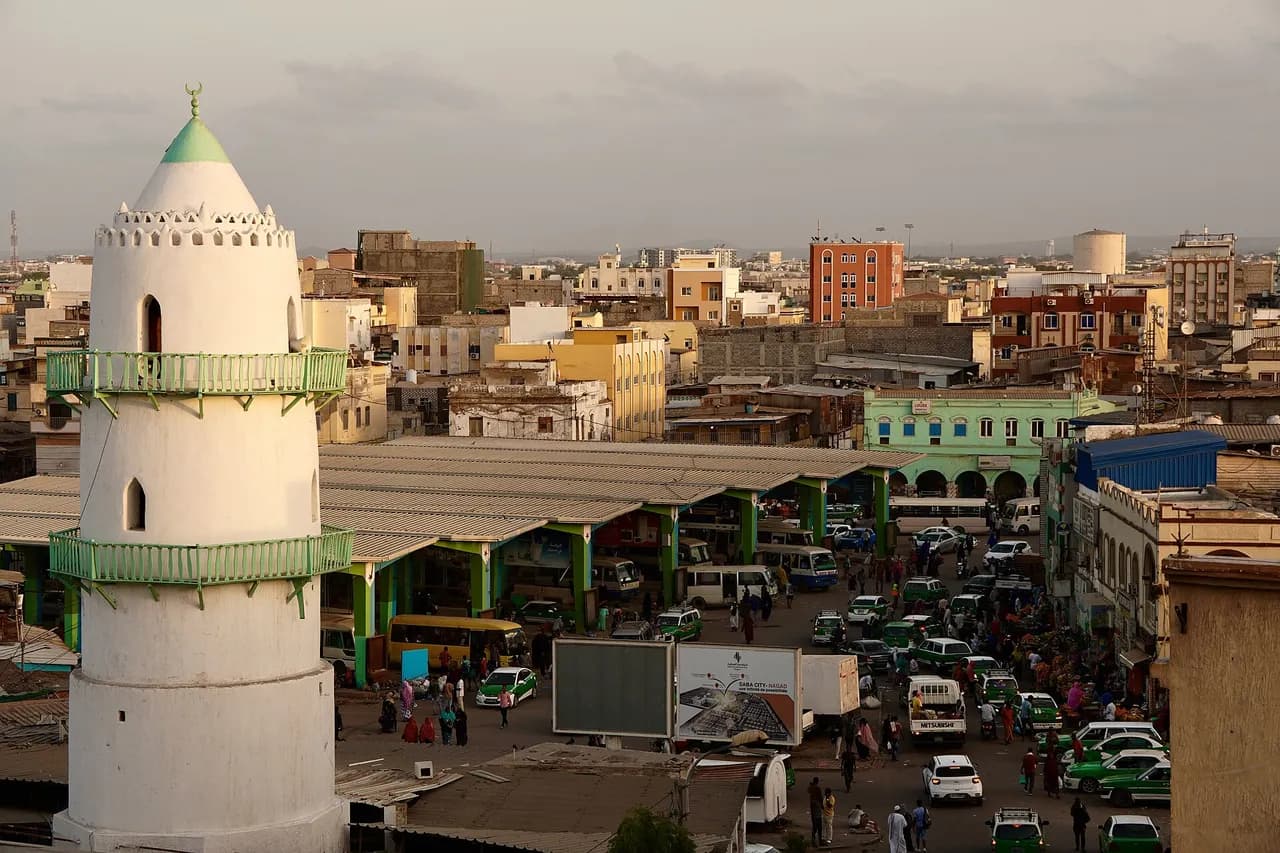
Moucha Island is a small coral island off the coast of Djibouti.
Lake Assal (Arabic: بحيرة عسل Buḥayrah ʿAsal, lit.
Lake Abbe, also known as Lake Abhe Bad, is a salt lake, lying on the Ethiopia-Djibouti border.
Bariis iskukaris, also called isku-dheh karis, is a traditional rice dish from Somali cuisine that is customarily cooked in a single pan or where the tenderization of both rice and stew occurs at some point in a single pan. The name isku-dheh karis literally m
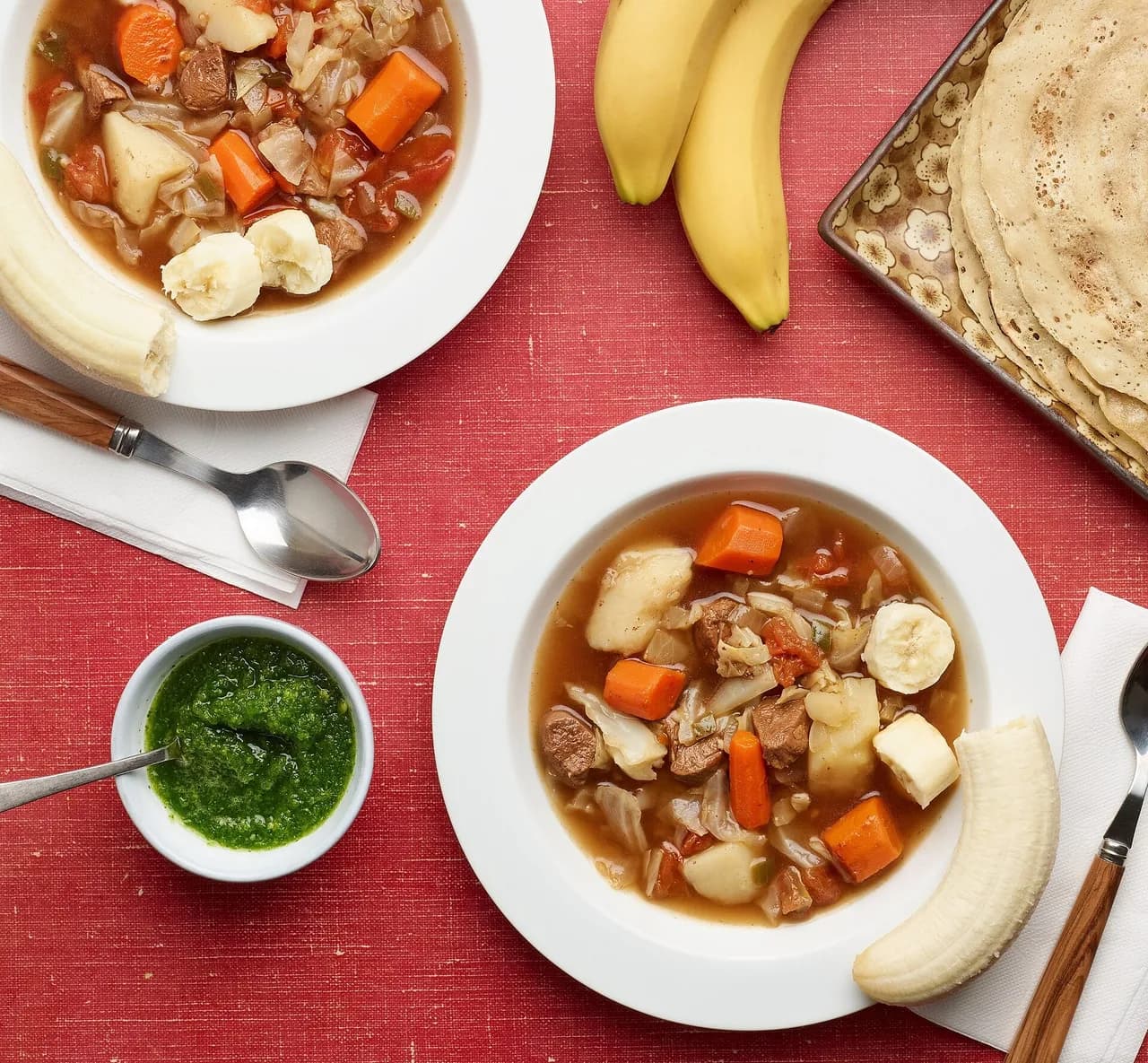
Fah-fah is a Djiboutian soup, mostly eaten in southern parts of the country, as well as northern Somalia. It is popular in East African cuisine. Fah-fah is typically made of goat meat with vegetables and green chilies.
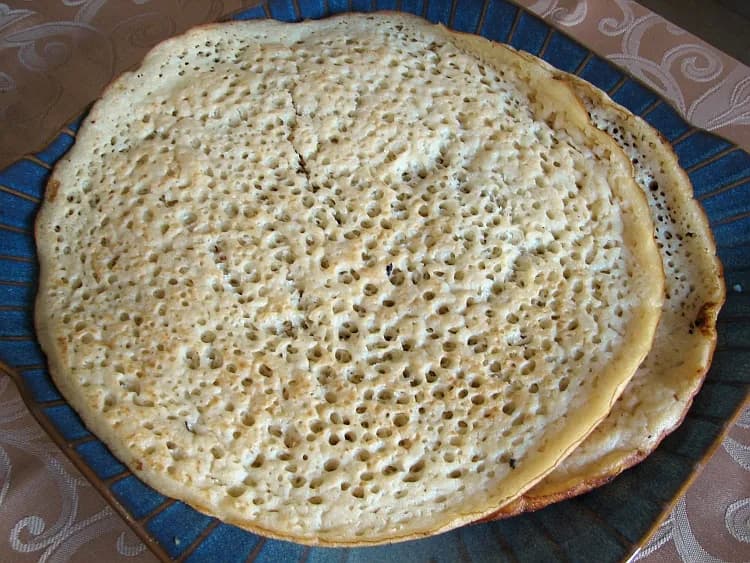
Lahoh (Arabic: لحوح, romanized: laḥūḥ [laħuːħ], Somali: laxoox) is a spongy, flat pancake-like bread. It is a type of flatbread eaten regularly in Somaliland, Somalia, Djibouti, Kenya, Ethiopia, Yemen and Saudi Arabia. Yemenite Jewish immigrants popularized th
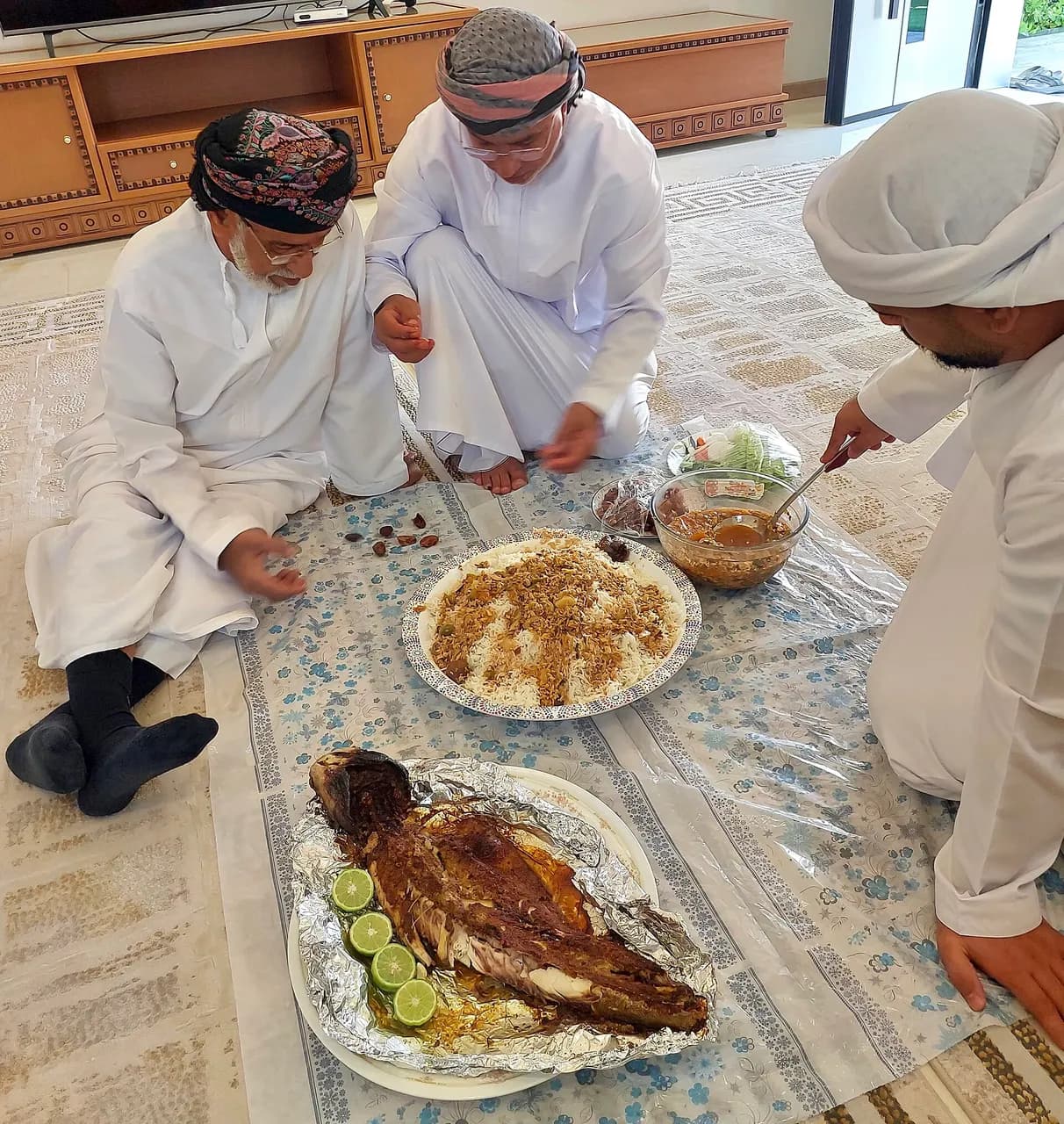
Maraq (Arabic: مرق) is a broth or soup dish commonly eaten in the Greater Somalia region and the Arabian Peninsula. It can also be found in Indonesia.
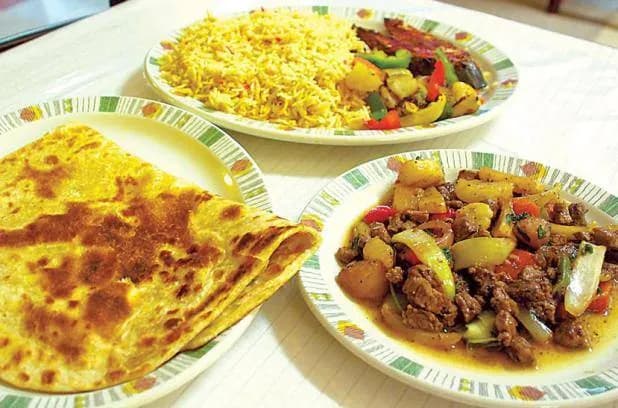
Sabayad, (Somali: Sabaayad) also known as Kimis, Kibis or Ceesh, is a chewy, slightly flaky type of square Somali flatbread eaten in Somalia, Kenya, Ethiopia and Djibouti.
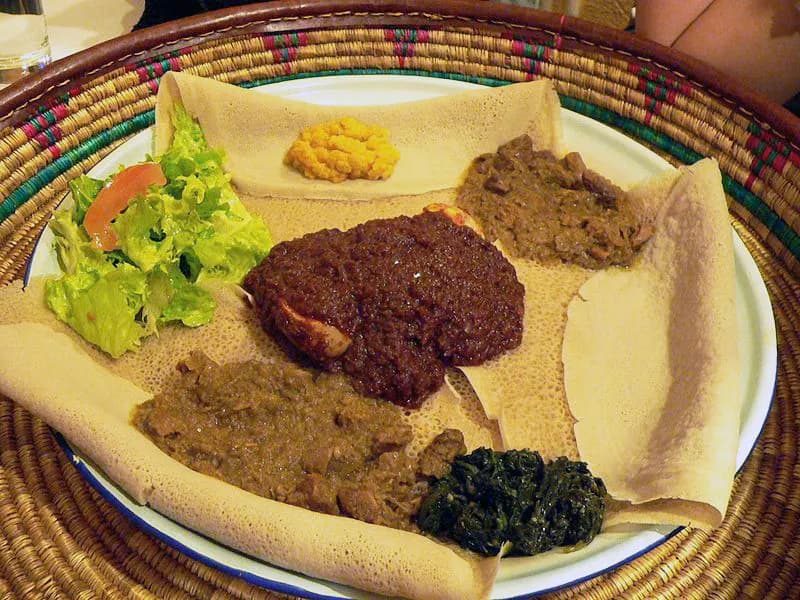
Injera, also known as taita, is a sour fermented pancake-like flatbread with a slightly spongy texture, traditionally made of teff flour. In Ethiopia, injera is a staple. Injera is central to the dining process in Amhara society, like bread or rice elsewhere,
Independence Day, 27 June (1977) ; independence: 27 June 1977 (from France).
Fixed dates and moveable events, each with its source; moveable dates change every year and are to be checked on an official calendar.
The country’s highest point, Mousa Ali, reaches 2,028 m.
1,184,076 inhabitants in 2025 on 23,200 km², about 51 per km².
Independence on 27 June 1977 (from France).
Real photographs: free images under a verified licence and Viafro images. Never a generated image. Credits in the footer.
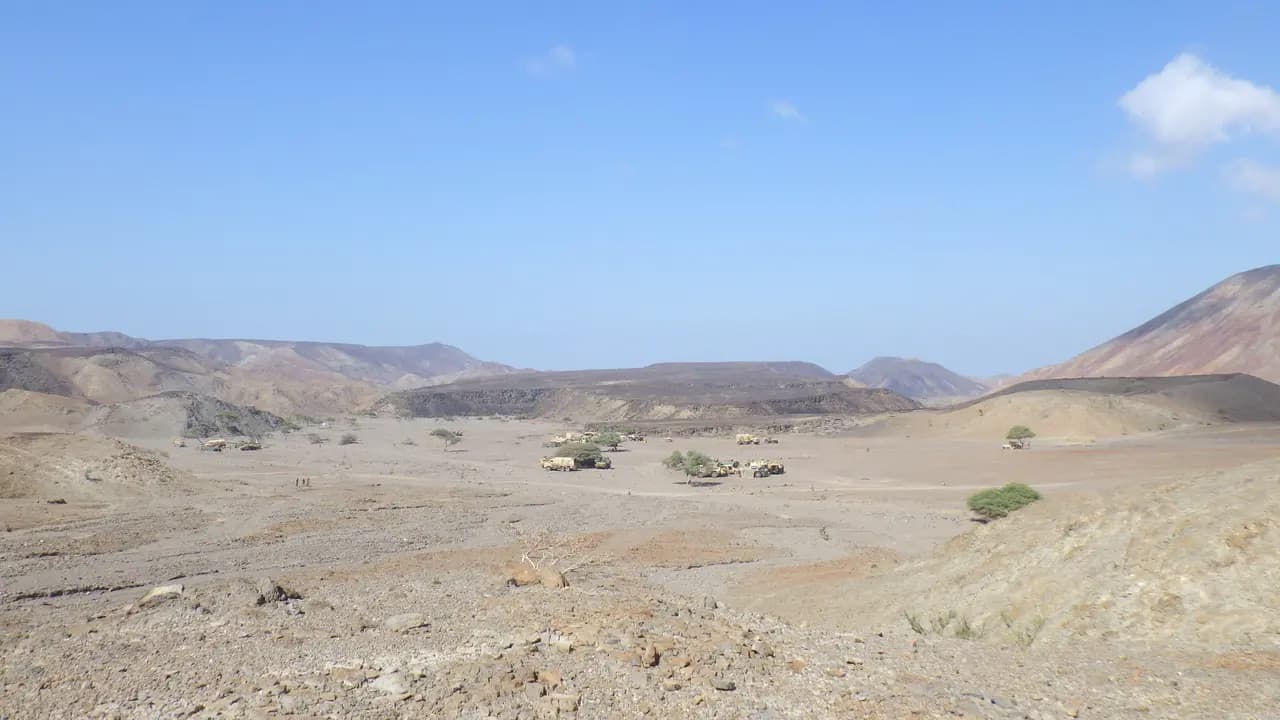
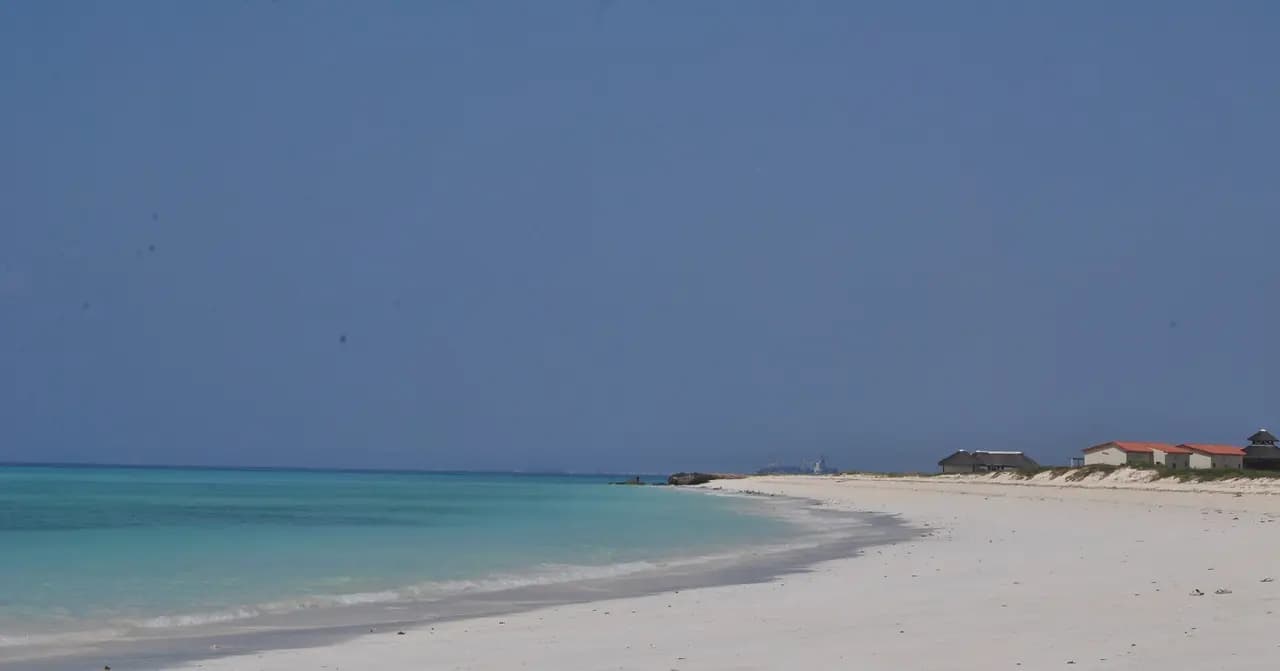
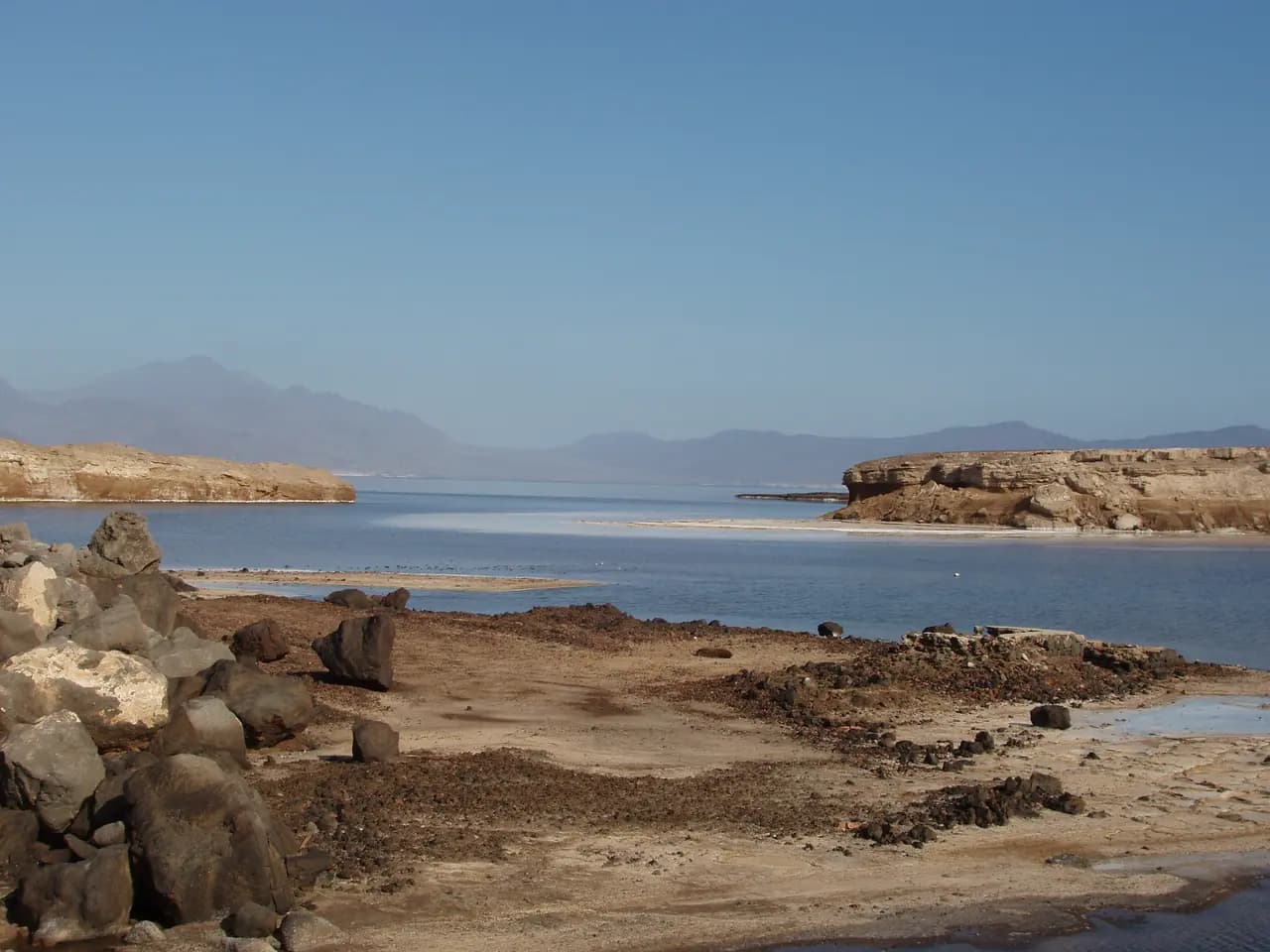
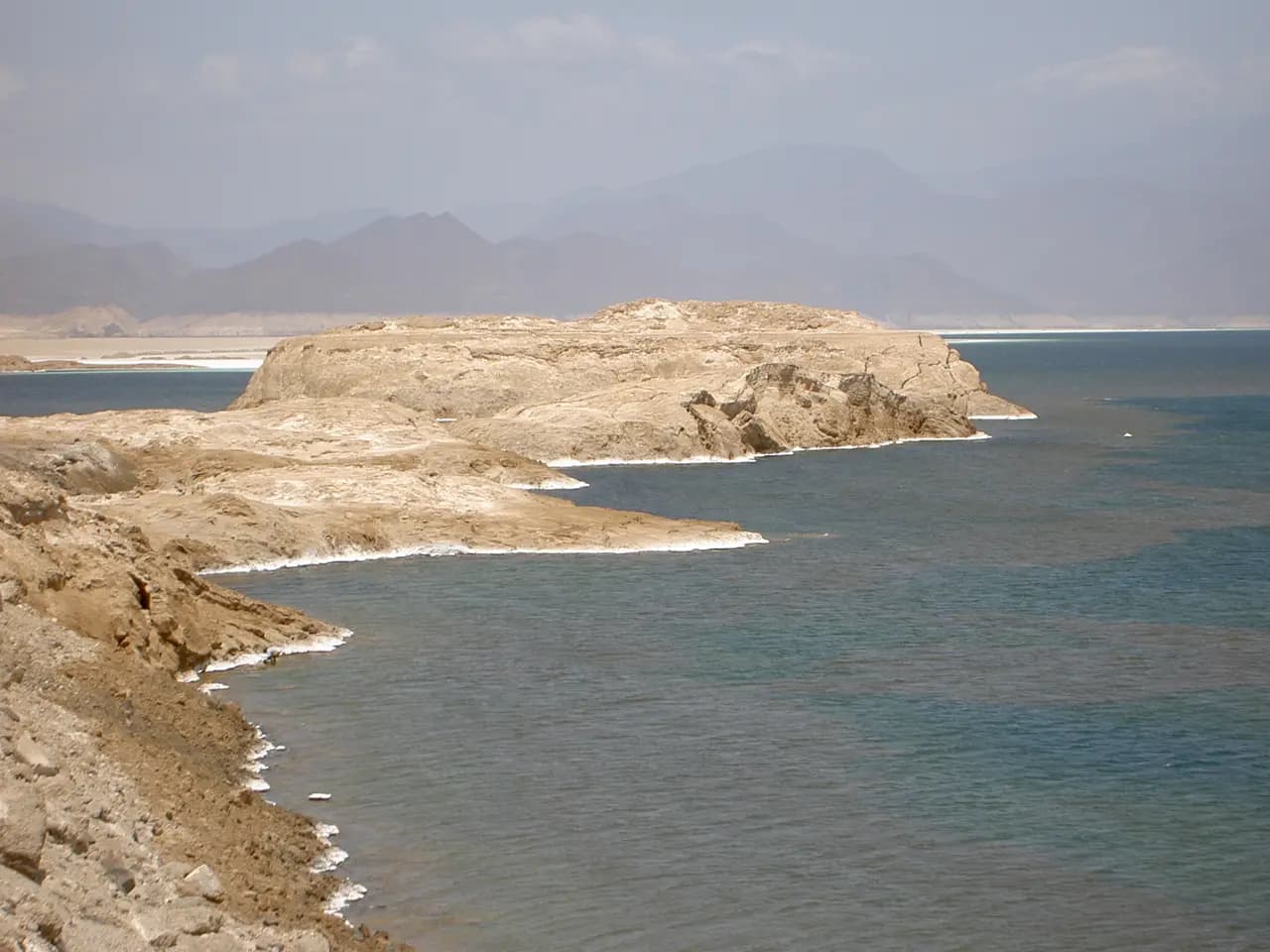
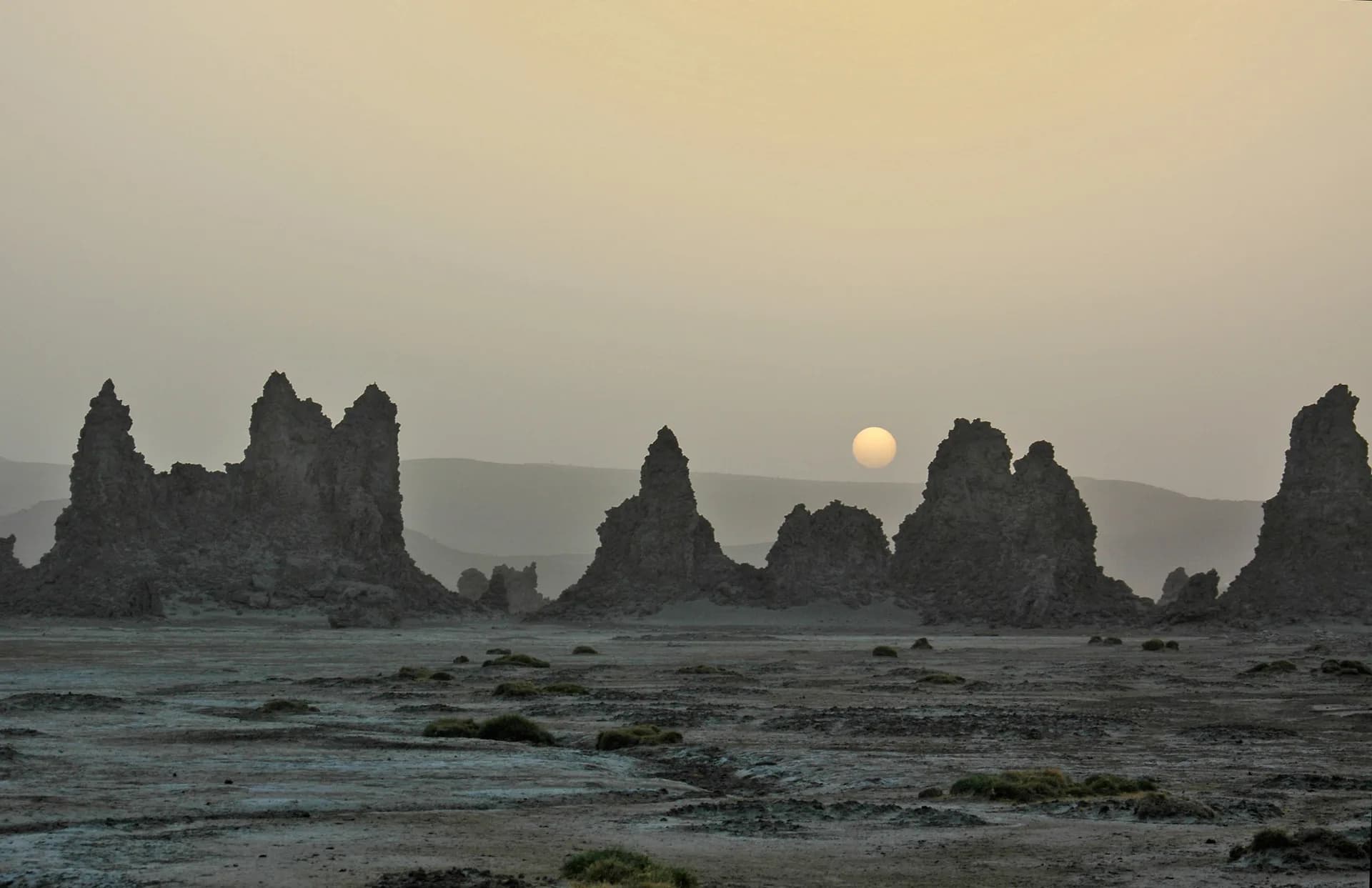
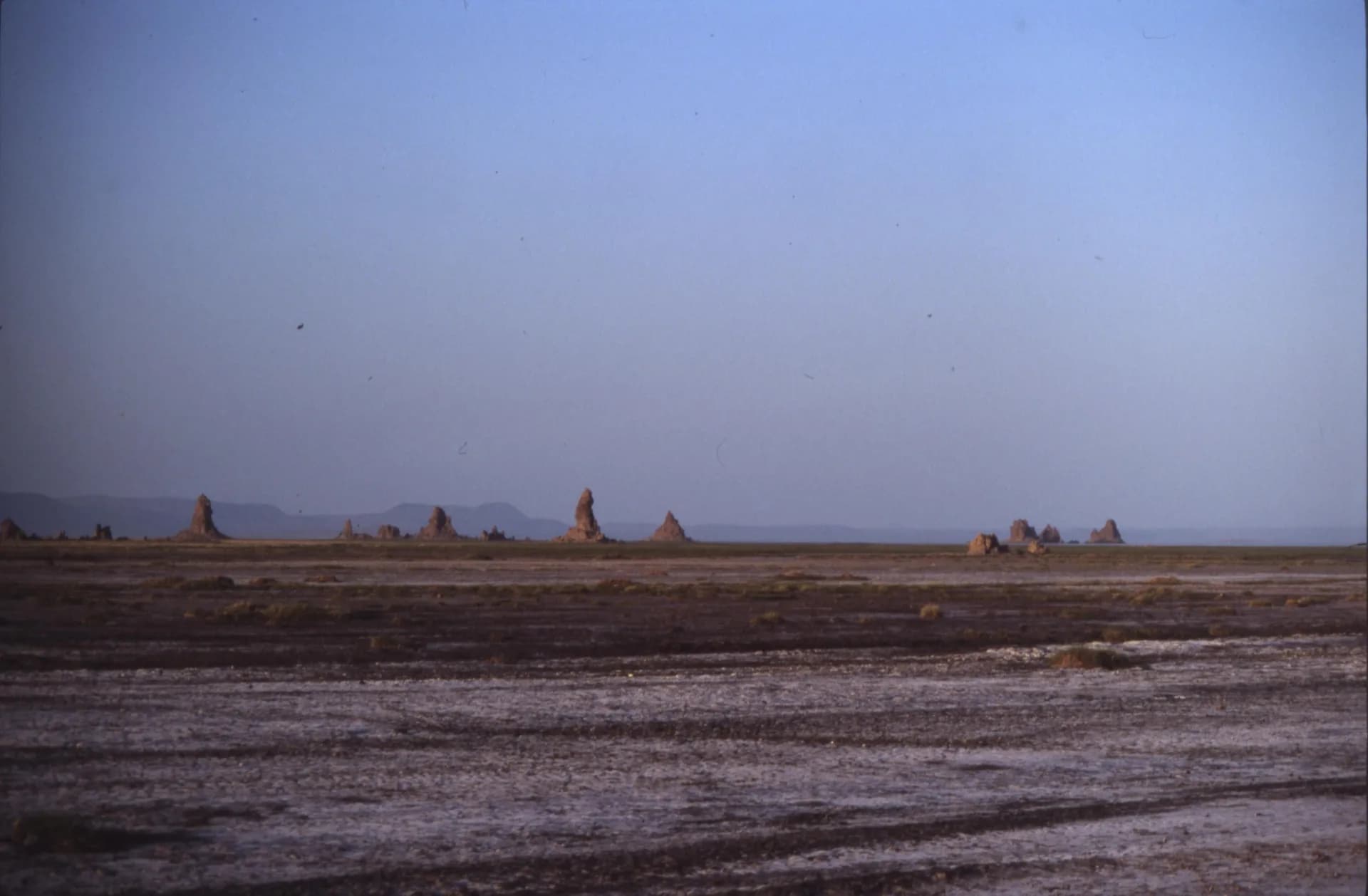
Share your trip with #viafro: the best images will join this gallery, with your credit.
Sourced data (World Bank). No investment advice.
World Bank data (World Development Indicators), consulted on 28 Oct 2026. Tourist arrivals are the latest year published.
Book your stay and take the right guidebook along: partner links, labelled as such, to current prices.
Affiliate link: Viafro earns a commission at no extra cost to you.The Viafro letter
A short letter, when there is something to say. One-click unsubscribe.
Information checked on 28 Oct 2026. Check the official source before you travel. Viafro gives no safety rating and publishes no price without a source.
Explore nearby