Lake Manyara and its tree-climbing lions
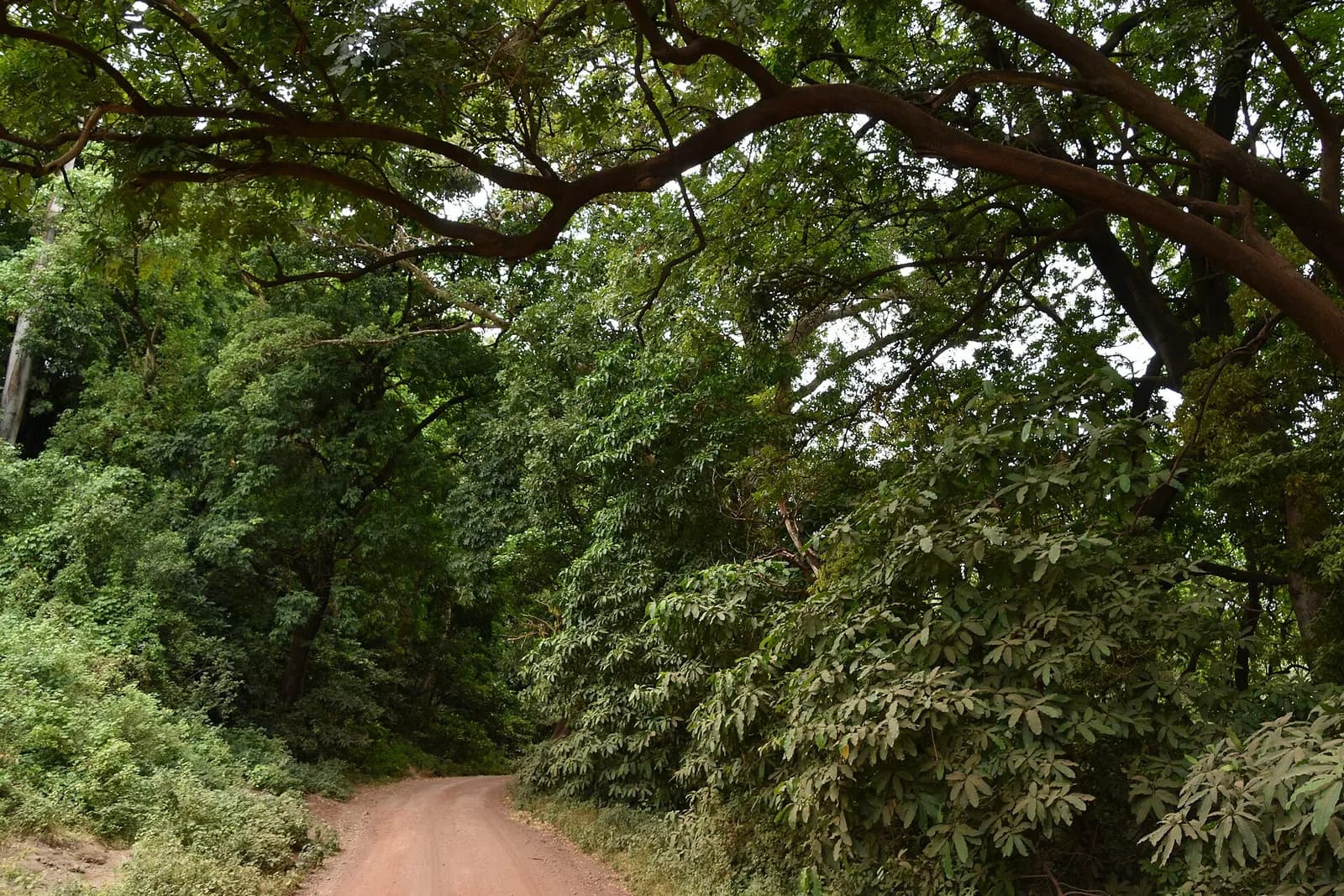
Between Lake Manyara and the Rift Valley escarpment, this 325 km² park is famous for lions that rest in the branches of acacia trees. Its groundwater forest, fed by springs from the Rift, greets visitors at the entrance.
Key facts
Before you go.
- Starting point
- Arusha, 126 km away: about 1.5 hours by roadLake Manyara National Park (Wikipedia)
- GPS coordinates
- -3.50000, 36.00000Lake Manyara National Park (Wikipedia)
- Best season
- Dry season June to October, the most popular time for wildlife; long rains March to MayLake Manyara National Park (Wikivoyage)
Good to know
Three things to remember.
In some seasons the alkaline lake draws large numbers of lesser and greater flamingos.
Lake Manyara National Park (Wikivoyage)Nights cool to 14–18 °C, especially in the dry season.
Lake Manyara National Park (Wikivoyage)The nearby village of Mto wa Mbu offers cultural tours and local markets.
Lake Manyara National Park (Wikivoyage)
Plan the trip
Our recommended partners
One link per need, chosen for reliability. Prices and availability are the partner’s, in a new tab.
Keep exploring
Tanzania
The Serengeti and the great migration
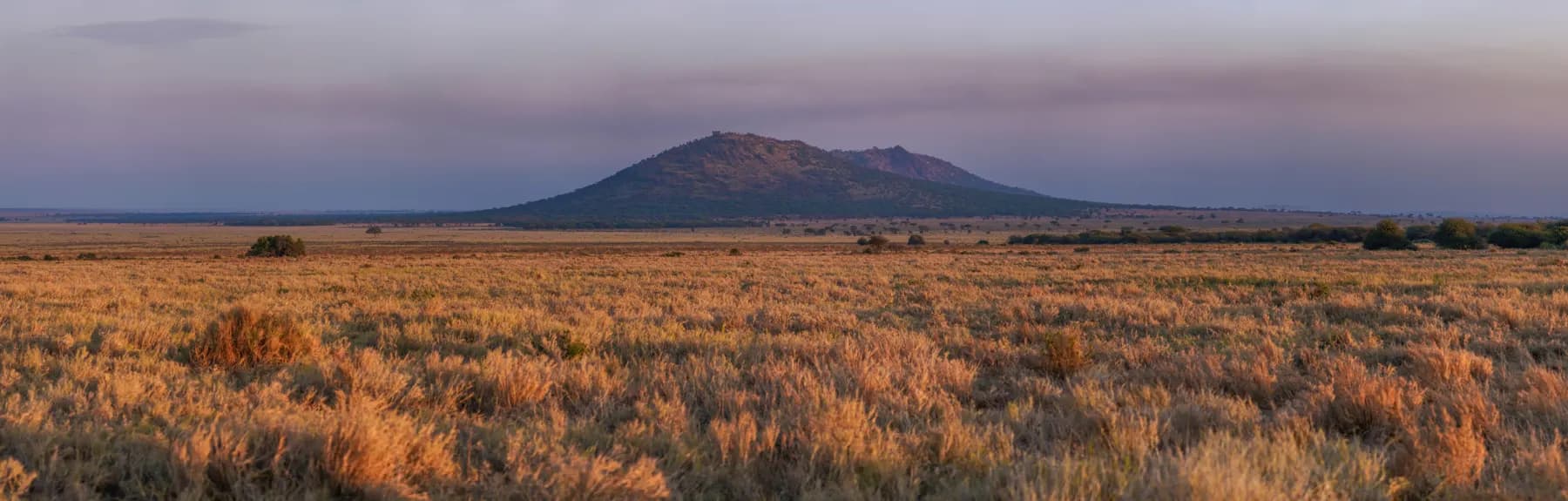
In northern Tanzania, Serengeti National Park stretches over 14,763 km².
The Ngorongoro Crater
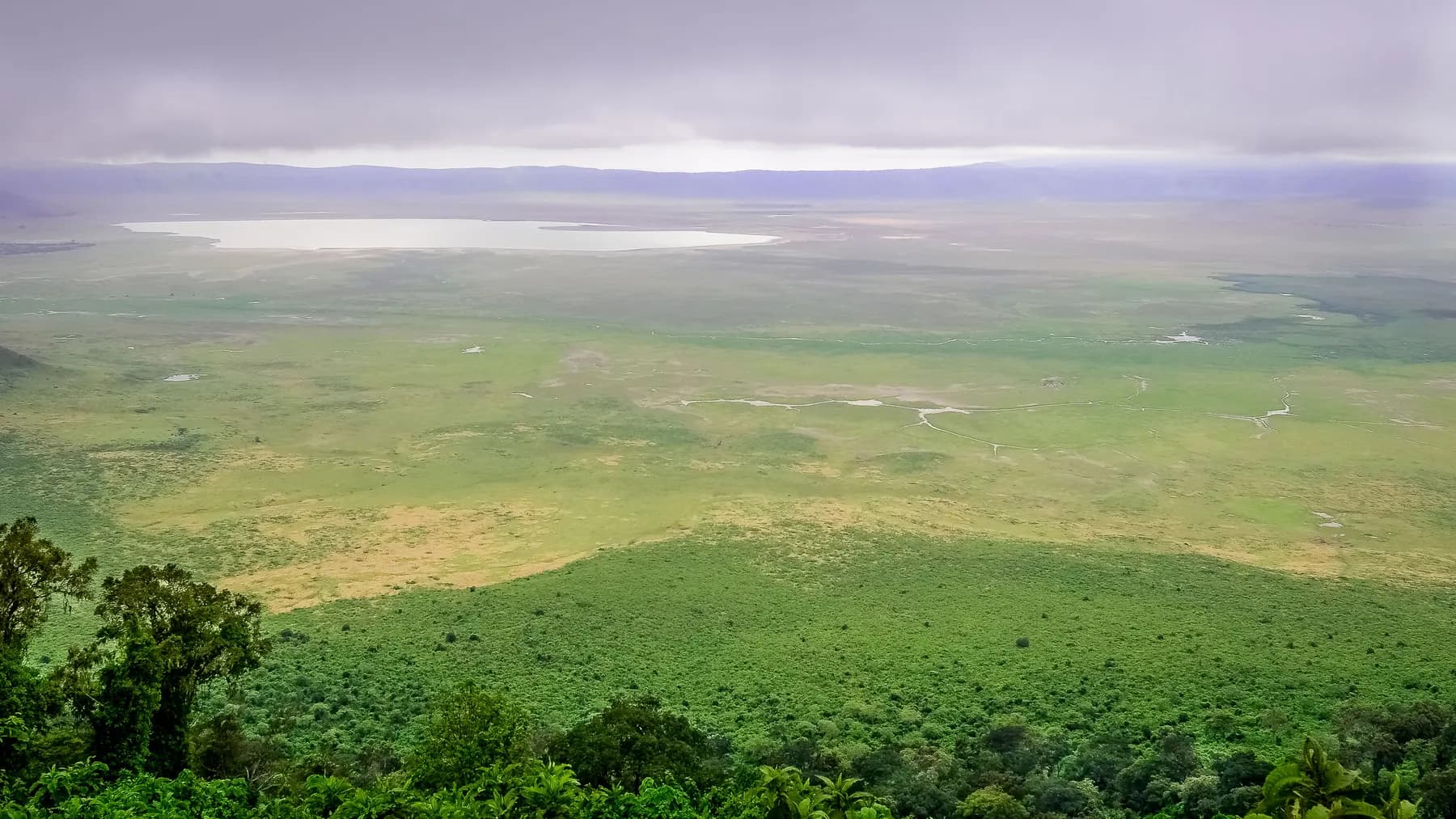
Some 180 km west of Arusha, Ngorongoro is the world’s largest inactive, intact and unfilled volcanic caldera.
Climbing Kilimanjaro
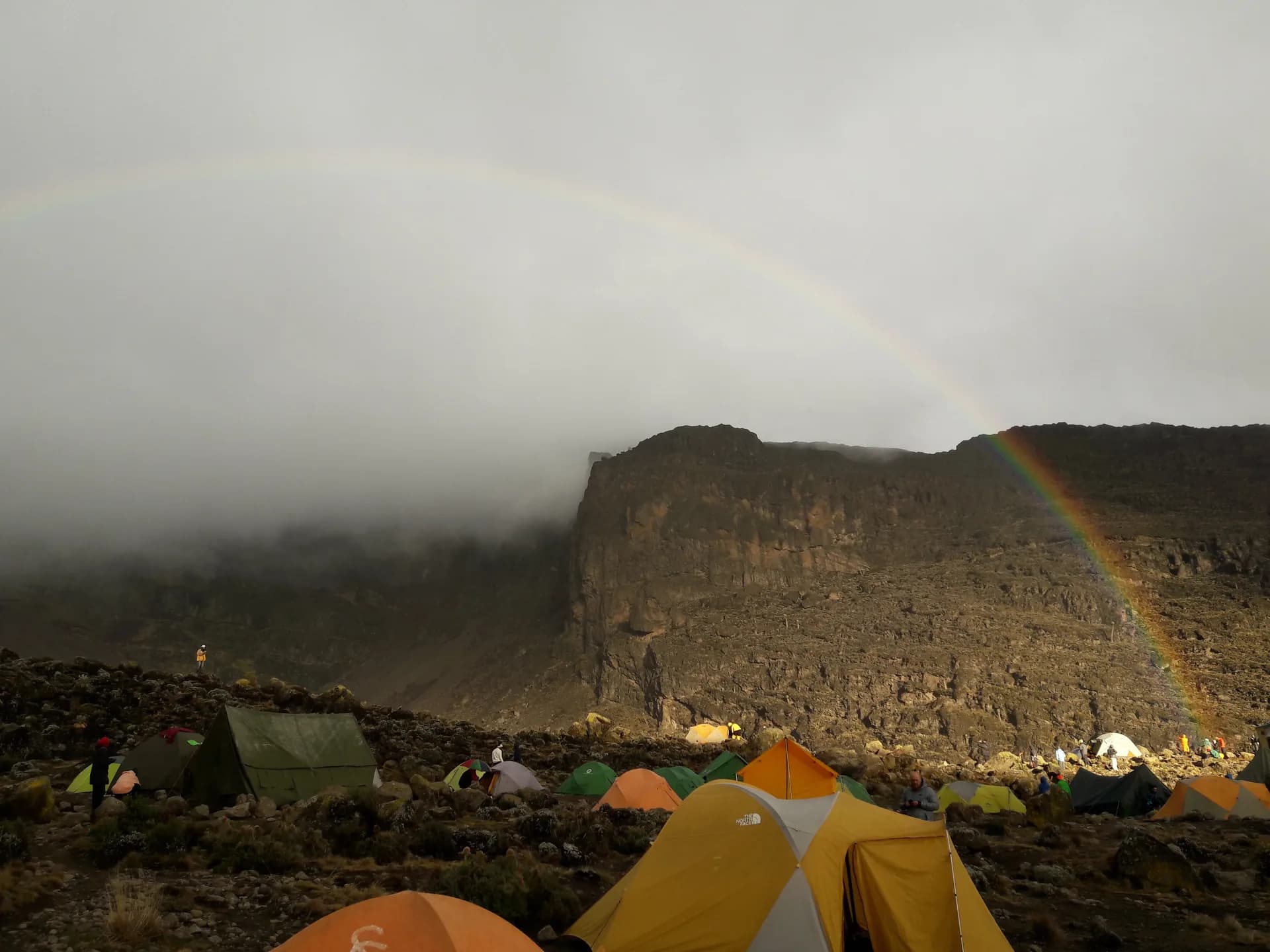
At 5,895 m, Kilimanjaro is the highest mountain in Africa and the highest free-standing mountain in the world.
Sources · 2 pages consulted, with the exact sentence used
- Lake Manyara National Park (Wikipedia)
Lake Manyara National Park is a national park in Tanzania located between Lake Manyara and the Great Rift Valley […] covers an area of 325 km2 […] Lake Manyara National Park is located 126 km (78 mi) south west of Arusha and can be reached by car in an hour and a half. (coordinates -3.5, 36)
- Lake Manyara National Park (Wikivoyage)
The park is also famous for its tree-climbing lions, a rare behavior where lions rest in the branches of acacia trees […] Groundwater forests of tall mahogany and fig trees near the park entrance […] Fed by underground springs from the Rift Valley escarpment […] During certain seasons, the alkaline lake attracts large numbers of lesser flamingos and greater flamingos […] nights can cool to 14–18 °C (57–64 °F), especially during the dry season. Dry seasons June–October: The main dry season and the most popular time for wildlife viewing. […] Long rains (March–May) […] Mto wa Mbu – A lively village offering cultural tours and local markets.
Opening hours, prices and access conditions change: check them with the official source before you go. Viafro publishes no price without a source and a date.