The checklist as a PDF
Entry, health, money, transport and safety, laid out for print, with their sources and verification date.
An editorial bearing, with no percentage and no rating: our criteria are written down, and every “good to know” links to its source.
Hover or tap a month: its reading and its source appear. Bars measure rain, the figure is the capital’s mean maximum.
Possible
Abuja: mean maximum 34 °C, 10 mm of rain · hot.
Source: Wikipedia (climate normals)
Entry, health, safety, money and facts: dated official extracts, never paraphrased.
Visa, passport, customs
GOV.UK advice, written for British passport holders. French travellers: see France Diplomatie (https://www.diplomatie.gouv.fr/fr/information-par-pays/nigeria/conseils-aux-voyageurs-entree-sejour).
Vaccines, malaria, water
This is not medical advice: talk to your doctor or an international vaccination centre before you travel.
Per the ministries
Viafro gives no safety rating: here are the zones and advice published by the French ministry (in French) and the official extracts, with their dates.
Vigilance zones published by France Diplomatie (in French) · page updated on 15 Sept 2026 · see the official map
Les déplacements sont formellement déconseillés, pour quelque motif que ce soit :
dans le Nord-Est, les États de Borno, Yobe, Gombe, Bauchi, Adamawa au nord de la Bénoué, Jigawa et Kano, (à l’exception de la ville de Kano, déconseillée sauf raison impérative) ;
Les zones classées en orange sont caractérisées par un risque élevé de grande criminalité, en particulier d’enlèvement. Les projets de voyage non indispensables sont à proscrire.
Sont classés en zone orange :
Sont classés en zone jaune :
la ville d’Abuja ;
What the country’s law provides
Photography, alcohol, drugs, relationships: the rules published by the ministries, quoted as they stand, without comment.
Currency
nairaViafro publishes no price or budget range without a source: amounts will come from our own expenses recorded on the ground, dated and itemised.
Entry, health, money, transport and safety, laid out for print, with their sources and verification date.
Express card
Structured data from Wikidata and the CIA World Factbook, re-checked at every site update.
Direct flights from Paris are to be checked on the airport’s or airline’s website.
On the road
Lagos (; LAY-goss; Yoruba: Èkó [èkó]), or Lagos City, is a large metropolitan port city in southwestern Nigeria.
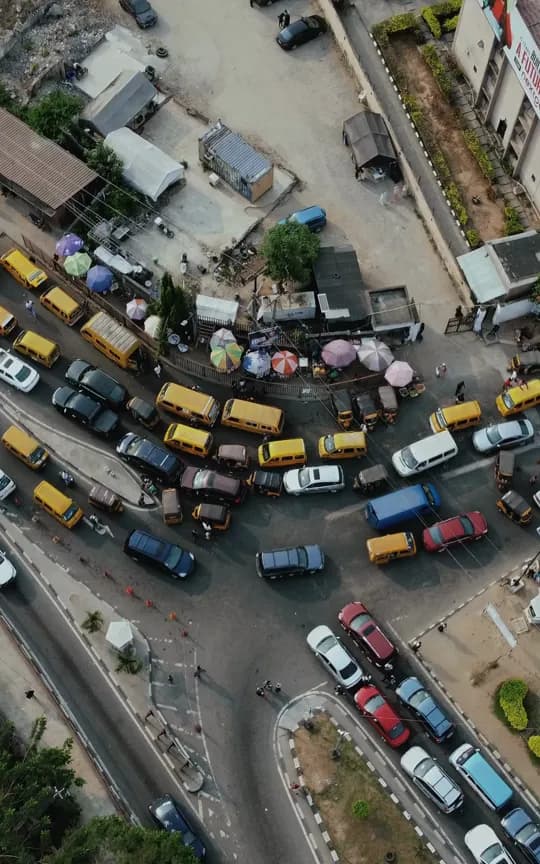
Lekki Deep Sea Port, is a multi-purpose, deep sea port in the Lagos Free Zone and is the only currently operating deep sea port in the country, having started full commercial operations in April 2023.
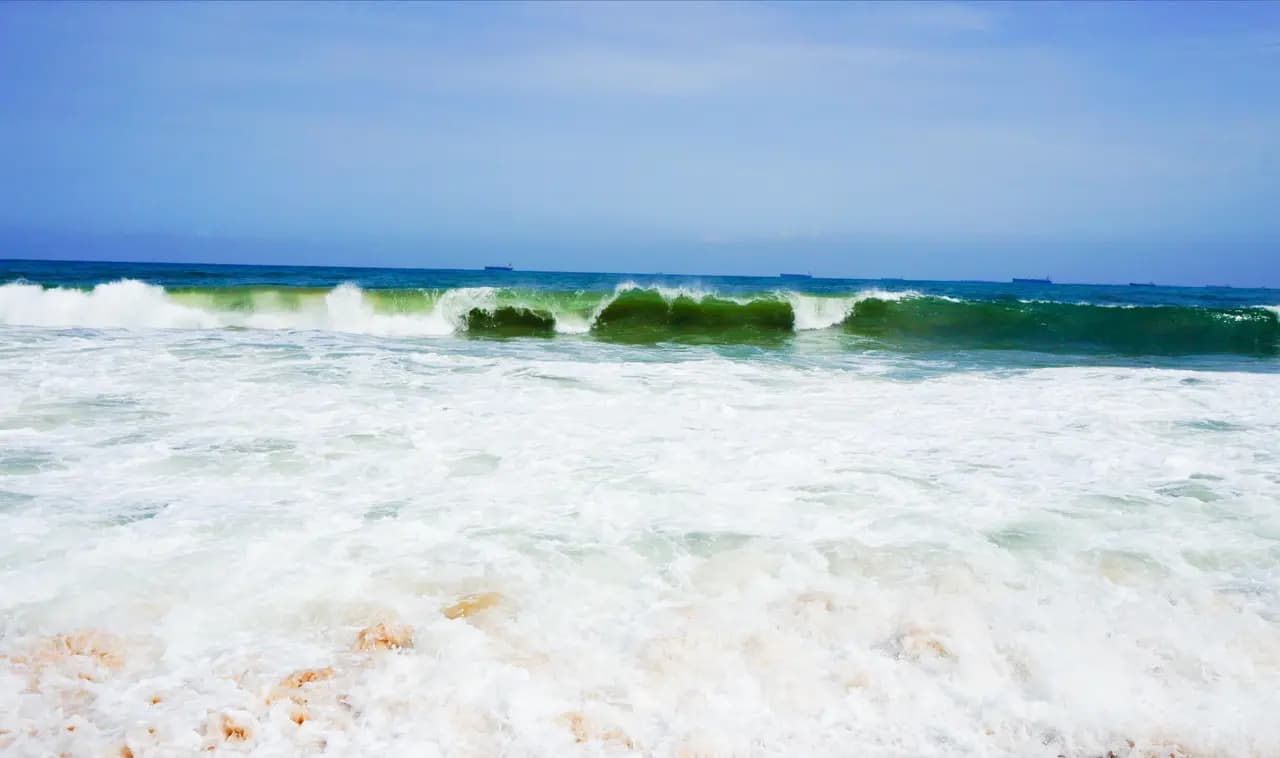
Abuja () is the capital city of Nigeria, strategically situated at the geographic midpoint of the country within the Federal Capital Territory (FCT).
Starting point, season, tips and sources: each sheet says only what its sources say.
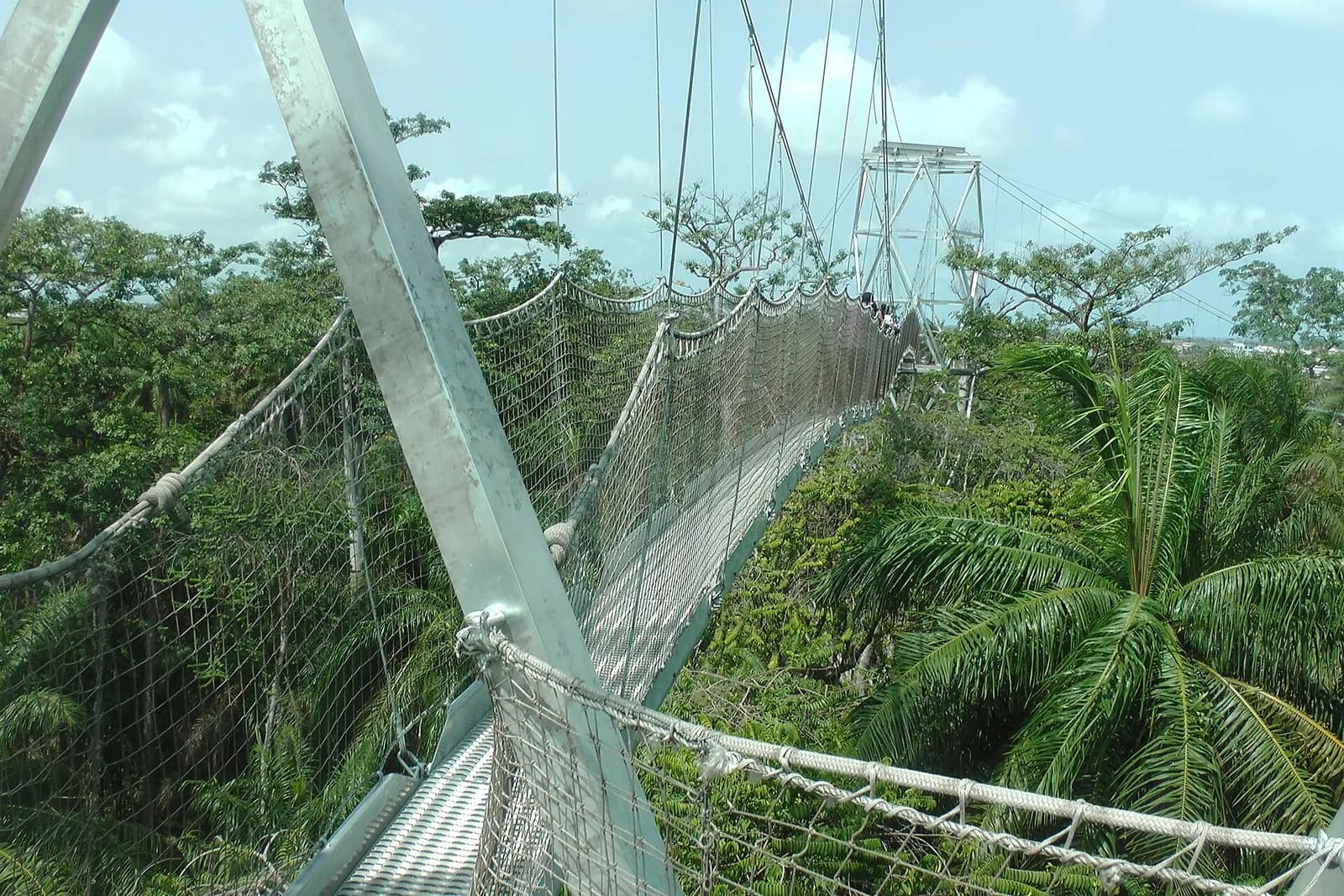
Set up in 1990 in Lekki, Lagos State, the Lekki Conservation Centre is a 78-hectare nature reserve.
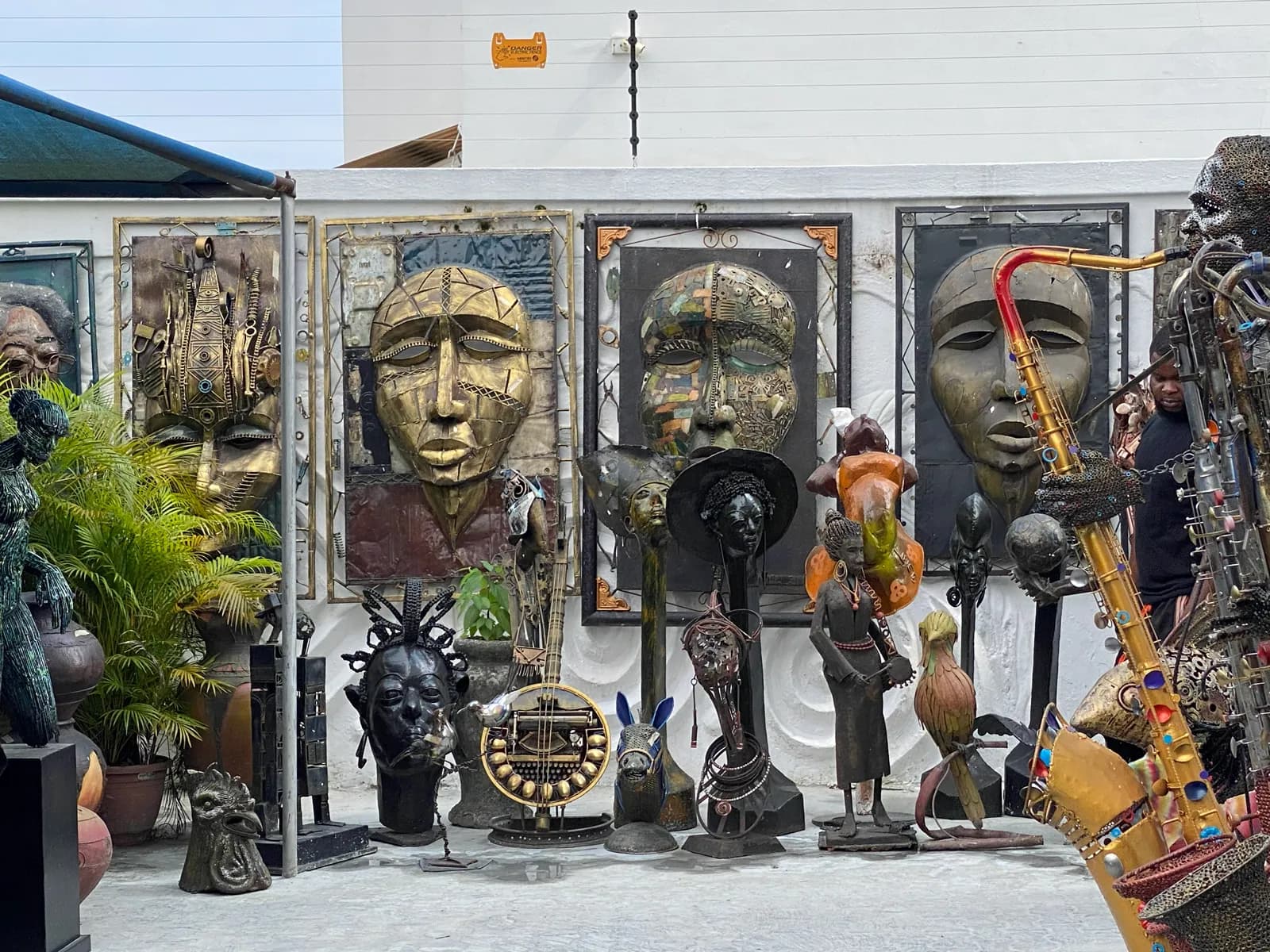
Founded in 2009 by Nike Okundaye, Nike Art Gallery is West Africa’s most extensive art collection, with 25,000 works.
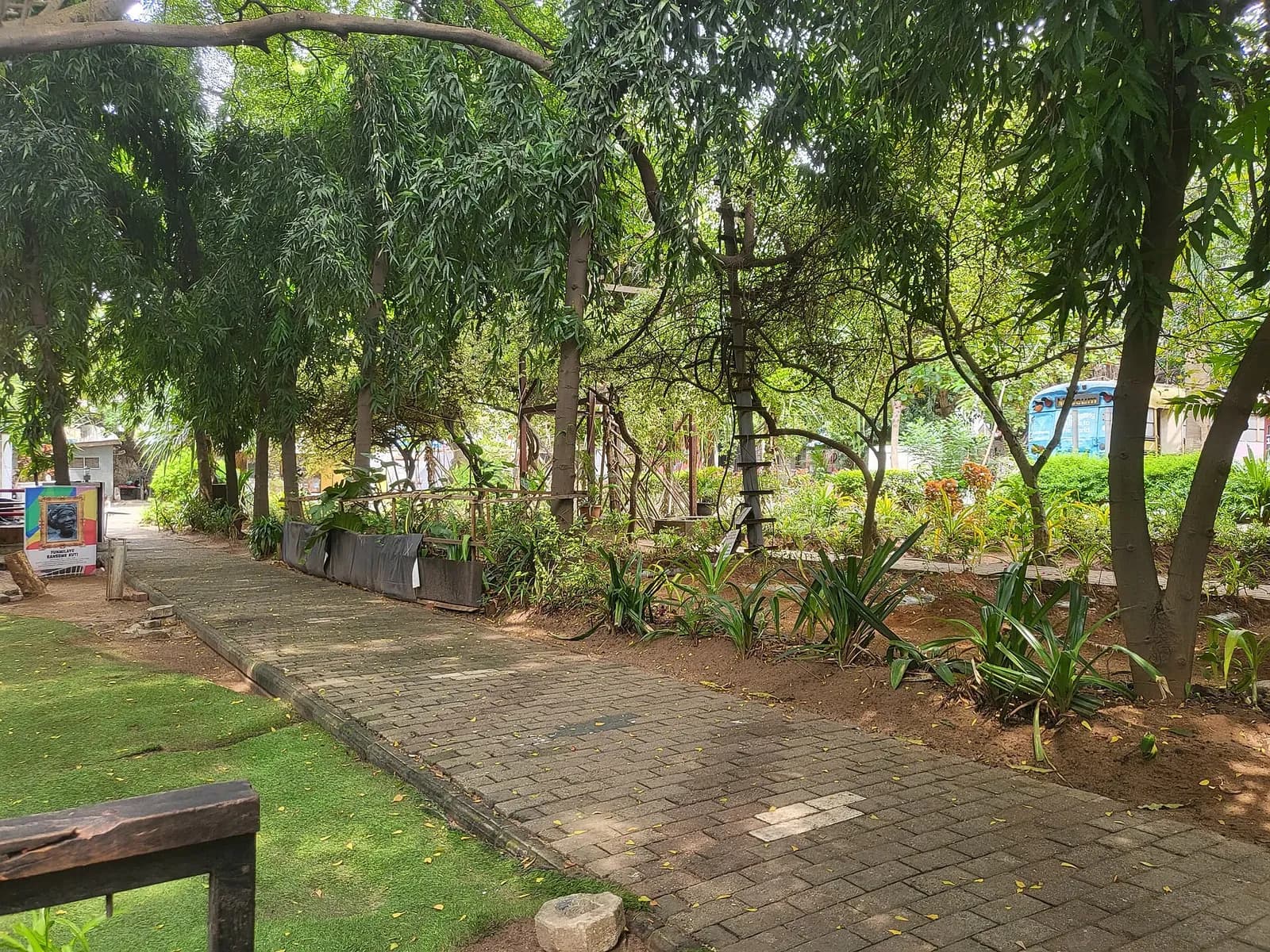
In downtown Lagos Island, Freedom Park stands on the site of the former Broad Street Prison.
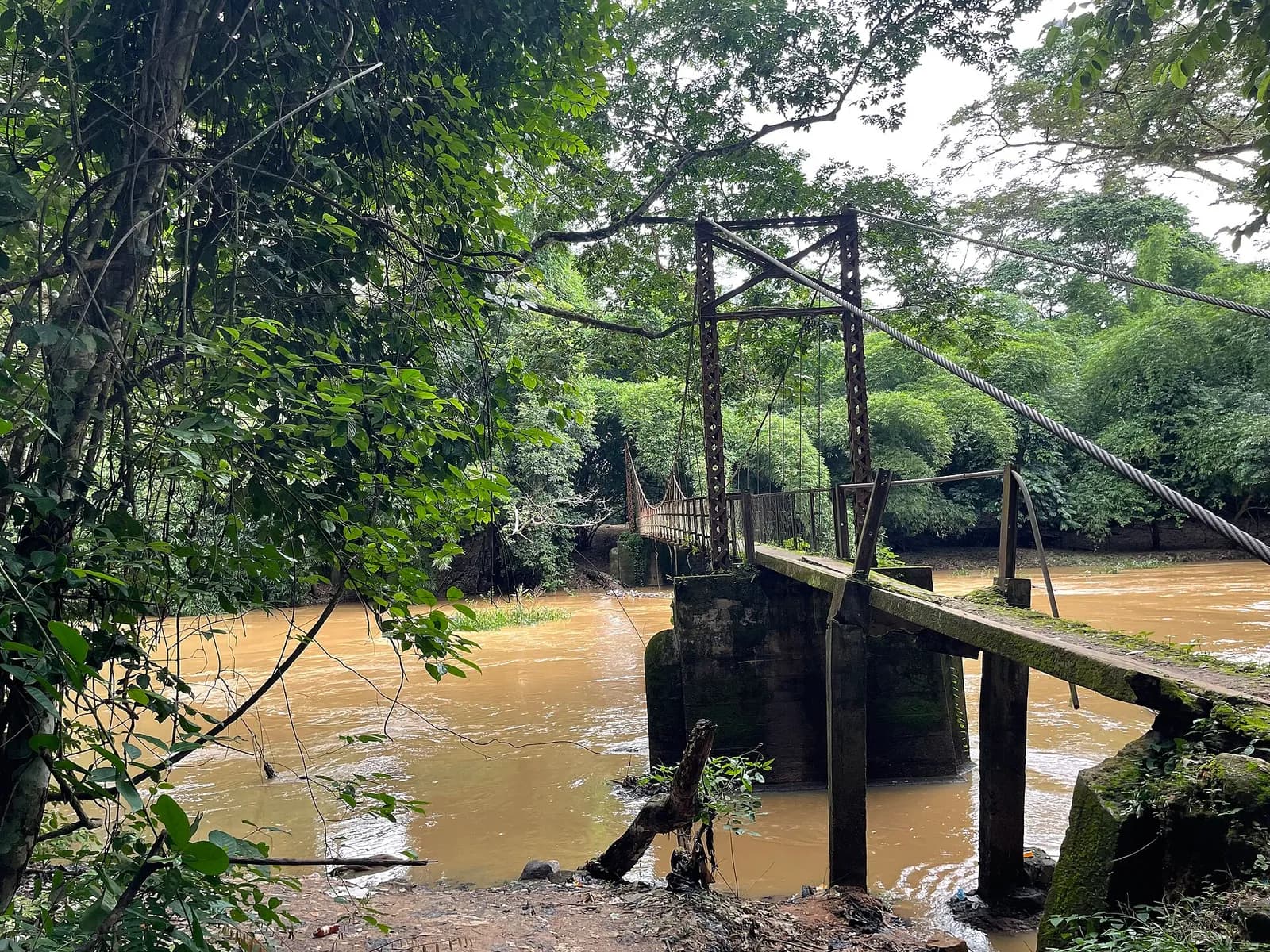
On the banks of the Osun river just outside Osogbo, this centuries-old sacred grove is among the last of the Yoruba sacred forests.
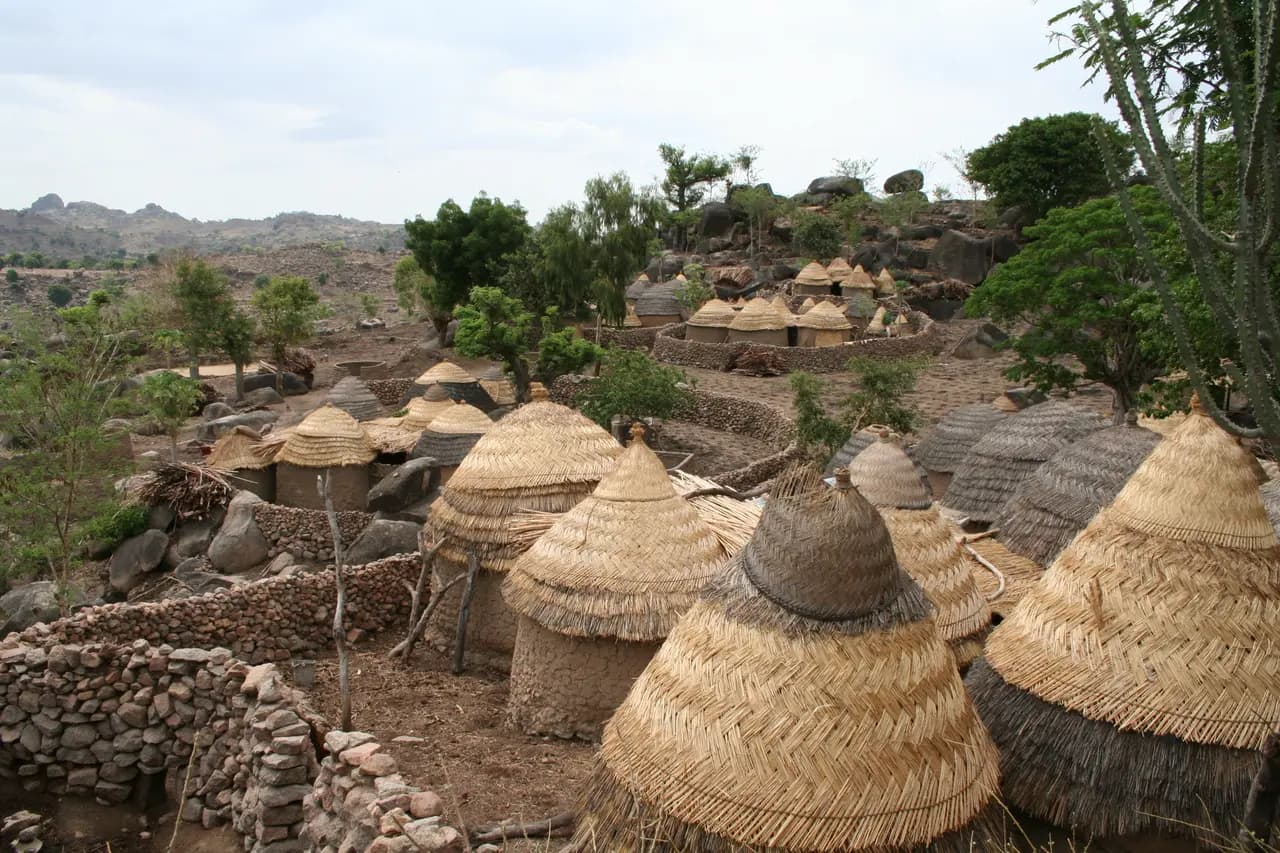
In the Mandara Mountains, on a hill above the village of Sukur, this is Africa’s first cultural landscape on the World Heritage List, inscribed in 1999.
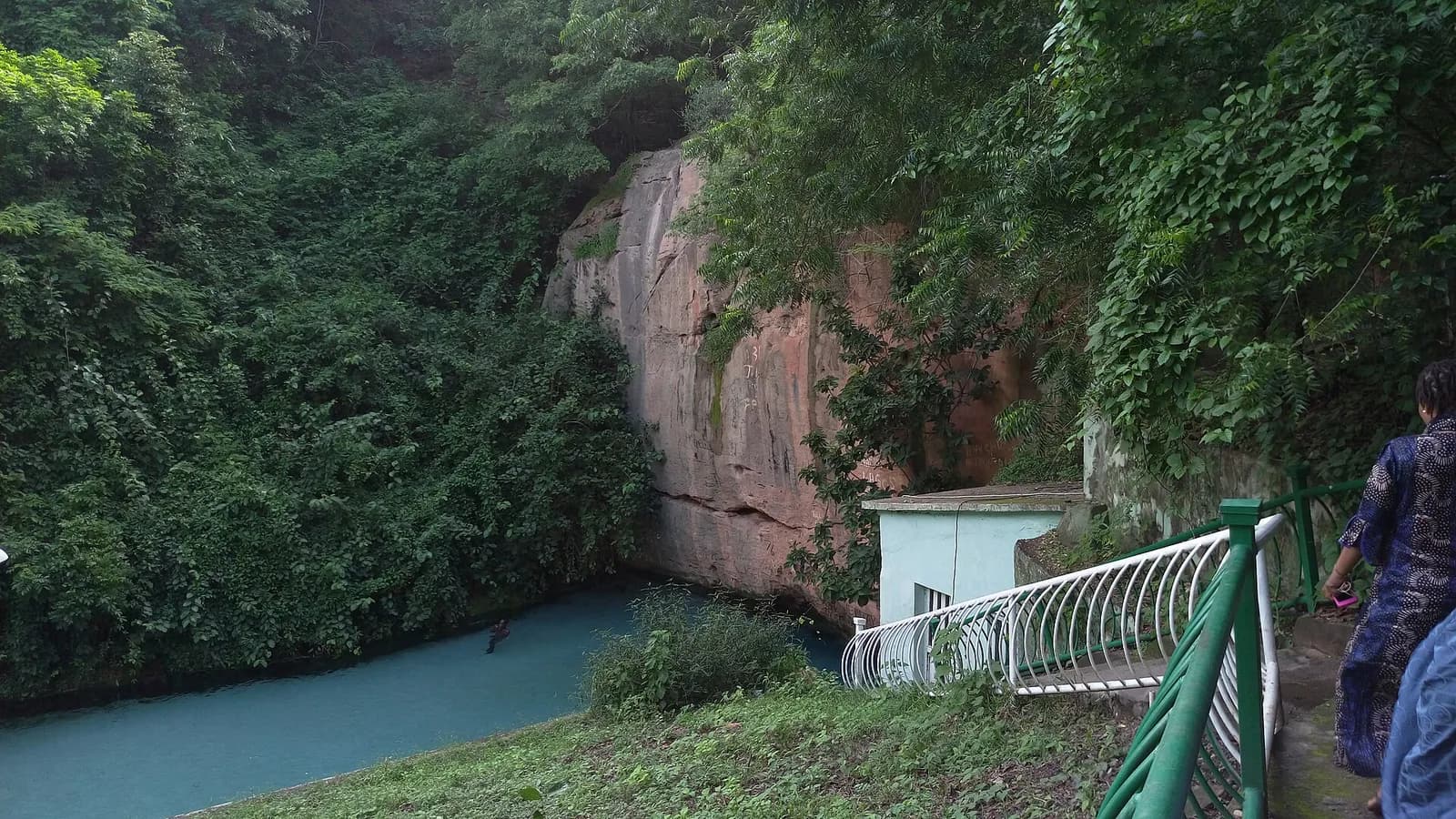
In Bauchi State, Yankari Game Reserve covers about 2,244 km² of West African savanna.

In Cross River State, the former Obudu Cattle Ranch is a ranch and resort on the Obudu Plateau.
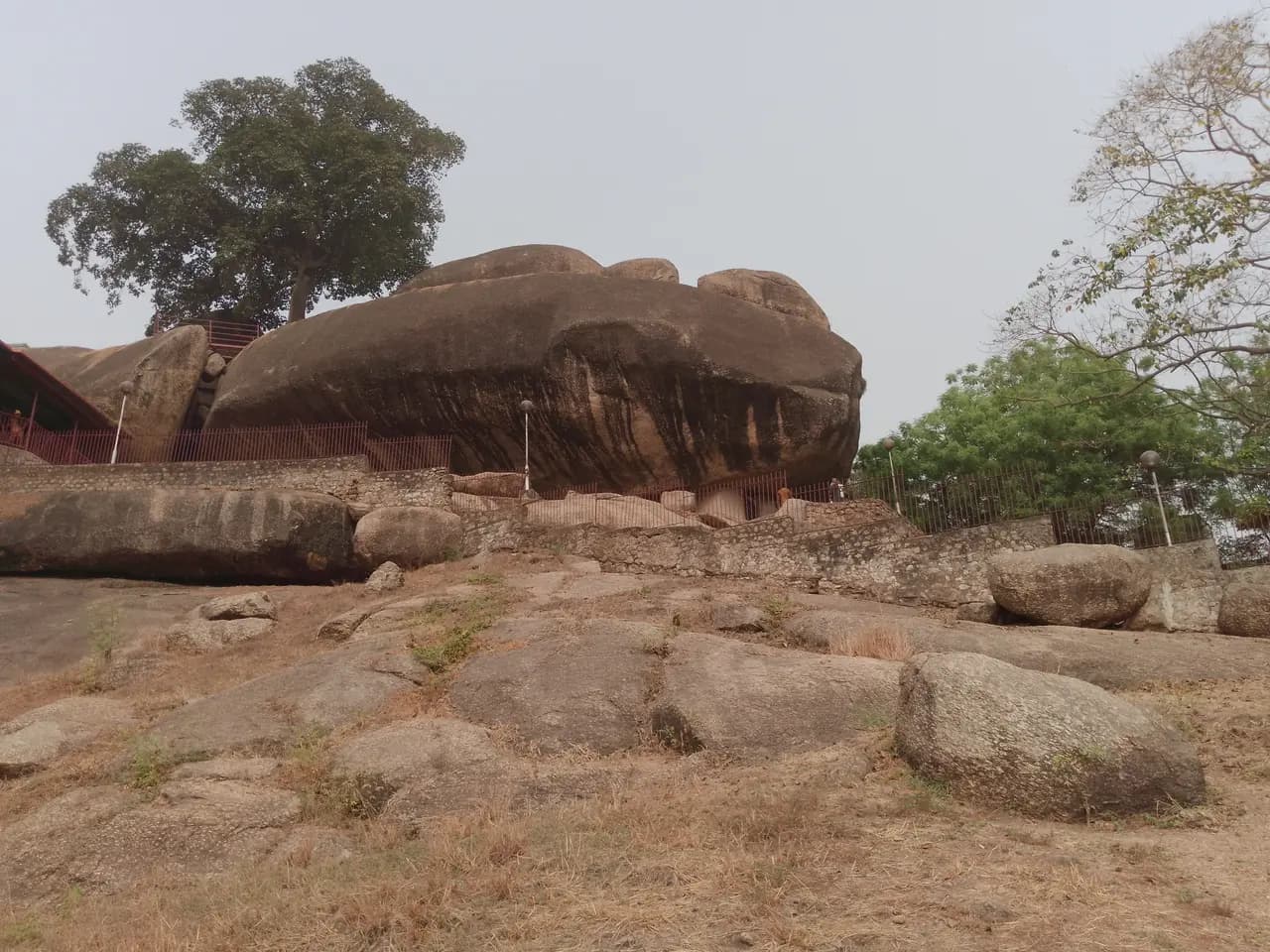
In the heart of Abeokuta, Ogun State, Olumo Rock rises to 137 m above sea level.
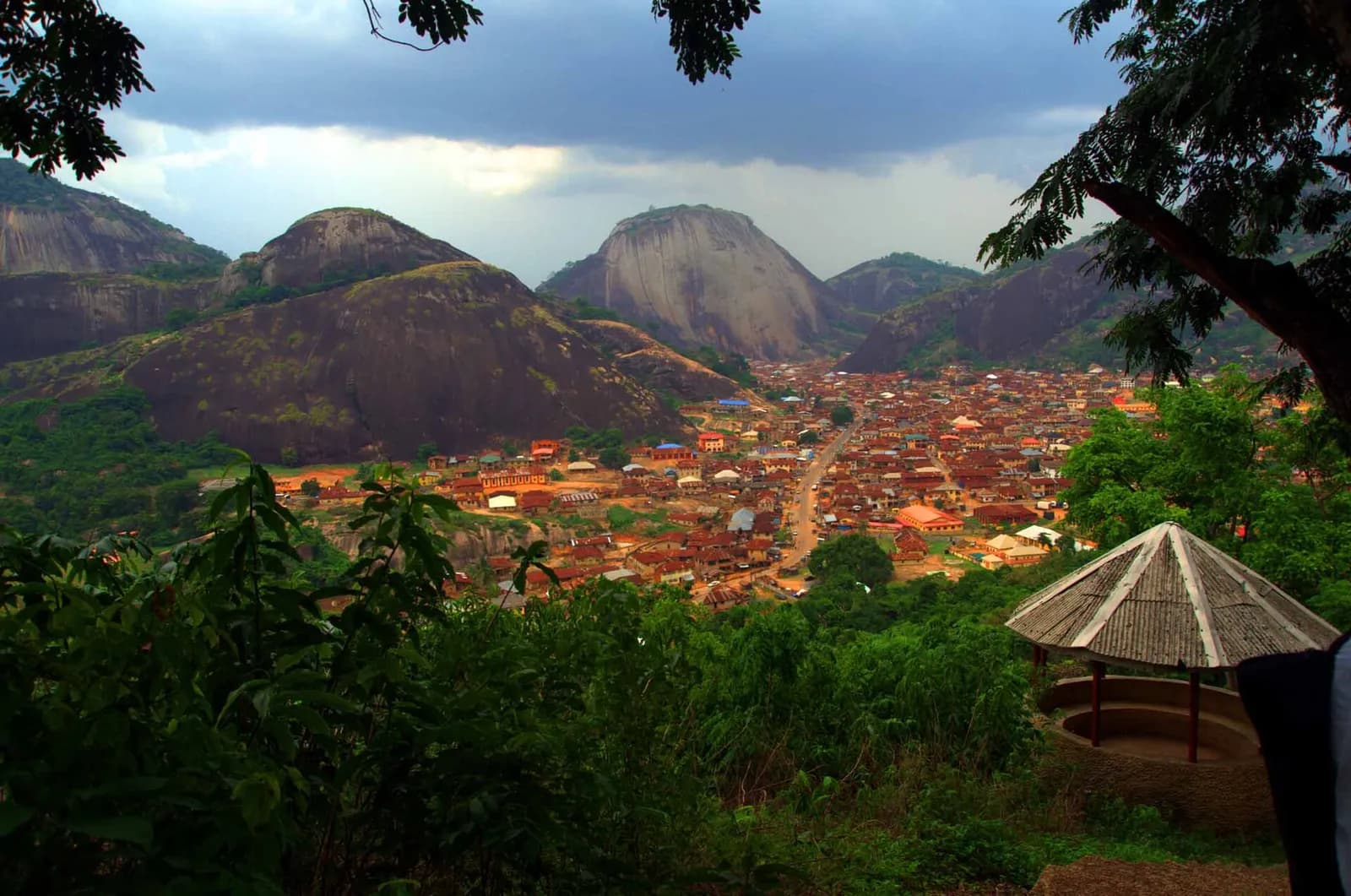
In Ondo State, Idanre Hill rises to about 914 m above sea level over the town of the same name.
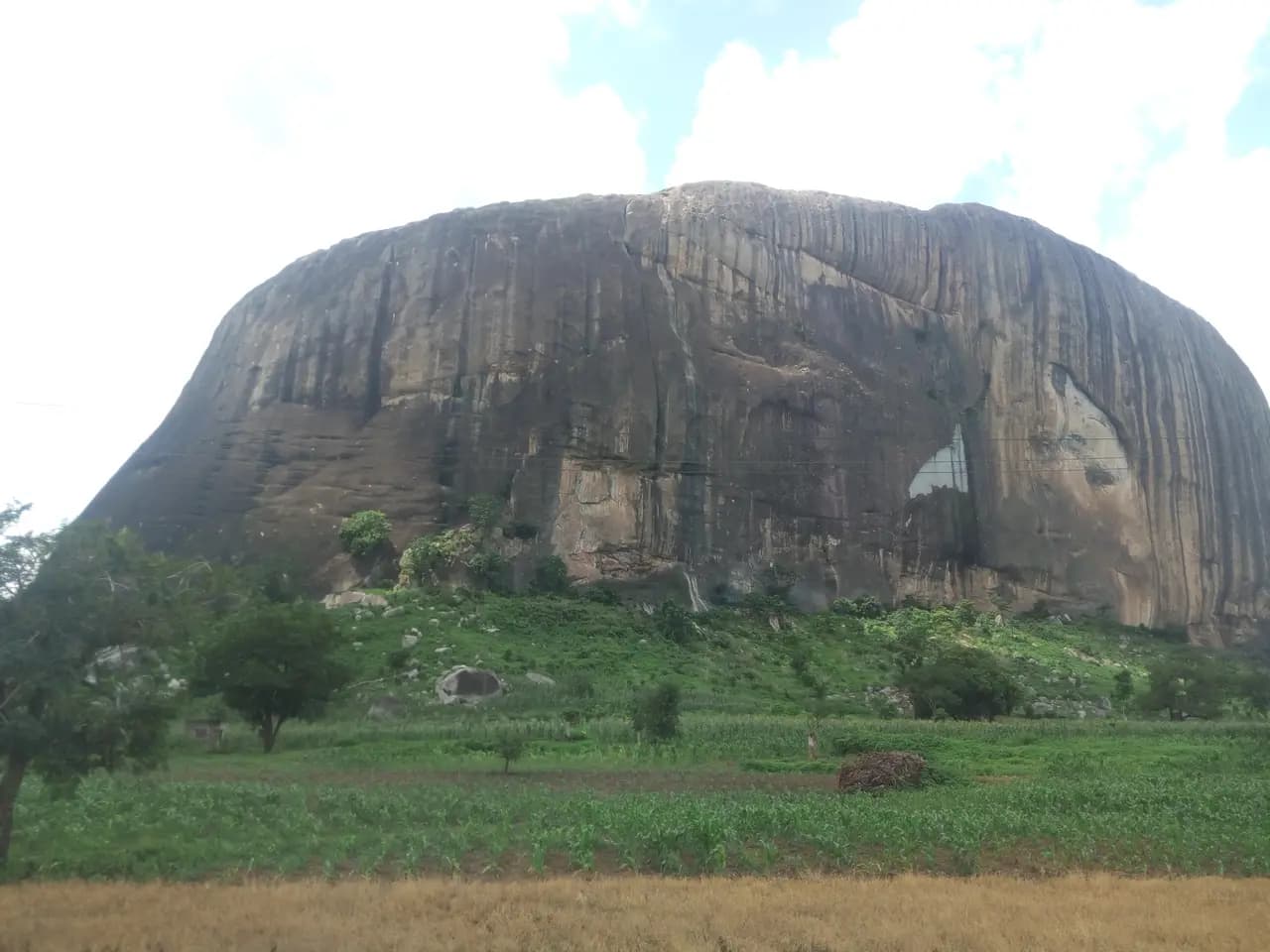
West of Abuja, along the road from Abuja to Kaduna, Zuma Rock is a monolith rising to about 725 m above sea level.
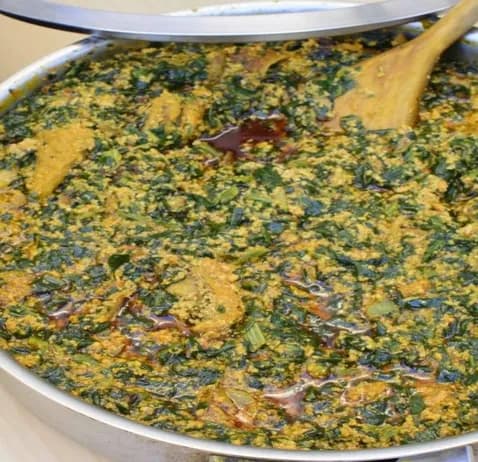
Egusi sauce or egusi soup a popular soup in Nigeria. The word 'Egusi' is of Yoruba origin. It is prepared with egusi seeds as a primary ingredient. Egusi seeds are the fat- and protein-rich seeds of certain cucurbitaceous plants. Egusi sauce is common and prev
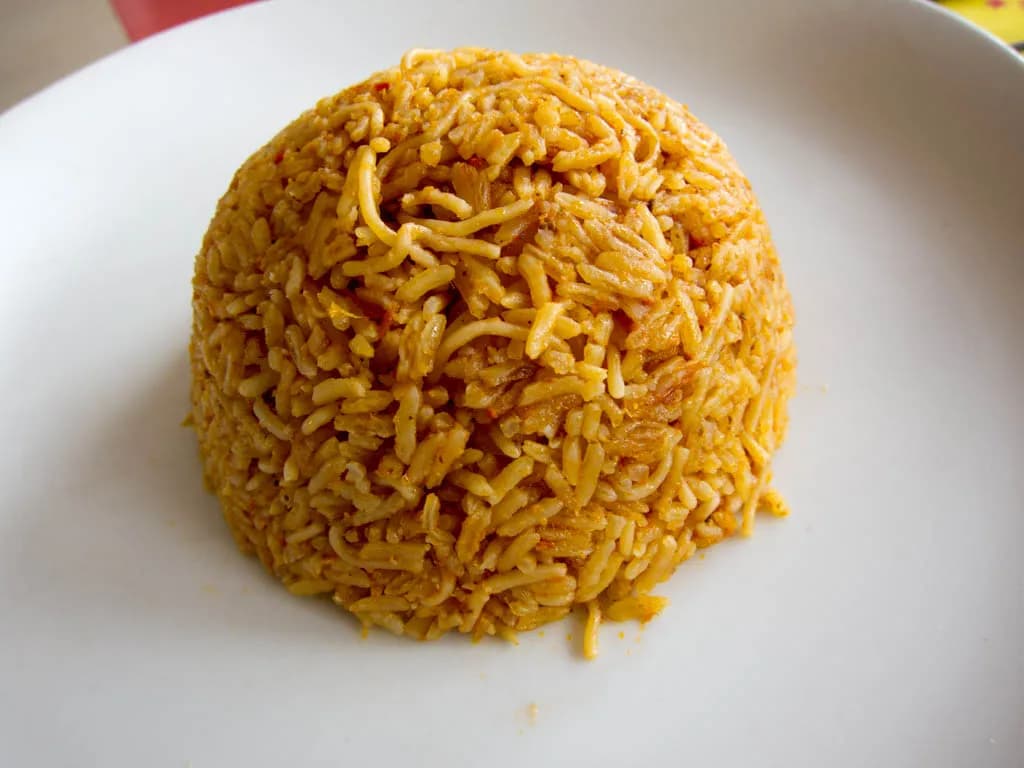
Jollof, or jollof rice, is a rice dish from Senegal, West Africa. It is typically made with long-grain rice, tomatoes, chilis, onions, spices, and sometimes other vegetables and/or meat in a single pot, although its ingredients and preparation methods vary acr
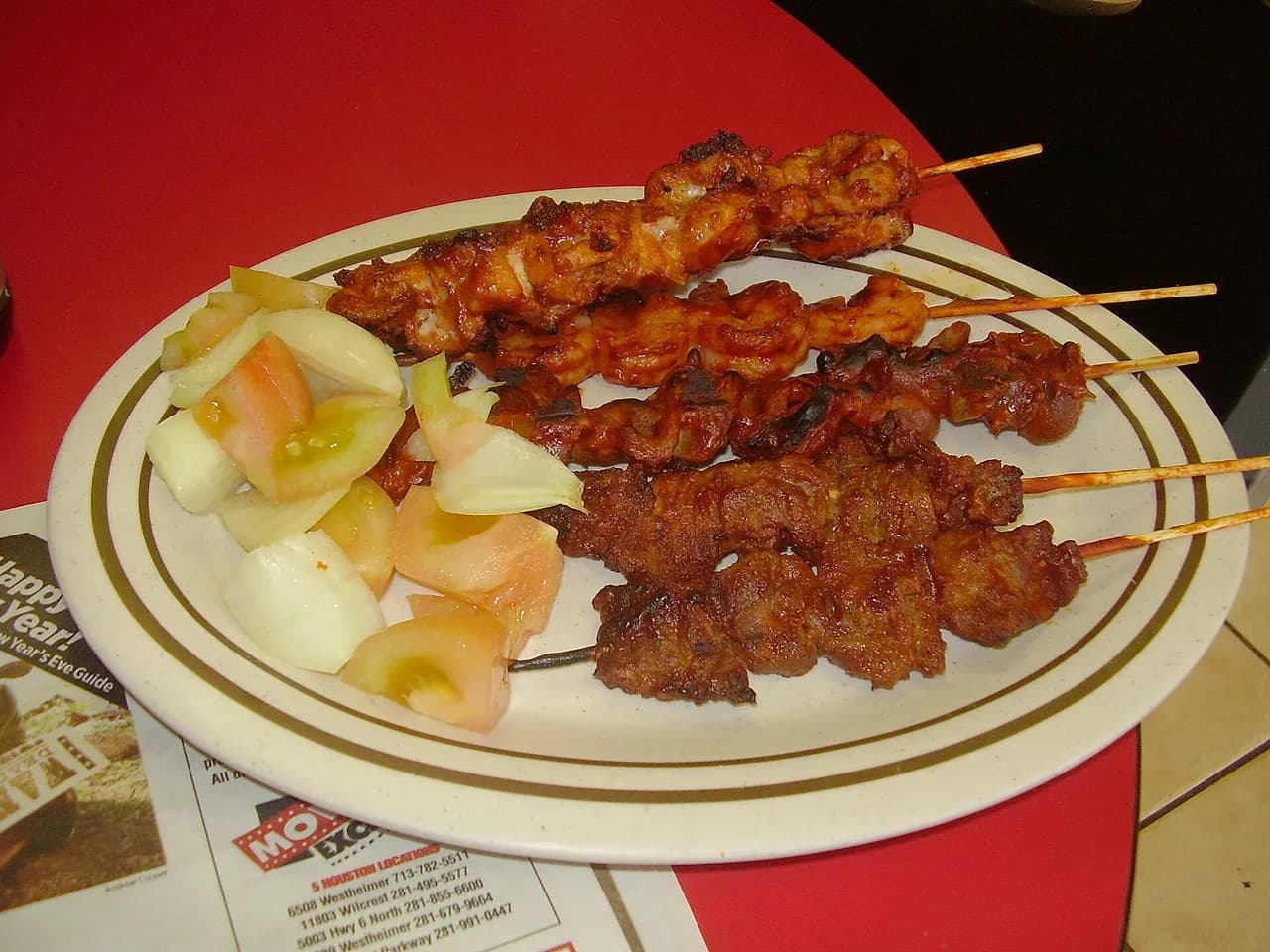
Suya, also known as Tsire, is a traditional Hausa (Nigerian) smoke-grilled spiced meat on skewer. Suya is generally made with thin-sliced spiced beef, lamb, goat, ram, or chicken arranged on wooden skewers. Organ meats such as kidney, liver and tripe as well a
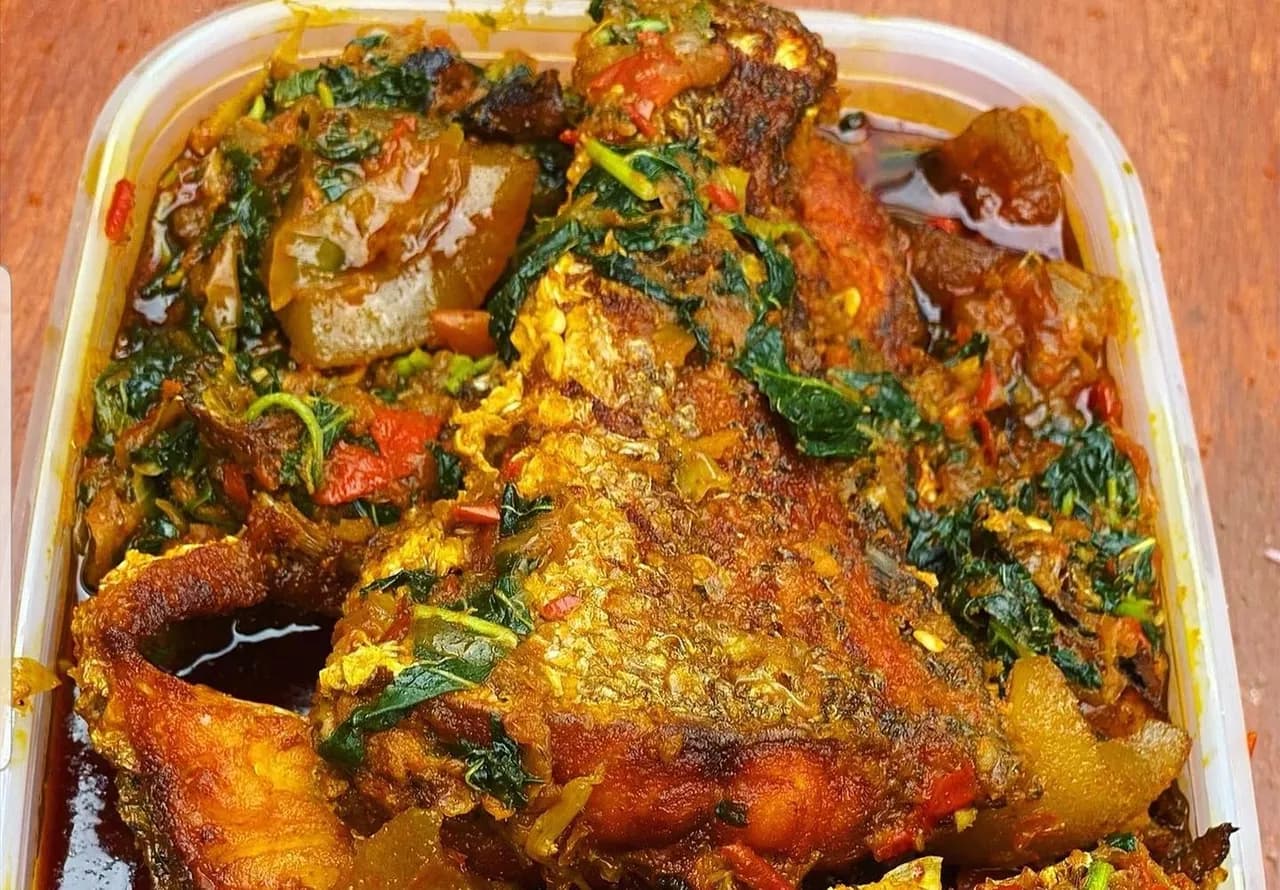
Efo riro is a vegetable soup and a native food of the Yoruba people of South West Nigeria and other parts of Yorubaland. The two vegetables most commonly used to prepare the soup are Celosia argentea and Amaranthus hybridus. The history of Efo riro is deeply r
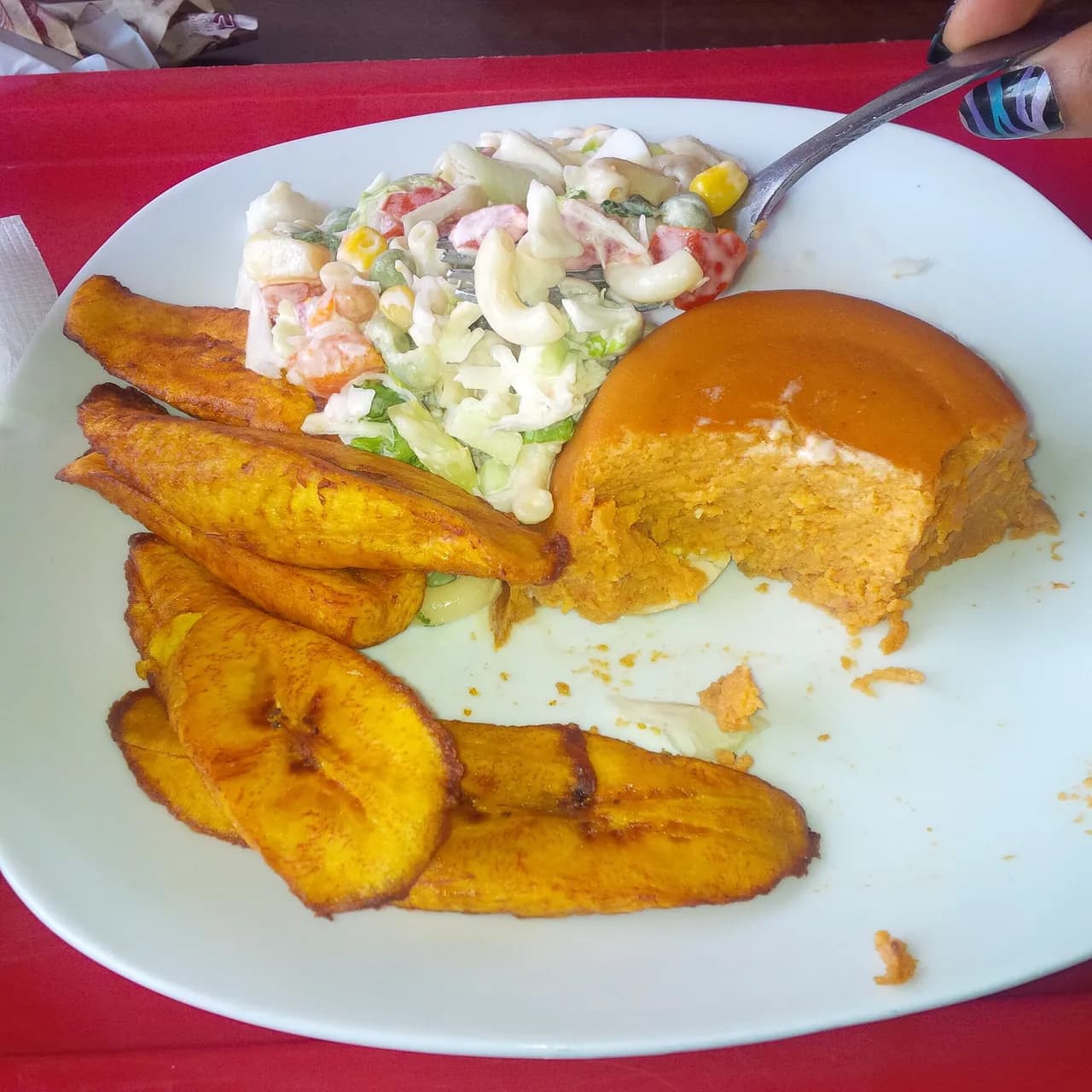
Moin-moin, moi-moi or olele is a steamed or boiled bean pudding made from a mixture of washed and peeled beans and onions, fresh red peppers, spices, and often fish, eggs, chicken or crayfish. It is a protein-rich Yoruba food that is commonly eaten across Yoru
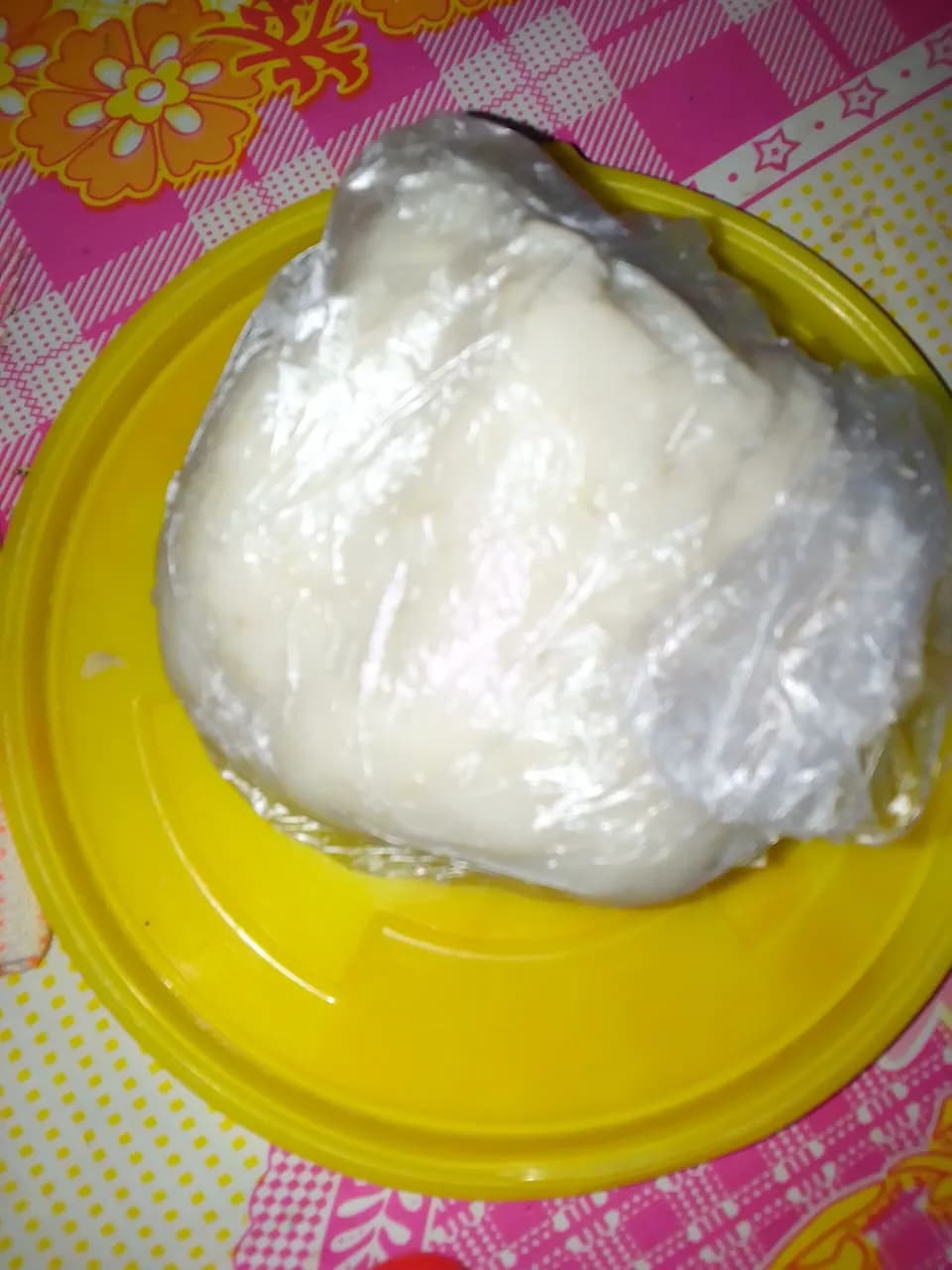
Pounded yam is a Nigerian swallow food. It is commonly prepared by pounding boiled yam with a mortar and pestle. Pounded yam is similar to mashed potatoes but heavier in consistency. It is smooth and eaten with the hands.
Independence Day (National Day), 1 October (1960) ; independence: 1 October 1960 (from the UK).
Fixed dates and moveable events, each with its source; moveable dates change every year and are to be checked on an official calendar.
The country’s highest point, Chappal Waddi, reaches 2,419 m.
237,527,782 inhabitants in 2025 on 923,768 km², about 257 per km².
Independence on 1 October 1960 (from the UK).
Real photographs: free images under a verified licence and Viafro images. Never a generated image. Credits in the footer.
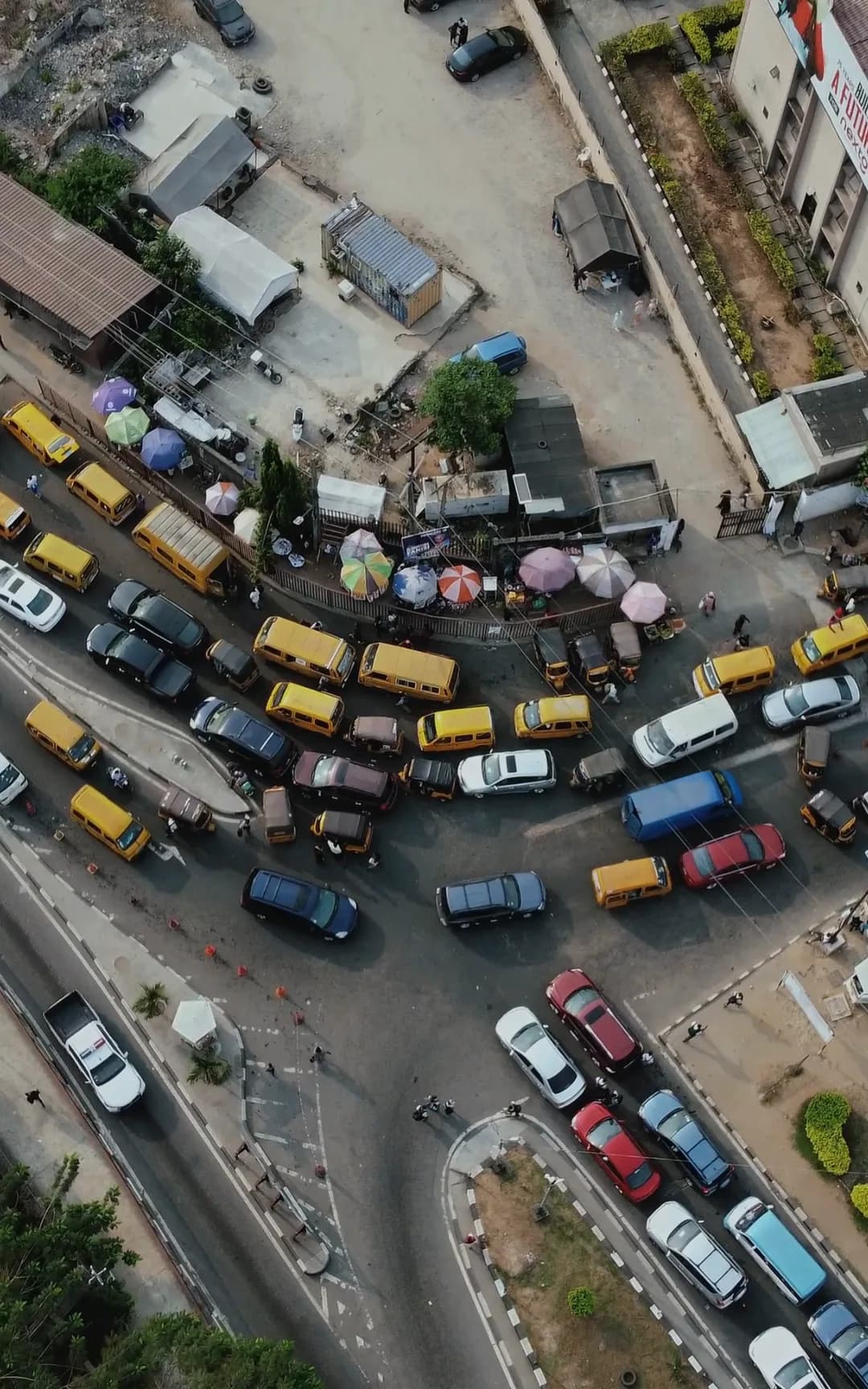

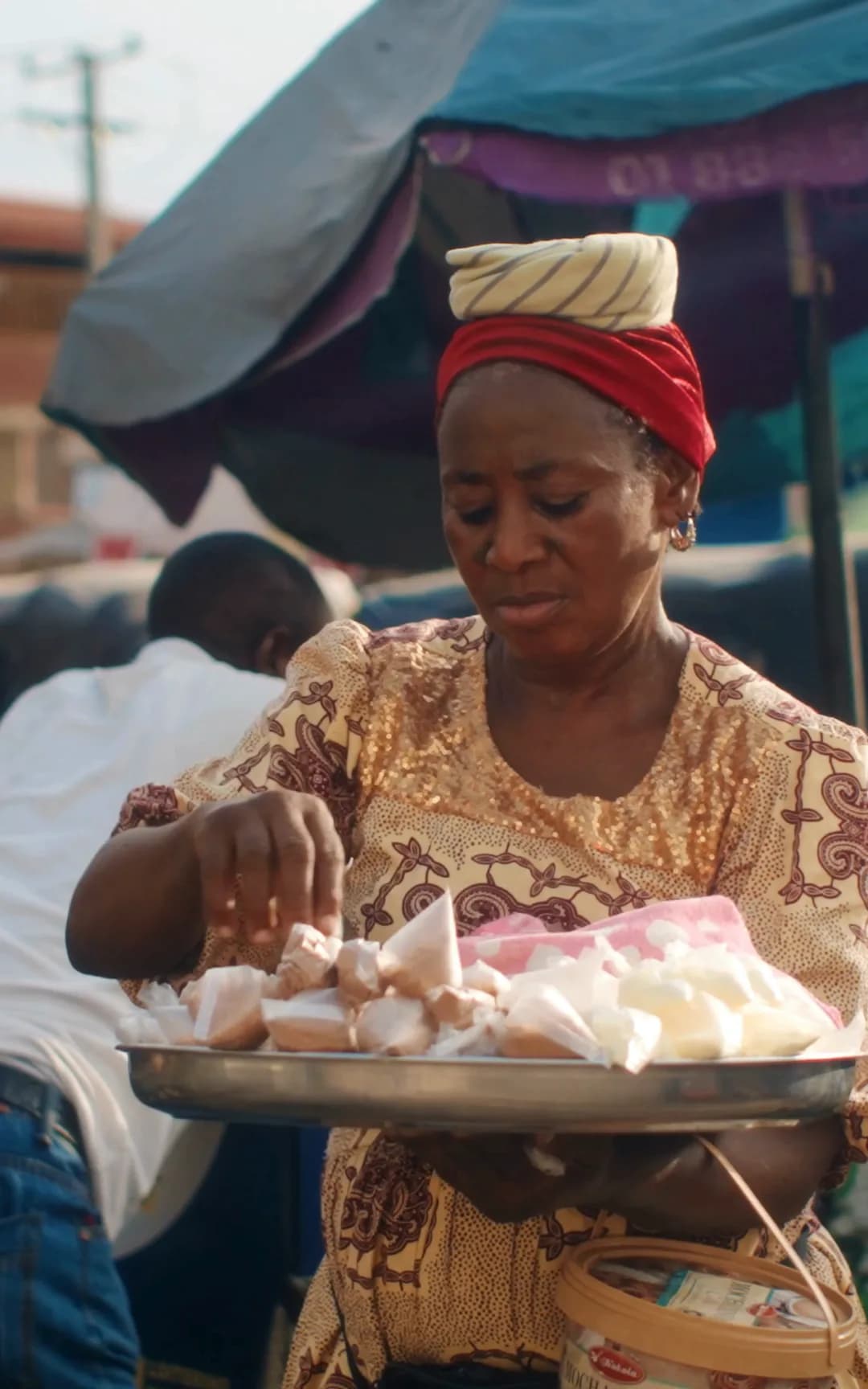



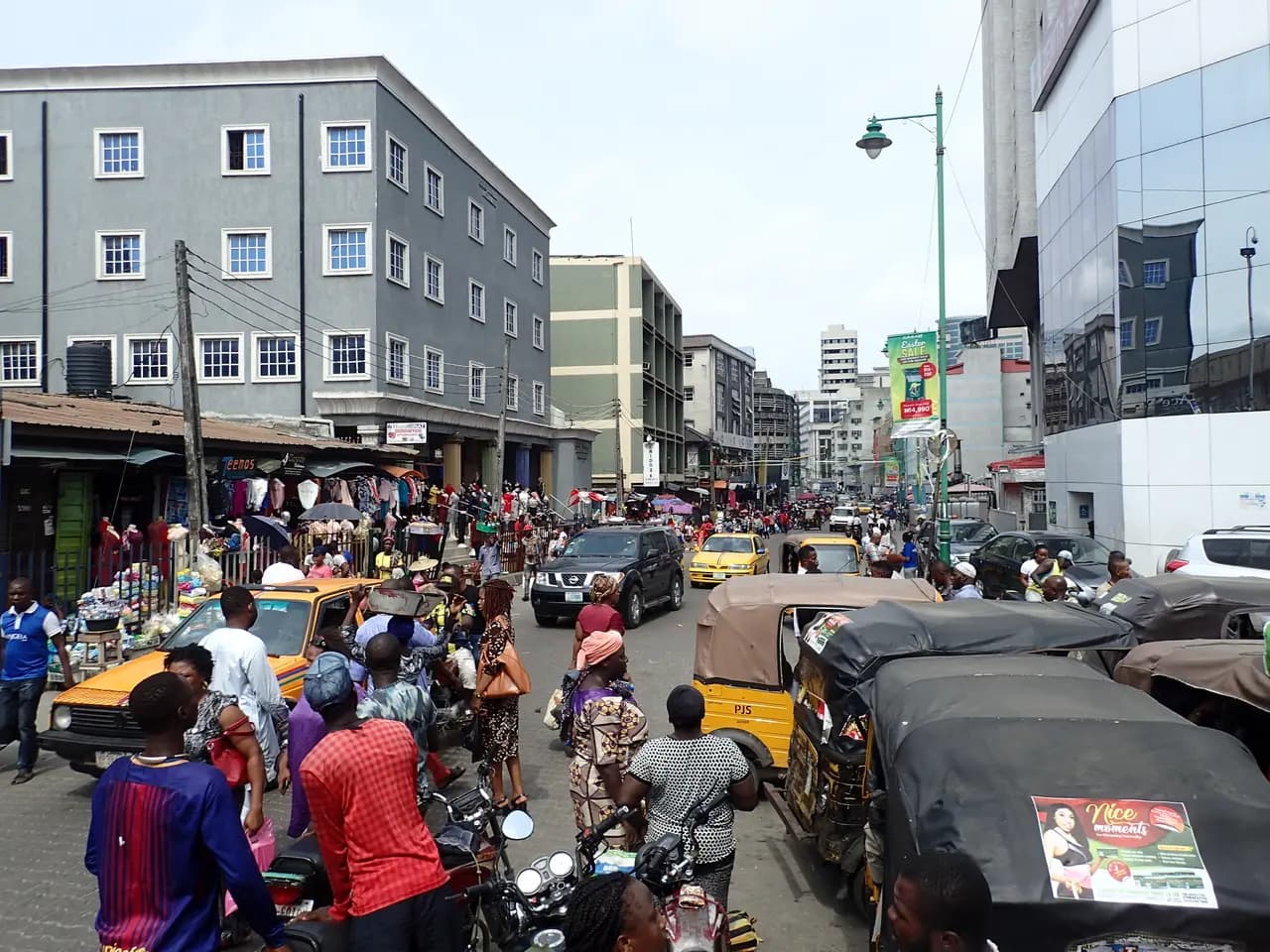
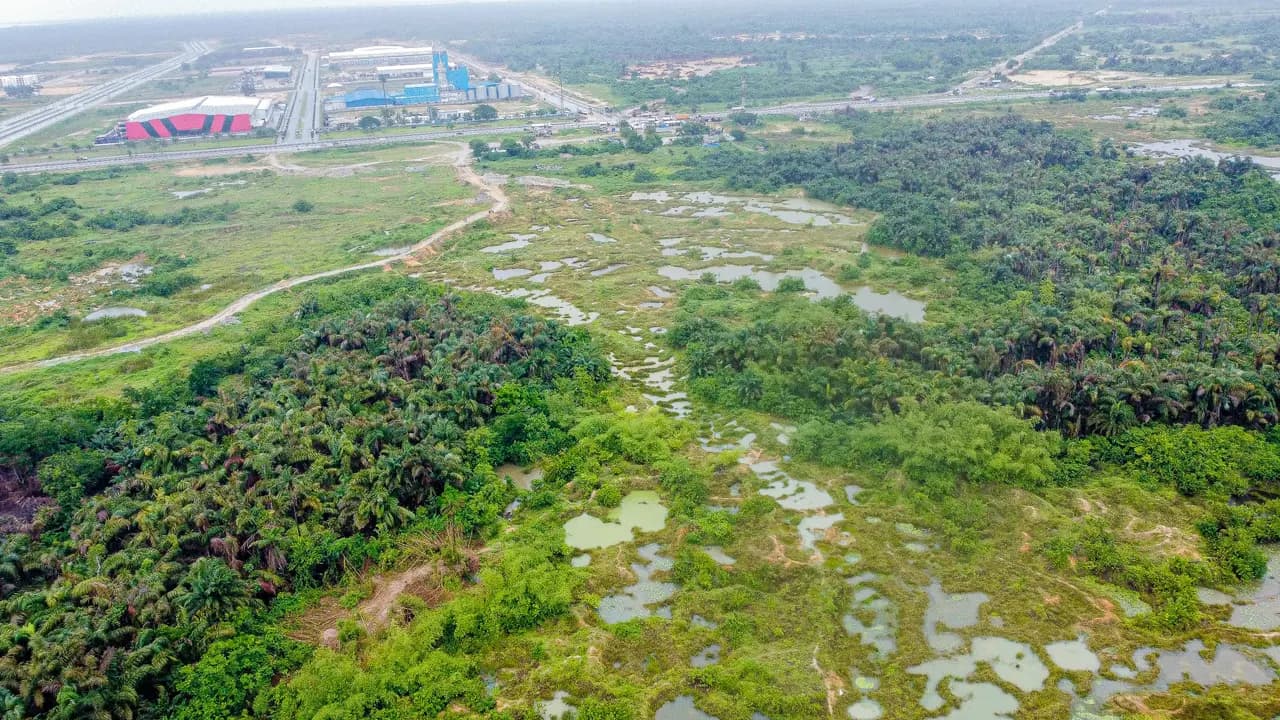
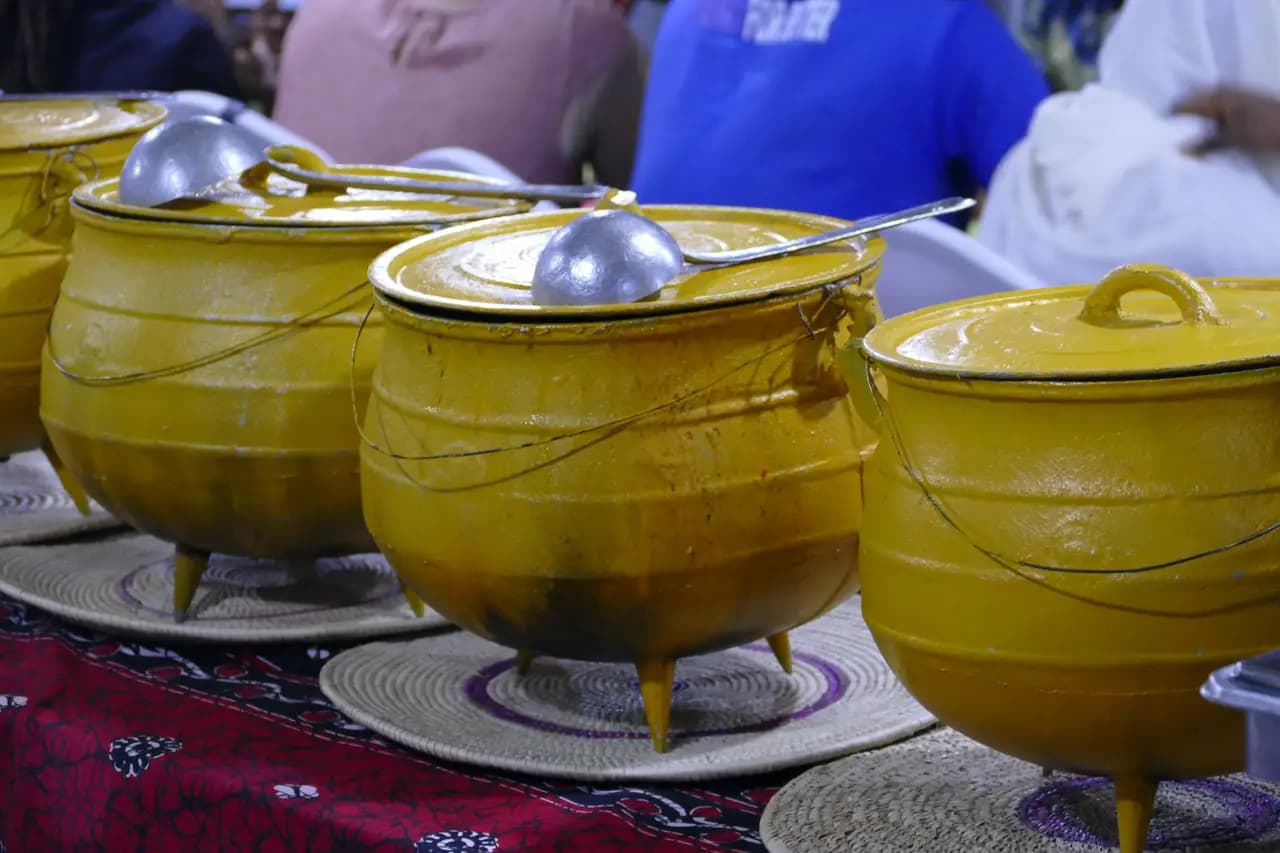
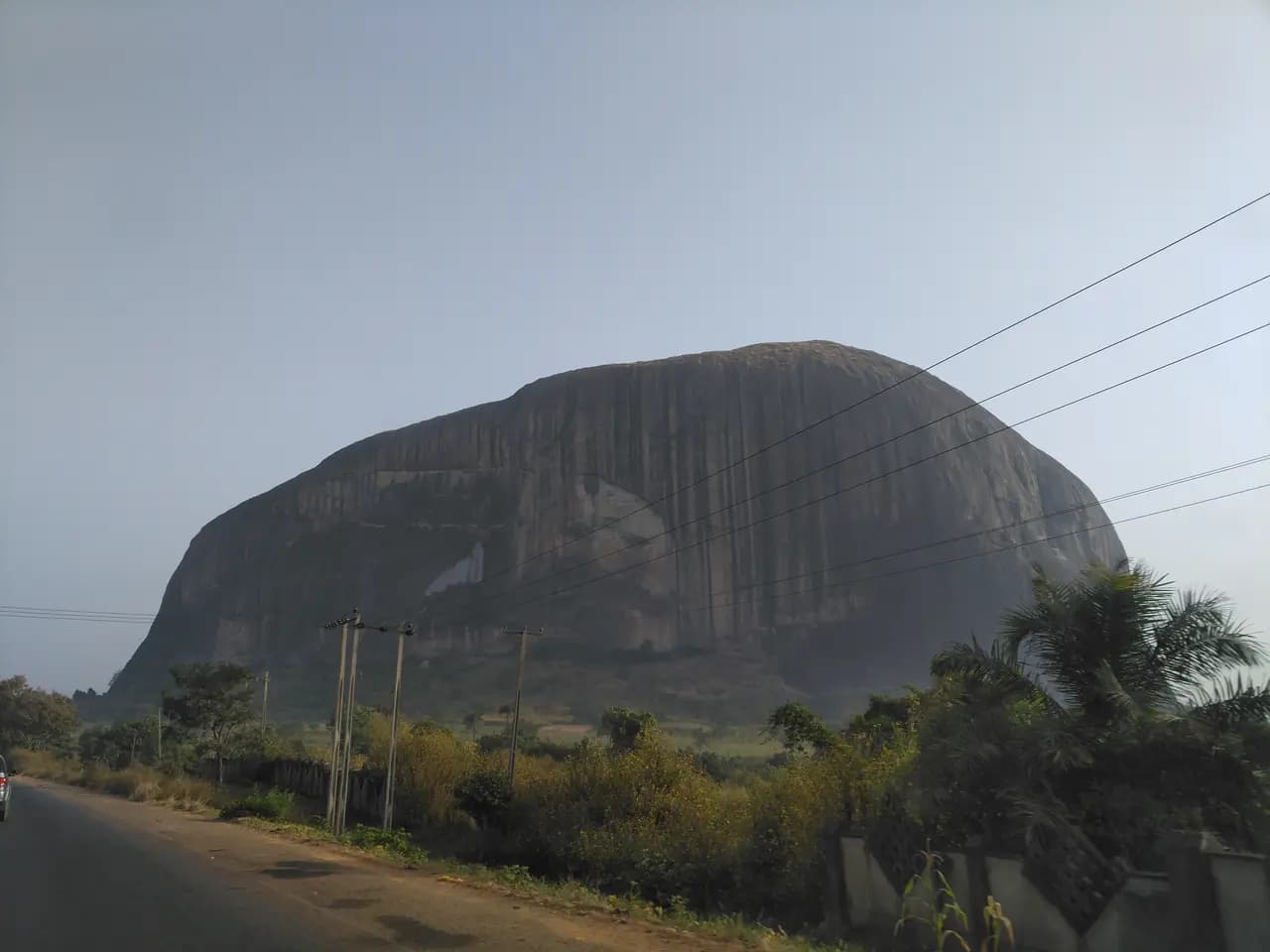
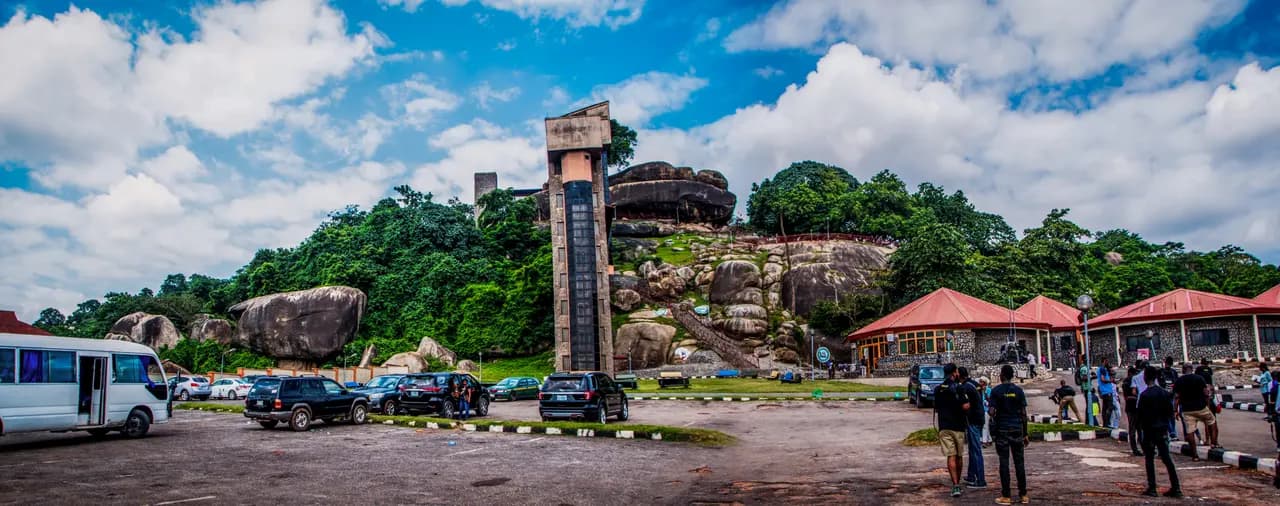
Share your trip with #viafro: the best images will join this gallery, with your credit.
Sourced data (World Bank). No investment advice.
World Bank data (World Development Indicators), consulted on 28 Oct 2026. Tourist arrivals are the latest year published.
Book your stay and take the right guidebook along: partner links, labelled as such, to current prices.
Affiliate link: Viafro earns a commission at no extra cost to you.The Viafro letter
A short letter, when there is something to say. One-click unsubscribe.
Information checked on 28 Oct 2026. Check the official source before you travel. Viafro gives no safety rating and publishes no price without a source.
Explore nearby