The checklist as a PDF
Entry, health, money, transport and safety, laid out for print, with their sources and verification date.
An editorial bearing, with no percentage and no rating: our criteria are written down, and every “good to know” links to its source.
Hover or tap a month: its reading and its source appear. Bars measure rain, the figure is the capital’s mean maximum.
Possible
Banjul: mean maximum 34 °C, 1 mm of rain · hot.
Source: Wikipedia (climate normals)
Entry, health, safety, money and facts: dated official extracts, never paraphrased.
Visa, passport, customs
GOV.UK advice, written for British passport holders. French travellers: see France Diplomatie (https://www.diplomatie.gouv.fr/fr/information-par-pays/gambie/conseils-aux-voyageurs-entree-sejour).
Vaccines, malaria, water
This is not medical advice: talk to your doctor or an international vaccination centre before you travel.
Per the ministries
Viafro gives no safety rating: here are the zones and advice published by the French ministry (in French) and the official extracts, with their dates.
No particular vigilance zone is listed on the official page (in French) (updated on 15 Sept 2026) · see the page.
What the country’s law provides
Photography, alcohol, drugs, relationships: the rules published by the ministries, quoted as they stand, without comment.
Currency
dalasi / dalasiViafro publishes no price or budget range without a source: amounts will come from our own expenses recorded on the ground, dated and itemised.
Entry, health, money, transport and safety, laid out for print, with their sources and verification date.
Express card
Structured data from Wikidata and the CIA World Factbook, re-checked at every site update.
Direct flights from Paris are to be checked on the airport’s or airline’s website.
On the road
Banjul (UK:, US: ), officially the City of Banjul, is the capital city of the Gambia.
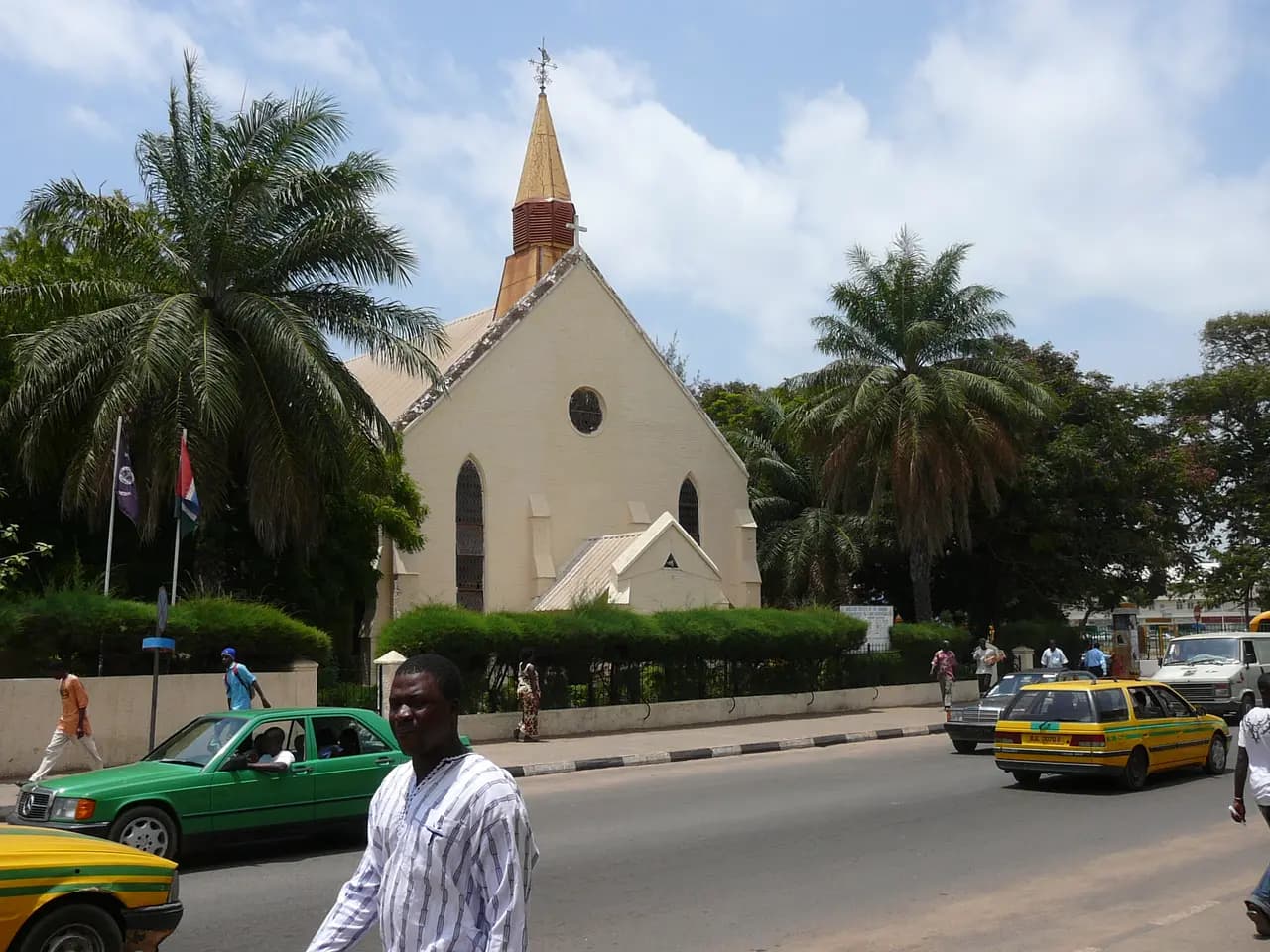
Abuko is a town in the West Coast Division of the Gambia, five miles southwest of the capital Banjul.
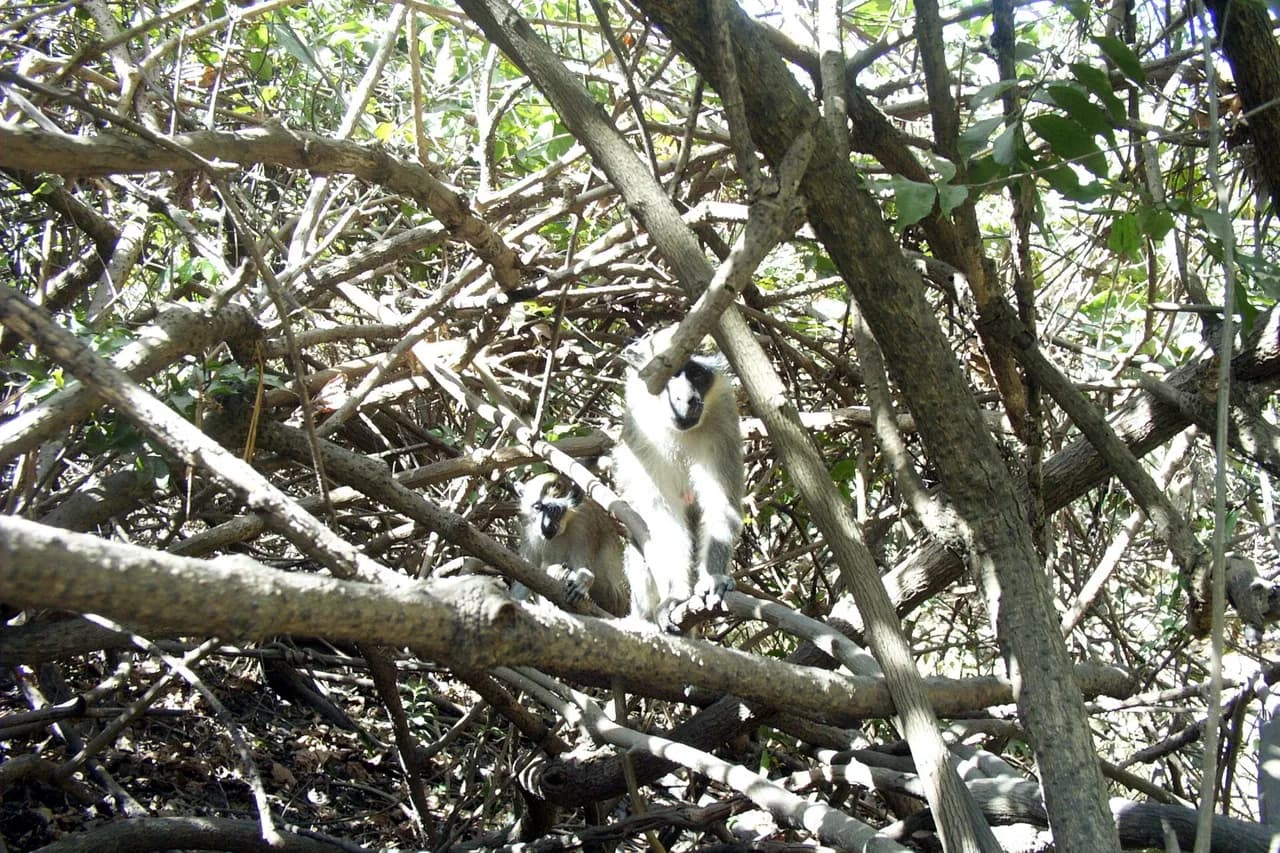
Serekunda (or Serrekunda; Wolof pronunciation: [sɛːɾɛkuⁿd̺ɐ]) is a major city and the largest metropolitan area in The Gambia.
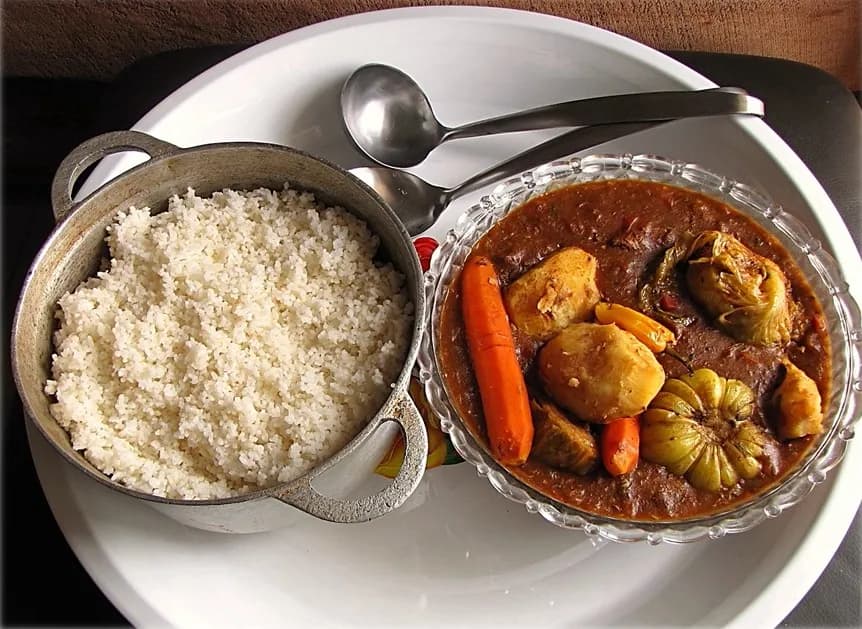
Domoda is a Senegalese dish. Like many dishes from Senegal, this one is also influenced by French cuisine. The name ragout comes from the French, a smooth, tomato-based sauce prepared with vinegar and vegetables, to which flour (farine) is added to thicken the
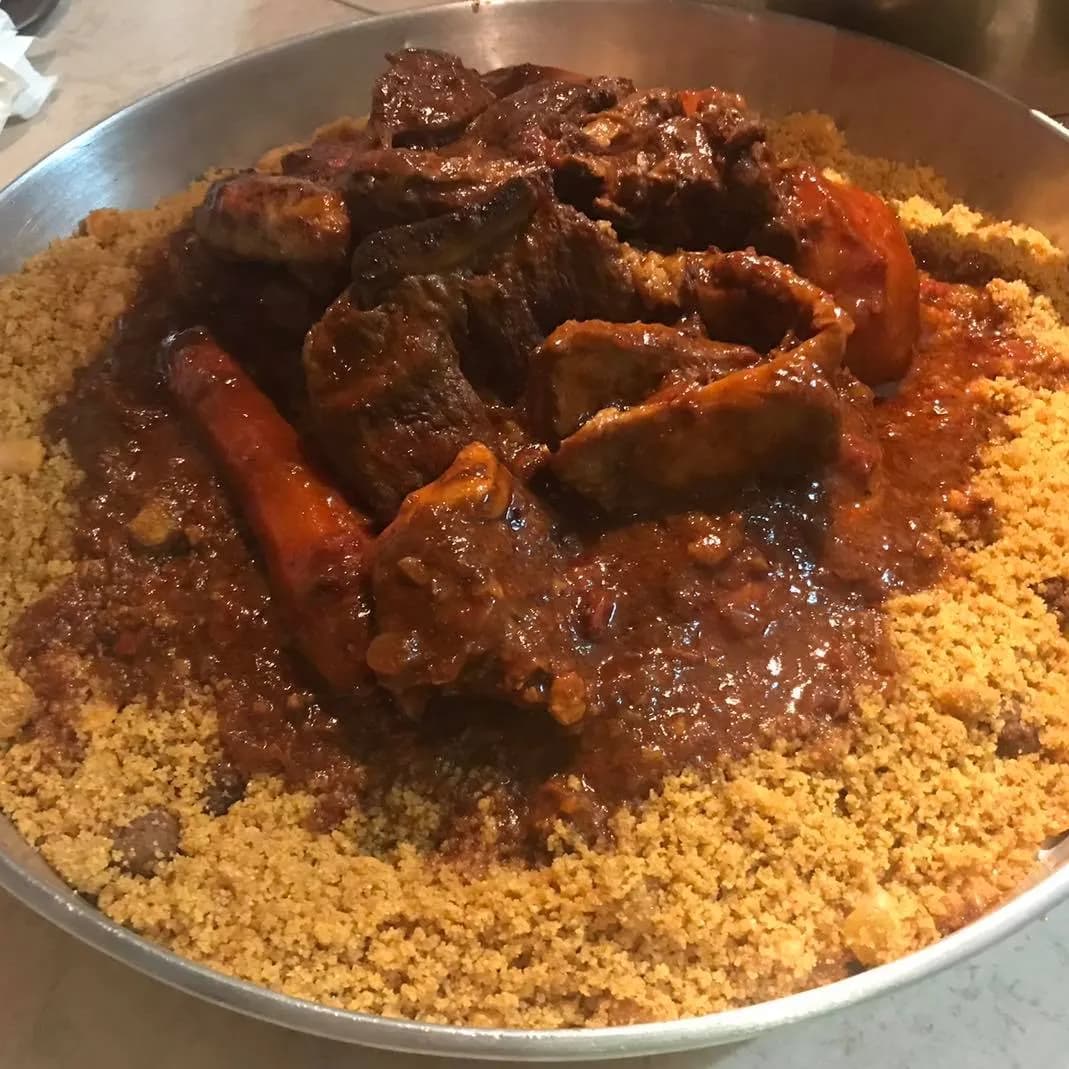
Thiere or thiéré is a millet-based couscous and an important staple food in Senegal, The Gambia and Mauritania.
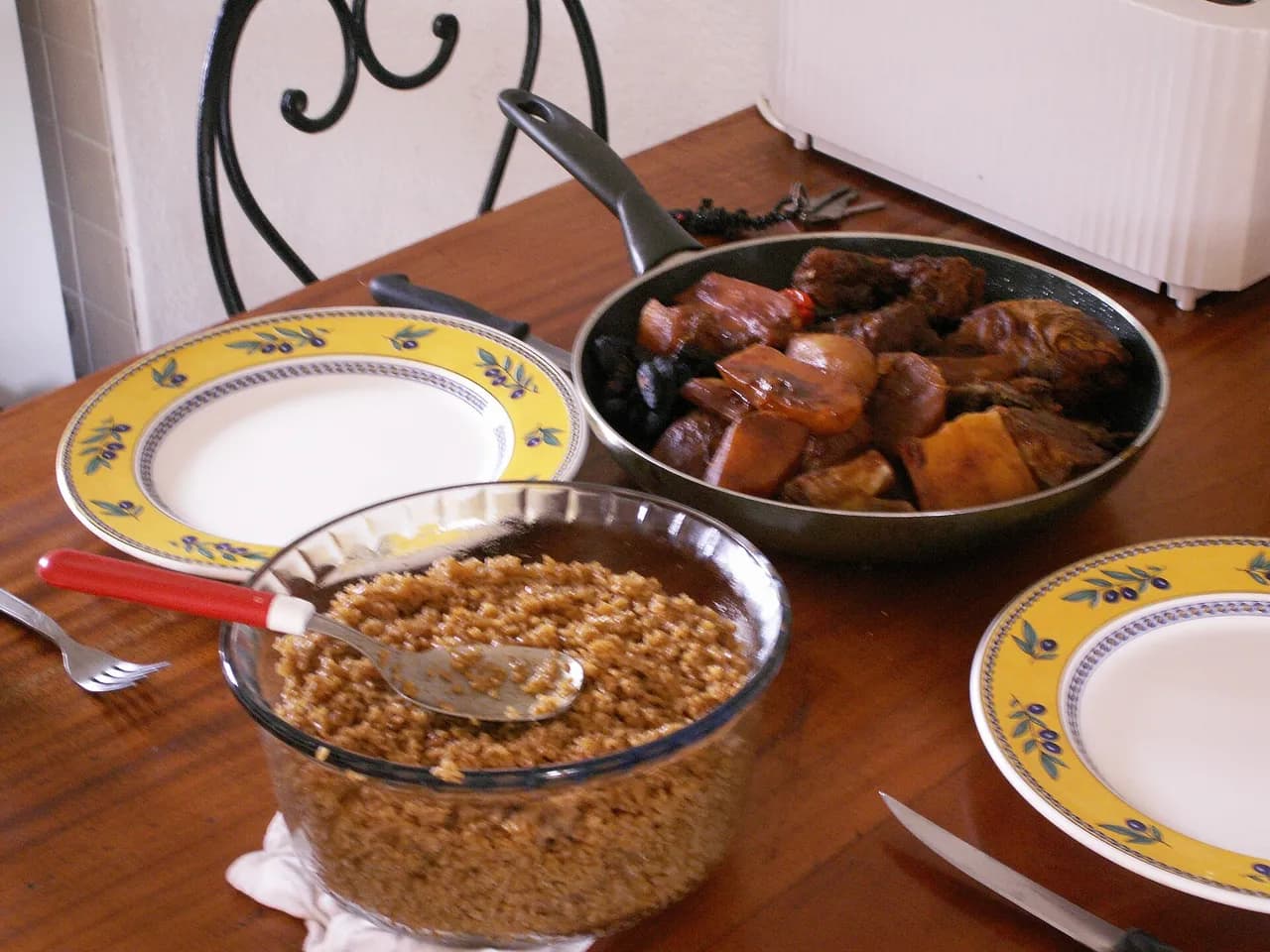
Ceebu or tiep is a traditional dish from Senegal that is also consumed in Mauritania, Guinea-Bissau, Guinea, Mali, The Gambia, and other West and Central African countries. It is the national dish in Senegal. The version of tiep called ceebu jën or chebu jen –
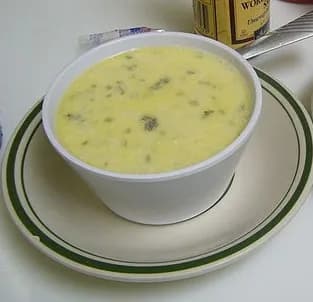
Oyster stew is a stew made with oysters. It is popular in the United States and in The Gambia.
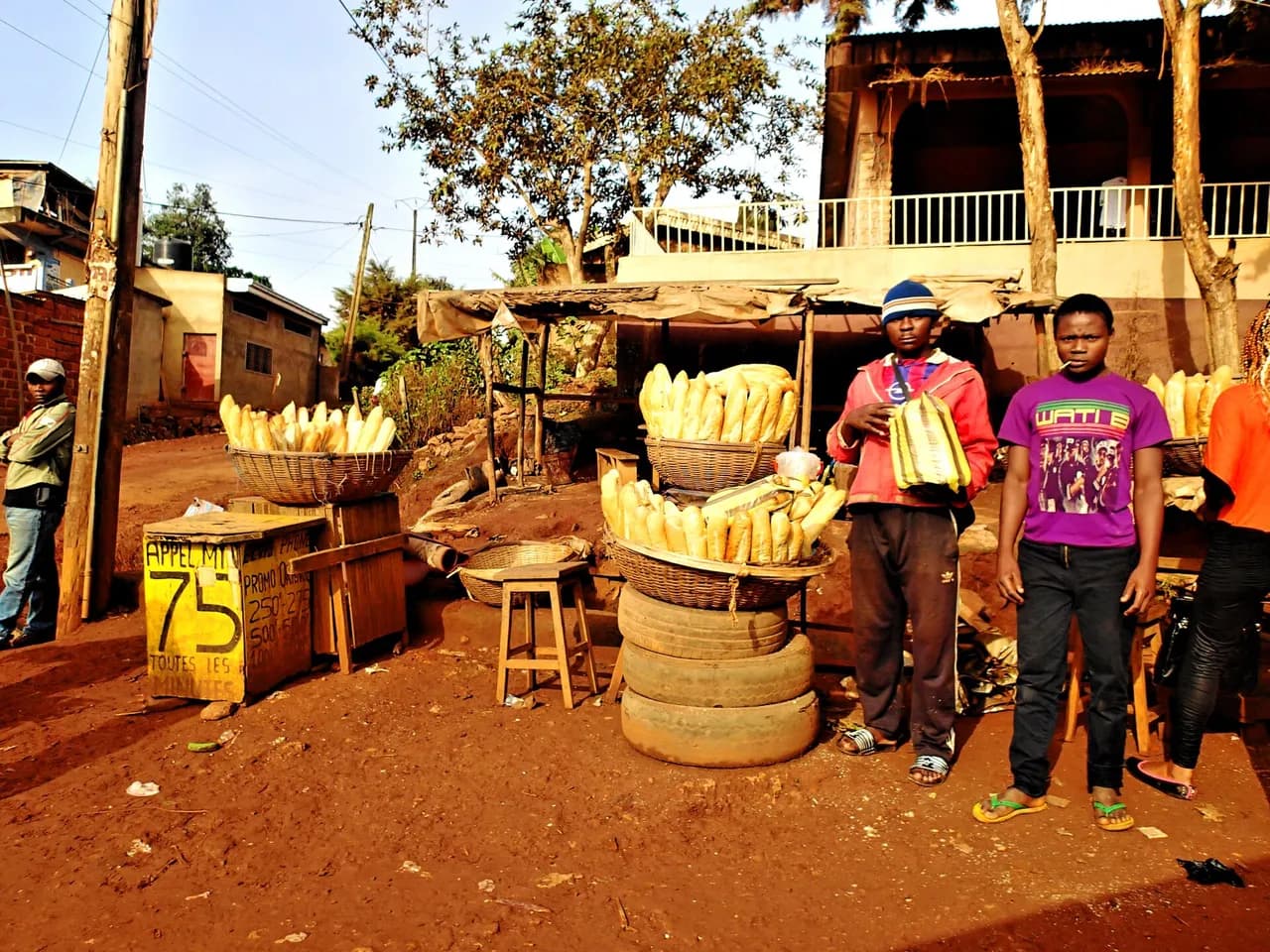
Tapalapa is a traditional West African bread originating in Senegal based on the French baguette, though it is slightly smaller, and baked in a large, traditional wood-burning oven made of mud brick. Tapalapa is hard to find in large cities in Senegal, as thes
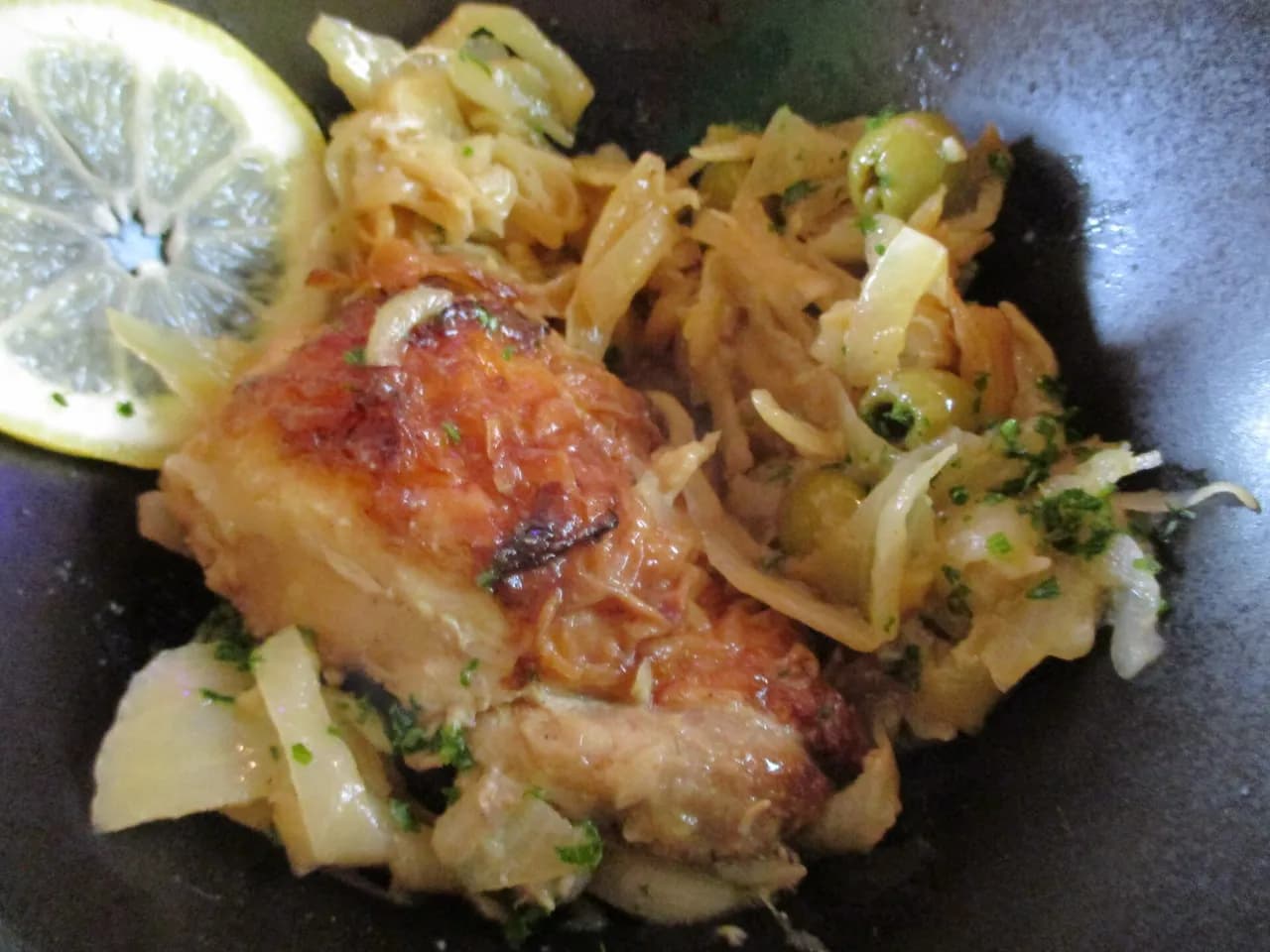
Yassa is a spicy dish prepared with onions, lemon or mustard and marinated poultry, fish, or lamb. Originally from Senegal, it has become popular throughout West Africa. Other names for chicken yassa include yassa au poulet and yassa ganaar. The term "yassa" r
Independence Day, 18 February (1965) ; independence: 18 February 1965 (from the UK).
Fixed dates and moveable events, each with its source; moveable dates change every year and are to be checked on an official calendar.
2,822,093 inhabitants in 2025 on 11,300 km², about 250 per km².
Independence on 18 February 1965 (from the UK).
In the 10th century, Muslim merchants established some of The Gambia’s earliest large settlements as trans-Saharan trade hubs.
Real photographs: free images under a verified licence and Viafro images. Never a generated image. Credits in the footer.
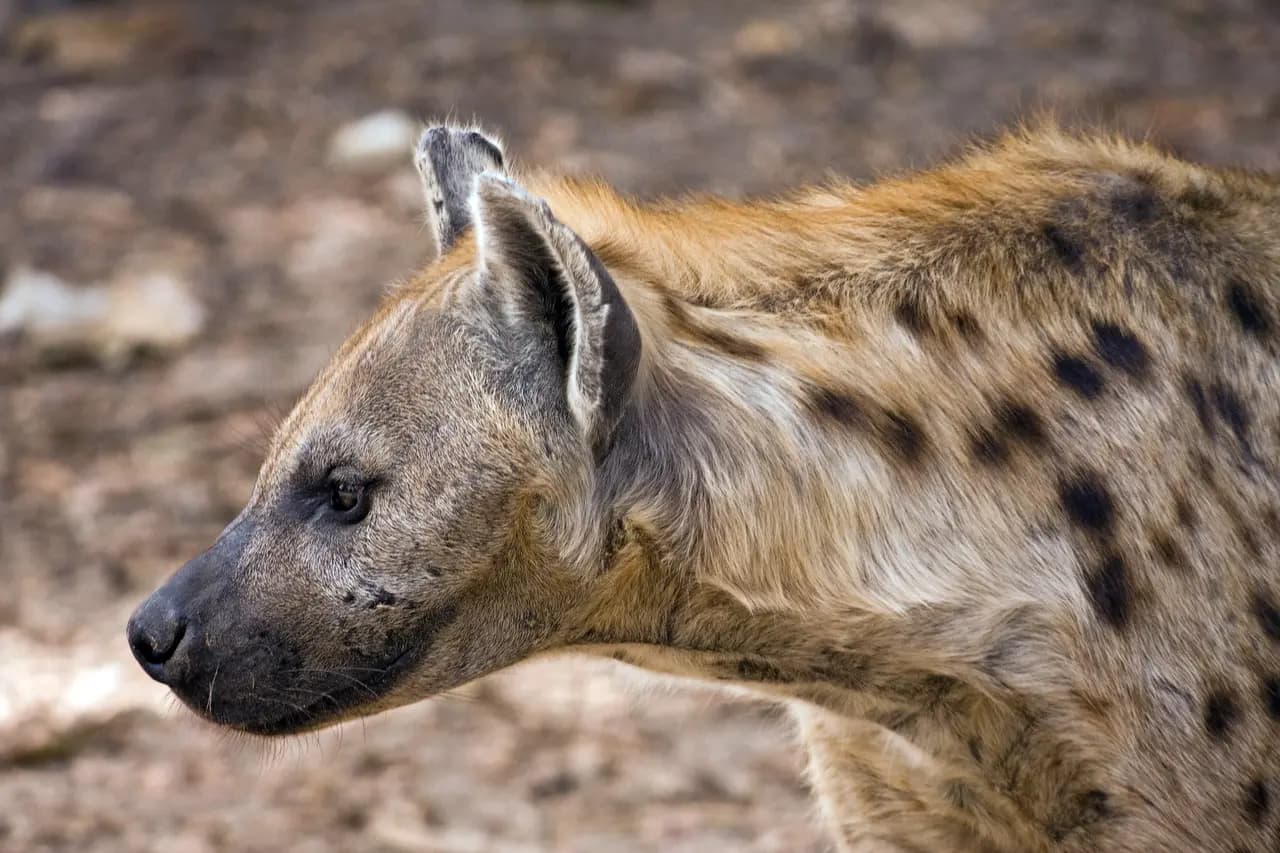
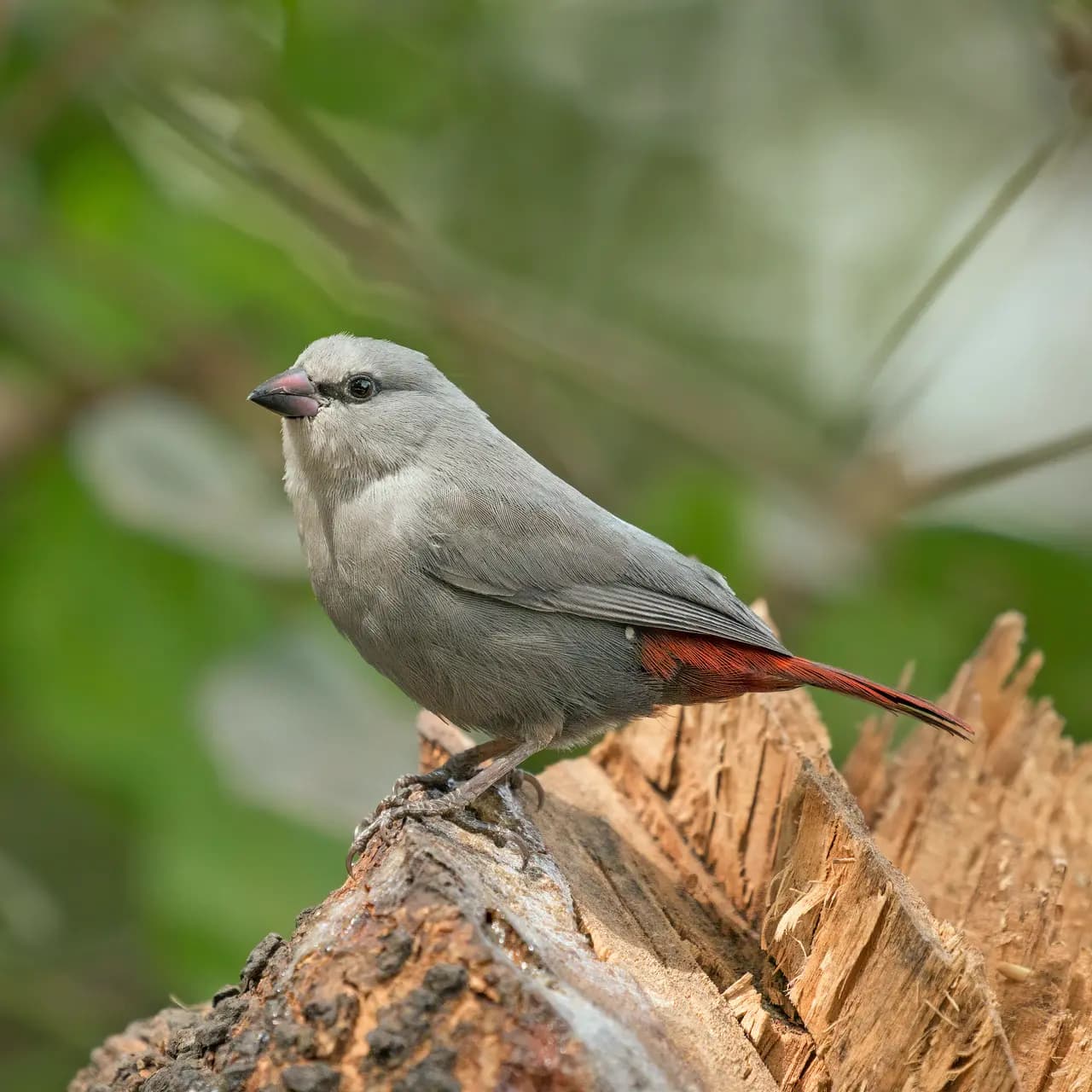
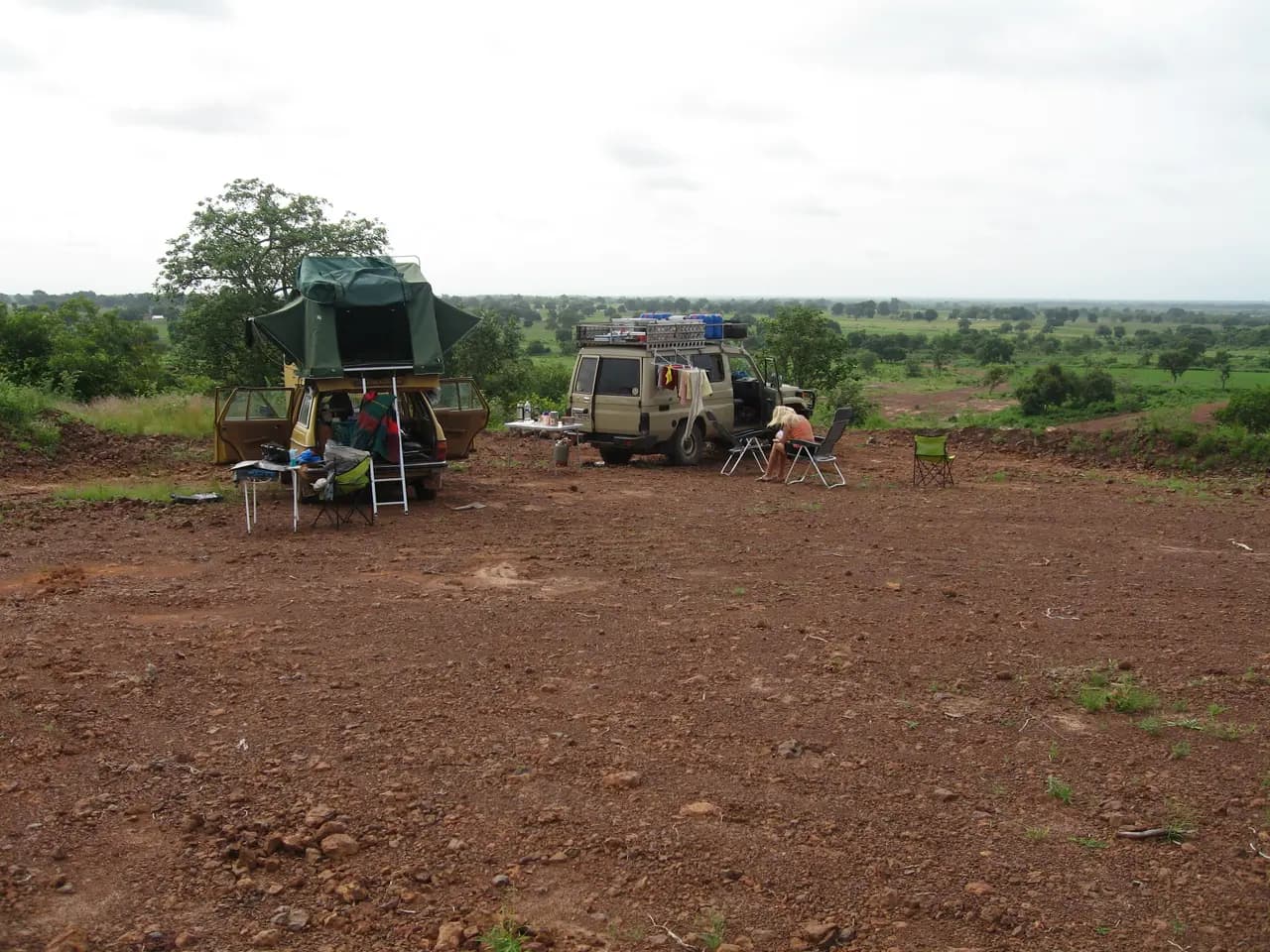
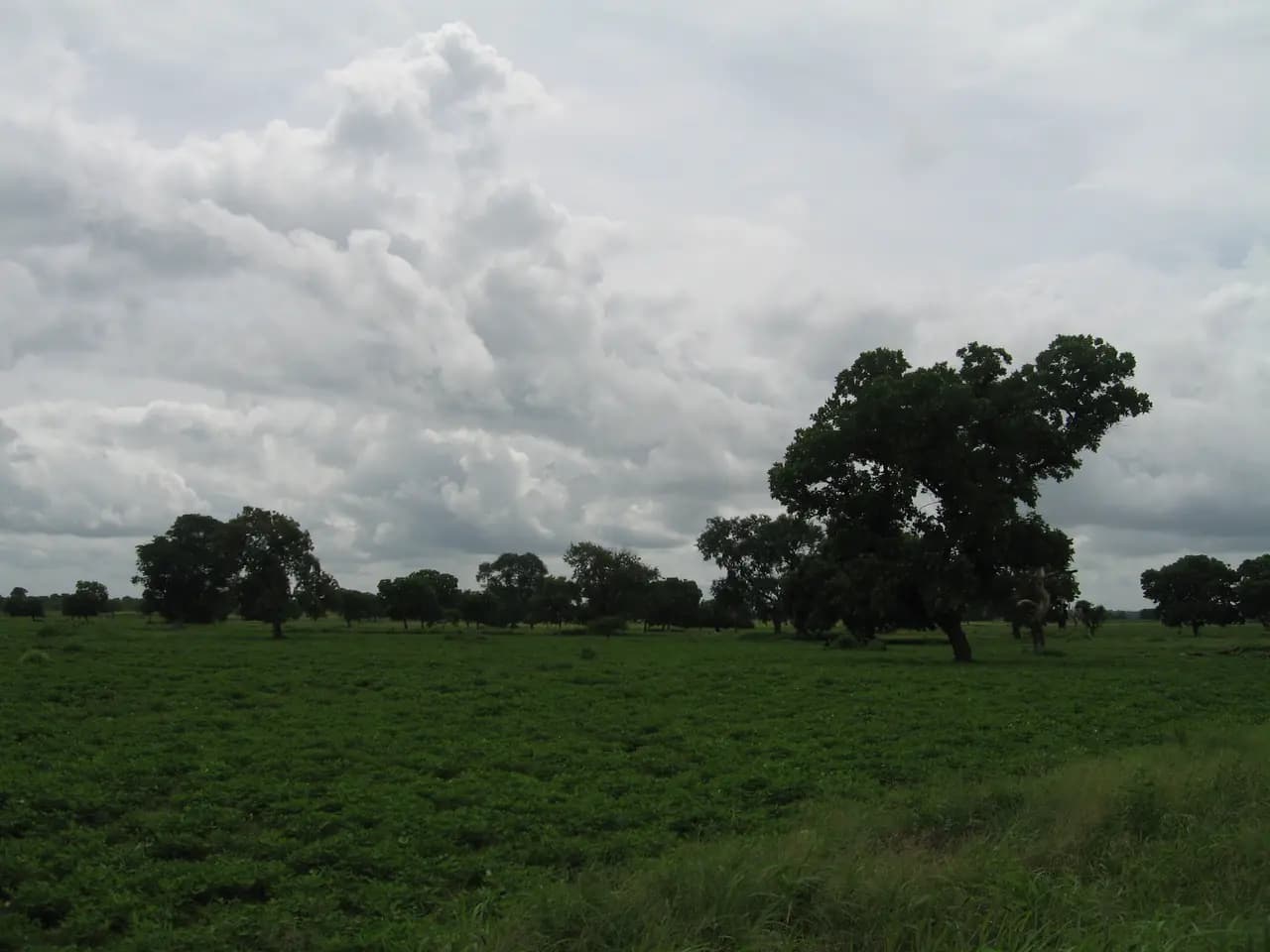
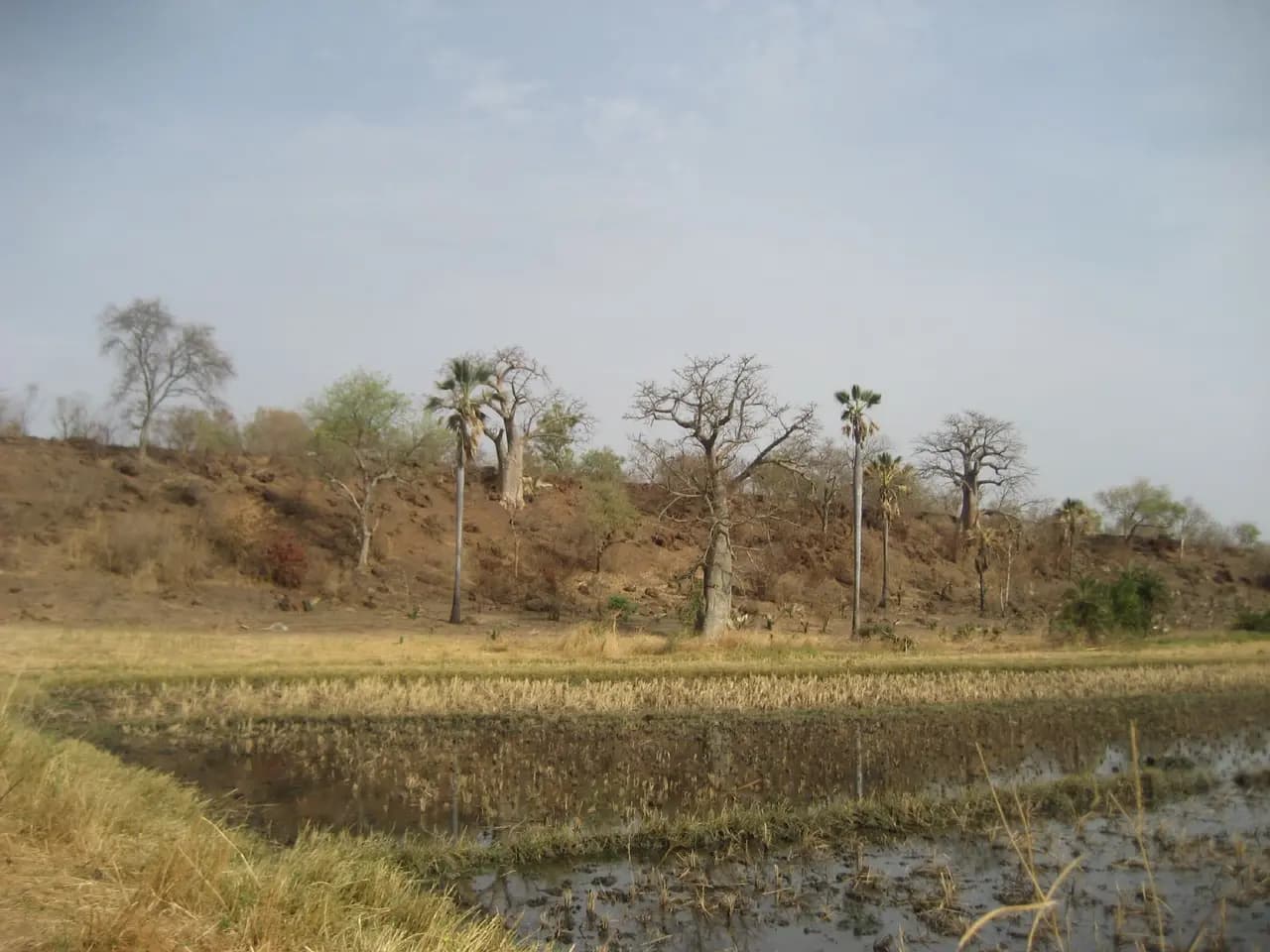
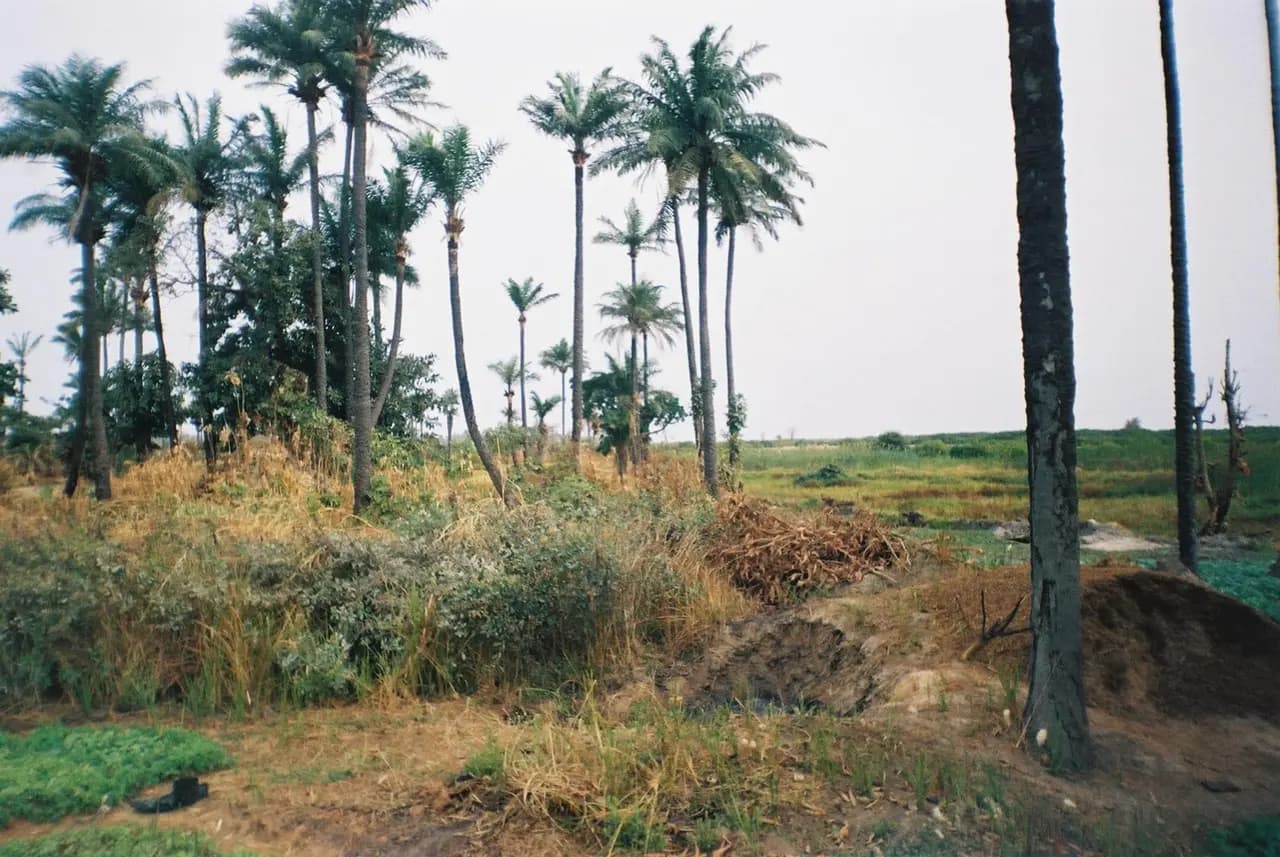
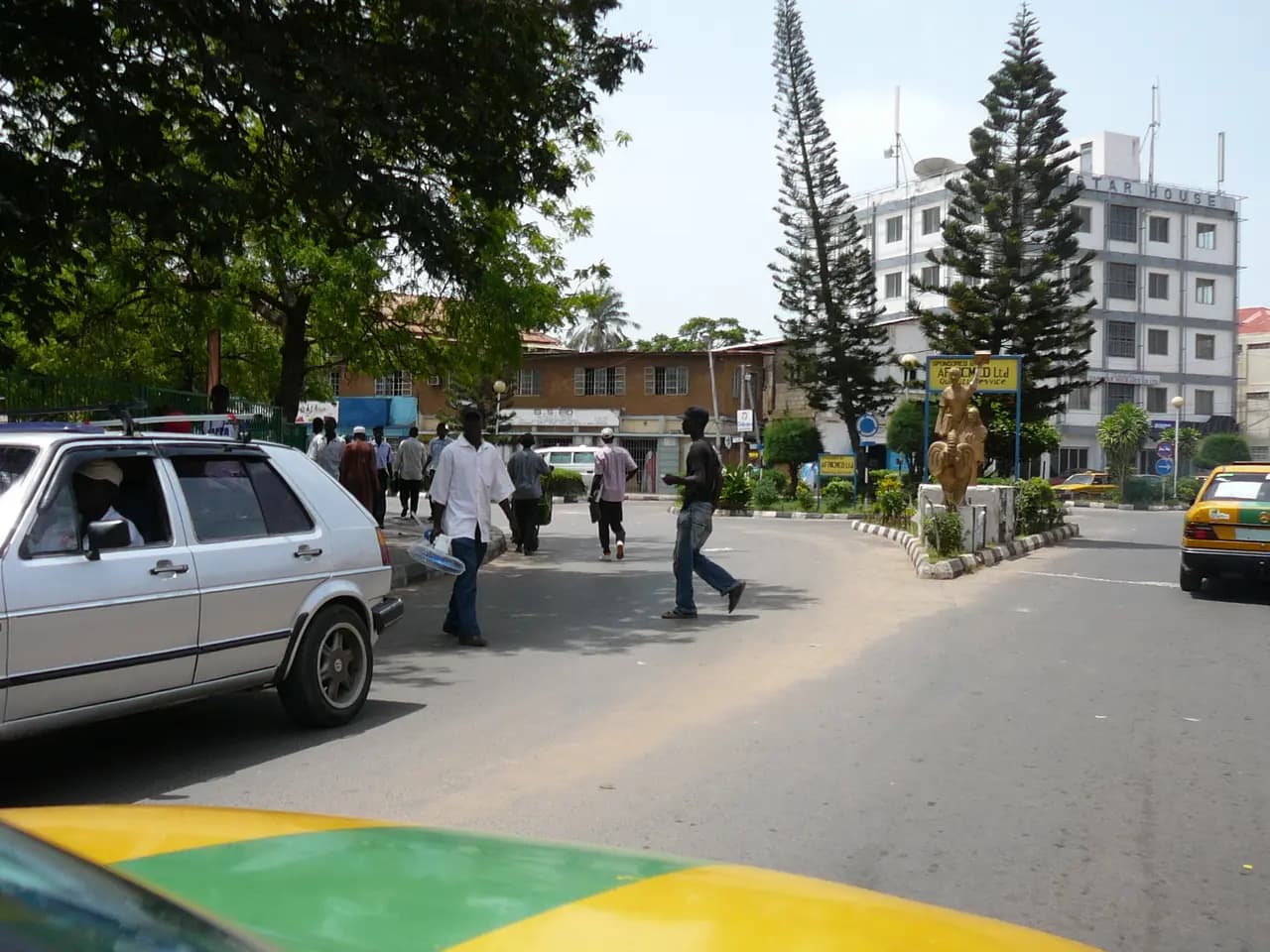
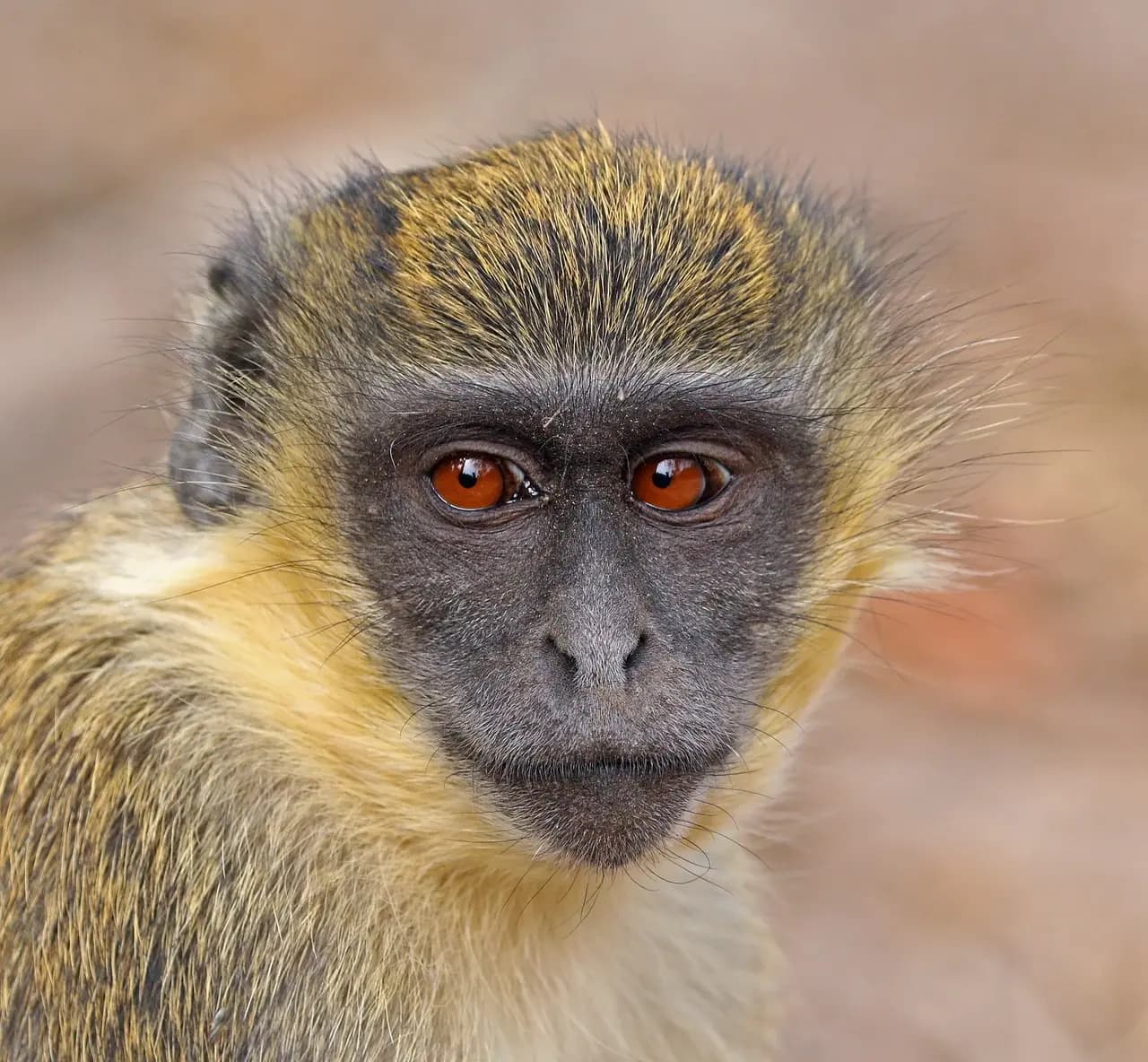
Share your trip with #viafro: the best images will join this gallery, with your credit.
Sourced data (World Bank). No investment advice.
World Bank data (World Development Indicators), consulted on 28 Oct 2026. Tourist arrivals are the latest year published.
Book your stay and take the right guidebook along: partner links, labelled as such, to current prices.
Affiliate link: Viafro earns a commission at no extra cost to you.The Viafro letter
A short letter, when there is something to say. One-click unsubscribe.
Information checked on 28 Oct 2026. Check the official source before you travel. Viafro gives no safety rating and publishes no price without a source.
Explore nearby