Rwanda, gorillas and lakes
The mountain gorillas of the Virungas, a crater lake, Lake Kivu and its trail, Nyungwe forest and the Akagera savannah: Rwanda told stage by stage, from the sources.
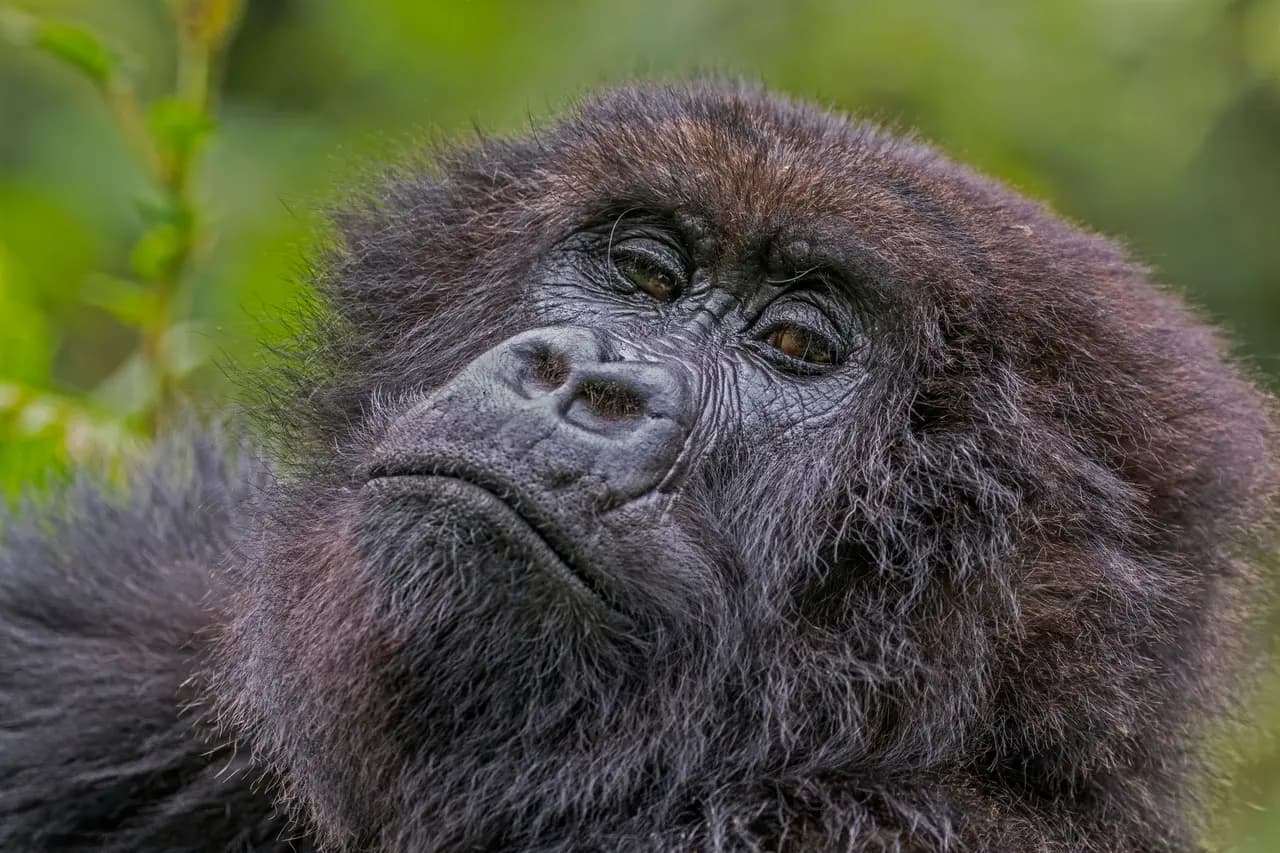
Rwanda packs very different landscapes into a short distance: the Virunga volcanoes in the north-west, Lake Kivu in the west, the Nyungwe montane forest in the south-west and the Akagera savannah in the east. This story links them, starting from Kigali.
The only price given is the gorilla permit, published by the Rwanda Development Board (RDB). Every stage links to its activity sheet, where each fact cites its source.
Kigali
The capital spreads over hills linked by steep slopes, 5 km from the international airport. The Kigali Genocide Memorial commemorates the 1994 genocide against the Tutsi; more than 250,000 people are buried there, and a visitor centre explains the events.
Volcanoes National Park and the gorillas
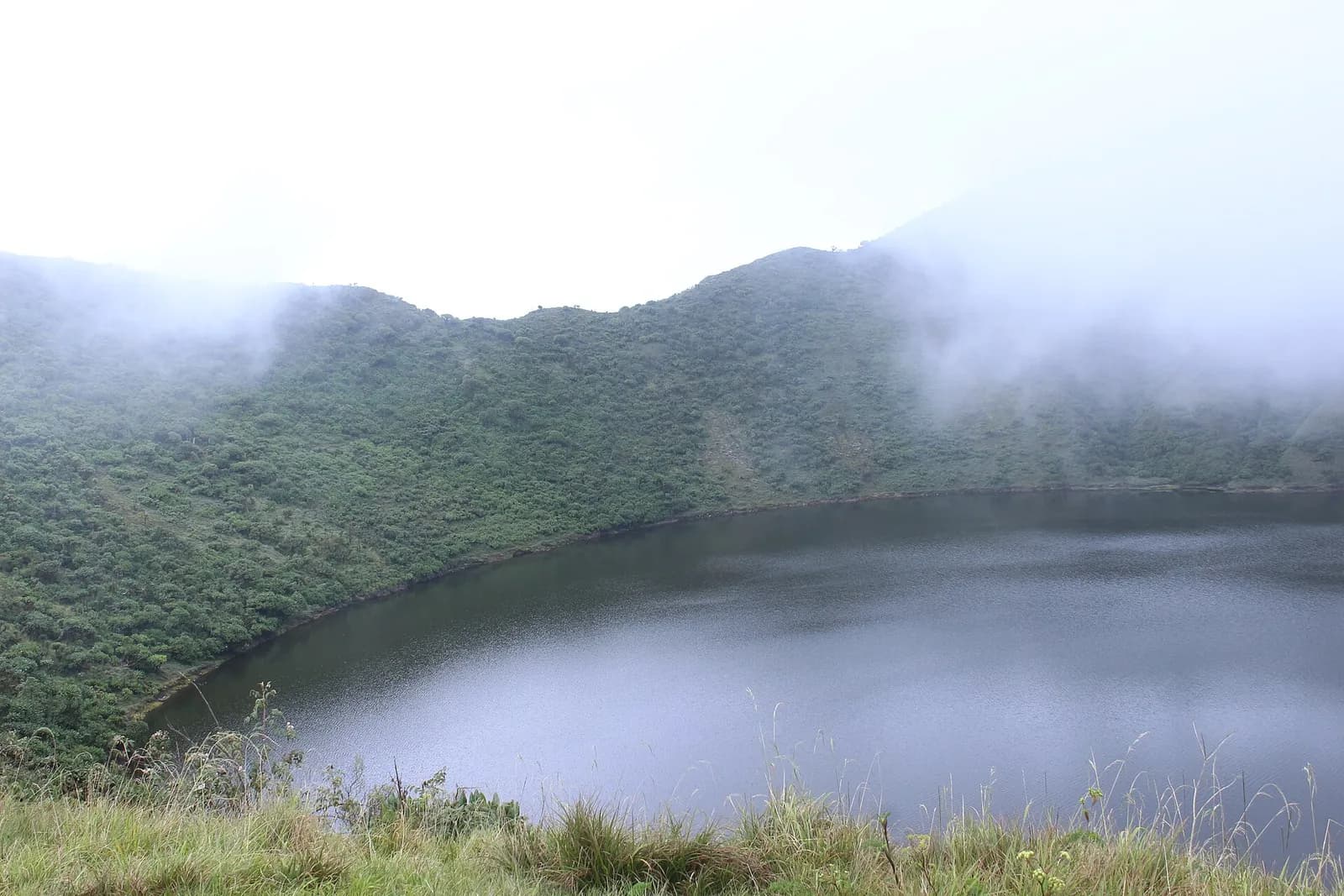
Visitors gather at 7 a.m. at the park headquarters in Kinigi. The walk to the gorillas takes from 30 minutes to over 4 hours, at 2,500–4,000 m, and the encounter one hour at most. The permit costs 1,500 US dollars per person per day; only 96 are issued each day, from age 15.
The Bisoke hike leaves from the same headquarters; its summit, never snow-capped but often in fog, holds the largest crater lake in the range.
Lake Kivu and the Congo Nile Trail
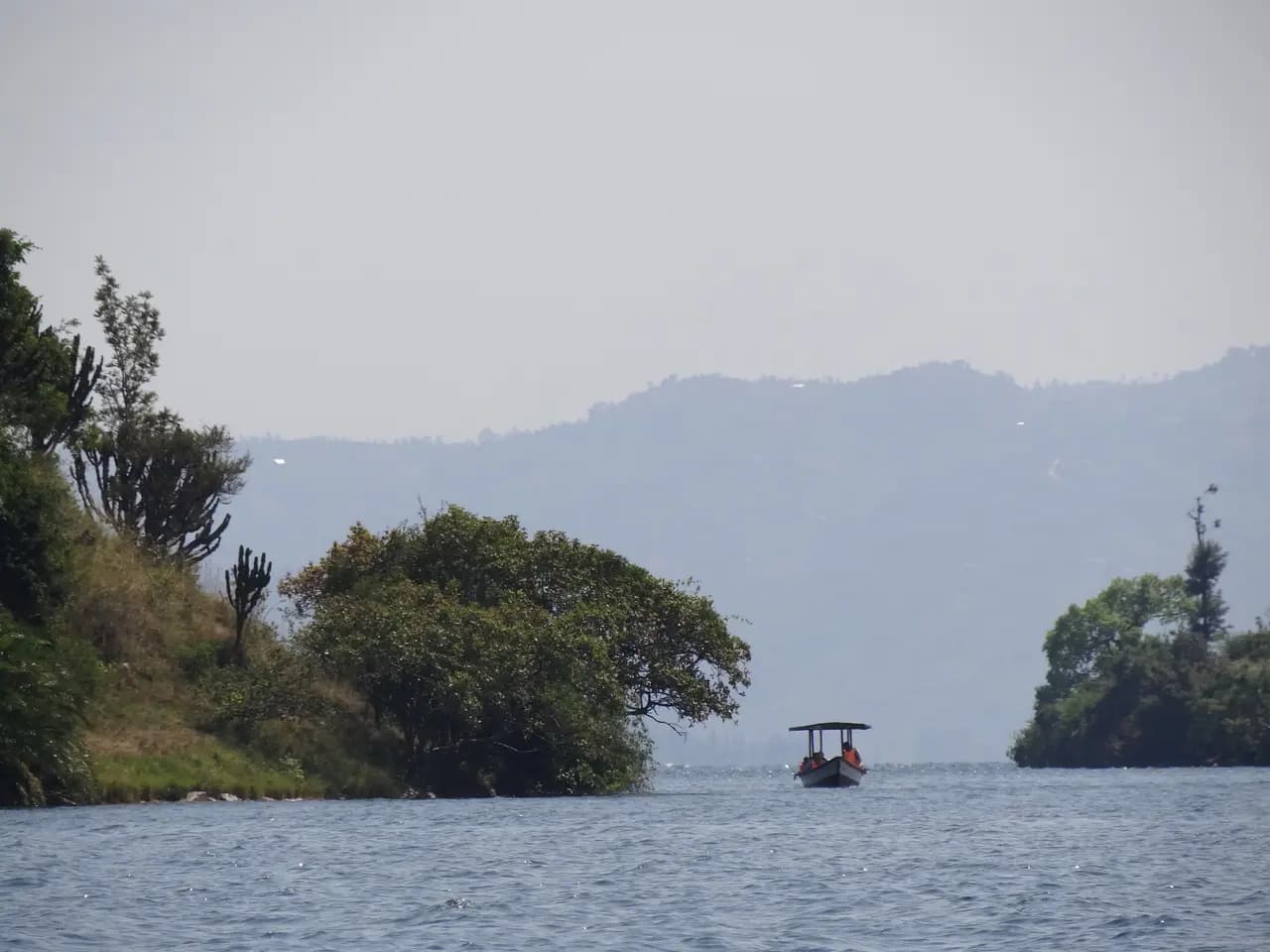
Buses link Kigali with Gisenyi twice an hour, in 3 hours; the town has a public beach on the lake’s northern shore. From there the Congo Nile Trail follows Kivu for about 227 km to Rusizi, on foot or by bike, over several days.
Nyungwe forest
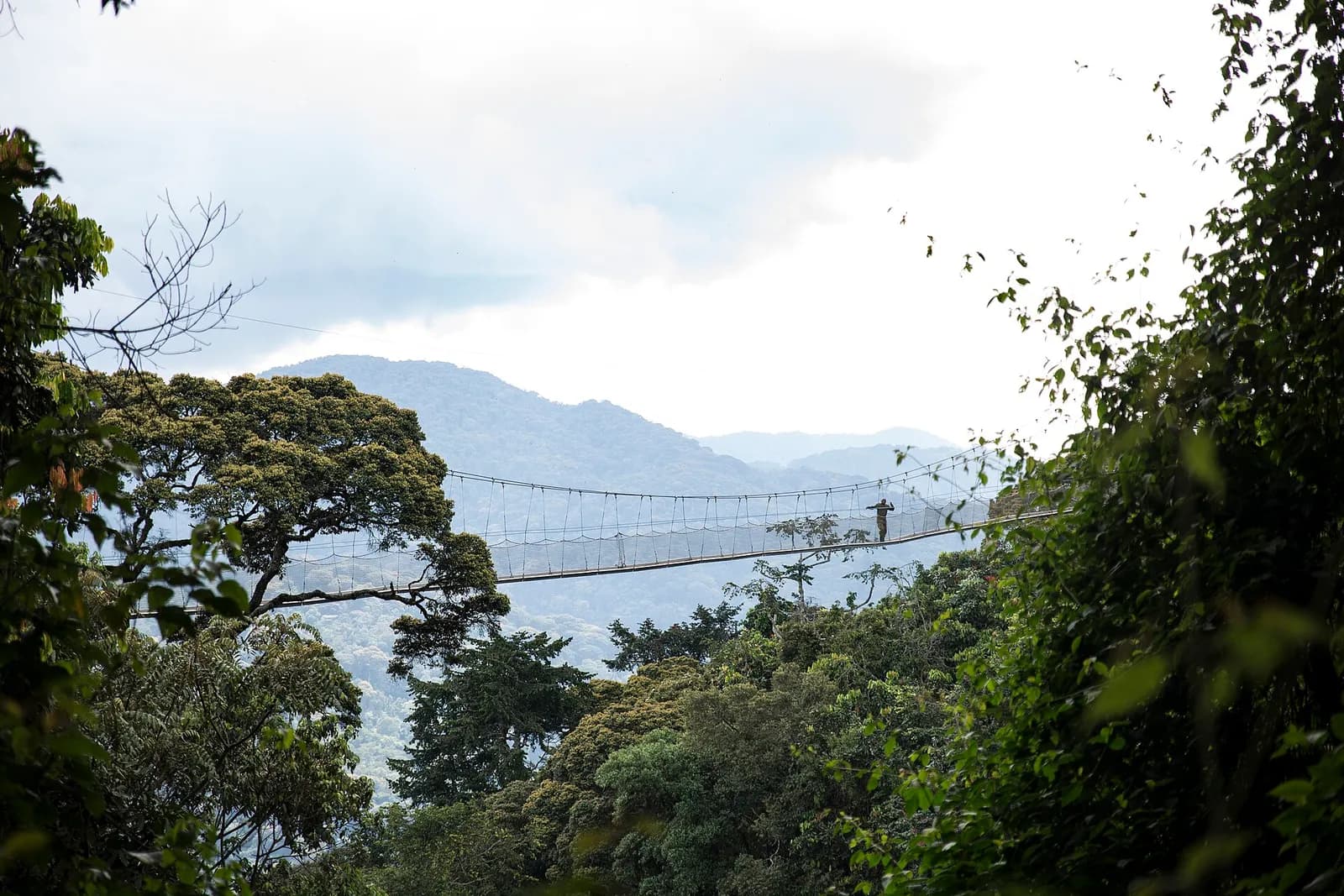
On the Burundi border, Nyungwe is most likely the best-preserved montane rainforest in Africa. A national park since 2004, it is home to 13 primate species, chimpanzees among them, and more than 300 bird species.
Huye and Nyanza
The Ethnographic Museum in Huye, about 3 hours from Kigali, traces the country’s cultural history. Close by in Nyanza, the King’s Palace Museum shows a reconstructed royal residence and its long-horned Inyambo cattle.
Akagera
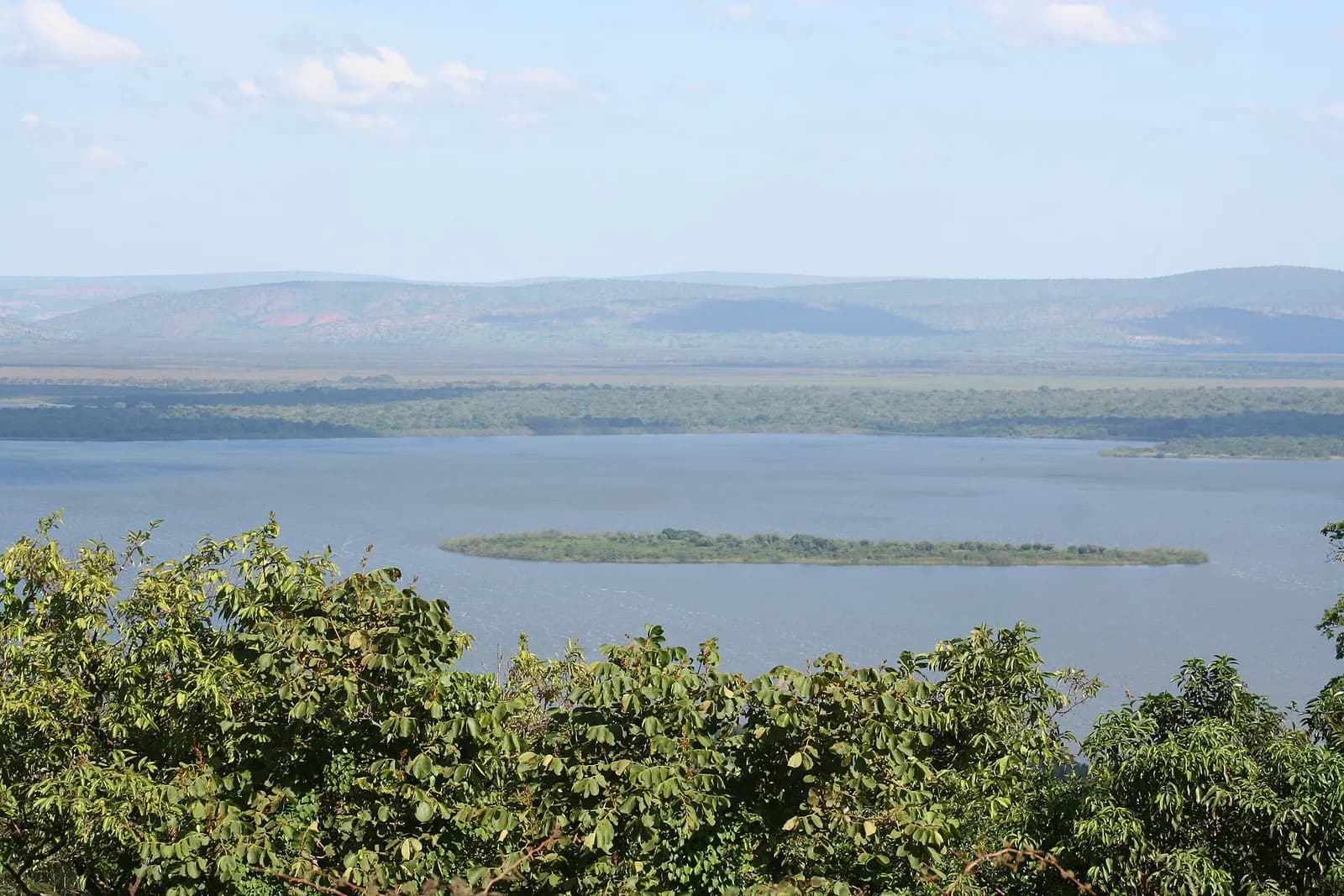
In the east, along the Tanzanian border, Akagera covers 1,122 km² of savannah, mountains and swamp. Lions were reintroduced in 2015 and black rhinos in 2017; the park is home to the Big Five.
Sources · 14
Live this journey.
The flight, a hotel and an activity of the route from our partners, in a new tab. Prices and availability are theirs.
Affiliate link: Viafro earns a commission at no extra cost to you.The journal
Keep reading.
The Kalahari, the desert that is not one
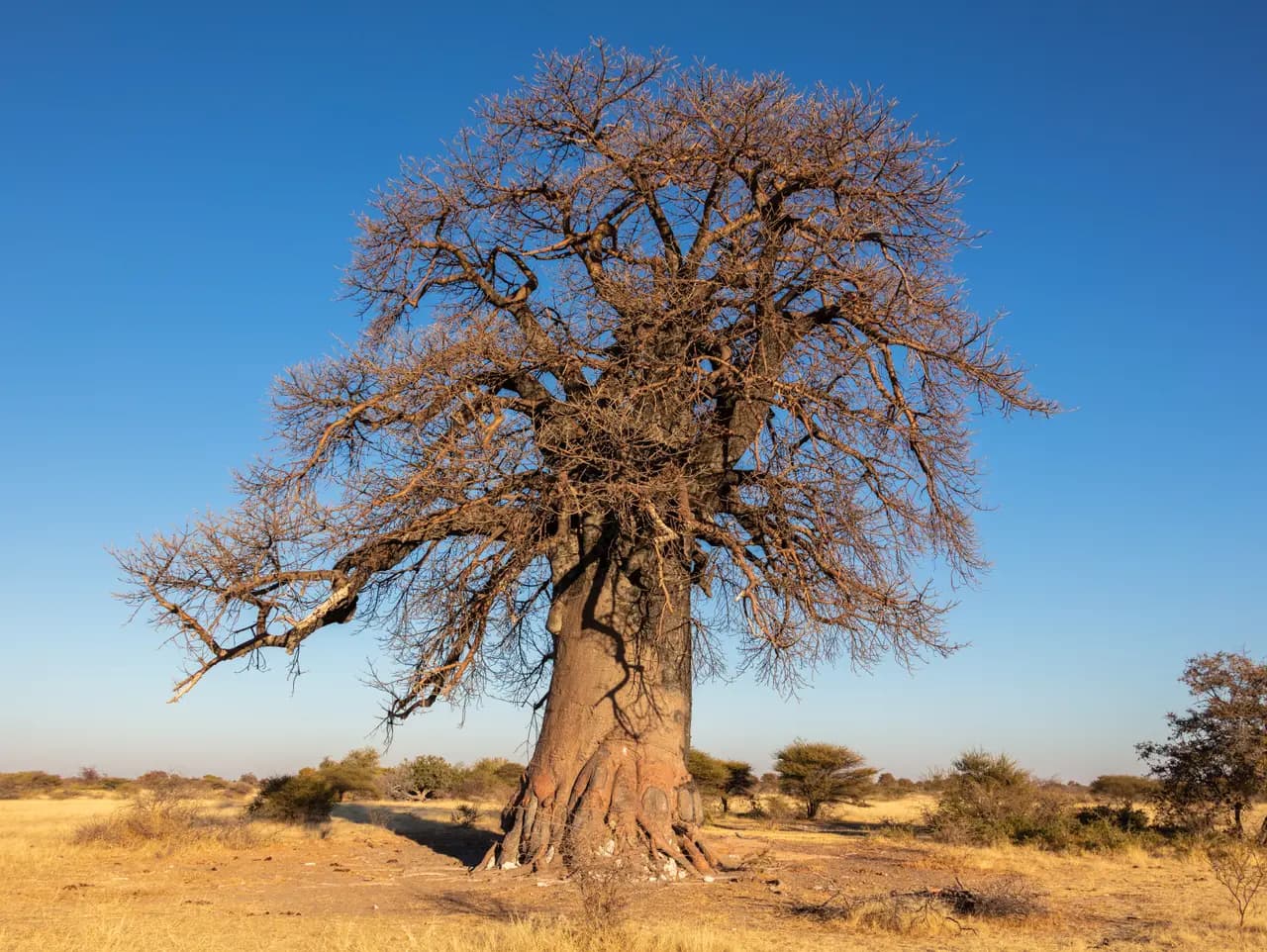
Nine hundred thousand square kilometres of sand under grass, black-maned lions, salt lakes where zebras run and the oldest people in the world: the Kalahari, from Botswana.
Lalibela, the town carved towards the sky
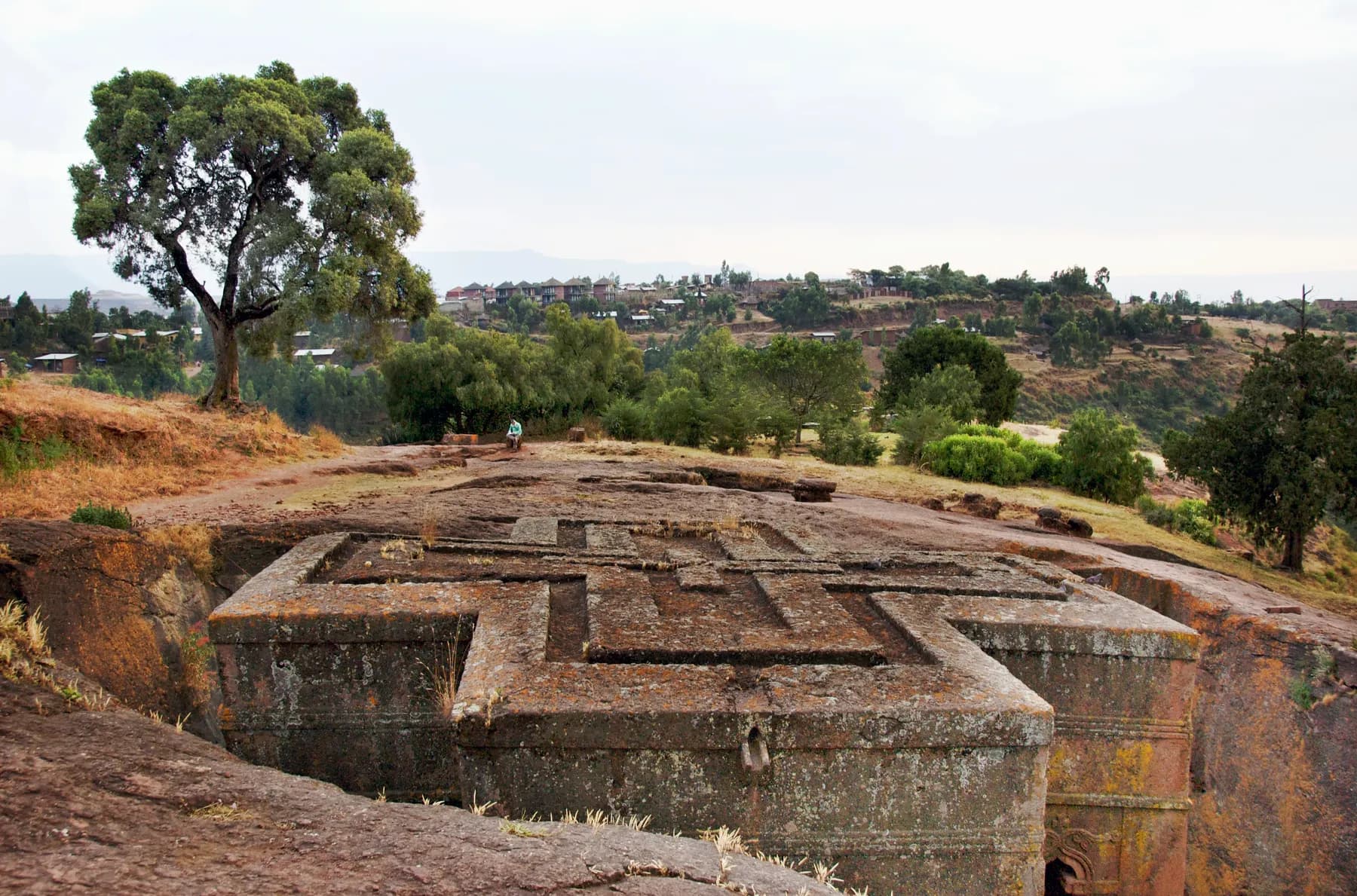
Eleven churches cut into living rock, a king who wanted his own Jerusalem, pilgrims in white at dawn: a notebook at 2,500 metres.
Meroë, the pyramids of the other Nile
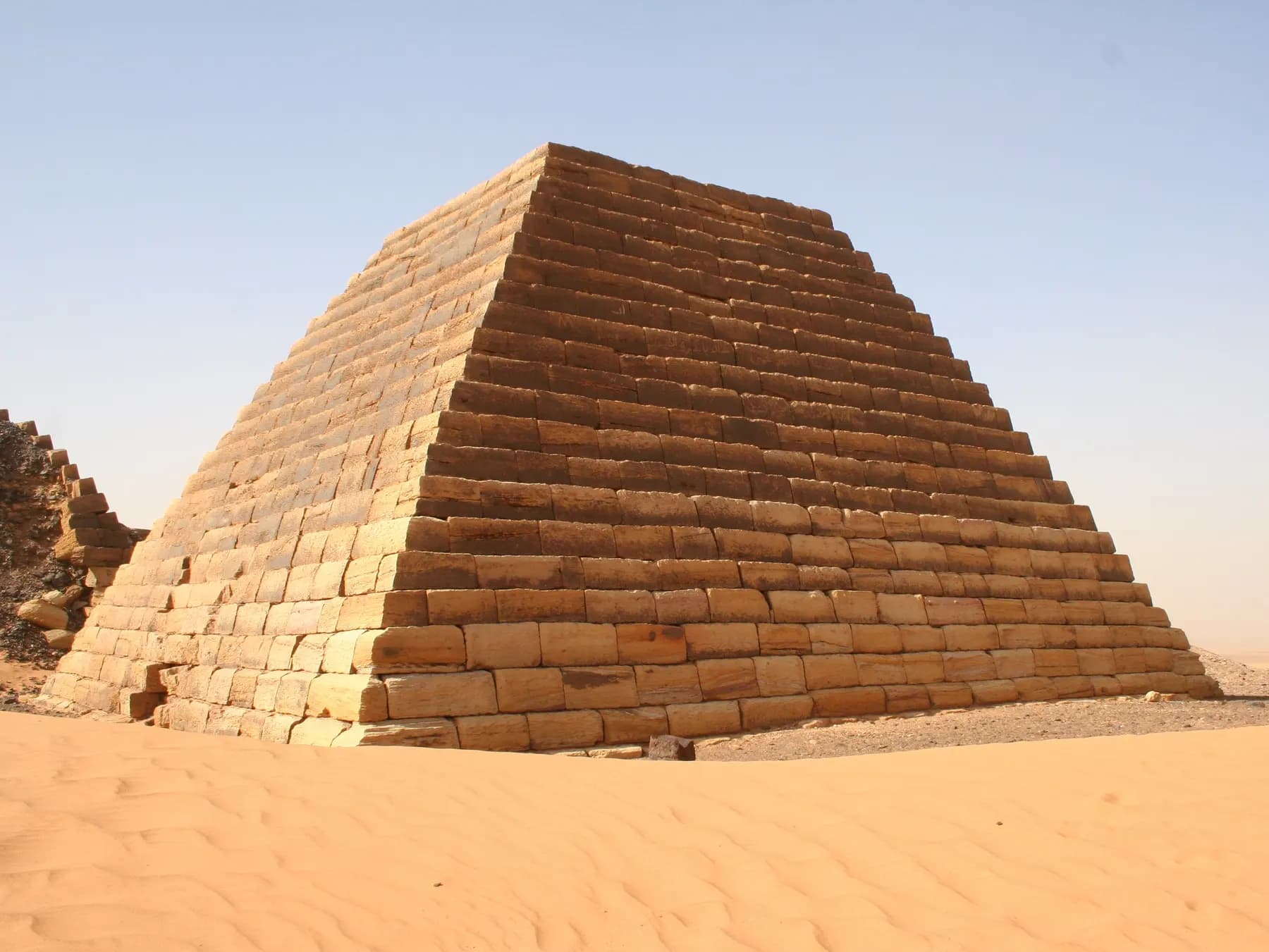
Two hundred pyramids in the Sudanese sand, a kingdom that stood up to Rome, warrior queens and a treasure hunter: the Kush notebook.