Meroë, the pyramids of the other Nile
Two hundred pyramids in the Sudanese sand, a kingdom that stood up to Rome, warrior queens and a treasure hunter: the Kush notebook.
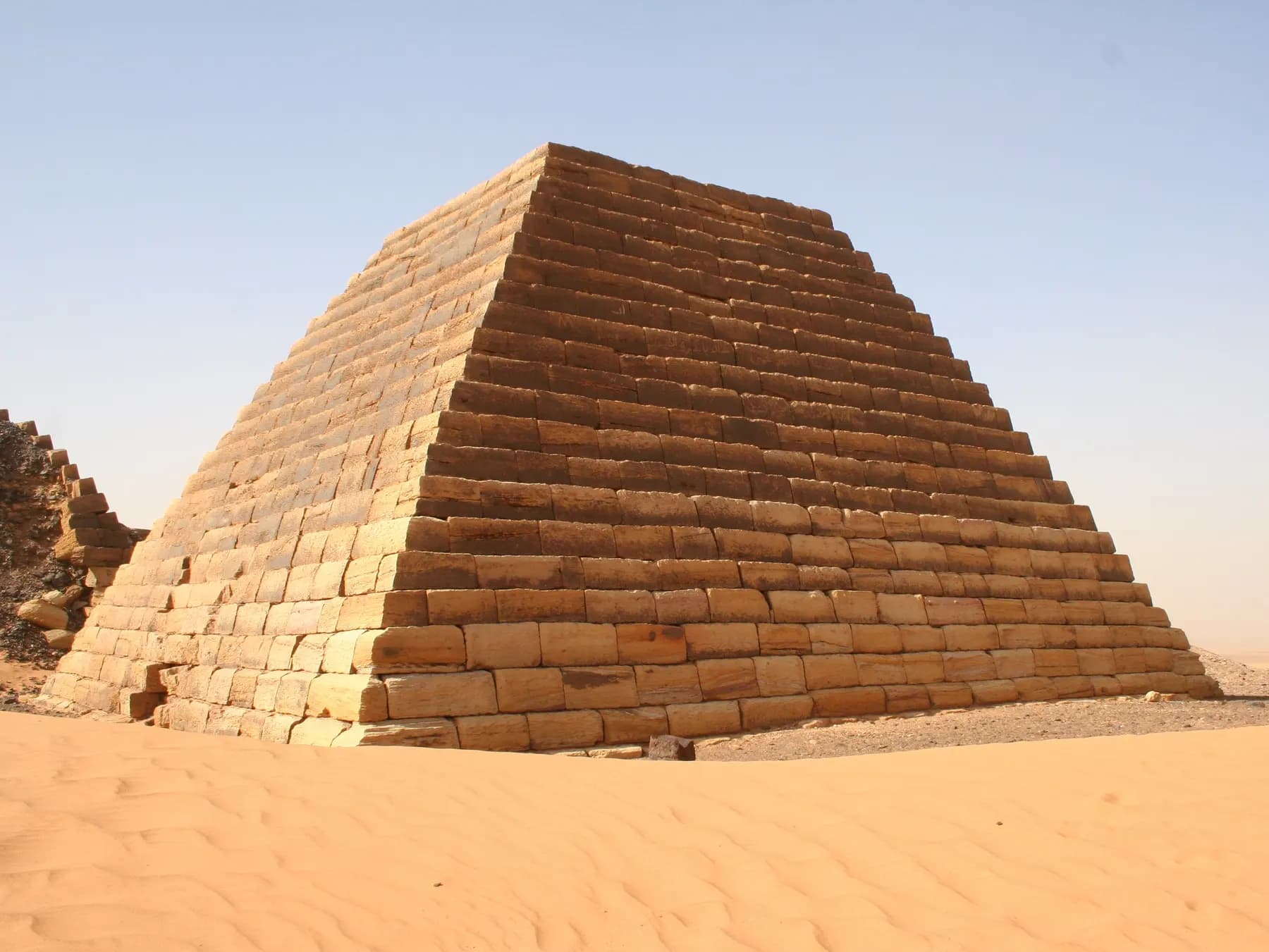
The first image of Meroë is always the same: a line of slender pyramids on a ridge of orange sand, two hundred kilometres north-east of Khartoum, without a wall, a ticket booth or a soul. You see them from the road that follows the Nile towards Atbara long before you reach them, and it takes a moment to understand what you are looking at. These are not the pyramids of Egypt in miniature. They belong to another kingdom, Kush, which had its own kings, its ruling queens, a script nobody can yet read, and which buried its sovereigns here for close to a thousand years.
This notebook tells the site as you walk it: the three cemeteries on their dunes, the story of the kingdom that faced Egypt as an equal, the kandakes, the Italian who beheaded the pyramids in 1834, then the temples of Naqa and Musawwarat es-Sufra, an hour away by track. It ends with what has to be said plainly: Sudan has been at war since April 2023, and Meroë waits.
Pyramids on a dune
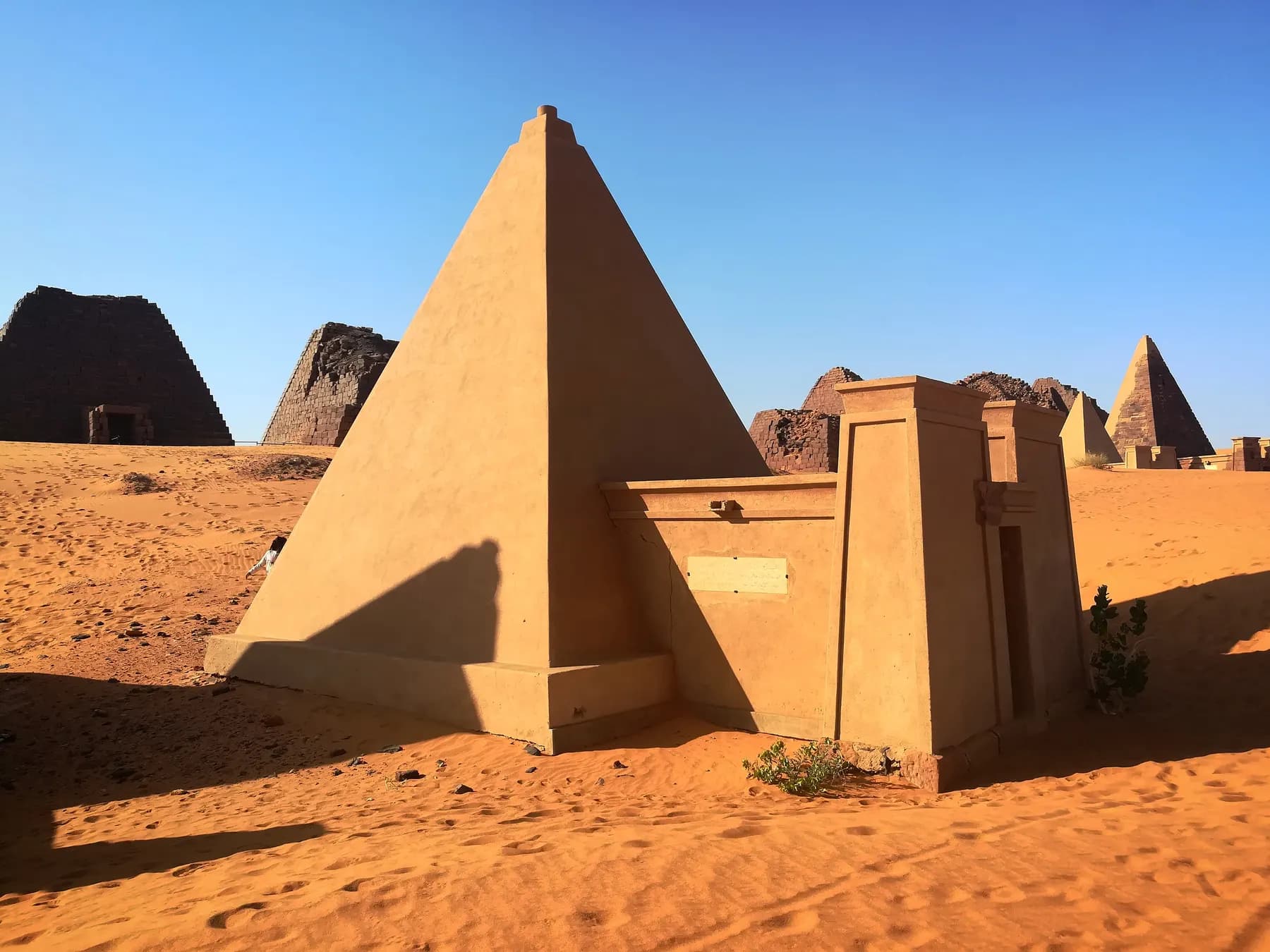
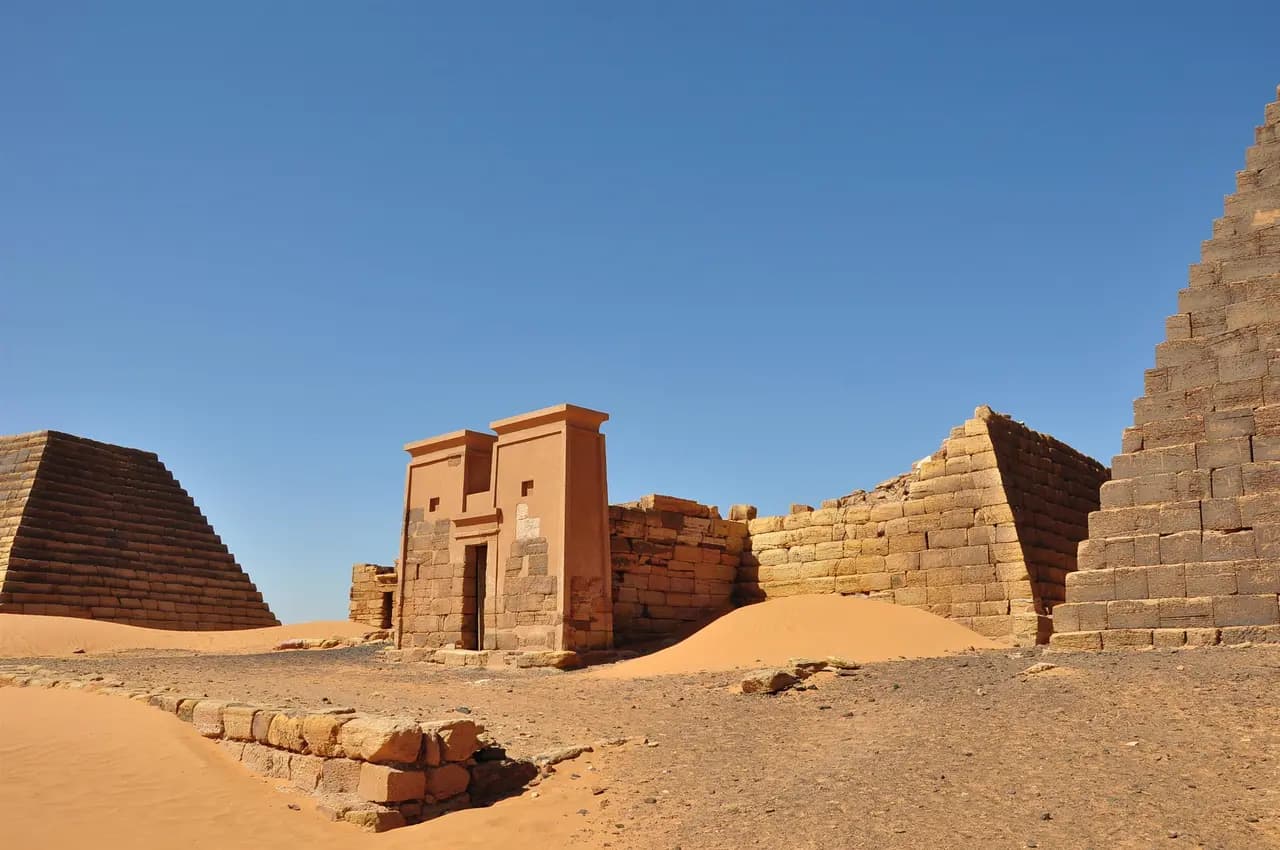
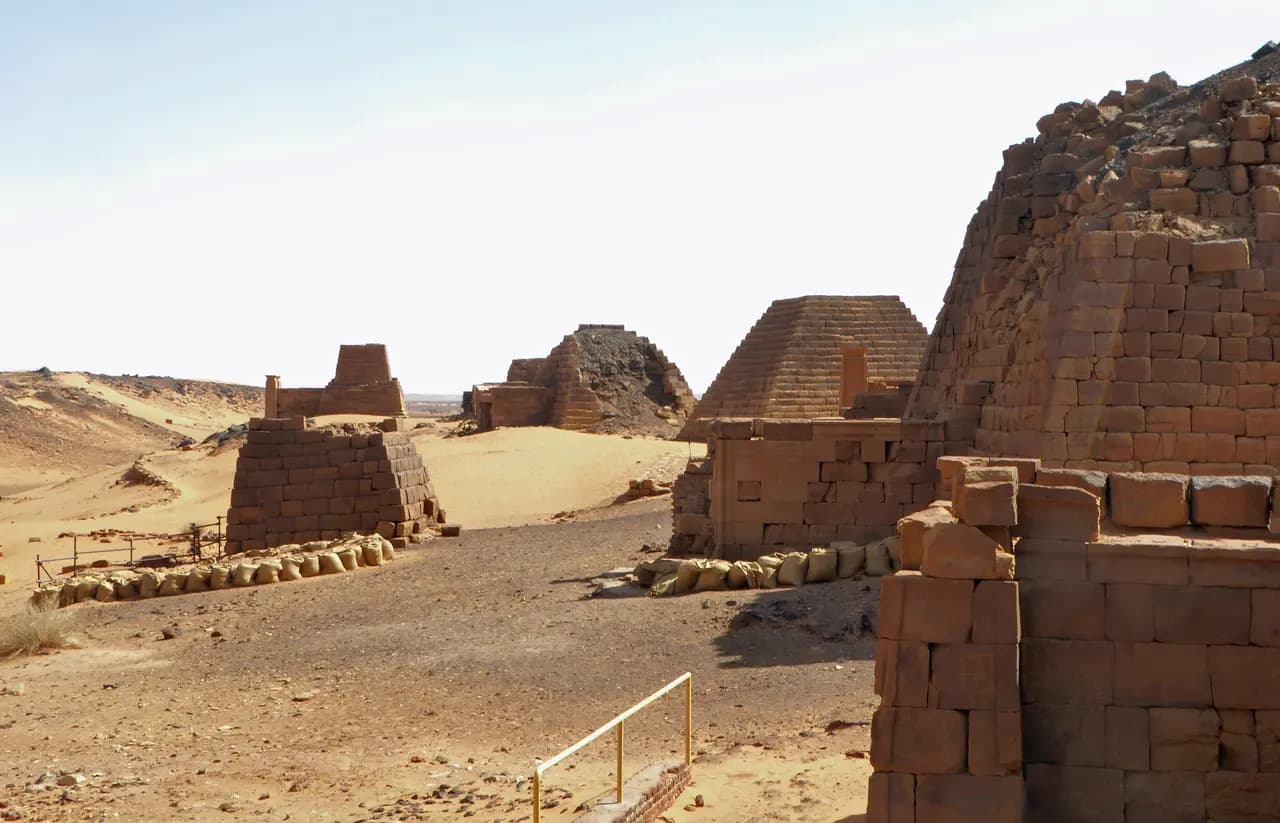
The site is divided into three cemeteries. The northern cemetery, on the highest ridge, is the one in the photographs: some forty closely packed pyramids, between six and thirty metres high, each preceded by a small chapel whose pylon faces east, towards sunrise and the river. The older southern cemetery scatters over the next dune; the western cemetery, on the plain, held the tombs of notables.
What strikes you first is the angle. The pyramids of Meroë are steep, far more so than those of Giza, built in courses of sandstone around a rubble core on a narrow base. The largest, attributed to Queen Amanishakheto, reached thirty metres. What strikes you next are the tops: almost all are missing, sliced clean off, and the reason comes later in this story.
You walk freely among the tombs, the sand crunches, the desert wind whistles through the open chapels where reliefs survive: the dead ruler on a throne, processions of offerings, lion-headed gods. At the end of the day the ridge turns the colour of embers and the shadows of the pyramids stretch across the dune until they touch. It is the hour everyone who has been there remembers.
Kush, the kingdom that faced Egypt
To understand Meroë you have to go up the Nile. Nubia saw three successive kingdoms: Kerma, between 2500 and 1500 BC, then Napata, around Jebel Barkal, and finally Meroë. In the 8th century BC the kings of Napata conquered Egypt and ruled it for close to a century: these are the pharaohs of the 25th Dynasty, Piye, Taharqa and their successors, sometimes called the black pharaohs.
Driven out of Egypt by the Assyrians, the Kushites withdrew south. Meroë became their capital around 590 BC and remained so until the 4th century AD. The city drew its wealth from iron, whose slag still forms black hills beside the ruins, to the point that a British archaeologist nicknamed it the Birmingham of Africa; it traded with Ptolemaic and then Roman Egypt, with the Red Sea, with the interior of the continent.
The kingdom had its own writing, Meroitic, two alphabets derived from hieroglyphs and from Demotic, which appeared in the 3rd century BC. It has been readable since 1909, thanks to Francis Llewellyn Griffith, but the language itself resists: we can sound the words out without understanding them. Part of Meroë’s history is therefore written in front of our eyes, on stelae and chapels, and stays silent.
The kandakes
The Greeks and Romans believed that all the queens of Kush were called Candace. It was a title, kandake, that of the queen or queen mother; when she ruled in her own right she added qore, the title borne by kings. The reliefs show them massive, crowned, loosing arrows at fallen enemies.
The most famous is Amanirenas. Around 25 BC her troops attacked Roman Egypt, sacked Syene and Philae and brought back to Meroë a bronze head of the emperor Augustus, which they buried beneath the steps of a temple so that every footstep would tread on it. Rome struck back and destroyed Napata, but the war ended in a negotiated peace: Kush kept its independence. The head, found in 1910, is now in the British Museum.
Her probable successor, Amanishakheto, reigned at the start of our era. To her we owe the largest pyramid of the northern cemetery, and the jewels she took into her tomb, bracelets, signet rings, pectorals of gold and enamel, which left for Europe in the worst possible way.
1834: a treasure hunter beheads the pyramids
Giuseppe Ferlini was an army doctor in the service of Egypt when he reached Meroë in 1834, convinced that the pyramids hid gold. He had the tops dismantled one after another and finally struck lucky: in Amanishakheto’s pyramid he found the queen’s treasure. He returned to Italy in 1836 with his crates and sold the jewels, which are today shared between the Egyptian museums of Munich and Berlin.
A few years earlier, in 1821, the French traveller Frédéric Cailliaud had drawn the same pyramids intact. The two sets of images sit side by side like a before and an after: Ferlini is the reason for the truncated silhouettes that give the site its unmistakable shape, and a lesson in what a single generation can undo.
Since then, archaeologists have worked differently. German excavations in the early 20th century, then Sudanese and international missions over recent decades, have recorded, consolidated and sometimes restored chapels and facings. On site you see rebuilt pyramids beside their ruined sisters: the former help you imagine the latter.
Naqa and Musawwarat es-Sufra: the lion, the elephant and the Roman kiosk
Meroë is only a third of the site UNESCO inscribed in 2011 as the Island of Meroe. The other two lie in the Butana steppe, an hour or two by track to the south, far from any tarmac. Naqa first: a temple of Amun with an avenue of rams, and above all the Lion Temple dedicated to Apedemak, Kush’s own lion-headed war god, whose pylons show King Natakamani and Queen Amanitore smiting their enemies. Right beside it, a small building with Corinthian capitals and Roman arches, known as the kiosk, sums up on its own this crossroads between Africa and the Mediterranean.
Musawwarat es-Sufra, twenty kilometres further north, is older, from the 3rd century BC, and stranger: a Great Enclosure of walls, ramps and courtyards whose exact purpose is unknown, another Lion Temple, an immense reservoir. Everywhere, carved elephants, in the round, in relief, as the ends of low walls: the animal mattered here, perhaps trained, certainly revered.
Both sites are visited in the same silence as Meroë. A caretaker, sometimes; a herd of goats and a herder who raises a hand; the wind. They call for a four-wheel drive, a driver who knows the tracks, water and a whole day.
The Nile, Shendi and the road to Napata
The nearest base is Shendi, a town on the east bank some forty kilometres south of the pyramids, an old caravan crossroads and the heart of Ja’alin country. Its market, its mud-brick houses around inner courtyards and its Nile banks planted with date palms give the measure of rural Sudan: slow, courteous, hospitable. You drink very sweet black tea and karkadé, the red hibiscus infusion, served on the pavement.
Going upstream towards Khartoum, the Nile passes its sixth cataract at Sabaloka, a granite gorge where the river narrows between black hills. Going downstream instead, by the Bayuda desert track, you reach Karima and Jebel Barkal, the sacred mountain of Napata, also on the World Heritage List since 2003, with its temples of Amun at the foot of the cliff and its own pyramids, older than those of Meroë.
Put end to end, these places make a week’s journey along the Sudanese Nile, between Khartoum and the third cataract, which was for a long time one of the finest archaeological itineraries on the continent, and one of the least travelled.
Meroë today
It has to be said simply. Since 15 April 2023 Sudan has been at war: fighting between the army and the Rapid Support Forces has devastated Khartoum, displaced millions of people and closed the country to visitors. The National Museum in Khartoum, which held most of the Kushite collections, has been looted; UNESCO has raised the alarm over the trafficking of Sudanese antiquities.
The pyramids, for their part, stand on their dune as they have for two thousand years. Sudanese and foreign archaeological teams monitor the sites remotely, through satellite imagery, and prepare what comes next. Our Sudan guide carries the current official advice: this notebook adds nothing to it, except the conviction that Meroë deserves to be known now, through books and pictures, so that it can be found again later.
Sources · 11
The journal
Keep reading.
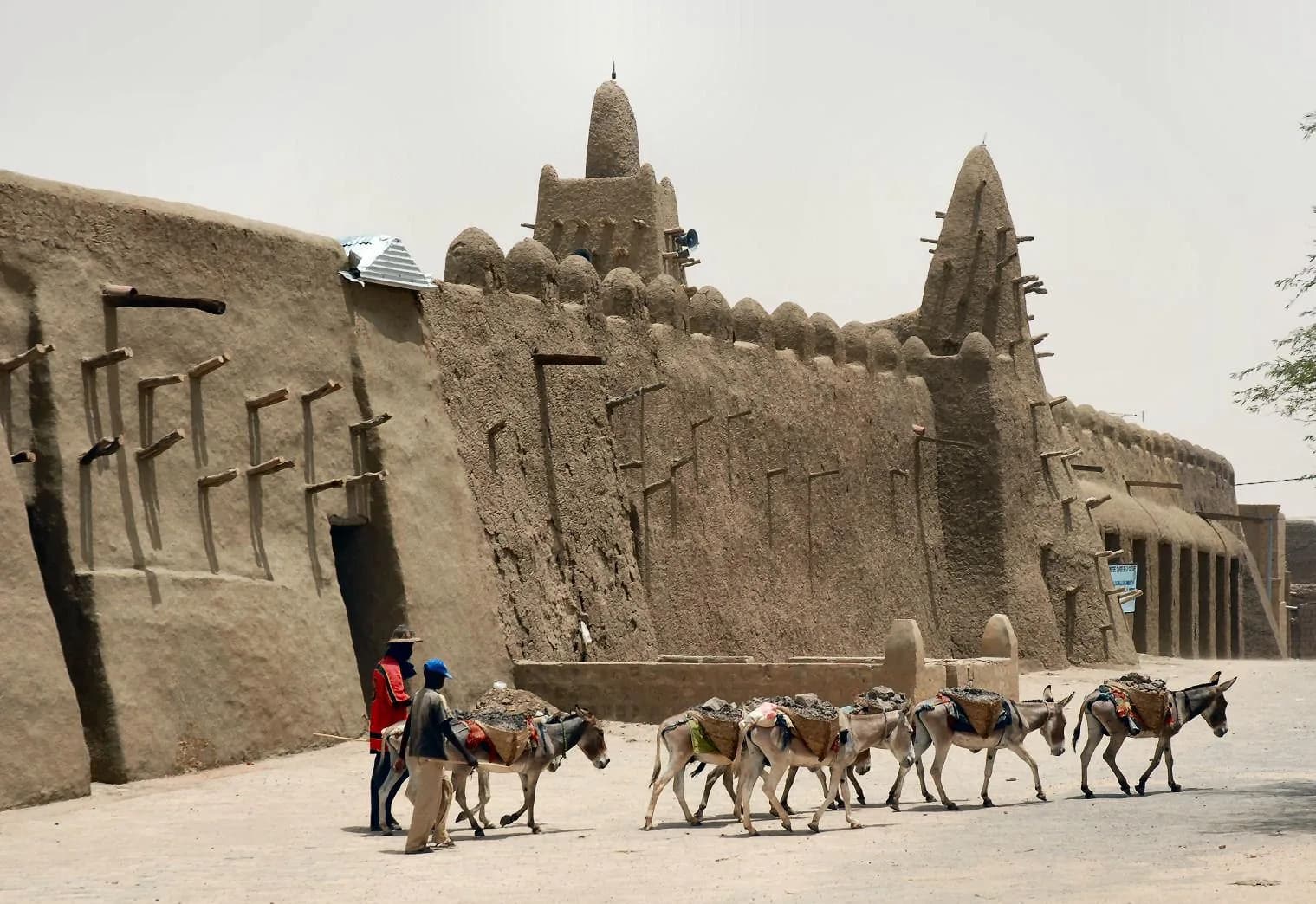
Timbuktu, the city of 333 saints
Three mosques of earth, hundreds of thousands of manuscripts hidden in family homes, salt caravans: the notebook of a city Europe searched for over three centuries.
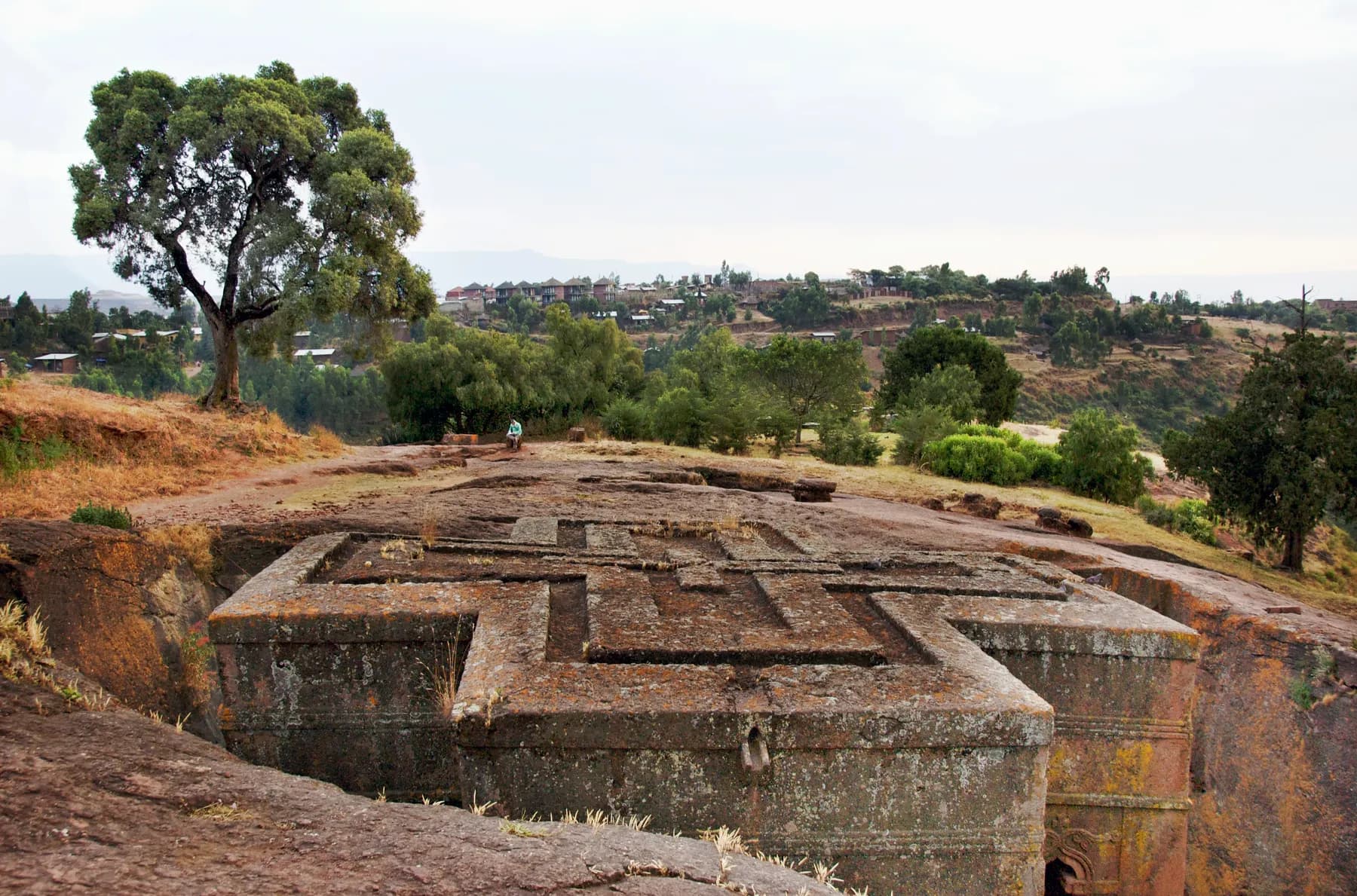
Lalibela, the town carved towards the sky
Eleven churches cut into living rock, a king who wanted his own Jerusalem, pilgrims in white at dawn: a notebook at 2,500 metres.
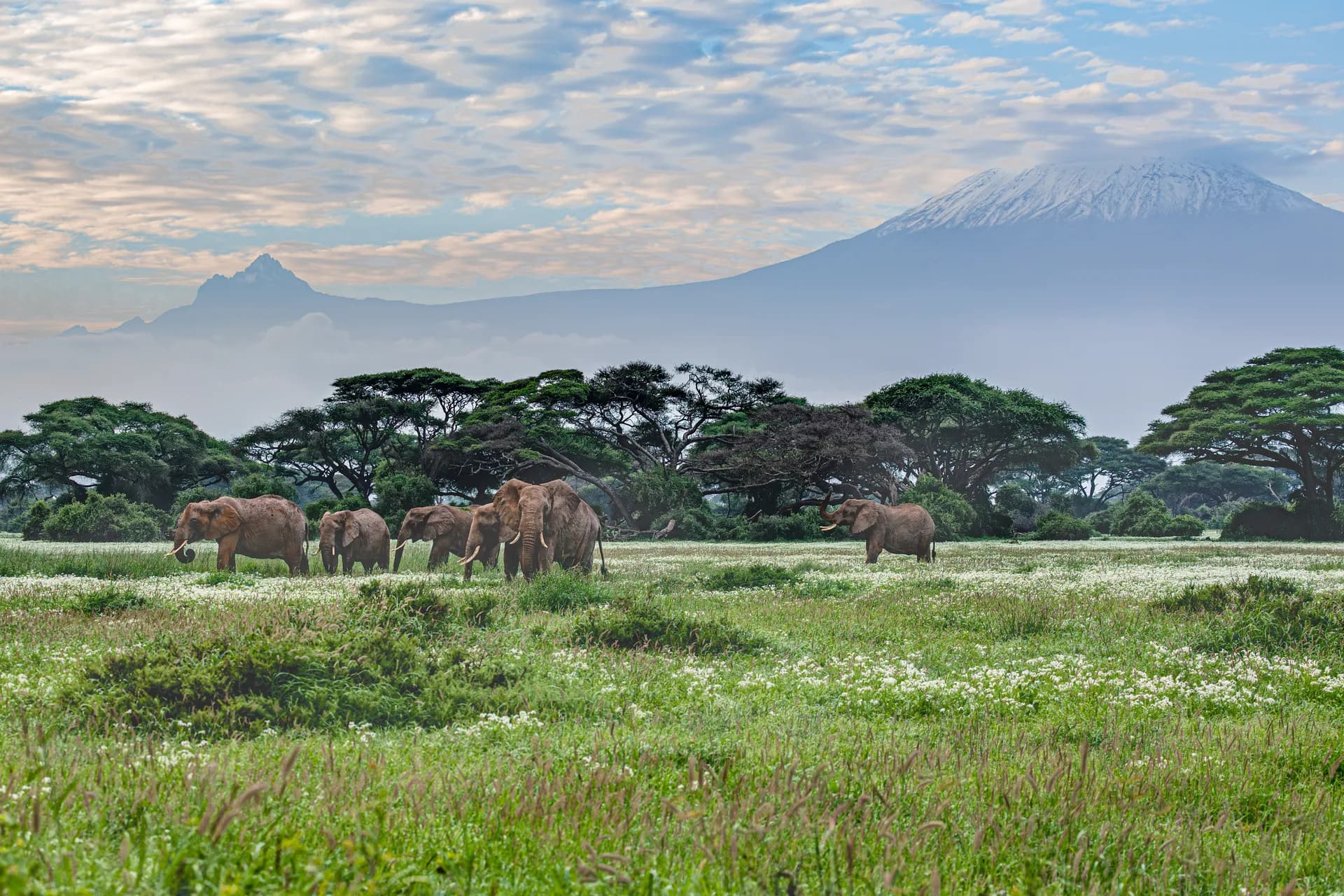
Kilimanjaro, five climates up to the snow
The roof of Africa is climbed on foot, without a rope, in a week: the story of an ascent, from the Chagga banana groves to the last glaciers.