The checklist as a PDF
Entry, health, money, transport and safety, laid out for print, with their sources and verification date.
An editorial bearing, with no percentage and no rating: our criteria are written down, and every “good to know” links to its source.
Hover or tap a month: its reading and its source appear. Bars measure rain, the figure is the capital’s mean maximum.
Ideal
Tripoli: mean maximum 24 °C, 57 mm of rain · dry and mild.
Source: Wikipedia (climate normals)
Entry, health, safety, money and facts: dated official extracts, never paraphrased.
Some regions are formally advised against by the authorities. Check the official advice before making any plan. Official travel advice
Visa, passport, customs
GOV.UK advice, written for British passport holders. French travellers: see France Diplomatie (https://www.diplomatie.gouv.fr/fr/information-par-pays/libye/conseils-aux-voyageurs-entree-sejour).
Vaccines, malaria, water
This is not medical advice: talk to your doctor or an international vaccination centre before you travel.
Per the ministries
Viafro gives no safety rating: here are the zones and advice published by the French ministry (in French) and the official extracts, with their dates.
Vigilance zones published by France Diplomatie (in French) · page updated on 15 Sept 2026 · see the official map
Les déplacements dans les villes de Misrata et Benghazi sont déconseillés sauf raison impérative.
Le reste du pays, y compris la capitale Tripoli, est formellement déconseillé.
What the country’s law provides
Photography, alcohol, drugs, relationships: the rules published by the ministries, quoted as they stand, without comment.
Currency
Libyan dinar / Libyan dinarViafro publishes no price or budget range without a source: amounts will come from our own expenses recorded on the ground, dated and itemised.
Entry, health, money, transport and safety, laid out for print, with their sources and verification date.
Express card
Structured data from Wikidata and the CIA World Factbook, re-checked at every site update.
Direct flights from Paris are to be checked on the airport’s or airline’s website.
On the road
Tripoli, historically known as Tripoli-of-the-West, is the capital and largest city of Libya, with a population of about 3.246 million people in 2021.
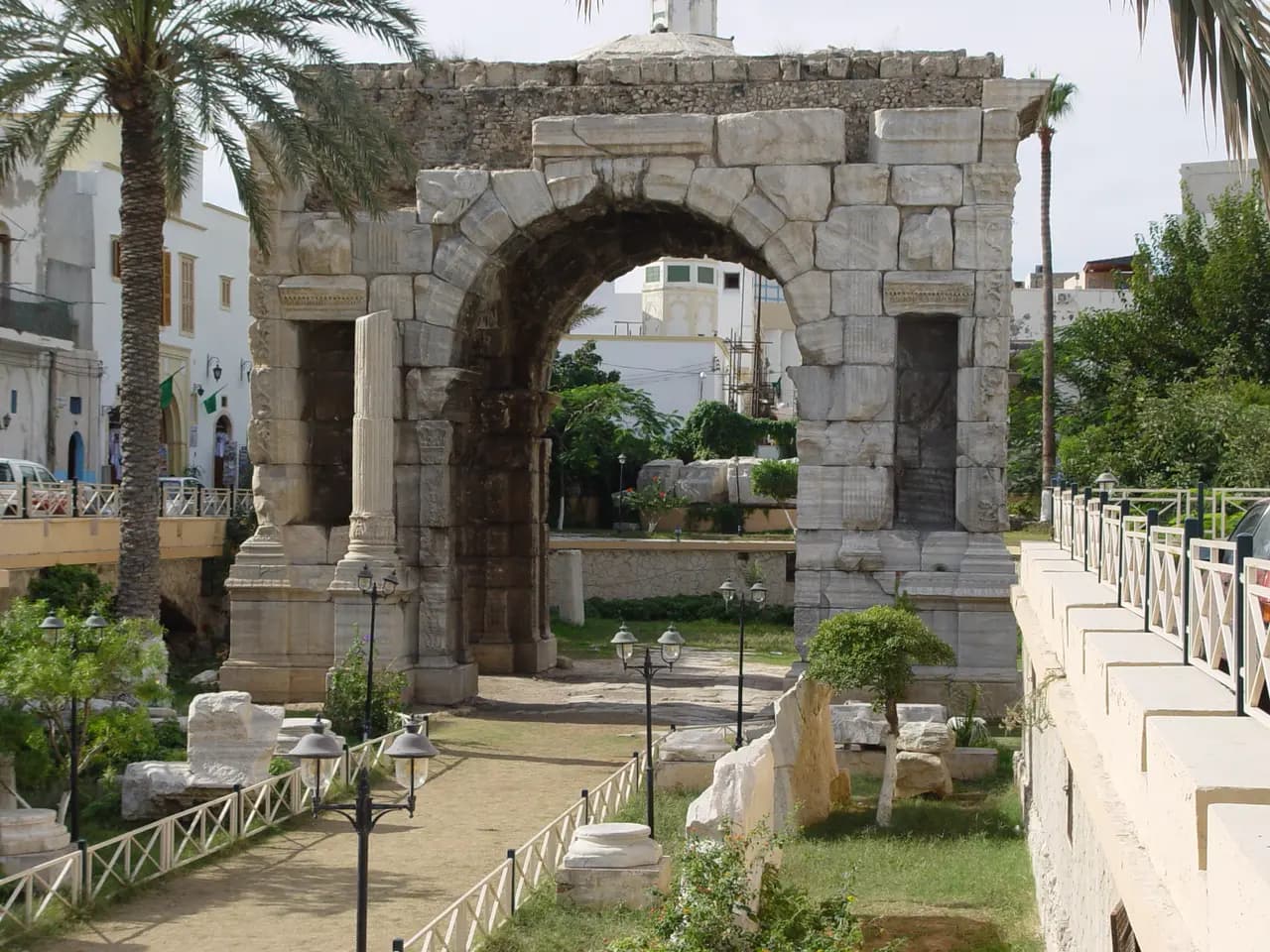
Leptis or Lepcis Magna, (Arabic: لبدة الكبرى, romanized: Libda al-Kubrā) also known by other names in antiquity, was a prominent city of the Carthaginian Empire and Roman Libya at the mouth of the Wadi Lebda in the Mediterranean.
Benghazi () (lit.
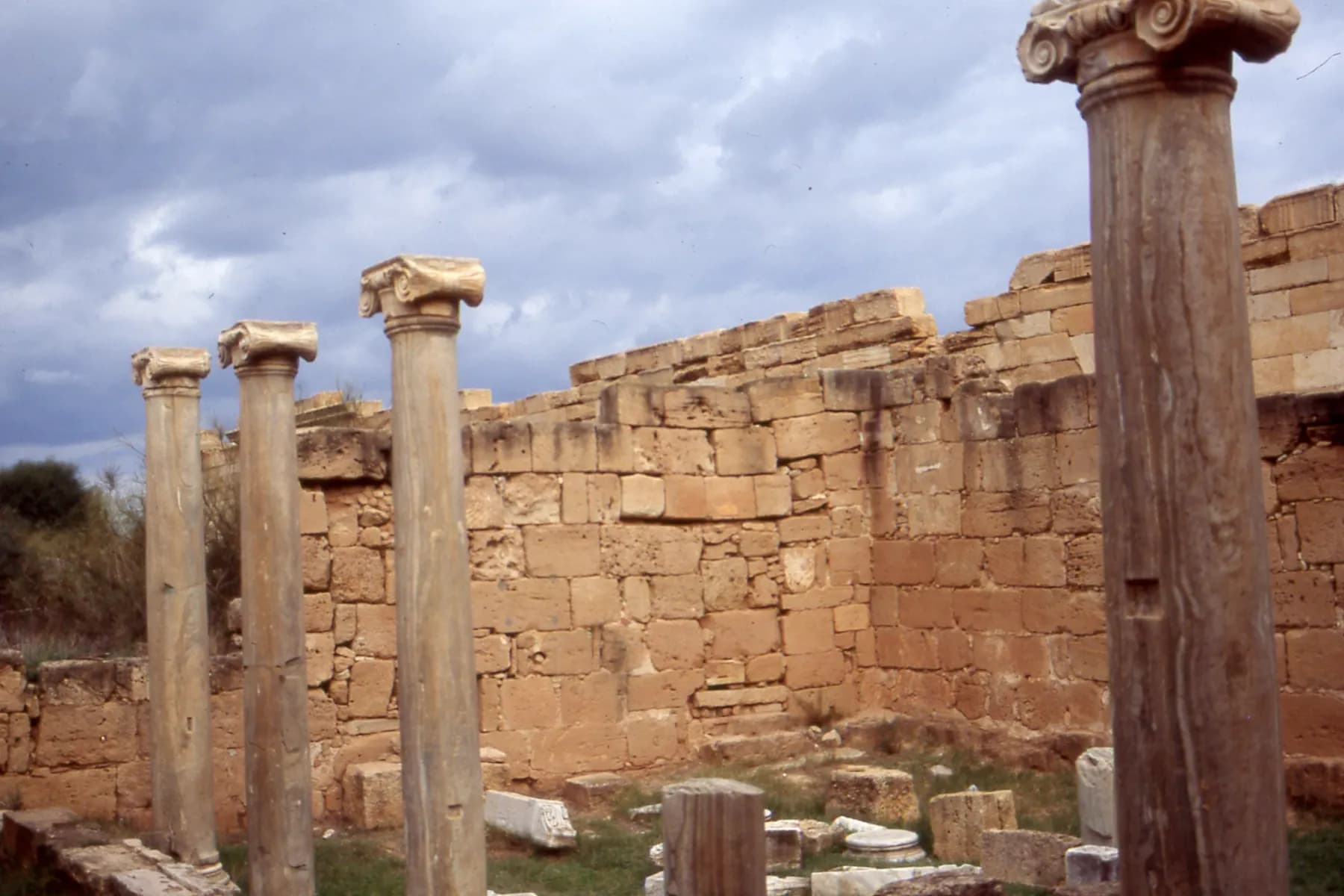
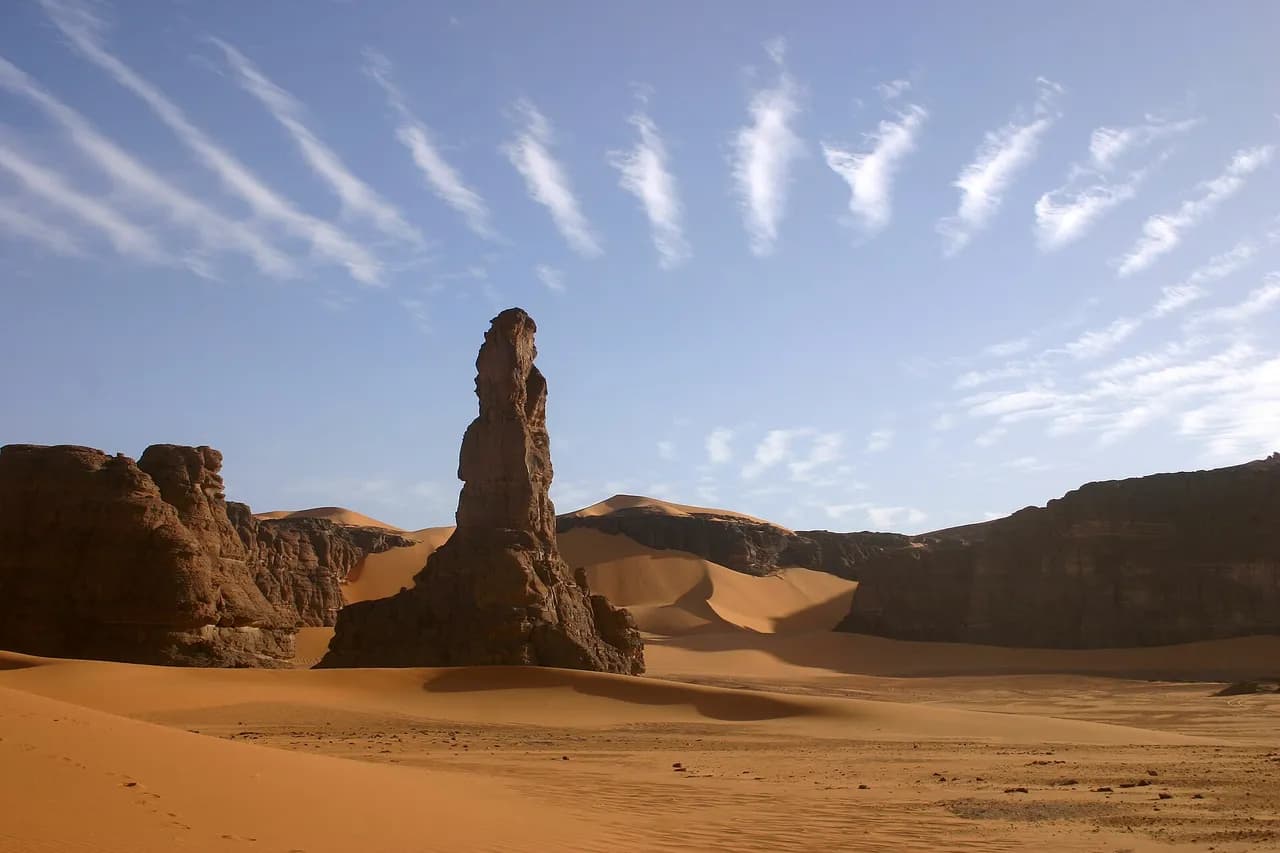
The Acacus Mountains or Tadrart Akakus (Arabic: تدرارت أكاكوس / ALA-LC: Tadrārt Akākūs) form a mountain range in the desert of the Ghat District in western Libya, part of the Sahara.
Shakshouka is a Maghrebi dish of eggs poached in a sauce of tomatoes, olive oil, peppers, onion, and garlic, commonly spiced with cumin, paprika, and cayenne pepper. Shakshouka is a popular dish throughout North Africa and the Middle East.
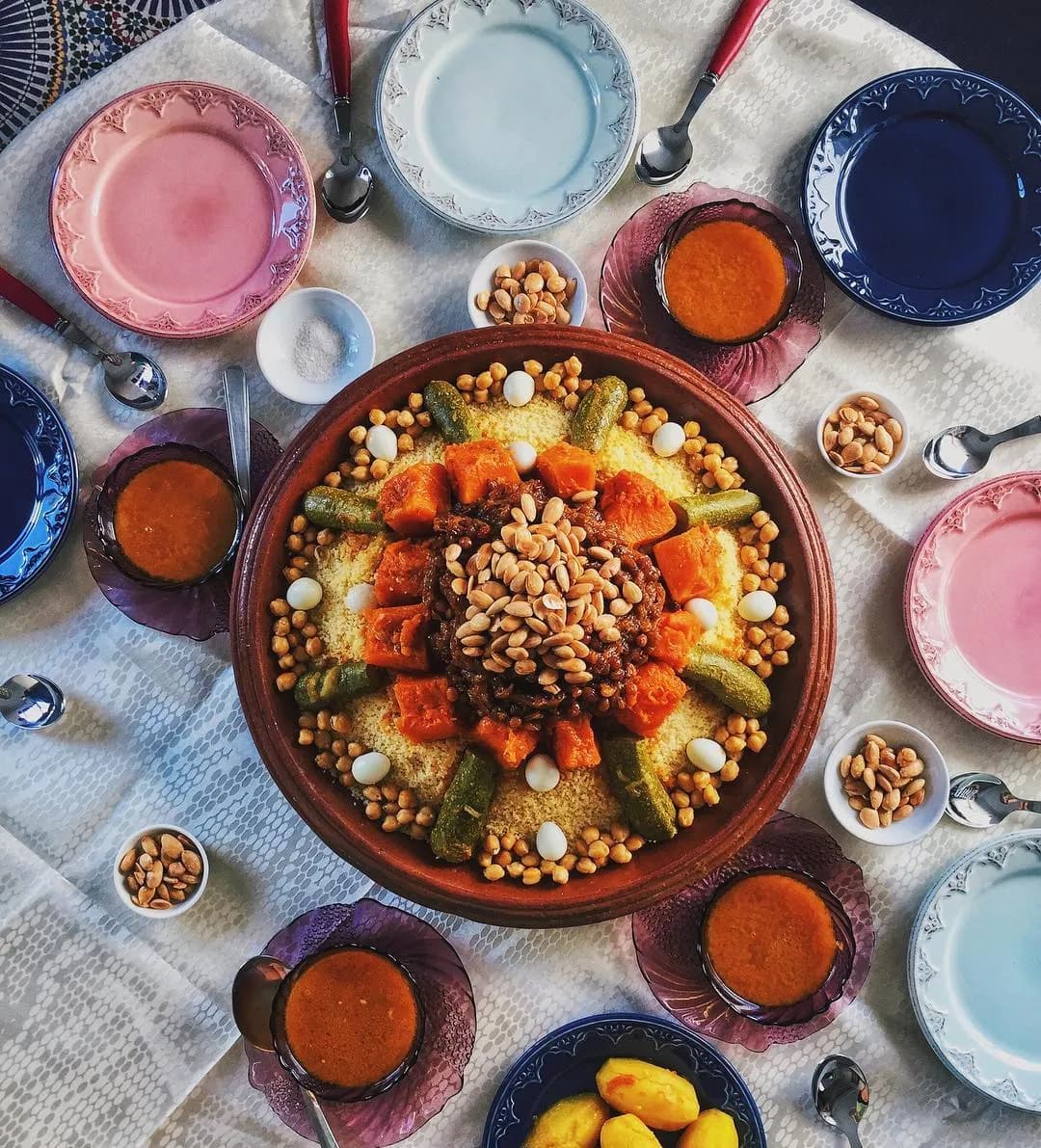
Couscous is a traditional North African dish of small steamed granules of rolled semolina that is often served with a stew spooned on top. Pearl millet, sorghum, bulgur, and other cereals are often cooked in much the same way in West Africa, and the resulting
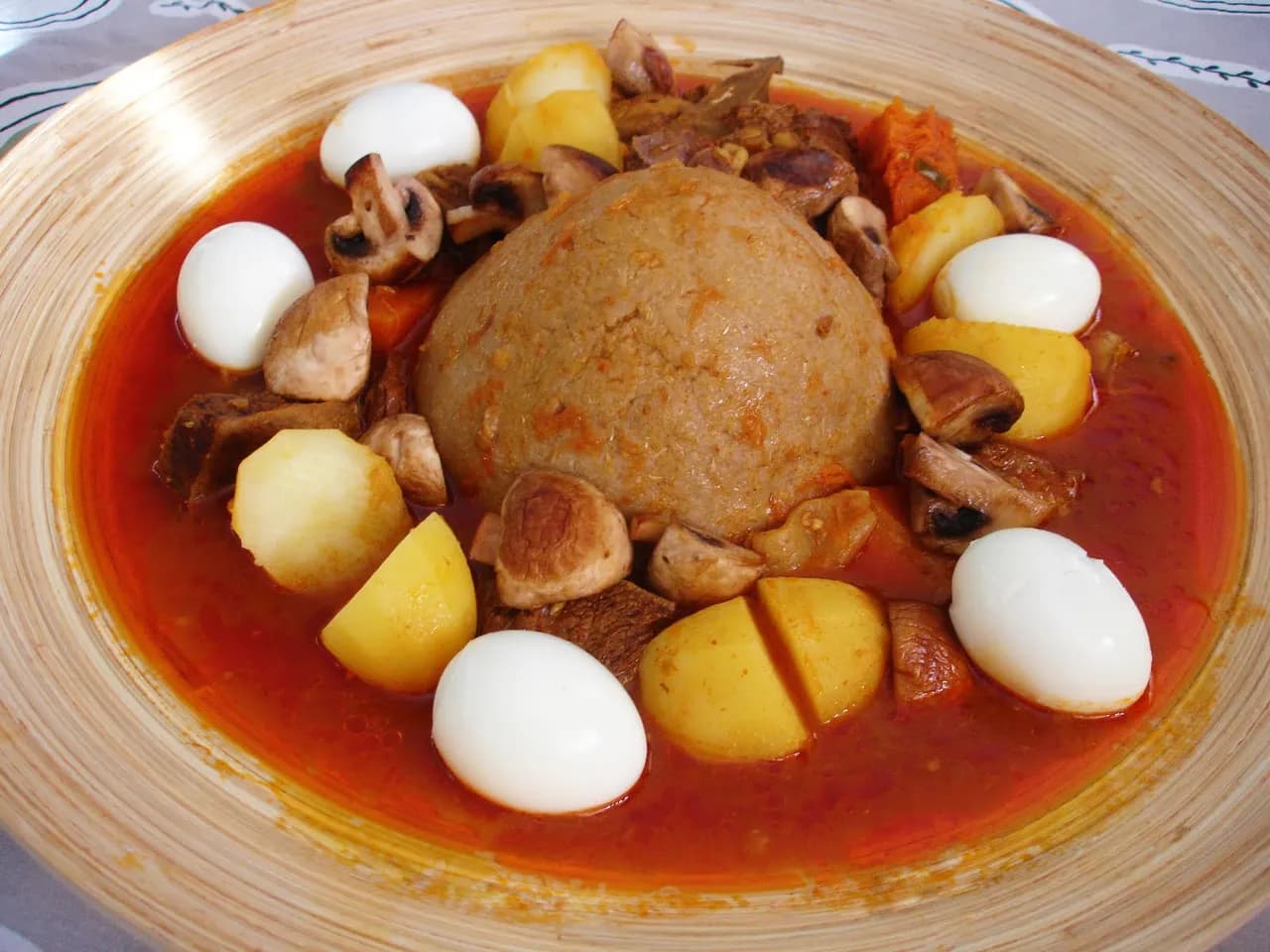
Bazin alternatively recognized as Bazeen,, Bézine or Bazine is an unleavened bread in the cuisine of Libya prepared with barley, water and salt. Bazin is prepared by boiling barley flour or wheat flour in water and then beating it to create a dough using a mag
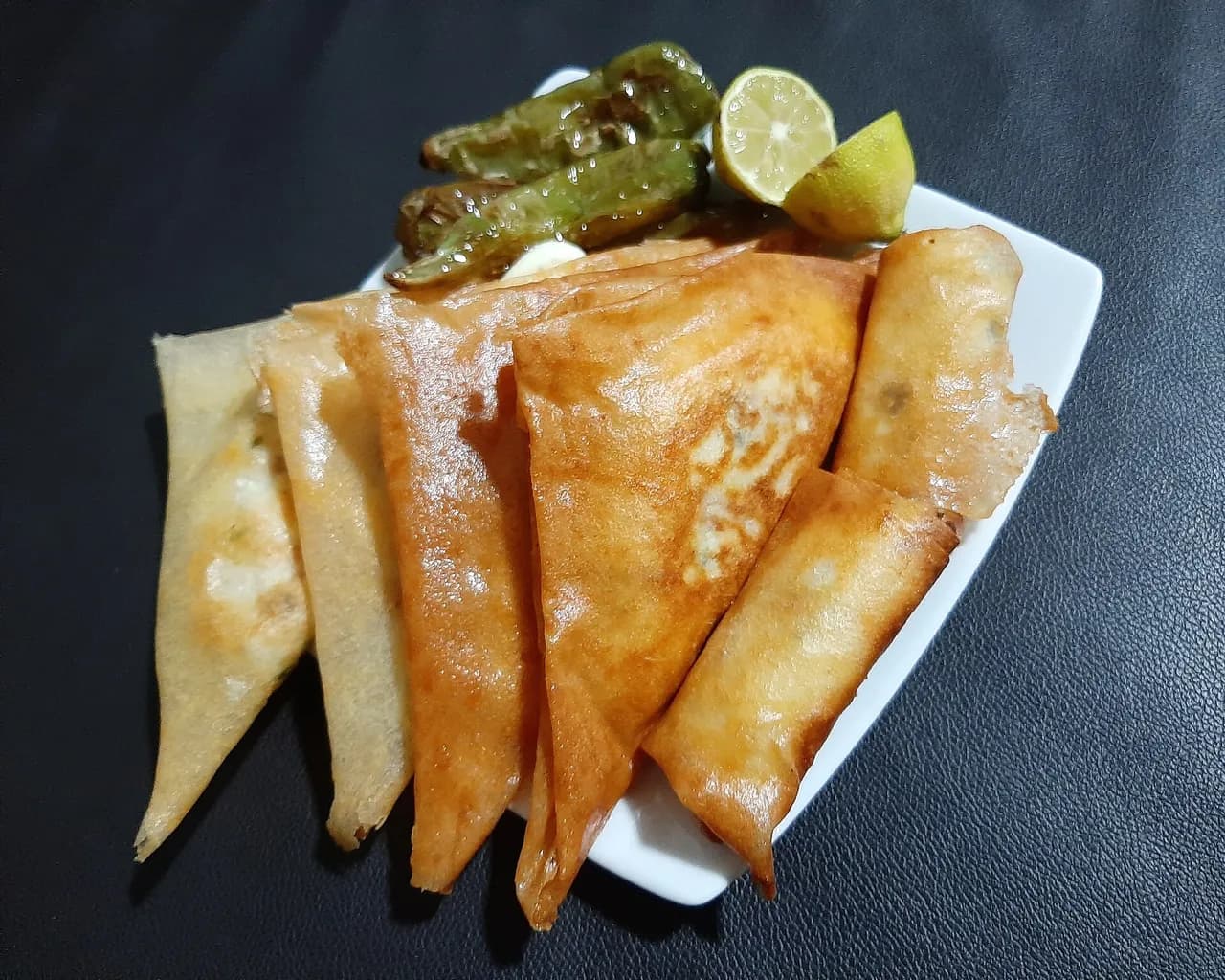
Brik or burek is the North African version of borek, a stuffed malsouka pastry which is commonly deep fried. The best-known version is the egg brik, a whole egg in a triangular pastry pocket with chopped onion, tuna, harissa and parsley. With a slightly differ
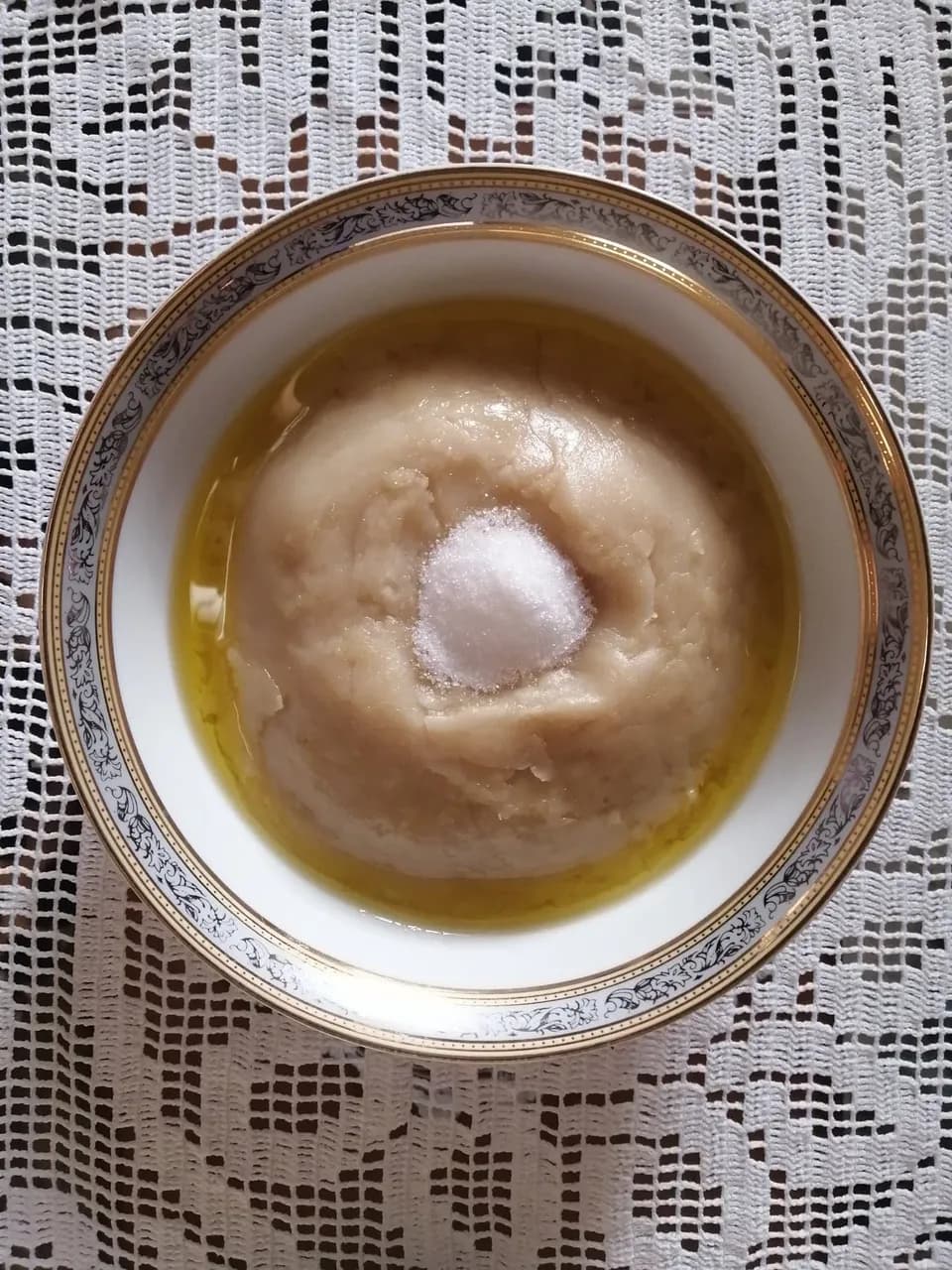
Asida, a common dish in the Arab world, is a lump of dough made by stirring wheat flour into boiling water, sometimes with added butter or honey. Similar in texture to fufu, it is eaten mainly in Middle East and African countries. It is considered one of the b
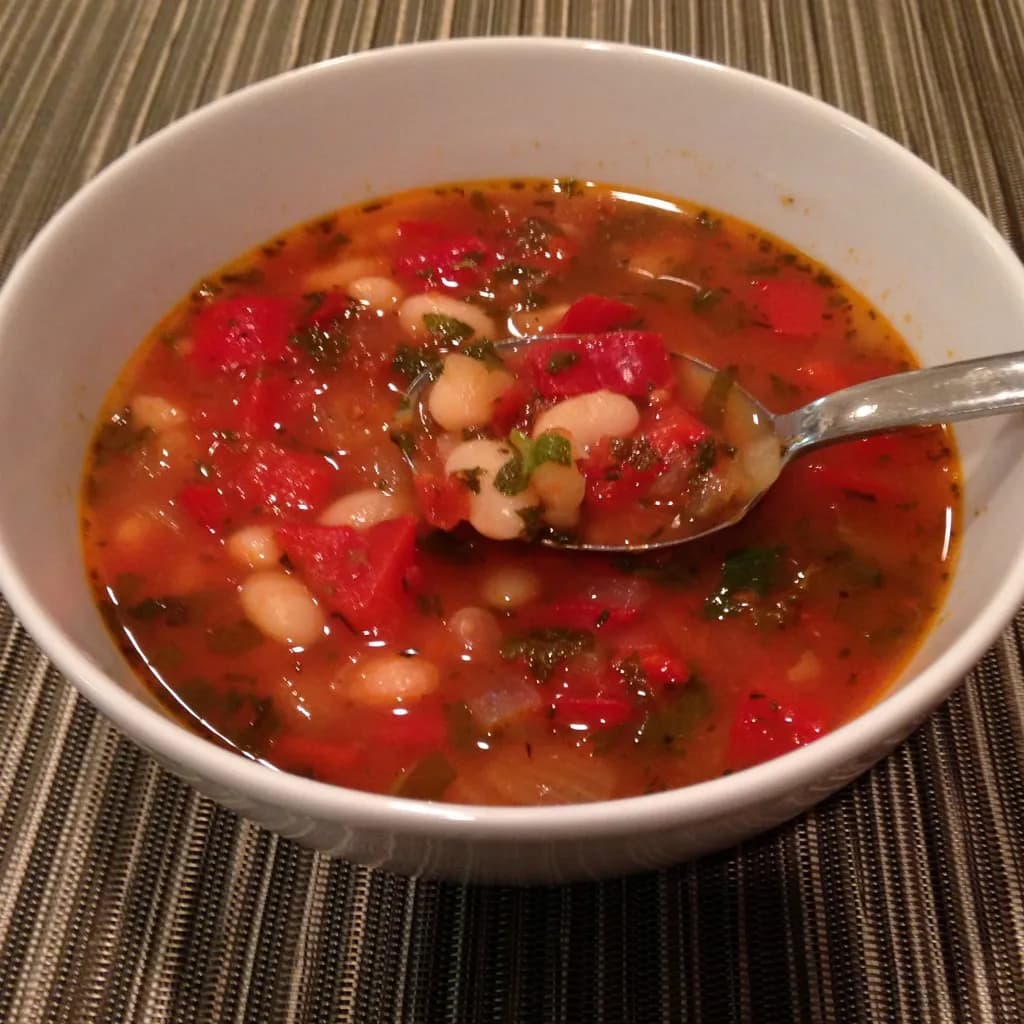
Chorba, shorwa, shurba, shurpa, shurbah or shorba is a broad class of stews or rich soups found in national cuisines across North Africa, The Middle East, Iran, Turkey, Central and Eastern Europe, Central Asia, East Africa and South Asia. It is often prepared
Liberation Day, 23 October (2011).
24 December 1951 (from UN trusteeship).
Fixed dates and moveable events, each with its source; moveable dates change every year and are to be checked on an official calendar.
The country’s highest point, Bikku Bitti, reaches 2,267 m.
7,458,555 inhabitants in 2025 on 1,759,541 km², about 4 per km².
Independence on 24 December 1951 (from UN trusteeship).
Real photographs: free images under a verified licence and Viafro images. Never a generated image. Credits in the footer.
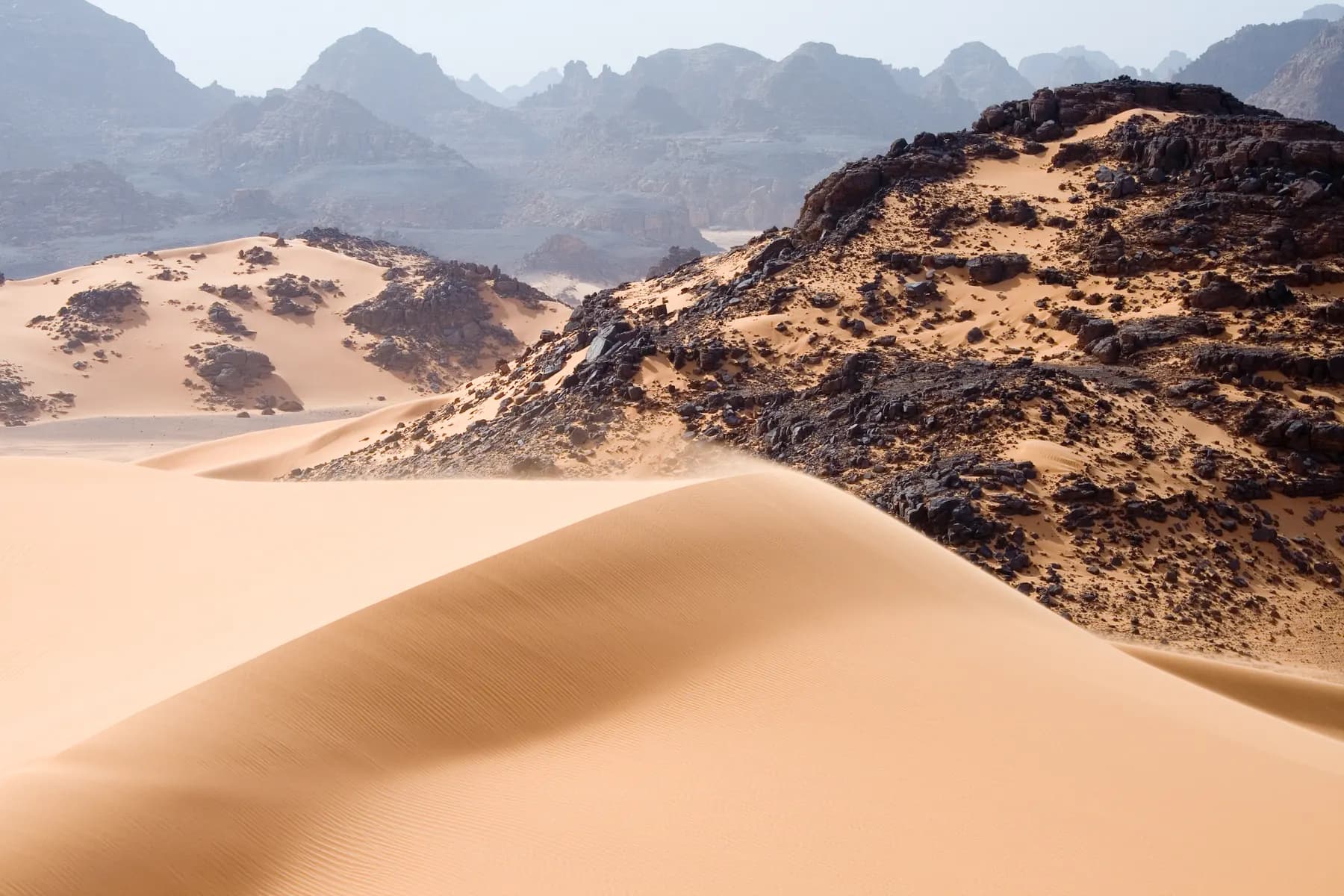
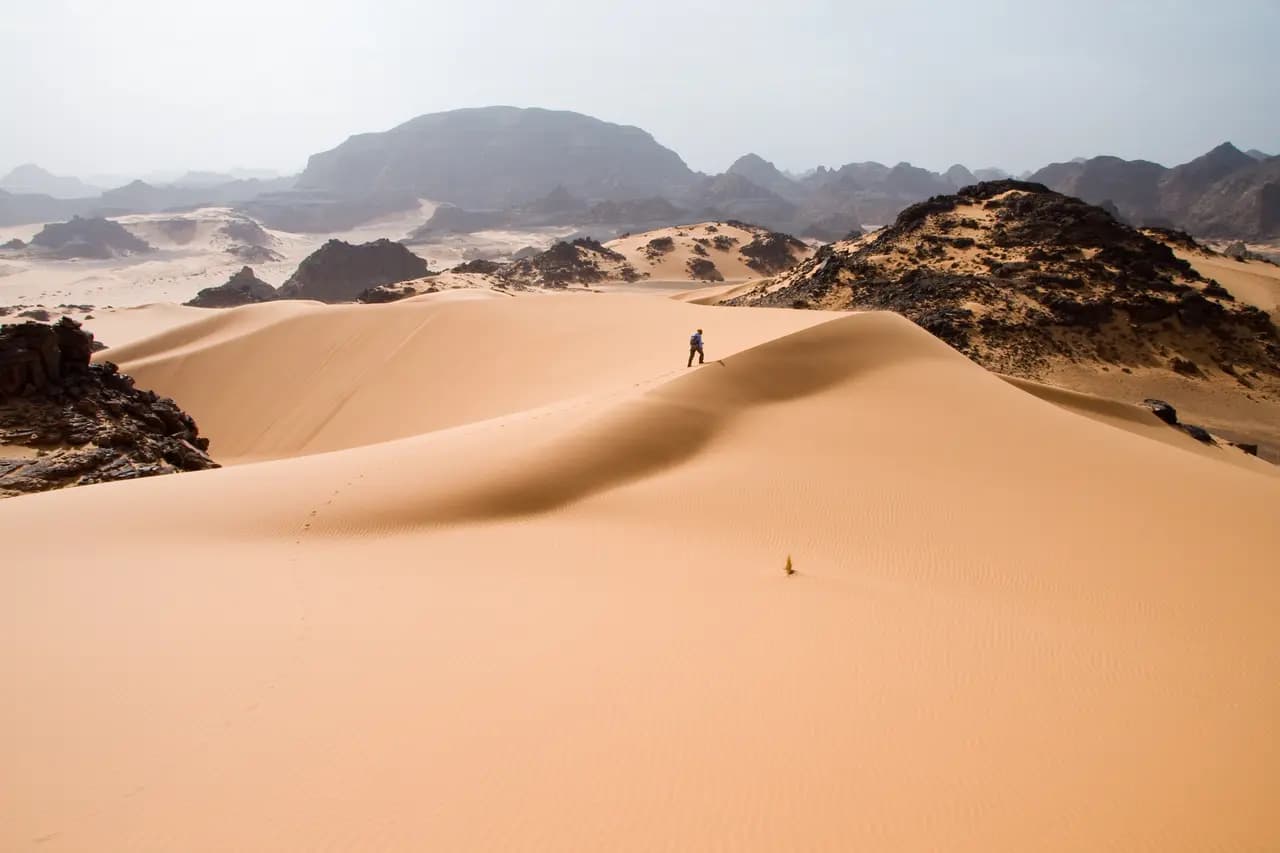
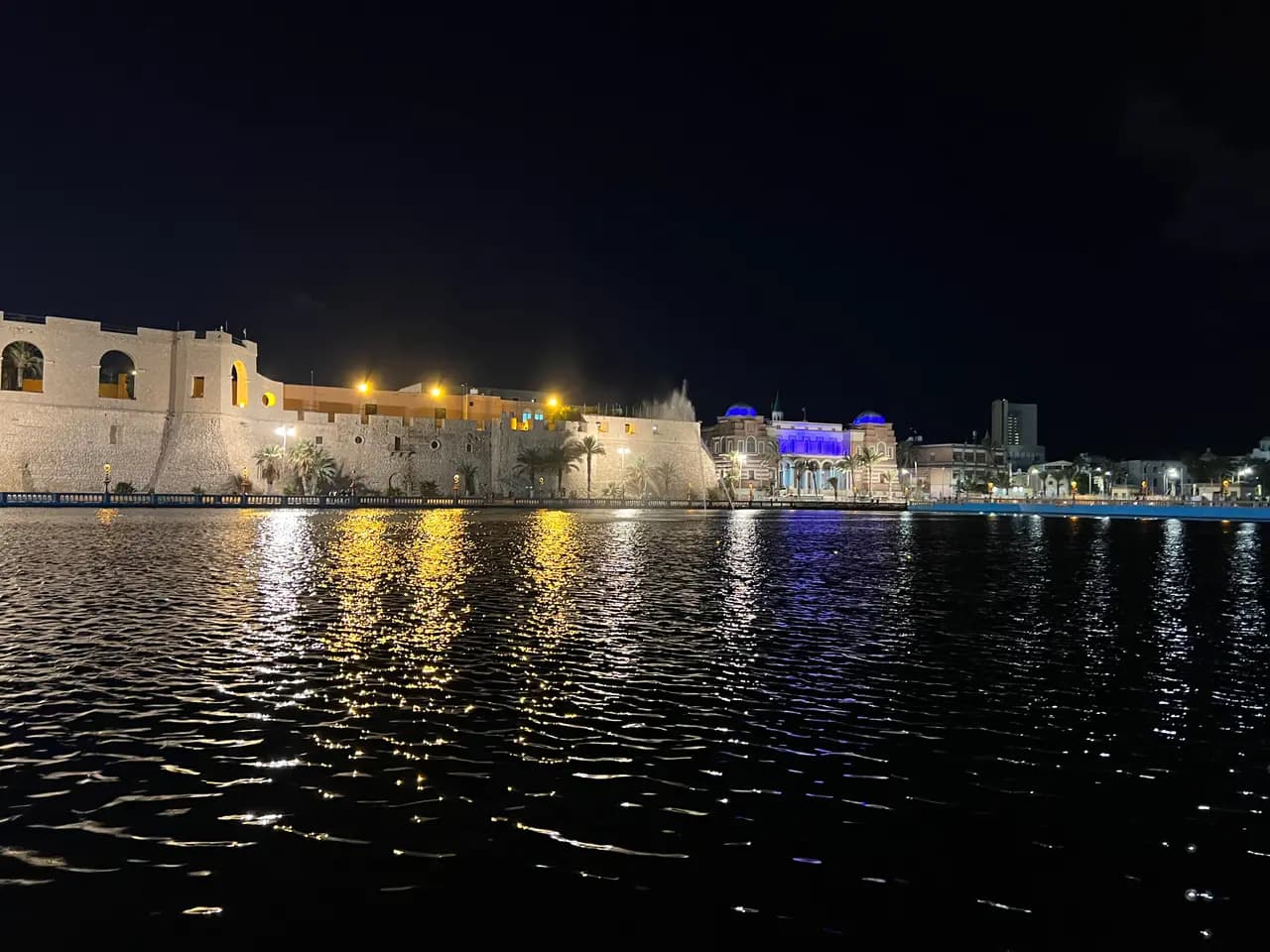
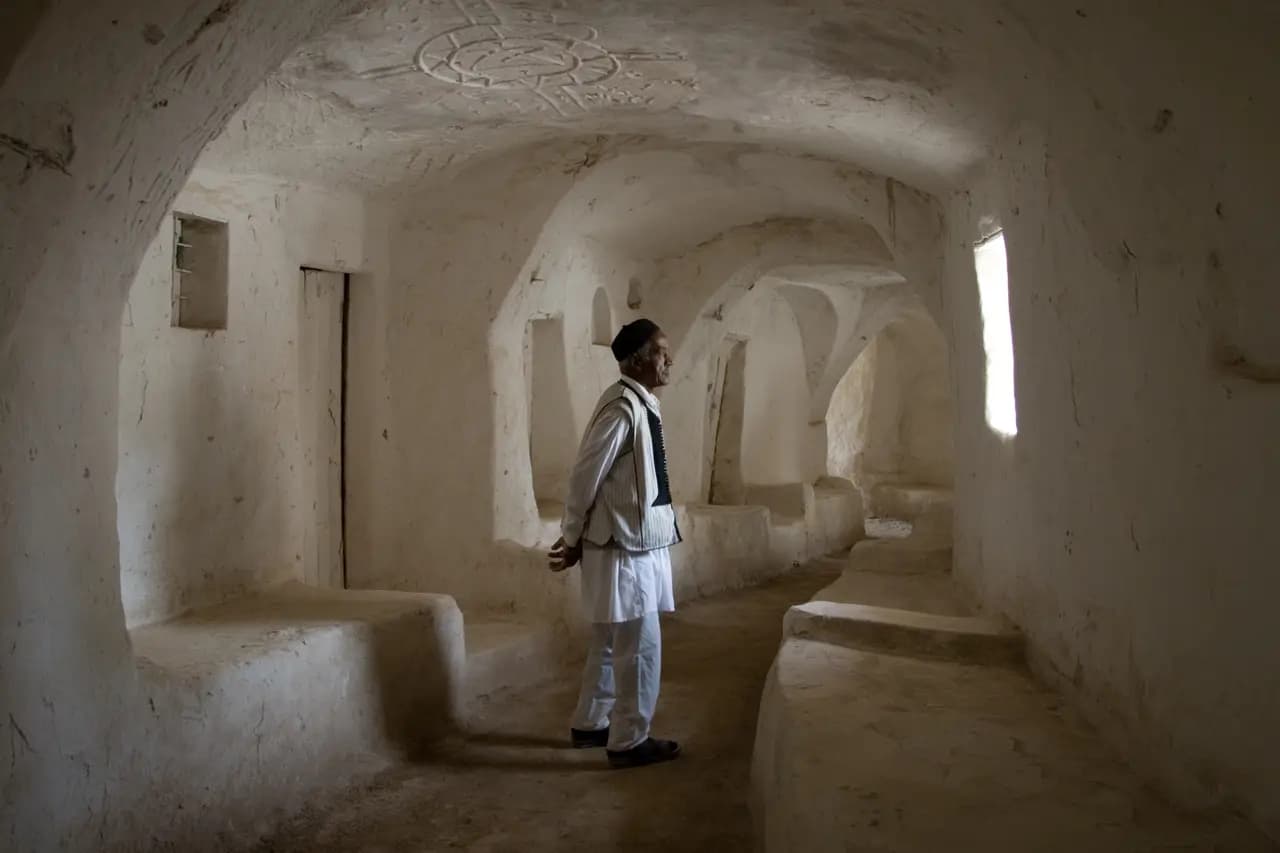
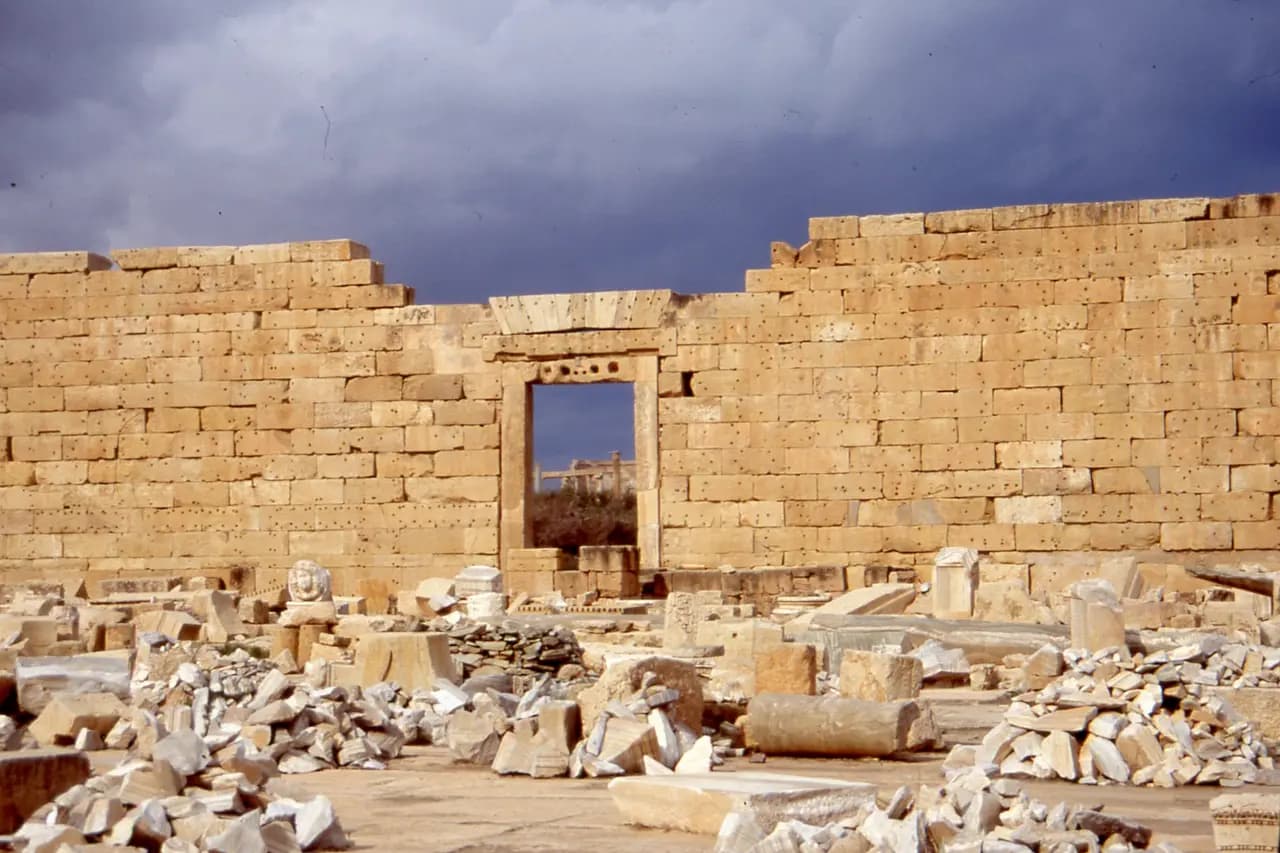
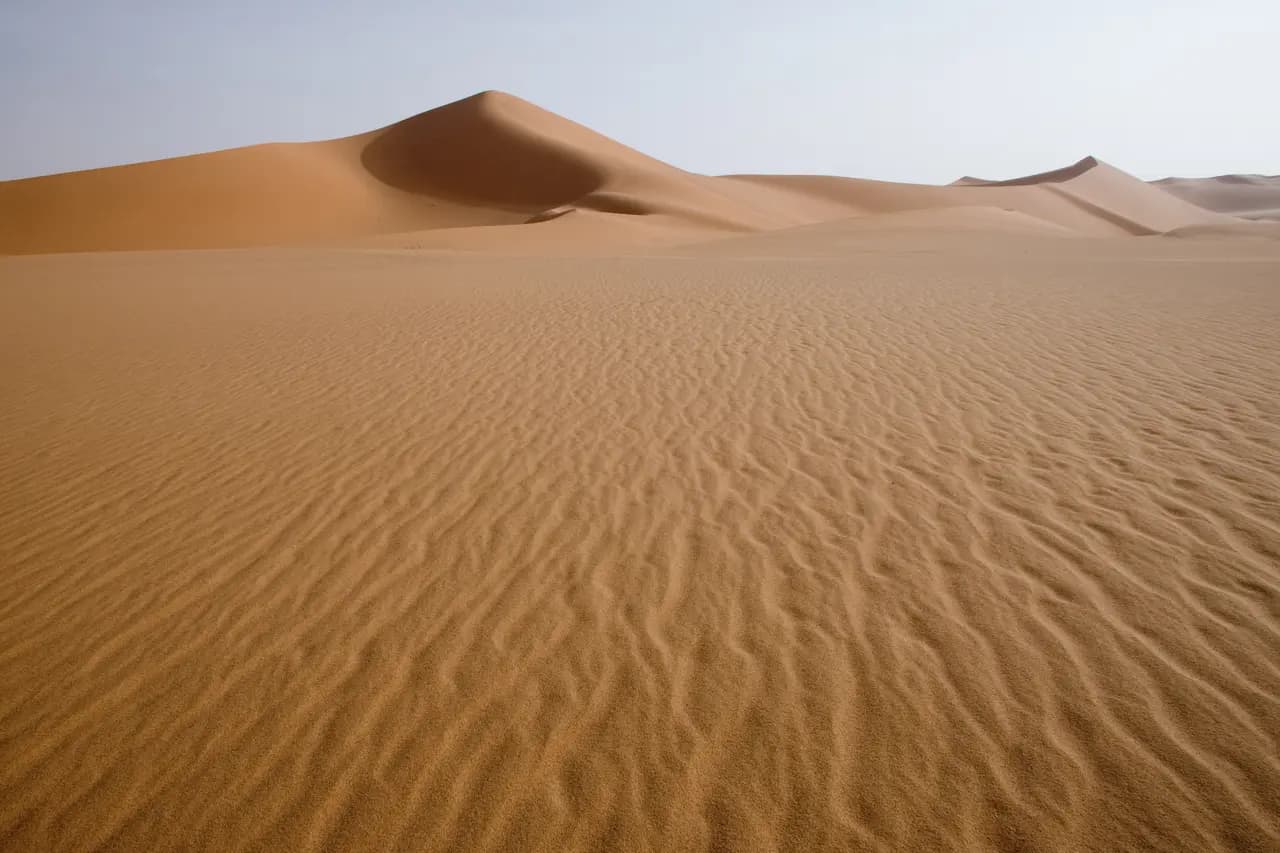
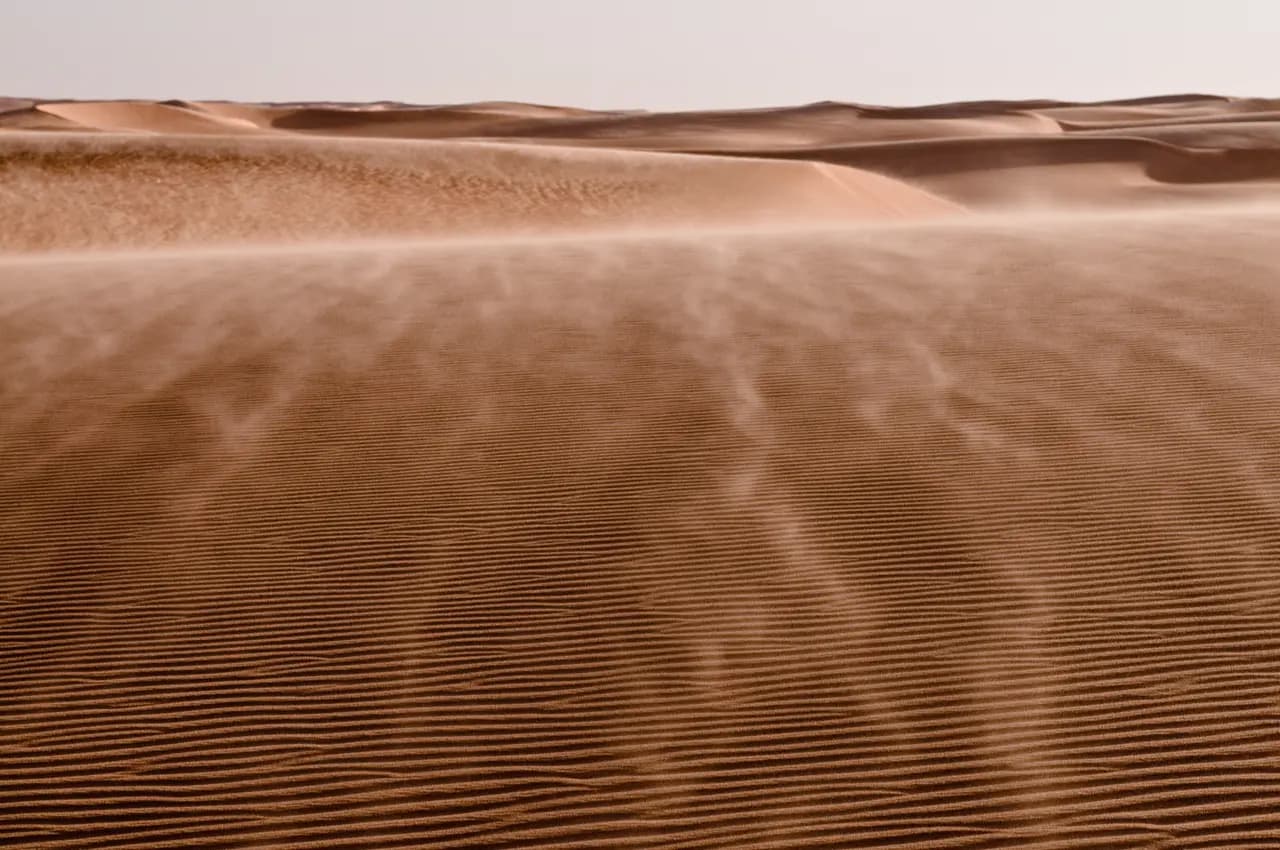
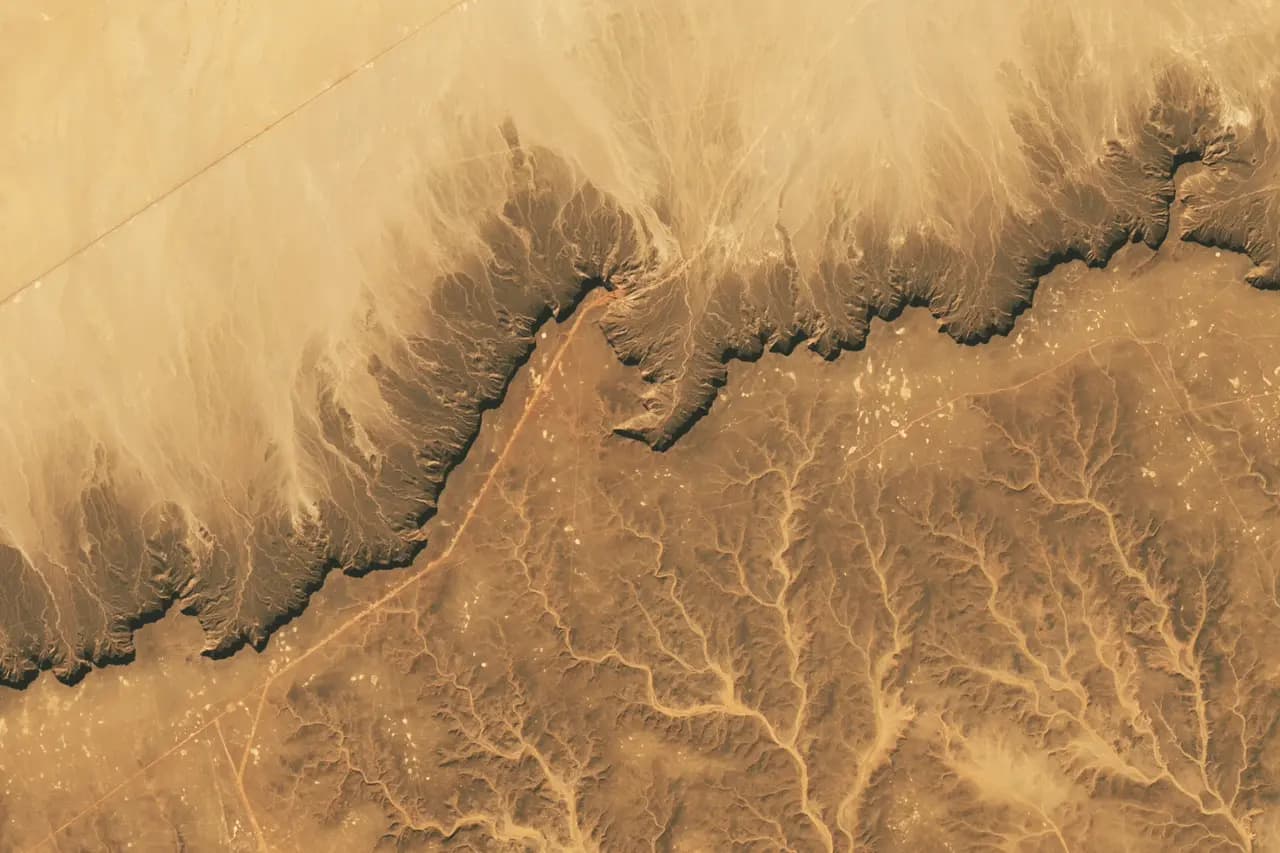
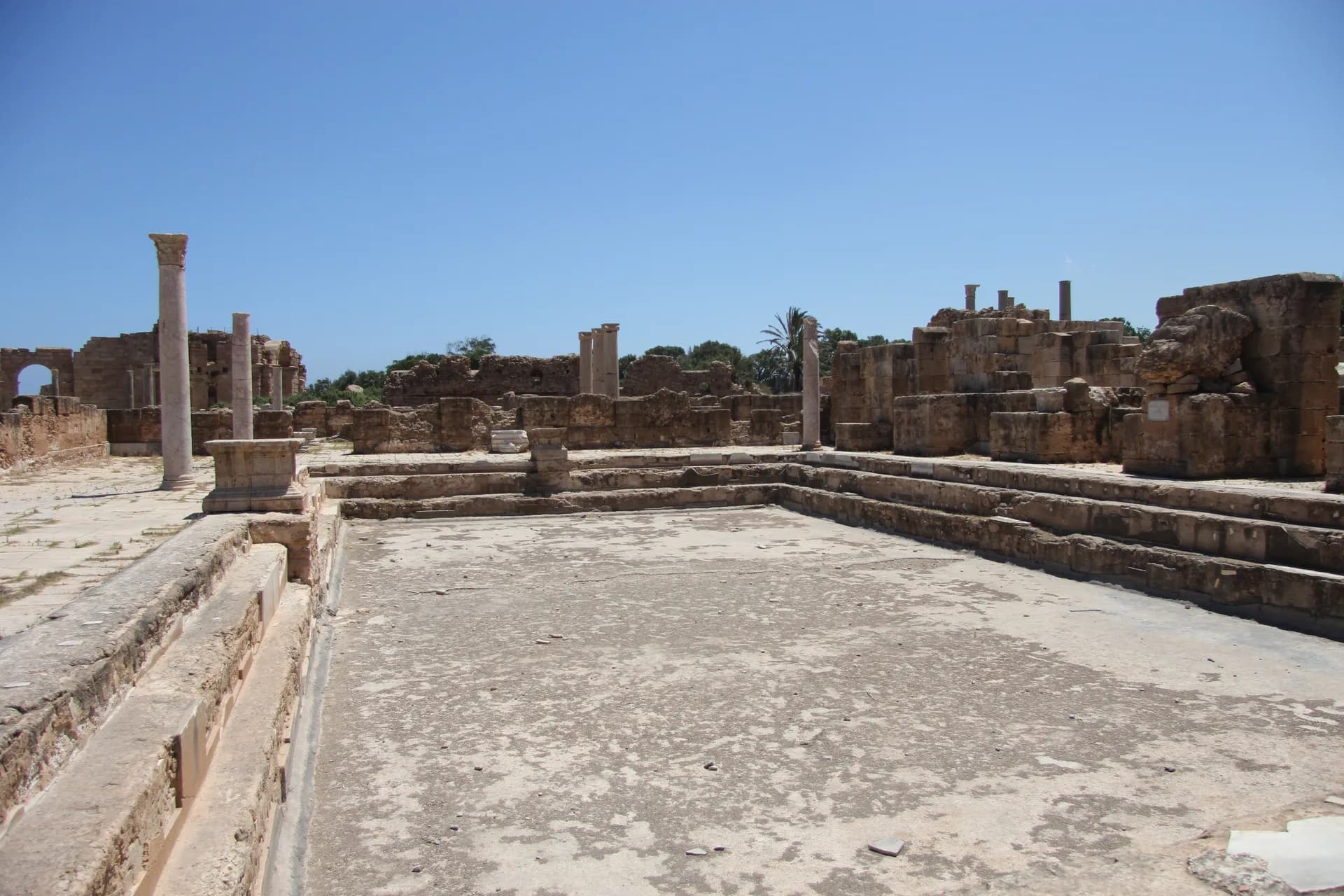
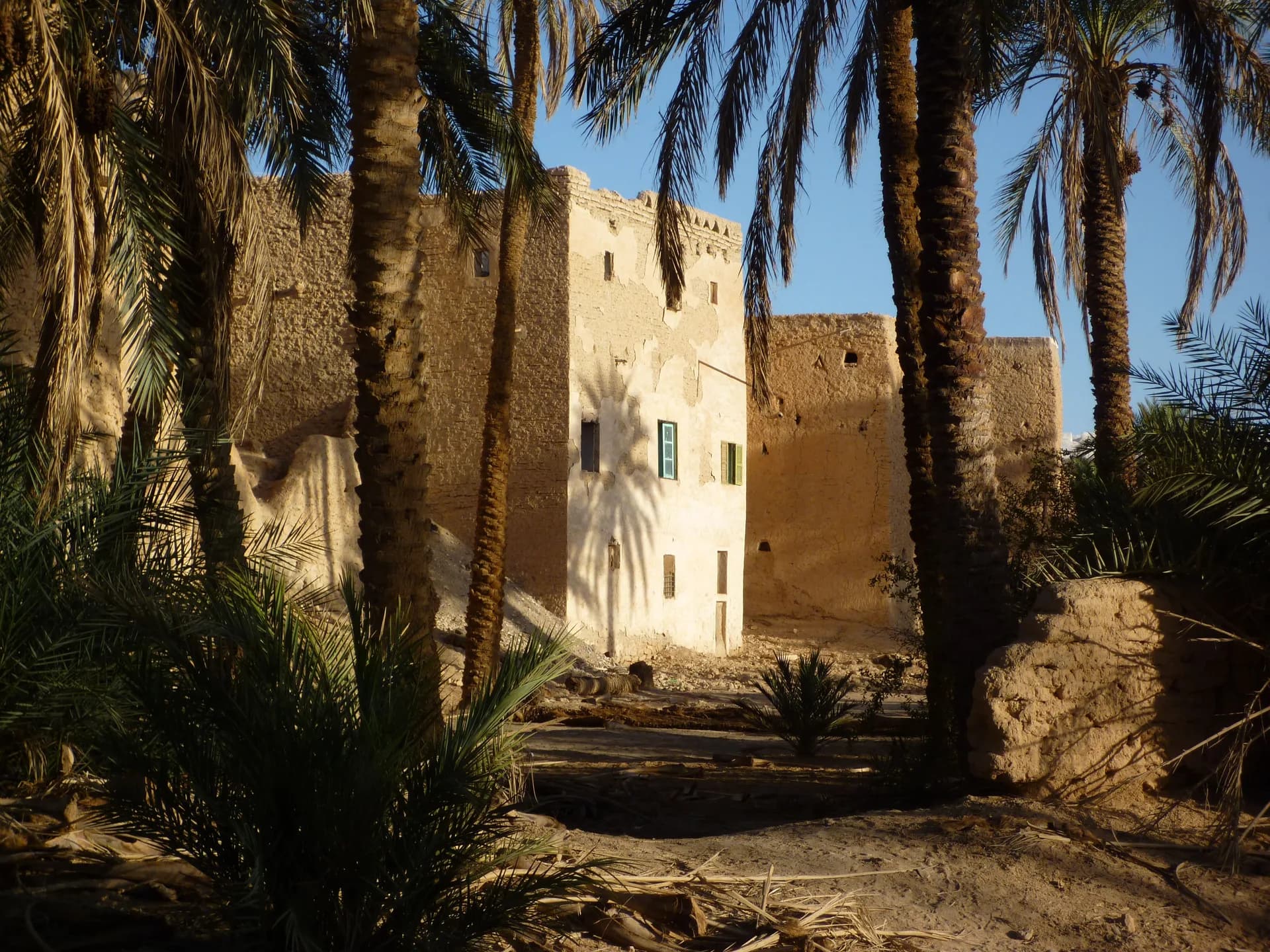
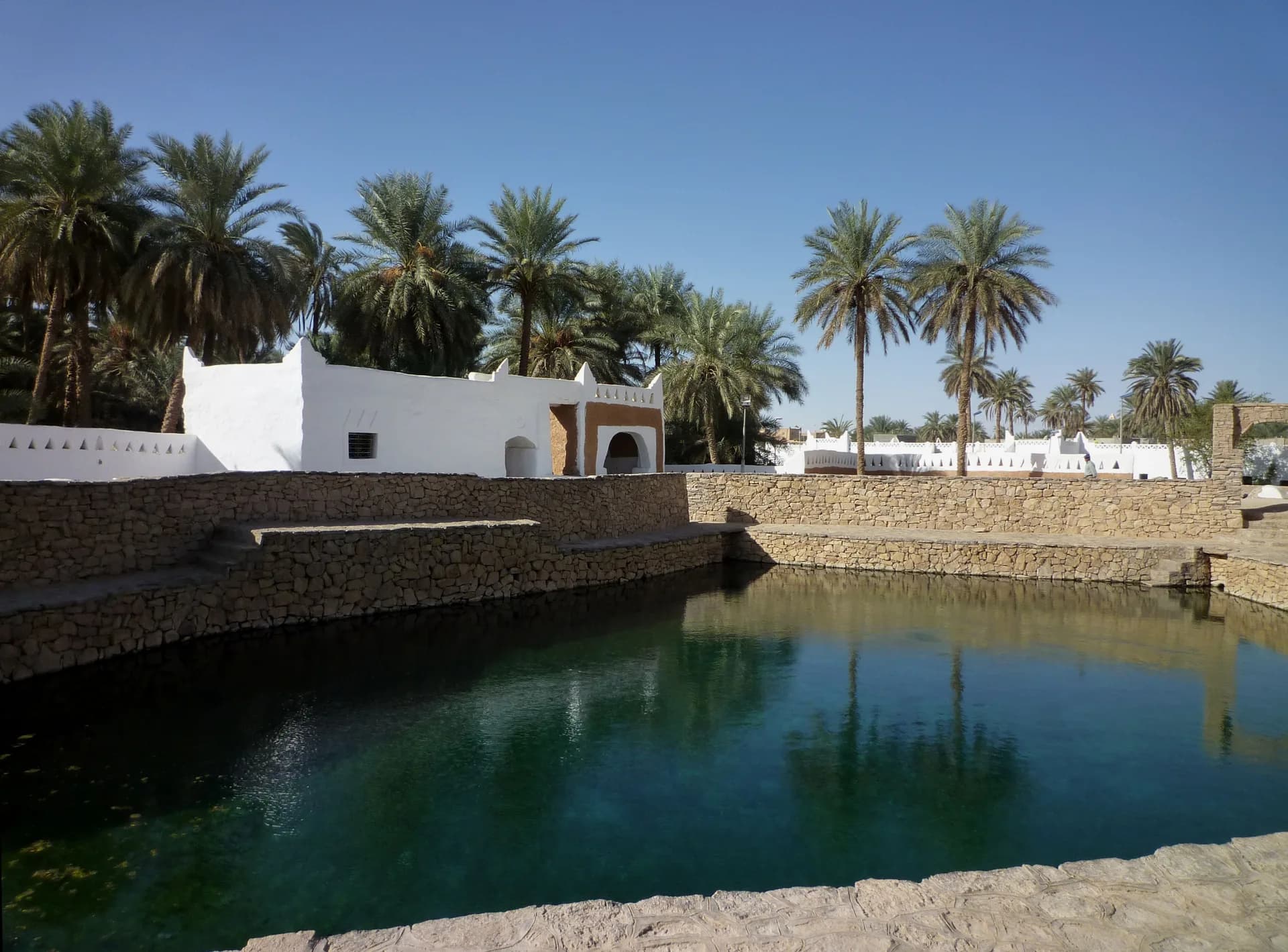
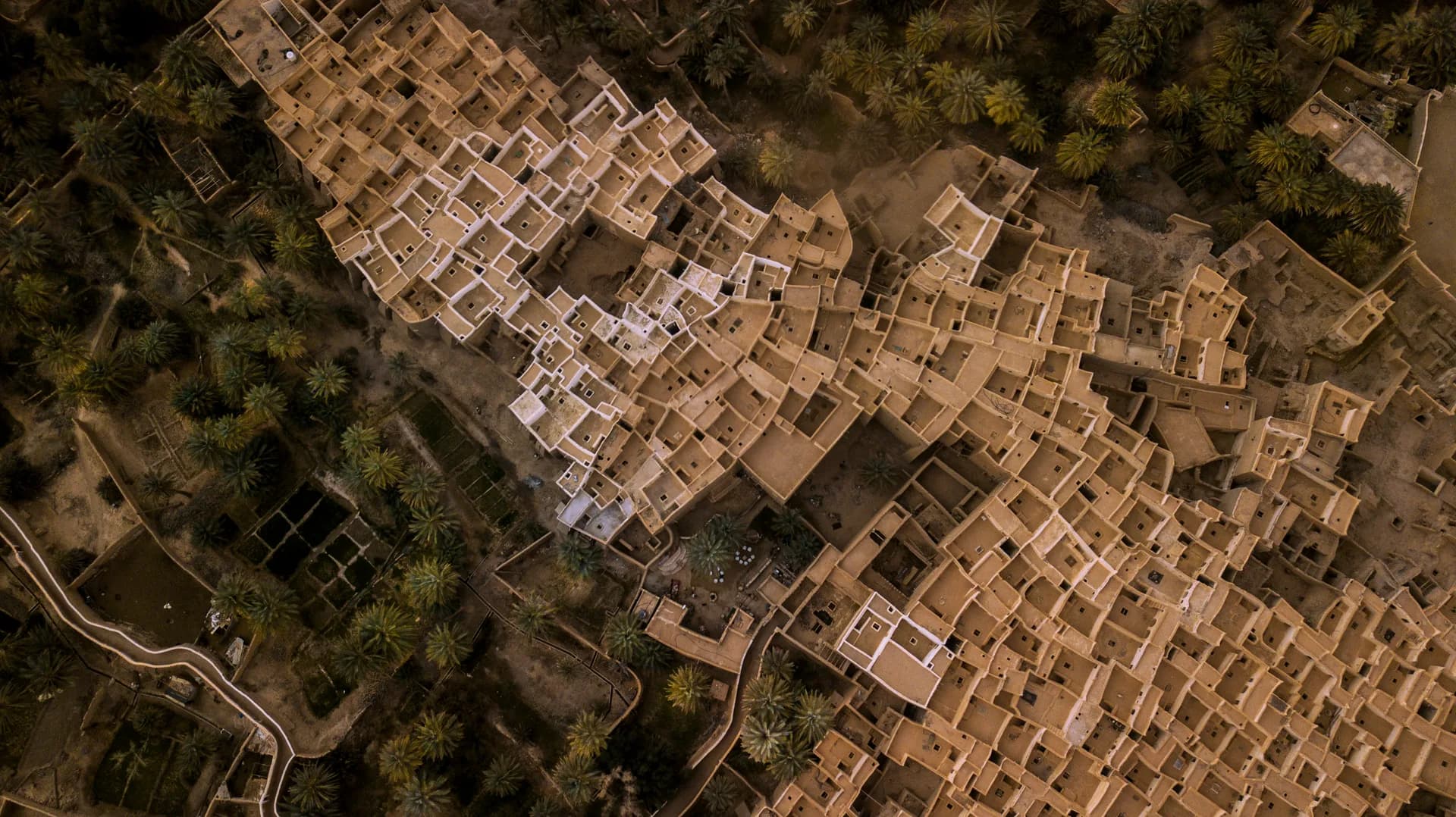
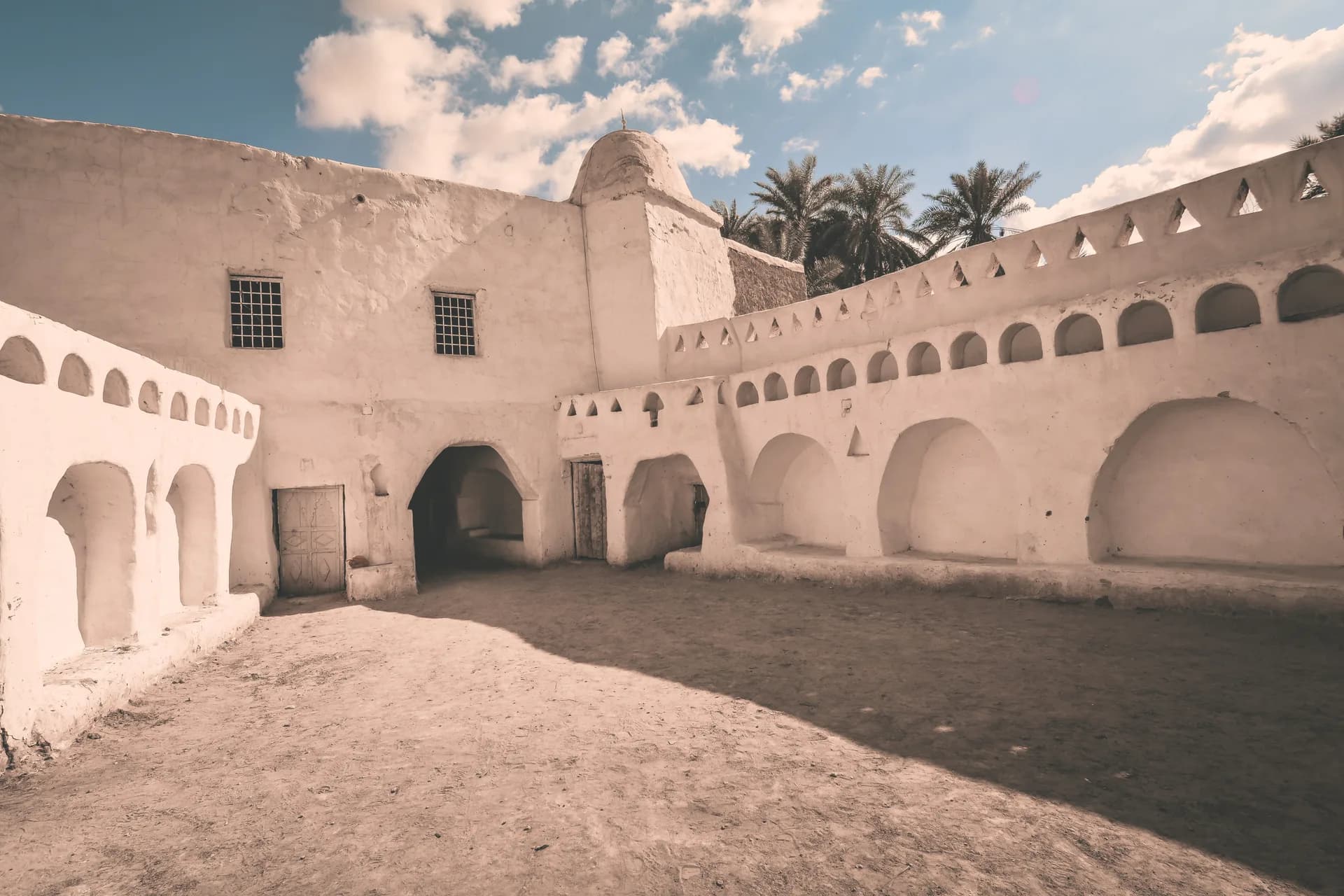
Share your trip with #viafro: the best images will join this gallery, with your credit.
Sourced data (World Bank). No investment advice.
World Bank data (World Development Indicators), consulted on 28 Oct 2026. Tourist arrivals are the latest year published.
The Viafro letter
A short letter, when there is something to say. One-click unsubscribe.
Information checked on 28 Oct 2026. Check the official source before you travel. Viafro gives no safety rating and publishes no price without a source.