A continent, a thousand tables
Discovering a place can begin with a shared meal.
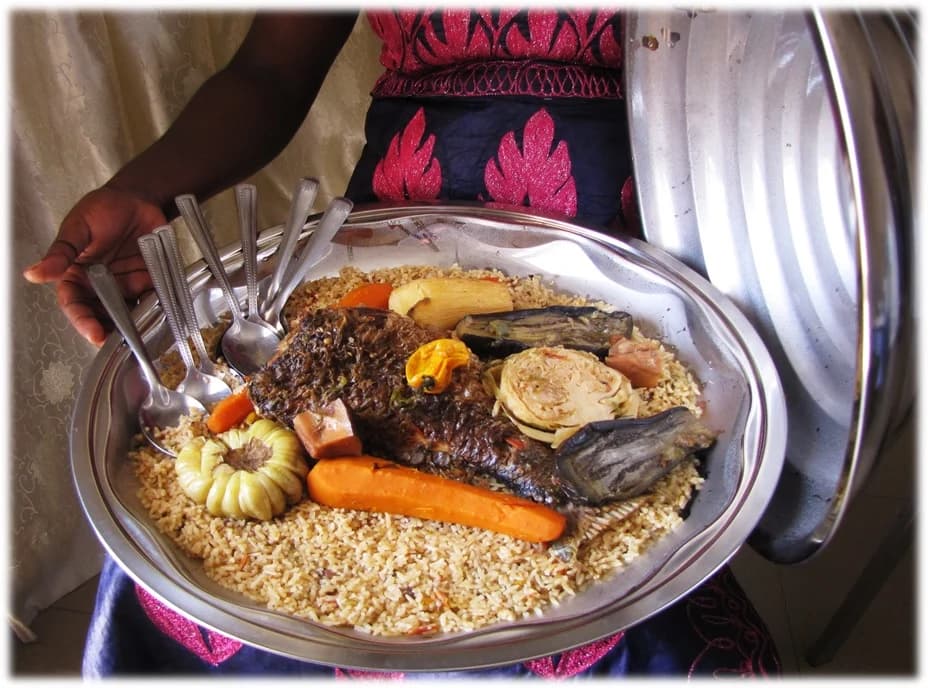
A table draws a different map, made of ingredients, memories and hospitality. In Senegal that map begins with one dish, ceebu jën, better known as thiéboudienne: rice cooked in a tomato broth with fish stuffed with parsley and garlic, and vegetables (cassava, carrot, cabbage, aubergine) simmered until they take on the colour of the sauce.
In December 2021 UNESCO inscribed ceebu jën on its Representative List of the Intangible Cultural Heritage of Humanity, as a culinary art of Senegal. The listing credits the city of Saint-Louis with its origin and describes the way it is prepared, served and eaten: in a large shared dish, on the floor or on a low table, each person keeping to the portion in front of them.
That shared bowl is the real lesson. Eating together, with the right hand or a spoon, means the host places the best pieces of fish in front of the guest and the meal ends when everyone has had enough, not when the plates are empty. It is teranga, Senegalese hospitality, in its most concrete form.
Around the national dish, the repertoire is wide. Yassa, chicken or fish marinated in onions and lemon then grilled and simmered, comes from Casamance in the south. Mafé is a stew in a thick peanut sauce, found across West Africa under different names. Both are cooked at home as much as in the maquis, the small informal restaurants where a plate costs little.
The day is punctuated by drinks. Café Touba is coffee roasted with djar, a Guinea pepper, and sold hot from thermos flasks on street corners from dawn; it takes its name from the holy city of the Mouride brotherhood. Bissap, a deep red hibiscus infusion served cold and sweet, and bouye, made from the pulp of the baobab fruit, are the drinks of family meals and celebrations.
Food here is also seasonal and coastal. The catch at Soumbédioune or Kayar decides what is on the table; mango and cashew come with the rains; thiof, the white grouper prized for ceebu jën, has become rare and expensive, which is a conversation in itself about the sea.
This notebook opens a series that will go from one country to the next. Each Viafro country guide now has a section of dishes checked article by article, with the source for each one. Start with Senegal, then follow the table wherever it leads.
Sources · 6
Live this journey.
Guided tours, excursions and tickets from our partner, in a new tab. Prices and availability are theirs.
The journal
Keep reading.
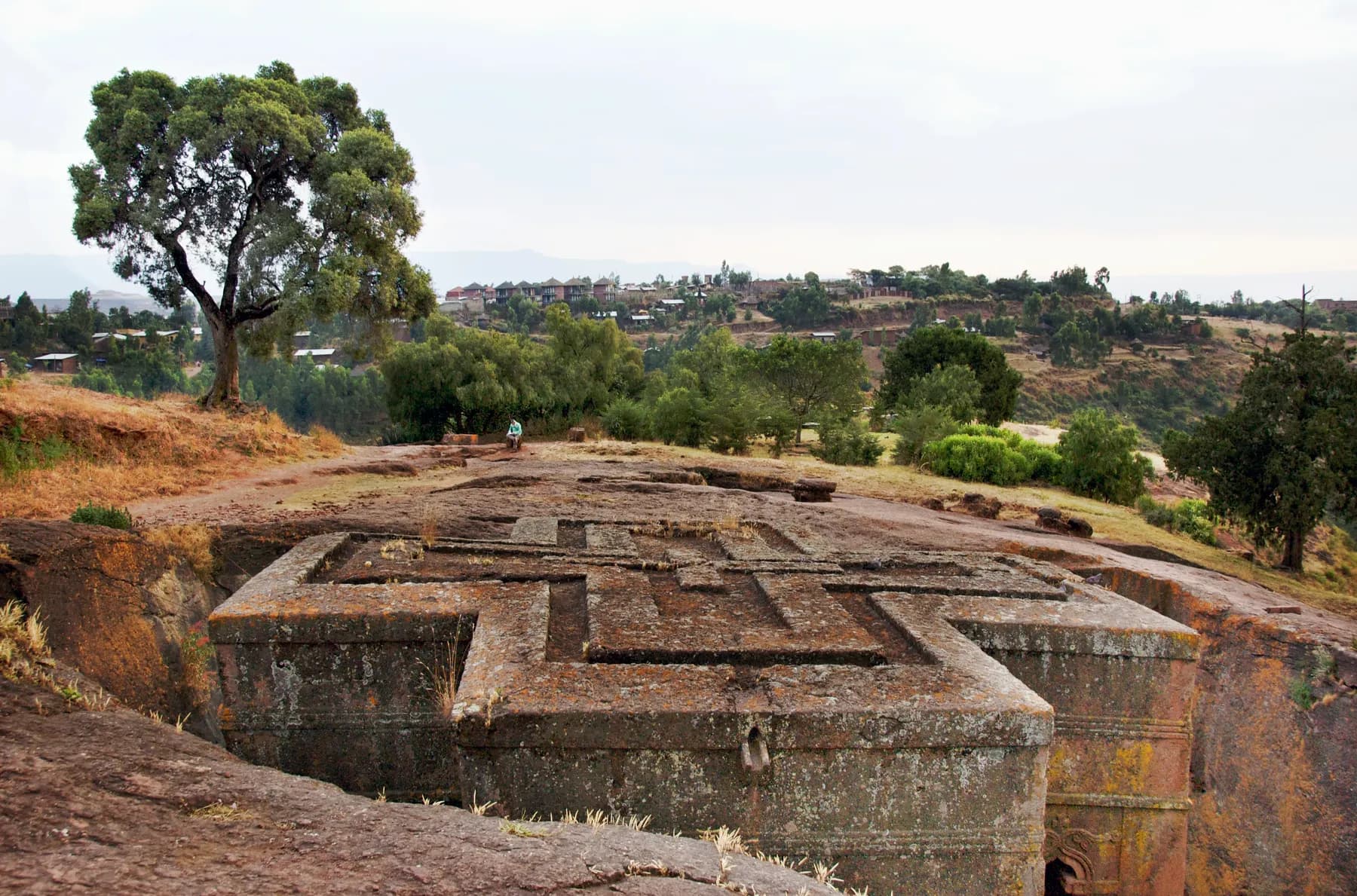
Lalibela, the town carved towards the sky
Eleven churches cut into living rock, a king who wanted his own Jerusalem, pilgrims in white at dawn: a notebook at 2,500 metres.
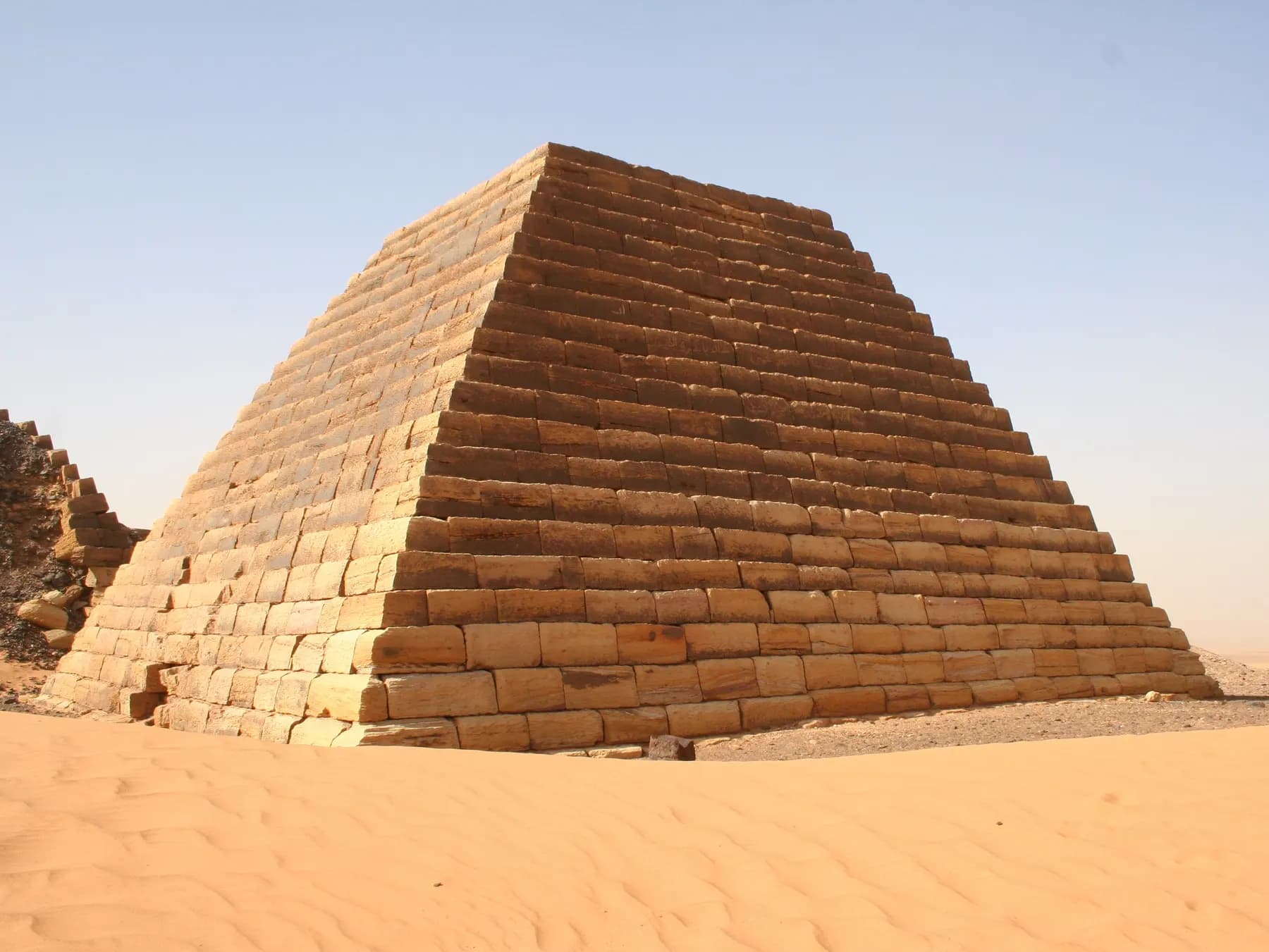
Meroë, the pyramids of the other Nile
Two hundred pyramids in the Sudanese sand, a kingdom that stood up to Rome, warrior queens and a treasure hunter: the Kush notebook.
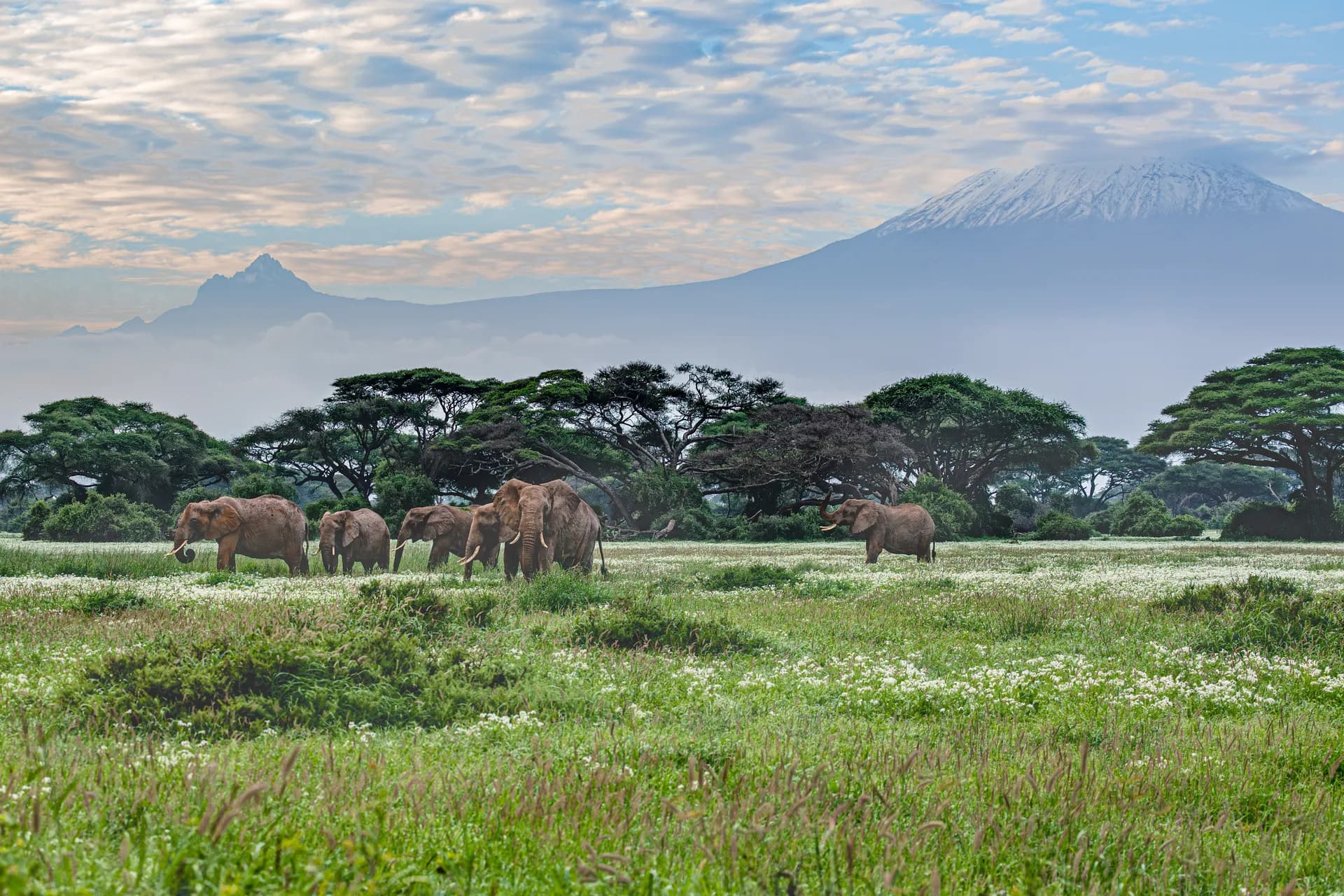
Kilimanjaro, five climates up to the snow
The roof of Africa is climbed on foot, without a rope, in a week: the story of an ascent, from the Chagga banana groves to the last glaciers.