The luxury of an open horizon
A visual meditation on space, light and slowing down.
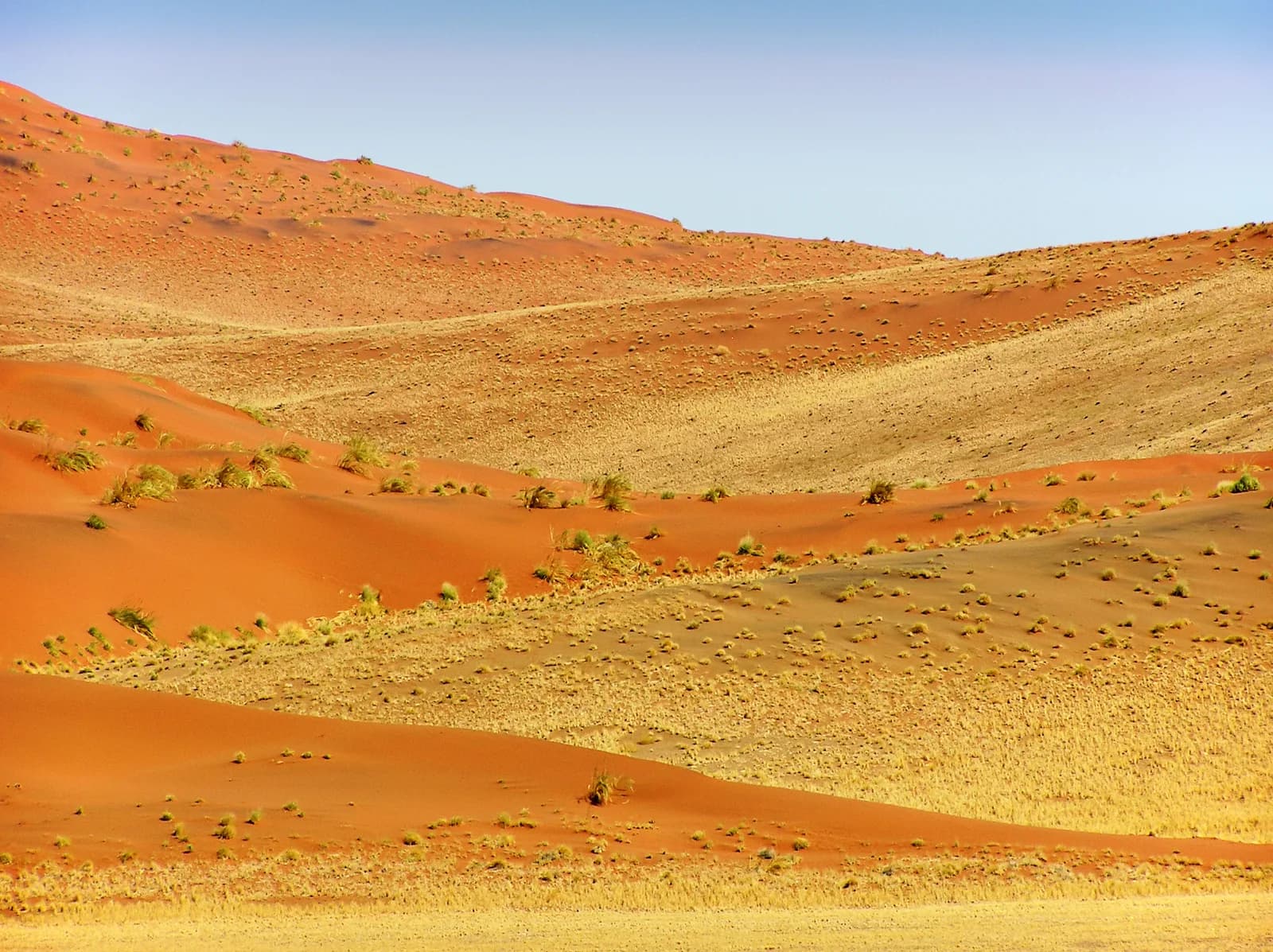
Some landscapes change the pace of looking. In the Namib, a line of sand, a shadow and a faraway ridge hold the eye longer than any crowded itinerary. The desert runs for some 2,000 kilometres along the Atlantic coast of Namibia, and it is considered one of the oldest deserts on Earth: arid or semi-arid for tens of millions of years.
Its heart is the Namib Sand Sea, inscribed by UNESCO on the World Heritage List in 2013. The listing makes a point worth remembering: this is the only coastal desert in the world whose dune fields are shaped by fog. The cold Benguela current pushes mist inland at dawn, and that moisture is what beetles, lizards and plants live on.
Sossusvlei, inside the Namib-Naukluft National Park, is where most visitors meet the dunes. They are among the highest in the world; the one nicknamed Big Daddy rises more than 300 metres above the clay pan. Nearby, Deadvlei is a white floor of dried clay with black camel thorn trees that died centuries ago and never rotted in the dry air. At sunrise the dunes are orange on one side and almost black on the other.
The desert rewards patience. The light is flat at midday and extraordinary an hour after dawn and an hour before dusk. Walking up a dune takes longer than it looks. Welwitschia mirabilis, a plant found only here, grows two leaves for its whole life and can live for more than a thousand years. Nothing in the Namib is in a hurry, and the visitor who matches that pace sees more.
At night the horizon goes on. The NamibRand Nature Reserve, south of Sossusvlei, was recognised in 2012 as an International Dark Sky Reserve, the first in Africa. With no town within range, the Milky Way casts a visible shadow on the sand. This is the luxury the title refers to: not a lodge, but space and darkness.
North of Walvis Bay, the Skeleton Coast earns its name from the shipwrecks stranded on its beaches, where the fog that feeds the desert once blinded sailors. Swakopmund, with its German colonial streets between dunes and ocean, is the usual base for both the coast and the sand.
Practicalities matter in a landscape this empty: distances, fuel, water and the hours of the parks. Our Namibia guide carries the official travel advice, health notes and the best months, so this notebook can stay what it is, a way of looking.
Sources · 6
Live this journey.
Guided tours, excursions and tickets from our partner, in a new tab. Prices and availability are theirs.
The journal
Keep reading.
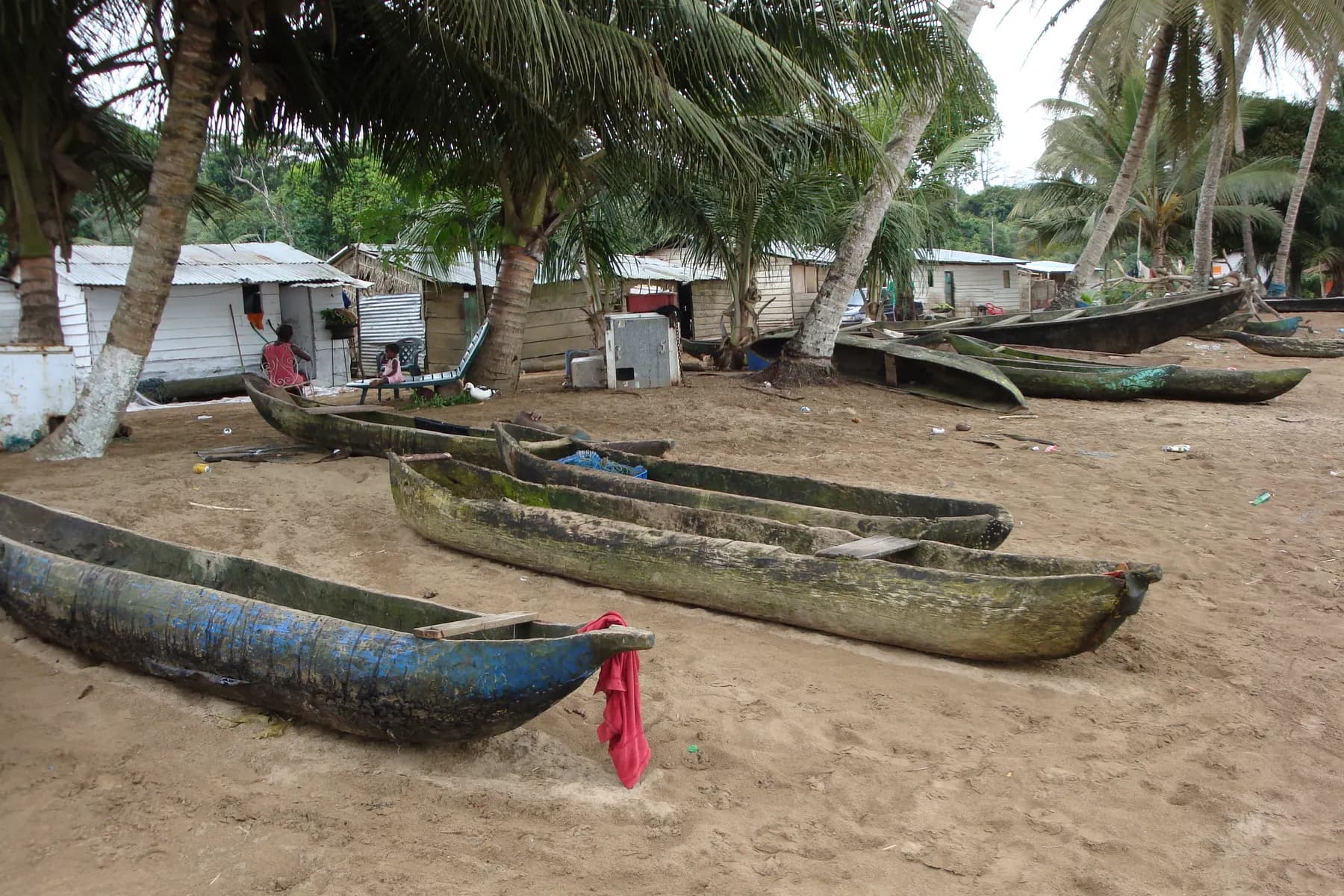
Equatorial Guinea, the volcano island and the forest
Africa’s only Spanish-speaking country: a 3,000-metre volcano above Malabo, beaches where four species of turtle nest, a forest of giant frogs and an island lost in the southern hemisphere.
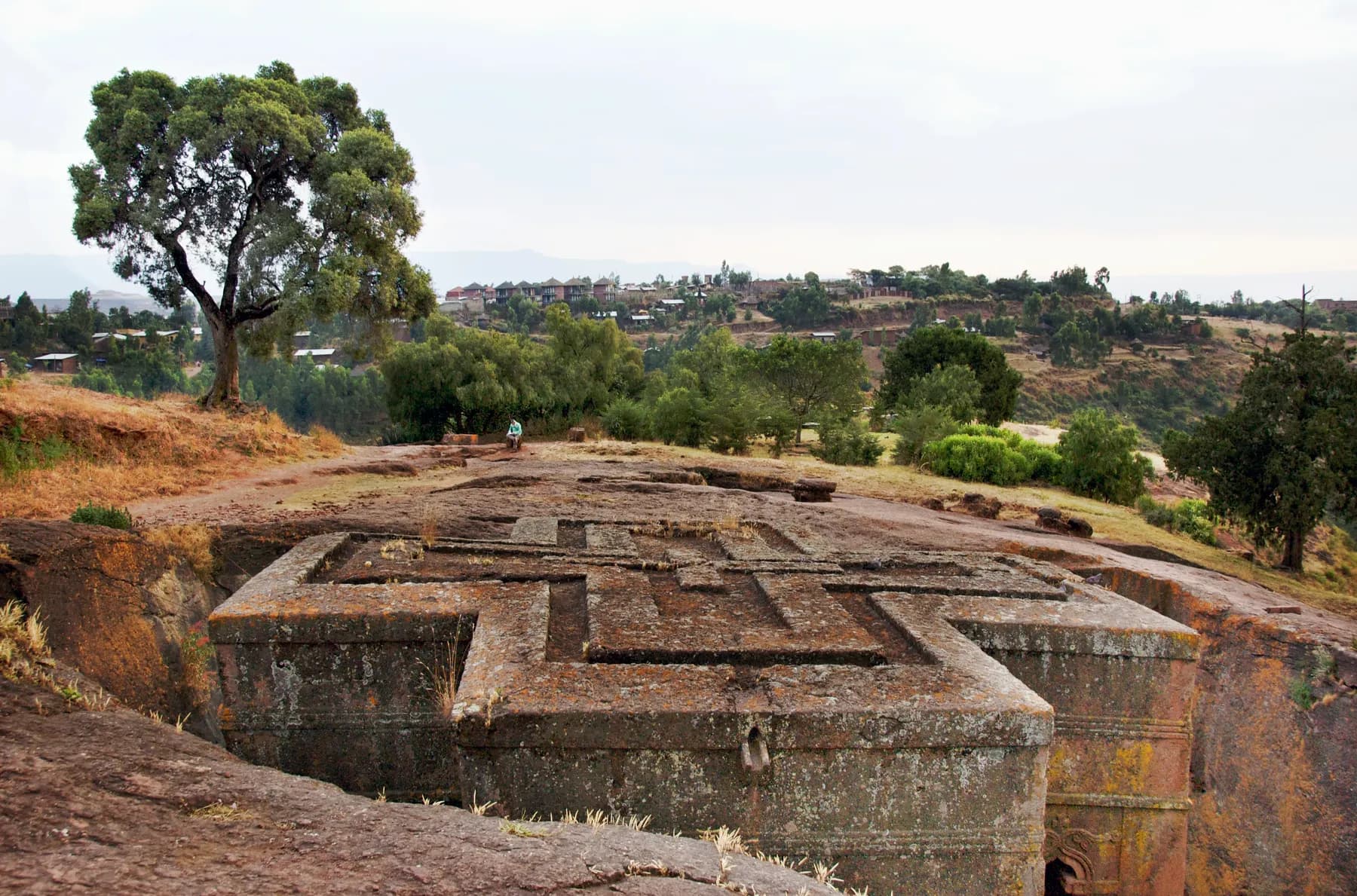
Lalibela, the town carved towards the sky
Eleven churches cut into living rock, a king who wanted his own Jerusalem, pilgrims in white at dawn: a notebook at 2,500 metres.
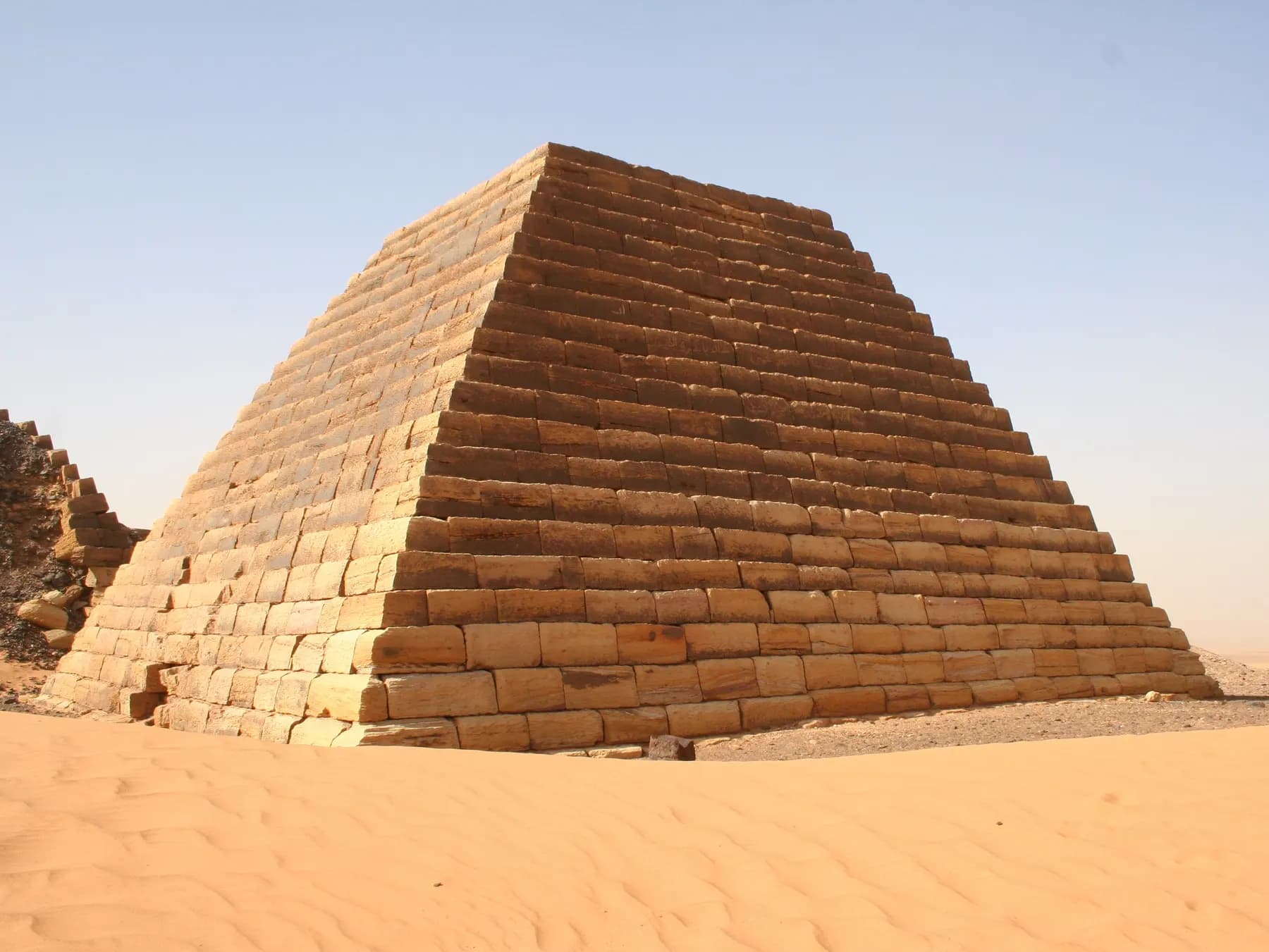
Meroë, the pyramids of the other Nile
Two hundred pyramids in the Sudanese sand, a kingdom that stood up to Rome, warrior queens and a treasure hunter: the Kush notebook.