Dakar, facing the world
The westernmost point of the continent, an island of memory twenty minutes away by ferry, a statue that divides opinion, pirogues at the end of every street: the notebook of an Atlantic capital.
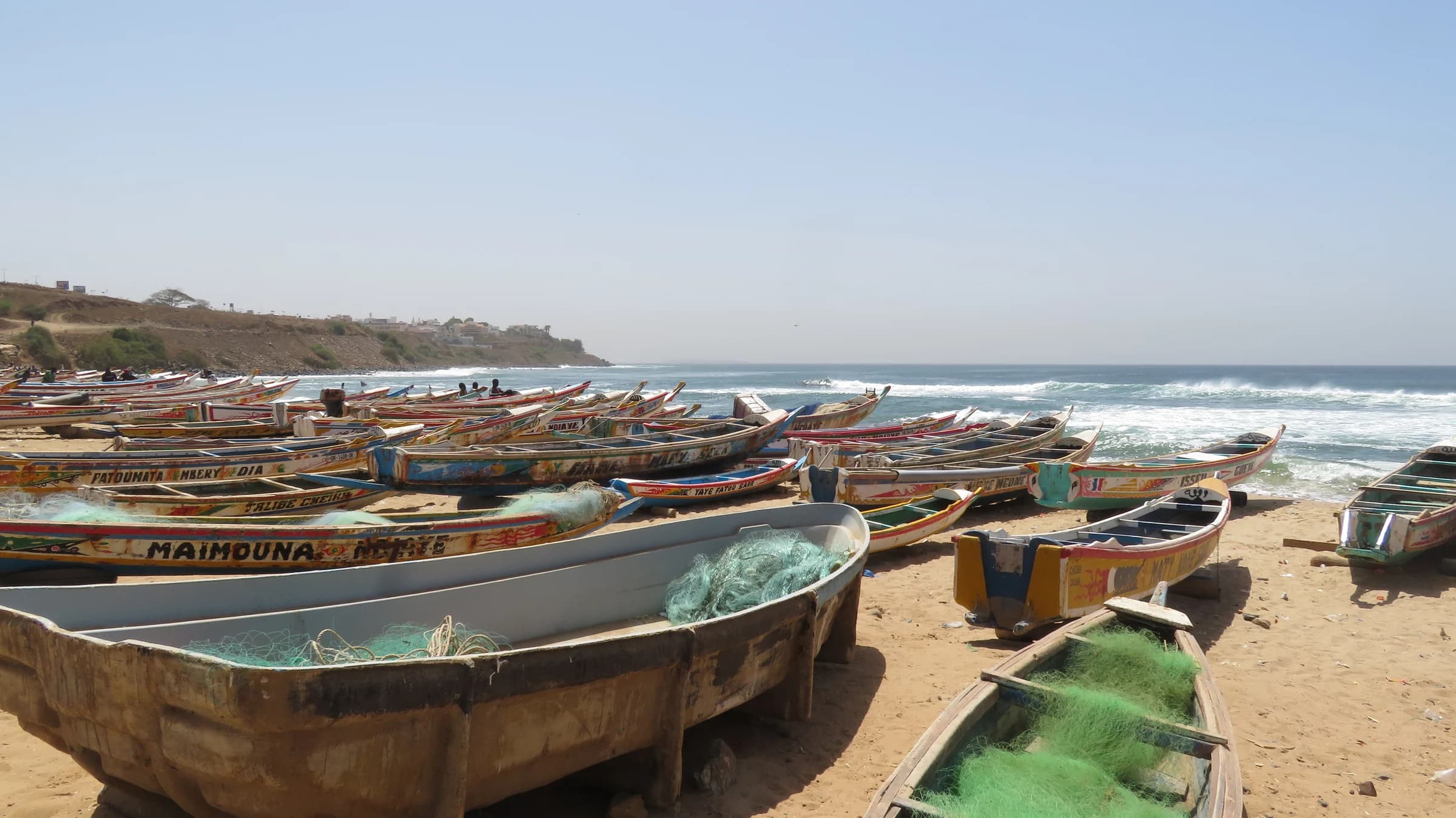
Dakar sits at the end of the Cap-Vert peninsula, and the Pointe des Almadies, at its tip, is the westernmost point of mainland Africa. The city therefore looks out, not in: every street eventually runs into the ocean, and the ocean sets the rhythm of the day, from the surfers at Ngor in the morning to the fishing boats hauled onto the sand at Ouakam and Soumbédioune at dusk. You arrive by air, then by the new motorway from Diass airport, and the first reflex, always, is to look for the sea.
This notebook takes the city district by district, the way it is lived: Gorée and its memory, the Mamelles and their statue, the Lebou villages that became the city’s beaches, the Plateau and its markets, the night and its music, the Pink Lake in the hinterland, and a capital on the move that hosts, from 31 October to 13 November 2026, the first Olympic Games ever held in Africa, the Youth Games.
A peninsula facing west
Before the city there were Lebou fishing villages: Ouakam, Ngor, Yoff, Hann. They still exist, embedded in a metropolis of four million people, with their painted pirogues, their mosques and their councils of elders. The Portuguese reached the peninsula in the 15th century, the French founded Dakar in 1857 opposite Gorée, and in 1902 the city became the capital of French West Africa, then, in 1960, of independent Senegal.
The city’s plan keeps the trace of that history. The Plateau, on the southern tip, is the colonial district of ministries, banks and shaded avenues; the Médina, just north, was born in 1914 when the administration, after a plague epidemic, moved the African population out of the centre. Between the two, a century of mixing has blurred everything, and so much the better.
The Corniche Ouest runs along the ocean for kilometres, from the southern point to the Mamelles: it is the city’s promenade, that of the runners at dawn, the wrestlers training on the sand and the families on Sundays. One glance explains why Dakar calls itself the Atlantic city.
Gorée, twenty minutes and three centuries
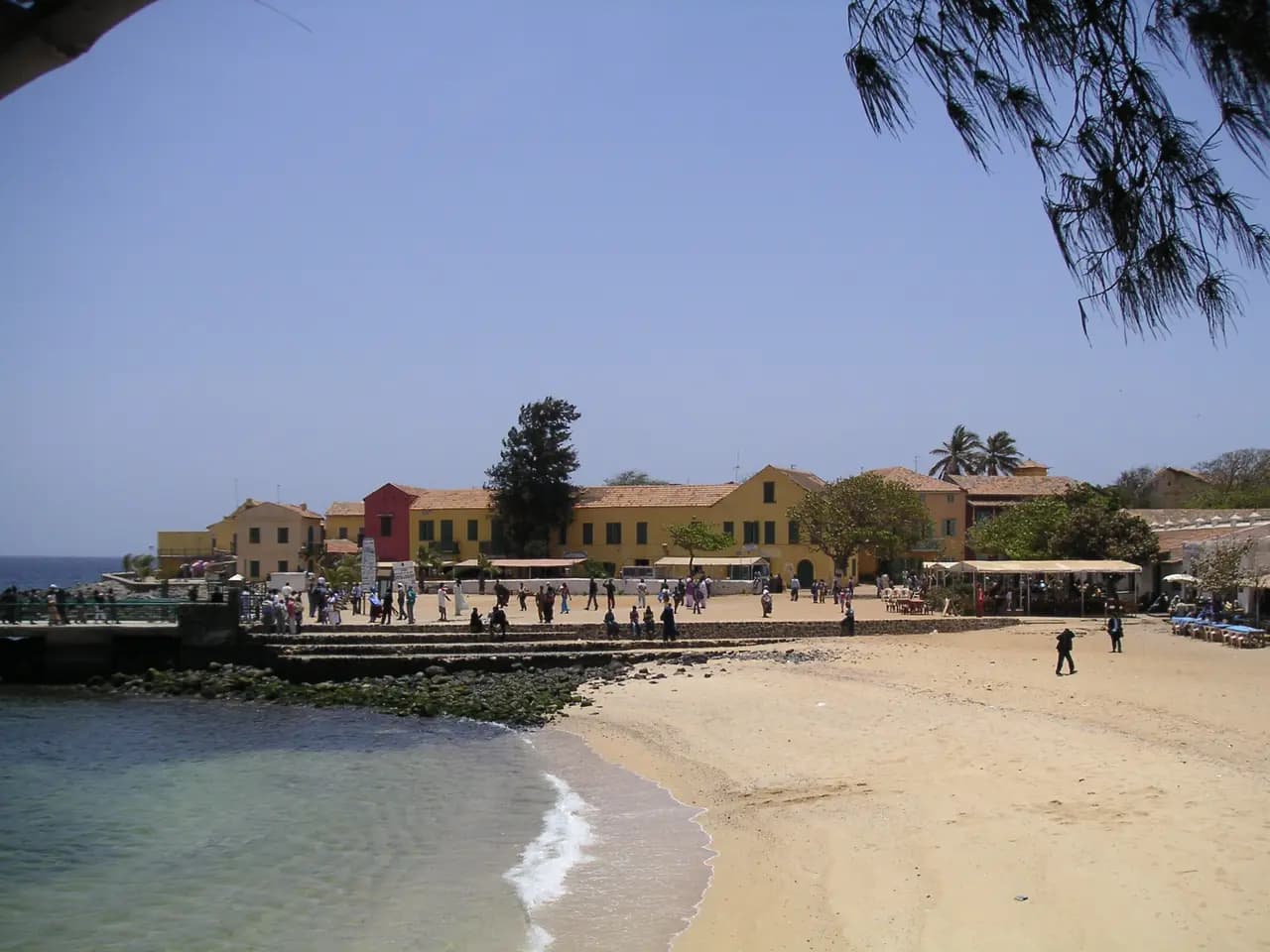
The ferry leaves Dakar harbour and takes about twenty minutes to reach Gorée, an island of eighteen hectares two kilometres offshore. You step onto a beach of blond sand, between ochre and pink houses with wooden shutters, under baobabs and bougainvillea, in a silence made almost unreal by the total absence of cars.
Gorée has been on the UNESCO World Heritage List since 1978, among the first twelve sites ever inscribed, for what it remembers: the Atlantic slave trade. The House of Slaves, built in 1776 and now a museum, shows its cells and its door opening onto the sea, the door of no return; historians debate how many captives actually passed through this particular house, but nobody debates what the island stands for, and heads of state from around the world come to stand here in silence.
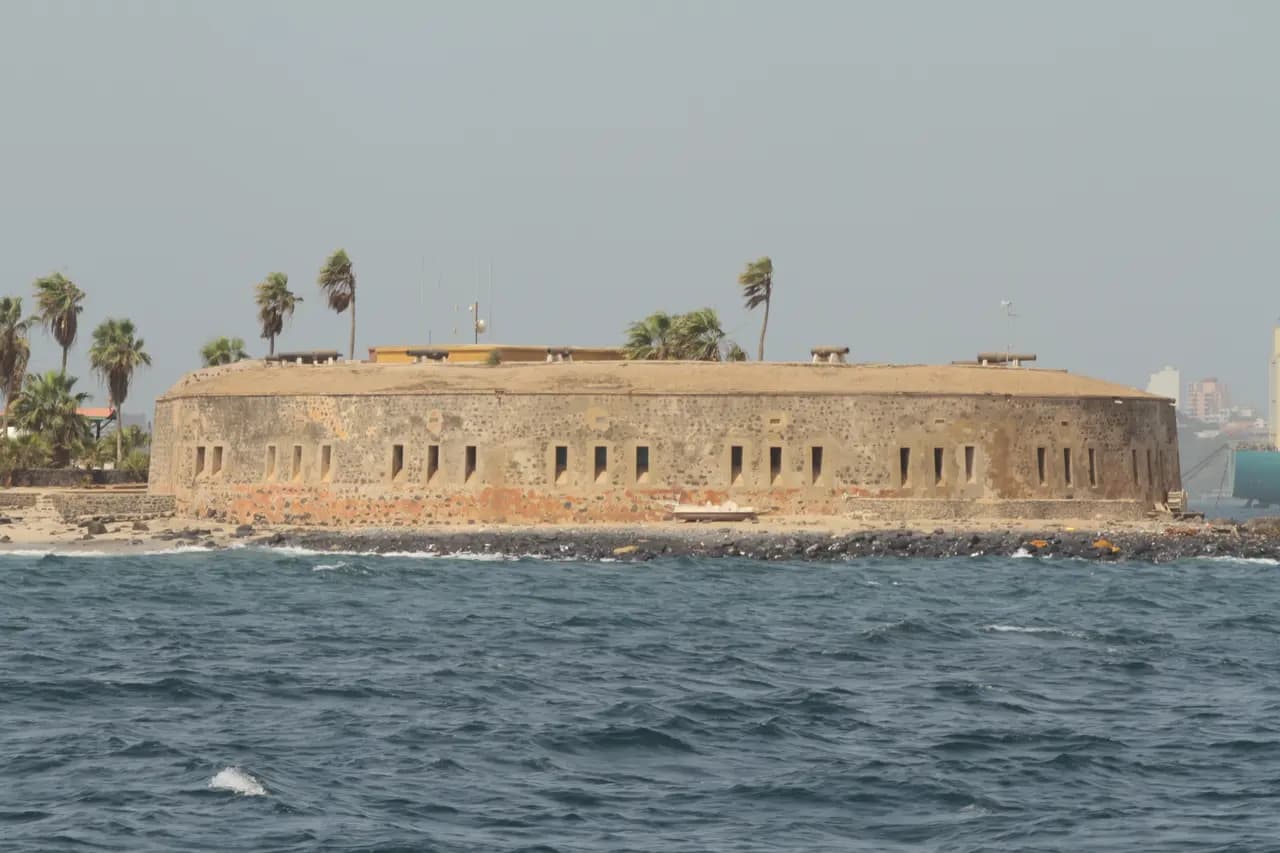
The rest of the island is walked in an hour and savoured in a day: Fort d’Estrées and its history museum, the Castel and its cannons, artists’ studios in the old merchants’ houses, children diving from the quay, women selling jewellery and cloth. You can sleep here too, in a few guesthouses, to know Gorée after the last boat.
The Mamelles: a lighthouse, a statue, a debate
Two volcanic hills overlook the peninsula at Ouakam: the Mamelles. On the higher one stands the lighthouse, the oldest in Dakar and considered one of the most powerful in Africa, from which you see the whole city and the ocean on both sides. It is a twenty-minute walk up for the sunset.
On the other hill stands the African Renaissance Monument: a bronze statue some fifty metres tall, a man, a woman and a child straining westward, the tallest statue in Africa, inaugurated on 4 April 2010 for the fiftieth anniversary of independence. Designed by the Senegalese architect Pierre Goudiaby Atepa and built by a North Korean company, it has divided opinion since day one, for its cost, its style and its symbolism. The debate goes on, and it says something about Dakar’s taste for public argument.
At the foot of the Mamelles, on the Corniche, the Mosque of the Divinity, built between 1992 and 1997, sets its two white minarets at the edge of the waves, in a cove where the Ouakam pirogues are pulled up on the sand. It is one of the truest images of the city: faith, fishing and the ocean on the same beach.
Ngor, Yoff, Almadies: the ocean every day
At the northern tip of the peninsula, the village of Ngor faces an island of a few hectares, four hundred metres from the shore, reached by pirogue in five minutes: tiny beaches, fishermen’s and artists’ houses, restaurants with their feet in the water. Offshore breaks the wave of Ngor Right, which the film ‘The Endless Summer’ made known to surfers worldwide in 1966.
The Almadies, all around, are the district of embassies, hotels and seaside restaurants; the point itself, the westernmost of the continent, is visited at low tide among the rocks. Further east, the long beach of Yoff belongs to the pirogues coming back from fishing and to evening runners; the village is also the seat of the Layene brotherhood, whose white mausoleum stands facing the sea.
And there is Soumbédioune, on the Corniche Ouest: every late afternoon, dozens of pirogues return and unload their fish onto the sand, in a crowd of fishwives, carts and buyers, as the sun drops behind Gorée. The neighbouring craft village sells jewellery, leather and carved wood. It is the best place in the city to understand what the ocean gives every day.
Plateau, Médina, Kermel, Sandaga
Downtown, the Kermel market is a round iron hall built in 1910, destroyed by fire in 1993 and rebuilt in the same shape: flowers, fish and fruit are sold inside, fabrics and baskets all around it. The Sandaga district nearby is louder and denser, the kingdom of tailors and phones. Between the two, the Plateau keeps its avenues, its bookshops, its cathedral and the presidential palace facing the sea.
Two museums frame the city. The Théodore Monod Museum of African Art, heir to IFAN founded in 1936, holds on Place Soweto one of the oldest collections in West Africa. The Museum of Black Civilisations, opened on 6 December 2018, is its opposite and its complement: a round building inspired by the impluvium houses of Casamance, vast, modern, designed to receive the works Africa is reclaiming from European museums.
Dakar is a capital of the visual arts. The Biennale of contemporary African art, Dak’Art, born in 1992 and devoted to the continent’s artists since 1996, fills galleries, warehouses and courtyards every two years; between editions, the studios and galleries of the Médina and the Almadies take over. In the Médina itself, the Grand Mosque, with its Moroccan lines, is the centre of life in the city’s most populous district.
The night: mbalax, sabar and hip-hop
Dakar does not sleep, or only late. The city’s music is called mbalax, a whirl of sabar drums, guitars and keyboards that Youssou N’Dour carried around the world and that you hear in his club, the Thiossane, as in dozens of others, where nothing really starts before midnight. The sabar evenings in neighbourhood courtyards, where women dance facing the drums, are open to anyone who knows how to behave.
The city has also been one of Africa’s hip-hop capitals since the 1990s: studios in the Médina, concerts in cultural centres, lyrics about the city and politics. And at the other end of the spectrum, the kora and the griots’ songs, heard in homes and hotels.
The night often ends in a dibiterie, around a plate of grilled mutton with onions and mustard, or at first light over a scalding café Touba. The day’s meal is told in another notebook: ceebu jën, rice and fish, inscribed as intangible heritage of humanity in 2021, and the teranga that goes with it.
The Pink Lake and the hinterland
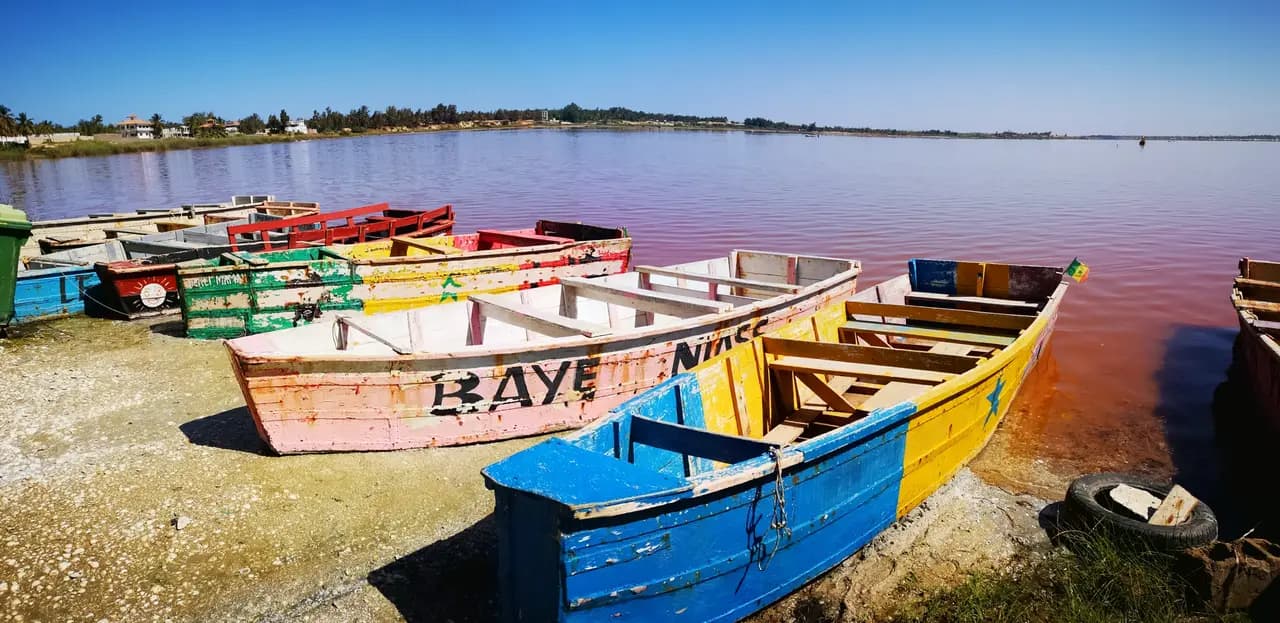
Thirty-five kilometres north-east of the city, Lake Retba, which everyone calls the Pink Lake, owes its colour to a micro-alga and its fame to its salt: up to forty per cent in places, which workers harvest by hand, standing in the water, their skin coated in shea butter, and heap into white pyramids on the shore. The colour is strongest from late January to early March, and it depends on the light: a good reason to promise nothing and simply go and look.
The lake has had a bad spell: the floods of September 2022 washed out its colour and halted the harvest; it has recovered part of its colour since, and in 2026 it is among the sites UNESCO is considering for the World Heritage List. Behind it, a strip of dunes separates the lake from the ocean, crossed by 4x4 or on horseback to find an endless beach.
This is also the side on which the city is growing: Diamniadio, the new town, its stadiums and universities, Blaise Diagne international airport opened in 2017, and the fields of cowpeas and mangoes giving way. Dakar has always looked west; it is learning to look east.
A city on the move
Dakar has been moving differently of late. The regional express train has linked the centre to Diamniadio since 27 December 2021, at metro-like frequency; the Bus Rapid Transit, inaugurated in 2024, crosses the city on a dedicated lane; and the cars rapides, the blue and yellow minibuses painted with verses and slogans, are gradually giving way to new vehicles. Photograph them while they last.
From 31 October to 13 November 2026, the city hosts the Youth Olympic Games, the first Olympic event ever organised on the African continent, between Dakar, Diamniadio and Saly. The mascot is called Ayo. For a capital that has always been a stage, it is one more stage.
People come to Dakar all year round; the dry season, from November to May, is the most pleasant, cool and windy from December to February, and the rains fall from July to October. All of this rests on teranga, the Wolof word for hospitality that Senegal has made its motto, and that shows in the time people take to greet you. Our Senegal guide keeps the practical side: entry rules, health, official advice and dishes to try.
Sources · 15
Live this journey.
Guided tours, excursions and tickets from our partner, in a new tab. Prices and availability are theirs.
The journal
Keep reading.
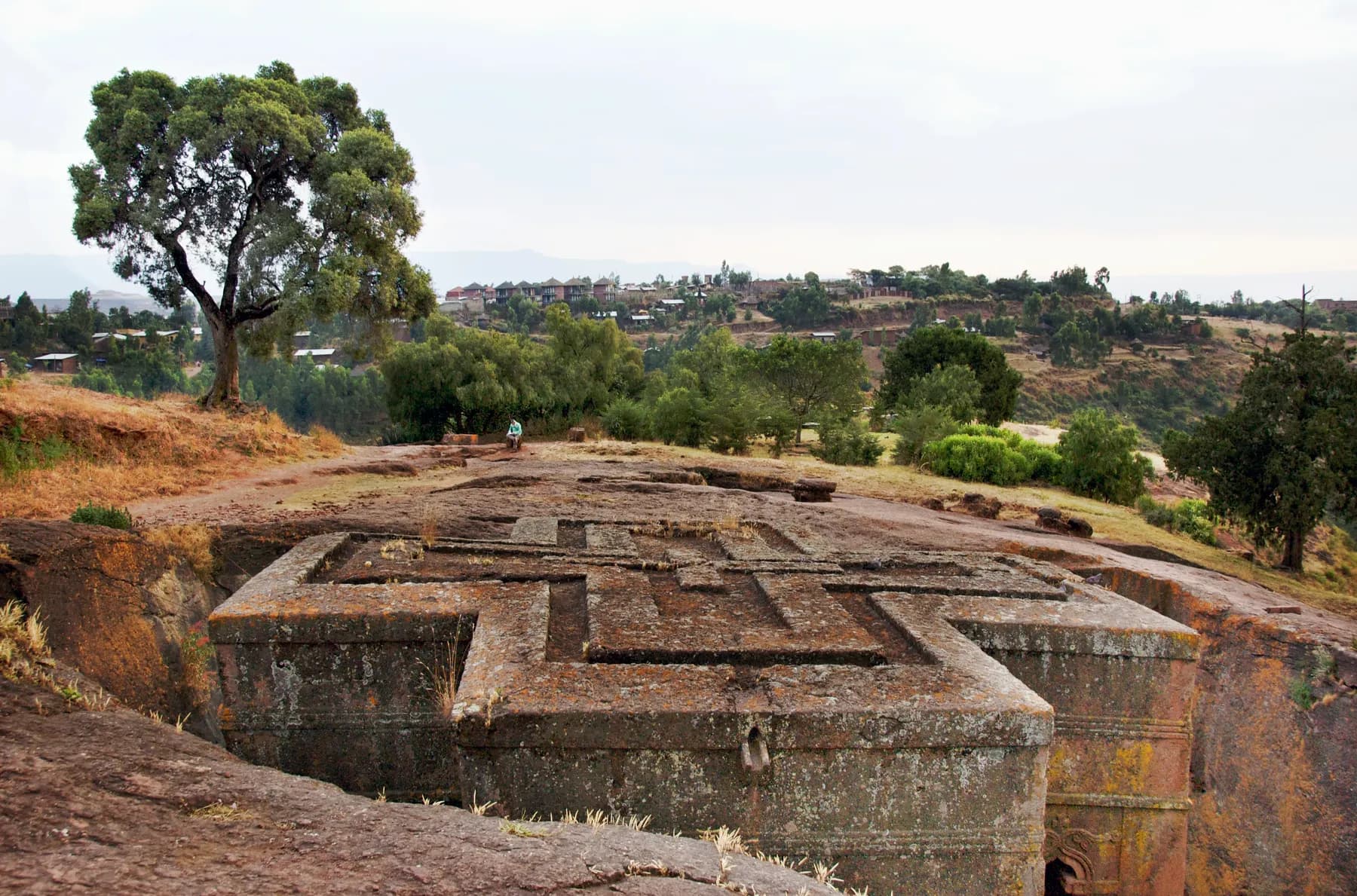
Lalibela, the town carved towards the sky
Eleven churches cut into living rock, a king who wanted his own Jerusalem, pilgrims in white at dawn: a notebook at 2,500 metres.
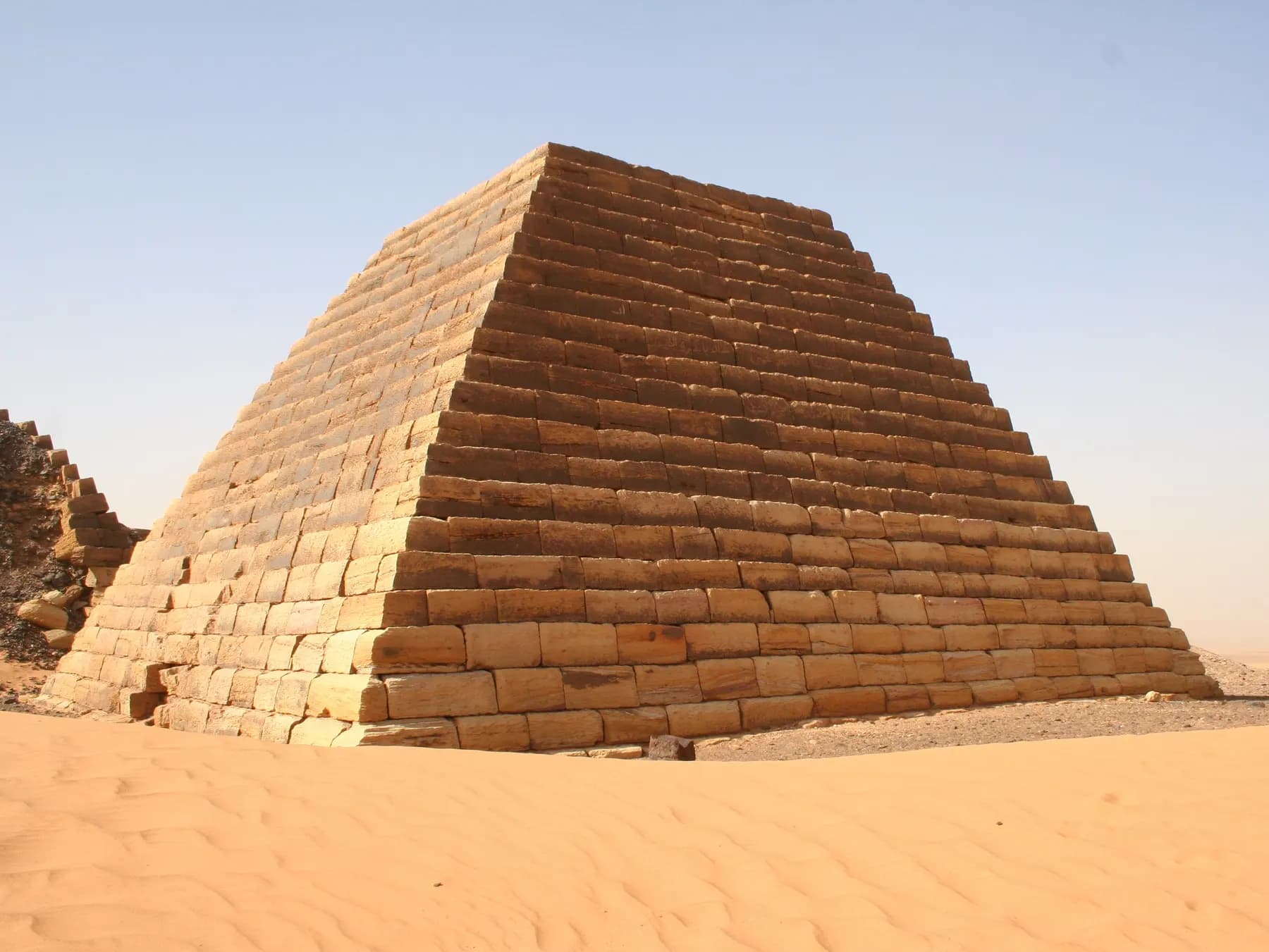
Meroë, the pyramids of the other Nile
Two hundred pyramids in the Sudanese sand, a kingdom that stood up to Rome, warrior queens and a treasure hunter: the Kush notebook.
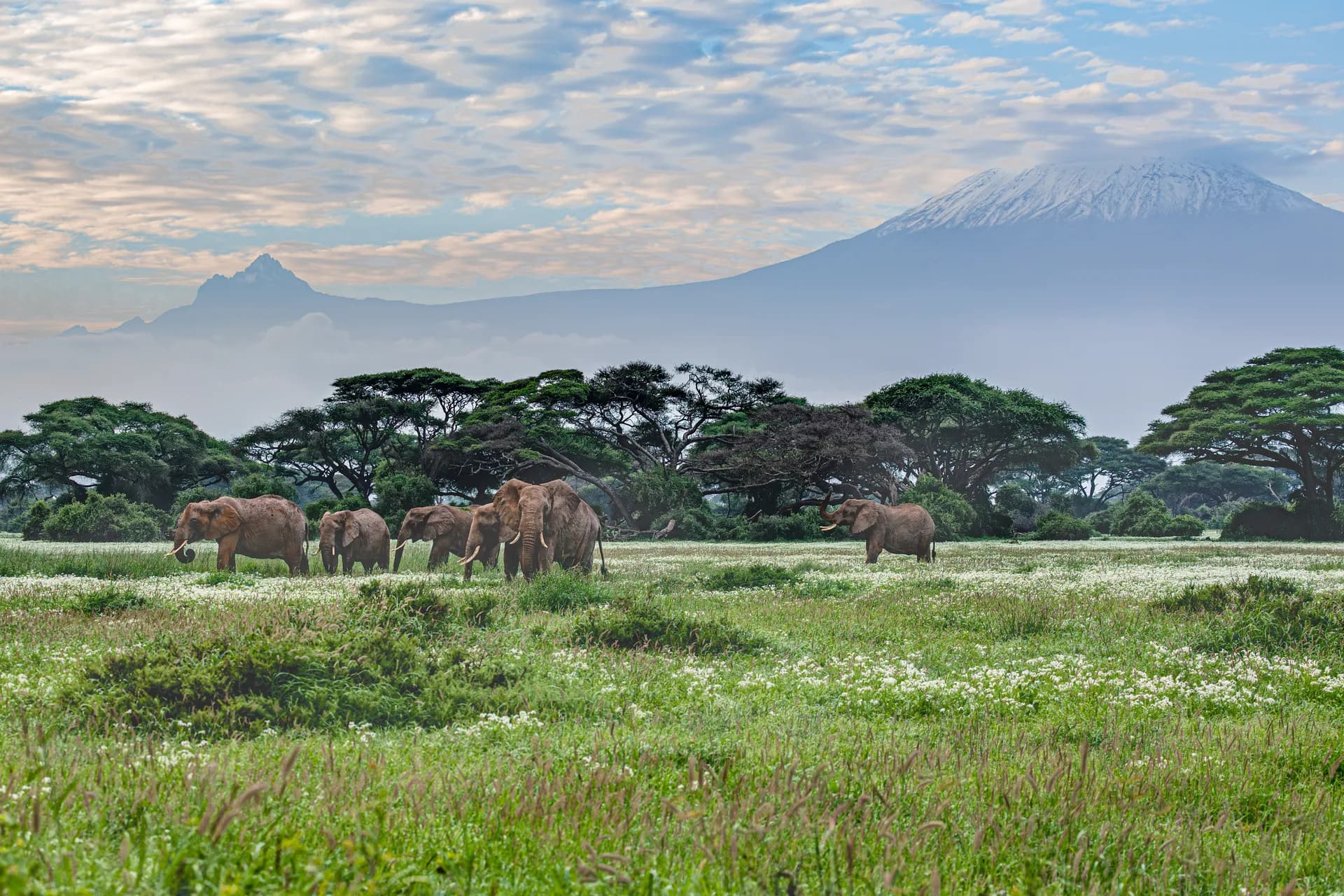
Kilimanjaro, five climates up to the snow
The roof of Africa is climbed on foot, without a rope, in a week: the story of an ascent, from the Chagga banana groves to the last glaciers.