The Bijagós, an archipelago that lives by its own rules
Eighty-eight islands off Guinea-Bissau, hippos that swim in the sea, turtles by the thousand and a society that held off the Portuguese until 1930.
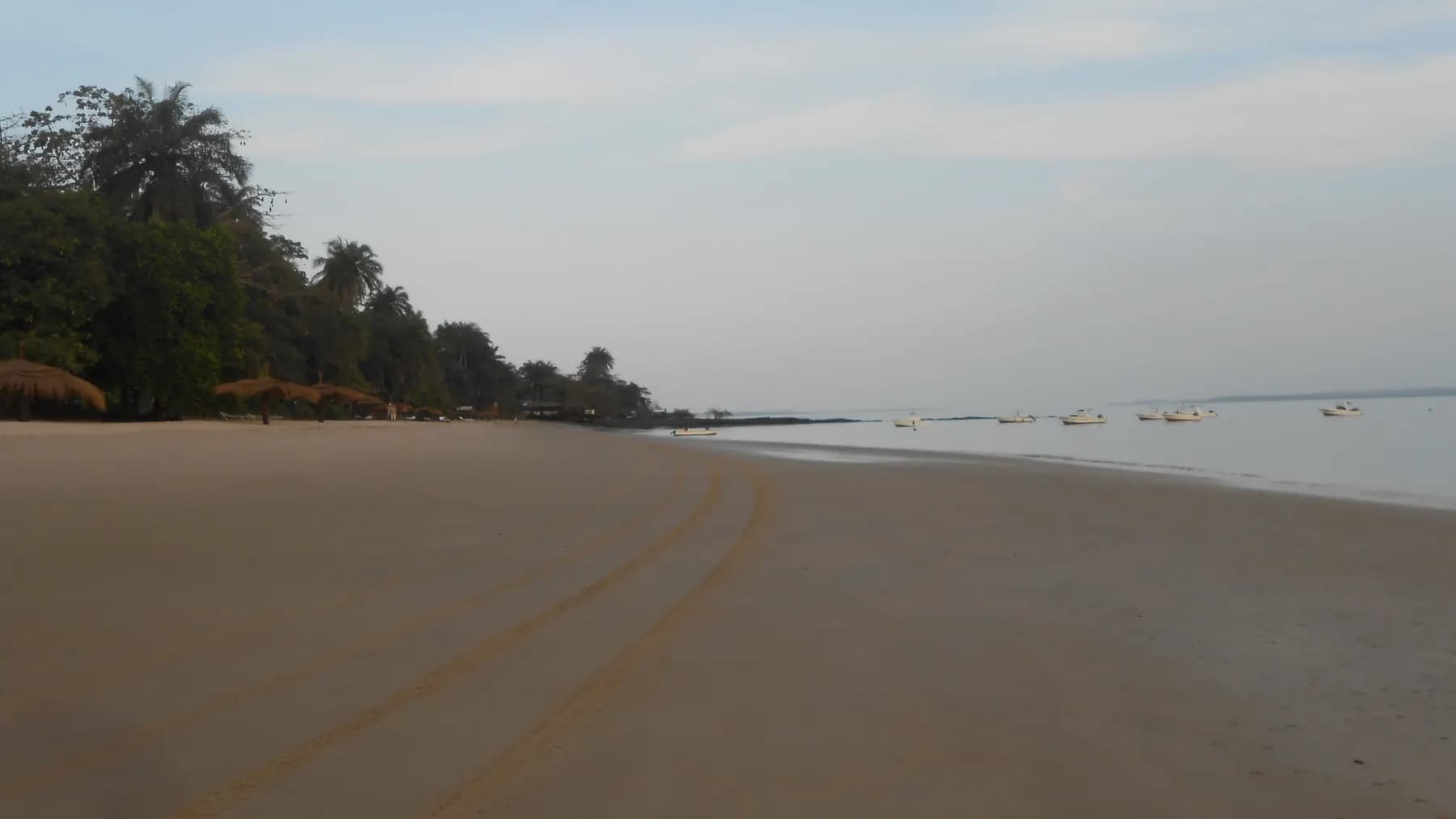
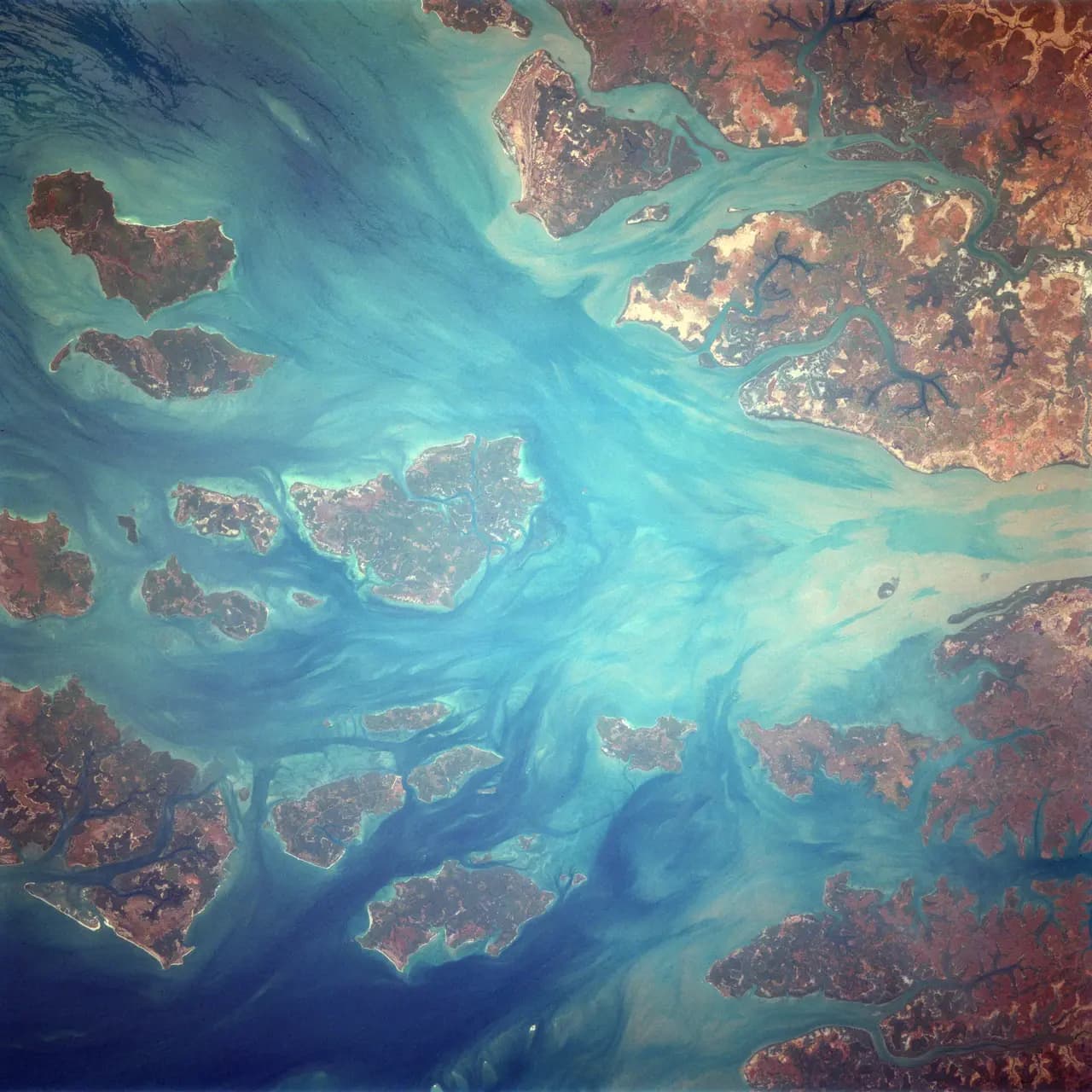
You leave Bissau along the Geba estuary, as wide as an arm of the sea, and for hours there is nothing but tea-coloured water, sandbanks surfacing at low tide and, far off, a dark line of palms. Then the islands stand out one by one, flat, wooded down to the shore, fringed with white beaches. Dolphins cross the boat’s path. This is the entrance to the Bijagós, eighty-eight islands and islets of which about twenty are inhabited, a world apart sixty kilometres off the coast.
This notebook follows the boat: Bubaque, the home port; Orango and its saltwater hippos; Poilão, the sacred island where green turtles come to nest; then Bijagó society, its queens, its masks and its rules, which earned the archipelago a biosphere reserve in 1996 and World Heritage inscription in 2025.
Eighty-eight islands at the end of a river
The Bijagós were born of rivers. The sediments of the Geba and the Rio Grande de Buba, laid down over millennia on a shallow continental shelf, formed this scattering of low islands that the tide redraws twice a day. Between them, channels, mudflats and mangrove forests where fish, molluscs and turtles breed. It is one of the largest mangrove systems in West Africa, and one of the best preserved.
There are no bridges or roads between the islands, only boats: motorised pirogues, lodge launches, and the public boat that links Bissau and Bubaque when it sails. Time here is the tide’s. You do not decide on a departure hour, you observe it.
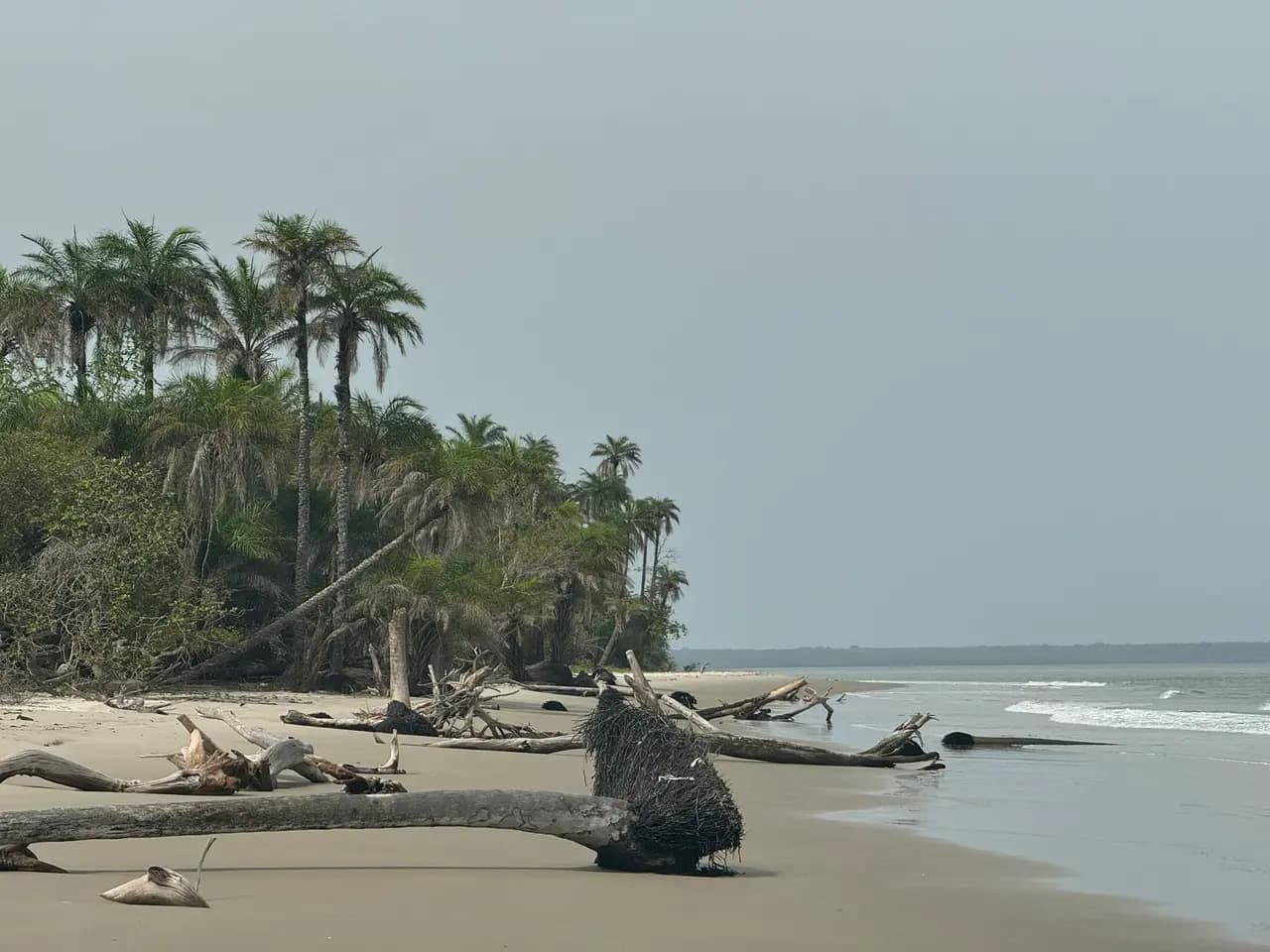
Light does the rest: an immense sky, deserted beaches for kilometres, fan palms and giant kapok trees, villages of round thatched huts behind the dunes. The archipelago is one of the least visited places on the Atlantic coast, and intends to stay that way.
Bubaque, the home port
Bubaque is the gateway: an island of seventy-five square kilometres, the only settlement in the archipelago that deserves to be called a town, with its quay, its market, its school and the headquarters of the biosphere reserve, which houses a small museum of Bijagó culture. Portuguese colonial houses crumble at the water’s edge; children dive off the quay at high tide.
On the far side of the island, some twenty kilometres along a straight track through the forest, Bruce beach is the best known in the Bijagós: a crescent of white sand stretching out of sight without a single building. You go by bicycle, motorbike taxi or a lodge’s pick-up, and stay until sunset.
Bubaque is also where you organise what comes next: finding a boat for Orango, Rubane or the southern islands, buying water and supplies, and telling someone you are leaving. Cash machines are scarce in the archipelago: CFA francs are drawn in Bissau.
Orango: hippos in the sea
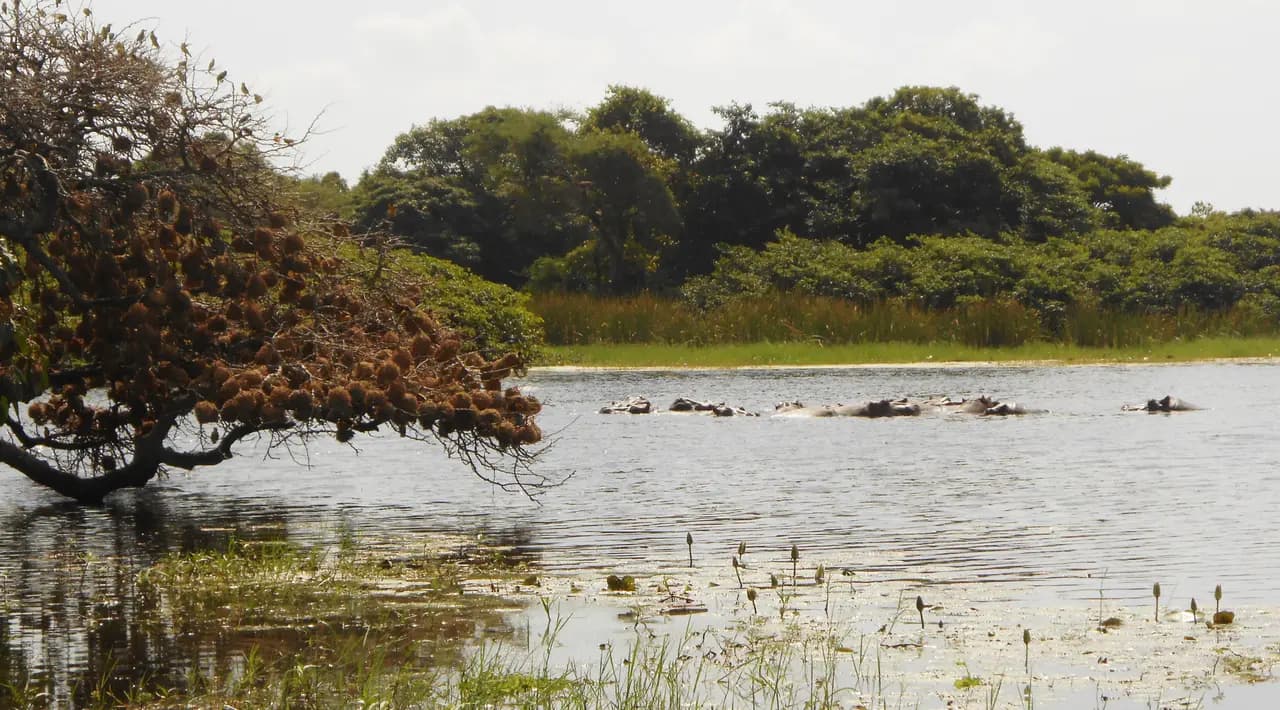
Orango is the largest island in the archipelago and the heart of the national park that bears its name, created in December 2000 over more than 1,500 square kilometres, largely marine. Its curiosity is unique in the world: hippos that live in the lagoons and inland lakes, graze the grasslands at night and, by day, go down to bathe in the ocean, among the waves.
You approach them on foot with a guide from the village of Eticoga, through savannah and palm groves, to the edge of a freshwater lake where they spend the hot hours. You keep your distance; the animal is Africa’s most dangerous. The sight of a hippo’s head surfacing in the foam of an Atlantic beach, though, resembles nothing else.
Orango is also an island of memory. It was the seat of Okinka Pampa, queen and priestess of the Bijagós of Orango from 1910 to 1930, who resisted Portuguese occupation before signing a peace, abolished slavery on the island and extended women’s rights. Her tomb can still be visited, and her name remains the one spoken with the most respect in the archipelago.
Poilão, the turtle island
In the far south-east, four uninhabited islands form the João Vieira and Poilão Marine National Park, created in August 2000. Poilão is the smallest and the most important: its beaches are among the main green turtle nesting sites in the whole Atlantic. From July to October, thousands of females come out of the water at night, dig, lay a hundred or so eggs and leave before dawn; two months later, the hatchlings run for the sea.
The island is sacred to the Bijagós of Canhabaque, who hold their initiation rites there, and access is regulated: you come by boat for the day, accompanied, and you touch nothing. Rangers and biologists camp there through the nesting season to count nests and fit tags. Hawksbill and olive ridley turtles also come, more rarely.
Witnessing a nesting means agreeing to stay still in the dark, without a light, at a distance, while an animal of over a hundred kilos breathes and digs a few metres away. Few places in West Africa offer it with this intensity, and none with this setting: an island of sand and palms, without a building.
A society apart
The Bijagós are first of all a people. Every island, every village has its rules, and the visitor quickly understands that this is not their home. Social life is organised in age grades: you pass from one group to the next through initiation ceremonies, the fanado, which last months and may be held on reserved islands. The carved masks, bulls, sharks, sawfish, hippos, come out at the young men’s dances, horns forward, to a roll of drums.
The position of women has struck observers since the 19th century. They run the household, a large share of the economy, and in the Orango tradition it is they who choose their husbands and may end the marriage. Ethnologists debate the real extent of this power; what is beyond debate is the figure of Okinka Pampa and the priestesses who still keep the shrines.
A traveller arriving in a village presents themselves to the chief or the elders, asks before photographing, stays away from sacred places and accepts that a ceremony may take place without them. In return, the welcome is direct and warm, in Kriol, the Portuguese creole that serves as the common language of all Guinea-Bissau.
Grilled fish, palm oil and cashew
You eat what the sea and the palms provide. Fish, grilled over embers at the water’s edge, out of the net an hour earlier: red snapper, barracuda, threadfin. Rice, the base of every meal, cooked in the red palm oil that colours the sauces. Mangrove oysters, prised from the roots at low tide and cooked on sheets of metal. And the fruit of the forest, mangoes, papayas, kola nuts.
The cashew tree is everywhere in Guinea-Bissau, and the cashew nut is its first source of wealth. In the Bijagós the cashew apple is picked too, the fleshy false fruit, whose juice is drunk fresh or fermented. Palm wine, tapped from the tops of the palms in the morning, is shared under the trees at the end of the day.
There are no restaurants in the usual sense outside the lodges and Bubaque: you eat with families, or what the boat’s cook prepares on the beach. It is one reason to travel light and to come with time.
Getting there
Everything starts in Bissau, at Osvaldo Vieira airport, then at the port. The public boat to Bubaque is irregular and takes several hours; lodges arrange faster launches, and small planes fly to the Bubaque airstrip. The dry season, from November to May, is the one to choose: calm sea, passable tracks, clear skies. The rains, from June to October, coincide with the turtle season, for which the journey is worth the humidity.
The archipelago is lived slowly: three days are a minimum, a week a good measure, between a base island and two or three boat excursions. Bring protection against mosquitoes, water, cash, and accept that schedules will shift.
Guinea-Bissau went through another political rupture in 2025. Before leaving, read the current official advice in our country guide and ask about the situation in Bissau, through which everything passes. The islands, for their part, go on living by the tide.
Sources · 8
Live this journey.
Guided tours, excursions and tickets from our partner, in a new tab. Prices and availability are theirs.
The journal
Keep reading.
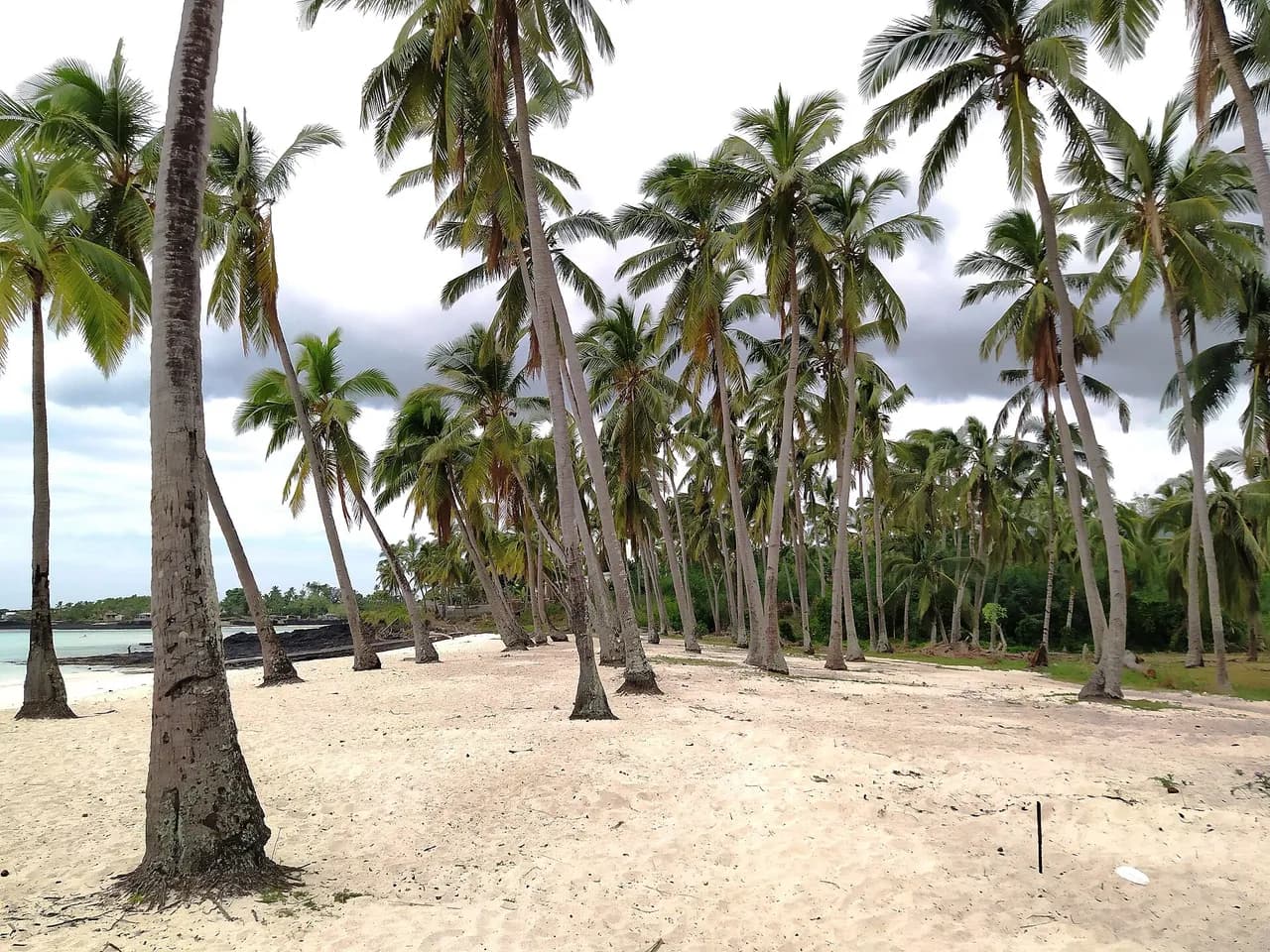
The Comoros, islands of the Moon and of perfume
A living volcano, a medina facing the Mozambique Channel, a marine park invented by ten villages and the scent of ylang-ylang: three islands almost nobody visits.
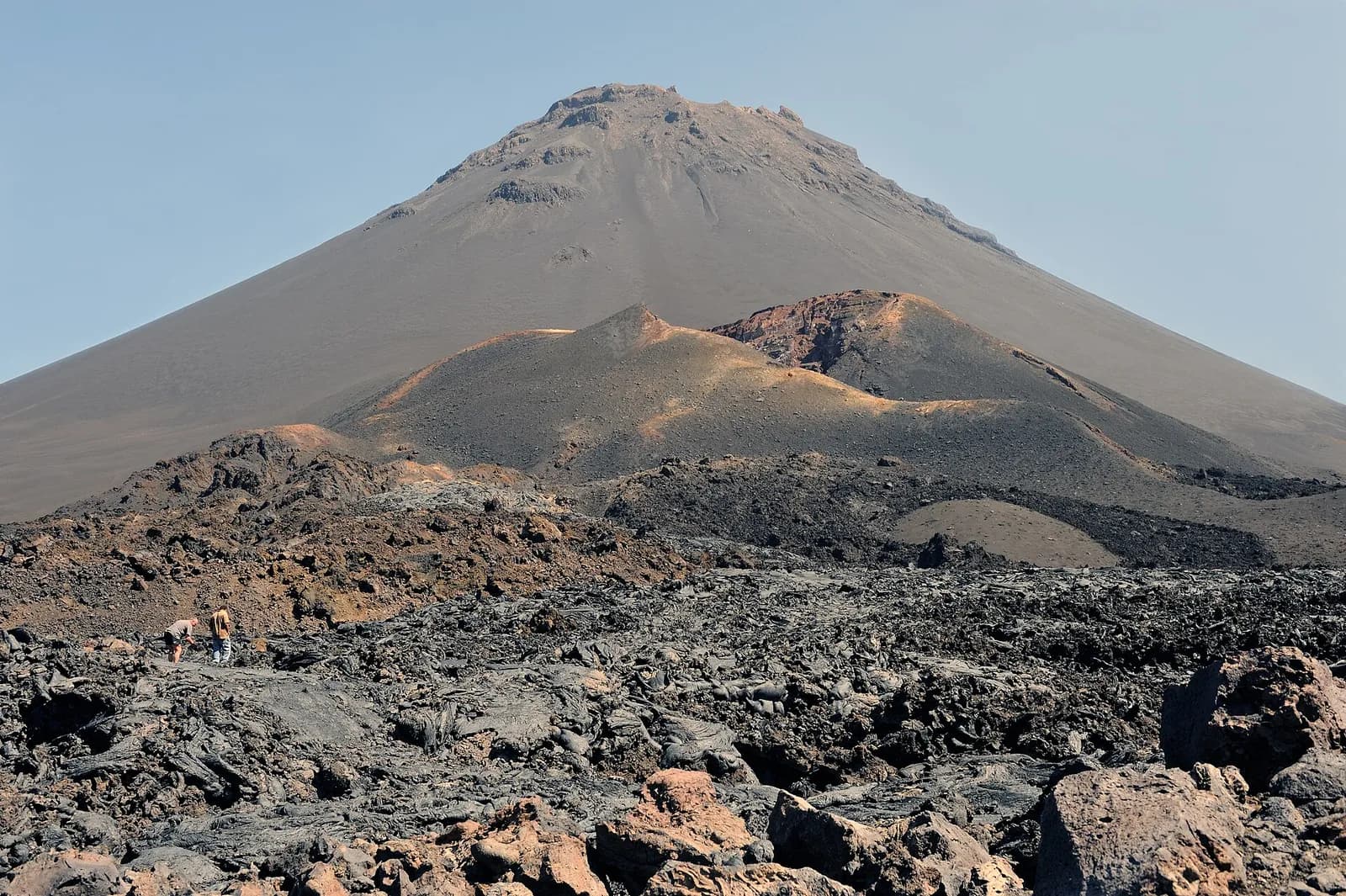
Cabo Verde, island by island
The first European town in the tropics, a lived-in volcano, the country’s smallest island, its cultural capital, mountain trails and white-sand beaches: Cabo Verde told island by island, from the sources.
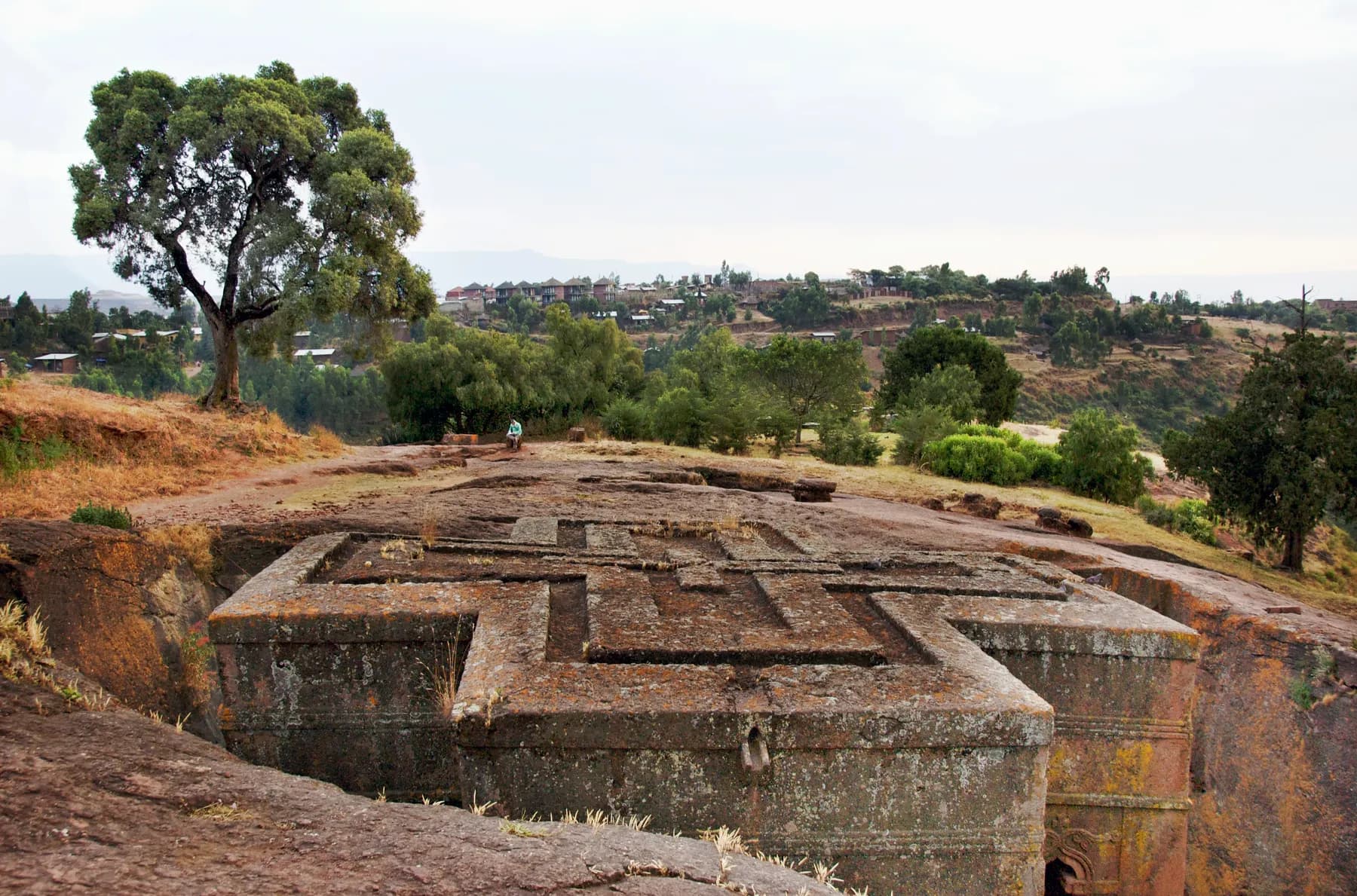
Lalibela, the town carved towards the sky
Eleven churches cut into living rock, a king who wanted his own Jerusalem, pilgrims in white at dawn: a notebook at 2,500 metres.