Gorée Island
Two kilometres off the port of Dakar, Gorée is an 18.2-hectare island and a major place of memory of the Atlantic slave trade. In 1978 it was one of the first 12 sites inscribed on UNESCO’s World Heritage List.
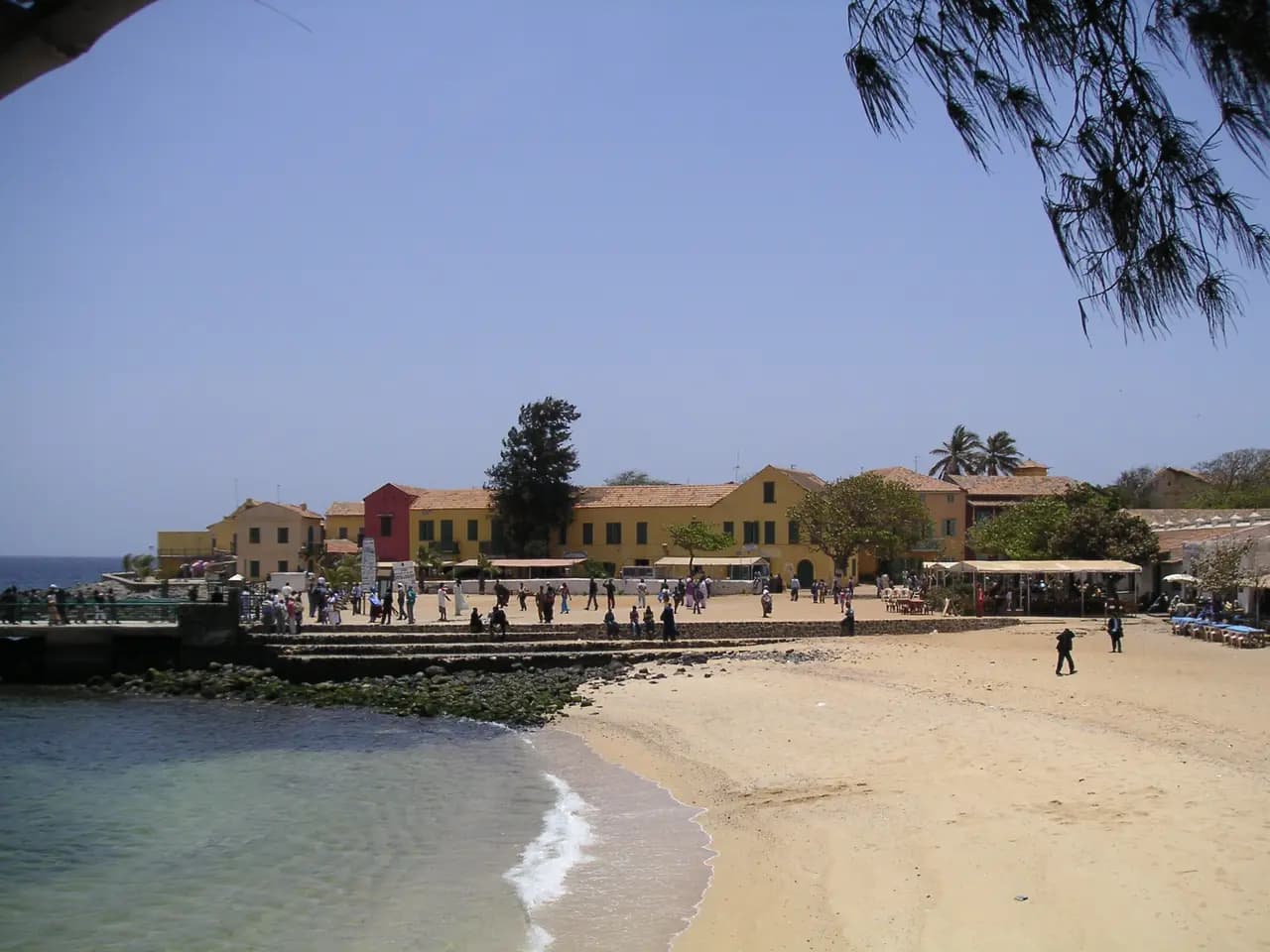
Key facts
Before you go.
- Starting point
- Port of Dakar, 2 km from the islandGorée (Wikipedia)
- GPS coordinates
- 14.66694, -17.39833Gorée (Wikipedia)
Good to know
Three things to remember.
The island has no cars or bicycles: you explore it on foot.
Île de Gorée (Wikipédia)Climb to the Castel at the southern tip: it gives a wide view of the mainland.
Île de Gorée (Wikipédia)The history museum in the Fort d’Estrées covers the different slave trades and their consequences for the Senegalese kingdoms.
Maison des Esclaves (Wikipédia)
Plan the trip
Our recommended partners
One link per need, chosen for reliability. Prices and availability are the partner’s, in a new tab.
Keep exploring
Senegal
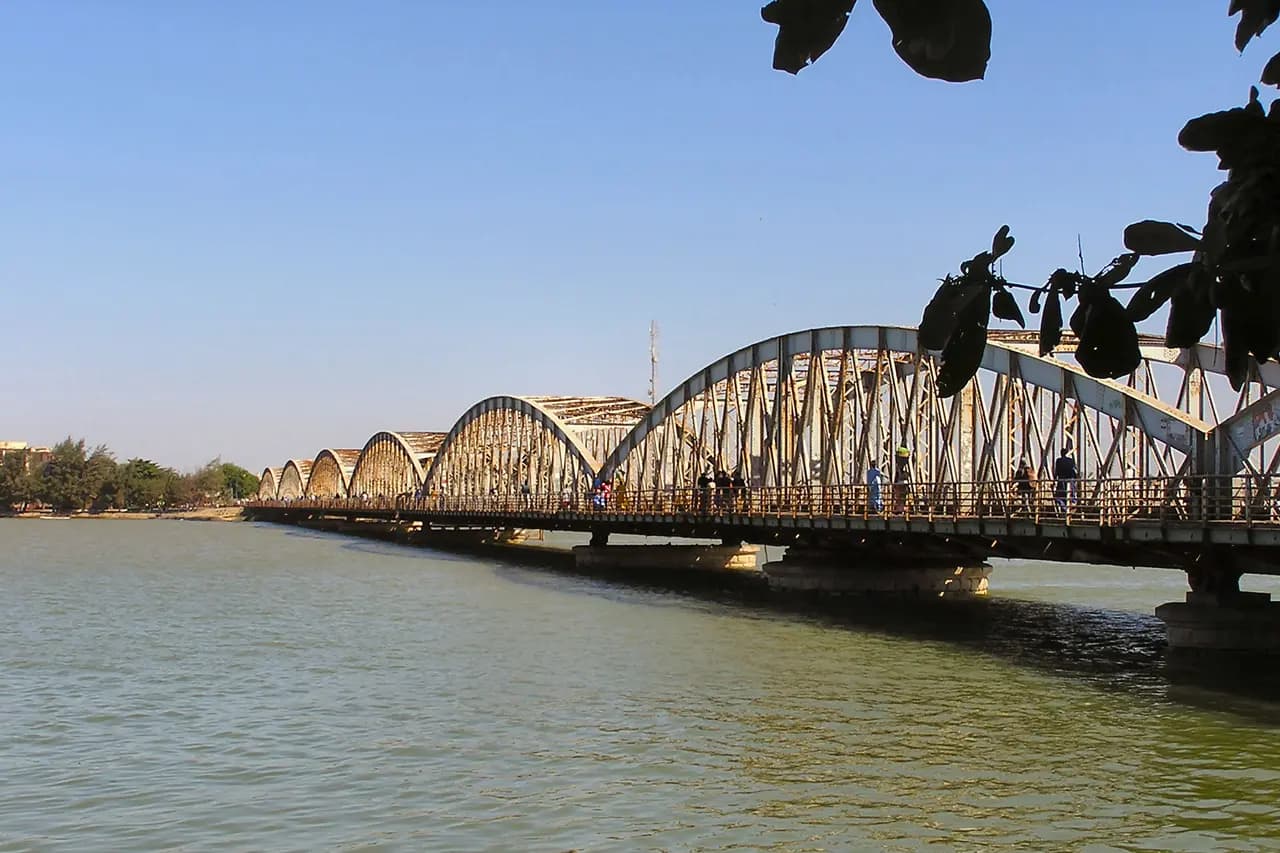
The island of Saint-Louis
Near the mouth of the Senegal River, 320 km north of Dakar, Saint-Louis was the capital of the colony of Senegal from 1673 to 1902.
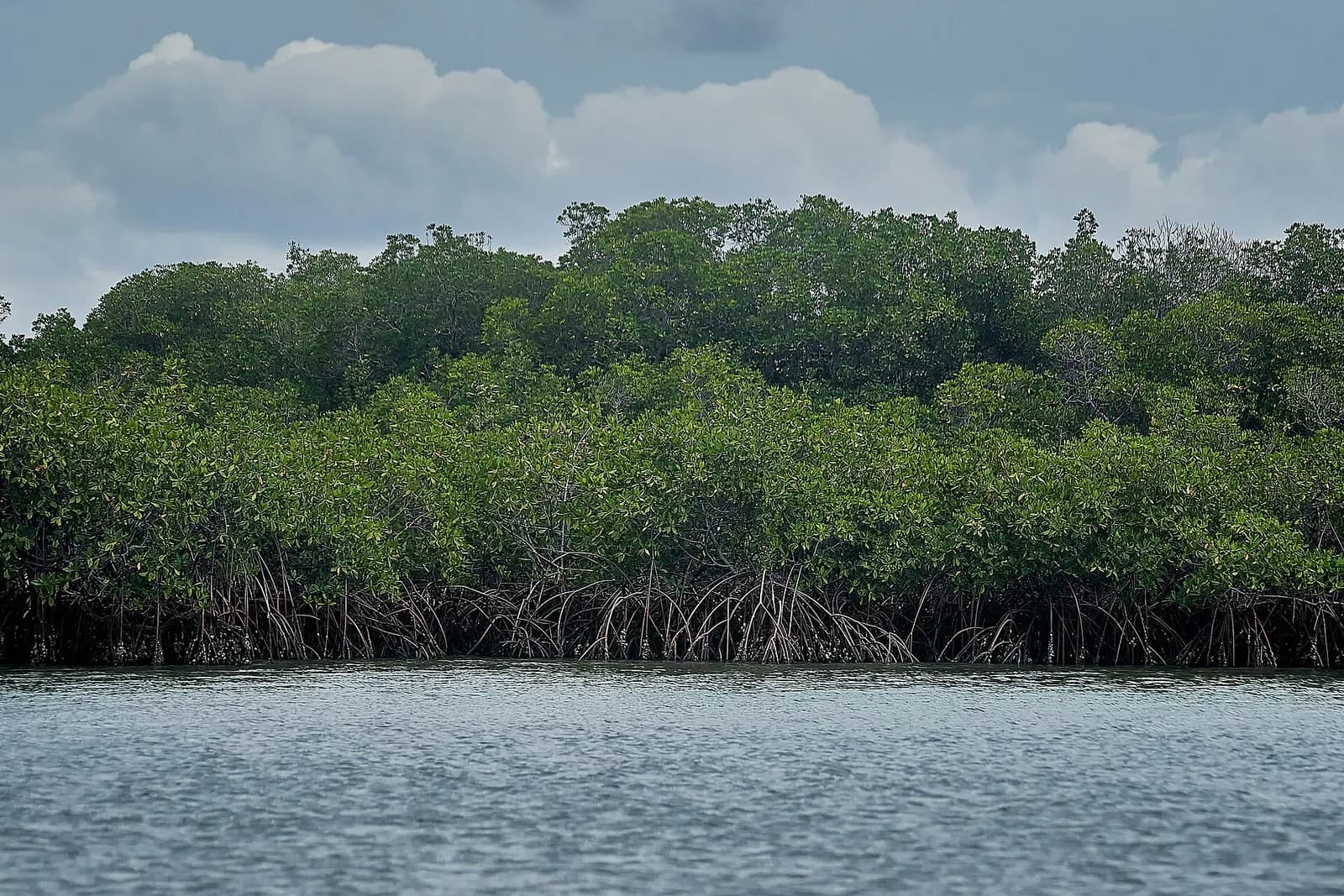
The mangroves of the Saloum Delta
Over 200 islands and islets, brackish channels, mangroves and dry forest: a 145,811-hectare part of the delta has been a World Heritage Site since 2011.
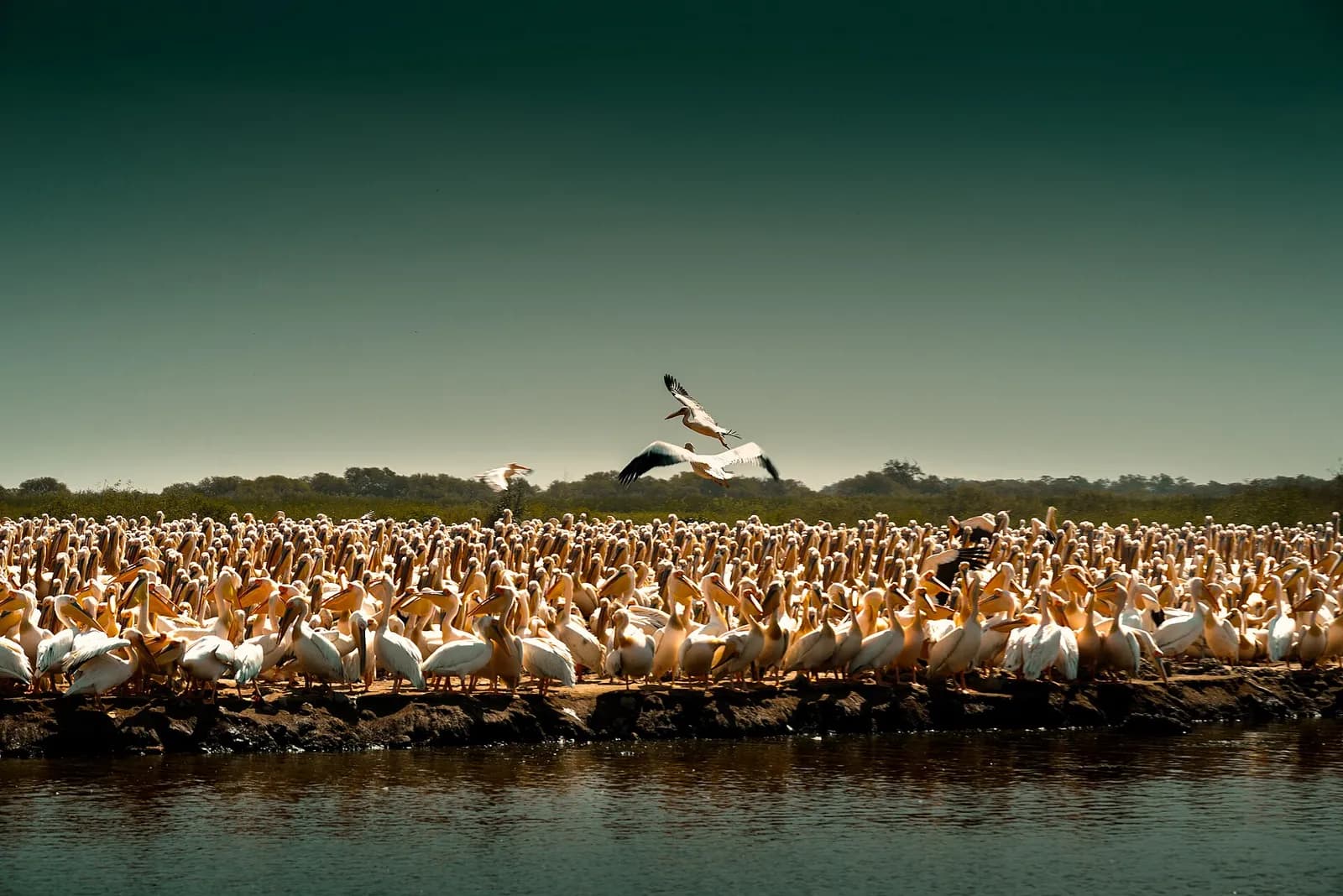
The birds of Djoudj park
Some 60 km north of Saint-Louis, Djoudj hosts nearly three million migrating birds, many of which have just crossed the Sahara.
Sources · 3 pages consulted, with the exact sentence used
- Gorée (Wikipedia)
It is an 18.2-hectare (45-acre) island located two kilometres […] at sea from the main harbour of Dakar […] famous as a destination for people interested in the Atlantic slave trade. […] It is a UNESCO World Heritage Site and was one of the first 12 locations in the world to be designated as such in 1978. (coordinates 14.66694, -17.39833)
- Île de Gorée (Wikipédia)
Surplombant l'île sur sa pointe sud, le Castel constituait une position stratégique et offre aujourd'hui un large panorama sur le continent. […] L'atmosphère attachante d'une île sans voitures ni bicyclettes […]
- Maison des Esclaves (Wikipédia)
Le seul musée à exposer les différents types de traite : arabe, européenne mais aussi indochinoise et chinoise et leurs conséquences sur les différents royaumes sénégalais est le musée historique situé à l'extrémité de l'île dans le Fort d'Estrées.
Opening hours, prices and access conditions change: check them with the official source before you go. Viafro publishes no price without a source and a date.