Good news in public health makes no noise. No final, no whistle. It comes after years of treatment campaigns, surveillance and fieldwork, and in the end fits in a press release. In 2025 the World Health Organization (WHO) published four that concern Africa. Four countries, four dates, and each time the same deceptively sober sentence: a disease has been pushed back for good.
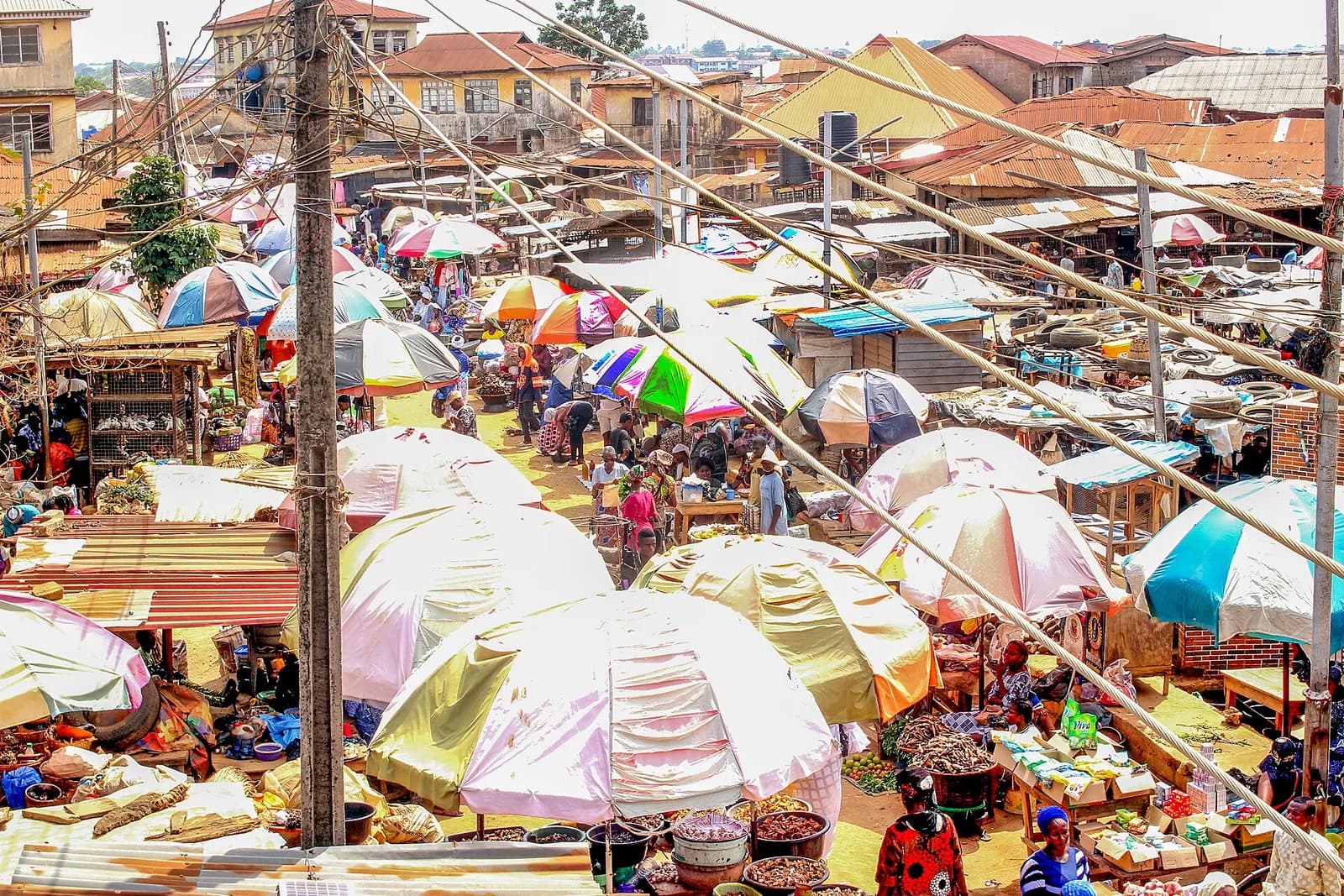
These conditions belong to what WHO calls neglected tropical diseases. The word says it all: they mostly affect poor and rural populations and receive little attention compared with the suffering they cause. Removing them from an entire country takes patience, persistence and thousands of gestures nobody photographs. So here, for once, is their roll of honour.
30 January · Niger leads the way
The year began with a bang. On 30 January 2025, WHO verified that Niger had interrupted the transmission of onchocerciasis, or river blindness, caused by a parasitic worm, Onchocerca volvulus. The country became the first in Africa, and the fifth in the world, to be recognised for it. Only four countries had done it before, all in the Americas: Colombia in 2013, Ecuador in 2014, Mexico in 2015 and Guatemala in 2016.
How? First through effective control of the vectors, the small flies that carry the parasite, then through the distribution of ivermectin, WHO explains. And there is a fine twist in this story: because ivermectin also works against lymphatic filariasis, the campaigns against that other disease helped interrupt transmission too. One effort served two causes.
Nor was this Niger’s first success. The Mectizan Donation Program, which provides the medicine, notes that the country had already been certified free of dracunculiasis, Guinea-worm disease, in 2013.
19 May · Mauritania closes the book on trachoma
A different disease, the same determination. On 19 May 2025, WHO validated Mauritania as having eliminated trachoma as a public health problem. Trachoma is an eye infection caused by the bacterium Chlamydia trachomatis, spread by fingers, objects and flies that have touched discharge from the eyes or nose.
The method comes down to four gestures, those of the strategy WHO recommends: surgery for the late, blinding stage, mass treatment with azithromycin, campaigns on facial cleanliness and hygiene, and better access to water and sanitation. Nothing spectacular. It is all about staying the course. Mauritania became the seventh country in the WHO African Region to reach this milestone, joining 21 other countries worldwide.
11 July · Burundi’s first
Less than two months later, it was Burundi’s turn. On 11 July 2025, the country eliminated trachoma too. And the date has a special flavour: it is the very first neglected tropical disease eliminated in its history. WHO then counted 24 countries worldwide that had reached this result.
15 July · Senegal follows
Four days. That is all it took for the list to grow again. On 15 July 2025, WHO added Senegal, the ninth country in the African Region to eliminate trachoma. For the country it was already the second neglected tropical disease beaten, and WHO points out that it is also making progress against human African trypanosomiasis, sleeping sickness, and against onchocerciasis. In other words, the story may not be over.
What these four dates say
Behind each release lie years of treatment campaigns, surgery for the most advanced cases, progress in access to water and hygiene, and a system able to find and manage new cases, a condition WHO sets before validating the elimination of trachoma. The threshold is precise: among adults, fewer than 0.2% of cases of trichiasis, the advanced stage that turns the eyelashes towards the eye, unknown to the health system. A figure like that does not happen by chance.
These successes go beyond medicine. A blinding disease means a farmer who can no longer work, a child who guides a parent instead of going to school. Pushing it back changes lives far beyond health centres.
Africa is often talked about through what goes wrong. So let us keep these four dates from 2025: 30 January, 19 May, 11 July, 15 July. They say something simple. Diseases once thought to be there for good retreat when resources and persistence are there. That, too, is news from the continent.
Sources
- A historic milestone! WHO verifies Niger free of onchocerciasis as the first country on the African continent · World Health Organization, 30 January 2025
- Niger becomes the first country in sub-Saharan Africa to eliminate the transmission of onchocerciasis · Mectizan Donation Program
- WHO validates Mauritania for eliminating trachoma as a public health problem · World Health Organization, 19 May 2025
- Burundi eliminates trachoma as a public health problem · World Health Organization, 11 July 2025
- Senegal joins growing list of countries that have eliminated trachoma · World Health Organization, 15 July 2025