The checklist as a PDF
Entry, health, money, transport and safety, laid out for print, with their sources and verification date.
Southern Africa
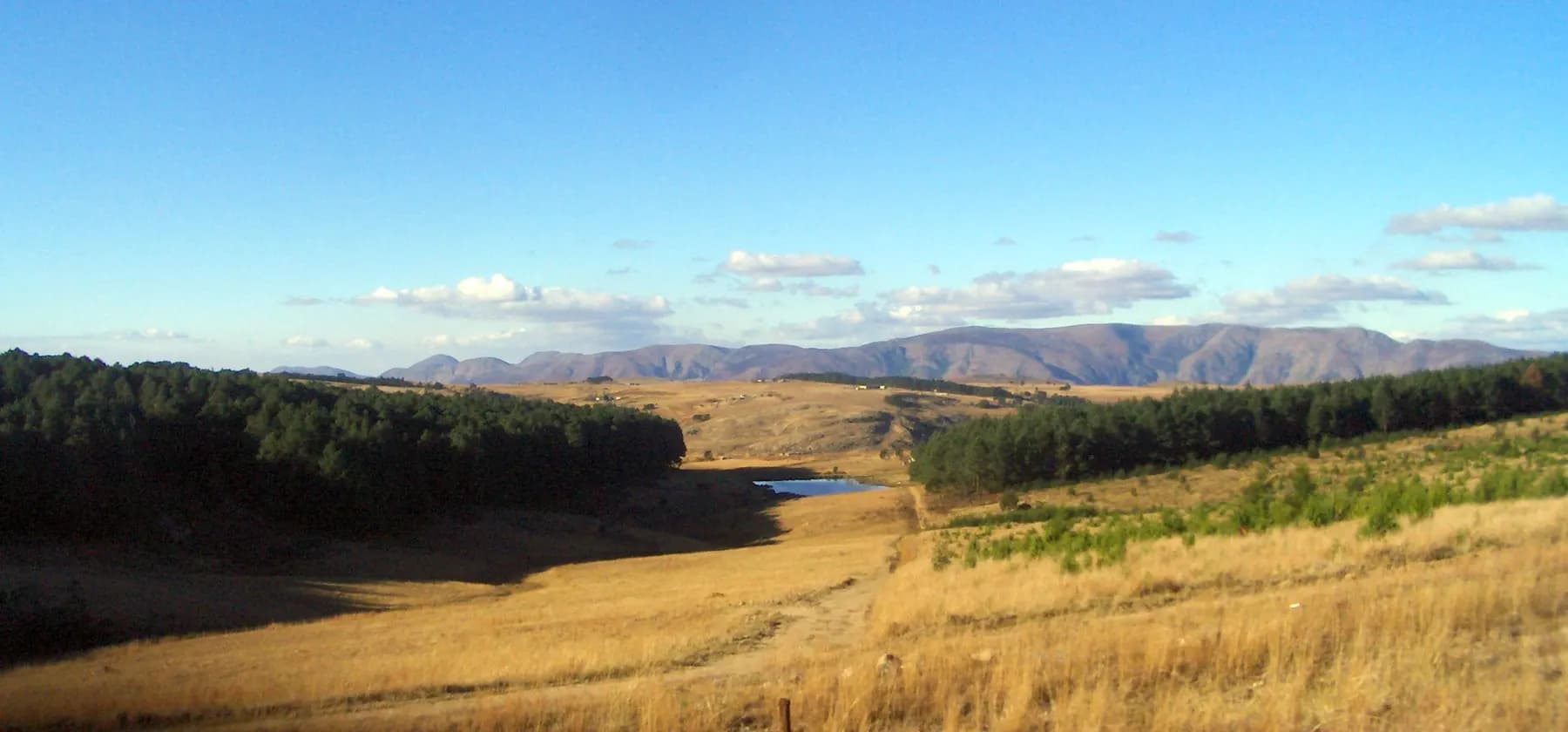
Mountains, traditions, hiking and lush savannah. Mbabane, Lobamba and the heritage of Ngwenya.
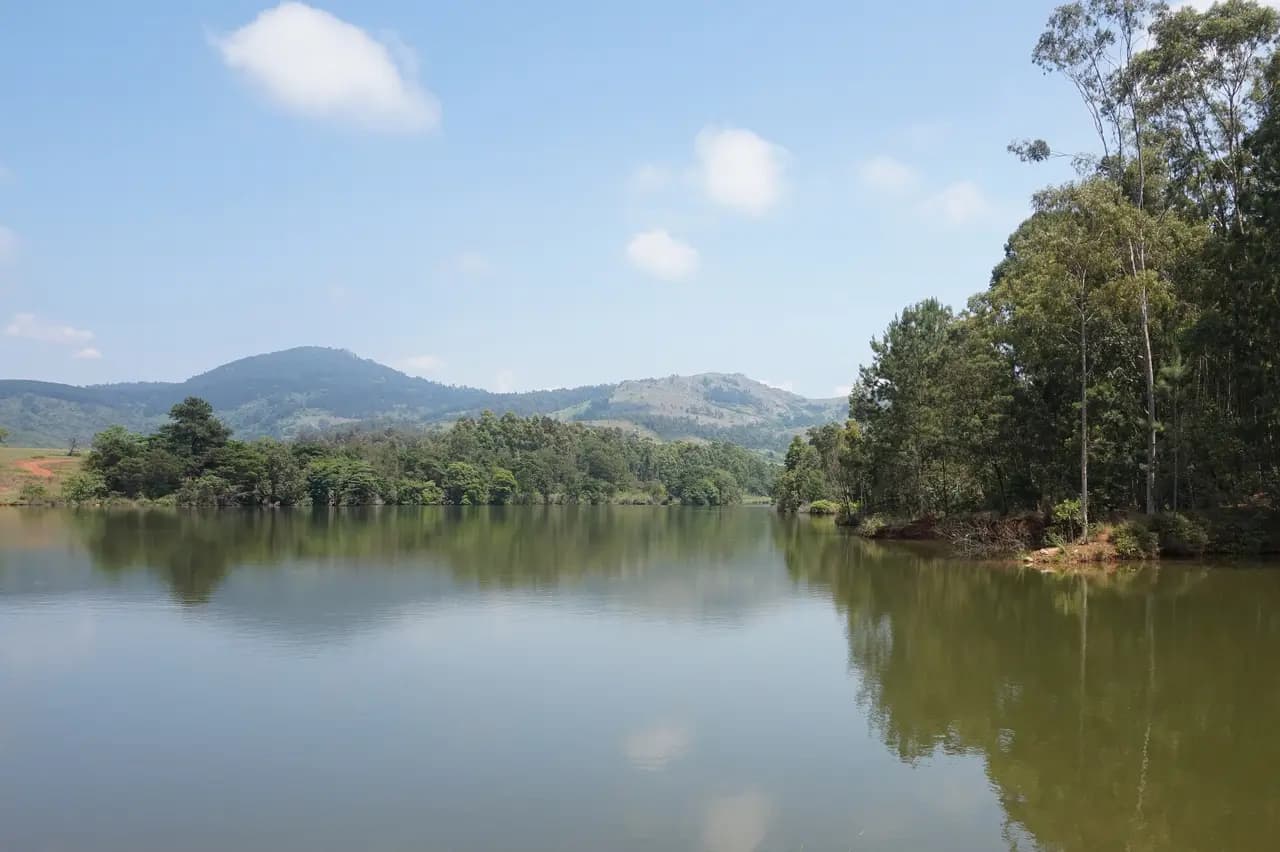
An editorial bearing, with no percentage and no rating: our criteria are written down, and every “good to know” links to its source.
Hover or tap a month: its reading and its source appear. Bars measure rain, the figure is the capital’s mean maximum.
Possible
Mbabane: mean maximum 24 °C, 139 mm of rain · frequent rain.
Source: Wikipedia (climate normals)
Entry, health, safety, money and facts: dated official extracts, never paraphrased.
Visa, passport, customs
GOV.UK advice, written for British passport holders. French travellers: see France Diplomatie (https://www.diplomatie.gouv.fr/fr/information-par-pays/eswatini/conseils-aux-voyageurs-entree-sejour).
Vaccines, malaria, water
This is not medical advice: talk to your doctor or an international vaccination centre before you travel.
Per the ministries
Viafro gives no safety rating: here are the zones and advice published by the French ministry (in French) and the official extracts, with their dates.
No particular vigilance zone is listed on the official page (in French) (updated on 15 Sept 2026) · see the page.
What the country’s law provides
Photography, alcohol, drugs, relationships: the rules published by the ministries, quoted as they stand, without comment.
Currency
lilangeniViafro publishes no price or budget range without a source: amounts will come from our own expenses recorded on the ground, dated and itemised.
Entry, health, money, transport and safety, laid out for print, with their sources and verification date.
Express card
Structured data from Wikidata and the CIA World Factbook, re-checked at every site update.
Direct flights from Paris are to be checked on the airport’s or airline’s website.
On the road
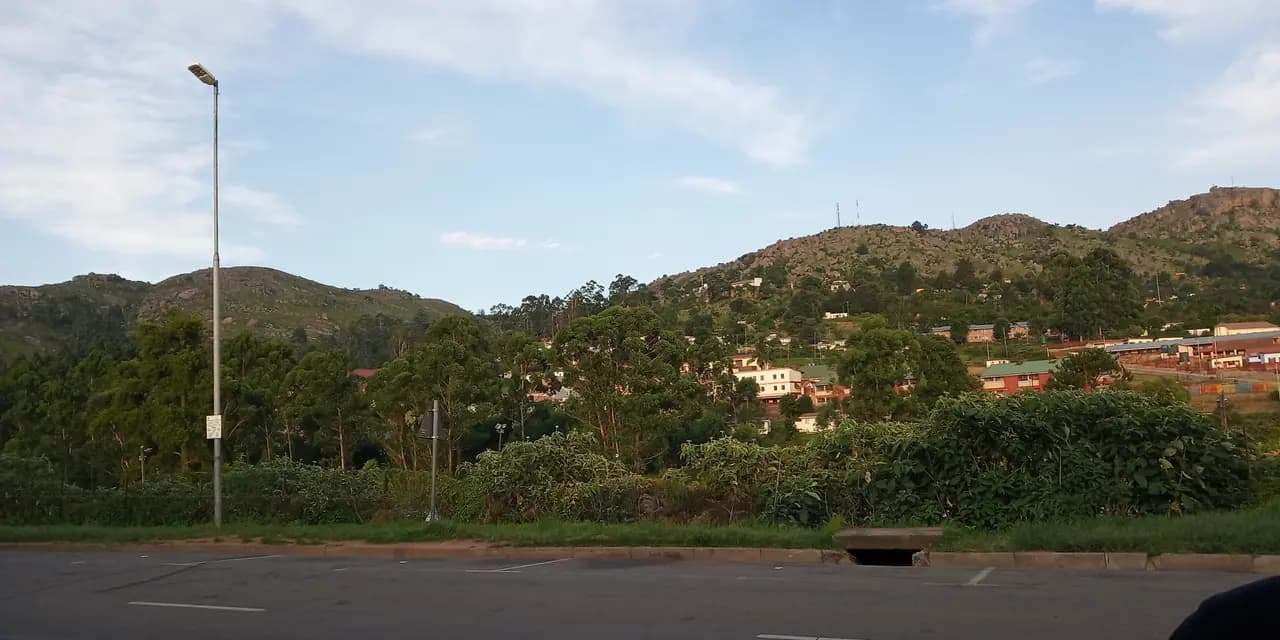
Mbabane () is the most populous city in Eswatini (previously called Swaziland), and is one of the two capitals (along with Lobamba), serving as the executive capital.
Hlane Royal National Park is a national park in Eswatini, roughly 67 km northeast of Manzini along the MR3 road.
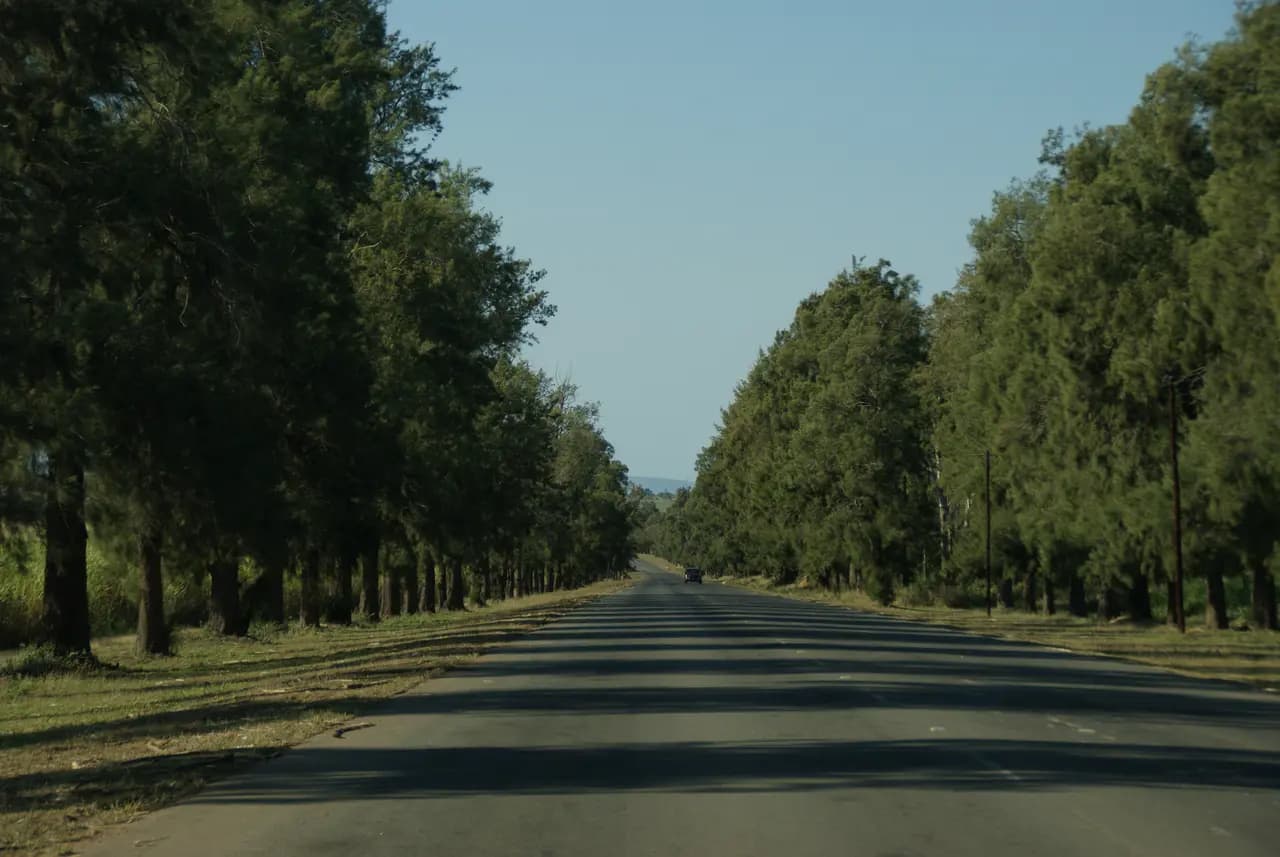
Manzini (formerly Bremersdorp) is a large city in Eswatini, which is also the city of Eswatini's Manzini Region.
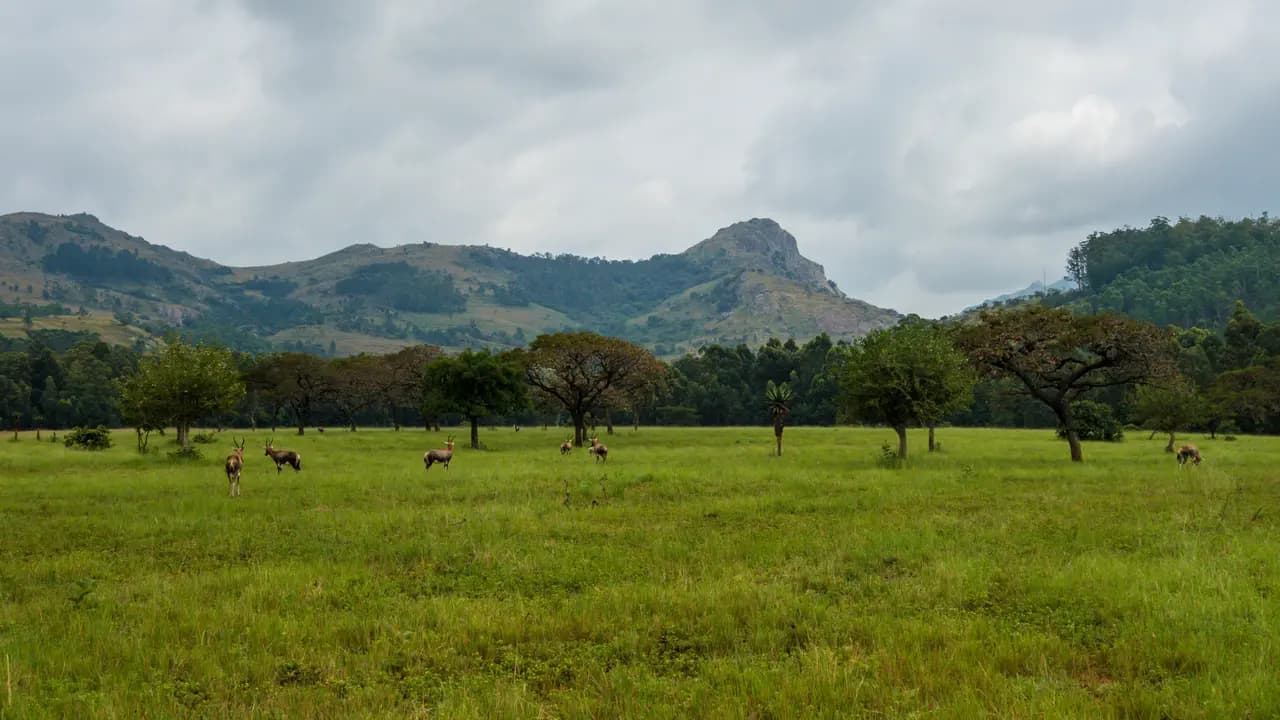
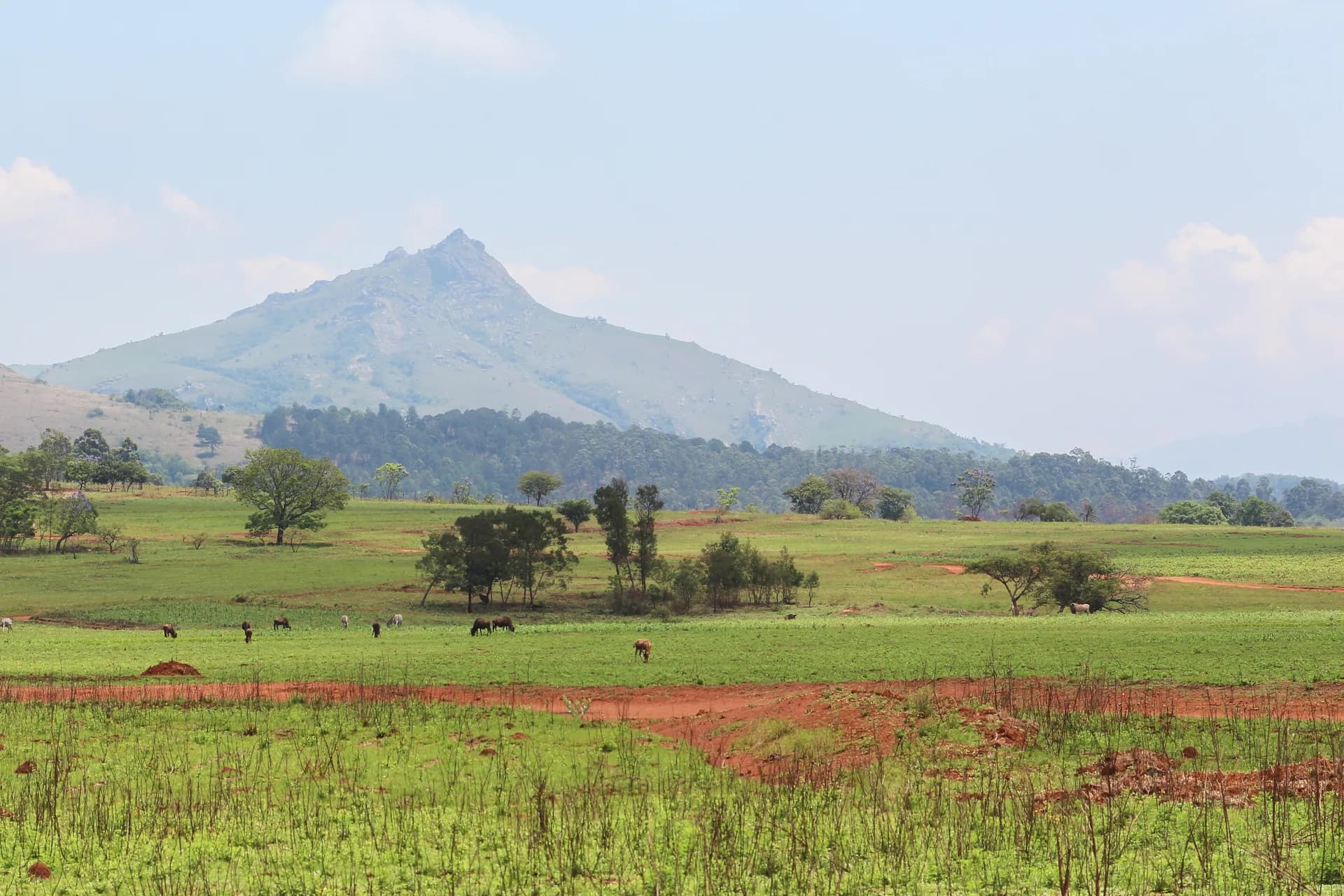
Mlilwane Wildlife Sanctuary is Eswatini's oldest protected area, owned and managed by a non-profit trust.
f the cuisine of Eswatini. Some local markets have food stalls with traditional Swazi meat stew, sandwiches, maize meal and seasonal roasted corn on the cob. == Traditional foods == Traditional foods of Eswatini include: Sishwala—thick porridge normally served
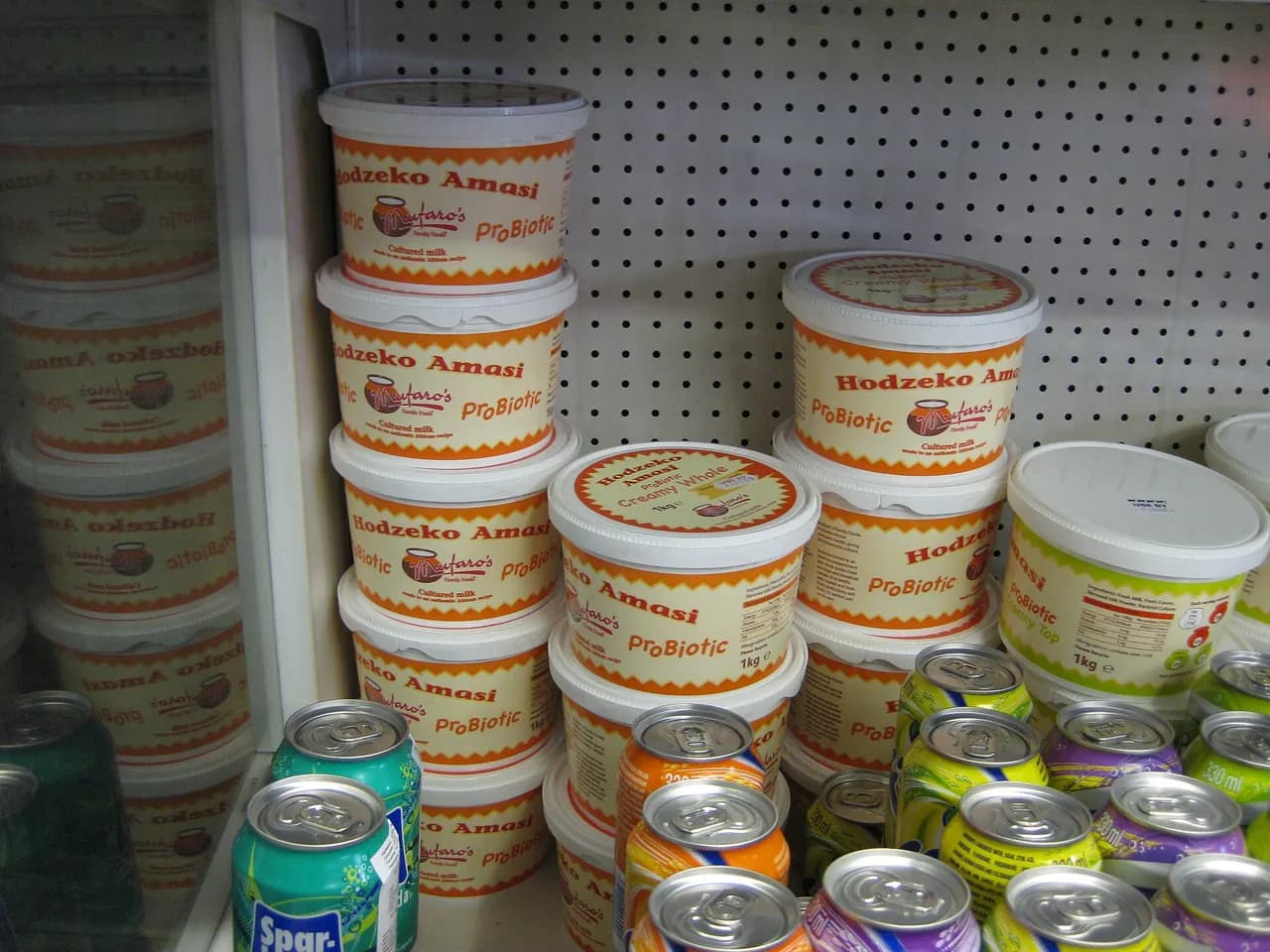
Amasi (in Ndebele, Zulu and Xhosa), emasi (in Swazi), maas (in Afrikaans), or mafi (in Sesotho), is a thick curdled sour fermented milk product that is sometimes compared to cottage cheese or plain yogurt but has a much stronger flavor. A staple food in pre-co
thick porridge normally served with meat or vegetables Incwancwa—sour porridge made of fermented cornmeal Sitfubi—fresh milk cooked and mixed with cornmeal Siphuphe setindlubu—thick porridge made of mashed ground nuts Emasi etinkhobe temmbila—ground corn mixed
Siphuphe setindlubu—thick porridge made of mashed ground nuts Emasi etinkhobe temmbila—ground corn mixed with sour milk Emasi emabele—ground sorghum mixed with sour milk Sidvudvu—porridge made of pumpkin mixed with cornmeal Umncweba—dried uncooked meat (bilto
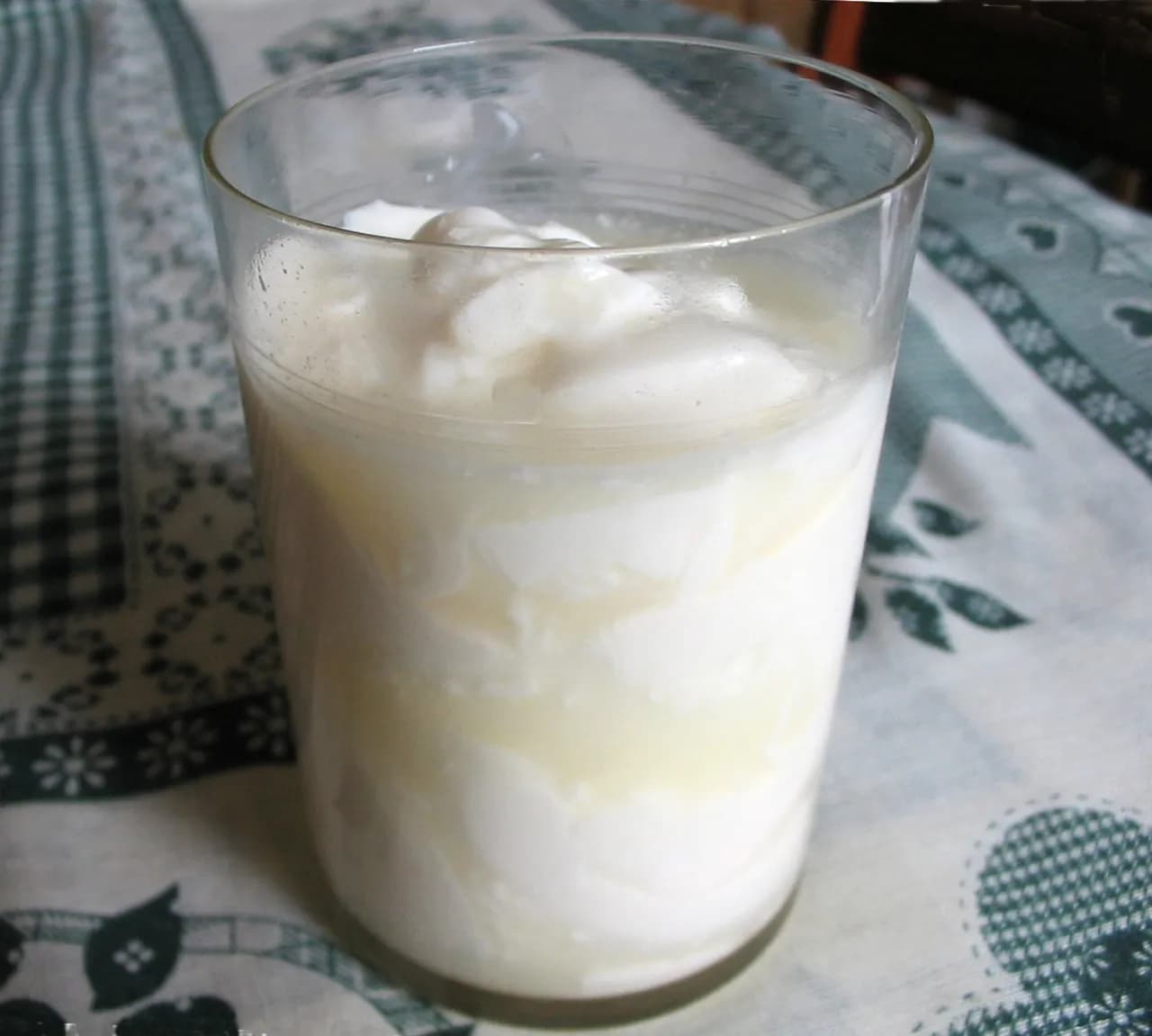
Soured milk, sour milk, spontaneously soured milk, or naturally soured milk is the milk product fermented with indigenous microorganisms, as opposed to cultured milk of which the production involves controlled fermentation with starter cultures. Lactic acid pr
Independence Day (Somhlolo Day), 6 September (1968) ; independence: 6 September 1968 (from the UK).
Fixed dates and moveable events, each with its source; moveable dates change every year and are to be checked on an official calendar.
The country’s highest point, Emlembe, reaches 1,862 m.
1,256,174 inhabitants in 2025 on 17,364 km², about 72 per km².
Independence on 6 September 1968 (from the UK).
Real photographs: free images under a verified licence and Viafro images. Never a generated image. Credits in the footer.
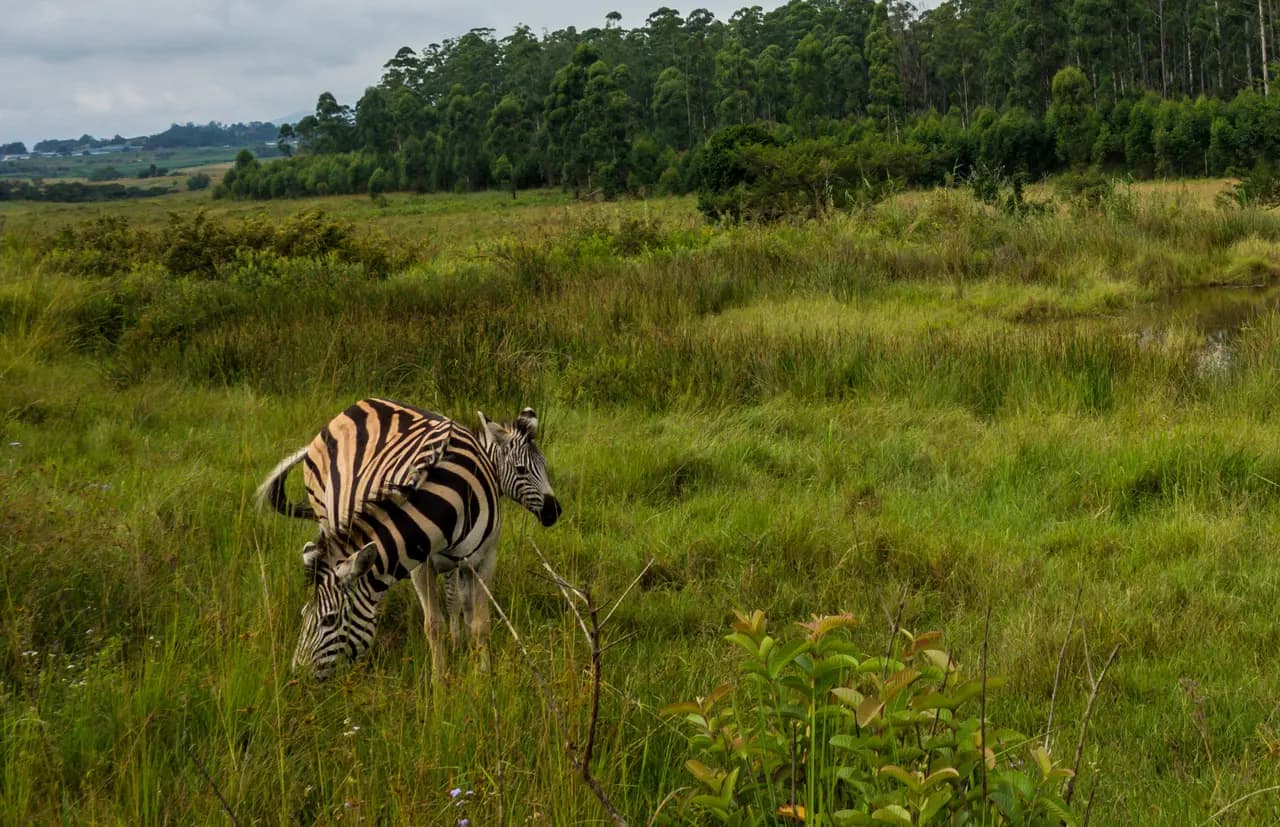
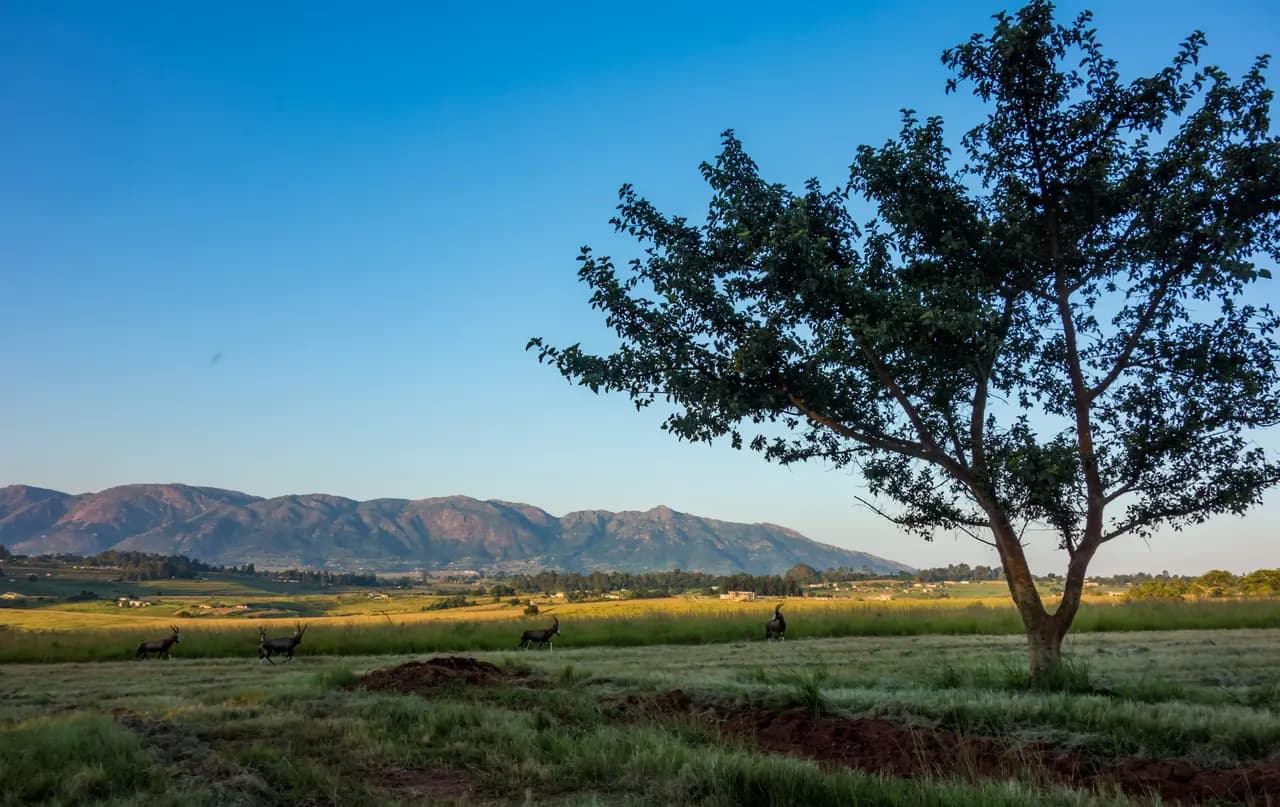
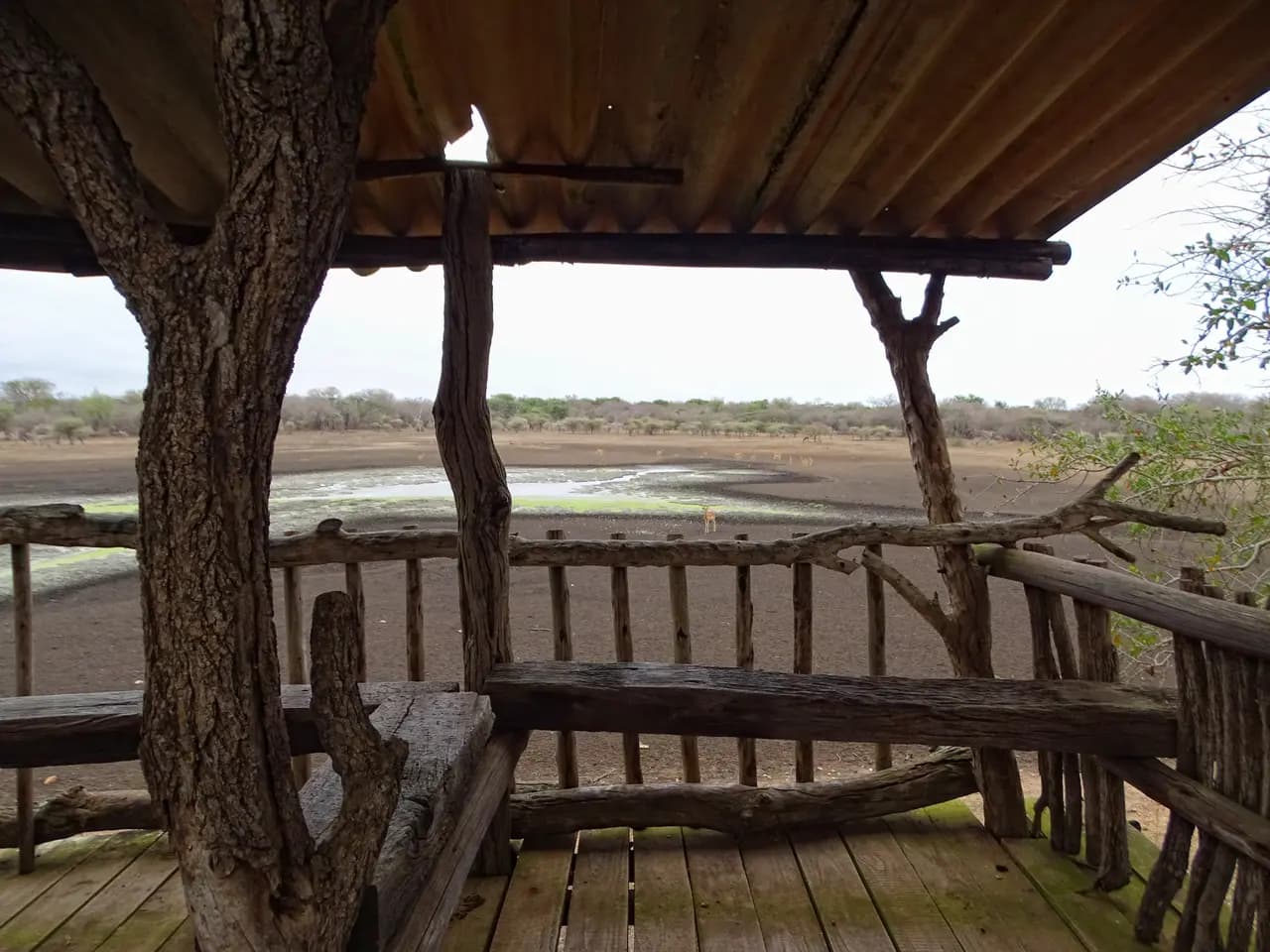
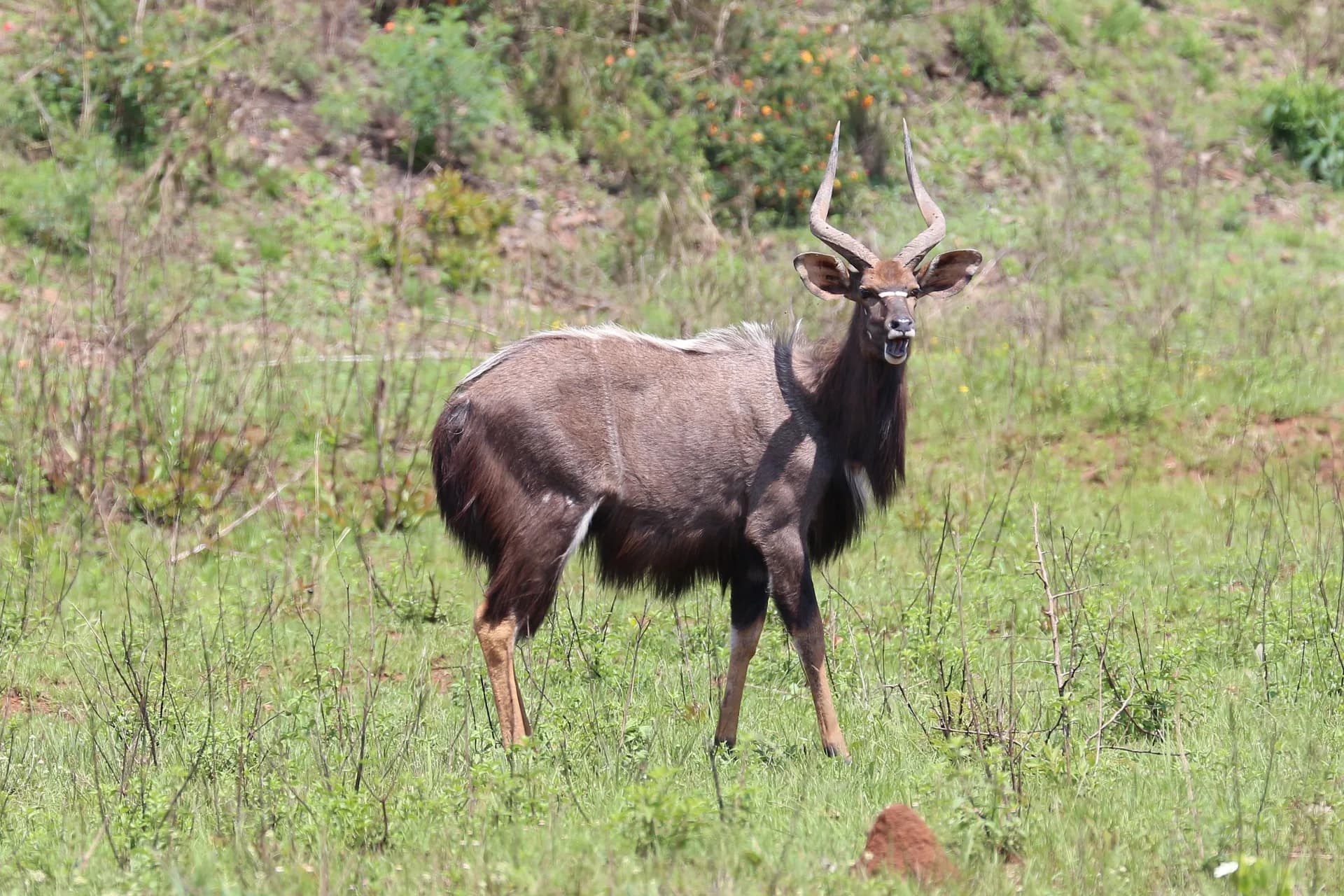
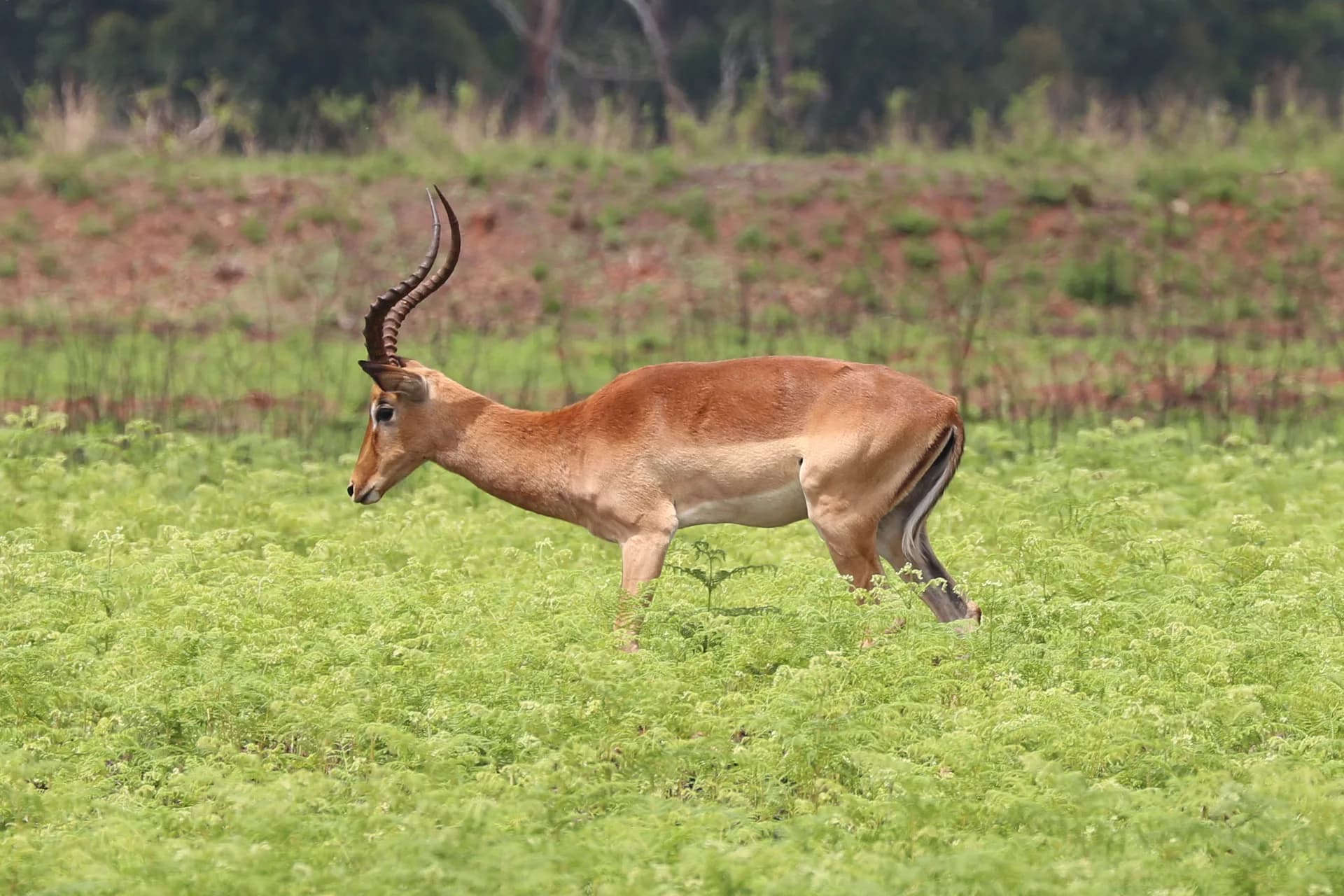
Share your trip with #viafro: the best images will join this gallery, with your credit.
Sourced data (World Bank). No investment advice.
World Bank data (World Development Indicators), consulted on 28 Oct 2026. Tourist arrivals are the latest year published.
Book your stay and take the right guidebook along: partner links, labelled as such, to current prices.
Affiliate link: Viafro earns a commission at no extra cost to you.The Viafro letter
A short letter, when there is something to say. One-click unsubscribe.
Information checked on 28 Oct 2026. Check the official source before you travel. Viafro gives no safety rating and publishes no price without a source.
Explore nearby